


 Français
 Español
 العربية
 한국어
한국어The global beverage landscape is undergoing a fundamental transformation, driven by the rapid ascent of functional hydration products. These innovative drinks, which marry essential hydration with targeted vitamin fortification and appealing natural flavors, are capturing significant market share from traditional segments. This analysis explores the consumer trends, manufacturing innovations, and strategic business opportunities defining this dynamic category. From evolving consumer preferences for multifunctional beverages to the technical challenges of nutrient stabilization, we examine how functional hydration is reshaping competitive strategies across the beverage industry.
The Ascendancy of Functional Hydration in Global Beverage Markets
Functional hydration beverages are redefining consumer expectations for everyday drinks. This category transcends basic thirst quenching by delivering targeted wellness benefits through vitamin fortification and natural flavor infusion. Market analysts project sustained double-digit growth for functional waters as health-conscious consumers seek convenient nutrition. The evolution from simple bottled water to enhanced functional variants represents a fundamental shift in beverage consumption patterns.
Consumer demand for these products is driven by a growing awareness of preventative health measures. Busy lifestyles create a need for on-the-go solutions that support immunity, energy, and overall vitality. This trend has transformed the once-simple act of hydration into a deliberate wellness choice. Brands that successfully integrate science-backed benefits with appealing taste profiles are capturing significant market share in the competitive sparkling water drink and enhanced water segments.
Vitamin-Infused Waters: A Case Study in Market Evolution
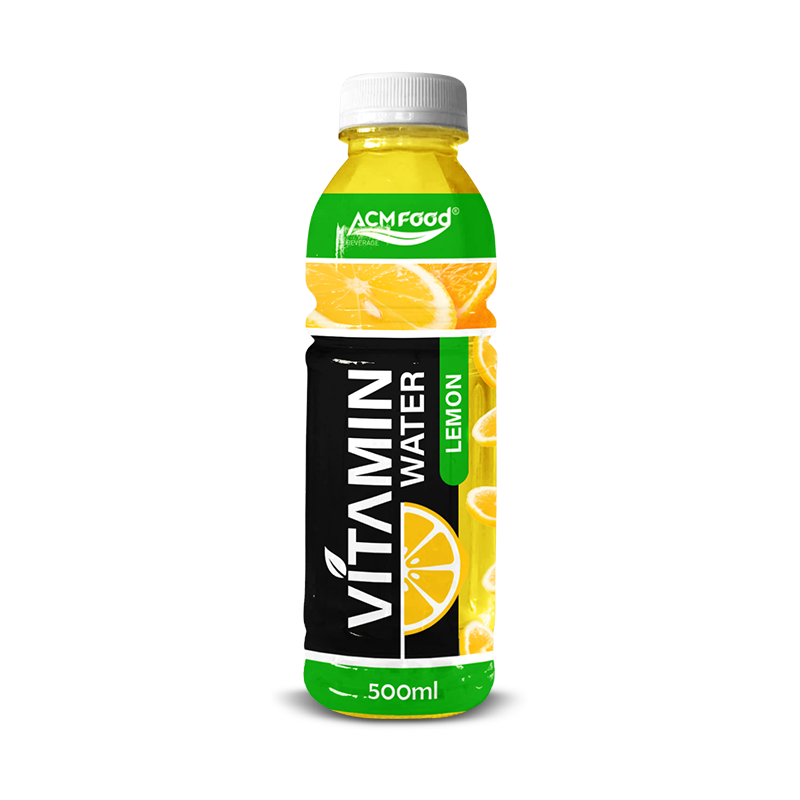
The Vitamin Water with Strawberry Flavor 500ml PET Bottle exemplifies this strategic market evolution. Positioned at the intersection of refreshment and functionality, it represents a calculated response to modern consumer priorities. This product category typically combines purified water with essential vitamins and natural fruit flavors, creating a palatable alternative to sugary sodas or plain water. The strawberry flavor variant specifically targets consumers seeking a sweet, yet health-aligned, drinking experience without artificial additives.
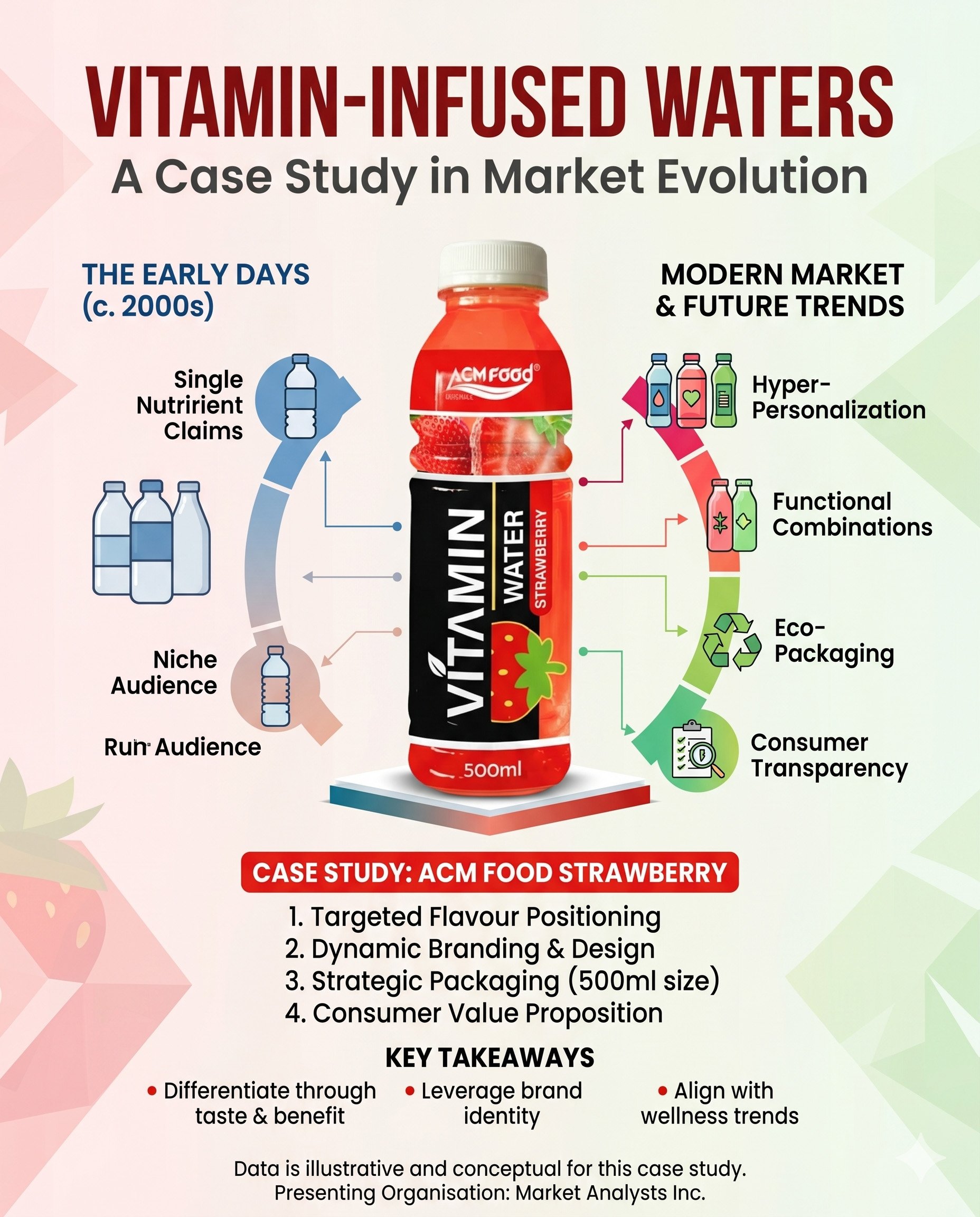
Manufacturing such products requires precise formulation expertise to ensure nutrient stability and flavor consistency. The 500ml PET bottle format addresses the demand for portable, single-serve convenience that fits active lifestyles. For business stakeholders, this product serves as a template for successful functional beverage development. Its composition reflects a clear understanding of the balance between health proposition and sensory appeal that defines winning products in today’s market.
Strategic Positioning in the Enhanced Water Segment
Successful functional waters occupy a distinct premium position within the broader hydration category. They command higher price points than traditional bottled water by delivering added value through vitamin enrichment and flavor. This positioning creates attractive margin opportunities for distributors and retailers. The market segmentation shows particular strength among millennials and Gen Z consumers who prioritize both health and experience in their purchasing decisions.
Private label and OEM manufacturing models have accelerated innovation in this space. Brand owners can rapidly prototype and launch new flavor and functional combinations by leveraging manufacturing partners with expertise in nutrient fortification. This agility is crucial for capitalizing on fleeting flavor trends or emerging nutritional science. The ability to execute low minimum order quantities allows brands to test market receptivity without committing to large-scale production runs initially.
Consumer Behavior and the Demand for Multifunctional Beverages
Modern beverage consumption is increasingly driven by a ‘more than hydration’ mentality. Consumers seek products that deliver compound benefits—refreshment plus immunity support, energy, or stress relief. This expectation has propelled the growth of functional beverages across all retail channels. The strawberry vitamin water variant directly responds to this demand by offering a familiar, enjoyable flavor paired with the perceived benefit of vitamin intake.
The visual appeal and clear communication of benefits are paramount in this category. Packaging must immediately convey the product’s functional advantage while maintaining shelf appeal. Clean label formulations with recognizable ingredients further strengthen consumer trust and purchase intent. Market data indicates that products successfully combining these elements see significantly higher repeat purchase rates than those focusing solely on either taste or function.
The Science Behind Flavor and Function Synergy
Formulating a successful functional hydration beverage requires sophisticated understanding of flavor-masking and nutrient interaction. Certain vitamins can impart undesirable tastes that must be balanced by carefully calibrated natural flavors. The popularity of strawberry as a base flavor in products like the strawberry vitamin water is no accident; its sweet profile effectively complements functional ingredients while maintaining broad consumer appeal. This technical expertise represents a key differentiator for manufacturing partners in the OEM space.
For businesses evaluating production partners, assessing this formulation capability is critical. The best manufacturers employ food scientists who specialize in stabilizing vitamins in aqueous solutions while preserving flavor integrity throughout the product’s shelf life. This technical barrier to entry creates opportunities for specialized producers to establish themselves as leaders in functional beverage contract manufacturing.
B2B Strategies for Capitalizing on Functional Hydration Trends
The functional hydration boom presents multiple strategic pathways for beverage businesses. For established brands, developing line extensions into enhanced waters can protect market share from niche innovators. For new entrants, the category offers relatively lower barriers to entry compared to dairy alternatives or complex fermented drinks. A key strategic consideration is partnership selection; aligning with manufacturers possessing robust R&D capabilities in vitamin stability and natural flavor systems can accelerate time-to-market significantly.
Distribution strategy must also evolve for these products. While they may share shelf space with traditional waters, their premium positioning and health messaging often benefit from placement in natural food stores, gyms, or office delivery services. For distributors looking to differentiate their portfolio, evaluating a manufacturing partner’s agility in developing region-specific functional blends has become a strategic imperative. The ability to customize vitamin mixes for different demographic needs—such as energy blends for Asian markets or immunity-focused formulas for post-pandemic Western consumers—creates powerful competitive advantages.
Export Opportunities in Growing International Markets
Functional hydration products show strong export potential, particularly in regions with growing middle-class populations and increasing health awareness. Markets in Southeast Asia, the Middle East, and Eastern Europe demonstrate rising demand for fortified beverages. Successful market entry often requires adaptation—both in flavor profiles preferred locally and in the specific health benefits emphasized in marketing. Manufacturers with experience navigating diverse regulatory environments for fortified foods provide invaluable support for brands pursuing international expansion.
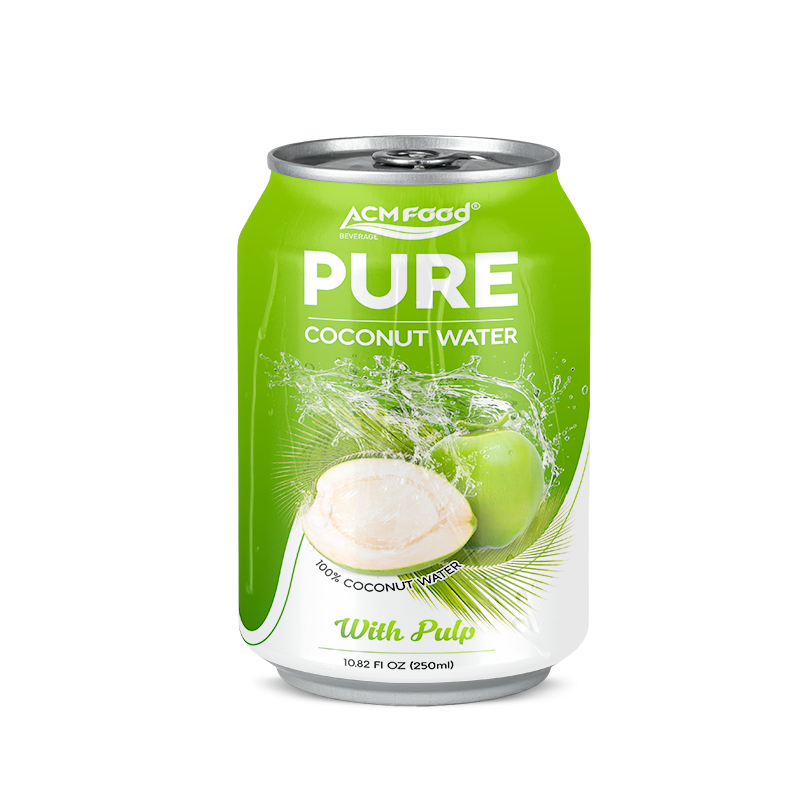
The synergy between functional waters and other trending categories like fresh coconut water creates additional innovation avenues. Combining the electrolyte properties of coconut water with targeted vitamin fortification represents a next-generation product opportunity. For forward-thinking brands, exploring these hybrid formulations through flexible OEM partnerships can unlock first-mover advantages in emerging beverage subcategories.
Expert Perspectives on the Future of Functional Beverages
Industry analysts emphasize that functional hydration is transitioning from a trend to a permanent category staple. ‘We’ve moved past the novelty phase,’ notes Dr. Elena Vance, a beverage industry consultant. ‘Consumers now expect functionality as a baseline attribute in many beverage categories, with hydration products leading this expectation. The winning products will be those that integrate benefits seamlessly into enjoyable consumption experiences, without compromising on taste or natural ingredient credentials.’
Manufacturing experts highlight the technological advancements enabling this category’s growth. ‘Stabilization technologies for sensitive nutrients like Vitamin C and B-complex vitamins have improved dramatically,’ explains Mark Chen, Director of Operations at a leading beverage OEM. ‘This allows for cleaner labels and longer shelf lives, which were previously significant constraints. The current challenge and opportunity lie in developing novel delivery systems for next-generation ingredients like adaptogens and nootropics within clear, stable aqueous solutions.’
Future Outlook: Innovation Trajectories for Functional Hydration
The next three to five years will likely see functional hydration expand into more personalized and targeted offerings. Advances in nutrigenomics may inform beverages formulated for specific genetic profiles or lifestyle needs. Sustainability will also become increasingly integrated, with expectations for eco-friendly packaging and ethically sourced ingredients becoming standard. The intersection of digital health tracking and beverage consumption presents another frontier, with potential for smart packaging that syncs with wellness apps to track nutrient intake.
Market consolidation is probable as major players acquire successful niche brands, but simultaneous fragmentation will occur as micro-targeted products emerge for specific consumer cohorts. The role of flexible, innovative OEM partners will be crucial in this landscape, enabling both large and small players to rapidly iterate and respond to shifting consumer preferences. For businesses investing in this space, prioritizing partnerships with manufacturers demonstrating both technical excellence and strategic market insight will be a key determinant of long-term success.
FAQ
What are the key consumer drivers behind the functional hydration trend?
The primary drivers are increasing health consciousness, demand for convenience in nutrition, and a desire for beverages that offer benefits beyond basic hydration. Consumers are proactively seeking products that support specific wellness goals like immunity, energy, or stress management within their daily routines. This represents a shift from reactive to preventative health approaches through everyday consumption choices.
Which vitamin combinations show the strongest market demand in enhanced waters?
Combinations supporting immunity (Vitamin C, D, Zinc), energy metabolism (B vitamins), and antioxidant protection are currently most popular. However, demand is becoming more sophisticated, with interest in specialized blends for skin health, cognitive function, and exercise recovery growing rapidly. Successful products like the vitamin water with strawberry flavor often feature these well-researched, recognizable nutrient combinations that consumers immediately understand and value.
What are the main formulation challenges in producing stable vitamin-fortified beverages?
Key challenges include preventing vitamin degradation due to light, heat, or oxygen exposure; maintaining consistent flavor profiles despite potential nutrient aftertastes; and ensuring uniform nutrient distribution throughout the product’s shelf life. Advanced manufacturing techniques like nitrogen flushing, light-blocking packaging, and micro-encapsulation of sensitive ingredients are employed to address these issues, representing areas where specialized OEM expertise provides significant value.
How important is clean label positioning for functional hydration products?
Extremely important. Consumers of functional beverages are typically more ingredient-conscious than average. They seek transparency and recognize natural ingredients. Products with artificial colors, sweeteners, or preservatives face growing skepticism. Successful formulations use natural flavors, colors from fruit and vegetable sources, and recognizable vitamin names, aligning with the clean label movement that dominates premium food and beverage segments.
What international markets present the greatest near-term opportunity for functional water exports?
Southeast Asia, particularly Vietnam, Thailand, and Indonesia, shows remarkable growth due to rising disposable incomes and Western influence. The Middle East, with its hot climate and growing fitness culture, represents another strong opportunity. Eastern European markets are also adopting functional beverages rapidly. Each region requires tailored approaches to flavor preferences and benefit communication, making flexible manufacturing partnerships essential for successful market entry and expansion.
Turning a trend into a product
For the categories, formats and ingredients the factory can actually run, see beverage product capabilities. The manufacturing side is covered in contract beverage production; to launch under your own label, see private label beverages. To brief a concept, request a quote.
Request a quote