

Pineapple juice is one of the most popular tropical beverages enjoyed worldwide, appreciated for its sweet, tangy flavor and numerous health benefits. It is often consumed on its own, included in smoothies, or used in various culinary creations. Whether it’s pineapple juice in cans, fresh-pressed at home, or part of cocktails, this beverage has become a staple for many health-conscious consumers seeking natural nutrition. In this comprehensive guide, we explore everything you need to know about pineapple juice, from its nutritional
profile and calories to its significance for different demographics, including pregnant women and men, along with some delicious recipes and remedies.
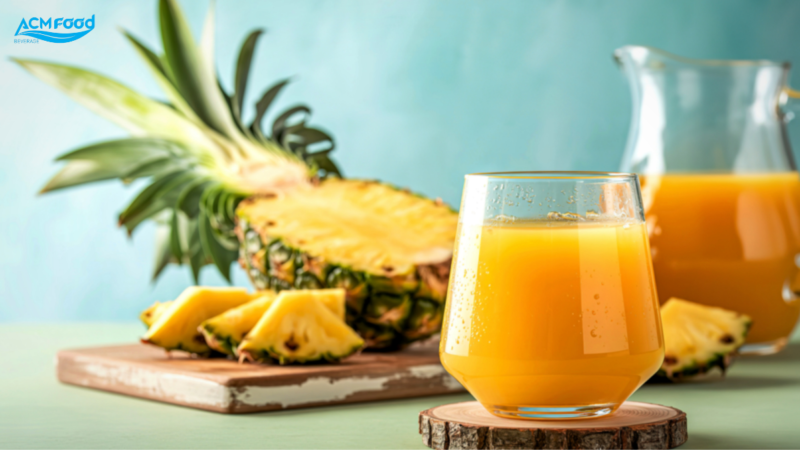
The Nutritional Profile of Pineapple Juice: Calories and Key Nutrients
Pineapple juice is rich in essential nutrients, making it an excellent addition to a balanced diet. It is notably high in vitamin C, an antioxidant that boosts immune function and promotes skin health. A standard serving of pineapple juice, such as 1 cup (about 240 ml), provides approximately 130 calories, primarily derived from natural sugars. Despite these sugars, it’s a lower-calorie beverage than many processed drinks, and its caloric content can be reduced if you opt for pineapple juice in can with no added sugar or make fresh juice at home. The juice also contains minerals like manganese, potassium, and magnesium, which support metabolic functions, muscle health, and bone strength.
In addition to vitamins and minerals, pineapple juice contains bromelain, a group of enzymes with anti-inflammatory properties. It’s also a source of dietary fiber when pulp is retained, aiding digestion. Its moderate caloric value paired with antioxidant-rich nutrients makes it a beneficial drink, especially for athletes and active individuals interested in replenishing electrolytes and energy efficiently. The pineapple juice calories are manageable for most diets when consumed in moderation, making it a healthy yet flavorful beverage choice.
Health Benefits of Pineapple Juice: A Comprehensive Overview
Pineapple juice benefits extend far beyond its vibrant flavor. Its rich vitamin C content strengthens the immune system, making it particularly valuable during cold seasons or flu outbreaks. Furthermore, bromelain enzymes in the juice aid in reducing inflammation and may improve digestion by breaking down protein molecules. Regular consumption of pineapple juice has been linked to better cardiovascular health due to its antioxidant properties that reduce oxidative stress and promote healthy blood pressure levels. These attributes underscore the importance of incorporating pineapple juice into your routine to achieve overall wellness.
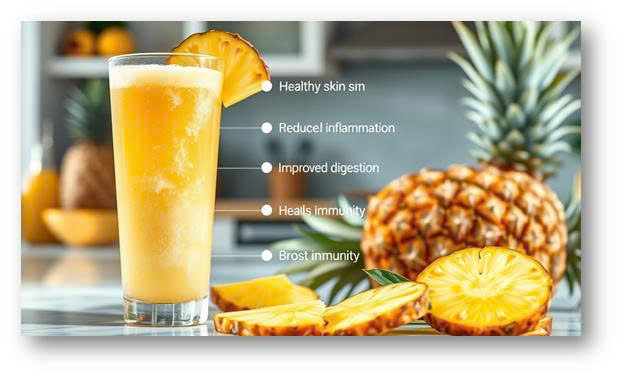
Research suggests that pineapple juice benefits female health, especially in terms of skin nourishment, anti-aging effects, and hormonal balance due to its high vitamin C and antioxidants. Additionally, it may support weight management by curbing appetite and boosting metabolism. Its natural sugars provide a quick energy source, making it ideal for post-workout recovery. These benefits underscore why pineapple juice remains a favored beverage for maintaining vitality and overall health across different age groups and lifestyles.
Pineapple Juice for Women: Specific Advantages and Considerations
Pineapple juice benefits female health in numerous ways, particularly related to skincare, hormonal health, and reproductive wellness. The high vitamin C content helps in collagen production, resulting in healthier, more radiant skin. It also contains manganese, essential for bone health and metabolic processes, which are vital for women, especially as they age and become more prone to osteoporosis. For women with hormonal fluctuations or menstrual discomfort, bromelain’s anti-inflammatory effects can help alleviate menstrual cramps and bloating, enhancing daily comfort.

However, women should be mindful of the sugar content, especially if they have concerns about blood sugar spikes or are managing diabetes. Drinking pineapple juice in moderation or opting for pineapple juice in can with no added sugar can help manage intake. For pregnant women, it is advisable to consult healthcare providers about consuming pineapple juice, but generally, the nutrients it offers, such as vitamin C and antioxidants, support fetal development and overall maternal health. Its natural sweetness and nutritional profile make it an attractive beverage choice during pregnancy when consumed judiciously.
Pineapple Juice and Pregnancy: Safety, Benefits, and Recommendations
Pineapple juice for pregnant women can be a nutritious addition to the diet, thanks to its vitamin C, folate, and antioxidants. These nutrients support the immune system, help prevent cell damage, and promote fetal growth. However, some caution is necessary; fresh pineapple contains bromelain, which in large quantities has a reputation for softening the cervix and potentially inducing contractions. Despite limited scientific evidence, many healthcare providers recommend consuming pineapple juice—especially in moderate amounts—as part of a healthy pregnancy diet.
When choosing pineapple juice, opting for pasteurized or pineapple juice in can with minimal additives is advisable to reduce bacterial contamination. Pregnant women should also monitor their intake of added sugars and prefer homemade, fresh versions where possible. The key is moderation—drinking small servings, such as a glass per day, can offer significant nutritional benefits without risking adverse effects. Overall, pineapple juice benefits for pregnant women include improved immune defense, enhanced iron absorption (thanks to vitamin C), and providing a natural, tasty source of hydration.
Pineapple Juice for Men: Exploring Potential Health Perks
Pineapple juice benefits in Hindi and for men encompass a range of health advantages linked to its nutrient profile. The high antioxidant content, including vitamin C and bromelain, can support prostate health and reduce inflammation associated with vigorous physical activity or aging. Additionally, bromelain has been studied for its potential to enhance circulation and reduce blood clot formation, which is particularly relevant to men’s cardiovascular health. Consuming pineapple juice, especially fresh or minimally processed versions, can serve as part of an overall lifestyle aimed at maintaining vitality, energy, and well-being.
Energy-boosting properties make pineapple juice an excellent beverage for active men or those needing a quick recovery after workouts. Its natural sugars supply an immediate source of energy, while nutrients like manganese, copper, and magnesium maintain muscle function and metabolic efficiency. Regular inclusion of pineapple juice benefits male health, especially in preventing oxidative stress and supporting immune resilience, making it a natural, delicious, and healthful addition to a male-centric diet.
Homemade Pineapple Juice Recipe: A Simple and Delicious Guide

Making pineapple juice at home is simple, fresh, and allows for customization according to personal taste and nutritional goals. To prepare a tasty, wholesome juice, peel and core ripe pineapples, then chop them into chunks. Blend the pineapple pieces until smooth, adding a little water if needed to reach your desired consistency. For extra flavor and health benefits, you might include a squeeze of lime or a touch of mint. Strain the mixture through a fine sieve if you prefer pulp-free juice, or leave the pulp for added fiber and texture.
Using fresh, homemade pineapple juice maximizes nutrient retention and reduces artificial additives found in canned or bottled versions. This recipe is not only easy but also versatile—you can experiment by adding other fruits like mango or coconut water for enhanced flavor and nutritional diversity. Homemade pineapple juice, whether served chilled in a glass or used as an ingredient in smoothies or cocktails, provides a refreshing, natural way to enjoy the health benefits of this tropical fruit.
Pineapple Juice and Post-Surgery Recovery: The Wisdom Teeth Connection
Pineapple juice is often recommended during post-surgery recovery, especially wisdom teeth removal, due to its anti-inflammatory and healing properties. Bromelain, in particular, helps reduce swelling and bruising, making it a popular remedy during recovery phases. Many patients find that consuming small amounts of pure, natural pineapple juice can accelerate tissue healing and alleviate pain associated with oral surgeries. However, it’s crucial to avoid acidic or very sweet juices that might irritate surgical sites or cause discomfort.
It’s advisable for patients to consult their healthcare providers before incorporating pineapple juice into their recovery diet. When consumed in moderation, it can serve as a nutritious, hydrating option that supplies vital nutrients, antioxidants, and enzymes to support healing. Additionally, choosing pineapple juice in can with no added sugars or additives ensures a safe, convenient option that fits into a post-operative nutritional plan. Overall, pineapple juice benefits in Hindi emphasize its role in supporting inflammation reduction, tissue regeneration, and overall recovery.
Pineapple Juice: Examining Different Brands and Forms
The market offers a variety of pineapple juice options, from canned products like Pineapple Juice Del Monte to fresh-pressed varieties. Each form has its advantages and considerations. Canned pineapple juice, for instance, provides convenience and longer shelf life, but may contain added sugars or preservatives. Conversely, pineapple juice in cans with no added sugars or artificial ingredients can be a healthy alternative that retains much of the fruit’s natural nutrients. Fresh juice, while requiring more effort to prepare, offers maximum freshness, flavor, and nutrient preservation.
Choosing the right pineapple juice depends on personal preferences, dietary needs, and lifestyle. It’s essential to read labels carefully and opt for products that prioritize natural ingredients. Whether you prefer commercial brands or homemade versions, the key is to enjoy pineapple juice as a part of a balanced diet, leveraging its refreshing taste and health-promoting properties. With increasing awareness about food quality, consumers are advised to look for reputable brands and certifications that guarantee purity and safety.
Pineapple Juice as a Remedy: Addressing Coughs and Other Ailments
Many traditional remedies advocate pineapple juice for alleviating coughs and respiratory issues, thanks to its high vitamin C and bromelain content. The anti-inflammatory properties of bromelain can soothe irritated throats, reduce mucus congestion, and support immune defenses. A warm glass of pineapple juice or combined with honey and ginger often provides relief during cold and cough seasons, acting as a natural remedy for respiratory discomfort. Scientific evidence supports its role in reducing inflammation, which may help in easing symptoms of coughs and bronchitis.
While pineapple juice benefits extend to digestion, immune support, and inflammation reduction, it’s important to recognize that it’s not a cure-all. Supporting treatments and medical advice should accompany natural remedies, especially during persistent or severe illnesses. Nonetheless, pineapple juice remains a flavorful, nutrient-dense option that can bolster overall health and provide comfort when fighting coughs or respiratory infections.
Pineapple Juice Cocktails: Refreshing Recipes and Creative Mixology
Adding a splash of tropical charm to your gatherings, pineapple juice cocktails are an excellent way to enjoy its flavors with a fun, social twist. Classic recipes like Piña Colada incorporate pineapple juice with coconut cream and rum for a creamy, luscious drink. For a non-alcoholic vegan alternative, a simple pineapple juice with sparkling water, mint, and lime makes a delightful cocktail without added sugars or artificial ingredients. Mixing pineapple juice with other fruit juices like mango or orange enhances its natural sweetness and offers a vibrant array of colors and flavors.
Creative mixologists often combine pineapple juice with spirits such as tequila or vodka, or craft mocktails for a more sophisticated experience. These beverages are not just entertainment but also showcase the versatility of pineapple juice as an ingredient. When preparing cocktails, using high-quality pineapple juice—preferably fresh or with no added sugar—guarantees the best flavor and nutritional value. Enjoying a well-crafted pineapple juice cocktail is about celebrating the tropical appeal and nourishing your body with the healthy benefits of this amazing fruit.
Frequently Asked Questions (FAQs) About Pineapple Juice
What are the nutritional benefits of pineapple juice?
Pineapple juice is rich in essential nutrients, notably high in vitamin C, which supports immune function and skin health. A standard serving of 1 cup (240 ml) contains approximately 130 calories, primarily from natural sugars, and also provides minerals like manganese, potassium, and magnesium that aid in metabolic functions.
How does pineapple juice benefit women specifically?
Pineapple juice offers several advantages for women, including improved skin health due to high vitamin C content for collagen production. It may also alleviate menstrual discomfort due to bromelain’s anti-inflammatory effects and support bone health with nutrients like manganese.
Is pineapple juice safe to consume during pregnancy?
Pineapple juice can be safe in moderation for pregnant women, as it provides vitamin C, antioxidants, and supports fetal growth. However, it’s advisable to consult healthcare providers and limit intake due to the presence of bromelain, which can soften the cervix in large amounts.
Can pineapple juice help with post-surgery recovery?
Yes, pineapple juice is often recommended for post-surgery recovery, particularly after wisdom teeth removal, due to its anti-inflammatory properties. It may help reduce swelling and promote healing thanks to bromelain, but patients should consult healthcare providers before consumption.
How can I make homemade pineapple juice?
To prepare homemade pineapple juice, peel and core fresh pineapples, chop them into chunks, and blend until smooth. You can customize the flavor by adding lime or mint. For pulp-free juice, strain the mixture through a fine sieve.
Are there any risks to consuming pineapple juice?
While pineapple juice is generally healthy, individuals with concerns about blood sugar levels, such as those with diabetes, should consume it in moderation. Additionally, fresh pineapple juice should be pasteurized to reduce bacterial contamination during pregnancy.
What are the best types of pineapple juice to buy?
When purchasing pineapple juice, look for products with no added sugars or preservatives. Canne options may be convenient but check labels for artificial ingredients. Fresh-pressed juice, though requiring more effort, typically offers the best flavor and nutritional content.
Can pineapple juice help relieve coughs?
Yes, pineapple juice has been traditionally used to alleviate coughs and respiratory issues due to its high vitamin C and bromelain content. It can help soothe irritated throats and reduce mucus congestion, but it is not a substitute for medical treatment if symptoms persist.
What are some creative recipes for pineapple juice cocktails?
Pineapple juice can be used to create a variety of cocktails, such as Piña Coladas with coconut cream and rum or refreshing non-alcoholic mixes with sparkling water, mint, and lime. Feel free to experiment by combining it with other fruit juices for varied flavors.
How should I store pineapple juice to maintain freshness?
To maintain freshness, store opened pineapple juice in the refrigerator and consume it within a few days. Unopened, canned or bottled juice can be kept in a cool, dry place until the expiration date indicated on the packaging.