The Pros and Cons of Energy Drinks

Energy drinks present a clear balance between performance benefits and potential health risks. In recent years, their popularity has increased among athletes, professionals, students, and fitness enthusiasts. As a result, these beverages are often promoted as quick solutions for energy, focus, and physical performance. However, like any dietary supplement, energy drinks require careful consideration. Therefore, understanding both their advantages and drawbacks is essential. In this article, scientific research, expert opinions, and real-world experiences are combined to provide a balanced perspective.

1. The Rise of Energy Drinks in Modern Fitness and Lifestyle Culture

Energy drinks in modern culture, education, and lifestyle.
Today, energy drinks are commonly found in gyms, offices, and convenience stores worldwide. This growth is largely driven by busy lifestyles, demanding workouts, and mental fatigue. Consequently, many consumers seek fast and convenient energy solutions. At the same time, the market continues to expand with a wide range of options, from sugar-heavy formulas to natural alternatives. For this reason, choosing the right product can be challenging.
Moreover, energy drinks are frequently marketed as functional beverages that enhance focus, stamina, and alertness. For example, athletes often consume them before workouts or during recovery periods. Meanwhile, everyday consumers rely on them to maintain productivity. Nevertheless, understanding their pros and cons remains critical before integrating them into a health-focused routine.
Overall, energy drinks offer layered effects. On one hand, they can support performance. On the other hand, they also introduce risks that require careful management.

2. Potential Benefits of Energy Drinks for Fitness Enthusiasts

Energy drinks offer several benefits for active individuals. Most notably, they provide a fast and noticeable energy boost. As a result, users may experience longer workout sessions and improved daily productivity.

Enhanced Physical Performance and Endurance

Primarily, energy drinks rely on caffeine as a performance-enhancing ingredient. According to research, caffeine improves endurance, reaction time, and muscular strength. For instance, a moderate intake of 150–300 mg may delay fatigue. Therefore, athletes can train longer and with greater intensity. Additionally, caffeine stimulates the central nervous system and increases adrenaline levels. As a result, the body becomes more efficient at using fat as an energy source.
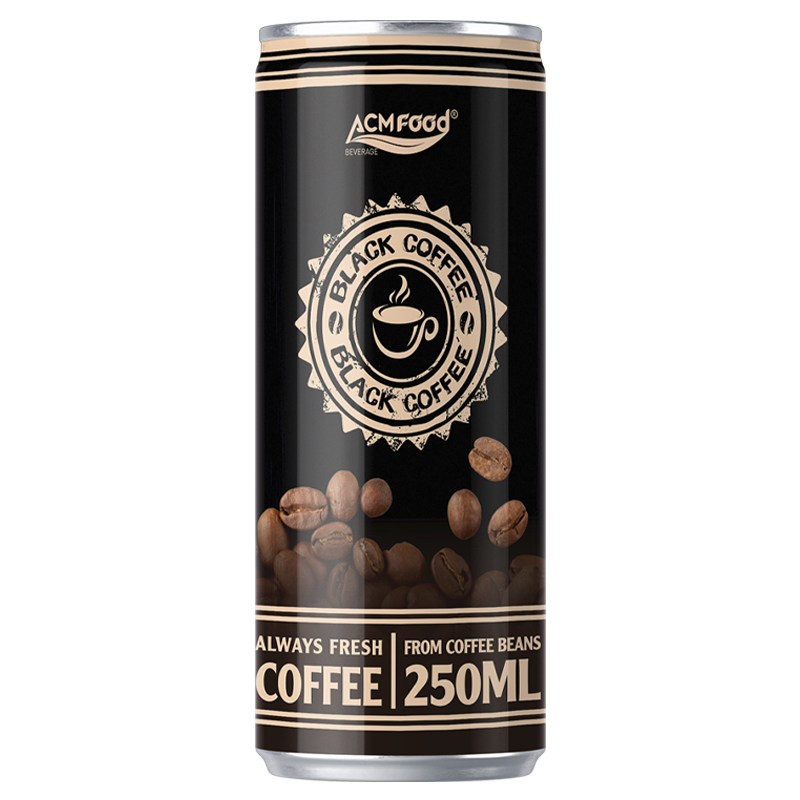
In addition to caffeine, many energy drinks include taurine, B vitamins, and adaptogens such as ginseng. Together, these ingredients may support stamina and recovery. For example, Legion Energy Drink uses natural caffeine from green coffee beans. Because of its clean formulation, it appeals to users seeking performance enhancement without artificial additives.
Drinking water promotes mental focus and clarity.

Mental Focus and Cognitive Clarity

Beyond physical benefits, energy drinks also support mental performance. Specifically, ingredients such as L-theanine, citicoline, and taurine work alongside caffeine to improve attention and mood. As a result, users often remain more engaged during workouts or mentally demanding tasks. For this reason, students and professionals frequently value these beverages.
Furthermore, mental alertness plays a crucial role in performance quality. When products offer transparent labeling, users can better predict their effects. Consequently, gym-goers often experience improved workout consistency and focus.

Convenience and Flavor Appeal

Another important advantage is convenience. Energy drinks are portable and ready to consume. Therefore, they fit easily into busy schedules or post-workout routines. In addition, the wide variety of flavors increases enjoyment and encourages consistent use.
Recently, many brands have shifted toward natural sweeteners and organic caffeine. As a result, health-conscious consumers now have better options. Compared to traditional formulas, cleaner labels reduce concerns about sugar and synthetic ingredients. Ultimately, this shift has expanded the appeal of energy drinks.

3. The Health Risks and Drawbacks of Energy Drinks

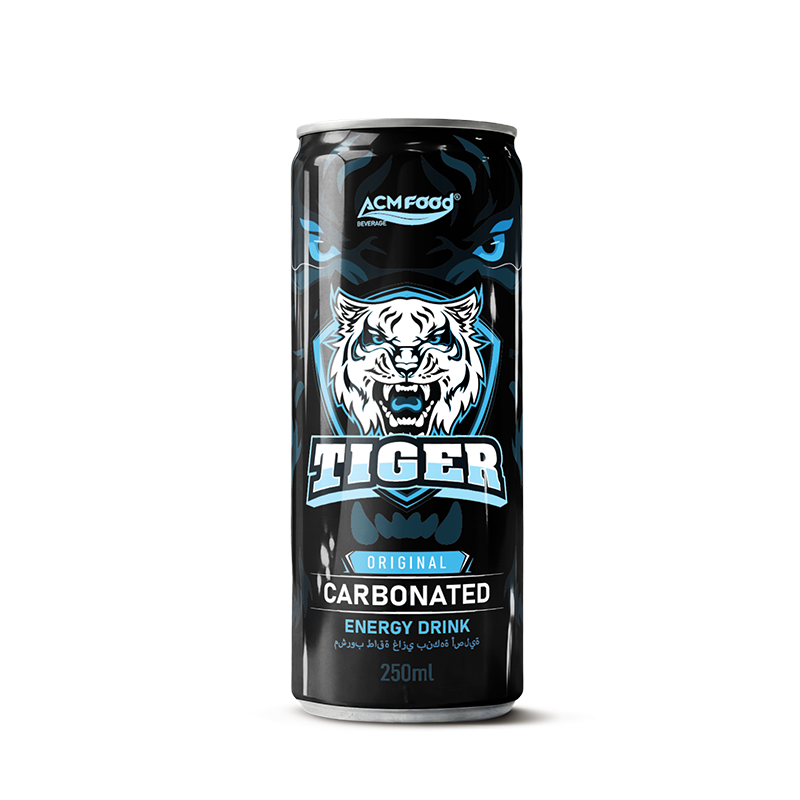
The compact 250ml Tiger energy drink is popular with many people.
Despite these benefits, energy drinks also present health risks. In particular, problems arise when they are consumed excessively or without proper awareness.
Caffeine-Related Side Effects
First and foremost, high caffeine levels are the main concern. When intake is excessive, users may experience jitteriness, anxiety, rapid heartbeat, or sleep disturbances. In some cases, even moderate amounts can cause side effects. Therefore, understanding personal caffeine tolerance is essential.
Additionally, caffeine has mild diuretic effects. As a result, dehydration may occur during intense exercise. While moderate consumption is generally safe, repeated intake throughout the day can increase health risks.

Sugar Content and Empty Calories

Another major issue is sugar content. Many conventional energy drinks contain large amounts of sugar. Consequently, they provide short-term energy followed by sudden crashes. Over time, excess sugar contributes to weight gain and metabolic disorders.

Although sugar-free options exist, they often contain artificial sweeteners. For some individuals, these may cause digestive discomfort. Therefore, reading labels carefully remains essential.

Potential for Dependence and Misuse

Over time, frequent use of energy drinks can lead to dependence. As a result, individuals may feel less productive without stimulation. Eventually, sleep quality and natural energy levels may decline. In addition, withdrawal symptoms such as headaches or irritability can occur.

Even more concerning, combining energy drinks with alcohol or other stimulants increases health risks. Unfortunately, this misuse is common in social settings.

4. Choosing the Right Energy Drink for Your Fitness Goals

Given these factors, selecting the right energy drink requires careful evaluation. Ultimately, the best choice depends on personal goals, health status, and usage habits.

Factors to Consider When Selecting an Energy Drink

To begin with, consumers should review caffeine dosage, sugar levels, and ingredient transparency. Furthermore, functional ingredients such as electrolytes or nootropics may influence effectiveness. For example, athletes seeking clean energy often choose drinks with natural caffeine sources, such as Legion Energy Drink.

In contrast, individuals sensitive to stimulants may prefer low-stimulation options like UpTime Energy Drink. Additionally, the intended use matters. Pre-workout formulas differ from drinks designed for general alertness.

Recognizing Your Personal Tolerance and Limits

Importantly, caffeine affects individuals differently. While some people tolerate higher doses, others experience side effects quickly. Therefore, monitoring intake and timing consumption wisely is crucial.

In many cases, guidance from healthcare professionals can be beneficial. For instance, registered dietitians like Destini Moody, RD, CSSD, LD, can provide personalized recommendations.

Alternative Natural Options

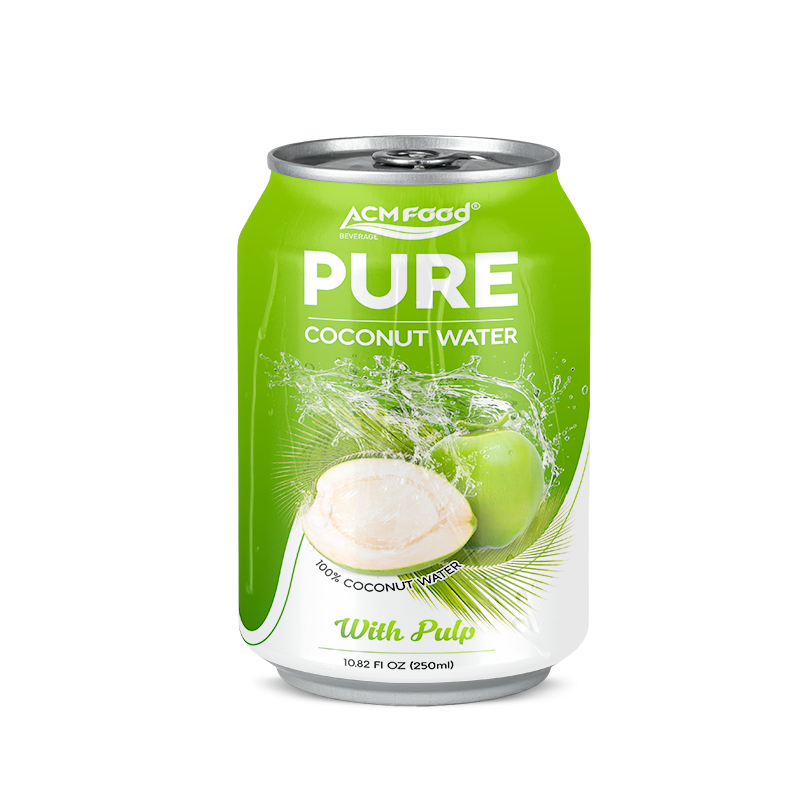
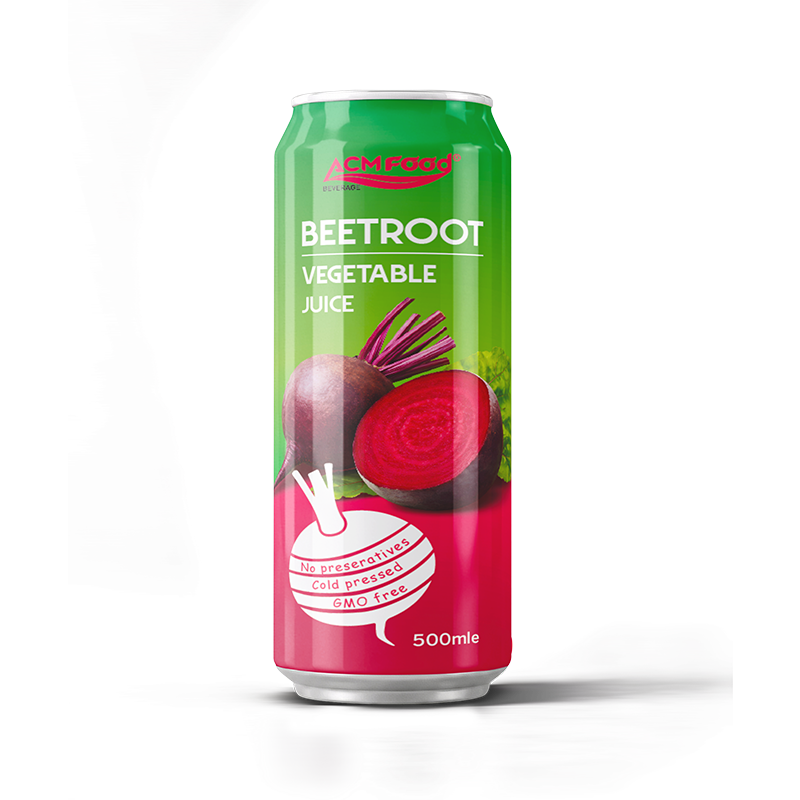
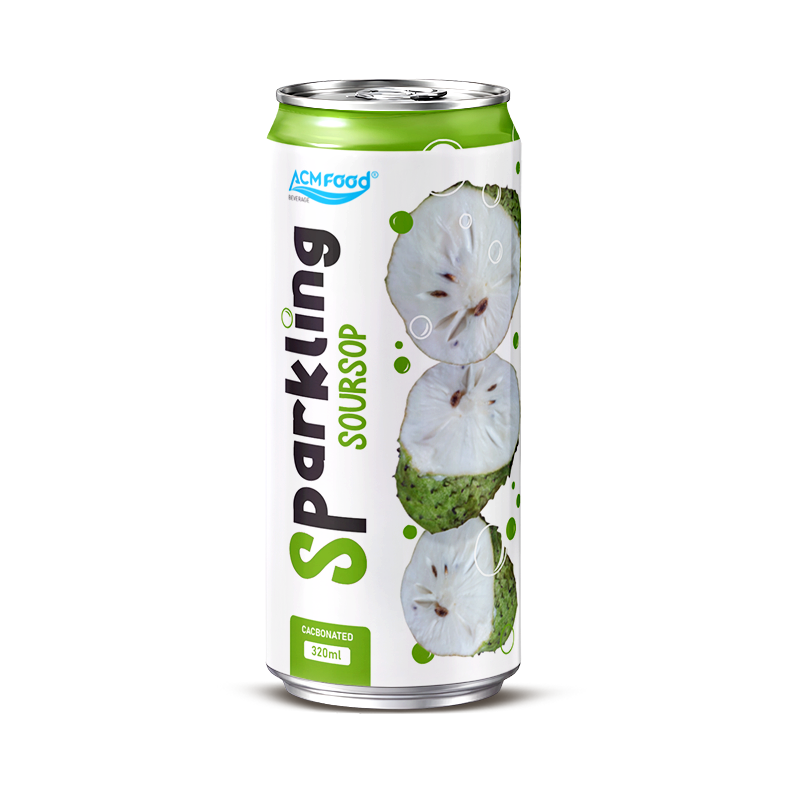
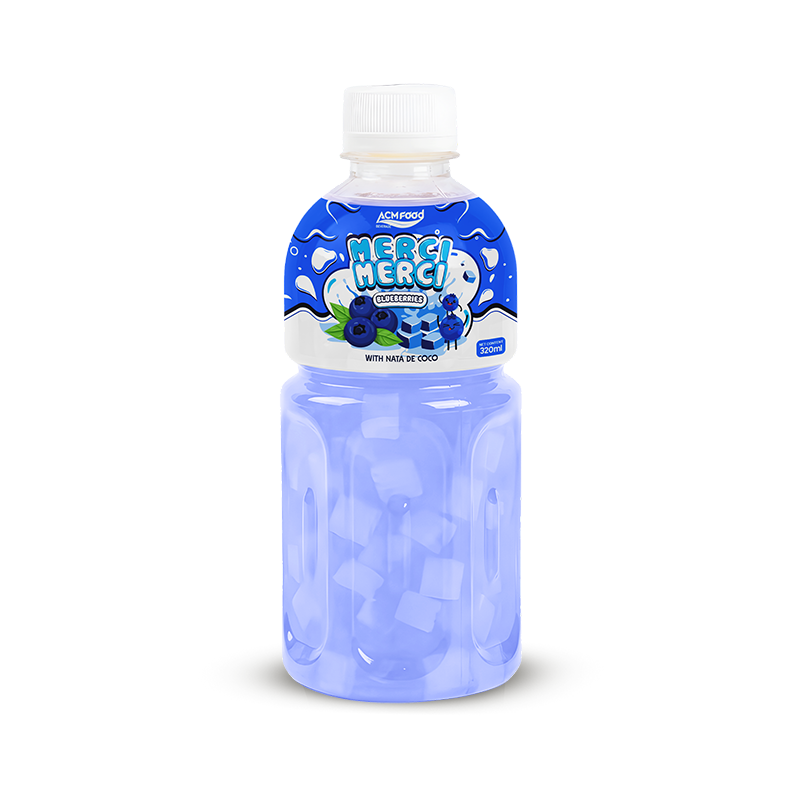
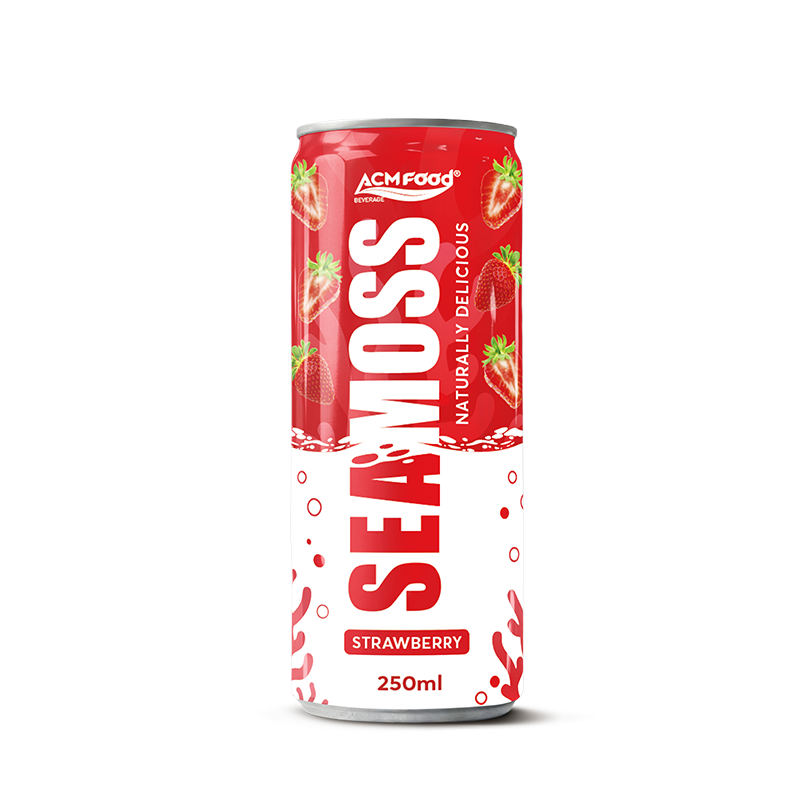
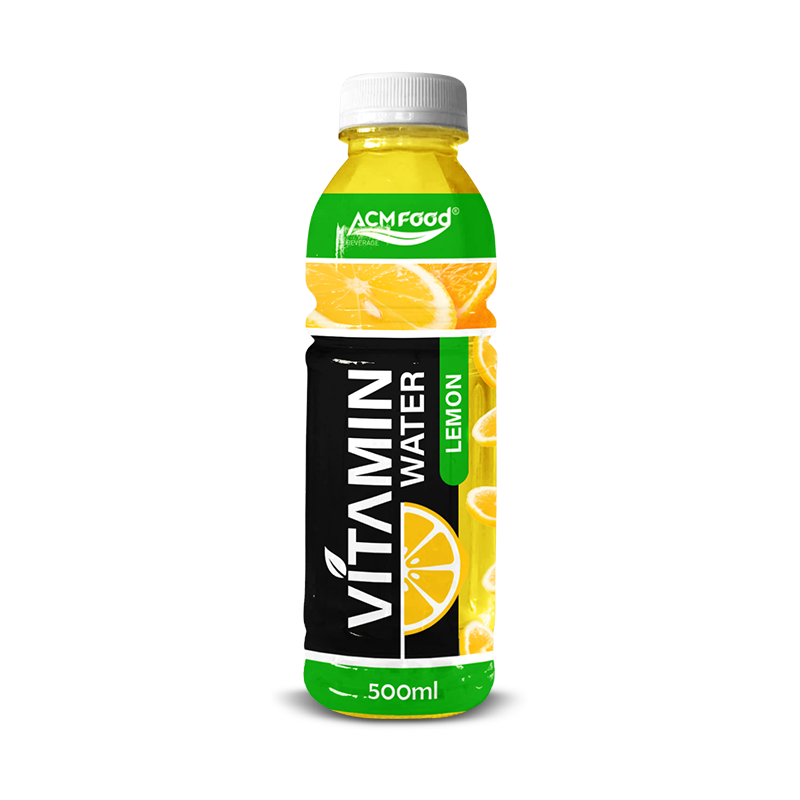
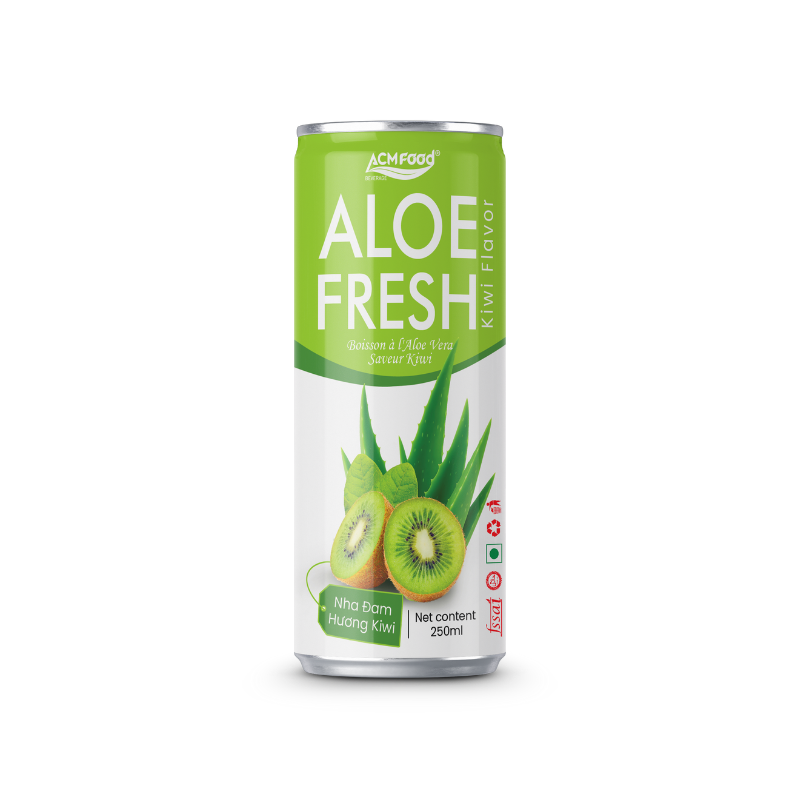
For those seeking alternatives, natural beverages offer gentler energy support. For example, coconut water and herbal teas promote hydration and balance. Similarly, companies like ACM FOOD provide tropical health drinks formulated with plant-based ingredients.

Although these options may not deliver immediate stimulation, they do support sustained energy. As a result, they align well with long-term wellness goals.

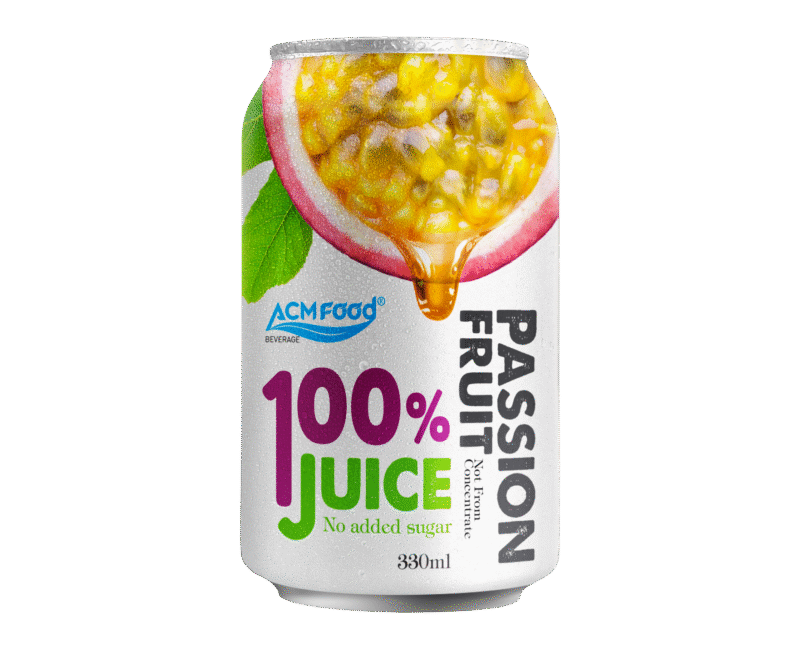
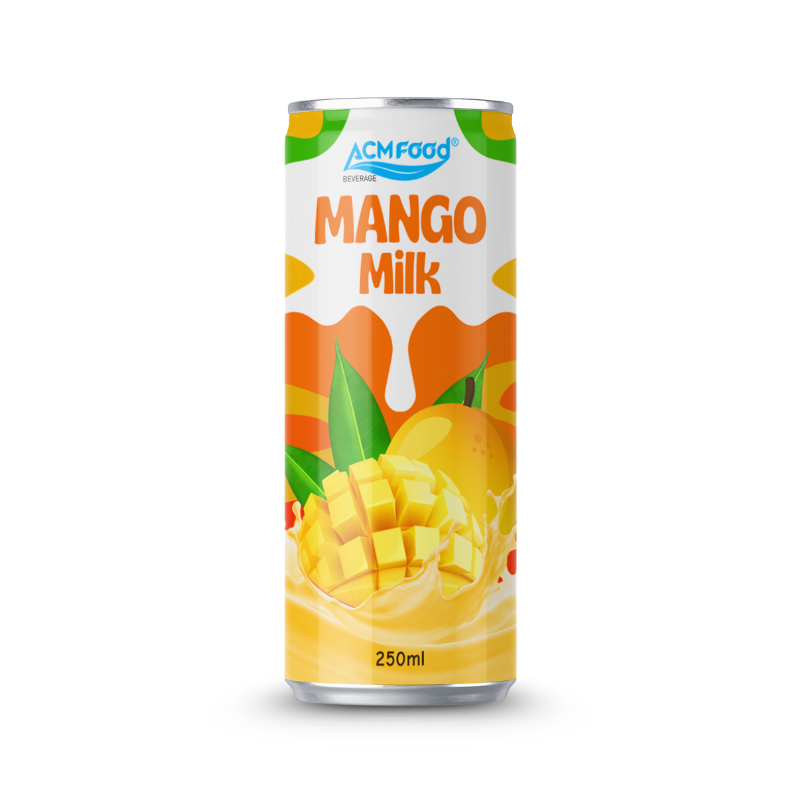
Choose formulas that are extracted from fruits.

5. Conclusion

In summary, the pros and cons of energy drinks demonstrate a careful balance. When used responsibly, they can enhance performance and focus. However, excessive intake increases the risk of negative effects. Therefore, choosing products with moderate caffeine and transparent ingredients is essential.

Ultimately, informed decisions allow users to gain benefits while minimizing risks. When incorporated thoughtfully, energy drinks can support fitness and productivity as part of a balanced lifestyle.

Leave a Reply

Your email address will not be published. Required fields are marked *