


 Français
 Español
 العربية
 한국어
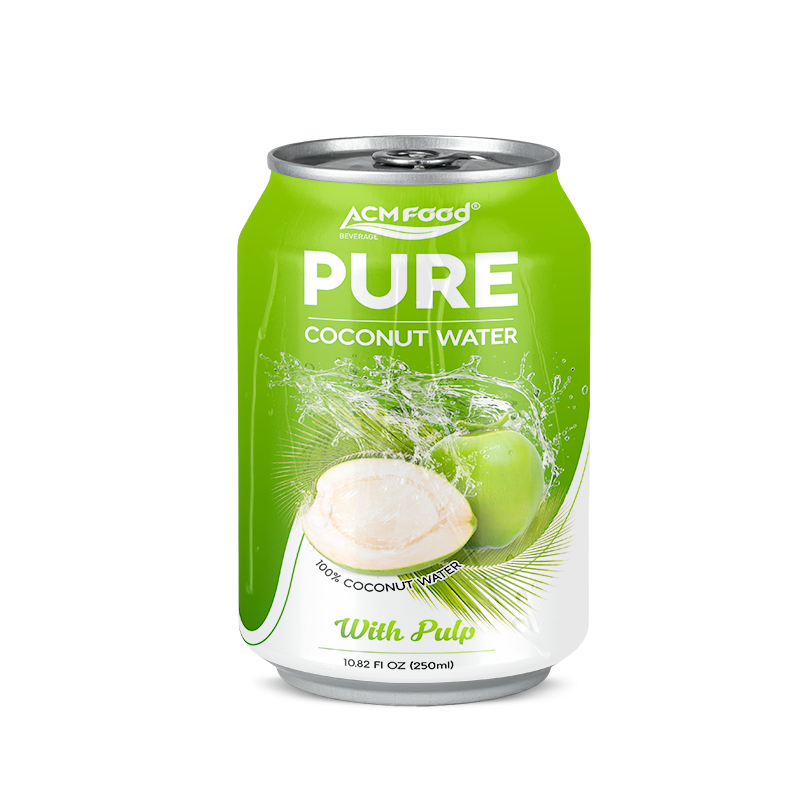
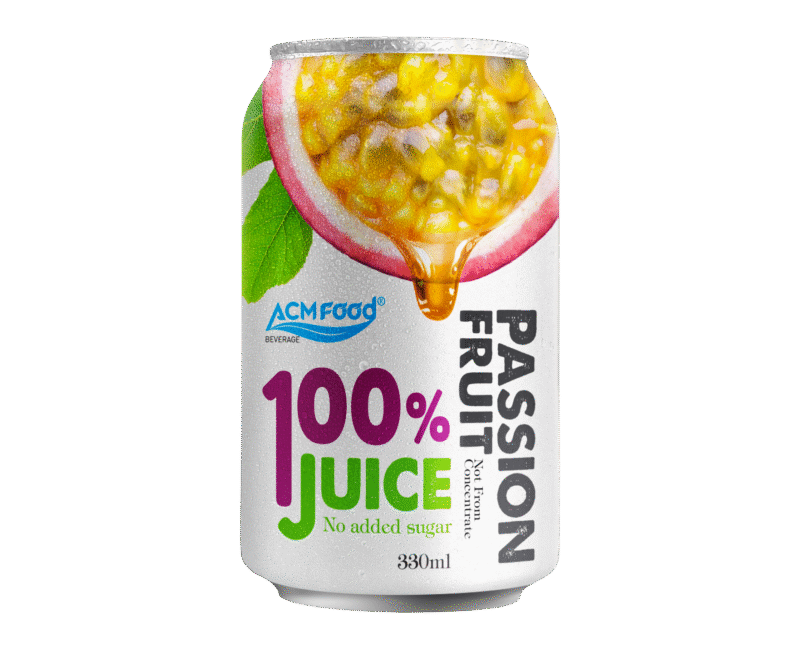
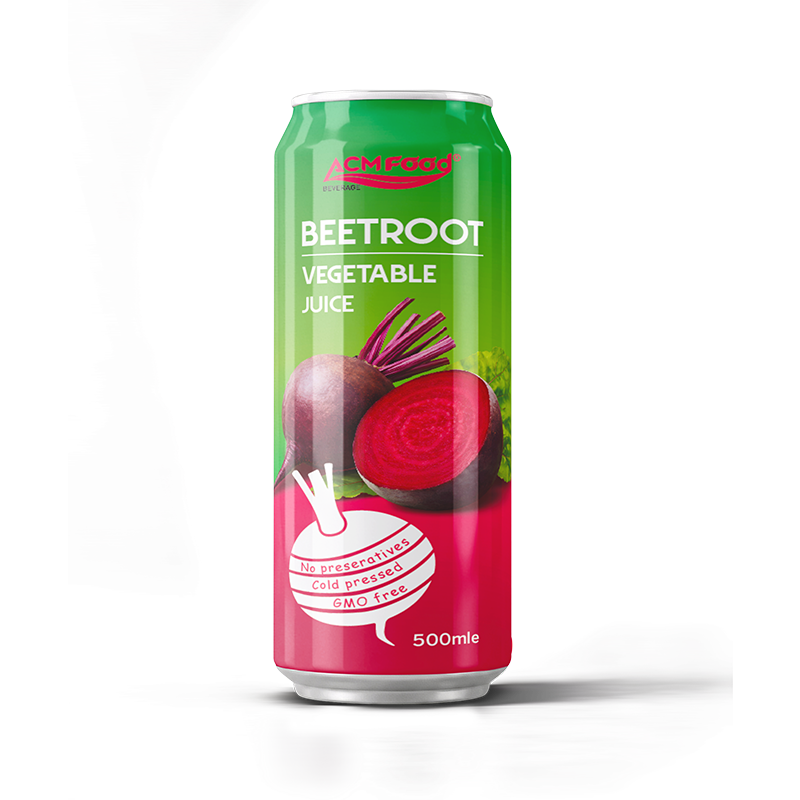
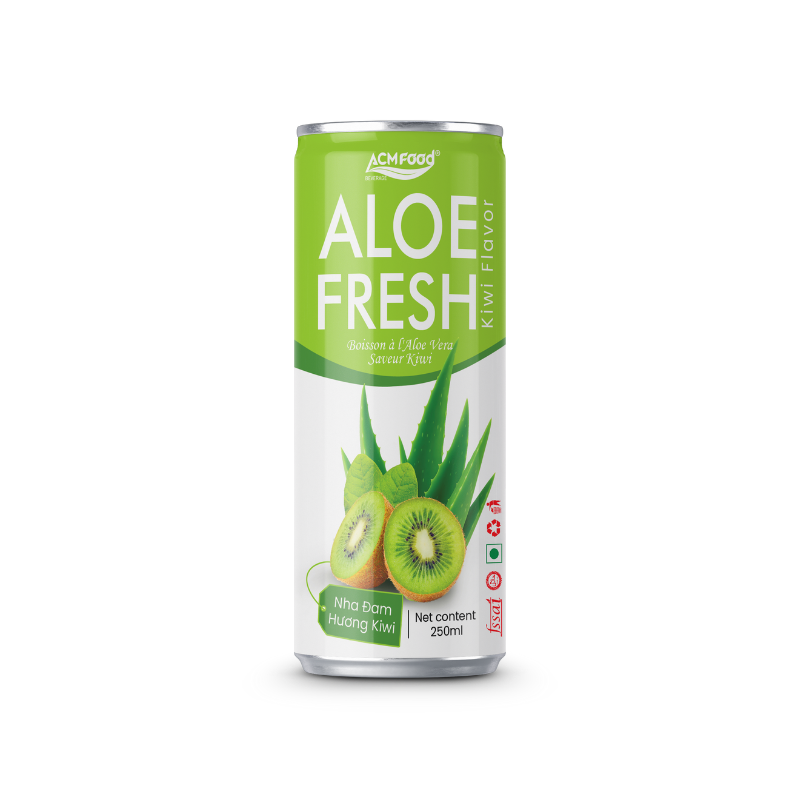
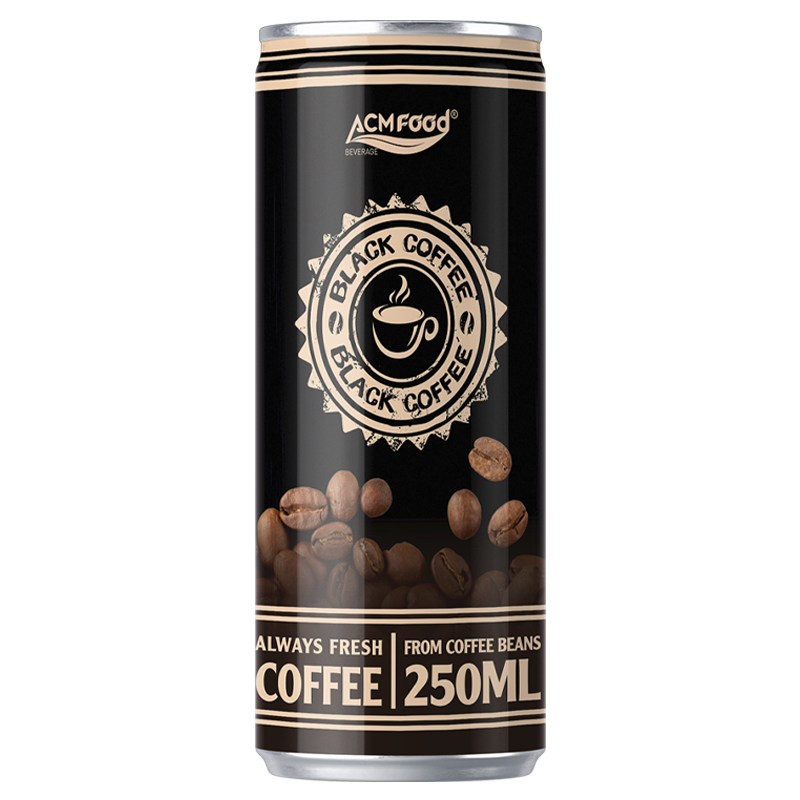
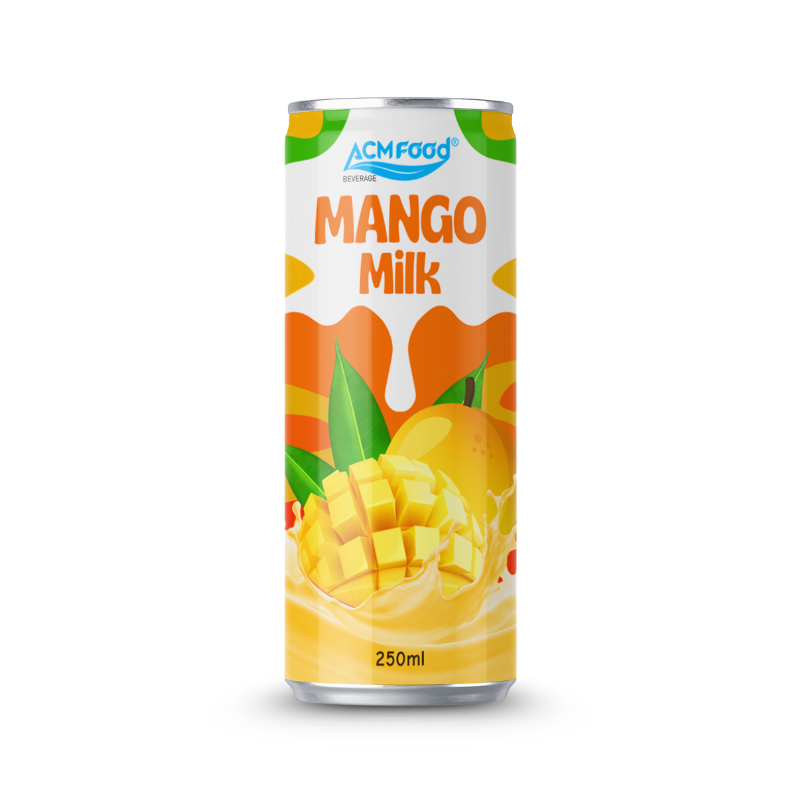
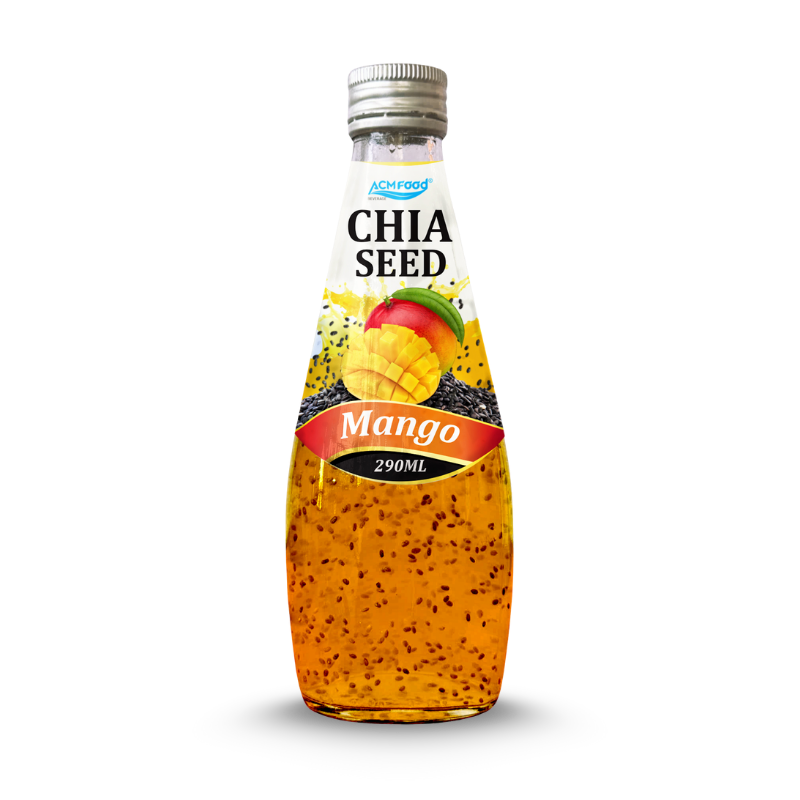
한국어The price of bottled fruit juice is driven mainly by raw fruit cost, juice content (100% juice versus nectar or juice drink), processing method, packaging (PET, glass or aluminium can), order volume, certifications and logistics. For B2B buyers, packaging and fruit input together usually make up the largest share of unit cost.
In B2B beverage sourcing, fruit juice cost directly affects pricing stability, margin control, and long-term cooperation. Unlike carbonated beverages, fruit juice relies on fresh agricultural inputs. Therefore, suppliers must manage shorter shelf life and stricter food safety standards.
As a result, fruit juice pricing carries higher volatility. Importers, distributors, and OEM buyers must clearly understand cost drivers before entering supply agreements or long-term contracts.
Cost Structure – What Buyers Need to Evaluate
Raw Material Costs – Supply Stability and Price Risk

First, fresh fruit prices fluctuate with seasonality and climate conditions. Droughts, heavy rainfall, or poor harvests can increase raw material costs in a short period.
From a buyer’s perspective, this volatility directly affects price consistency and contract reliability. Therefore, suppliers must demonstrate strong sourcing strategies and risk management capabilities.
Moreover, buyers should evaluate the balance between domestic and imported fruit. Domestic sourcing reduces logistics costs and lead time. However, imported fruit offers more consistent quality and volume. Each option impacts unit cost, pricing flexibility, and delivery reliability.
Finally, loss rate and juicing efficiency play a critical role. Processing yield determines how much raw fruit converts into saleable juice. Higher loss rates translate directly into higher OEM pricing.
Processing Technology – Cost vs. Market Positioning
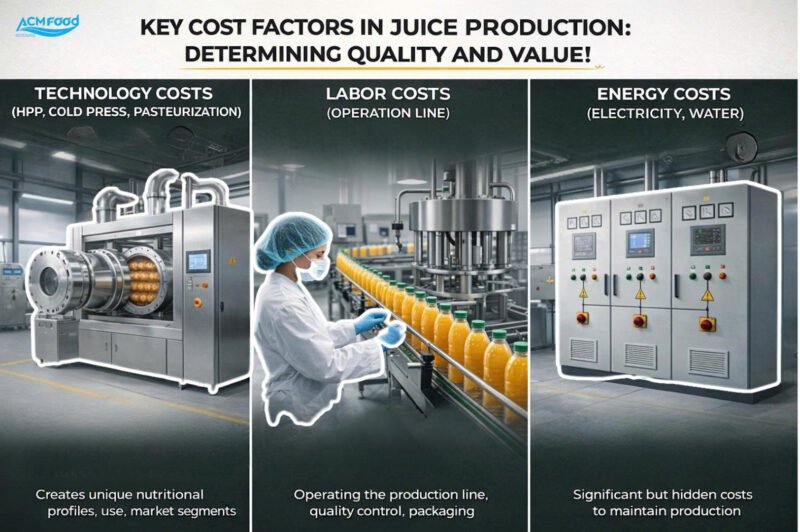
Next, processing technology defines both cost structure and product positioning. Cold press, pasteurization, and HPP require different capital and operating investments.
For OEM buyers, these choices affect nutritional claims, shelf life, export compliance, and target market positioning. Therefore, buyers must align processing technology with their intended market and price segment.
In addition, labor, energy, and water costs scale with production volume. At industrial scale, these factors significantly influence unit cost and long-term pricing competitiveness.
Packaging Costs – Impact on Unit Price and Brand Strategy
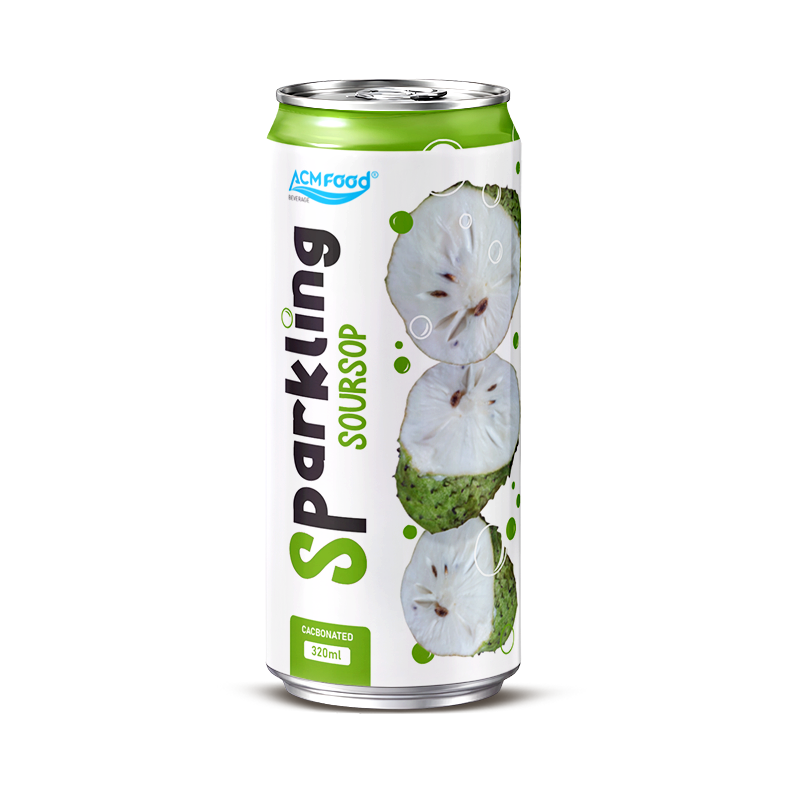
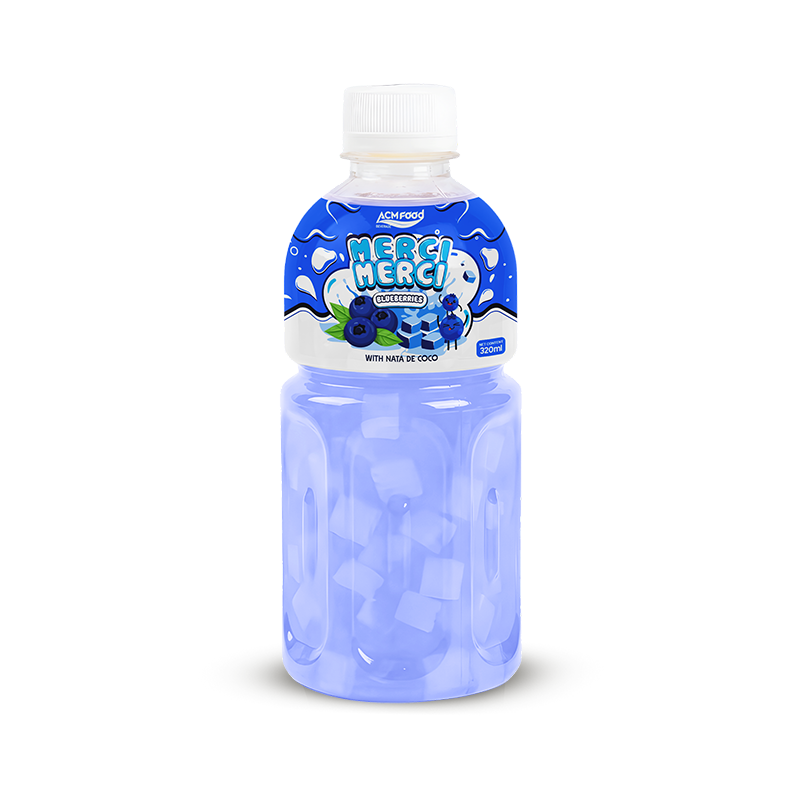
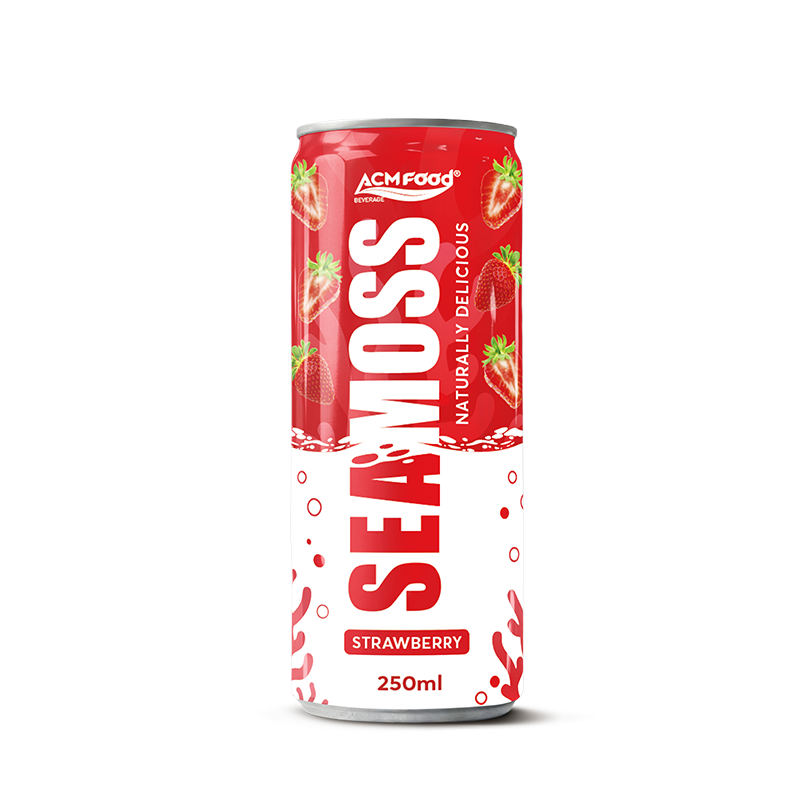
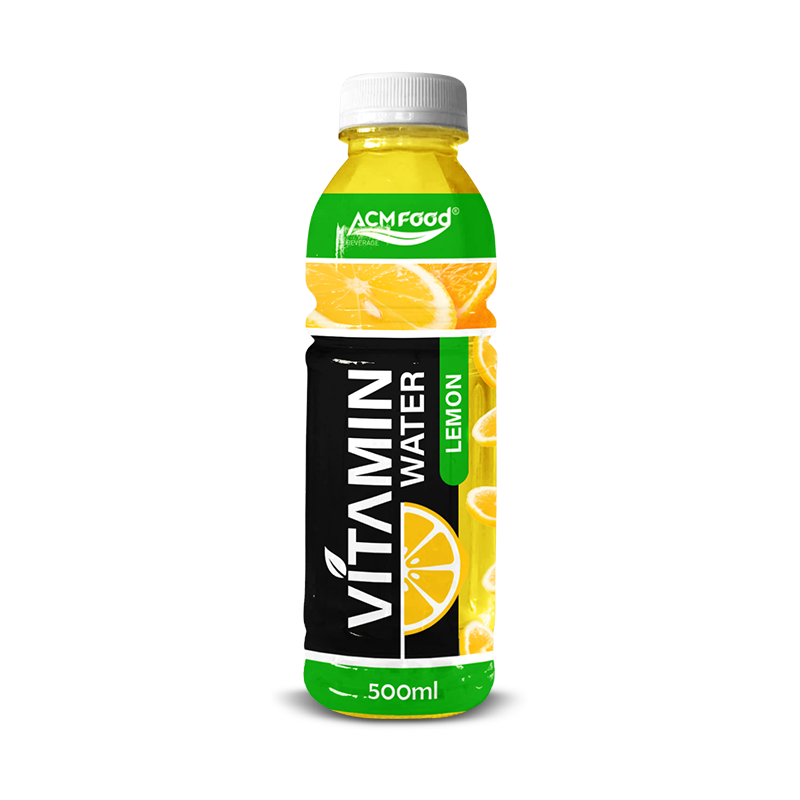
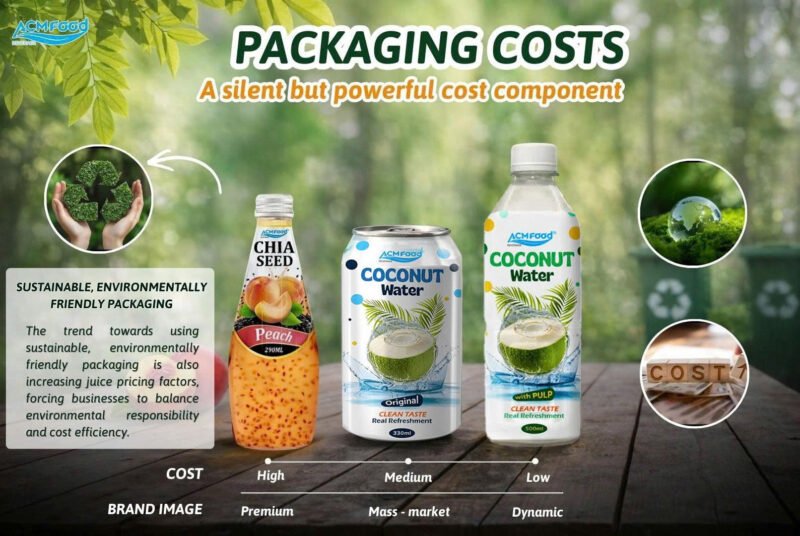
Packaging choice directly affects unit cost and perceived value. PET bottles, glass bottles, and aluminum cans serve different market strategies.
Premium packaging increases cost but supports higher retail pricing and stronger brand positioning. For distributors and private-label buyers, packaging decisions must balance cost efficiency, shelf appeal, and logistics performance.
At the same time, sustainable packaging requirements continue to rise in global markets. As a result, buyers should consider both compliance cost and long-term brand value when selecting packaging solutions.
Logistics and Distribution Costs – Scalability and Risk Control
Logistics represents a major cost component in juice distribution. Short shelf life requires cold-chain transportation, temperature control, and strict handling procedures.
For importers and distributors, these factors affect delivery reliability, inventory risk, and market scalability. Although companies find these costs difficult to reduce, efficient logistics management determines long-term operational sustainability.
Fruit Juice Cost and Long-Term B2B Pricing Strategy
Fruit juice cost does not remain fixed over time. Multiple cost layers interact and change with market conditions. Therefore, successful OEM and distribution partnerships focus on transparent cost structures and flexible pricing mechanisms.
Buyers who understand these pricing factors can negotiate more effectively and reduce supply risk. As a result, they build stable partnerships rather than short-term transactions.
Conclusion
For importers, distributors, and OEM buyers, fruit juice cost reflects more than production expense. It represents supply stability, operational efficiency, and long-term scalability.
When buyers evaluate raw materials, processing technology, packaging, and logistics as a complete system, they gain stronger control over pricing and risk. Ultimately, sustainable cooperation depends on transparency, strategic cost management, and aligned market goals.
Compliance and shipping at ACMFOOD
For the certificates and food safety systems buyers and customs ask us to produce, see certifications and food safety systems. For shipping terms, the document pack and container planning, see export and logistics. To discuss a specific market, request a quote.
Request a quote