


 Français
 Español
 العربية
 한국어
한국어Juice shelf life is the period during which a product stays safe and within its quality specification, typically 6–18 months for heat-treated, shelf-stable juices. Nutrients such as vitamin C decline gradually during storage, faster at higher temperatures and with oxygen exposure, so processing and packaging directly affect nutritional value.
Things You Need to Know About Shelf Life
Shelf life refers to the period during which a product maintains its quality, safety, and usability when manufacturers store it under recommended conditions. In simple terms, shelf life describes the product’s “lifespan.”
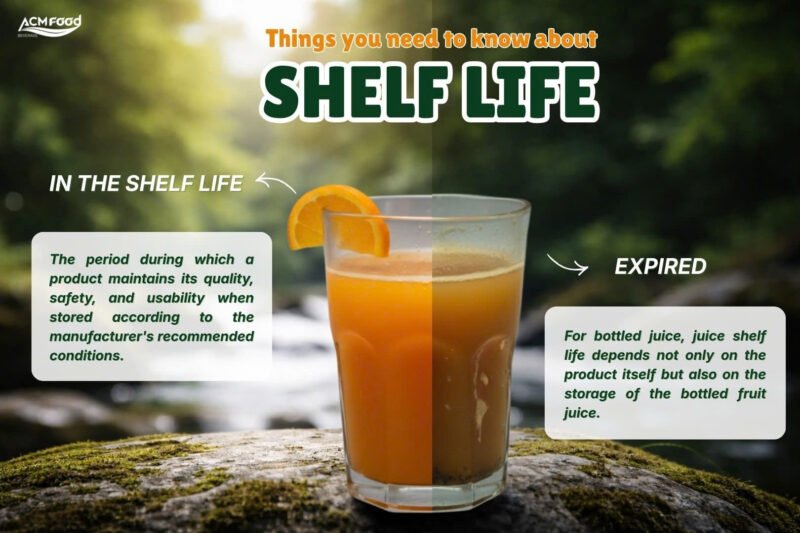
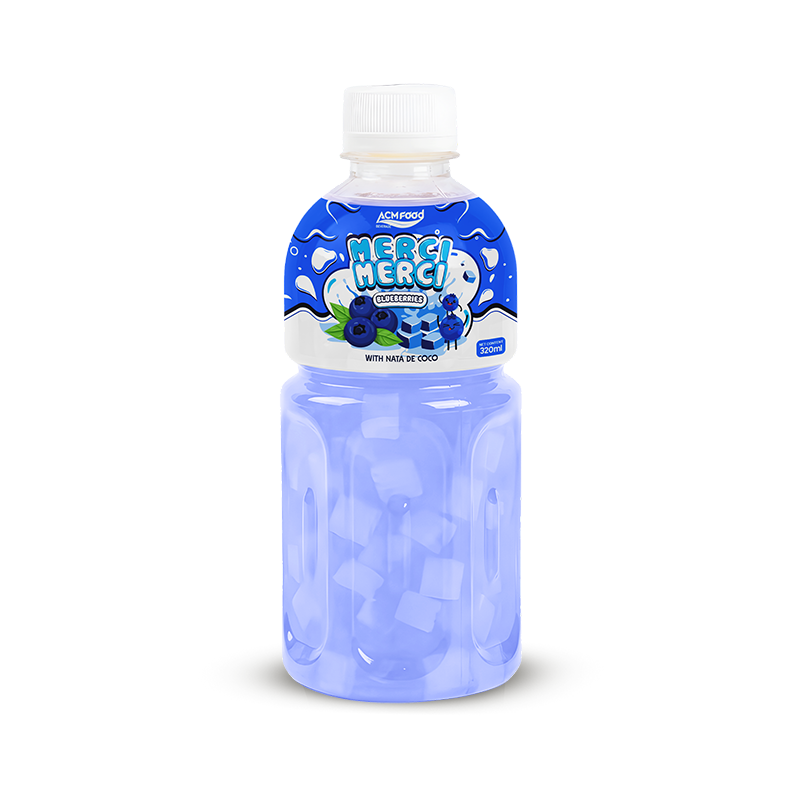
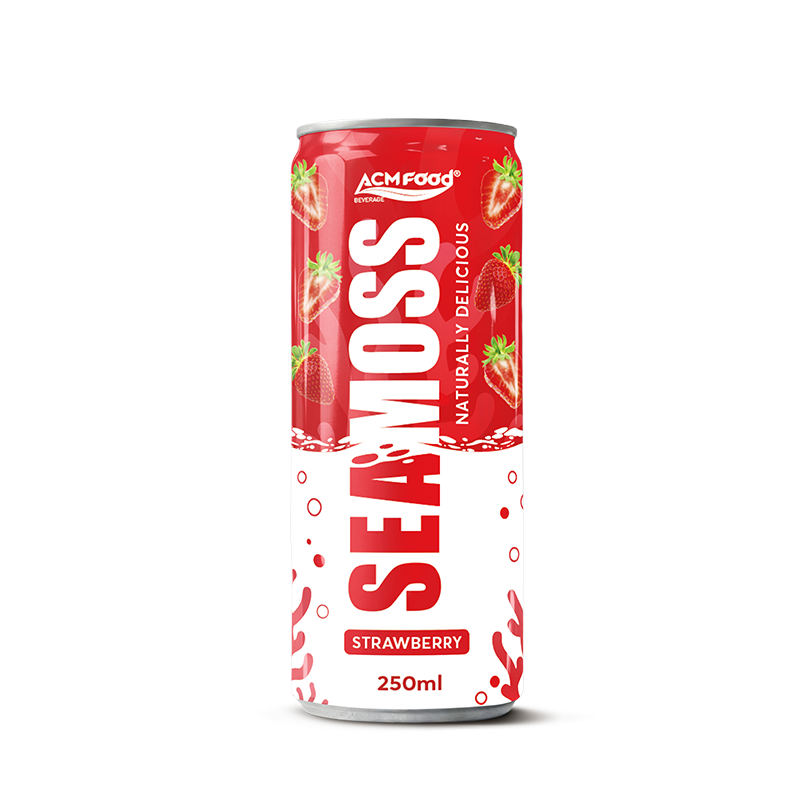
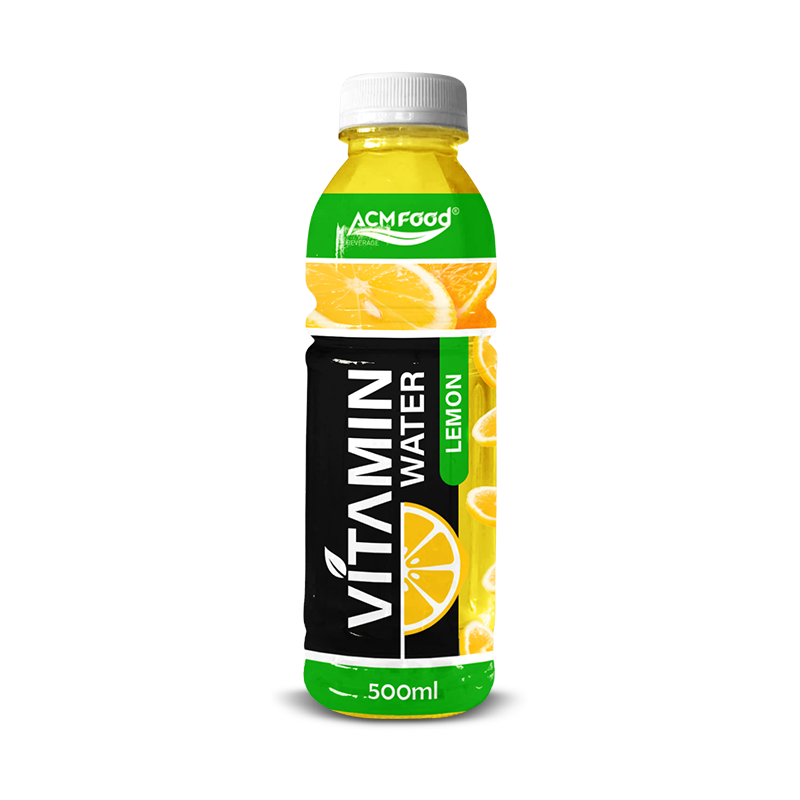
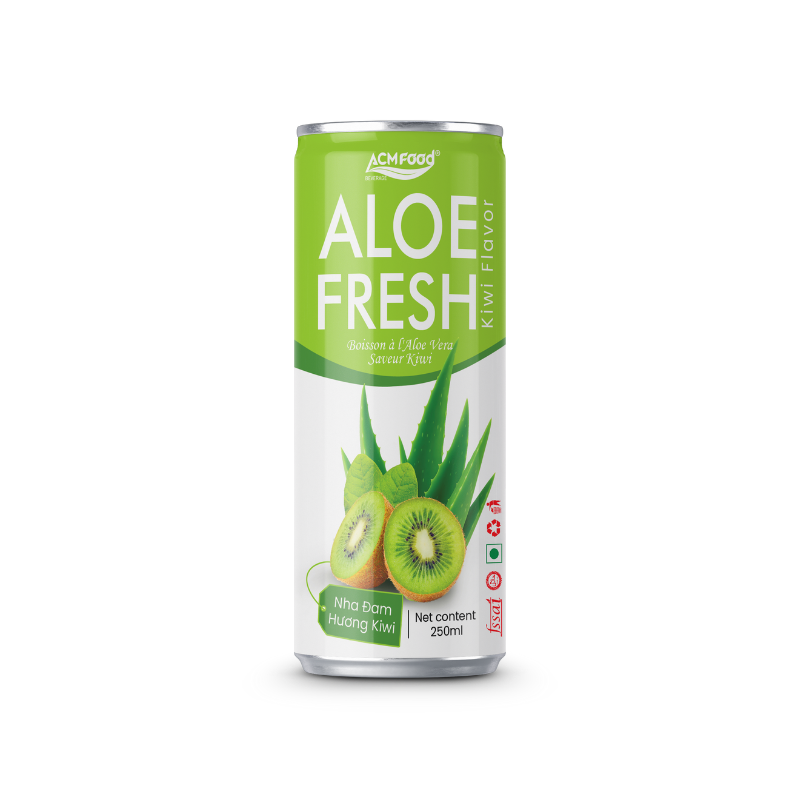
For bottled fruit juice, shelf life reflects the visible quality differences between juice that remains within its expiration date and juice that has expired, even when stored properly.
In practice, the shelf life of bottled juice depends not only on the product itself but also on how producers preserve, store, and distribute it throughout its lifecycle. In addition, manufacturers determine shelf life through scientific research and experimental testing rather than assumptions.
Factors Affecting Shelf Life in Non-Alcoholic Beverages
Shelf life does not remain fixed. Instead, multiple internal and external factors continuously influence it.
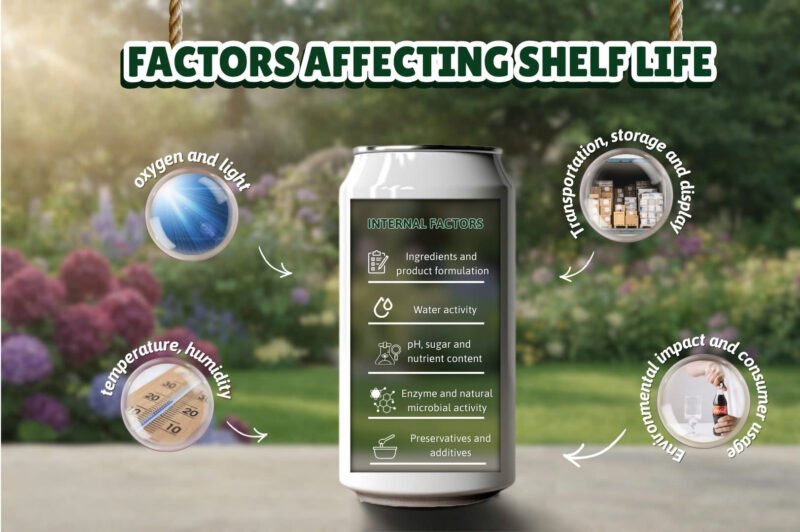
Internal Product Factors
Ingredients and product formulation
Water activity
pH level, water content, sugar, and nutrients
Enzymatic reactions and natural microbial activity
Preservatives and food additives
External Product Factors
Packaging quality and protection against oxidation and light
Storage conditions, including temperature, humidity, and light exposure
Transportation, warehousing, and retail display processes
Environmental conditions and consumer handling
To accurately determine shelf life, manufacturers need a deep understanding of their product characteristics and must closely monitor external influences during storage and transportation. By doing so, businesses can actively optimize quality control and product consistency.
Common Methods for Determining Product Shelf Life
Direct method:
Manufacturers store the product under conditions that closely resemble real-life storage, transportation, and distribution environments. They monitor and evaluate the product at regular intervals. This method suits products with a relatively short shelf life.
Accelerated testing method:
Manufacturers intentionally adjust factors such as temperature, humidity, or oxygen levels to speed up food deterioration. This approach helps predict shelf life within a shorter testing period.
Challenge testing:
During production, manufacturers deliberately introduce specific microorganisms or pathogens into the product. They then observe microbial growth under real transportation and storage conditions.
Microbiological prediction method:
This method uses mathematical and statistical models to analyze how microorganisms behave under varying conditions, such as temperature, pH, humidity, and oxygen levels. Due to its complexity, manufacturers often apply this method when developing new products.
Conclusion
Multiple elements—including product formulation, processing techniques, packaging solutions, and storage conditions—jointly influence the shelf life of bottled fruit juice. By understanding both internal and external factors, manufacturers can actively control product quality, ensure food safety, and optimize bottled fruit juice storage throughout distribution. Applying appropriate shelf life testing methods enables businesses to accurately predict product lifespan and deliver consistent quality to consumers.
Turning this into a product
For the formats, ingredients and processing routes the factory actually runs, see beverage product capabilities. How production is organised is set out in OEM beverage production; for launching under your own label, see private label beverages. Testing and shelf-life verification are covered in quality and food safety. To discuss a specification, request a quote.
Request a quote