


 English
 Français
 Español
 العربية
The global market for pure coconut water has matured significantly — and that maturation is exactly what makes 2026 a more interesting moment to enter than 2025 ever was. When buyers come to us asking about sourcing canned coconut water from Vietnam, they’re rarely asking “does demand exist?” They already know it does. What they actually want to know is: where are the real sourcing risks, what does a defensible supply chain look like, and how do you avoid paying for mistakes that someone else already made?
Those are the right questions. Let’s work through them.
What “Pure” Actually Means on a Label — and Why It Matters to Your Buyers
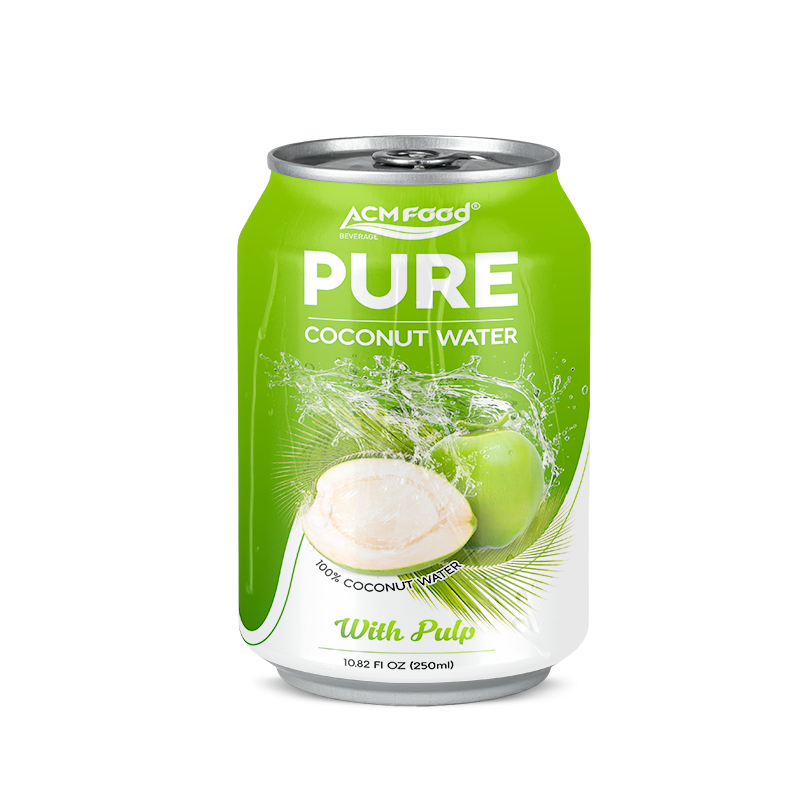
There’s a quiet confusion in this category that costs importers money downstream. In most major markets — the US, EU, Australia, and increasingly the GCC — “pure coconut water” on a label carries a specific regulatory implication: no added sugar, no preservatives, no reconstituted concentrate. It means the liquid came from young green coconuts and was processed minimally before canning. That sounds simple. In practice, the gap between what a supplier calls “pure” and what your target market’s food authority will certify as such can be significant.
From our experience working with importers across Europe and North America, the most common sourcing friction point isn’t price. It’s documentation misalignment. A factory may produce a genuinely clean product — no additives, fresh-pressed — but if their process doesn’t meet the specific traceability and testing standards of your target market, the shipment sits in a port warehouse while you sort it out. That delay typically costs more than the price difference you negotiated in the first place.
The practical implication: before you lock in a supplier, get a sample of their existing export documentation. Not a promised template. Actual certificates issued for real shipments — FDA registration, EU food safety compliance records, Halal or Kosher if relevant to your market. A factory that exports regularly will have these on file. One that’s new to export will not.
Vietnam as a Sourcing Origin: The Commercial Reality Behind the Geography
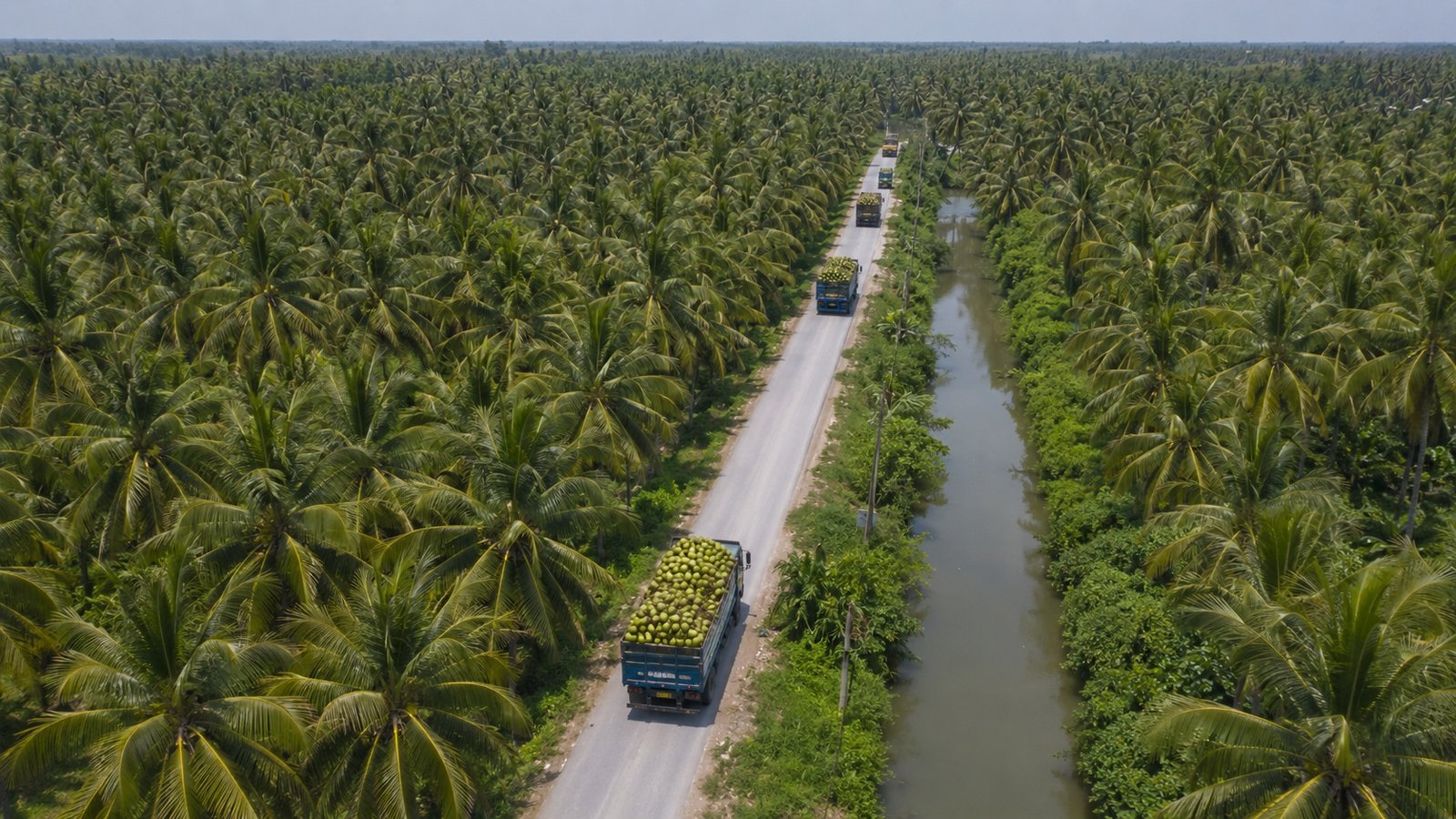
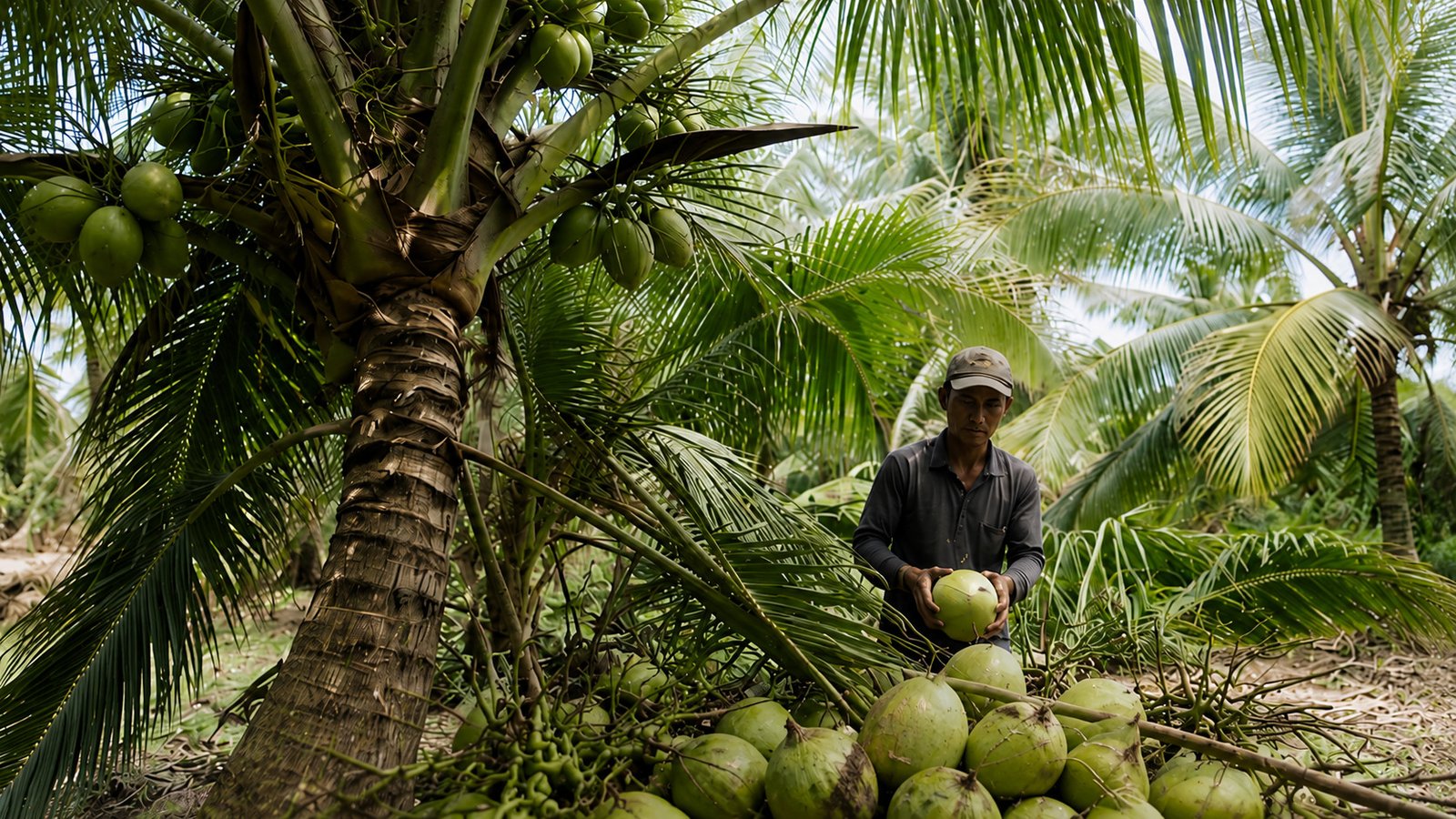
Vietnam has become one of the most competitive origins for canned coconut water, and there are structural reasons for that — not just marketing. The Mekong Delta region, particularly Ben Tre province, accounts for a disproportionate share of global coconut production. The coconuts are harvested young, when electrolyte content peaks and natural sweetness is balanced without additives. Proximity from farm to processing facility is often under 50 kilometers, which matters for freshness before thermal processing.
But geography is only part of the story. The more commercially relevant factor is that Vietnamese manufacturers have invested heavily in aseptic filling and nitrogen-flushing lines over the past seven years. That’s what makes the product shelf-stable at 12–18 months without preservatives — the result that your retail buyers care about when they’re evaluating the natural coconut water category against brands already on their shelves.
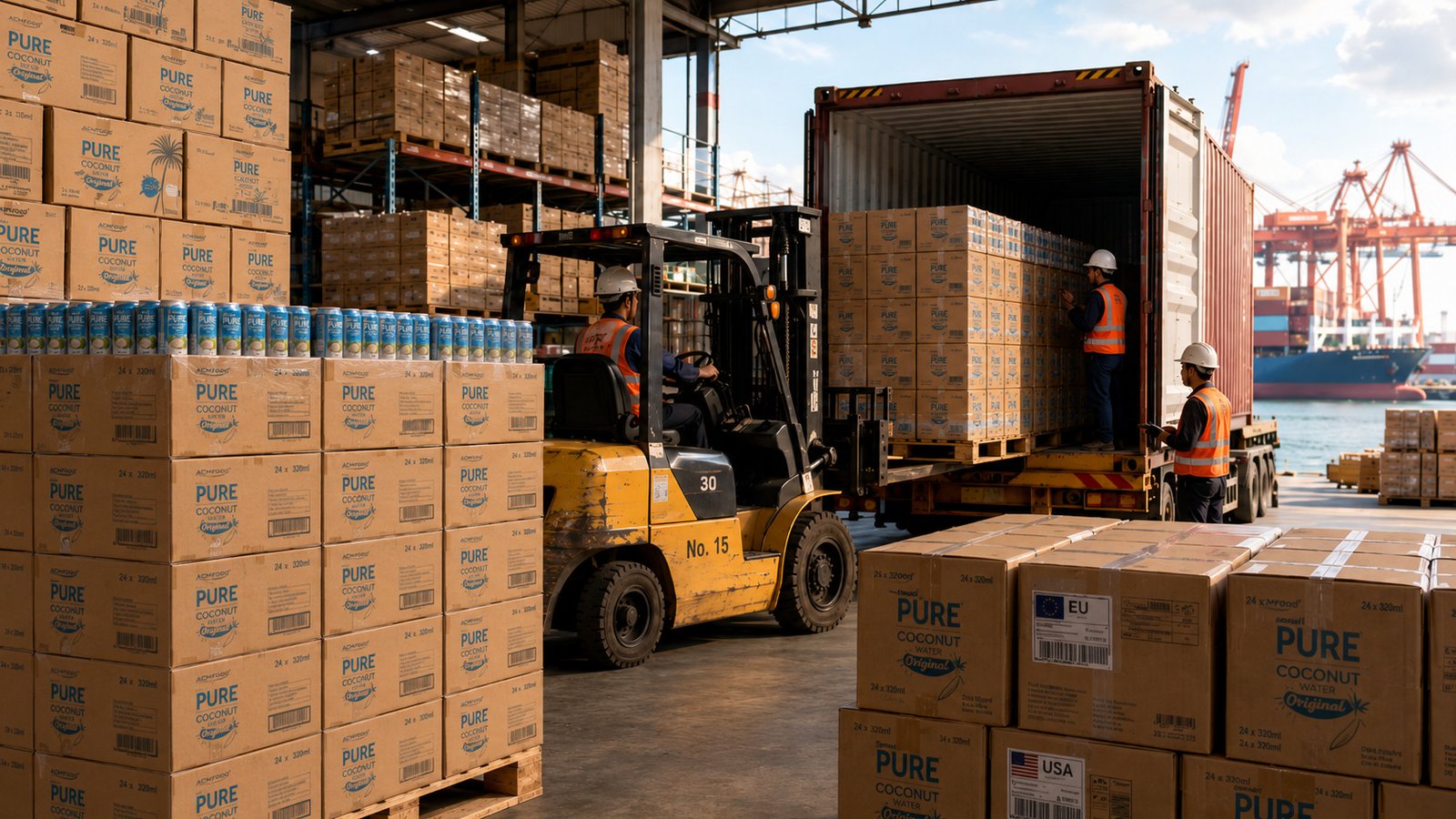
Minimum order quantities typically start at 1,000–1,500 cartons per SKU for established factories, though first-order trials at 500 cartons are negotiable with the right commercial introduction. A full 20-foot container carries roughly 2,000 cartons of 330ml cans (24 units per carton), which gives you a useful benchmark for calculating your landed cost before you open a serious negotiation. FOB pricing from Vietnamese ports in 2025 ranged from $8.50–$11.20 per carton depending on can specification, certification requirements, and order volume. That number is meaningful because it implies a landed cost in Rotterdam or LA that still supports healthy retail margins in the $2.50–$4.00 per unit range where this category competes.
What International Buyers Get Wrong About the Certification Timeline
This is where deals fall apart — quietly, expensively, and almost always avoidably.
New importers consistently underestimate the certification gap between signing a supply agreement and receiving a shipment that can legally clear customs and enter retail channels. If you’re importing into the US for the first time, your supplier needs FDA facility registration (straightforward, but requires lead time), and you’ll need to be prepared for potential FSVP (Foreign Supplier Verification Program) documentation. In the EU, Novel Food assessments don’t apply to coconut water — that’s a common misconception — but labeling compliance, nutrition declarations in the correct format, and country-of-origin traceability do apply strictly. Budget 8–14 weeks from supplier confirmation to first cleared shipment, not 4–6.
실제 인증 상황은 듣기보다 훨씬 관리하기 쉽습니다. 목표 시장에 수출한 실적이 있는 공급업체와 협력한다면 말이죠. 이 점을 강조할 가치가 있습니다: 독일에 50개 컨테이너를 수출한 공장은 2개를 수출한 공장과 의미 있게 다른 위험 범주에 속합니다. 문서화 역량이 갖춰져 있습니다. 관세사와의 관계도 형성되어 있습니다. QC 프로토콜은 실제 선적을 통해 검증되었습니다.
당사는 EU, 미국, 아시아 시장에 5~10년간 수출해 온 공장과 직접 거래를 연결했습니다. 이는 지리적 우연이 아니라 의도적인 소싱 결정입니다. 공장이 그 기간 동안 구축한 인증 인프라는 단기간에 복제하기 어렵기 때문입니다. 신규 수입업자가 “왜 가장 싼 공장을 사용하지 않습니까?”라고 물을 때, 답은 대개 이것으로 귀결됩니다: 가장 싼 공장은 통관 지연, 재라벨링 비용, 납기 지연에 따른 소매업체 패널티를 모두 고려하면 종종 가장 비싼 공장이 됩니다.
평가 단계에 있는 구매자를 위한 실질적 고려 사항
경험 많은 수입업자가 확인하는 경향이 있지만, 첫 구매자는 종종 간과하는 몇 가지 사항:
캔 사양이 보기보다 더 중요합니다. 이 카테고리의 표준 캔은 330ml와 500ml입니다. 하지만 캔 재질(알루미늄 대 강철)은 운임(알루미늄이 더 가벼움)과 선반 위 제품의 프리미엄 포지셔닝에 모두 영향을 미칩니다. 특히 유럽의 일부 시장에서는 허용되는 캔 사양에 영향을 미치는 포장재 재활용 준수 요구사항도 있습니다.
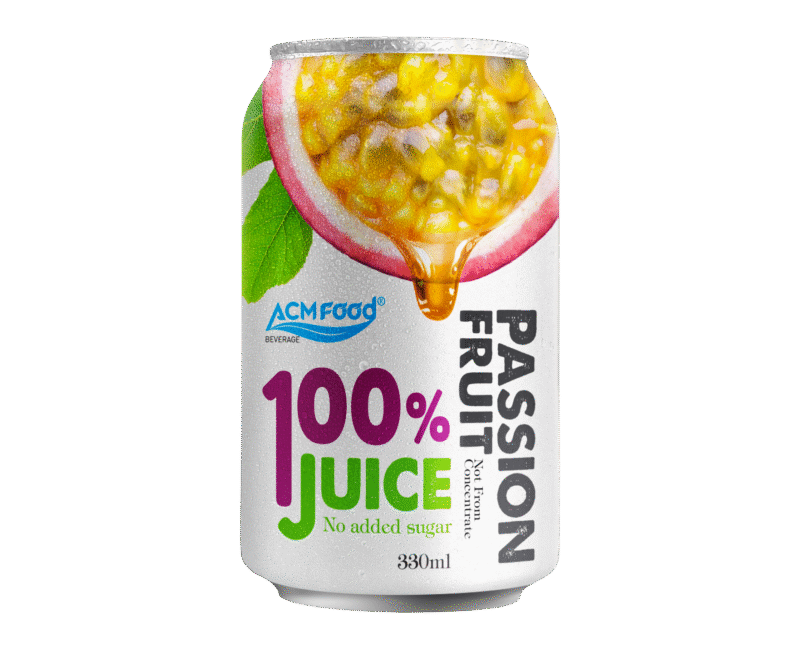
과일 주스가 혼합된 플레이버와 순수 제품. 망고, 파인애플, 패션프루트를 사용한 코코넛 워터 과일 주스 세그먼트는 특정 시장에서 판매량을 올리지만, 순수 제품과는 다른 선반 배치 및 마진 로직에서 경쟁합니다. 소매 바이어가 건강 식품 체인점이라면, 순수 제품이 거의 항상 적절한 첫 SKU입니다. 주류 식료품점이나 푸드 서비스를 목표로 한다면, 혼합 변형 제품이 때로 더 나은 성과를 냅니다. 제품군을 결정하기 전에 유통 채널을 파악하십시오.
냉장 유통 vs. 상온 유통. 적절히 가공된 캔 코코넛 워터는 상온에서 안정적이어서, 초기 미국 시장을 지배했던 냉장 테트라팩 포맷에 비해 물류가 획기적으로 간소화됩니다. 신규 수입업자에게 이는 캔 포맷의 가장 중요한 운영상 이점인 경우가 많습니다. 냉장 화물을 조정할 필요가 없고, 운송 중 온도 변화로 재고를 손실할 일이 없기 때문입니다.
첫 주문의 지불 조건은 일반적으로 주문 확인 시 30% 계약금, 선하증권 대비 70% 잔금입니다. 공급업체와 2~3건의 클린 거래를 완료하면, 조건 연장(예: 신용장 기준 30일 네트)을 협상할 수 있는 레버리지가 크게 향상됩니다. 이러한 지불 구조의 변화는 특히 신규 시장에서 재고를 쌓는 과정에서 운전 자본에 중요합니다.
시장 수요를 검증한 단계(소매점 협의 완료, 목표 가격대 파악, 90일 내 처리 가능한 컨테이너 물량을 대략적으로 파악)에 있다면, 다음 논리적 단계는 더 많은 시장 조사가 아니라 공급업체 자격 검증입니다. 첫 수입이 순조롭게 진행될지를 결정하는 변수는 이제 거의 전적으로 공급망 측면, 즉 공장 인증 이력, 문서 품질, 그리고 공급업체와의 상업적 접촉이 첫날부터 올바른 책임 구조를 만드는지 여부에 달려 있습니다.
이러한 질문을 평가 중이고 베트남의 믿을 수 있는 코코넛 워터 공급업체 를 찾고 계시다면, 귀사의 시장과 물량에 맞는 실제 소싱 환경에 대해 실용적인 대화를 나누게 되어 기쁩니다. 세일즈 멘트가 아니라, 귀사와 같은 단계의 국제 바이어들과 정기적으로 협업한 경험을 바탕으로 한 솔직한 인사이트를 제공해 드리겠습니다.