


 Français
 Español
 العربية
 한국어
한국어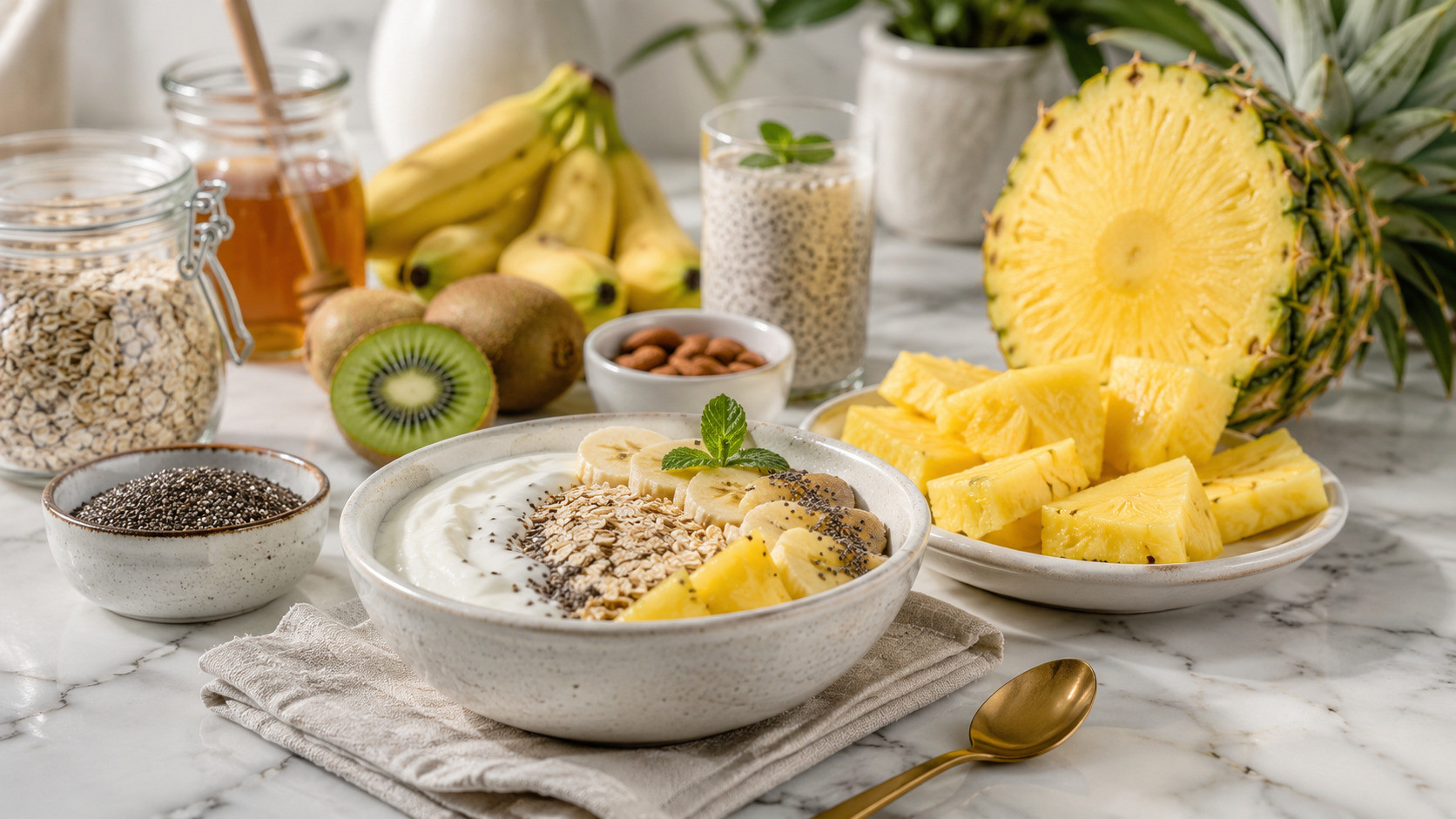
The benefits of pineapple juice: A healthy addition to your diet
The benefits of pineapple juice extend beyond its naturally sweet tropical flavor. Fresh pineapple juice provides vitamin C, manganese, water, and naturally occurring plant compounds that can support a balanced diet when consumed as part of an overall healthy lifestyle. Whether enjoyed at breakfast, after exercise, or as part of a nutritious meal, pineapple juice offers a refreshing way to increase fruit intake.
Many people search for the benefits of pineapple juice because they want to understand whether it contributes to immunity, digestion, hydration, skin health, or general wellness. While pineapple juice contains valuable nutrients, it is important to remember that no single food or beverage can prevent disease or replace a varied diet. Instead, its nutritional value comes from the combination of vitamins, minerals, and naturally occurring bioactive compounds found in pineapple.
This guide explains what pineapple juice contains, the science behind its nutritional value, potential health benefits, practical serving suggestions, and important considerations for different consumers. The information is based on established nutrition knowledge and current dietary guidance rather than exaggerated health claims.
| Key facts about pineapple juice | |
|---|---|
| Main ingredient | Juice extracted from ripe pineapple fruit |
| Important nutrients | Vitamin C, manganese, natural carbohydrates, small amounts of B vitamins and potassium |
| Natural compounds | Bromelain (primarily found in the pineapple stem, with smaller amounts naturally present in juice depending on processing methods) |
| Common uses | Breakfast beverage, smoothies, cocktails, mocktails, cooking, marinades, desserts |
| Best consumed | As part of a balanced diet alongside whole fruits, vegetables, lean proteins, and whole grains |
| Suitable for | Most healthy adults when consumed in moderation |
What are the benefits of pineapple juice?
Pineapple juice provides essential nutrients, especially vitamin C and manganese, while contributing to hydration and fruit intake. It can be a healthy beverage choice when consumed in moderation as part of a balanced diet.
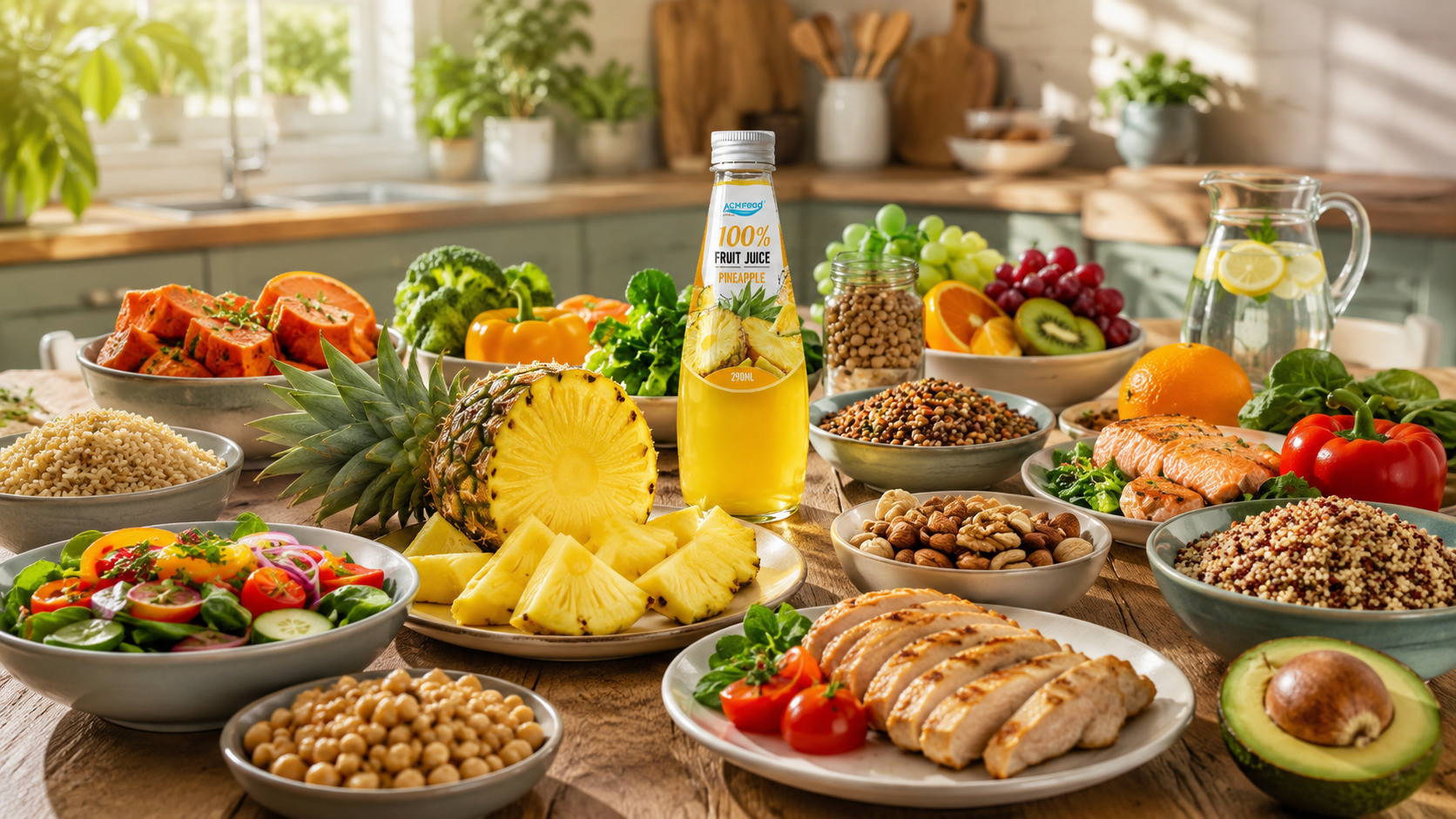
The benefits of pineapple juice come from its nutritional composition rather than from any single “superfood” effect. Pineapple naturally contains vitamins, minerals, antioxidants, and plant compounds that support normal body functions.
Unlike sugar-sweetened soft drinks, 100% pineapple juice contains nutrients naturally present in the fruit. Choosing juice without added sugar allows consumers to enjoy the fruit’s natural sweetness while obtaining beneficial micronutrients.
Health professionals generally recommend viewing fruit juice as one component of a healthy eating pattern instead of a replacement for whole fruit. Whole pineapple provides additional dietary fiber, while pineapple juice offers convenience, hydration, and concentrated nutrients.
| Nutrient | Role in the body | Why it matters |
|---|---|---|
| Vitamin C | Supports normal immune function and collagen formation | Important for skin, blood vessels, cartilage, gums, and bones |
| Manganese | Supports normal metabolism and connective tissue formation | Contributes to normal enzyme activity |
| Natural carbohydrates | Provide energy | Useful as part of meals or active lifestyles |
| Water | Supports hydration | Helps maintain normal body functions |
| Plant antioxidants | Help protect cells from oxidative stress | Part of an overall healthy dietary pattern |
Why is pineapple juice a good source of vitamin C?
Pineapple juice naturally contains vitamin C, an essential nutrient that supports immune function, collagen production, and antioxidant protection.
Among the many benefits of pineapple juice, its vitamin C content is one of the most widely recognized. Vitamin C is an essential nutrient because the human body cannot produce it on its own. Regular dietary intake is therefore necessary.
Vitamin C contributes to the normal function of the immune system. Rather than “boosting” immunity in an unrealistic sense, it helps immune cells function normally and supports the body’s natural defense mechanisms.
Another important role of vitamin C is collagen synthesis. Collagen is the structural protein responsible for maintaining healthy skin, cartilage, blood vessels, bones, and connective tissues. Adequate vitamin C intake supports the body’s normal collagen production.
Vitamin C also functions as an antioxidant. Antioxidants help protect cells against oxidative stress caused by normal metabolism and environmental factors. While antioxidants are beneficial, they work best as part of an overall healthy dietary pattern rather than through isolated foods alone.
For individuals who consume limited amounts of fresh fruit, pineapple juice can contribute toward daily vitamin C intake, particularly when selected as 100% fruit juice without unnecessary additives.
Does pineapple juice support digestion?
Pineapple juice may support normal digestion because it naturally contains bromelain and provides hydration, although whole pineapple offers additional dietary fiber.
One of the most frequently discussed benefits of pineapple juice relates to digestion. Pineapple contains bromelain, a group of naturally occurring enzymes that help break down proteins. Bromelain is found most abundantly in the pineapple stem, while smaller amounts may remain in juice depending on how it is processed.
Research has explored bromelain for various applications, but consumers should avoid assuming that every glass of pineapple juice contains identical enzyme activity. Processing methods, heat treatment, filtration, and storage can influence the amount of active bromelain present.
Hydration also plays an important role in healthy digestion. Because pineapple juice contains a high percentage of water, drinking it as part of adequate daily fluid intake may contribute to normal digestive function.
It is worth noting that whole pineapple provides dietary fiber, which supports digestive health and helps maintain regular bowel movements. Therefore, pineapple juice and fresh pineapple can complement one another rather than compete.
| Whole pineapple | 100% pineapple juice |
|---|---|
| Contains dietary fiber | Contains little or no fiber after juicing |
| Requires chewing | Convenient to drink |
| Natural vitamin C | Natural vitamin C |
| Natural manganese | Natural manganese |
| May contain bromelain | May contain bromelain depending on processing |
| Greater feeling of fullness | Easy to include with meals and beverages |
Can pineapple juice help support hydration?
Yes. Pineapple juice contributes to daily fluid intake while providing naturally occurring vitamins and minerals that plain sugary beverages do not offer.
Hydration is essential for nearly every function in the human body, including temperature regulation, circulation, nutrient transport, and physical performance. Because pineapple juice is primarily composed of water, it can contribute to overall hydration throughout the day.
Unlike many carbonated soft drinks that contain added sugars and limited nutritional value, 100% pineapple juice provides naturally occurring nutrients alongside fluids. This combination makes it a more nutrient-dense beverage option when consumed in appropriate portions.
Pineapple juice can also be incorporated into smoothies, mocktails, fruit blends, or post-workout refreshments. Many consumers appreciate its naturally sweet taste, which may encourage greater fluid intake compared with plain water alone.
However, hydration should come from a variety of beverages, with water remaining the primary choice for most people. Pineapple juice works best as part of a balanced hydration strategy rather than as the only source of daily fluids.
Can pineapple juice support immune health?
Yes. One of the most recognized benefits of pineapple juice is its contribution to normal immune function through its naturally occurring vitamin C. While it does not prevent illness on its own, it can support the immune system as part of a balanced diet.
The immune system relies on a wide range of nutrients working together rather than a single vitamin or food. Pineapple juice supplies vitamin C, which contributes to the normal function of immune cells and helps protect cells from oxidative stress.
Vitamin C also supports the body’s normal inflammatory response and assists in maintaining healthy tissues that act as physical barriers against external pathogens. Combined with adequate sleep, regular physical activity, and a nutritious diet, pineapple juice can be one component of an overall healthy lifestyle.
Consumers should remember that drinking more pineapple juice than recommended does not provide additional immune benefits. Consistency in healthy eating habits is far more important than consuming large amounts of any individual food.
Is pineapple juice good for skin health?
Pineapple juice may support healthy-looking skin because its vitamin C contributes to normal collagen formation, while antioxidants help protect cells from oxidative stress.
Healthy skin depends on many factors, including genetics, sun protection, hydration, nutrition, sleep, and lifestyle choices. Nutrition plays an important supporting role, and vitamin C is one of the nutrients required for collagen production.
Collagen provides structural support for the skin, helping maintain firmness and elasticity. Since vitamin C is essential for normal collagen synthesis, consuming vitamin C-rich foods and beverages, including pineapple juice, contributes to maintaining healthy connective tissue.
Pineapple also contains naturally occurring antioxidants that work alongside other antioxidant-rich foods such as berries, citrus fruits, leafy vegetables, tomatoes, and colorful fruits. Rather than relying on one beverage, building a varied diet rich in fruits and vegetables provides the greatest nutritional value.
Drinking pineapple juice should therefore be viewed as one part of an overall skin-friendly diet instead of a beauty shortcut or anti-aging solution.
Does pineapple juice provide antioxidants?
Yes. Pineapple juice naturally contains antioxidants, including vitamin C and various plant compounds, which help protect cells from oxidative stress.
Oxidative stress is a normal biological process that occurs when free radicals outnumber the body’s antioxidant defenses. Lifestyle factors such as pollution, smoking, ultraviolet exposure, and normal metabolism can all contribute to oxidative stress.
Antioxidants neutralize unstable molecules before they can cause excessive cellular damage. Pineapple juice contributes to this process through its naturally occurring vitamin C and additional phytonutrients present in the fruit.
Although pineapple juice contains antioxidants, nutrition experts consistently recommend obtaining antioxidants from a wide variety of colorful fruits, vegetables, nuts, legumes, and whole grains rather than depending on a single beverage.
| Natural compound | Found in pineapple juice | Primary nutritional role |
|---|---|---|
| Vitamin C | Yes | Supports immune function and antioxidant protection |
| Phenolic compounds | Yes | Contribute to antioxidant activity |
| Carotenoids | Present in small amounts | Naturally occurring plant pigments |
| Bromelain | May be present depending on processing | Protein-digesting enzyme naturally found in pineapple |
How does pineapple juice compare with other fruit juices?
Pineapple juice offers a unique nutritional profile with vitamin C, manganese, natural sweetness, and tropical flavor. Each fruit juice has different strengths, making variety the best approach.
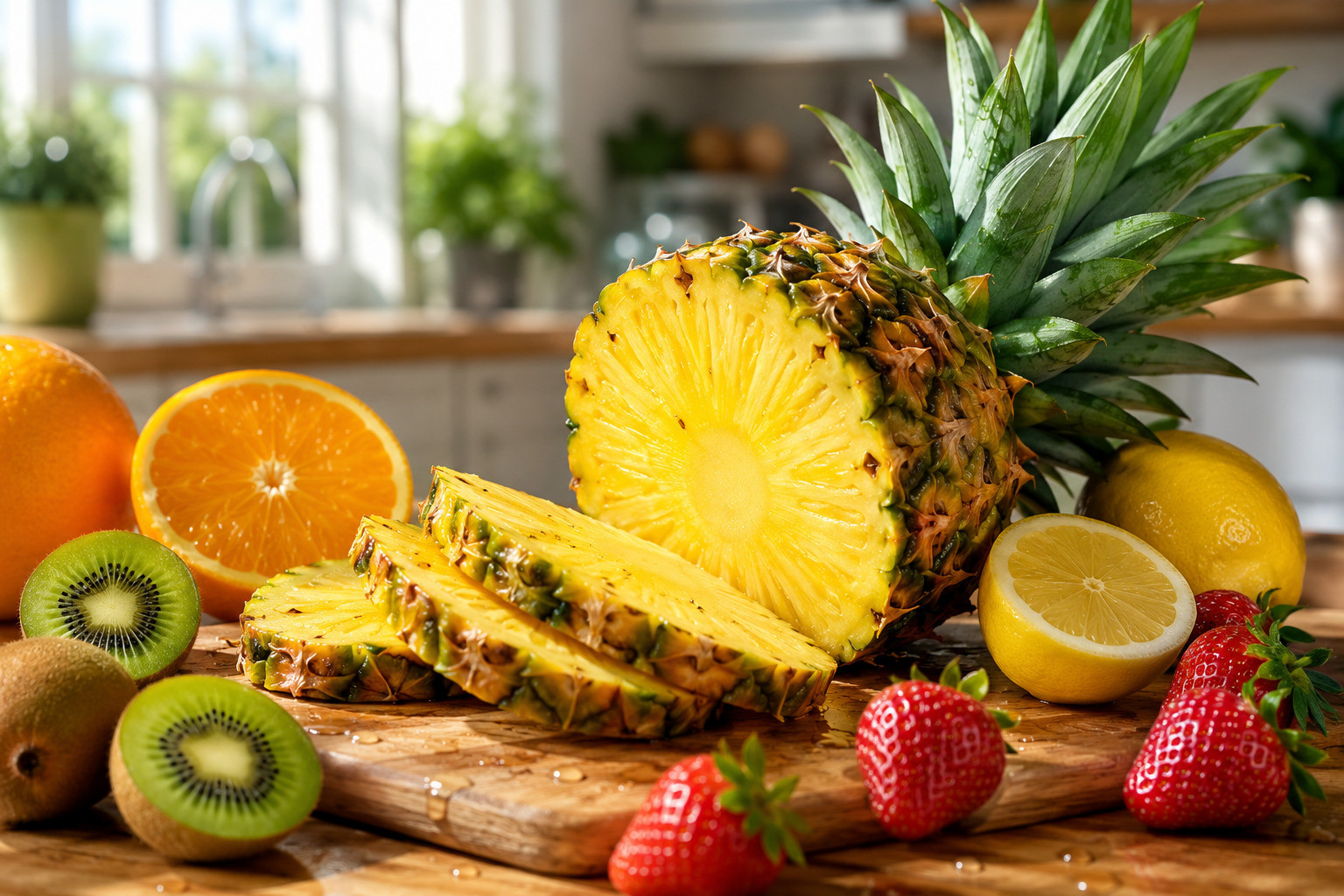
No single fruit juice is nutritionally superior in every aspect. Orange juice generally contains more vitamin C, while pomegranate juice is known for its polyphenols. Apple juice has a milder taste, whereas pineapple juice offers a distinctive balance of sweetness and acidity.
For consumers looking for a refreshing tropical beverage, pineapple juice provides an enjoyable option that pairs well with breakfast foods, smoothies, yogurt, sparkling water, and fruit blends.
When choosing fruit juice, it is generally advisable to select products labeled as 100% juice without added sugar whenever possible.
| Juice | Main nutritional highlight | Typical flavor profile |
|---|---|---|
| Pineapple juice | Vitamin C and manganese | Sweet, tropical, slightly tangy |
| Orange juice | High vitamin C | Fresh citrus |
| Pomegranate juice | Polyphenols | Rich and tart |
| Apple juice | Natural carbohydrates | Mild and sweet |
| Grape juice | Naturally occurring polyphenols | Sweet and fruity |
How can pineapple juice be included in a healthy diet?
Pineapple juice fits well into a balanced eating pattern when consumed in moderate portions alongside whole fruits, vegetables, lean proteins, healthy fats, and whole grains.
One practical advantage of pineapple juice is its versatility. It can be enjoyed on its own, mixed into smoothies, paired with breakfast, or used as an ingredient in marinades, sauces, desserts, and refreshing beverages.
Because fruit juice naturally contains sugars from fruit but little dietary fiber, portion size remains important. Many nutrition professionals encourage balancing fruit juice intake with whole fruit consumption to obtain additional fiber.
Choosing pineapple juice without added sugars allows consumers to enjoy the fruit’s natural flavor while minimizing unnecessary ingredients.
Simple ways to enjoy pineapple juice
- Serve chilled with breakfast.
- Blend with banana, mango, or yogurt for a smoothie.
- Mix with sparkling water for a lighter tropical drink.
- Use in homemade fruit popsicles.
- Add to marinades for poultry or seafood.
- Combine with coconut water after outdoor activities.
- Use as a natural ingredient in fruit bowls and desserts.
Who should be mindful when drinking pineapple juice?
Most healthy adults can enjoy pineapple juice in moderation, but some individuals should consider portion size or consult a healthcare professional if they have specific medical conditions.
Because pineapple juice contains naturally occurring fruit sugars, individuals managing blood glucose levels may benefit from monitoring serving sizes and consuming juice together with balanced meals rather than on an empty stomach.
People with gastroesophageal reflux disease (GERD), acid sensitivity, or stomach discomfort may find acidic fruit juices irritating. Individual tolerance varies, so paying attention to personal responses is important.
Some individuals may also have allergies to pineapple or sensitivity to bromelain. Although uncommon, anyone experiencing allergic symptoms after consuming pineapple products should discontinue use and seek medical advice.
People taking certain medications, particularly blood-thinning medications, should consult qualified healthcare professionals before regularly consuming large amounts of bromelain-containing supplements. The naturally occurring bromelain in ordinary pineapple juice is generally much lower than concentrated supplement forms, but professional guidance is still advisable for individuals with specific health concerns.
| Consumer group | General consideration |
|---|---|
| Healthy adults | Enjoy in moderation as part of a balanced diet |
| Children | Follow age-appropriate dietary guidance and portion sizes |
| People monitoring blood sugar | Consider portion size and consume with balanced meals |
| Individuals with acid reflux | Monitor personal tolerance to acidic beverages |
| People with pineapple allergy | Avoid pineapple juice and related products |
Frequently asked questions about the benefits of pineapple juice
For most healthy adults, 100% pineapple juice can be included in a balanced diet when consumed in moderation. It should complement, not replace, whole fruits, vegetables, and water.
The primary benefits of pineapple juice include providing vitamin C, manganese, natural hydration, and antioxidants. These nutrients support normal immune function, collagen formation, and overall nutritional intake.
Yes, pineapple naturally contains bromelain. However, the amount remaining in pineapple juice depends on how the juice is processed, filtered, and pasteurized.
Fresh juice may retain more naturally occurring compounds depending on preparation and storage. High-quality packaged 100% pineapple juice also provides valuable nutrients and offers convenience with a longer shelf life.
Pineapple juice may support normal digestion through hydration and naturally occurring bromelain. Whole pineapple additionally provides dietary fiber, which contributes to digestive health.
Pineapple juice provides fluids and naturally occurring carbohydrates that can fit into post-exercise nutrition. Pairing it with a protein source helps create a more balanced recovery snack.
Children can enjoy pineapple juice in age-appropriate portions according to local dietary recommendations. Choosing 100% juice without added sugar is generally preferred.
Pure pineapple juice does not require added sugar because ripe pineapples naturally contain sweetness. Always read the ingredient list to distinguish 100% juice from juice drinks or beverages with added sweeteners.
Its vitamin C contributes to normal collagen formation, which supports healthy skin. However, healthy skin also depends on sun protection, hydration, sleep, and an overall nutritious diet.
Unopened packaged juice should be stored according to the manufacturer’s instructions. After opening, keep it refrigerated and consume within the recommended period to maintain quality and food safety.
Conclusion
The benefits of pineapple juice make it a nutritious addition to many healthy eating patterns, especially when choosing 100% juice without added sugar and enjoying it in moderation.
Pineapple juice supplies vitamin C, manganese, naturally occurring antioxidants, and hydration in a refreshing tropical beverage. While no single food provides every nutrient the body needs, pineapple juice contributes valuable micronutrients that support normal immune function, collagen formation, and overall wellness.
For the greatest nutritional benefit, pineapple juice should be part of a varied diet rich in whole fruits, vegetables, legumes, lean proteins, healthy fats, and whole grains. Combining healthy food choices with regular exercise, sufficient sleep, and proper hydration creates a more meaningful long-term approach to health than relying on any individual beverage.
Whether enjoyed at breakfast, blended into smoothies, served alongside balanced meals, or incorporated into refreshing recipes, pineapple juice remains a flavorful and convenient way to increase fruit consumption while enjoying the natural taste of ripe tropical pineapple.