


 Français
 Español
 العربية
 한국어
한국어Fruit juice is one of the core categories of the non-alcoholic beverage industry, alongside water, soft drinks, tea and coffee. Its value comes from natural flavour and nutrients, and future growth is led by 100% juice, NFC, reduced-sugar blends and functional juices.
Overview of the Non-Alcoholic Beverage Industry
As Healthy Living Trends Shape the Beverage Market
What are non-alcoholic beverages?
In simple terms, non-alcoholic beverages are drinks without alcohol. They also do not go through alcoholic fermentation.
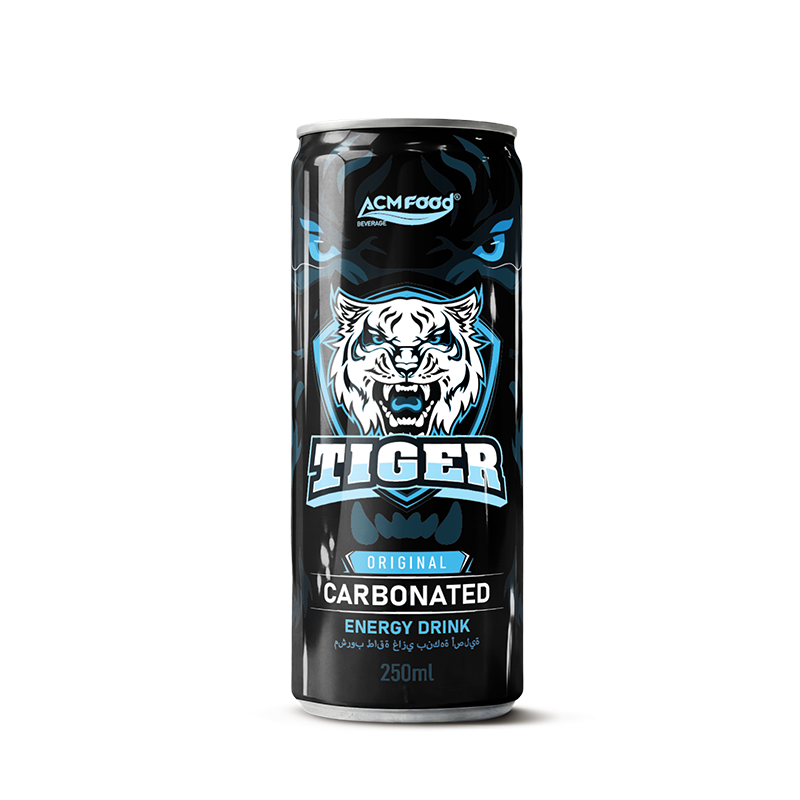
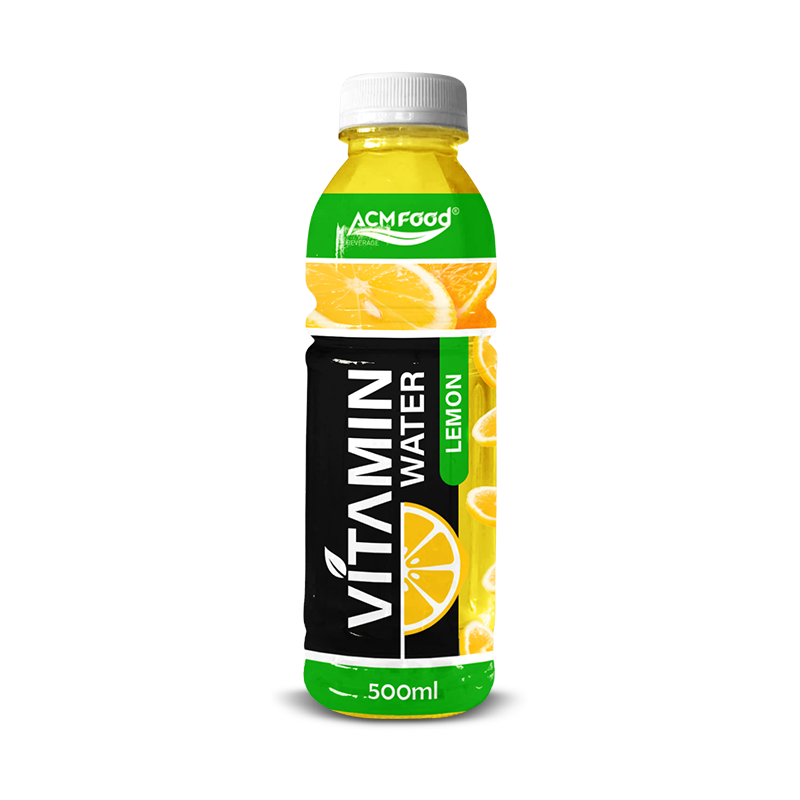
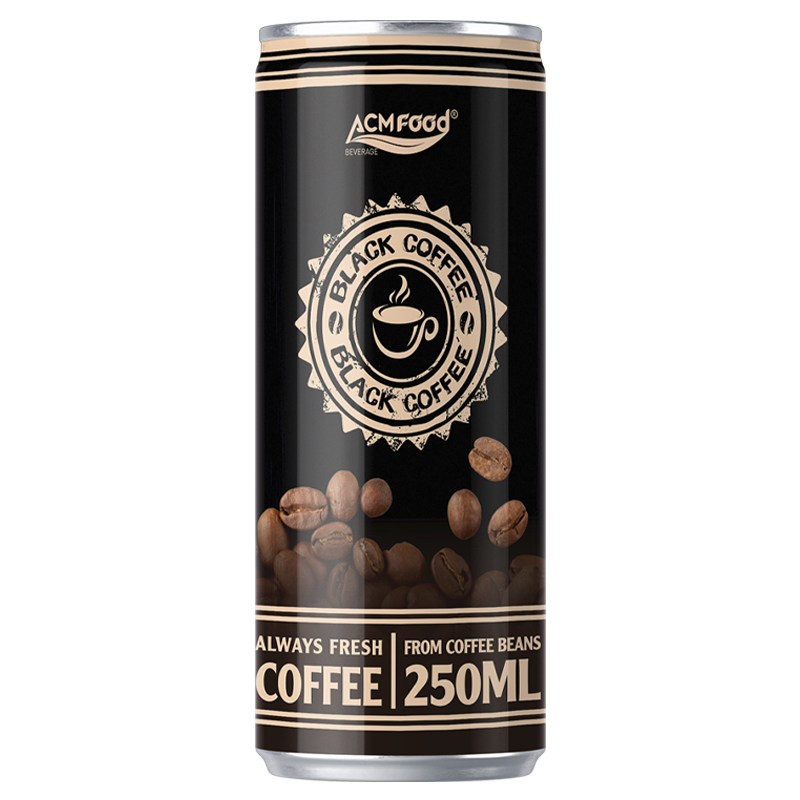
In general, this category includes many product types. For example, carbonated soft drinks, mineral water, kombucha, bottled coffee, and fruit or vegetable juices are common.
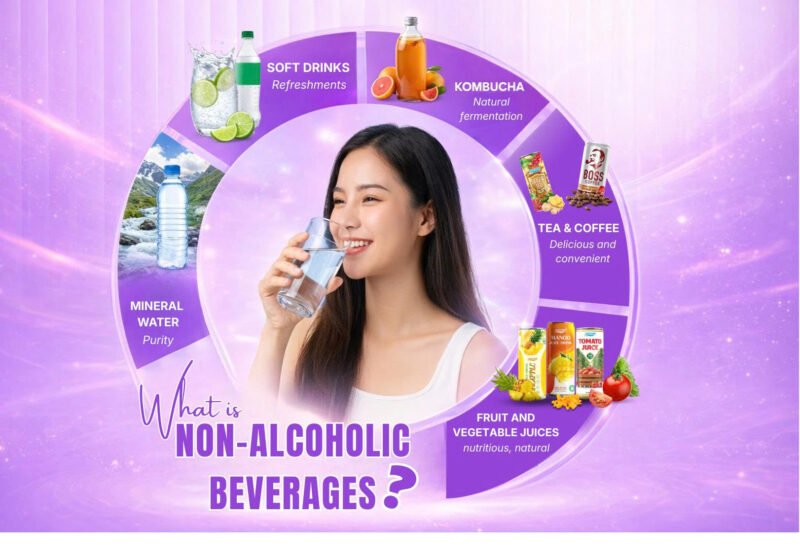
The overall picture of the non-alcoholic beverage industry
Today, the non-alcoholic beverage industry is a key pillar of the global FMCG market. It benefits from high consumption frequency and broad consumer reach.
Moreover, this industry reflects major lifestyle shifts. Consumers increasingly value convenience and health awareness.
In recent years, the market has shown strong growth. This growth is driven by urbanization, rising incomes, and stricter alcohol regulations.
After COVID-19, consumer priorities changed further. As a result, safety, health, and daily value became essential purchase criteria.
Therefore, non-alcoholic beverages entered a new growth phase. At the same time, competition intensified. Brands now innovate continuously to meet rising expectations.
The Role of Fruit Juice in the Modern Non-Alcoholic Beverage Industry

Within this context, fruit juice plays an essential role in the beverage ecosystem. It is not just another drink category.
In fact, fruit juice sits at the intersection of nutrition, health, and consumer trust. Because of this, its natural origin and recognizable ingredients create strong emotional appeal.
Compared to many other beverages, fruit juice is often seen as a healthier choice. For this reason, it fits multiple consumption occasions. These include breakfast, snacks, and quick energy boosts.
As a result, fruit juice helps consumers adopt healthier habits through daily beverages.
In addition, fruit juice supports ongoing product innovation. Specifically, it serves as a base for many beverage extensions.
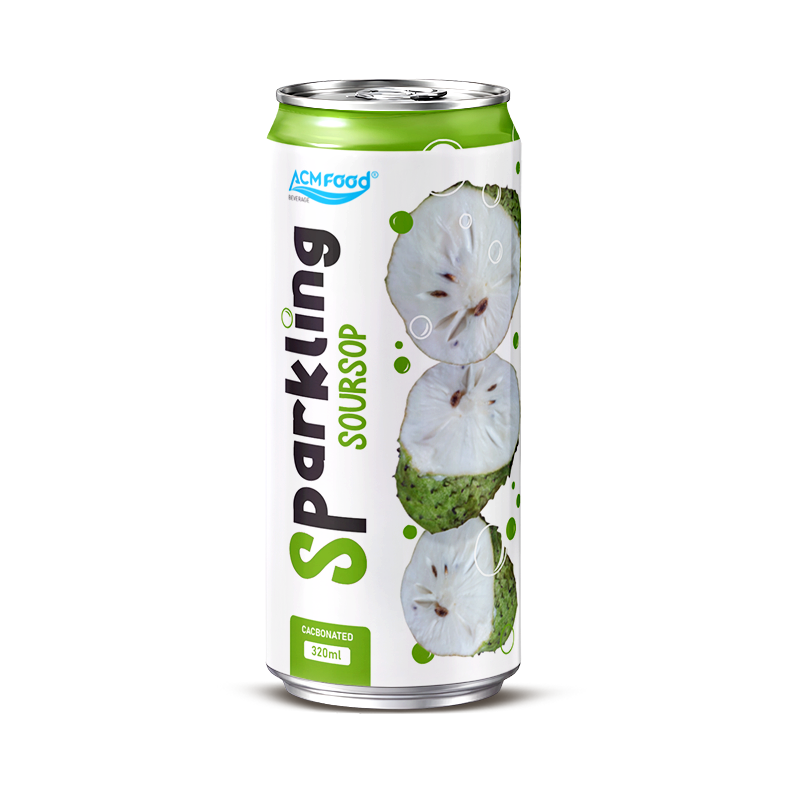
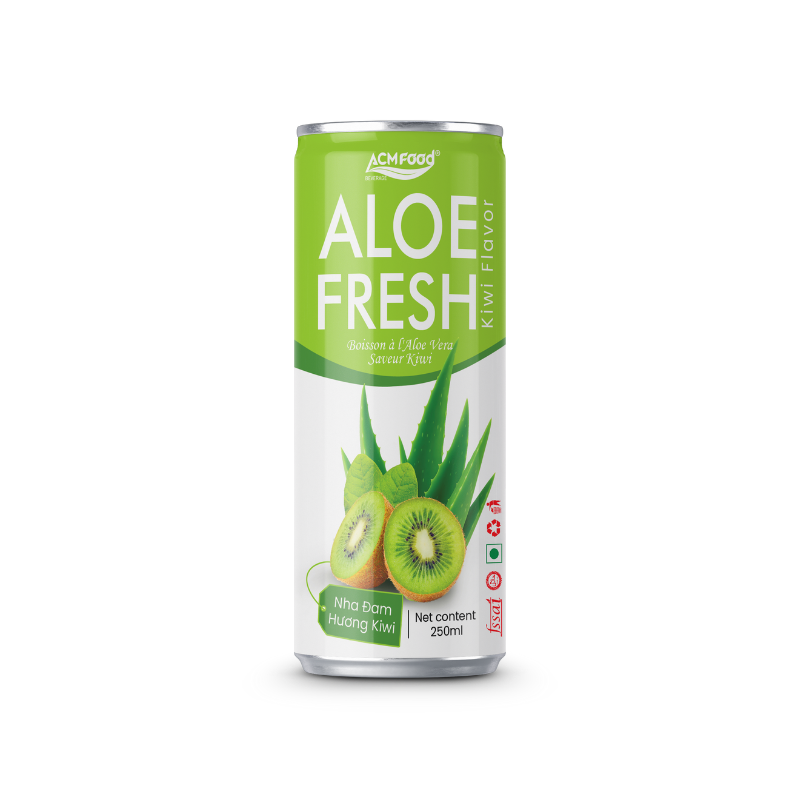
These include blended juices, sparkling juices, fruit teas, and combinations with aloe vera or other natural ingredients. Consequently, brands can address diverse consumer needs.
3. Future Trends of the Fruit Juice Industry
Looking ahead, fruit juice continues to show strong long-term potential. This is closely linked to health and sustainability trends.
Furthermore, its natural image and nutritional value remain key advantages. These qualities align well with modern lifestyle expectations.
At the same time, consumers now look beyond basic refreshment. Instead, they seek functional and wellness-oriented beverages.
Therefore, fruit juice plays a growing role in the evolution of the non-alcoholic beverage industry.
Conclusion
In summary, fruit juice holds a strategic position within the non-alcoholic beverage industry. It is both a familiar product and a growth driver.
Due to its natural origin and nutritional benefits, juice meets modern consumer needs. These include convenience, safety, and daily wellness.
Moving forward, successful brands will focus on quality ingredients and innovative formulations. In addition, a clear health-oriented positioning will be critical.
Ultimately, fruit juice is no longer just a thirst quencher. Instead, it has become part of a modern lifestyle.
Turning a trend into a product
For the categories, formats and ingredients the factory can actually run, see beverage product capabilities. The manufacturing side is covered in contract beverage production; to launch under your own label, see private label beverages. To brief a concept, request a quote.
Request a quote