


 Français
 Español
 العربية
 한국어
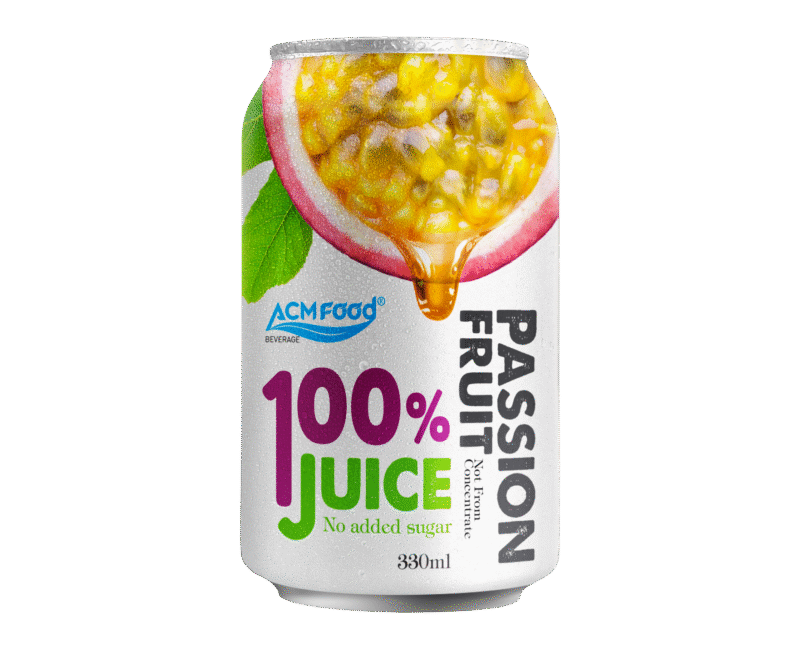
한국어When choosing bottled fruit juice, consumers mainly consider eight factors: health and nutrition, ingredient transparency, taste, brand trust, price and perceived value, packaging and convenience, environmental impact, and availability. Labels showing 100% juice and no added sugar strongly influence the purchase decision.
In today’s highly competitive beverage market, bottled fruit juice occupies a significant position as consumers increasingly seek convenient, flavorful, and health-oriented drink options. However, the decision to purchase bottled fruit juice is rarely impulsive. Instead, it is influenced by a complex combination of nutritional awareness, sensory expectations, brand perceptions, economic considerations, and ethical values. Understanding these factors is essential for manufacturers, marketers, and retailers aiming to align their products with evolving consumer preferences. This essay examines the key factors consumers consider when choosing bottled fruit juice and explores how these elements interact to shape purchasing behavior.
Health and Nutritional Value
Health considerations are among the most influential factors in bottled fruit juice selection. Modern consumers are increasingly health-conscious and tend to scrutinize product labels for nutritional information. Sugar content is a primary concern, especially in light of growing awareness about obesity, diabetes, and other lifestyle-related diseases. Many consumers prefer juices labeled as “100% fruit juice,” “no added sugar,” or “naturally sweetened,” perceiving them as healthier alternatives to sugar-sweetened beverages.
In addition, the presence of vitamins, minerals, and antioxidants significantly affects purchasing decisions. Claims such as high vitamin C content, immune-boosting properties, or digestive benefits can enhance a product’s appeal. Some consumers also look for functional ingredients, including fiber, probiotics, or added nutrients, which transform fruit juice from a simple refreshment into a perceived wellness product.
Ingredients and Product Transparency
Closely related to health concerns is the importance of ingredient transparency. Consumers increasingly demand clarity regarding what goes into their beverages. Short ingredient lists with recognizable, natural components tend to inspire greater trust. Conversely, artificial flavors, preservatives, colorants, and chemical additives often deter purchase, particularly among younger and more educated consumers.
Clear labeling, including country of origin, processing methods (such as cold-pressed or not-from-concentrate), and certifications, plays a crucial role in shaping perceptions of quality and safety. Transparency fosters consumer confidence and reinforces the belief that the product aligns with personal health and ethical standards.
Taste, Flavor, and Sensory Experience
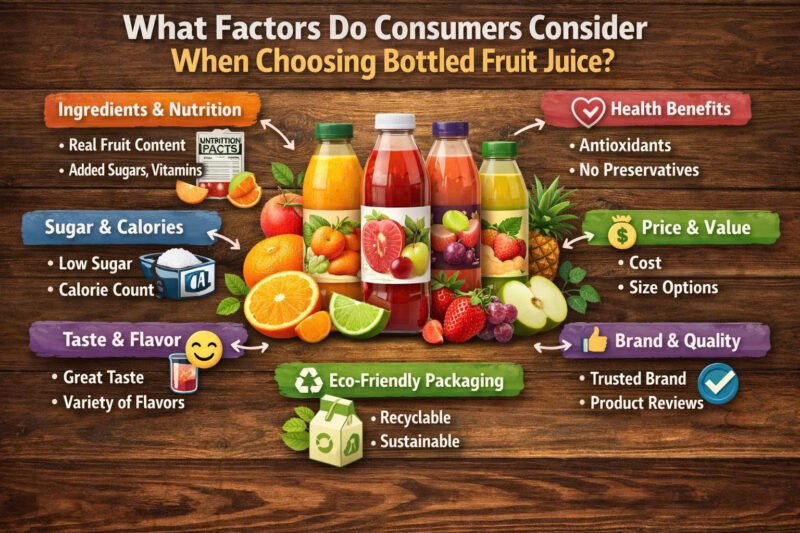
Despite growing health awareness, taste remains a decisive factor in fruit juice selection. Consumers expect bottled fruit juice to deliver a pleasant and authentic flavor that reflects the fruit’s natural profile. Balance is essential; juices that are too sweet, too sour, or overly diluted may fail to meet expectations.
Variety also influences purchasing behavior. Classic flavors such as orange, apple, and grape remain popular, but there is increasing interest in exotic fruits, blended juices, and unique flavor combinations. Texture, aroma, and mouthfeel further contribute to the overall sensory experience, shaping brand loyalty and repeat purchases.
Brand Reputation and Trust
Brand reputation plays a critical role in consumer decision-making, especially in categories associated with health and safety. Established brands often benefit from long-standing consumer trust, consistent quality, and strong brand recognition. Consumers may associate well-known brands with reliability, strict quality control, and better sourcing practices.
At the same time, smaller or emerging brands can attract attention by positioning themselves as artisanal, organic, or socially responsible. Storytelling, brand values, and perceived authenticity can significantly influence consumers who seek products aligned with their personal identities and lifestyles.
Price and Perceived Value
Price remains a fundamental consideration, particularly in price-sensitive markets. Consumers often evaluate bottled fruit juice based on perceived value rather than absolute cost. Premium juices may justify higher prices through superior ingredients, advanced processing methods, or health-related claims. Conversely, budget-conscious consumers may prioritize affordability and quantity over premium attributes.
Promotions, discounts, and packaging size also affect purchasing decisions. Multi-pack options, value deals, and clear pricing strategies can encourage trial and repeat purchases, especially for households with regular juice consumption.

Packaging serves both functional and psychological purposes in consumer choice. Practical considerations include portability, ease of opening, resealability, and shelf life. On-the-go consumers often favor single-serve bottles, while families may prefer larger containers for home consumption.
Aesthetic design is equally important. Attractive packaging, vibrant colors, and modern branding can capture attention in crowded retail environments. Additionally, eco-friendly packaging materials, such as recyclable bottles or reduced plastic usage, increasingly influence environmentally conscious consumers.
Environmental and Ethical Considerations
Environmental sustainability and ethical sourcing are becoming more prominent factors in purchasing decisions. Consumers are increasingly aware of the environmental impact of packaging waste, agricultural practices, and supply chains. Brands that demonstrate commitments to sustainability, fair trade, or responsible sourcing often gain competitive advantages.
Certifications related to organic farming, fair labor practices, or carbon footprint reduction can further strengthen consumer trust and loyalty. For some consumers, these ethical considerations are decisive, even outweighing price or brand familiarity.
Availability and Distribution
Finally, product availability significantly affects consumer choice. Even the most appealing bottled fruit juice cannot succeed if it is not conveniently accessible. Placement in retail stores, visibility on shelves, and presence in online marketplaces all influence purchasing behavior. Consistent availability reinforces brand familiarity and encourages habitual buying.
Conclusion
In conclusion, the decision to choose bottled fruit juice is shaped by a multifaceted set of factors that extend well beyond simple thirst or habit. Health and nutritional value, ingredient transparency, taste, brand trust, price, packaging, ethical considerations, and availability all play integral roles in influencing consumer behavior. As consumer preferences continue to evolve toward healthier, more transparent, and more sustainable products, bottled fruit juice manufacturers must adopt a holistic approach that balances quality, value, and responsibility. Understanding these factors not only helps businesses remain competitive but also ensures that consumers can make informed and satisfying choices in an increasingly complex beverage market.
Turning a trend into a product
For the categories, formats and ingredients the factory can actually run, see beverage product capabilities. For how contract production is structured, see OEM beverage manufacturing; to launch under your own label, see private label beverages. Format, closure and pack-size trade-offs are compared on packaging options. To brief a concept, request a quote.
Request a quote