


 Français
 Español
 العربية
 한국어
한국어The four main beverage packaging options are aluminium cans, PET bottles, glass bottles and Tetra Pak aseptic cartons. PET is usually the cheapest to produce, cans balance protection and freight efficiency, glass signals premium quality but is heavy, and Tetra Pak offers long ambient shelf life and very efficient pallet loading. The right choice depends on your product, target market, brand position and logistics.
This guide compares the four formats on cost, shelf life, positioning and export suitability, then gives practical recommendations.
How do cans, PET, glass and Tetra Pak compare?
| Criteria | Aluminium can | PET bottle | Glass bottle | Tetra Pak |
|---|---|---|---|---|
| Production cost | Medium | Lowest | Highest | Medium–high |
| Transport cost | Low | Low | High | Very low |
| Light and oxygen barrier | Excellent | Moderate | Good (tinted glass better) | Excellent |
| Shelf life | Good | Medium | Good | Excellent |
| Product visible | No | Yes | Yes | No |
| Positioning | Modern, dynamic | Mass market | Premium | Clean, sustainable |
| Typical export fit | Global | Africa, Asia | Europe, Japan, Korea, premium | Global |
When should you choose aluminium cans?
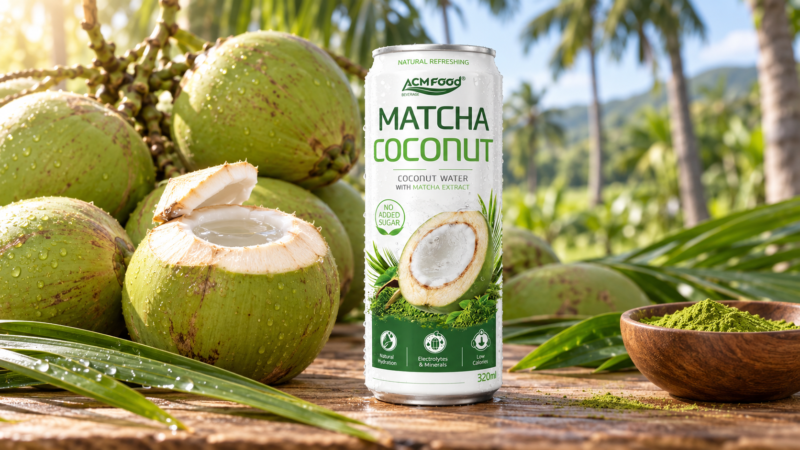
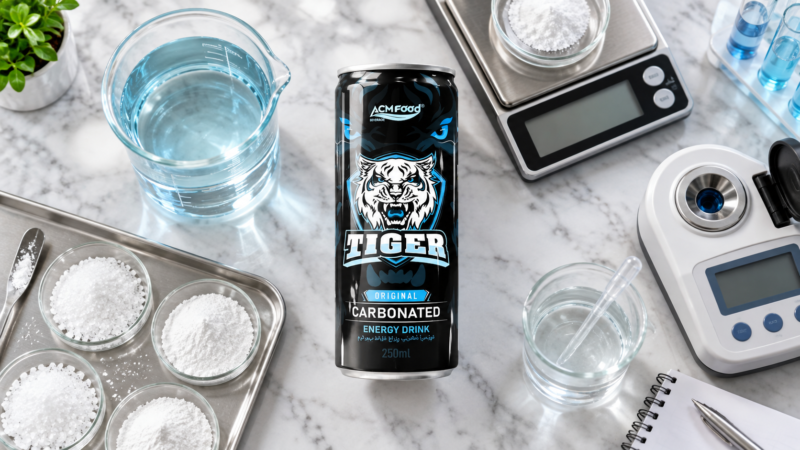
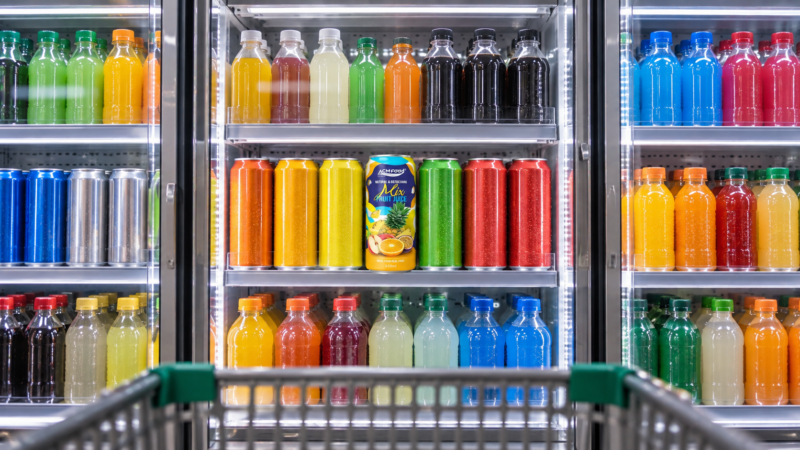
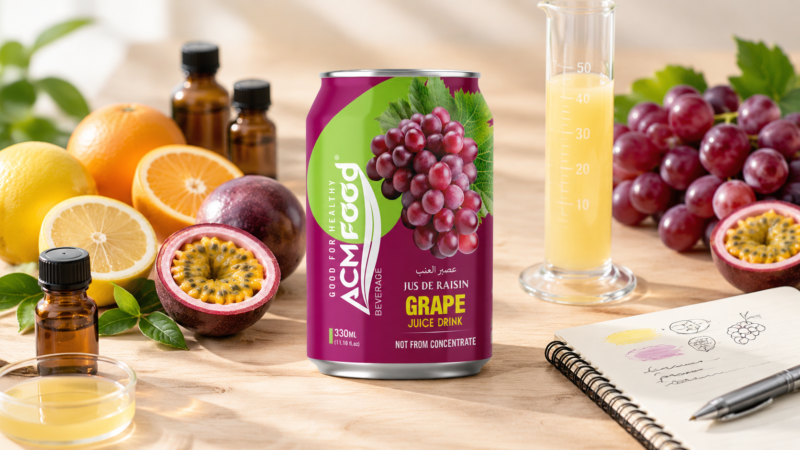
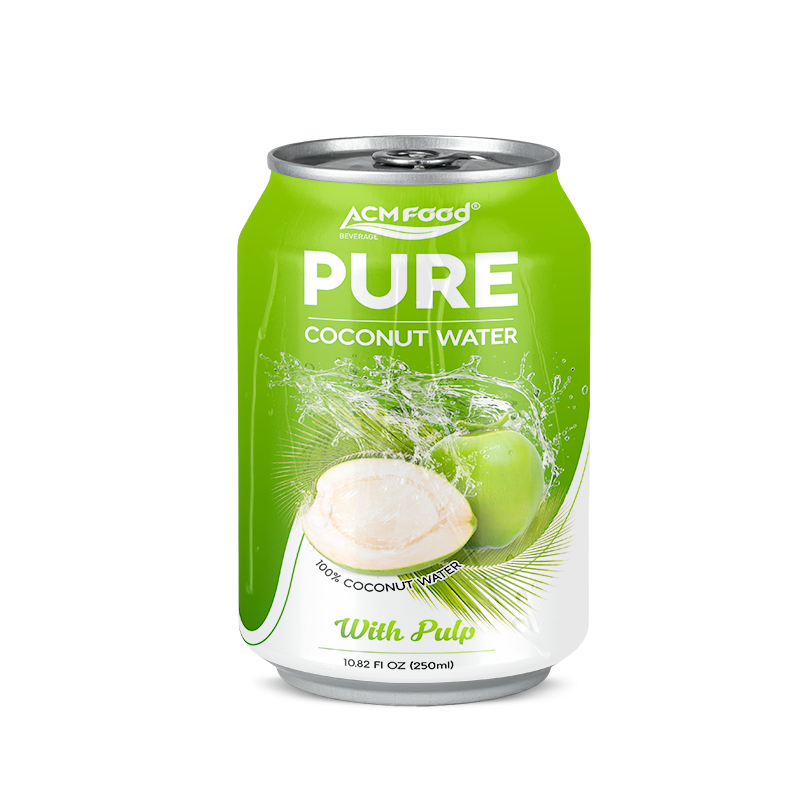
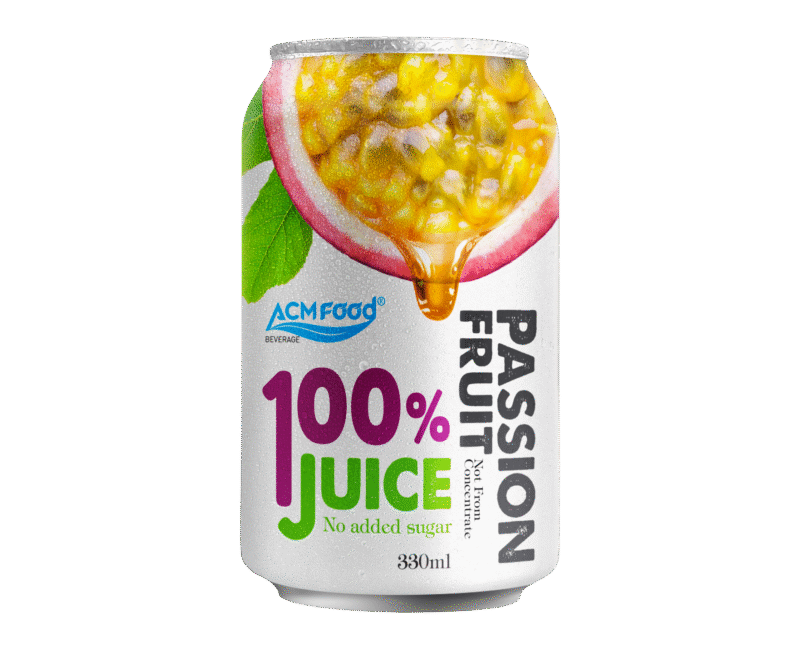
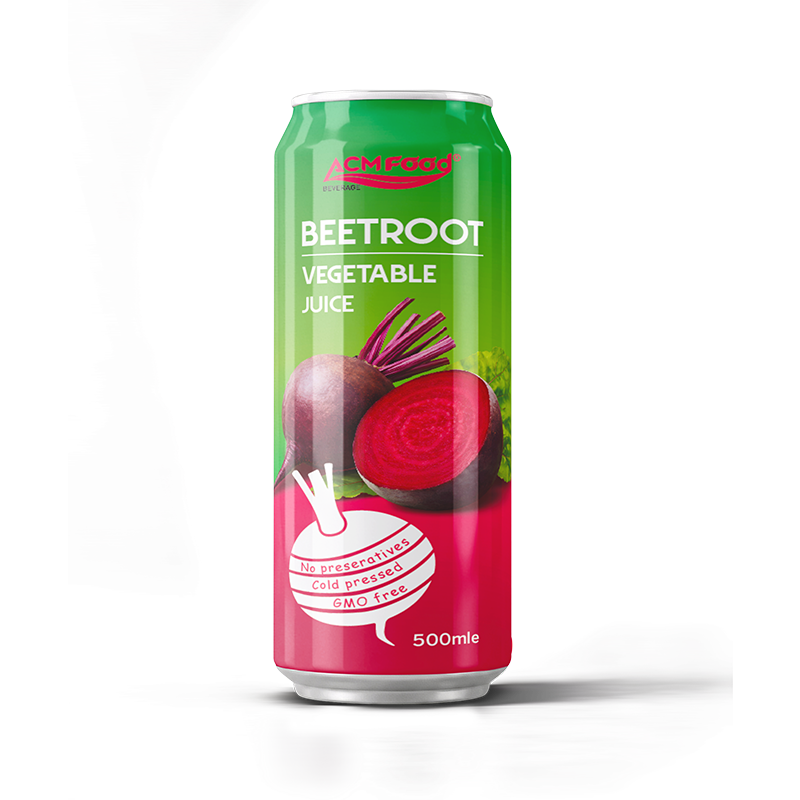
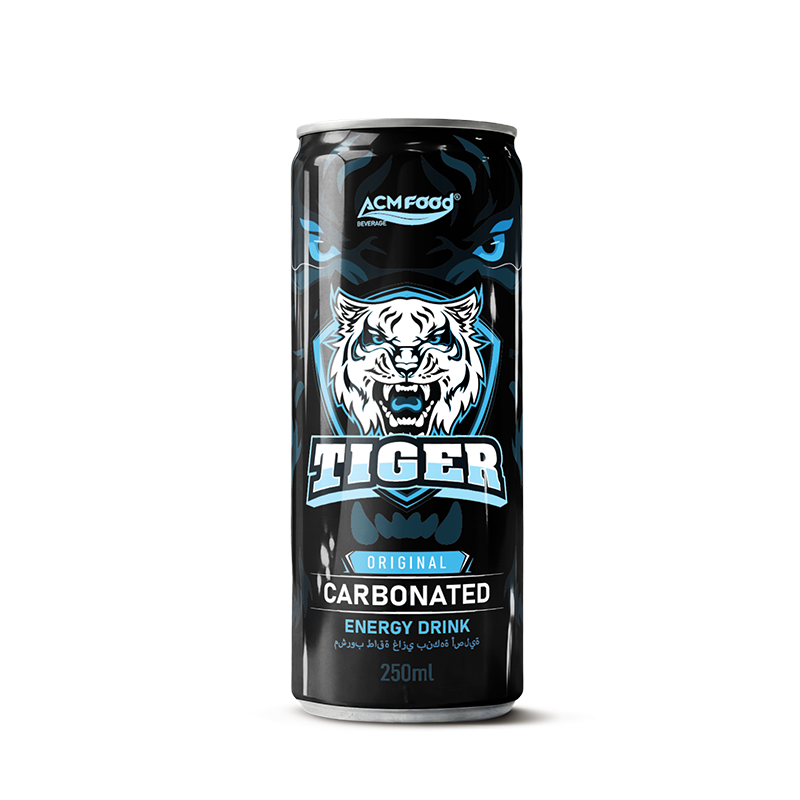
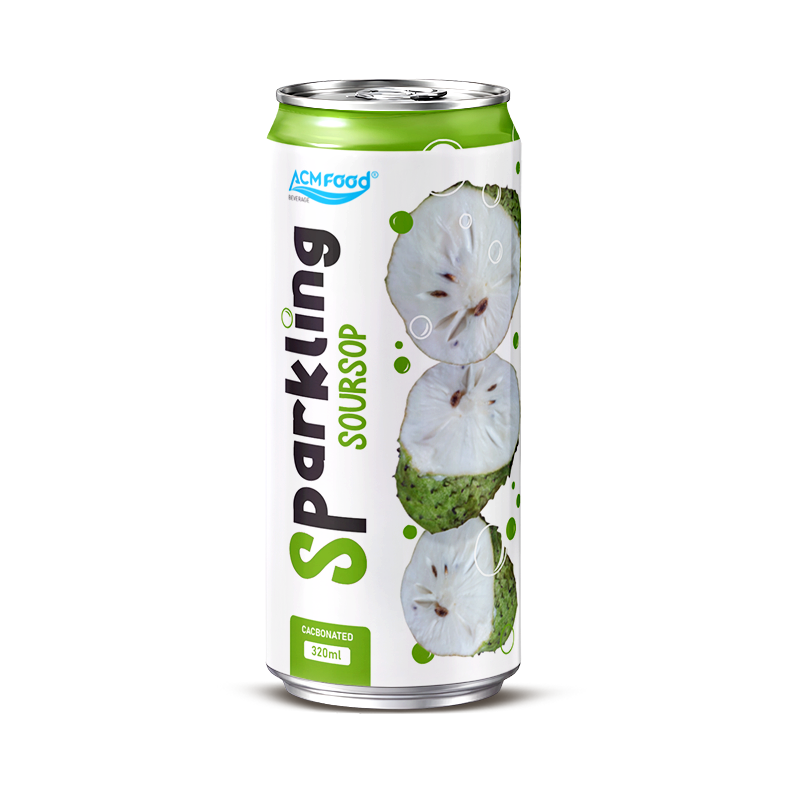
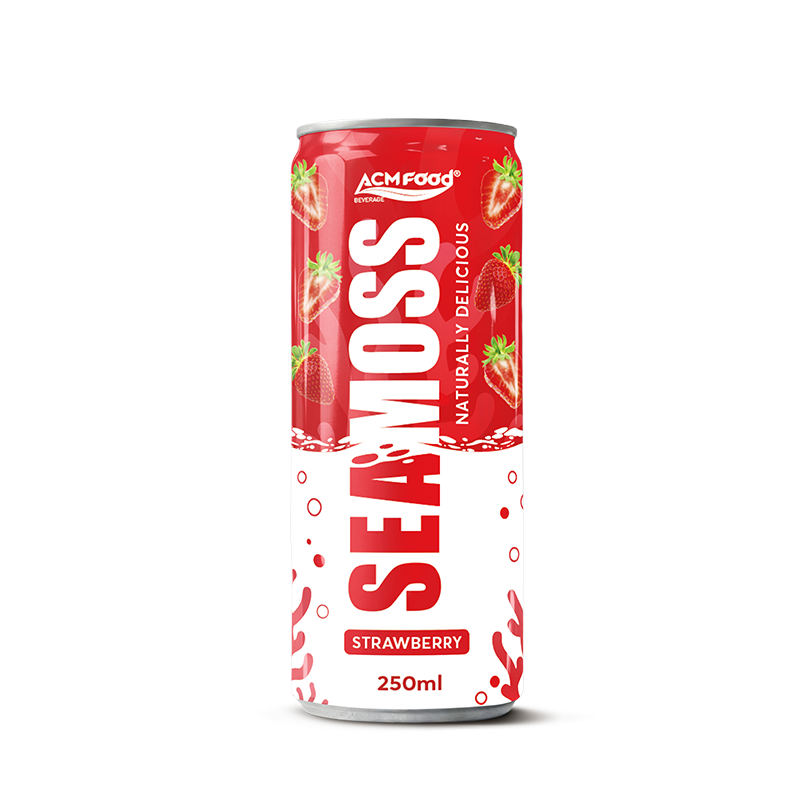
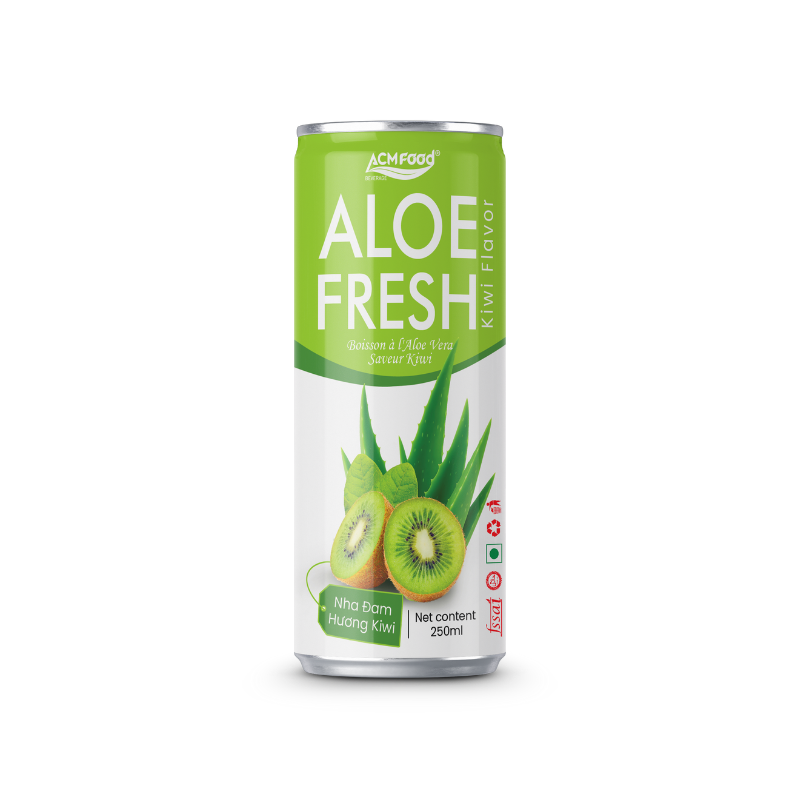
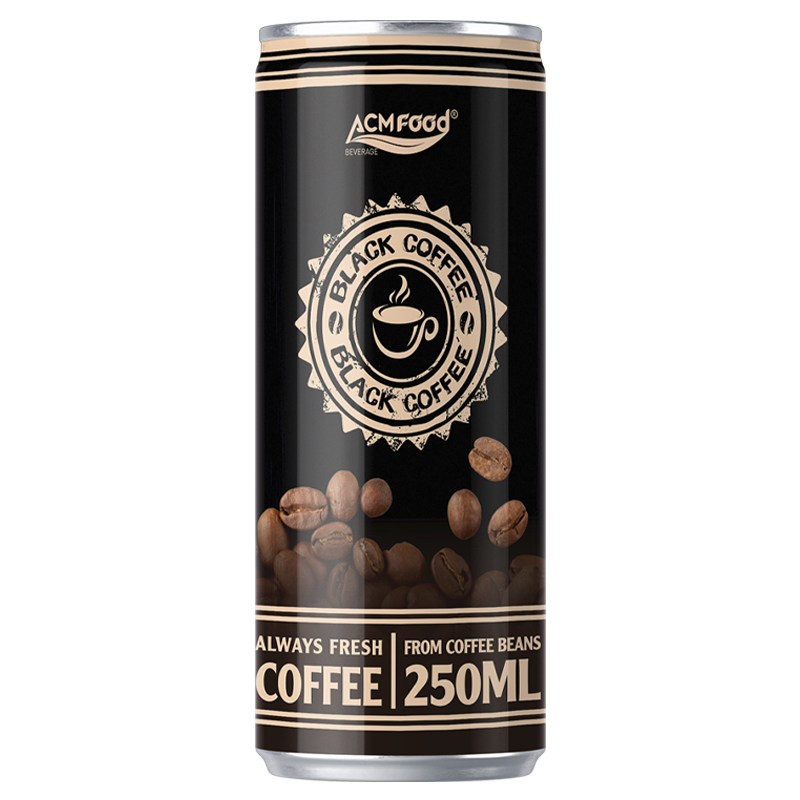
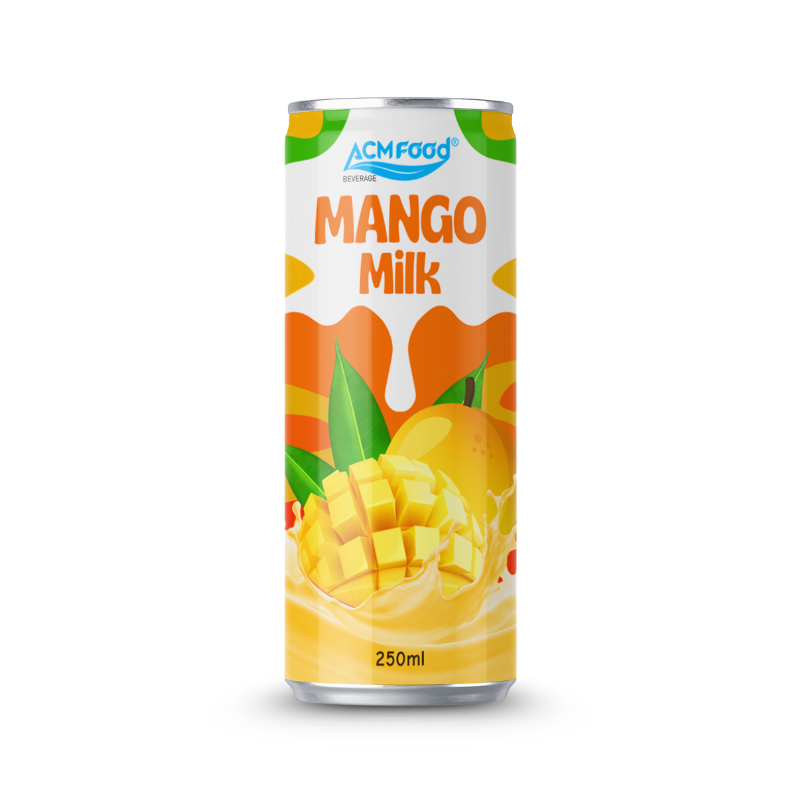
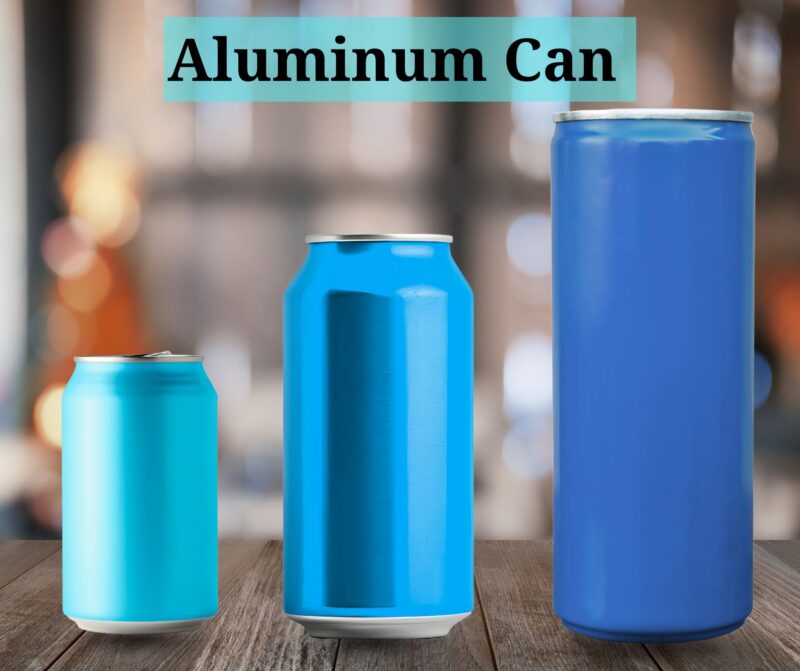
Aluminium cans block light and oxygen, protect flavour, are light to ship and highly recyclable. Canning lines cost more to set up than PET lines, and the product is not visible. Cans suit energy drinks, carbonated drinks and fruit juices, especially for export to Africa, the Middle East and the Americas.
When should you choose PET bottles?
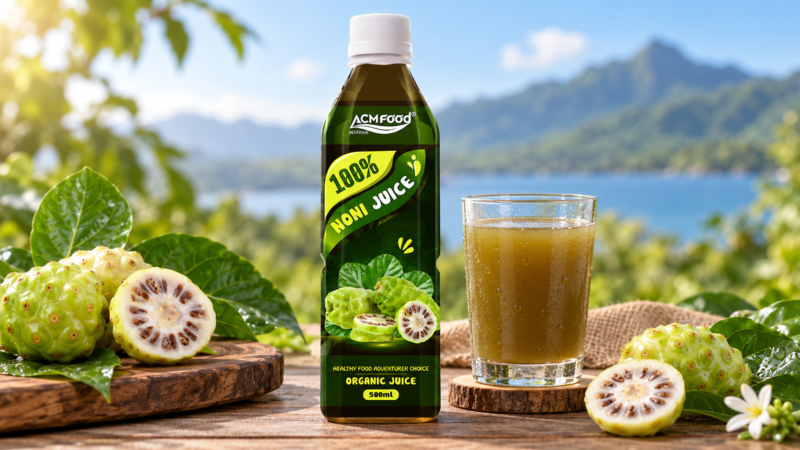
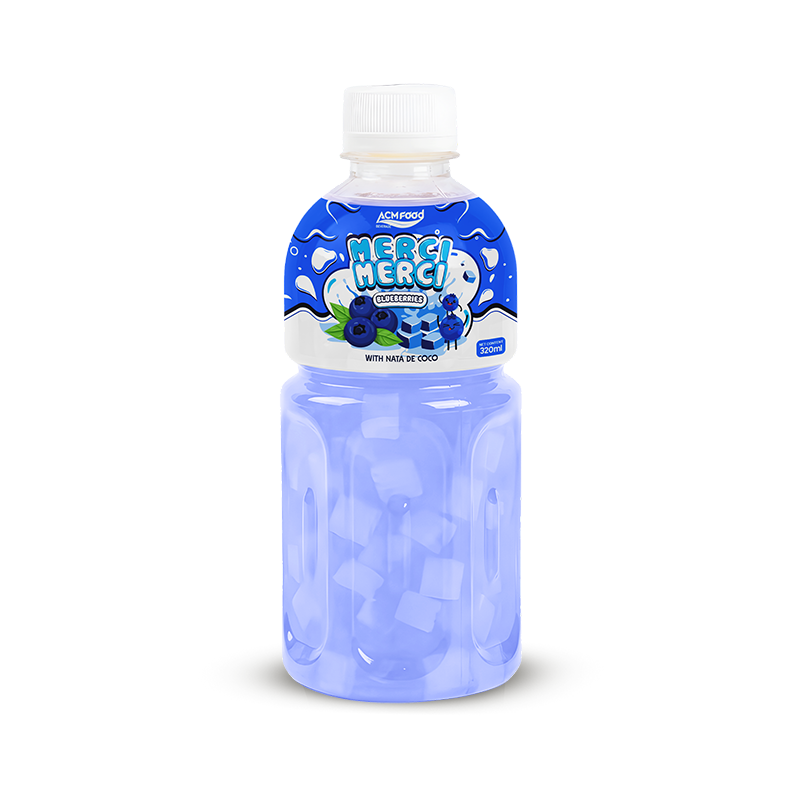
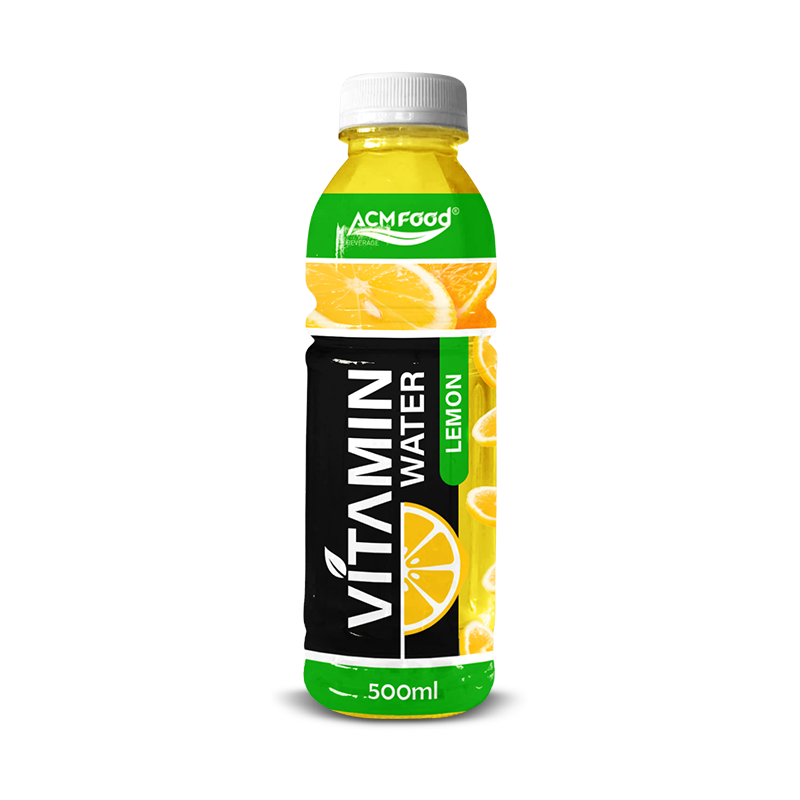
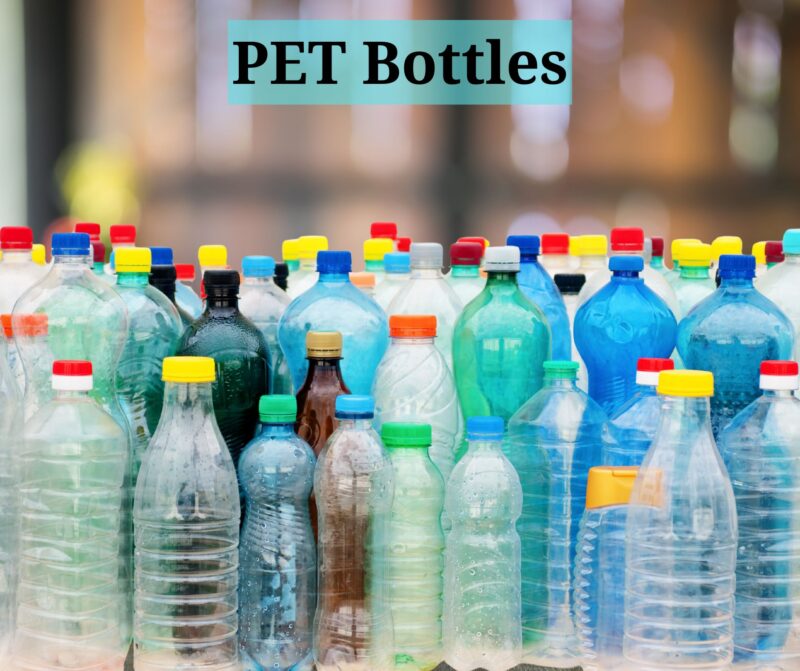
PET bottles are the lowest-cost format and easy to transport, store and display, and rPET helps meet sustainability goals. PET can deform at high temperatures unless heat-set for hot filling, and it looks less premium than glass. It fits tea, water, vitamin drinks, mainstream juices and functional drinks.
When should you choose glass bottles?
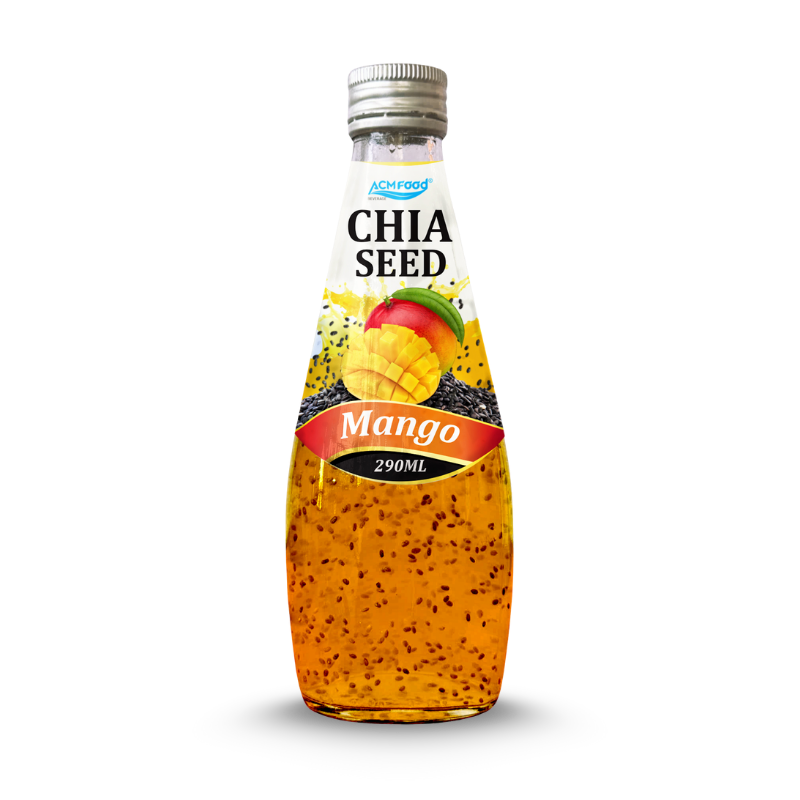
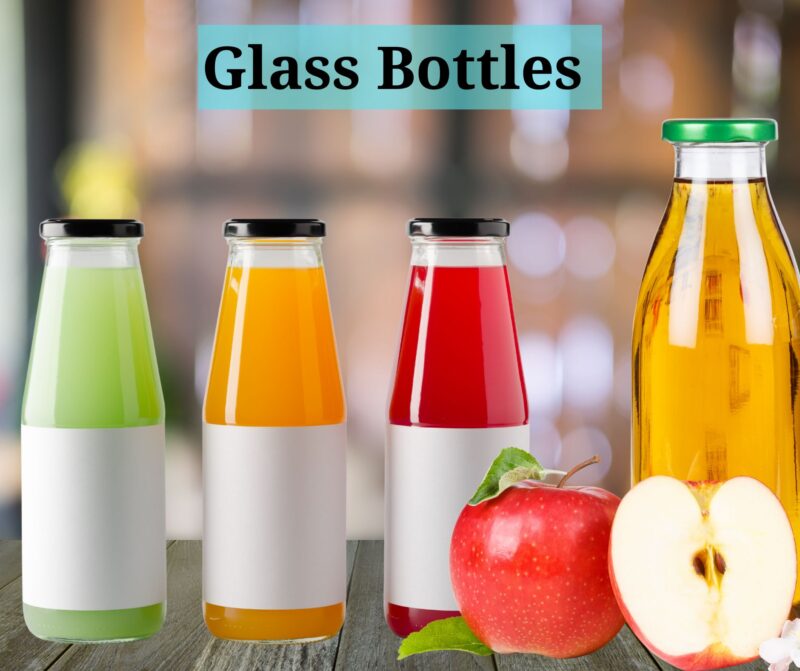
Glass is inert, so it does not affect flavour, and it strongly signals premium quality; it is also recyclable. Its weight raises freight costs and it needs careful handling. Glass fits premium juices and nutritional drinks and export to Europe, Japan and Korea.
When should you choose Tetra Pak?
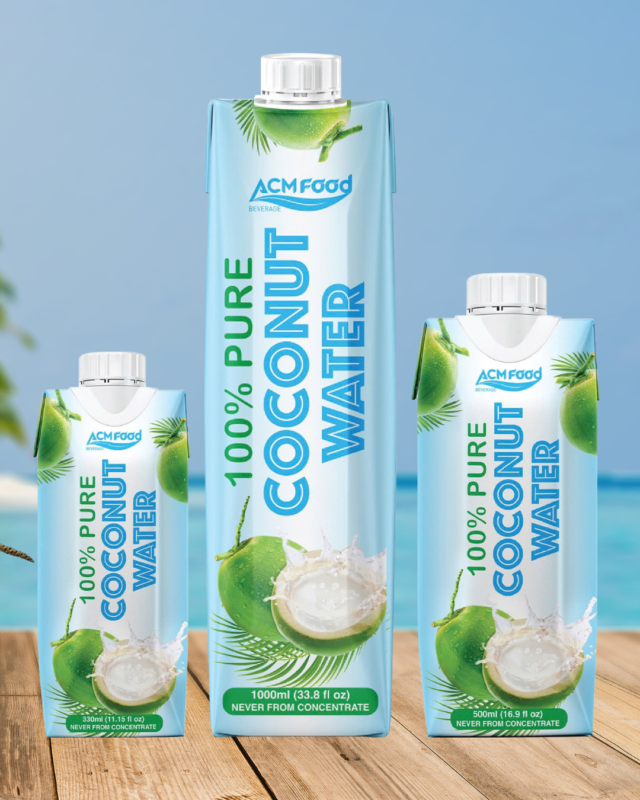
Tetra Pak uses multi-layer, mainly paper-based cartons filled aseptically, giving long ambient shelf life without refrigeration. The rectangular shape maximises pallet loading and lowers freight cost. Aseptic lines need significant technical investment and the product is not visible. Tetra Pak suits fruit juice (NFC and from concentrate), dairy, plant-based and nutritional drinks.
What packaging trends matter for export?
- More rPET content in bottles.
- Recycled aluminium becoming standard.
- Reusable glass in some premium markets.
- Aseptic cartons to reduce cold-chain dependence.
Importers increasingly judge packaging on both cost and environmental performance.
How do you choose the right packaging?
| If your priority is | Consider |
|---|---|
| Lowest cost, mass market | PET |
| Modern, youthful brand | Aluminium can |
| Premium positioning | Glass |
| Long shelf life, large-scale export | Tetra Pak |
| Africa | PET or cans |
| Europe | Glass or Tetra Pak |
Brands running several formats can reach more customer segments.
Frequently asked questions
Which beverage packaging is cheapest?
PET bottles usually have the lowest production cost.
Which packaging gives the longest shelf life?
Aseptic cartons such as Tetra Pak and aluminium cans typically give the longest ambient shelf life, depending on the product and process.
Which packaging is most sustainable?
It depends on local recycling. Aluminium and glass recycle well; cartons are mainly paper-based; rPET reduces virgin plastic.
Conclusion
No single beverage packaging format is best for every business. Match the format to your cost structure, export destination, brand position and logistics, and you protect both product quality and margins.
ACMFOOD offers OEM and co-packing across aluminium cans, PET, glass and Tetra Pak. See beverage packaging options, our production process and minimum order quantity. To cost a format, request a quote.
Request a quote