


 Français
 Español
 العربية
 한국어
한국어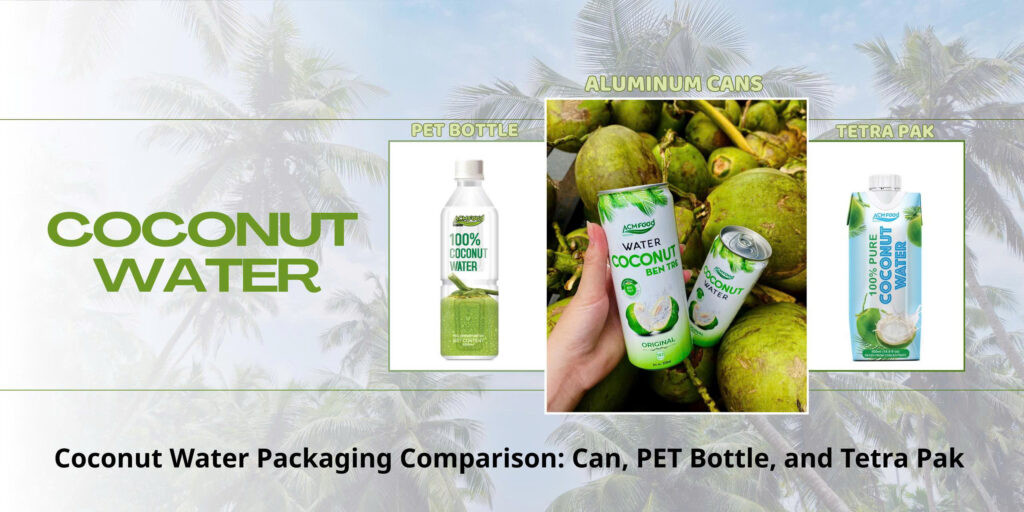
Coconut water has become a global favorite due to its natural hydration, refreshing taste, and rich electrolyte content. For businesses manufacturing or selling private label coconut water, choosing the appropriate packaging is the key to ensuring product quality, shelf life, and consumer appeal.
1. Why is Choosing the Right Packaging Crucial for Coconut Water?
Packaging selection is not merely an aesthetic choice; it directly impacts the product’s quality and safety. Coconut water is a natural product with specific characteristics that require packaging to meet stringent standards.
- Natural Characteristics of Coconut Water:Coconut water is a nutrient-rich solution with a relatively neutral pH, making it susceptible to microbial growth and flavor alteration (oxidation) if not properly preserved. The packaging must create an absolute barrier to retain its natural pure flavor and nutrients.
- Sensitivity to Heat and Light:Sunlight and high temperatures are the enemies of coconut water, particularly its antioxidants and vitamins. This exposure can lead to discoloration (often turning pink or yellow) and reduce the nutritional value of the product. The ideal packaging must have high UV and oxygen resistance.
2. Common Coconut Water Packaging Types on the Market
To help you make an informed decision, we will conduct a detailed comparison of the quality, common forms, along with the pros and cons of the three most popular packaging types today: aluminum cans, PET bottles, and Tetra Pak cartons.
2.1. Aluminum Cans
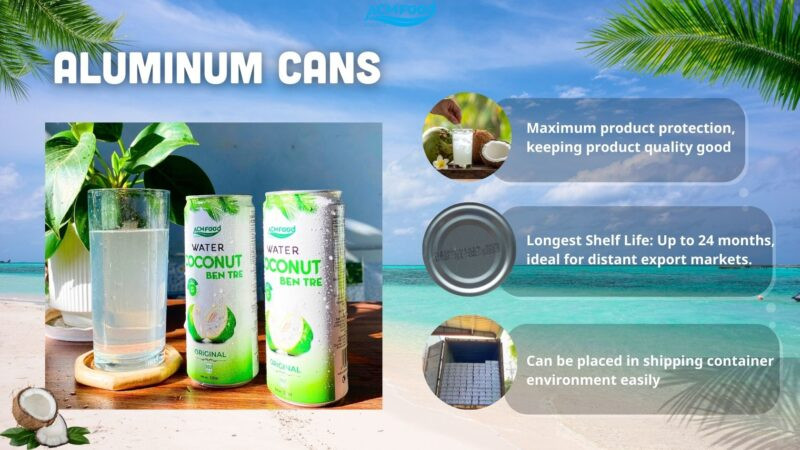
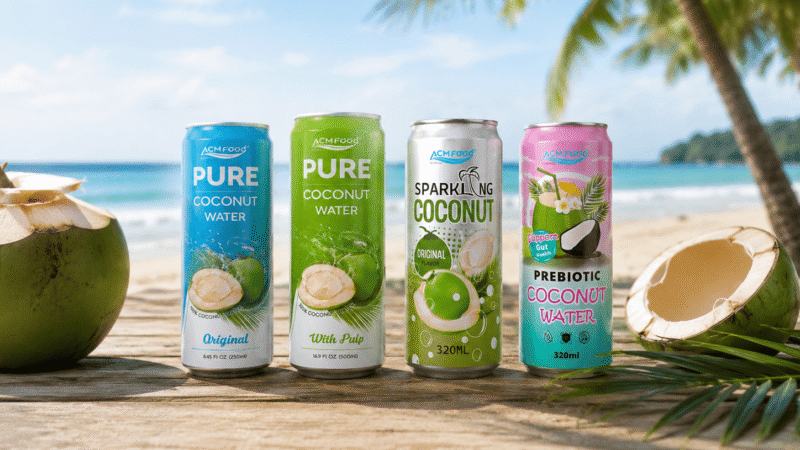
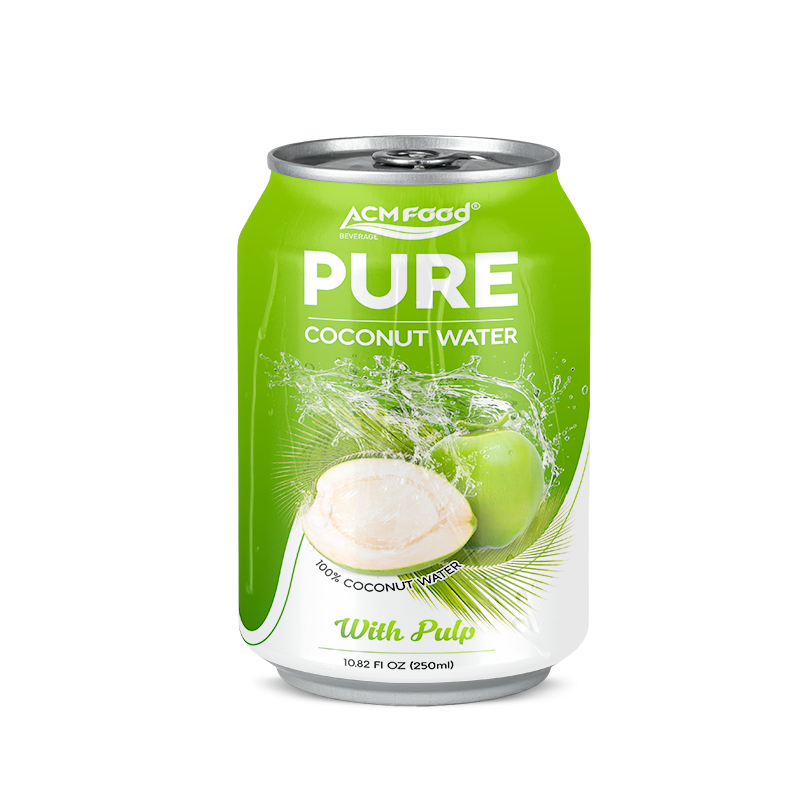
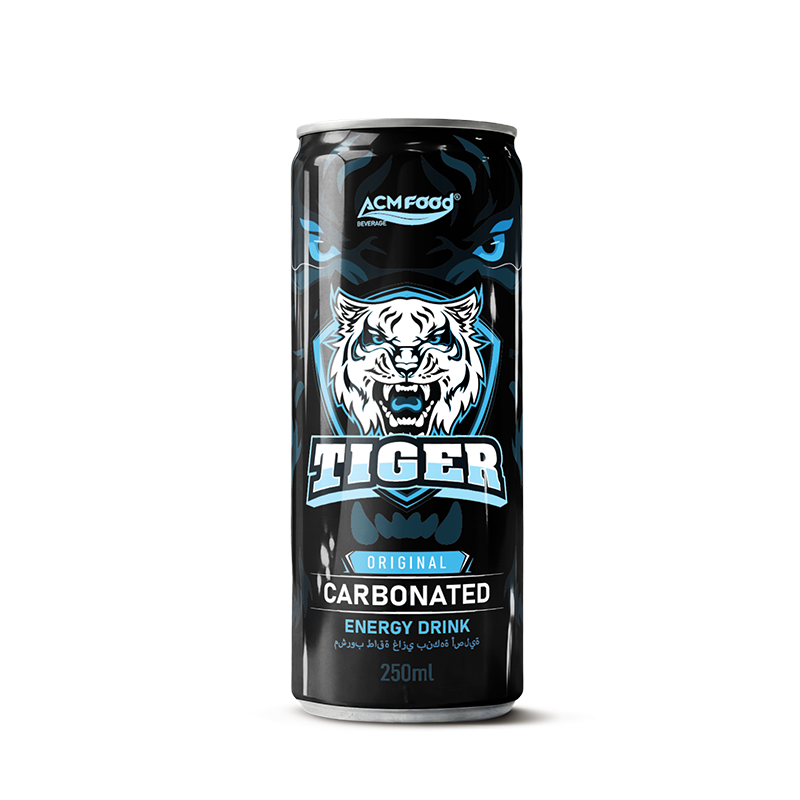
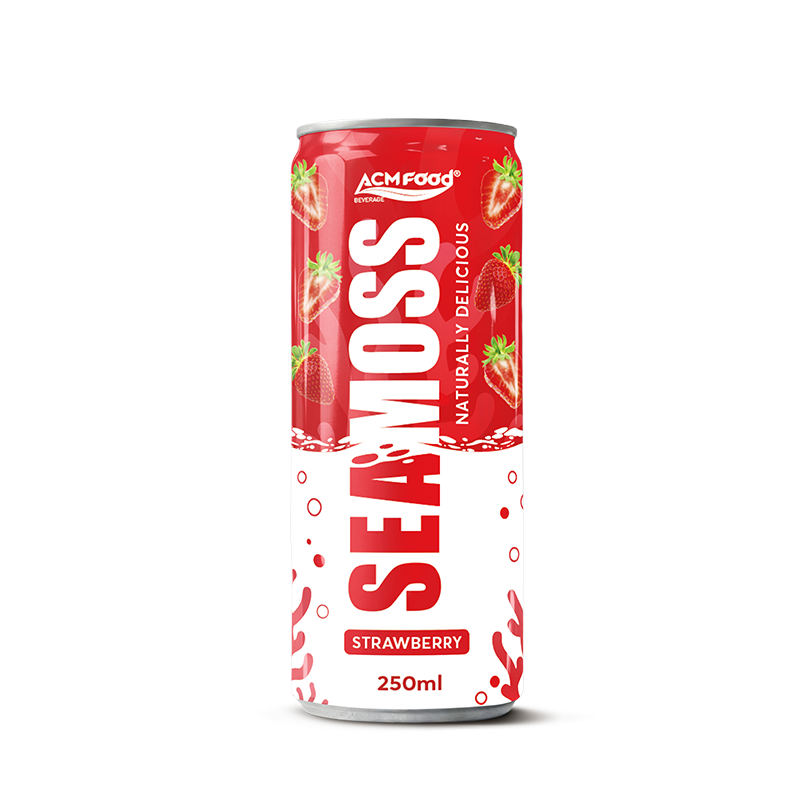
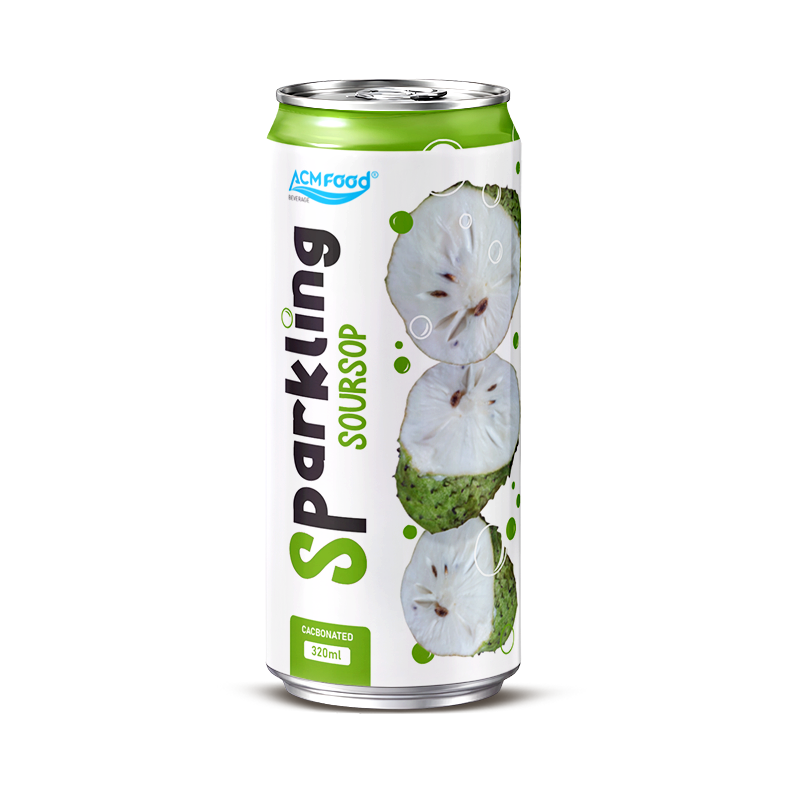
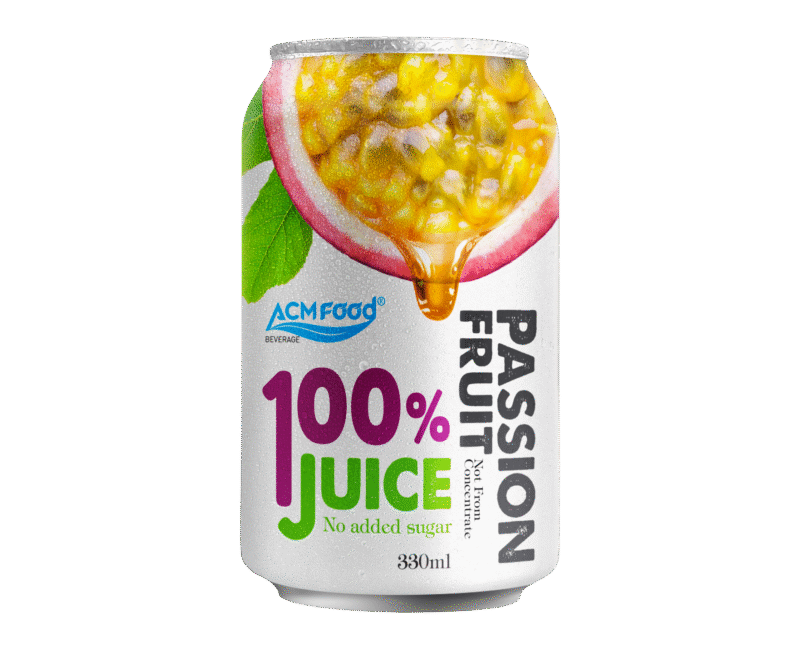
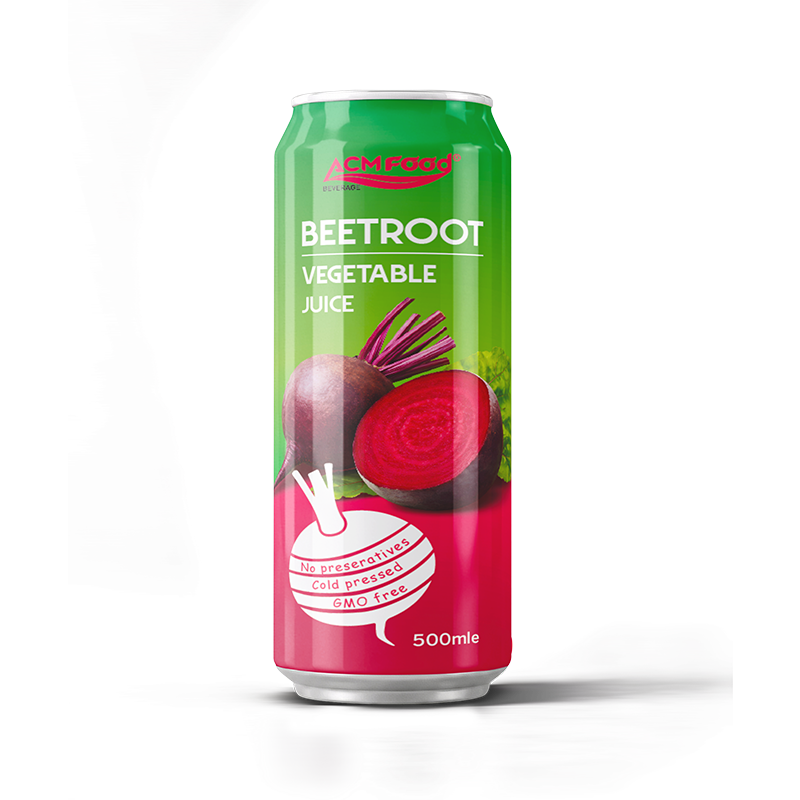
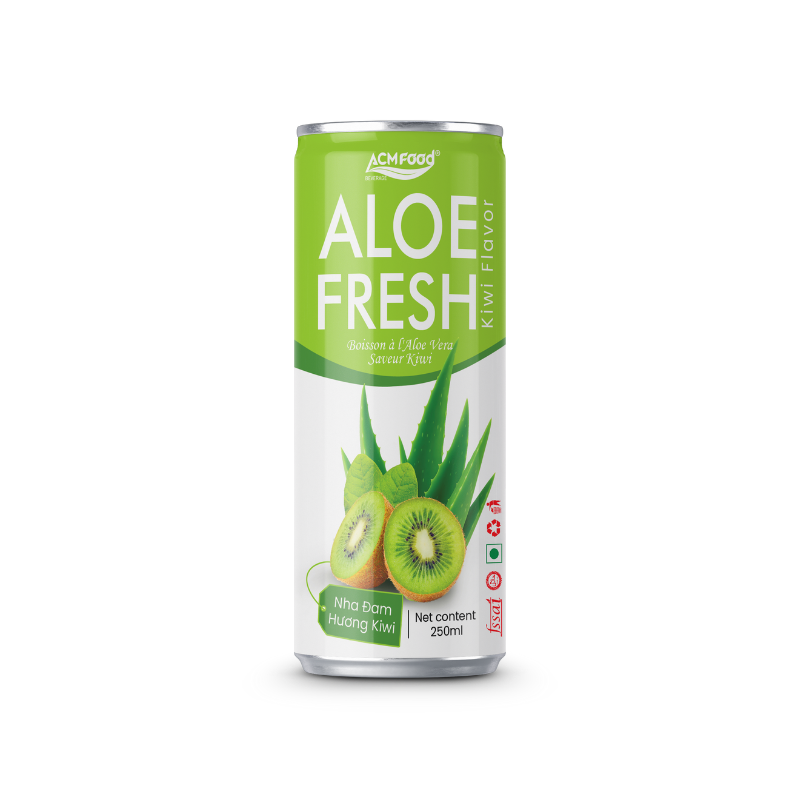
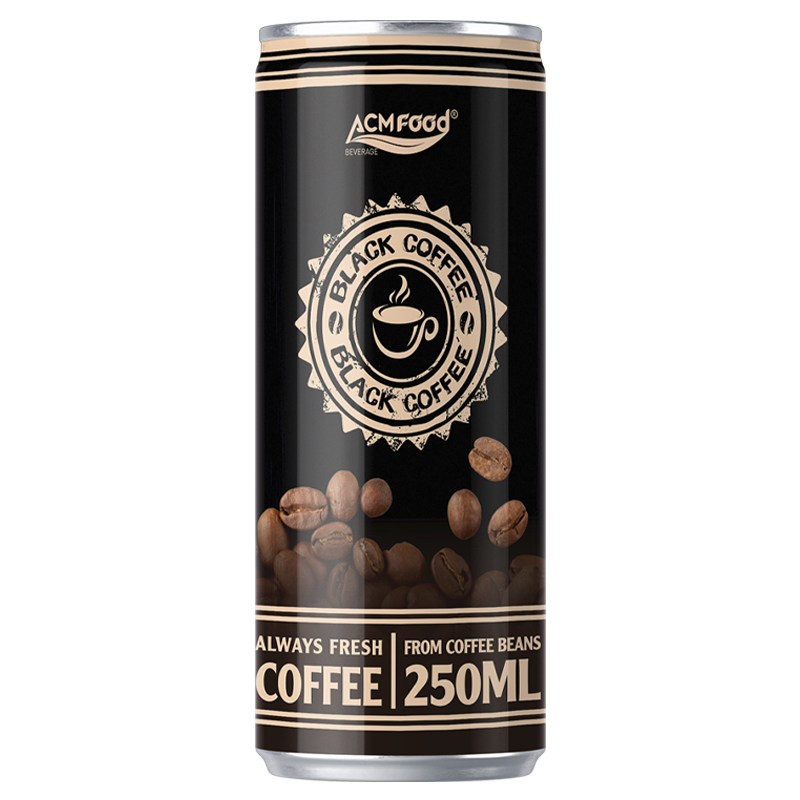
Aluminum cans are typically processed using high-temperature pasteurization or hot filling, which helps extend shelf life while ensuring absolute product safety.
| Feature | Description |
| Technology | High-Temperature Pasteurization / Hot Filling |
| Quality | Strong light and oxygen barrier capabilities best preserve natural flavor and nutrients. |
| Common Forms | Popular volumes: 250ml, 330ml. Choice between shrink sleeve labels or direct printing on the can. |
Pros:
Longest Shelf Life: Up to 24 months, ideal for distant export markets.
Maximum product protection from environmental impacts.
Competitive production costs with lower MOQ than Tetra Pak.
Cons:
Heavier than Tetra Pak, potentially increasing international shipping costs.
2.2. PET Bottles (Polyethylene Terephthalate)
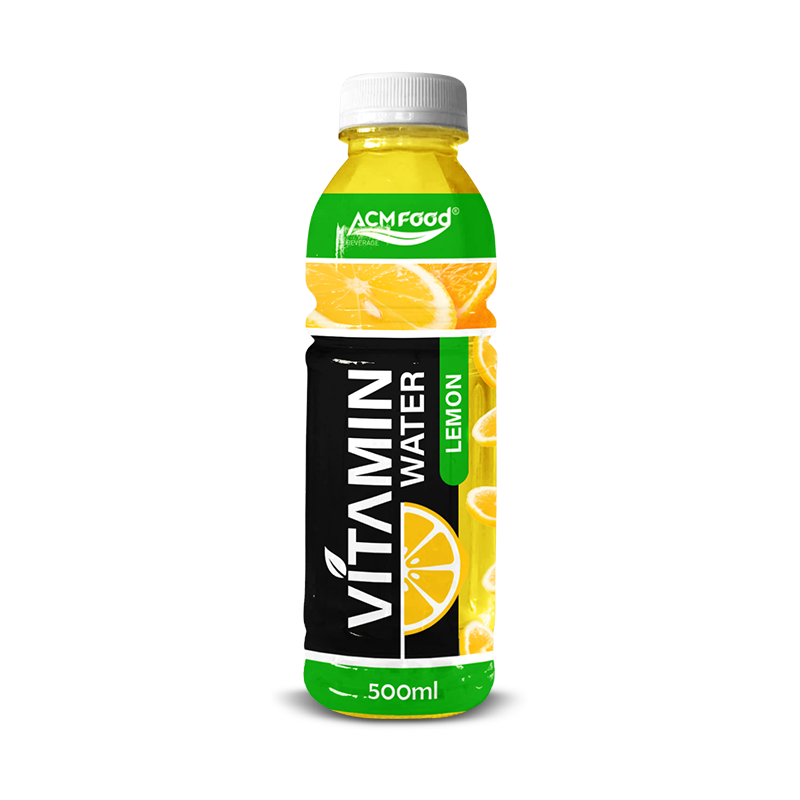
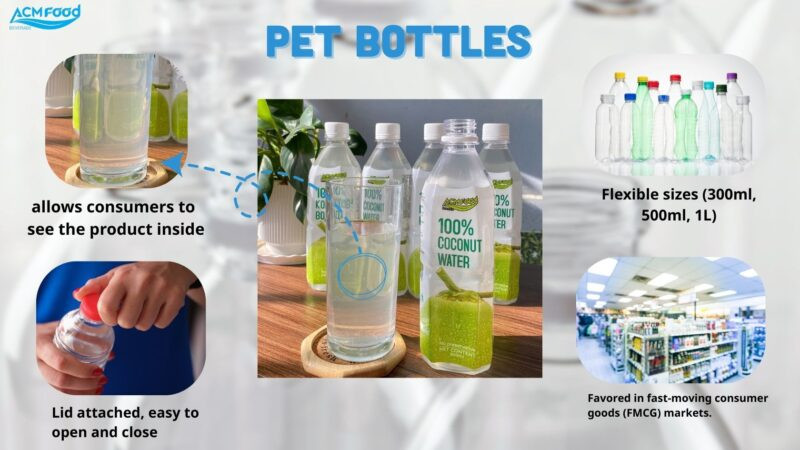
PET bottles use UHT sterilization technology to maintain the product’s freshness and safety. However, due to its sensitivity to temperature and light, PET bottles must be stored in a cool, shaded place.
| Feature | Description |
| Technology | UHT Sterilization |
| Quality | Retains natural flavor. However, color and quality may change upon direct exposure to heat/light. |
| Common Forms | Flexible sizes (300ml, 500ml, 1L), visually appealing clear packaging allows consumers to see the product inside. |
Pros:
Flexible sizing and shape, easily adapted for different markets.
Lightweight and convenient for consumer use.
Favored in fast-moving consumer goods (FMCG) markets.
Cons:
Shorter Shelf Life: Typically around 18 months.
Strict Environmental Requirements: Some European markets may require the use of rPET (recycled material) and tethered caps to comply with environmental regulations.
2.3. Tetra Pak Cartons (Aseptic Cartons)
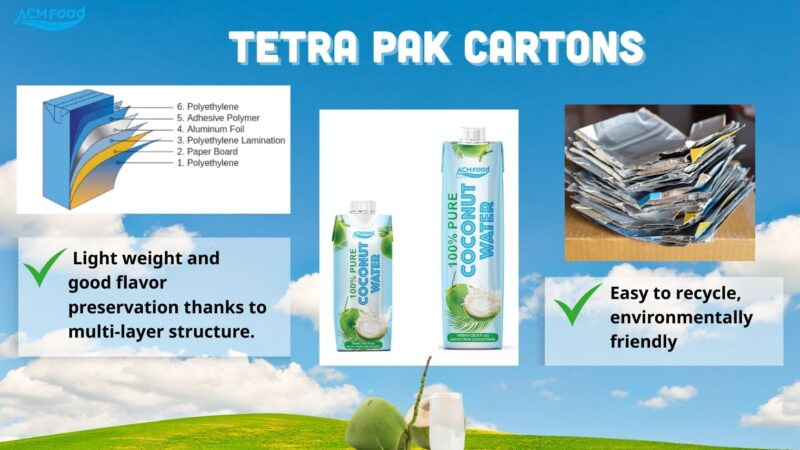
Tetra Pak cartons are a complex, multi-layered packaging solution (paperboard, aluminum, and polyethylene), combining UHT sterilization and aseptic filling technology. This structure provides excellent light protection and helps maintain the natural flavor of the coconut water.
| Feature | Description |
| Technology | UHT Sterilization and Aseptic Filling |
| Quality | Excellent light resistance, preserving natural flavor. |
| Common Forms | Compact block design, popular volumes 330ml, 500ml, 1L. |
Pros:
Long Shelf Life: Up to 24 months
Lightweight and Eco-Friendly: Highly regarded and preferred in developed, sustainability-conscious markets.
Convenient for storage and display.
Cons:
Higher Cost and MOQ: Requires greater investment in specialized filling equipment.
📋 Summary Table Comparing Coconut Water Packaging Quality and Form
| Criteria | Aluminum Cans | PET Bottles | Tetra Pak Cartons |
| Light/Oxygen Barrier | Best | Poor (easily altered) | Very Good |
| Max Shelf Life | 24 months | ~18 months | ~18 months |
| Weight & Shipping | Heavier, higher cost | Lightweight, flexible | Lightest, optimized cost |
| Initial Investment Cost | Lower than Tetra Pak | Low | Highest |
| Sustainability | Recyclable | Recyclable (rPET required in some markets) | Recyclable (more complex) |
3. How Can ACM Support You?
With extensive experience in the beverage industry, particularly in exporting coconut water to international markets, we at ACM are committed to sharing the most valuable information to support our partners.
Understanding these core differences between packaging types is the critical foundation that helps businesses supply safe, fresh, and highly competitive coconut water products in all global markets.
Objective recommendations:
- Aluminum cans (Top recommendation for long-haul exports): Aluminum cans are the optimal choice if your goal is consistent quality and the longest shelf life (24 months). This is important for long-haul export markets.
2. Tetra Pak cartons (Recommended for sustainable markets): This is the top choice for markets that prioritize sustainability, environmental friendliness, and low shipping costs (due to their light weight).