


 English
 Français
 Español
 العربية
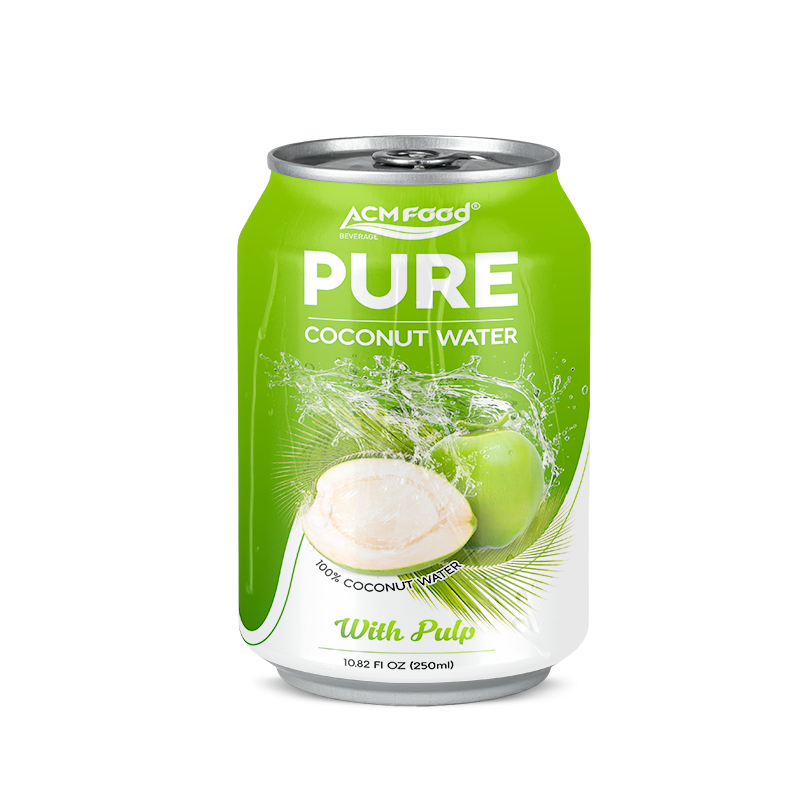
The ready-to-drink beverage industry has been waiting for a product that could sit at the intersection of natural hydration and the sensory experience that sparkling water and soda have long owned. 탄산 코코넛 워터 is that product. It combines the clean-label credentials of traditional coconut water — natural electrolytes, no artificial additives, low calorie count — with the effervescence that drives impulse purchases at checkout aisles, gym vending machines, and convenience store coolers worldwide.
If you’re evaluating this category for import or distribution, the timing of that evaluation matters more than most people realize.
탄산 코코넛 워터가 왜 다른 유형의 구매자를 사로잡고 있는가

Traditional still coconut water built its audience through health channels — sports nutrition, organic retail, wellness-oriented grocery. That audience is real and valuable, but it’s also relatively defined. Carbonated coconut water opens a second and considerably wider door: the consumer who drinks sparkling water or flavored soda and wants something that feels better about themselves for doing it.
This isn’t a minor distinction. The global RTD beverage market is projected to reach USD 315 billion by 2030, growing at a CAGR of 6.8%. Within that, the packaged coconut water segment alone was valued at USD 7.67 billion in 2023 and is projected to reach USD 22.91 billion by 2029 — a CAGR of 20%. That number reflects the broader coconut water category. The carbonated sub-segment, though smaller today, is growing faster than the base category because it appeals to a consumer who previously had no reason to choose coconut water.
Think about the shelf decision a consumer makes when choosing between a sparkling water, a craft soda, and a carbonated coconut water. The sparkling water offers no functional story. The soda carries sugar guilt. Carbonated coconut water positions itself as “the drink that’s actually doing something for you” while still delivering the bubbles and the refreshing sensation people associate with their favorite fizzy drinks. That framing is why brands like ZICO and Thirsty Buddha have moved aggressively into this format. When larger players invest in a sub-category, it signals that consumer pull is real and growing — not experimental.
The data from early movers supports this. Coaqua, a mid-market brand that introduced a sparkling variant alongside several flavored lines, reported 60% year-over-year growth in its Sprouts retail channels after adding the sparkling format to its portfolio. One SKU, meaningfully incremental growth. That’s the kind of signal that importers and distributors should pay attention to.
좋은 탄산 코코넛 워터와 잊혀지는 제품을 구분짓는 요소
This is a question that rarely gets answered directly in category overviews, so let’s be specific about it.
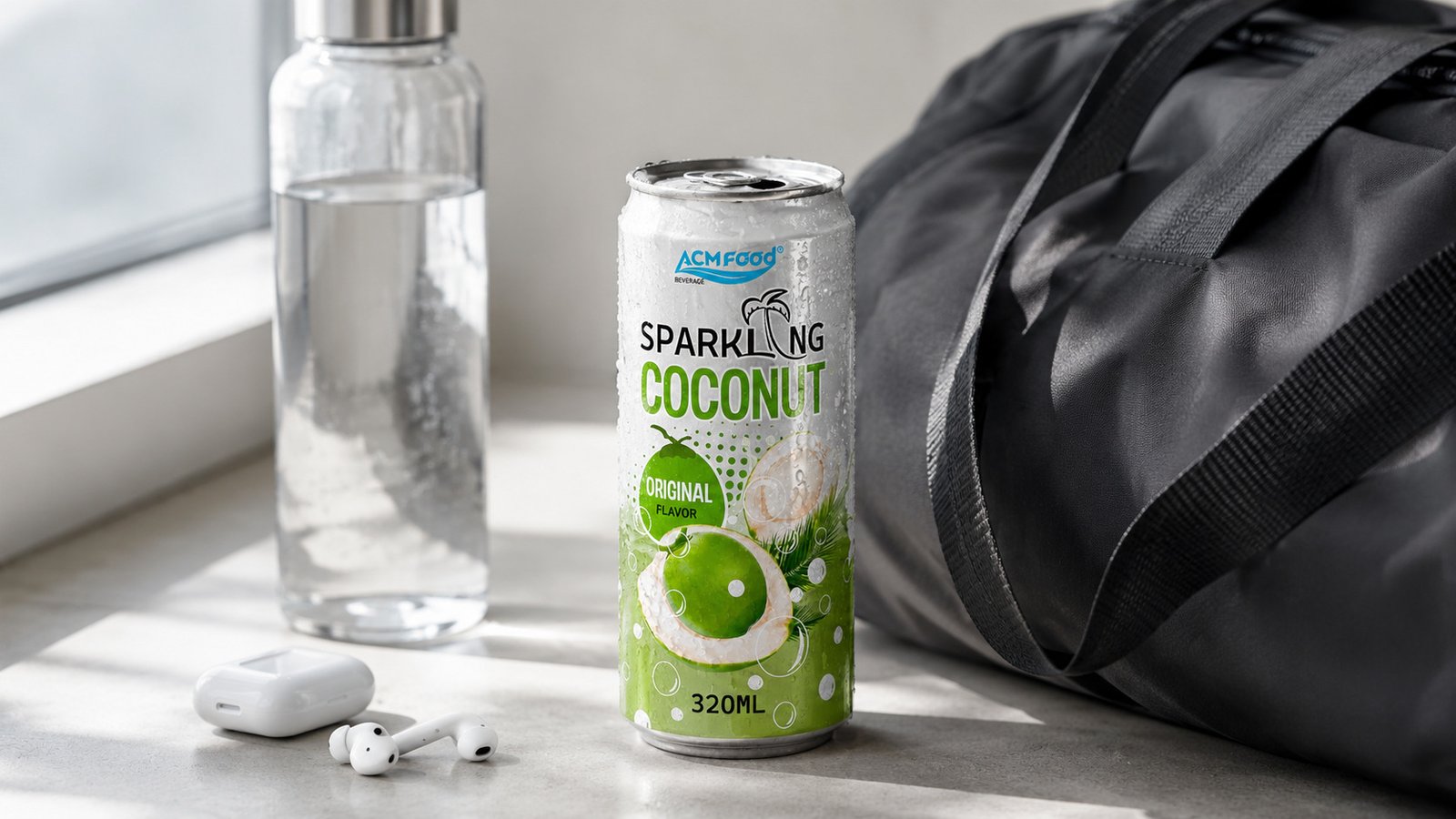
The core technical challenge with carbonated coconut water is that carbonation amplifies everything — including off-notes. Still coconut water can be processed to a point where minor flavor variations are masked. Carbonated coconut water cannot. The bubbles carry flavor compounds to the palate faster and more intensely, which means that the quality of the base ingredient matters far more in the sparkling format than in the still format. Coconuts from different growing regions produce water with meaningfully different flavor profiles. The Mekong Delta in Vietnam — particularly the provinces of Ben Tre, Trà Vinh, and Tiền Giang — is recognized for producing young coconuts whose water is naturally sweeter and less acidic than coconuts from many other producing countries. That baseline sweetness matters when you’re adding carbonation, because it reduces the need to compensate with added sugar or flavor masking agents, and it keeps the ingredient list clean.
두 번째 변수는 탄산 농도입니다. This is a product decision that many importers leave entirely to their manufacturer, and that’s a mistake. Carbonation level affects perceived mouthfeel, how quickly the product goes flat after opening, and how well the product survives distribution conditions — temperature fluctuations during transit, altitude changes during air freight, and handling variability in wholesale environments. OEM capability을 갖춘 베트남 제조사들은 일반적으로 탄산 농도 맞춤화를 제공하며, 이를 통해 수입업자는 목표 유통 채널에 맞춰 제품을 조정할 수 있습니다. 프리미엄 피트니스 소매 채널에 진입하는 제품은 ‘자연스럽고 부드러운’ 느낌을 주는 약한 탄산을 적용할 수 있습니다. 편의점 채널이나 젊은 소비자를 겨냥한 제품은 에너지 드링크와 직접 경쟁할 수 있는 보다 강력한 탄산감이 유리합니다.
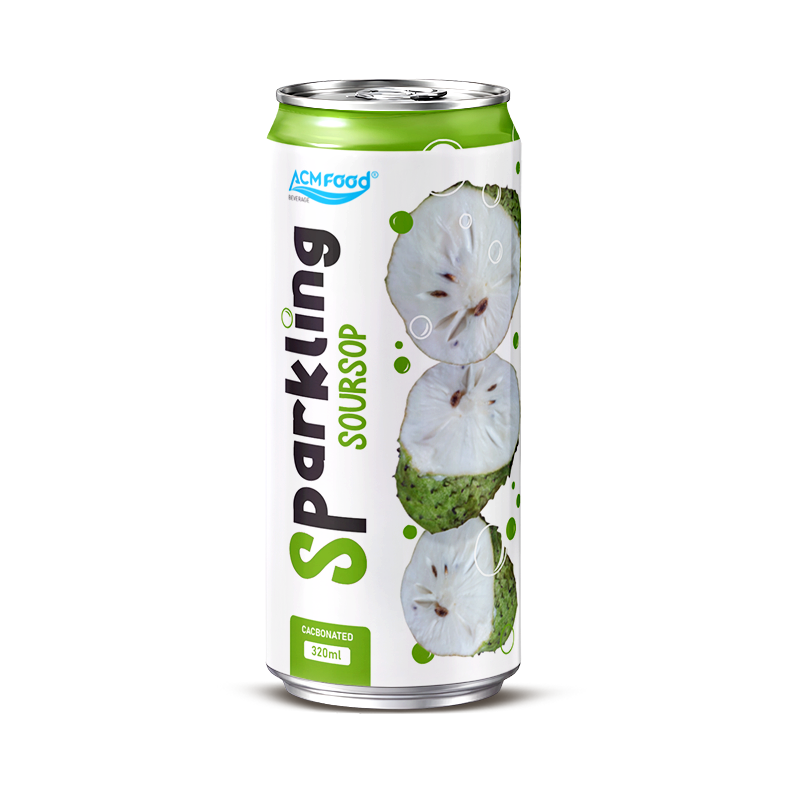
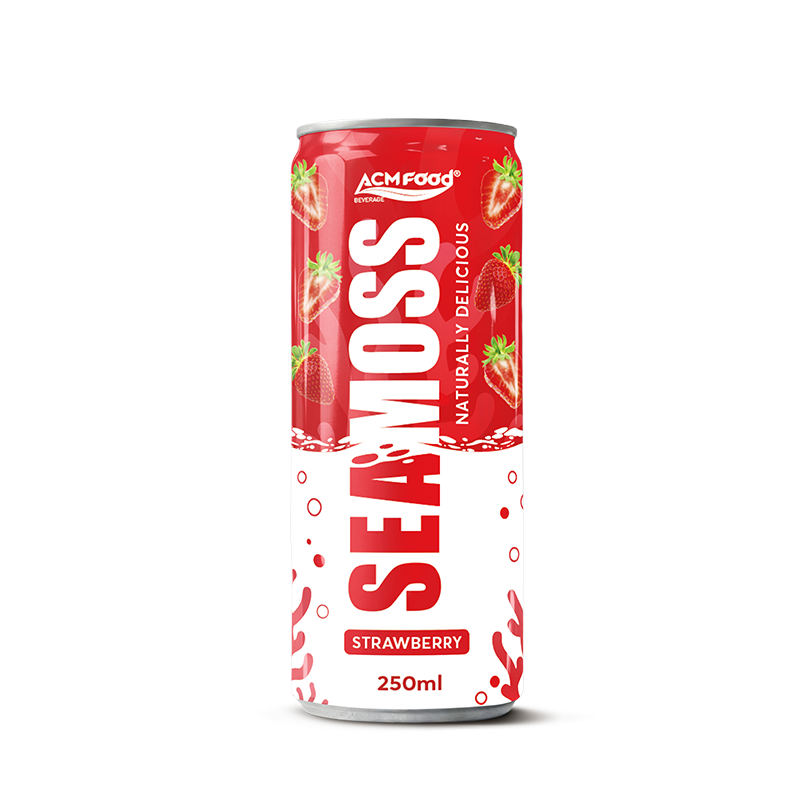
세 번째 고려 사항은 포장 형식입니다. 알루미늄 캔에 담긴 탄산 코코넛 워터는 24개월 유통기한 동안 안정적으로 탄산을 유지하며, 이는 베트남 수출 중심 공장들이 최적화하고 있는 형식입니다. 유리병은 프리미엄 인식을 주지만 국제 물류에서 무게와 파손 위험을 추가합니다. PET병은 강력한 냉장 유통망을 갖춘 내수 시장에 적합하지만 온도 관리가 일관되지 않은 장거리 컨테이너 운송에는 덜 이상적입니다. B2B 물류 관점에서 알루미늄 캔은 대부분의 수입 시나리오에서 실용적인 선택이며, 편의점 및 오프트레이드 소매 채널에서 국제적으로 가장 빠르게 성장하는 형식입니다.
수입업자가 주문 전에 반드시 확인해야 할 사항
새로운 시장에 탄산 코코넛 워터를 도입하는 상업적 현실에는 외부에서 과소평가하기 쉬운 여러 변수가 포함됩니다. 유럽, 중동, 아시아 태평양 전역의 수입업자와 협력한 경험에 따르면, 성공적으로 출시하는 구매자는 일반적으로 첫 번째 컨테이너를 주문하기 전에 네 가지 특정 영역에 대한 사전 조사를 완료했습니다.
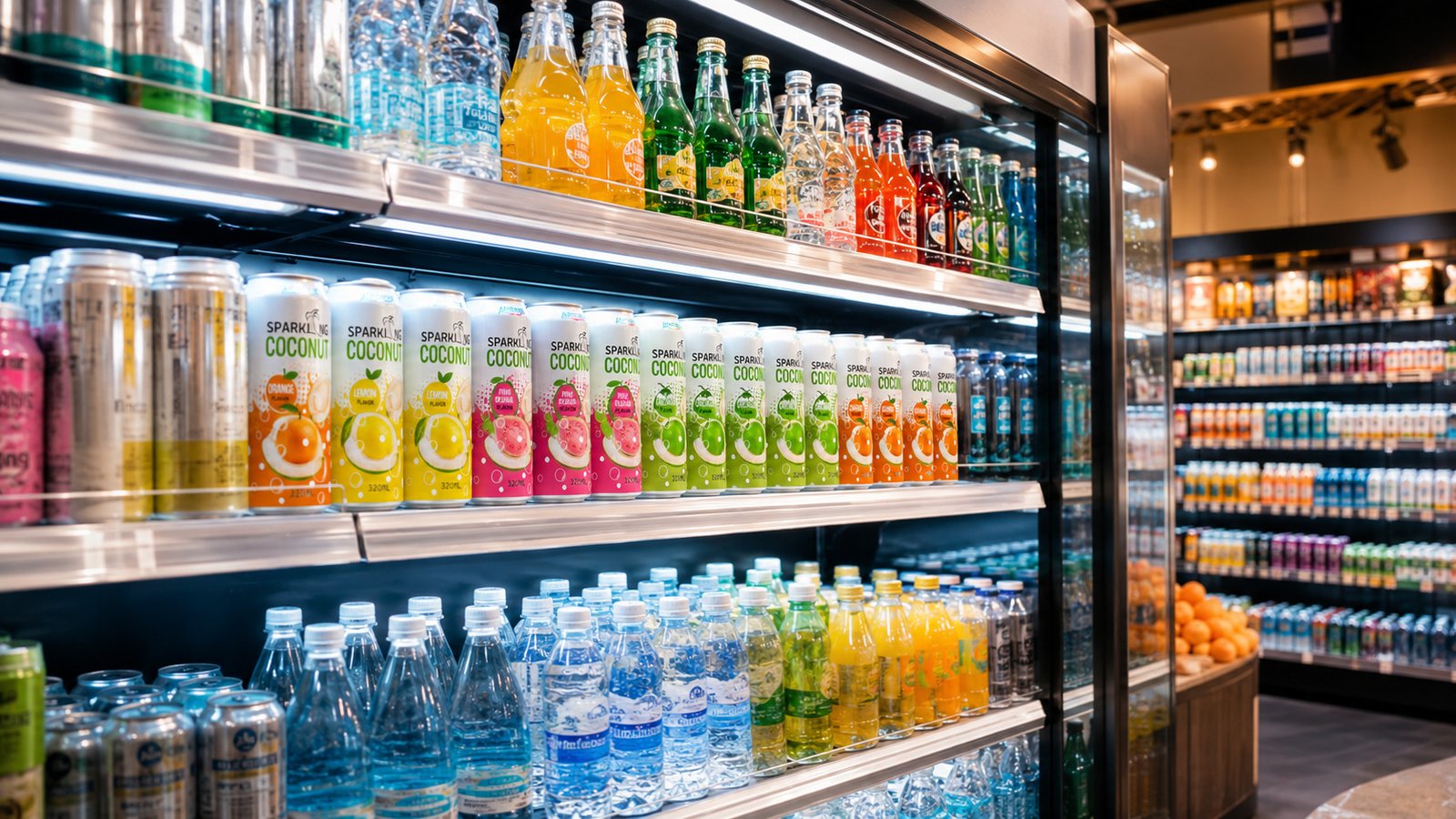
규제 적합성이 제품 선택에 우선합니다. 탄산 음료는 많은 시장에서 비탄산 음료와 다른 세관 심사를 받습니다. 일부 시장은 탄산음료에 대해 특정 라벨링 요구 사항(탄산 수준 공개, 세금 처리에 영향을 미치는 설탕 함량 기준, 또는 EU 회원국마다 다른 건강 강조 표시 제한)을 부과합니다. 목표 시장이 소비세 또는 ‘소다세’를 적용하고 제품에 첨가당이 없는 경우, 제조업체로부터 이를 명확히 증명하는 서류가 필요합니다. 해당 서류는 일반 수출 증명서가 아닌 현지 세관 당국이 인정하는 형식이어야 합니다.
운송 중 탄산 안정성은 주어진 것이 아니라 실제 변수입니다. 호치민시 항구를 출발하는 적절한 탄산 수준의 잘 지정된 제품이 운송 중 온도 관리가 불량할 경우 로테르담이나 제다에 불일치하는 압력으로 도착할 수 있습니다. 평판 좋은 베트남 수출 파트너는 문서에 보관 및 운송 온도 범위를 명시하며, 경험 많은 수입업자는 기후에 따라 냉장 컨테이너 옵션으로 컨테이너 예약을 확인합니다. 이는 사소한 운영 세부 사항이 아닙니다. 첫 도착 시 품질 불일치는 브랜드가 자산을 구축하기 전에 소매 구매자 관계를 손상시킬 수 있습니다.
MOQ 및 컨테이너 경제성은 확정 전에 모델링해야 합니다. 베트남 OEM 제조업체의 탄산 코코넛 워터 표준 MOQ는 일반적으로 20피트 컨테이너 1개부터 시작합니다. 330ml 캔 형식을 24캔 팩으로 포장할 경우, 카톤 적재 구성에 따라 약 18,000~22,000단위에 해당합니다. 조직화된 소매 시장 출시의 경우, 소규모 체인에 3~5개의 SKU로 진입한다면 합리적인 최초 배치 수량입니다. 단일 SKU로 외식업이나 호레카 시장을 테스트하는 경우, 초과 재고 노후화 없이 효율적으로 배치하기 어려울 수 있습니다. 해결책은 주문 규모를 최종 결정하기 전에 채널 계획을 수립하는 것입니다.
자체 브랜드 결정은 장기적인 마진 프로필에 영향을 미칩니다. 인증된 베트남 공장에 직접 접근 권한이 있는 거래 파트너와 협력하면 수입업자는 다른 제조업체의 브랜드를 유통하며 가격 통제력이 제한되는 대신, 첫날부터 자체 브랜드를 갖춘 자체 브랜드 제품을 출시할 수 있습니다. 자체 브랜드 탄산 코코넛 워터의 경제성은 규모가 커질수록 크게 개선되지만, 라벨 디자인, 특정 시장에 대한 인증 문서, 소매업체 등록 수수리에 대한 선행 투자는 첫해 판매량 예측과 비교하여 모델링해야 합니다. 맞춤형 탄산 수준, 맛 변형, 포장 형식 유연성을 포함한 완전한 OEM 역량을 갖춘 베트남 공장은 첫 번째 컨테이너를 주문하는 구매자에게도 이 경로를 점점 더 접근하기 쉽게 만듭니다.
인증 일정에 대한 실질적인 참고 사항: 걸프 시장을 위한 할랄 인증이나 미국 시장을 위한 USDA 유기농 인증이 필요한 경우, 출시 전 일정에 인증 문서만을 위해 4~8주를 포함하세요. 이는 첫 수입업자들을 자주 놀라게 하고 잘 계획된 출시를 지연시키는 단계입니다. 진지한 수출 파트너와 협력하는 공장은 일반적으로 이러한 인증을 이미 보유하고 있습니다. 하지만 특정 인증 기관과 범위를 확인하여 목적지 시장을涵盖하는지 확인하십시오.
이 카테고리의 기회는 넓어지기보다 좁아지고 있습니다.
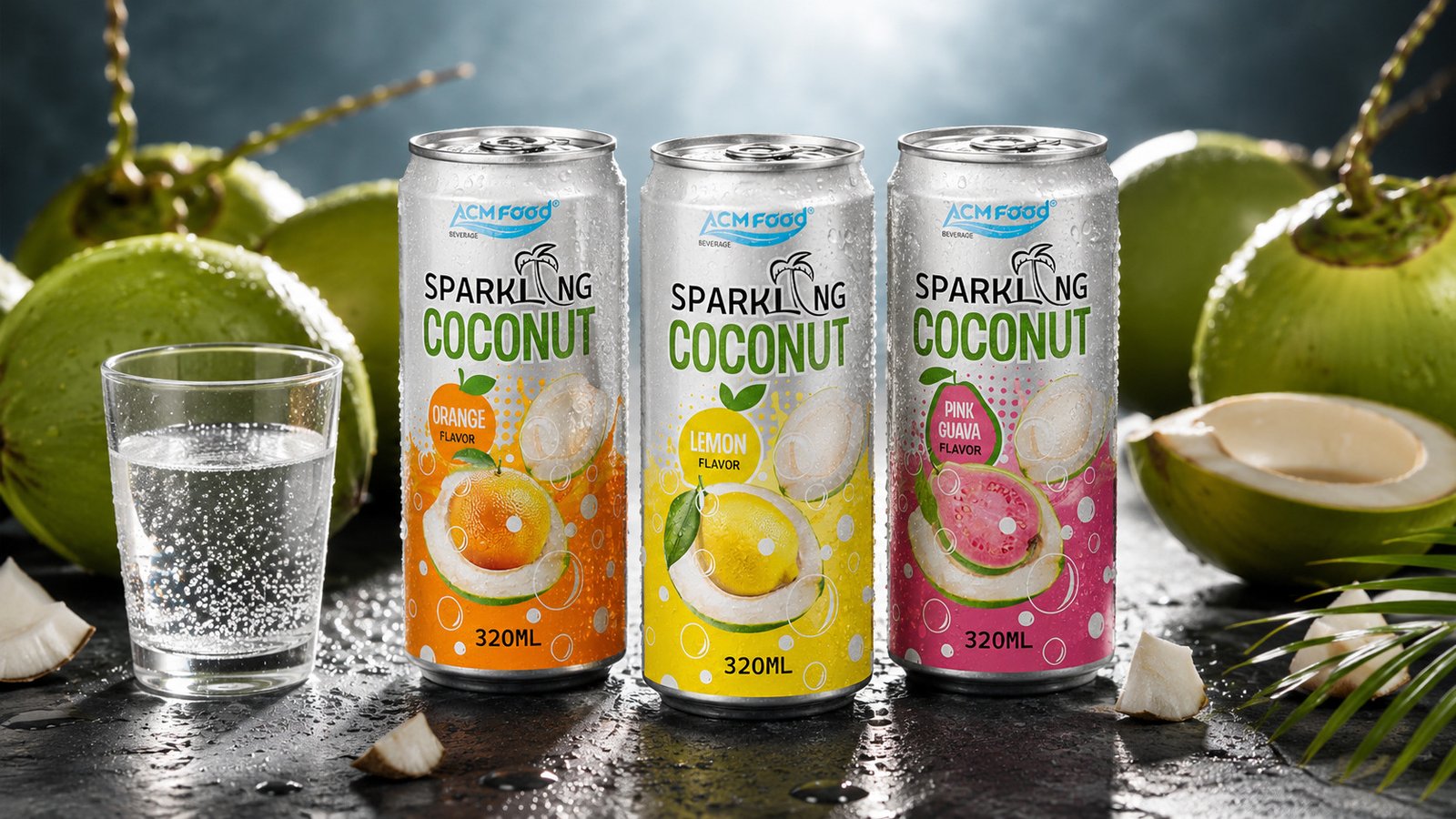
생 코코넛 워터는 이미 북미, 영국, 호주, GCC 국가에서 광범위한 소매 유통을 확보했습니다. 해당 시장에서 이 카테고리는 성숙 단계에 접어들고 있습니다 — 쇠퇴하는 것이 아니라 점점 더 경쟁이 치열해지며, 선반 공간이 할당되고 마진 압박이 커지고 있습니다. 탄산 코코넛 워터는 대부분의 동일 시장에서 그 추세보다 약 18~24개월 뒤처져 있습니다. 중앙 및 동유럽, 동남아시아 도심 지역, 그리고 라틴아메리카 일부 지역에서는 더 초기 단계에 있습니다.
이러한 격차는 속도보다 의도를 가지고 움직이는 수입업자에게 실질적인 기회를 제공합니다 — 즉, 적절한 제조 파트너로부터 원료를 조달하고, 특정 시장에 맞게 제품을 조정하며, 카테고리가 혼잡해지기 전에 소매 관계를 구축하는 데 시간을 투자하는 것을 의미합니다. 시장에서 탄산 코코넛 워터가 “입증”되기를 기다리는 것은 일반적으로 수익성 있는 진입 창구가 이미 닫힐 때까지 기다리는 것을 의미합니다.
귀하가 포트폴리오에 탄산 코코넛 워터를 추가하는 것을 진지하게 평가하는 단계에 있다면 — 어떤 채널이 가장 적합한지, 어떤 포맷과 탄산 프로필이 타겟 소비자에게 맞는지, 목적지 시장에 필요한 인증 경로가 무엇인지 파악하는 단계 — 그것이 바로 경험이 풍부한 탄산 코코넛 워터 공급업체 와의 대화가 귀하의 일정을 크게 단축시키고 카테고리 출시를 지연시키는 구조적 실수를 피하는 데 도움이 될 수 있는 지점입니다.