


 Français
 Español
 العربية
 한국어
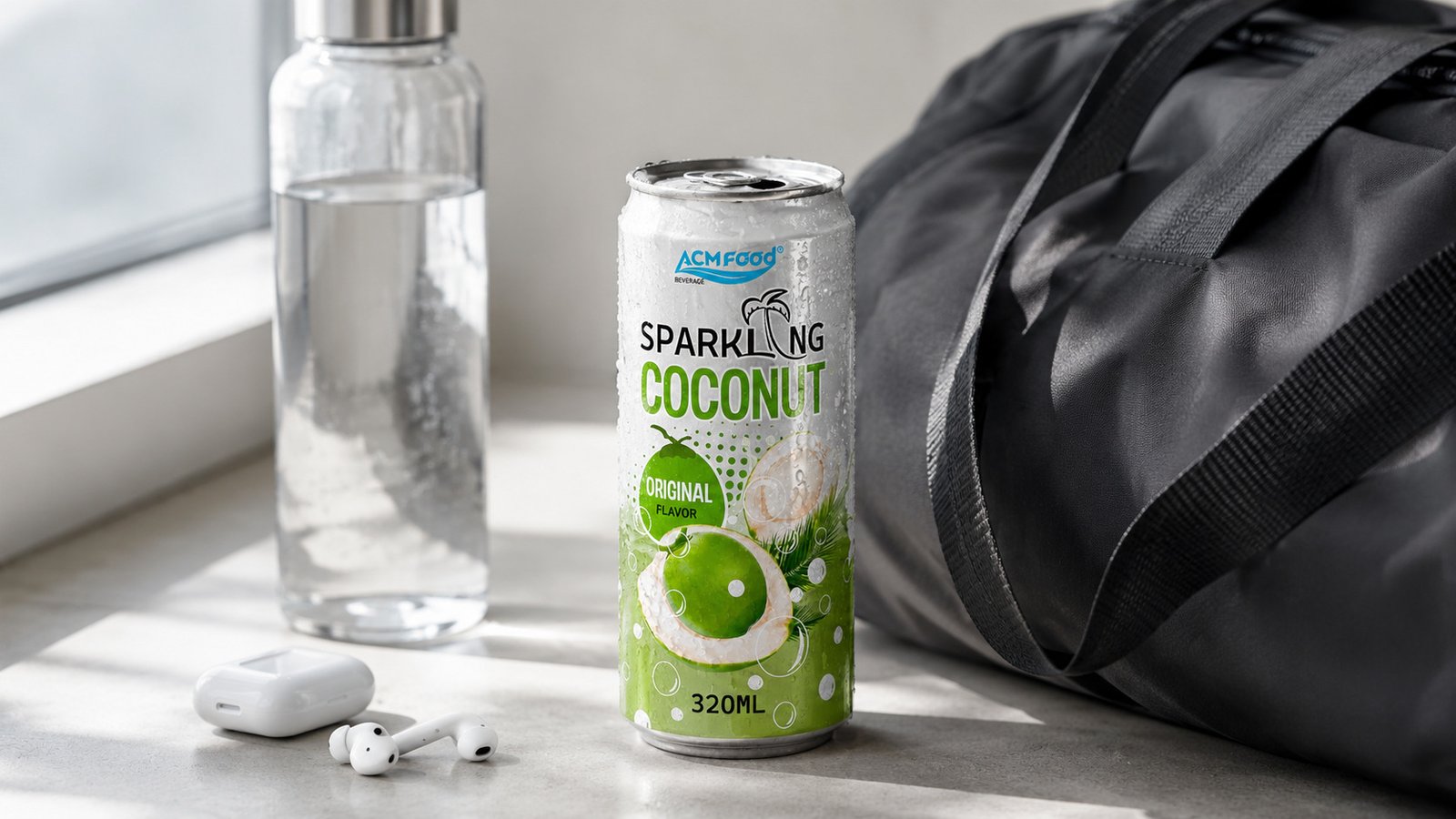
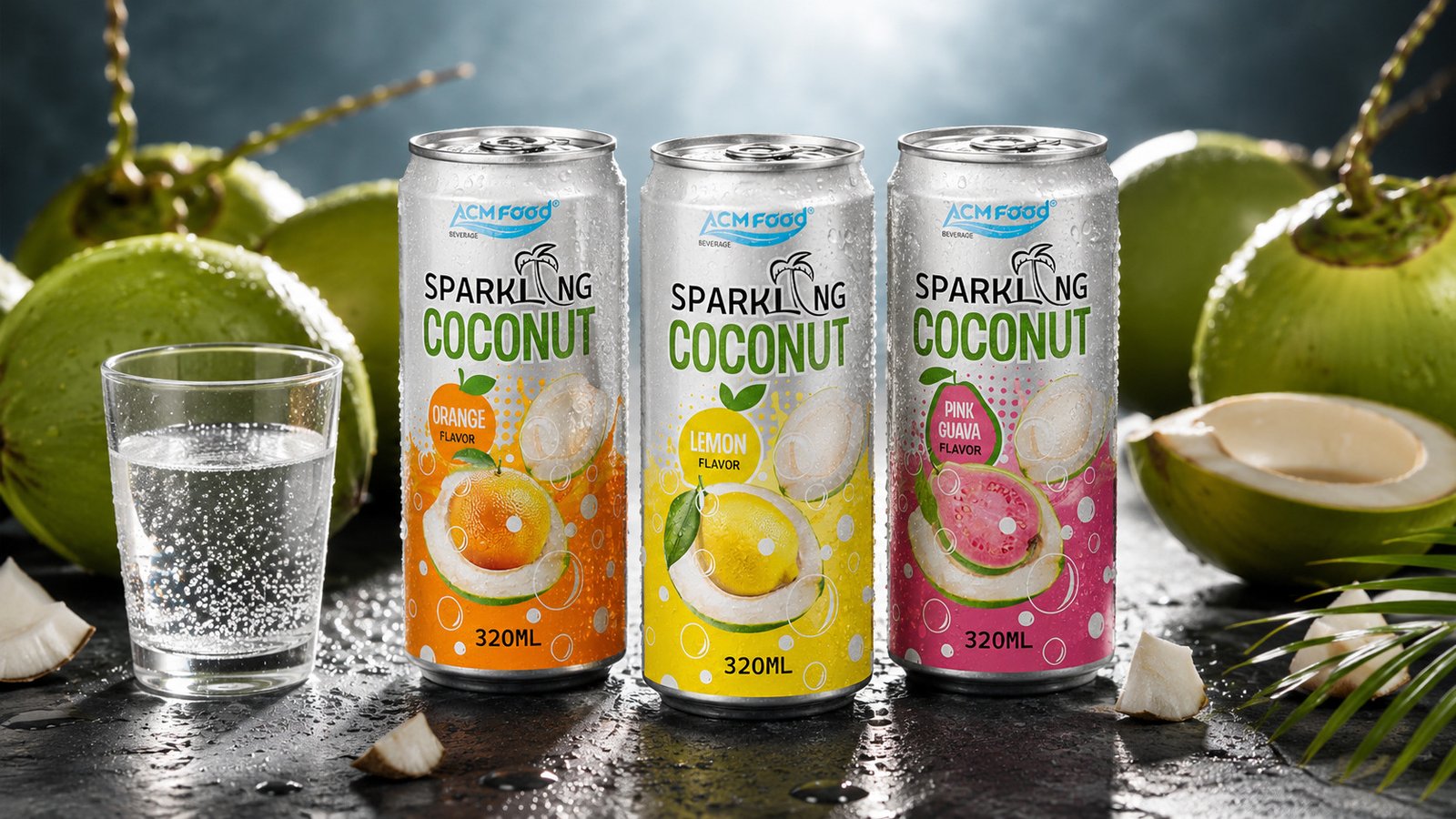
한국어Carbonated coconut water is coconut water with added CO₂, combining the natural electrolytes and clean label of coconut water with the fizz of sparkling water or soda. It is rising in ready-to-drink markets because it reaches a wider buyer than still coconut water: people who drink sparkling water or soda and want a better-for-you alternative.
For importers, the product works best when the coconut water base is high quality, the carbonation level fits the channel, and the pack is a can built for long-distance freight. This guide covers why the category is growing, what makes a good product and what to settle before ordering.
Why is carbonated coconut water reaching new buyers?
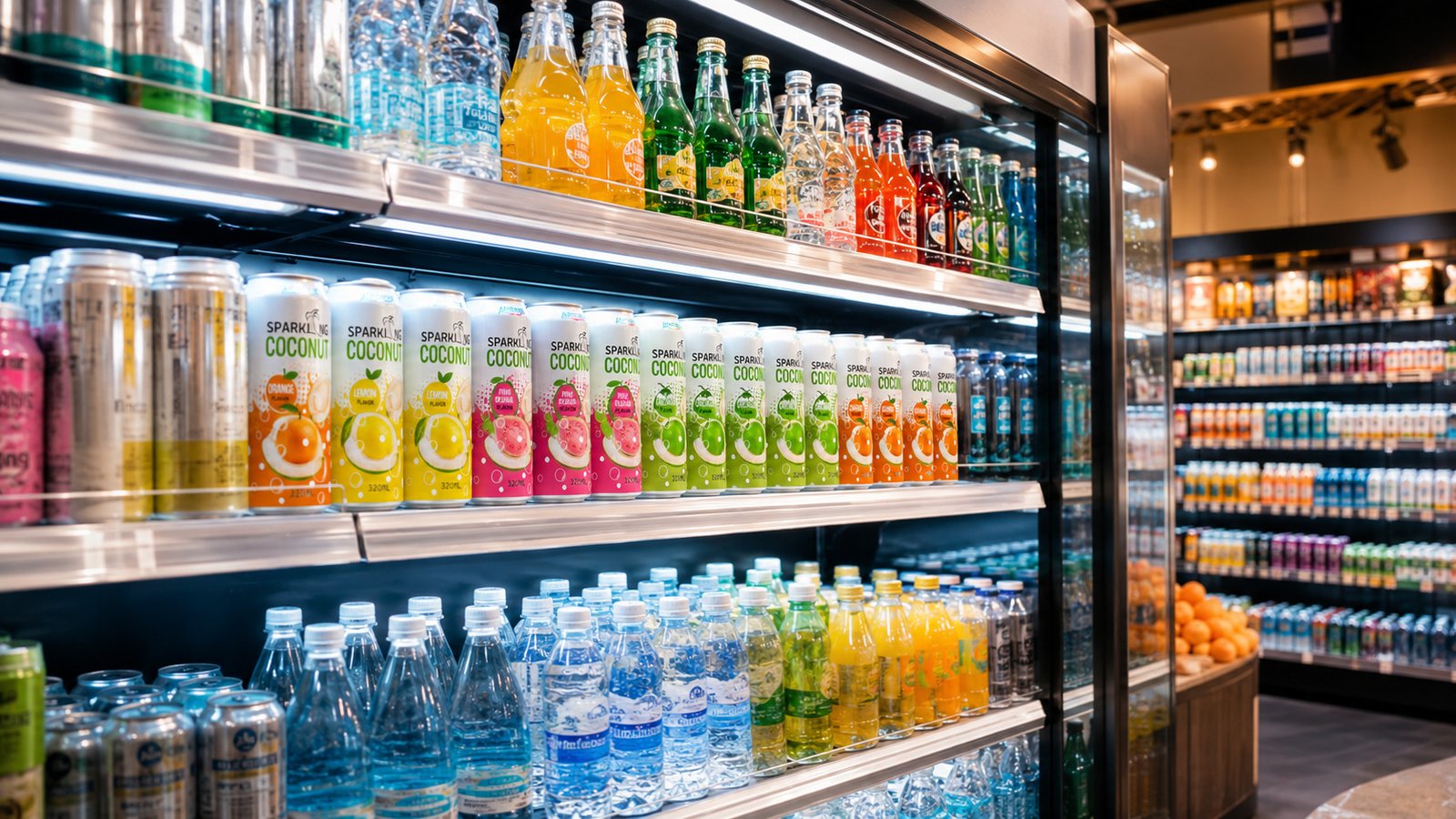
Still coconut water built its audience in sports, organic and wellness channels. Carbonated coconut water opens a wider door: the shopper choosing between sparkling water, which offers flavour but little else, and soda, which carries a sugar concern.

- Impulse channels: checkouts, gym vending and convenience coolers.
- Soda switchers: consumers who want bubbles without heavy sugar.
- Brand momentum: established coconut water brands have added sparkling lines, a sign of real consumer pull.
What makes a good carbonated coconut water?
Three things decide quality: the coconut water base, the carbonation level and the pack.
| Factor | Why it matters | What to specify |
|---|---|---|
| Base quality | Carbonation amplifies flavour, including off-notes | Young coconuts with a naturally sweet, clean profile, such as those from Vietnam’s Mekong Delta; not from concentrate |
| Carbonation level | Affects mouthfeel, how fast it goes flat and how it survives distribution | Lighter for premium fitness retail; stronger for convenience and younger consumers |
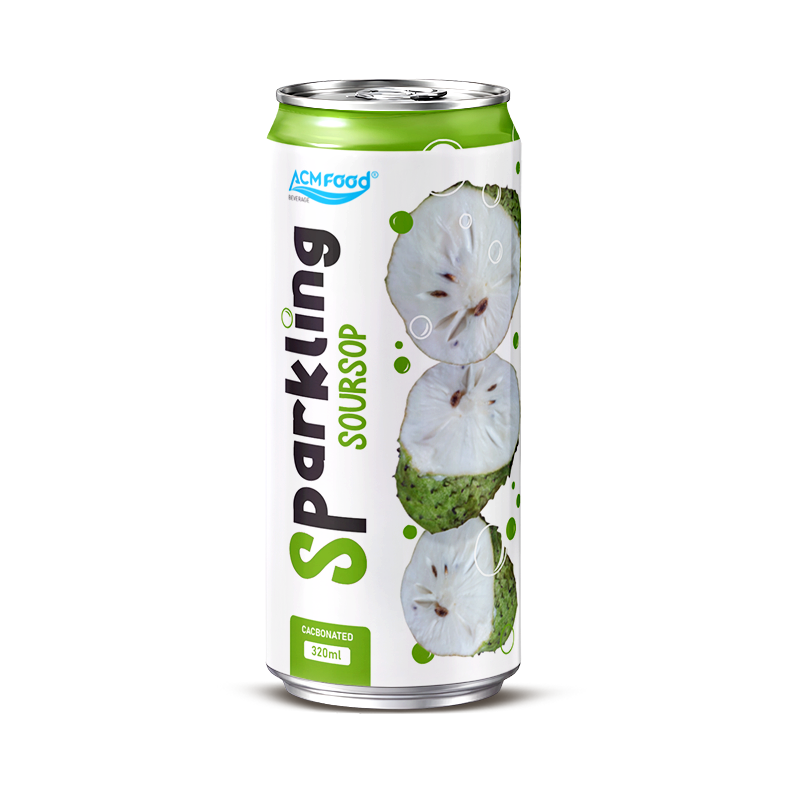
| Packaging | Must hold pressure through long transit | Aluminium cans for export; glass for premium on-premise; PET mainly for short, chilled routes |
A clean, naturally sweet base reduces the need for added sugar or flavour masking and keeps the ingredient list short.
What should importers settle before placing an order?
- Regulatory fit: check labelling rules for carbonated drinks, sugar taxes and claim restrictions in your market. If a sugar levy applies and the product has no added sugar, get documentation the customs authority accepts.
- Carbonation stability in transit: ask for storage and transit temperature ranges and consider temperature-controlled containers on hot routes, so the first arrivals are consistent.
- Order size and channel plan: plan channels first. At ACMFOOD, minimums start from 500 cartons per SKU, and several SKUs can share a container.
- Private label economics: budget for label design, market certifications and listing fees against first-year volumes. A factory with full OEM capability can adjust carbonation, flavours and pack.
- Certification timing: Halal for the Gulf or USDA Organic for the US can take several weeks; confirm the certification body and scope cover your market.
Is it too late to enter the carbonated coconut water category?
No. Still coconut water is mature and competitive in North America, the UK, Australia and the Gulf, but carbonated coconut water is earlier in its development there and earlier still in Central and Eastern Europe, Southeast Asian cities and parts of Latin America. Importers who source carefully and build retail relationships now can establish a position before shelves fill.
Frequently asked questions
Does carbonation change coconut water’s nutrition?
No. CO₂ does not affect the electrolytes; only added sugar or flavours change the nutrition.
Which pack is best for exporting carbonated coconut water?
Aluminium cans, which hold pressure, block light and survive long freight.
Can the carbonation level be customised?
Yes, with an OEM manufacturer. Choose it to match your channel and consumer.
Conclusion
Carbonated coconut water brings coconut water to soda and sparkling water drinkers. Success depends on a clean base, the right carbonation, cans built for export, and early work on regulation, certification and channel planning. If you are evaluating the category, talk to an experienced carbonated coconut water supplier before you order.
See beverage product capabilities, contract beverage manufacturing, private label beverages and processing technology. To brief a concept, request a quote.
Request a quote