


 English
 Français
 Español
 العربية
“도착 시 잔여 유통기한”이란 구매자가 상품을 수령하는 시점에 해당 제품이 아직 보유하고 있는 잔여 유통기한을 의미합니다. 수입 음료의 경우 이 조항은 상품의 인수, 할인, 또는 거부 여부를 결정하므로 소매업체와 유통업체가 가장 먼저 확인하는 항목입니다.
이 가이드에서는 도착 시 잔여 유통기한의 의미, 측정 방법, 국제 운송에서의 위험 위치, 그리고 공정한 계약 조항을 작성하는 방법을 설명합니다. 또한 제품 배합, 포장, 생산 기간, 물류에 대한 계획 단계를 확인하여 음료가 소매업체의 잔여 유통기한 요구사항을 일관되게 충족할 수 있도록 도와드립니다.
“도착 시 잔여 유통기한”이란 무엇을 의미합니까?
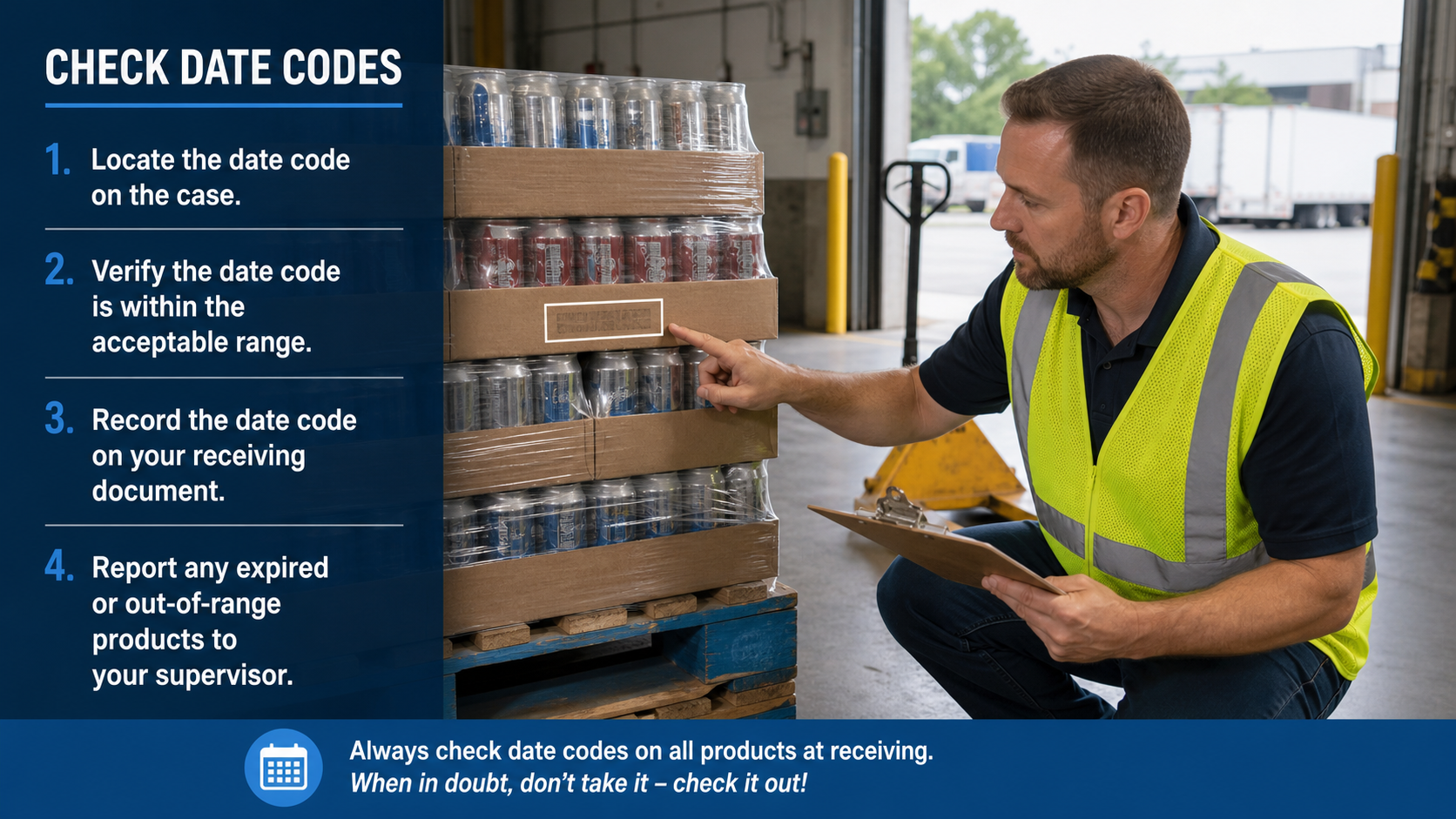
구매자가 상품을 수령한 날짜부터 제품에 표시된 유통기한(예: 소비기한 또는 품질유지기한) 종료일까지의 기간을 의미합니다. 간단히 말해, 도착일부터 유통기한 종료일까지가 잔여 유통기한입니다.
실무에서 중요한 세 가지 사항이 있습니다:
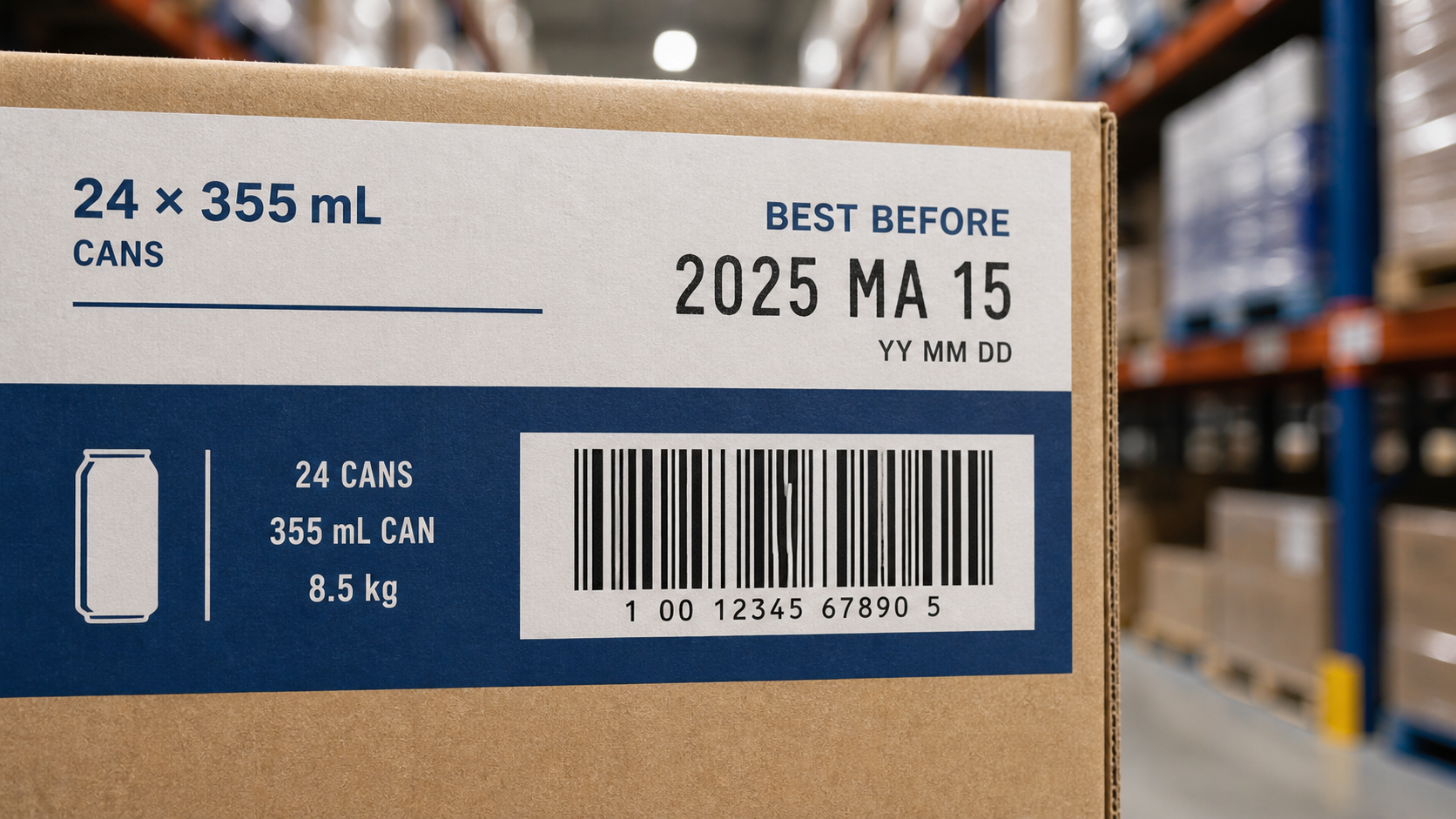
- 어떤 날짜가 유통기한 종료를 정의합니까? 일반적으로 각 개별 제품 또는 케이스에 인쇄된 소비기한 또는 품질유지기한 날짜입니다.
- “도착”은 어떤 시점을 의미합니까? 대부분의 계약에서 도착은 구매자가 지정한 장소(예: 항구, 유통센터 수령 지점, 또는 명시된 창고)에 통관이 완료된 후의 인도 시점으로 정의됩니다.
- 어떤 지표가 적용됩니까? 구매자는 일반적으로 최소 잔여 유통기한 을 고정 기간(예: 개월 수) 또는 총 유통기한의 백분율로 지정하며, 계약서에는 정확한 지표를 명시해야 합니다.
관련 용어로 “소매 잔여 유통기한 요구사항”, “최소 유통기한(수입 음료)”, “유통기한 조항(계약)” 등을 볼 수 있습니다. 이는 모두 동일한 비즈니스 요구를 가리킵니다: 매장 판매 가능 상태를 보호하고, 폐기물을 최소화하며, 소비자 신뢰를 유지하는 것입니다.
소매업체가 이를 가장 먼저 확인하는 이유는 무엇입니까?
잔여 유통기한은 제품이 입고 QC, 보관, 유통, 매장 선반을 거쳐 할인 판매나 폐기 없이 충분한 시간 안에 판매될 수 있는지를 결정하기 때문입니다.
- 재고 회전: 유통기한이 짧은 상품은 FIFO/FEFO를 방해하고 계획 외 프로모션을 강제합니다.
- 규정 준수 위험: 유통기한 임박 또는 잘못된 날짜 코드는 반품 위험과 잠재적 규제 문제를 발생시킵니다.
- 소매 실행: 구매자는 플래노그램, 신제품 출시, 캠페인을 위해 충분한 매장 체류 시간이 필요합니다.
- 폐기물 및 마진: 유통기한 경과 상품으로 인한 손실은 카테고리 수익성과 공급업체 평가 점수를 저하시킵니다.
음료 공급망에서 도착 시 잔여 유통기한은 어떻게 계산됩니까?
대부분의 경우 구매자의 도착 날짜 부터 인쇄된 유통기한 종료일까지 계산합니다. 제품에 생산 날짜 코드가 사용되는 경우, 계약서에는 제품의 총 유통기한과 해당 코드에서 잔여 기간을 계산하는 방법을 명시해야 합니다.
일관된 계산을 위해 다음 사항을 조율하십시오:
- 어떤 라벨 날짜가 적용됩니까: 소비기한 vs. 품질유지기한(일부 카테고리에서 특정 시장에서 의무 사항).
- 날짜 코드 형식: DD/MM/YYYY, MM/YYYY, YYYY-MM 또는 줄리안 코드; 불일치는 분쟁을 초래합니다.
- 시간대 및 이벤트 타임스탬프: 수령 시스템 시간으로 도착이 결정되며, 이를 문서화하십시오.
- 총 유통기한 기준: 제조 충전, 포장 완료, 또는QC 출고 날짜 중 어느 것을 기준으로 할지 명시하십시오. 케이스 vs. 개별 제품:
- 케이스와 개별 제품의 날짜가 다를 경우, 더 엄격한 규칙이 적용되고 명시되어야 합니다. 수학적 계산 외에도 해상 운송 변동성, 통관 지연, 휴일, 물류센터 적체, QC 샘플링 시간 등 운영 버퍼가 중요합니다. 물류와 조항을 일치시키는 것이 필수적입니다. 자세한 엔드투엔드 계획 고려사항은
수출 및 물류 가이드 를 참조하십시오. for end-to-end planning considerations.
일반적인 요구 사항 패턴 (숫자 제외)
각 소매업체나 유통업체는 자체 기준을 정하지만, 반복되는 패턴이 있습니다:
- 상온 음료 (유통기한이 긴 제품): 구매자는 도착 시 상당한 유통기한이 남아 있기를 요구하는 경우가 많습니다. 총 유통기한의 일정 비율 또는 고정 최소 기간을 적용할 수 있습니다.
- 냉장 및 단기 유통기한 음료: 매장 판매 기간이 짧고 콜드체인 이탈이 실질적 유통기한을 단축시키기 때문에 요구 사항이 더 엄격한 경향이 있습니다.
- 자체 브랜드 vs. 국가 브랜드: 자체 브랜드 프로그램은 일반적으로 더 제한적인 규칙과 문서를 요구합니다.
- 할인 매장: 일부는 안전하고 규정을 준수하는 경우 협상된 할인으로 유통기한이 짧은 재고를 수용합니다.
- 목적지 특성: 장거리 시장은 운송 및 통관 변동을 흡수하기 위해 더 긴 여유 기간을 요구하는 경우가 많습니다.
추측하지 말고 구매자에게 공급업체 매뉴얼에 사용하는 정확한 표현을 요청하십시오. 매뉴얼에 명시되지 않은 경우, 상업 계약서에 정확한 문구를 제안하십시오.
적용할 수 있는 계약 언어 예시
명확한 작성은 분쟁을 방지합니다. 구체적이고 검증 가능한 문구를 사용하고 측정 방법과 상품이 기준에 미달할 경우의 구제책을 모두 정의하십시오.
- 도착 정의: “도착이란 구매자가 지정한 물류센터에 상품이 입고된 날짜와 현지 시간을 구매자의 수령 시스템에 기록된 대로 의미합니다.”
- 최소 잔여 유통기한 (비율): “도착 시 상품은 라벨에 표시된 유통기한의 [X%] 이상이 남아 있어야 합니다.”
- 최소 잔여 유통기한 (고정 기간): “도착 시 상품은 라벨에 표시된 품질유지기한/소비기한까지 [N calendar months] 이상이 남아 있어야 합니다.”
- 날짜 기준 및 형식: “유통기한은 [format]의 단위별 품질유지기한/소비기한 날짜를 기준으로 계산되며, [basis: fill date/QC release].”
- 포장 시 적용됩니다.” 증빙 자료:
- “판매자는 단위 및 케이스 코드의 선적 전 사진과 배치/로트 및 해당 날짜 코드를 참조하는 포장 명세서를 제공해야 합니다.” 부적합 구제책: [X%]”상품이 도착 시 최소 잔여 유통기한을 충족하지 못하는 경우, 구매자는 선택적으로 (i) 상품을 거부하거나, (ii)
- 의 가격 인하로 수락하거나, (iii) 판매자 비용으로 교체 선적을 수락할 수 있습니다.” 예외: [N] “이 계약서에 정의된 불가항력으로 인한 지연은 판매자가 구매자에게 서면으로
| 일 이내에 통지하고 합리적인 완화 조치를 제공한 경우에만 제외됩니다.” | 계약 조항 구성 요소 | 정의하는 내용 | 중요한 이유 | 구매자 의무 | 판매자 의무 |
|---|---|---|---|---|---|
| 비고 | 도착 시점 | 수령의 정확한 시점/장소 | 잔여 유통기한 계산의 기준점 설정 | 수령 타임스탬프 기록 | 지정된 지점까지 배송 |
| 인코텀스를 이 지점에 맞춤 | 최소 잔여 유통기한 | 비율 또는 고정 기간 | 합격/불합격 수용 기준 | Produce within window | State metric precisely |
| Date basis & format | Best-before/use-by and format | Avoid misreads & disputes | Train receivers | Print clear codes | Align language on labels |
| Evidence package | Photos, batch, pack list | Enables quick QC decisions | Review pre-shipment | Provide timely docs | Tie photos to lots |
| Remedies | Reject/discount/replace | Allocates commercial risk | Apply agreed remedy | Honor chosen remedy | Define timelines & credits |
| Exceptions | Force Majeure conditions | Explains carve-outs | Document delays | Notify & mitigate | Keep objective criteria |
Evidence and labeling practices that protect acceptance
Acceptance often hinges on clarity and documentation rather than the code itself. Make these part of the SOP:
- Legible, consistent coding: High-contrast, smudge-resistant inks; avoid printing across seams or curves that distort characters.
- Language clarity: Best-before/use-by terms translated as required by destination regulations; avoid ambiguous abbreviations.
- Case-level labels: Mirror unit codes on cases; include batch/lot and the same date logic.
- Pre-shipment photo set: Capture unit and case code close-ups for each lot, plus pallet labels; share before loading.
- COA & pack-out records: Tie certificates and QC release to the same lots referenced in labels and photos.
- Receiving support: Provide a one-page “how to read our date code” aide for the buyer’s QC team.
Consistent coding also complements flavor and quality expectations across runs; if you are coordinating multiple lots, align processes that impact repeatability. See how manufacturers approach it in maintaining consistent fruit juice taste between batches.
What happens if goods miss the minimum remaining shelf life?
Commercial remedies should follow the contract, but outcomes usually fall into a few paths.
- Refusal at receiving: Shipment is rejected and either reworked where lawful, returned, or disposed of per agreement.
- Conditional acceptance: Buyer accepts at a negotiated discount or allocates goods to limited channels.
- Replacement: Seller dispatches a replacement lot; costs and timelines are defined in the remedy clause.
- Shared mitigation: Parties agree on accelerated distribution or promotions if compliant and practical.

Designing shelf life into your plan
Meeting a shelf life on arrival clause is easier when formulation, processing, packaging, and logistics are planned as a single system.
- Formulation: Product pH, dissolved oxygen, and stability aids influence achievable shelf life; choose targets aligned with the intended distribution model.
- Processing: Thermal profiles (e.g., hot-fill, tunnel pasteurization) or aseptic approaches affect microbiological stability; validate with shelf-life studies appropriate for the category.
- Packaging: Use closures and barriers that manage oxygen/light ingress for the intended life and route; verify date code adhesion/legibility on actual substrates.
- Coding equipment: Specify print location, font size, contrast, and inspection; keep spares and inks in route-specific kits.
- Production windowing: Schedule pack-out dates tightly ahead of vessel cutoff to maximize remaining life at arrival. MOQs can influence how narrow this window can be—plan for it; see private label fruit juice MOQ.
- Route selection: Choose services with reliable transit and minimal dwell. For planning examples, see Shipping beverages from Vietnam to the United States and Shipping beverages from Vietnam to Australia.
- Customs & clearance buffers: Pre-file documents and coordinate inspections to protect your arrival window.
- Receiving appointment: Book DC slots ahead of ETA; demurrage or DC backlogs can eat into remaining life.
- Contingency stock: Stagger lots or hold a replenishment lot to cover unforeseen delays.
Buyer and seller checklist before signing
Use this concise checklist to reduce ambiguity and prevent claims:
- Define “Arrival” (place, system timestamp).
- State the minimum remaining shelf life (percentage or fixed time) and the product date basis.
- Specify the date code format and label language.
- Confirm unit-, case-, and pallet-level coding alignment.
- Attach a one-page “how to read our code” visual.
- Require pre-shipment photos mapped to batch/lot numbers.
- Align Incoterms with delivery point and responsibility hand-offs.
- Document transit plan, clearance method, and receiving appointment process.
- Fix the remedy matrix (reject, discount, replace) with timelines.
- Outline exceptions and notification timelines.
- Schedule production relative to vessel cutoff and ETA.
- Agree on who pays for relabeling or rework if permitted by law.
For U.S. buyers building overseas programs, the vendor selection process is critical to getting these basics right—see how to choose an overseas beverage manufacturer with the right quality and documentation discipline.
FAQ
Is “shelf life on arrival” the same as “remaining shelf life”?
Yes—both describe how much time is left between when the buyer receives goods and the end of their labeled shelf life. Contracts should still define the metric (percentage vs. fixed time) and the date basis explicitly.
Where is “arrival” measured—port, warehouse, or store?
It depends on your agreement. Many buyers set arrival at the distribution center receiving scan. Others use port out-turn or a named third-party warehouse. Define the exact place, event, and timestamp source in the contract.
Can we relabel with a later date if goods are short-dated?
Relabeling is only appropriate where regulations and product safety permit, and where the printed date reflects a valid, substantiated shelf-life basis. Get the buyer’s written approval and follow destination labeling rules before any relabel activity.
Incoterms가 도착 시 유통기한 책임을 결정합니까?
Incoterms는 운송, 위험 및 비용을 배분하며 품질 승인 기준은 결정하지 않습니다. 계약서에 명시되지 않는 한 도착 시 유통기한 의무는 Incoterms와 관계없이 적용됩니다. 두 문서의 인도 지점을 일치시켜 차이를 방지하십시오.
운송 지연이 유통기한 실패에 대한 불가항력(Force Majeure)입니까?
계약서에 명시되어 있고 통지 및 완화 요건을 충족하는 경우에만 해당합니다. 많은 구매자는 일반적인 정체, 기상 및 예약 적체를 예측 가능한 위험으로 간주합니다. 명확한 문구를 협상하고 현실적인 완충 시간을 확보하십시오.
결론
소매업체는 판매 가능 기간, 규정 준수 및 폐기물을 좌우하기 때문에 도착 시 유통기한을 먼저 확인합니다. 계약서에 날짜 정의, 코드 형식 및 구제 조치를 명확히 한 다음 생산 일정, 운송 계획 및 수령 예약을 해당 목표에 맞춰 조정함으로써 잔여 유통기한 소매 요구 사항을 일관되게 충족할 수 있습니다.
브리프를 마무리하면서 유통기한 조항을 Incoterms, QC 문서 및 물류 일정과 동기화하십시오. 국경 간 음료 프로그램이 처음이라면 체계적인 계획으로 시작하십시오—저희 수출 및 물류 리소스 및 목적지별 배송 가이드는 구매 주문을 확정하기 전에 일정과 완충 시간을 파악하는 데 도움이 될 수 있습니다.
ACMFOOD의 규정 준수 및 배송
구매자와 세관이 요청하는 인증서 및 식품 안전 시스템에 대해서는 인증 및 식품 안전 시스템을(를) 참조하세요. 배송 조건, 서류 패키지 및 컨테이너 계획에 대해서는 수출 및 물류를(를) 참조하세요. 특정 시장에 대해 논의하려면 견적 요청.
Request a quote