


 Français
 Español
 العربية
 한국어
한국어Shipping beverages from Vietnam to Australia covers product readiness, regulatory compliance, and the physical movement of goods by sea or air under agreed Incoterms. It brings together labeling, documentation, packaging engineering, temperature control, and a logistics plan that protects liquid products until they clear Australian customs and reach distribution.
This guide explains how to plan and execute shipping beverages from Vietnam to Australia: what regulations typically apply, which Incoterms to consider, how container beverage shipping works, packaging standards, documents, cost drivers, risk management, and practical checklists for buyers and brand owners.
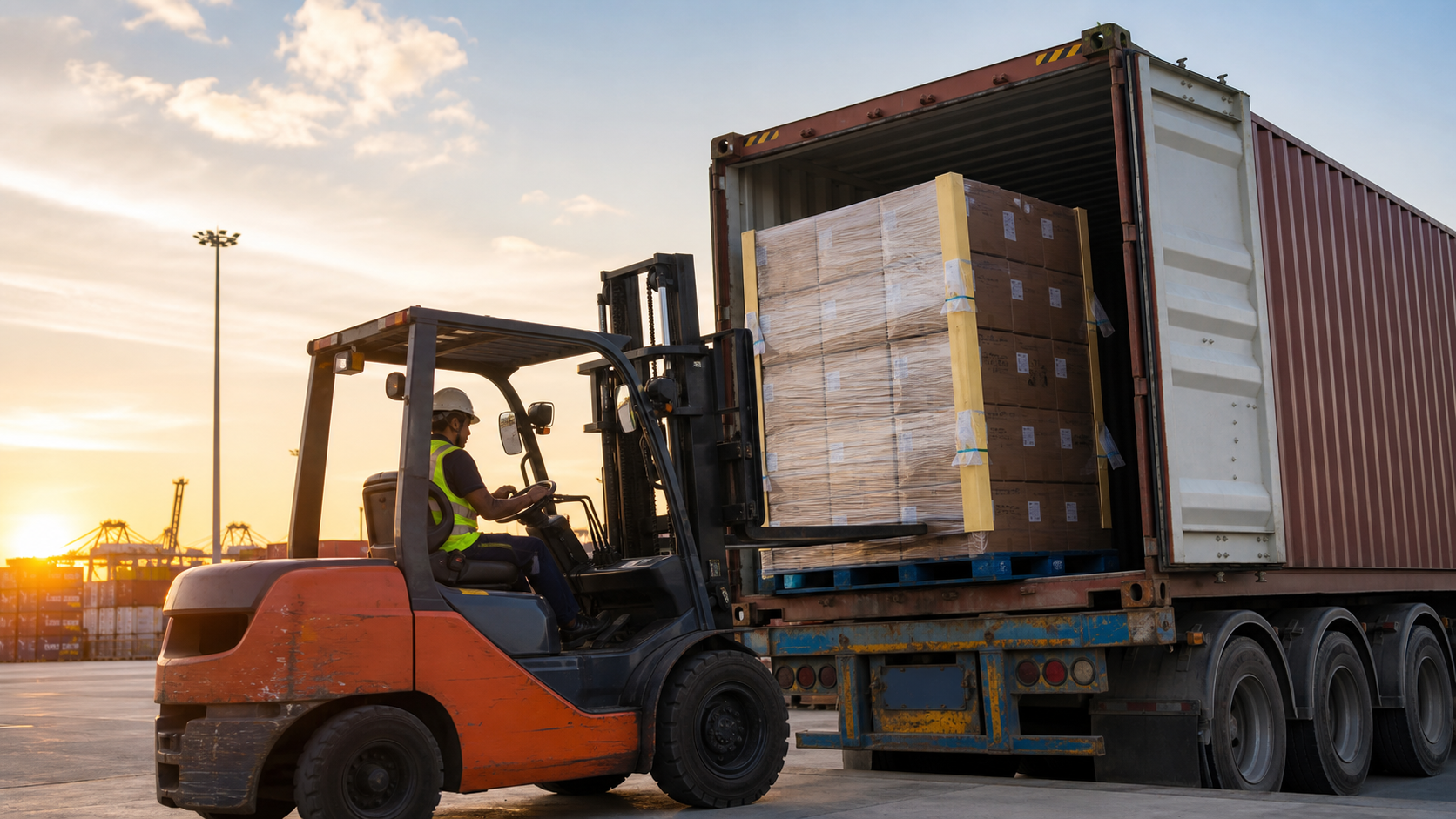
What does shipping beverages from Vietnam to Australia involve?
Shipping beverages internationally is not just booking freight. It aligns your finished product specification with import rules, prepares robust packaging for long-haul ocean conditions, chooses the right freight mode, and completes compliant paperwork. In short, it connects your commercial agreement to a logistics flow that keeps products saleable on arrival.
For beverage freight Vietnam–Australia, planning usually includes:
- Product readiness: confirm formulation, shelf-life, and packaging are suitable for export and for Australian retail or foodservice channels.
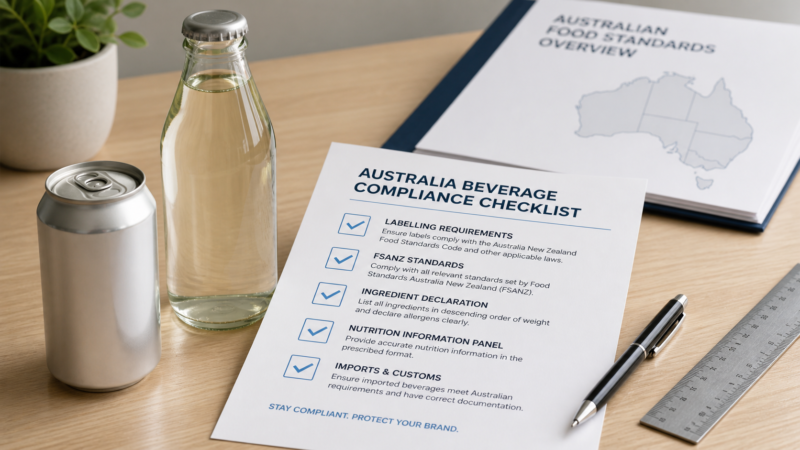
- Compliance: ensure labels, ingredients declaration, and documentation follow applicable Australian import & food standards requirements.
- Logistics model: choose ocean or air, the container type, lane, and Incoterms (e.g., FOB Ho Chi Minh Australia arrival on buyer’s carrier).
- Quality protection: temperature plan (ambient, chilled, frozen), stowage, moisture control, and load restraint to prevent leaks or breakage.
- Customs clearance: accurate HS classification, commercial invoice and packing list alignment, and a broker-led import declaration.
Which regulations apply when shipping drinks to Australia?
When shipping drinks to Australia, importers must align with Australian biosecurity, customs, and food standards frameworks. Specific obligations can vary by product type (e.g., juice, coconut water, tea drinks, energy drinks, dairy-based beverages) and by ingredients, sweeteners, and any added vitamins or minerals. Labeling, claims, and composition are market-specific and depend on the final product and category.
Common themes include:
- Ingredient and additive rules: certain additives or fortificants may be restricted or require conditions. Match formulation to the intended category.
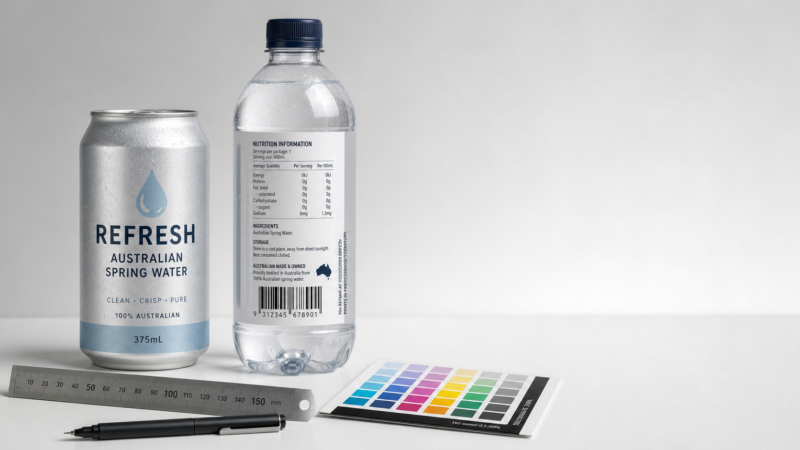
- Labeling: brand name, ingredients list, net contents, storage instructions, country of origin, and any mandatory declarations should follow Australian market requirements. Claims and artwork must fit category rules.
- Biosecurity: some beverages or ingredients can be assessed under biosecurity controls. Expect documentary checks, and, in some cases, inspections.
- Importer-of-record responsibilities: the Australian buyer or appointed importer typically coordinates the import declaration through a licensed customs broker and ensures compliance.
Because requirements vary by formulation, packaging format, and sales channel, align early with your compliance consultant or broker. If you are still developing your product for the market, resources like Beverage Manufacturing for Australian Brands can help you plan a specification that fits Australian labeling and logistics from day one.
FOB Ho Chi Minh Australia: what does it cover?
FOB (Free On Board) Ho Chi Minh is a common Incoterm for beverage freight. Under FOB, the seller manages export packing, inland haulage to the designated port or terminal, export customs formalities in Vietnam, and loading goods on the buyer’s nominated vessel at the named port. Once goods are on board, risk transfers to the buyer. The buyer then pays ocean freight, insurance if chosen, destination charges, customs clearance, duties/taxes, and inland delivery in Australia.
Practical tips when working on FOB Ho Chi Minh Australia scenarios:
- Specify the load point: clarify the exact terminal or depot in Ho Chi Minh area (e.g., Cat Lai, or deep-water terminals in the greater region) to align truck access, cut-offs, and VGM workflows.
- Define the handover: the point of risk transfer is when cargo is on board the vessel. Ensure booking references and bill of lading details match the FOB term.
- Coordinate with the buyer’s forwarder: align cargo-ready date, empty container pickup, container sealing, and any pre-carriage requirements that the buyer’s forwarder may request.
Container beverage shipping: formats, temperature, and stowage
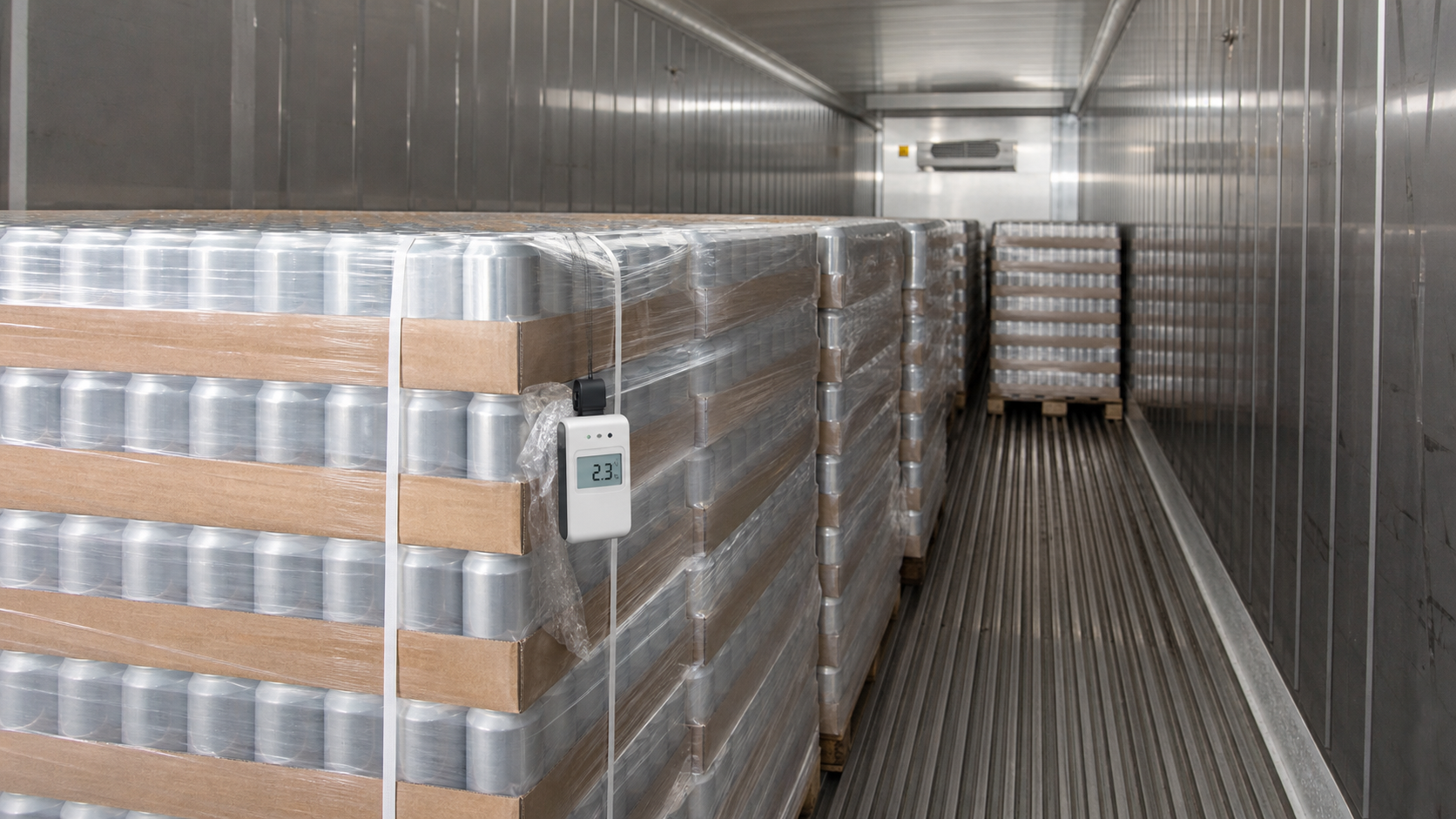
Container beverage shipping from Vietnam to Australia typically uses standard dry containers for shelf-stable drinks or temperature-controlled containers for sensitive products. Your choice depends on product stability, packaging strength, and route conditions.
- Ambient shelf-stable: juice drinks, coconut water (shelf-stable), tea drinks, energy drinks, and flavored waters commonly ship in dry containers with moisture control. Quality still benefits from moderate temperatures and careful stowage.
- Chilled: fresh-pressed juices, dairy-based beverages, and some functional drinks may need refrigerated containers with a setpoint that matches the product’s validated stability.
- Frozen or concentrate: concentrates or frozen product may require low-temperature operation or insulation depending on the spec.
Key load-planning considerations:
- Palletization: use export-grade pallets sized for container optimization and Australian handling. Confirm pallet count, height, and weight for safe floor load and door clearance.
- Load restraint: corner boards, strapping, airbags, and blocking/bracing reduce movement that can dent cans or stress glass.
- Moisture management: desiccants and container liners help limit condensation (“container rain”) that weakens cartons and exposes metals to corrosion risk.
- Monitoring: temperature or humidity data loggers can be placed per shipment or per container, aligned with your quality plan.
Packaging and palletisation for beverage freight Vietnam–Australia
Packaging is your first line of defense against compression, vibration, and climate swings. Build a spec that anticipates long-haul ocean conditions and multiple handling points.
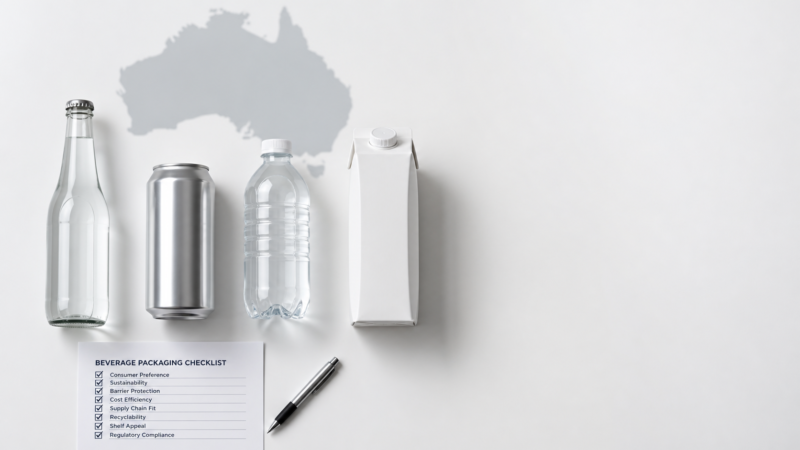
- Primary packaging: choose formats (aluminum can, PET, glass, aseptic carton) proven for the beverage type. Validate closures, seams, torque, and carbonation tolerance if applicable.
- Secondary packaging: cartons must withstand stacking and humidity. Confirm board grade, flute, adhesive, and printing that remains legible at destination.
- Case configuration: standardize unit counts per case to fit pallet patterns, maximize container cube, and aid retail or foodservice handling.
- Pallet wrap & stability: combine stretch-wrap, corner protectors, and top sheets. Maintain uniform pallet heights where possible for even stowage.
- Carton marking: use clear, durable case labels showing product code, lot, date, and carton orientation where relevant.
Documents and compliance checklist for import
Documentation aligns the commercial transaction with customs and biosecurity processes. Work closely with your seller, forwarder, and customs broker to avoid discrepancies.
- Commercial invoice: legal seller/buyer names, HS code guidance, Incoterm with named place, currency, and a clear description of goods.
- Packing list: carton counts, net/gross weight, pallet details, and container identifiers for traceability.
- Bill of lading: shipper, consignee/notify, ports, container and seal numbers, cargo description; verify terms match your contract.
- Certificate of origin (if applicable): may support preferential tariffs where relevant; consult your broker on eligibility and documentation format.
- Product documents: specification sheet, label artwork file, and, where requested, test reports or statements that support category compliance.
- Insurance (if arranged): confirm coverage scope, exclusions, and claims process for beverage cargo.
Route, lead time, and booking considerations
Ocean carriers serving major Vietnamese terminals connect to key Australian ports on regular schedules. Capacity, transshipment, and peak-season dynamics influence booking windows and arrival plans. Align “cargo ready” dates with the forwarder’s schedule, equipment availability, and cut-offs for documentation, Verified Gross Mass submissions, and container gate-in.
Air freight can be used for urgent or high-value beverages but typically at higher cost and with weight/volume constraints. Some brands ship initial launch stock by air while regular replenishments move by ocean once demand stabilizes.
To reduce variability, coordinate:
- Forecasts: rolling forecasts help guarantee equipment and space, especially ahead of peak seasons.
- Buffer time: build reasonable buffers around production, quality release, and drayage to the port.
- Documentation readiness: pre-approve invoices, packing lists, and labels to avoid last-minute changes.
Cost drivers when shipping drinks to Australia
Beverage logistics economics are shaped by a few fundamentals. Optimizing these early makes pricing more predictable and competitive.
- Incoterms & responsibilities: moving from EXW to FOB shifts costs to the buyer’s side at loading; CIF/CFR place more cost on the seller. Choose the model that fits your control and cash-flow needs.
- Freight mode and route: ocean vs. air, direct vs. transshipment, and carrier selection affect base rates and surcharges.
- Container utilization: pallet height, case count per pallet, and cube optimization reduce cost per unit.
- Handling and accessorials: origin/destination charges, storage, demurrage/detention, and any special handling (e.g., reefer plug-in) add to landed cost.
- Customs and taxes: duty treatment depends on HS classification and any applicable preferential arrangements. Import taxes and fees are assessed under Australian rules.
- Insurance: coverage level and deductibles impact total logistics cost and risk posture.
Quality control and shelf-life risk management in transit
Quality planning is essential for shipping drinks to Australia. Ocean voyages expose cargo to handling shocks, temperature fluctuations, and moisture. A structured plan mitigates impact on appearance, carbonation, flavor, and microbiological stability.
- Transport validation: confirm that your product maintains its quality envelope under the expected temperature and time profile.
- Pre-shipment QC: retain samples, verify seam/closure integrity, headspace, and label adhesion. Record batch numbers against container IDs.
- Data monitoring: use calibrated data loggers where appropriate and define acceptance criteria and escalation steps for out-of-range data.
- Arrival checks: inspect first-arrival pallets, verify paperwork vs. physical counts, and document any visible damage before cargo moves onward.
If you are in product development mode, consider aligning your spec with logistics from the outset. For Vietnam-based development pathways, see OEM beverage manufacturing in Vietnam and private label beverages for Australian brands to coordinate formulation, packaging, and export readiness together.
Sustainability and packaging choices for ocean freight
Many Australian buyers factor sustainability into sourcing and logistics. Packaging choices play a major role:
- Material selection: aluminum, PET, glass, and aseptic cartons each carry different recycling pathways and transport impacts.
- Lightweighting: responsibly reducing packaging mass can improve cost and reduce emissions while protecting product.
- Pallet & carton reuse: align with Australian pallet standards and explore closed-loop options with 3PL partners where feasible.
- Documentation: if communicating sustainability attributes, ensure claims are accurate and supported by the final product and applicable rules in the destination market.
Product development notes for Australian brands
Shipping logistics should be embedded in your brief—not treated as an afterthought. Practical pointers:
- Format-market fit: select packaging and pack sizes that meet Australian retail norms and shelf constraints.
- Ambient-first where possible: shelf-stable beverages simplify freight and warehousing. If chilled is essential, validate cold-chain robustness and cost-to-serve.
- Artwork for compliance: finalize labels with your regulatory adviser before the first mass run to avoid rework at the factory or at the border.
- Test shipments: pilot a smaller lot to validate stowage, humidity control, and arrival quality before scaling.
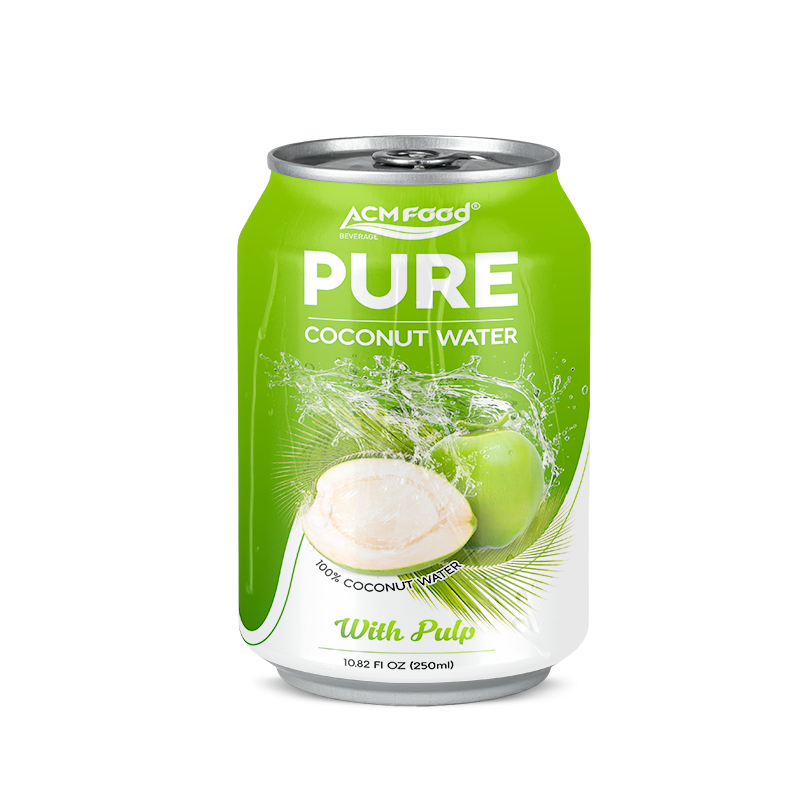
If your roadmap includes coconut water or tropical beverages, explore sourcing coconut water from Vietnam and options to buy coconut water cans in bulk as you build your category plan alongside export packaging and freight.
Shipping formats at a glance
The right shipping format depends on stability, shelf-life, and the commercial channel. Here is a qualitative view you can adapt to your brief:
| Product type | Typical shipping condition | Container choice | Positioning & notes |
|---|---|---|---|
| Shelf-stable RTD (cans, PET, cartons) | Ambient with moisture control | Dry container | Common for large-volume runs; focus on carton strength and pallet stability. |
| Chilled RTD (fresh-pressed, dairy-based) | Controlled low temperature | Reefer container | Validate temperature setpoint and monitoring; plan rapid destination handling. |
| Concentrates or syrups | Ambient or temperature-managed | Dry or reefer, case-by-case | Often higher value density; confirm viscosity and packaging integrity in transit. |
| Frozen bases | Sub-zero storage | Reefer container | Confirm loading procedures and arrival cold-chain capacity. |
Coordination with your forwarder and 3PLs
Strong outcomes depend on aligned roles among the manufacturer, freight forwarder, customs broker, and Australian 3PL. Clarify who books equipment, who issues the bill of lading, who owns compliance sign-off, and who manages destination delivery appointments. Establish shared checklists and pre-alerts to keep all parties synchronized.
Buyer’s pre-shipment checklist
Before your container leaves Vietnam, confirm:
- Final spec pack (product spec, QC plan, shipping mark, pallet map) is signed and shared with logistics partners.
- Labels/artwork approved for the Australian market and match the physical product.
- Commercial documents drafted and pre-checked against product codes and quantities.
- Container plan (ambient vs. reefer), desiccant and bracing setup confirmed.
- Insurance arranged at a level appropriate for beverage cargo.
On-arrival checklist in Australia
As your shipment approaches arrival, plan for:
- Broker pre-alert with full document set for early lodgement.
- Inspection readiness if authorities or the broker indicate potential holds or checks.
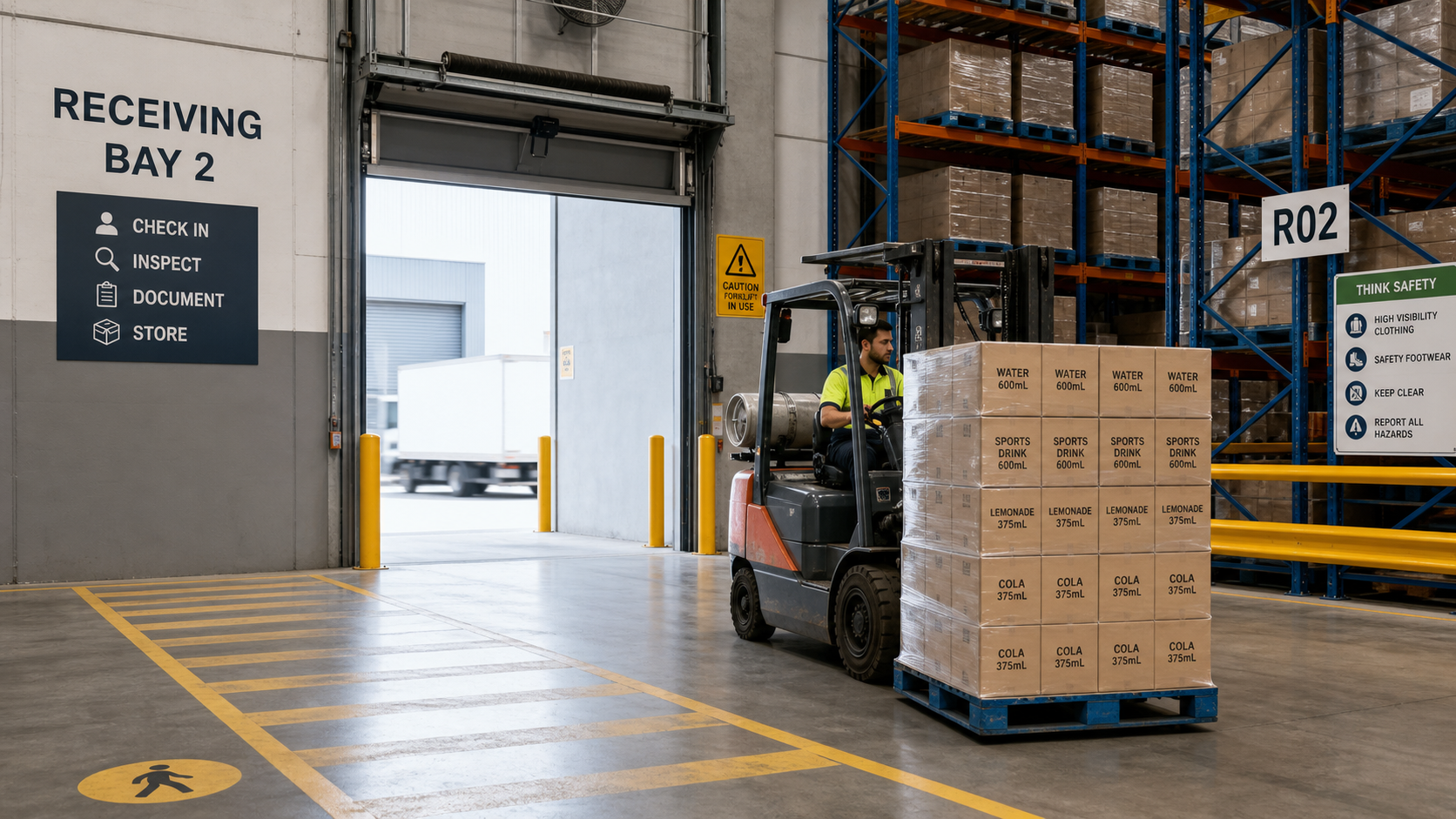
- 3PL receiving appointment and labor to break down pallets if needed.
- First-quality assessment against the acceptance criteria (visual, packaging integrity, sample checks).
When OEM and private label are part of the plan
Many Australian brands combine product development and export logistics in one roadmap. Early coordination can compress timelines and reduce rework across formulation, packaging, compliance, and freight. To explore structured pathways, see Contract Beverage Manufacturing for Australian Brands and related guidance for OEM beverage manufacturing in Vietnam.
Selling into Australia as well? See beverage certifications for Australian importers.
FAQ: shipping beverages from Vietnam to Australia
This FAQ addresses common questions buyers and brand owners ask when planning shipments.
Is ocean or air freight better for beverages?
Ocean is the standard for most shelf-stable beverages due to scalability and unit economics. Air can suit urgent launches, samples, or high-value small lots. Your choice depends on product stability, launch timelines, and landed-cost targets.
Can carbonated drinks be shipped by ocean?
Yes, carbonated beverages commonly move by ocean when packaged in suitable containers (e.g., cans or pressure-rated bottles) with validated seams/closures. Focus on carton strength, pallet stability, and temperature/moisture management during the voyage.
Do I need an import permit for drinks?
Requirements depend on your product type, ingredients, and packaging. Some products may be subject to biosecurity assessment or documentary checks. Coordinate with a licensed customs broker to confirm permits and importer-of-record obligations for your specific HS classification.
What does FOB Ho Chi Minh Australia look like in practice?
Under FOB, the seller handles origin steps up to loading the buyer’s nominated vessel. After cargo is on board, the buyer manages ocean freight, insurance if taken, and all destination costs, including customs clearance and delivery in Australia.
How should I label beverages for Australia?
Labels should follow Australian market requirements for the category, including ingredient statements and any mandatory declarations. Because details vary by product, engage a compliance adviser to review artwork and claims before production.
What if my beverage requires refrigeration?
Use a refrigerated container with a validated setpoint, proper airflow, and suitable pallets and packaging. Define monitoring, data collection, and arrival handling steps with your forwarder and 3PL to maintain the cold chain.
Where can I coordinate development and export planning together?
Integrate formulation, packaging, and logistics early. Resources like Beverage Manufacturing for Australian Brands and private label beverages for Australian brands outline ways to align product readiness with export shipping from Vietnam.
Conclusion
Shipping beverages from Vietnam to Australia works best when product formulation, labeling, packaging, and logistics are planned together. Choose the right Incoterms, align with Australian import rules, engineer packaging for container conditions, and document everything consistently. For brands still shaping product specs, connect development with export-readiness so your first container—and every one after—arrives saleable and on-brief.
Manufacturing for Australian brands
If you are sourcing for the Australian market, start with OEM beverage manufacturing services for how contract production is run, certifications and food safety systems for the evidence importers and retailers require, and export and logistics for shipping terms and documentation. To price a programme, request a quote.
Request a quoteWhere to go next
Planning an Australian launch? The Australia beverage market page covers the full OEM and private label programme for Australian brands and importers: MOQ 500 cartons per SKU, 15-30 day production, HACCP / ISO 22000 / FSSC 22000, and shipping from Ho Chi Minh City. Request a quote and we reply within 24 hours.