


 English
 Français
 Español
 العربية
무균 충전 vs 핫 필은 두 가지 검증된 방법으로 상온 유통이 가능한 음료를 생산하는 방식을 설명하며, 각 방식은 제품 품질, 포장 선택, 운영 비용에 서로 다른 방식으로 영향을 미칩니다. 핫 필은 충전 시점에 제품의 열로 용기를 살균하는 반면, 무균 충전은 제품과 포장을 각각 살균한 후 무균 환경에서 결합합니다.
이 가이드는 각 방법이 어떻게 작동하는지, 맛·색상·질감·영양소에 어떤 영향을 미치는지, 포장을 어떻게 제한하거나 가능하게 하는지, 그리고 브랜드가 주스, 차, 기능성 음료, 식물성 음료 등에 적합한 경로를 선택하는 방법을 설명합니다. 유용한 부분에서는 과일 기반 음료와 상온 유통 안정성 관련 심층 공정 자료를 연결합니다.
무균 충전과 핫 필의 차이점은 무엇인가요?
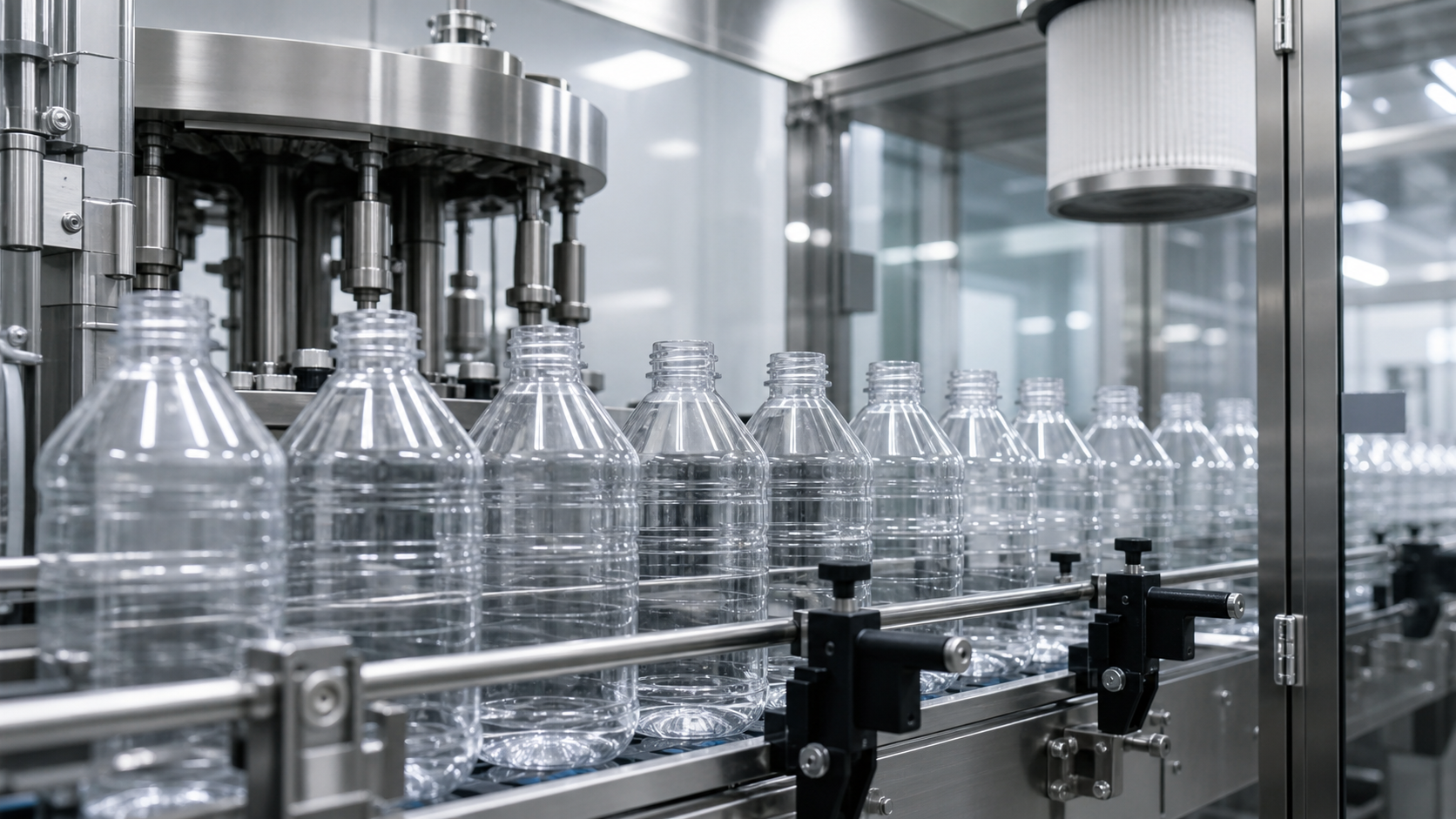
무균 충전은 음료와 포장을 별도로 살균한 후 상온 또는 저온의 무균 구역에서 충전합니다. 핫 필은 뜨거운 제품 자체가 충전 및 밀봉 시점에 용기를 살균하는 방식에 의존합니다. 둘 다 상업적 멸균을 목표로 하지만 매우 다른 경로를 거칩니다.
높은 수준에서 보면 무균은 시스템입니다. 제품이 열처리(종종 고온 단시간)를 거쳐 급속 냉각되고 멸균 상태로 유지되며, 살균된 포장재와 함께 통제된 밀폐 공간에서 충전됩니다. 핫 필은 단일 사건입니다. 제품을 가열하고 뜨거운 상태로 깨끗한 용기에 충전한 후 표면을 살균하기 위한 유지 시간을 거친 다음 밀봉하고, 종종 뒤집기 또는 터널 살균/워머 처리를 거친 후 냉각합니다.
각 공정이 일반적으로 어떻게 작동하는지
이는 음료 개발자를 위한 의사 결정 지점을 강조하는 단순화된 흐름입니다. 정확한 단계와 설정값은 레시피, 장비, 규제 검증에 따라 달라집니다.
무균 충전: 단순화된 흐름
- 고형분, 산도, 입자에 대한 엄격한 관리가 포함된 배합 설계.
- 안정성과 질감에 필요한 경우 탈기 및 균질화.
- 검증된 치사율 목표를 달성하기 위한 신속한 열처리(예: HTST 또는 UHT 상당).
- 색상, 풍미, 영양소 보호를 위한 즉시 냉각.
- 멸균 탱크에 보관; 멸균 장벽과 압력 유지.
- 열 또는 화학제와 검증된 체류 시간으로 포장재(프리폼, 캡, 마개 또는 카톤) 살균.
- HEPA 필터 공기와 환경 모니터링이 되는 등급 분류 무균 밀폐 구역에서 충전 및 밀봉.
- 로트의 상업적 멸균이 확인된 후 상온 보관 및 유통.
핫 필: 단순화된 흐름
- 핫 필 성능에 적합한 점도와 입자에 맞게 배합 및 여과.
- 음료를 검증된 핫 필 온도로 일정 시간 가열.
- 깨끗한 용기에 뜨거운 상태로 충전; 마개는 즉시 적용.
- 선택적 뒤집기 또는 짧은 충전 후 열처리 단계로 마개와 헤드스페이스 살균 보장.
- 패키지 보호 및 품질 유지를 위한 냉각(에어 터널 또는 물 분사).
- 품질 방출 후 상온 보관 및 유통.
열처리 단계와 과일 기반 가공 선택에 대한 더 깊은 배경은 다음 개요를 참조하세요. 과일 주스 가공 방법 및 단계별 과일 주스 제조 공정.
무균 충전이 음료에 어떤 영향을 미치나요?
제대로 수행되면 무균 충전은 열 노출이 더 짧고 냉각이 빠르기 때문에 종종 더 신선한 풍미, 더 밝은 색상, 더 섬세한 향을 보존합니다. 또한 장시간 열 접촉에 덜 견디는 민감한 성분을 함유한 냉충전 무균 음료를 가능하게 합니다.
- 풍미 및 향: 신속한 가열과 즉시 냉각은 조리된 느낌을 줄여 섬세한 차, 감귤 주스, 보태니컬 블렌드가 더 생생한 탑 노트를 유지할 수 있게 합니다.
- 색상: 열 체류 시간이 최소화되고 산소 유입이 초기에 제어되면 더 밝은 외관이 유지될 수 있습니다.
- 질감 및 입자: 무균 시스템은 입자 크기, 점도, 체류 시간이 치사율과 유량에 대해 검증되면 미세한 펄프와 작은 포함물을 처리할 수 있습니다.
- 영양소 및 활성 성분: 제형과 가공 조건에 따라 고온 노출 시간이 짧을수록 열에 민감한 화합물이 더 잘 보존될 수 있습니다.
- 미생물 안전성 및 유통기한: 검증된 제품 치사율과 무균 포장을 통해 상업적 멸균이 달성되며, 완제품은 일반적으로 냉장 없이 상온 유통이 가능합니다.
개발자를 위한 고려 사항:
- 제형 규율: pH, 수분 활성도, 고형분, 입자가 검증된 범위 내에 유지되어야 합니다. 작은 변화도 치사율 요구 사항을 바꿀 수 있습니다.
- 탈기 및 산소 제어: 상류에서 용존 산소를 제거하면 색상, 풍미, 민감한 식물 성분을 보호하는 데 도움이 됩니다.
- 효소 및 탁도 관리: 일부 주스와 차의 경우 효소 불활성화 전략이 열처리 단계에 포함되며 실험실 확인이 필요합니다.
핫 필이 음료에 어떤 영향을 미치나요?
핫 필은 제품의 열로 용기 내부를 살균하며, 이는 일부 음료를 적당히 조리하거나 색을 어둡게 하고 특정 탑 노트를 약화시킬 수 있습니다. 핫 필용으로 설계된 레시피는 견고하고 안정적이며 비용 효율적인 결과를 낼 수 있습니다.
- 풍미 및 향: May introduce rounded, cooked, or caramelized notes in sensitive juices or teas; spice and citrus top notes can soften.
- 색상: Some darkening can occur; managing oxygen, solids, and hold time helps.
- Texture & particulates: Heavier pulp or large particulates can be challenging; many hot-fill lines prefer low to moderate viscosity with fine pulp.
- Nutrients & actives: Longer heat contact can reduce certain heat-sensitive compounds; recipes should be tuned accordingly.
- Micro safety & shelf life: Commercial sterility is achieved via validated hot-fill temperature/hold and closure sanitation; finished goods are shelf-stable.
Strengths of hot fill:
- Broad co-packer availability: Many plants worldwide offer hot fill for juices, teas, and sports drinks.
- Proven with compatible PET glass shapes: Standard hot-fill PET and glass formats have predictable performance.
- Simple packaging sterilization: Heat from the beverage sanitizes the container interior and closure interface.
Which products fit aseptic vs hot fill?
There is no one-size-fits-all choice. As a rule of thumb, more heat-sensitive beverages or formulations with fine particulates that need a gentler profile often lean aseptic; sturdy, high-acid profiles with simpler flavor top notes often work well with hot fill.
- Often good for aseptic: Delicate teas and botanicals; premium fruit juices and blends aiming for “just squeezed” character; dairy alternatives and protein beverages that need tight thermal control; sensitive functional drinks.
- Often good for hot fill: Many high-acid juices and nectars; isotonic sports drinks; robust tea profiles; spiced or cooked-note styles where added warmth is acceptable.
- Borderline cases: Pulp-in beverages and smoothies can work with either method depending on particle size, viscosity, and validated lethality.
For additional formulation context around fruit bases, see fruit juice blends for private label brands and broader types of beverages commonly produced at scale.
Impact on packaging, sustainability & costs
Packaging and cost signals often decide between aseptic filling vs hot fill as much as product quality does. Aseptic can unlock lighter packages and high clarity but needs sterile-ready materials; hot fill typically requires heat-tolerant containers and closures but can run with simpler front-end investments.
- Packaging options: Aseptic lines support sterilized PET, HDPE, or cartons designed for sterilant contact and barrier needs. Hot fill favors hot-fill–rated PET or glass that tolerates elevated filling temperatures and vacuum panels.
- Appearance and weight: Aseptic packaging can be lighter and clearer without hot-fill panels. Hot-fill PET often has reinforced geometry to manage deformation and vacuum.
- Energy profile: Aseptic concentrates heat in a fast thermal step and cools quickly; hot fill holds more energy in the product and container, then removes it during cooling. Actual energy balance depends on line design.
- Line speed & complexity: Aseptic requires sterile enclosures, packaging sterilization, and environmental monitoring. Hot fill can be simpler to operate but needs controlled handling during hot hold and cool-down.
- Changeover & cleaning: Aseptic involves validated clean-in-place and sterility requalification; hot fill changeovers can be shorter, but sanitation and allergen controls remain critical.
- Capital & availability: Aseptic lines are specialized and less common; hot fill is widely available among co-packers. Commercial terms vary by market.
| 차원 | Aseptic filling | Hot fill |
|---|---|---|
| Thermal approach | High-temperature–short-time, rapid cooling; sterile hold | Elevated fill temperature; product heat sanitizes container |
| Filling environment | 무균 충전 및 포장 멸균 | 고위생; 뜨거운 제품으로 무균 달성 |
| 포장 | 멸균제에 강한 PET/HDPE 또는 카톤; 투명하고 가벼운 것이 가능 | 핫필 등급 PET 또는 유리; 강화된 구조가 일반적 |
| 관능적 영향 | 민감한 풍미, 색상, 향에 더 부드러움 | 더 익은 맛 또는 둥근 느낌이 가능 |
| 입자 | 검증된 크기로 미세한 과육 지원 | 저~중간 수준의 과육, 작은 입자 선호 |
| 산소 관리 | 탈기 및 낮은 흡입이 통합된 경우가 많음 | 가변적; 주의 깊은 취급으로 흡입 감소 |
| 라인 복잡성 | 더 높음; 무균 장벽과 모니터링 | 중간; 열 제어 및 냉각에 초점 |
| 공동 포장업체 가용성 | 더 제한적, 전문적 | 전 세계적으로 널리 보급 |
| SKU 유연성 | 민감하거나 프리미엄 제품에 강점 | 견고한 고산성 SKU에 강점 |
| 비용 신호 | 더 높은 시스템 복잡성; 포장 비용 절감 가능 | 더 낮은 시스템 복잡성; 내열 포장 비용 발생 |
이러한 선택이 과일 기반 수출 공급망에서 어떻게 작용하는지 알아보려면 가이드를 검토하세요 무균 주스 제조.
품질 및 리스크 관리 체크포인트
무균 또는 핫필을 선택하든, 상업적 무균성과 일관된 품질은 체계적인 검증과 정기적인 모니터링에 달려 있습니다.
- 검증된 살균 효과: 특정 제형과 입자에 대해 상업적 무균성을 달성하는 시간-온도 프로파일을 수립하고 문서화하십시오.
- 포장 준비 상태: 멸균제(무균) 또는 핫필 온도와 진공(핫필)에 대한 용기 및 밀폐 호환성을 확인하십시오.
- 산소 관리: 탈기, 불활성 가스 블랭킷, 제어된 헤드스페이스를 통해 산화와 색 변이를 줄입니다.
- 환경 모니터링: 무균의 경우 무균 구역 무결성, 여과, 위생 효율성을 검증하고; 핫필의 경우 충전 온도, 유지 시간, 충전 후 처리를 추적합니다.
- 이음새/밀폐 무결성: 토크, 적용 힘, 실링 점검으로 침입을 방지합니다.
- 보존 샘플 및 배양: 샘플을 보관하고 배양 절차를 따라 출고 전 불량 로트를 감지하십시오.
- 변경 관리: 모든 제형 또는 공정 변경(산도, 고형분, 입자 크기, 장비)은 재검증 트리거로 처리하십시오.
새로운 공동 포장업체를 검증하는 경우 초기에 문서화 및 감사 범위에 대해 합의하십시오. 이 체크리스트를 사용하여 공급업체 자격 문서 및 이 가이드를 사용하여 음료 제조 공장 감사 파일럿 또는 첫 생산 전에 하십시오.
어느 것이 더 나은가: 무균 충전 또는 핫필?
어느 쪽이 보편적으로 더 우월하다고 할 수 없으며, 가장 좋은 선택은 제품의 관능적 목표, 배합 제약, 포장 비전, 그리고 코팩커 접근성과 MOQ와 같은 상업적 현실에 따라 달라집니다. 제품 경험에서 시작하여 실현 가능성과 경제성을 확인한 후 결정하세요.
선택을 돕기 위한 결정 질문
- 어떤 관능적 목표가 가장 중요한가? 밝고 신선하며 상위 노트 중심의 프로파일은 무균 방식을 선호하는 경향이 있고, 둥글고 조리 친화적인 스타일은 핫필로 성공할 수 있습니다.
- 입자 계획은 무엇인가? 선택한 방식에서 체류 시간과 유동 거동을 위해 입자 크기와 점도를 검증하세요.
- 어떤 패키지가 전략적인가? 초투명 PET나 프리미엄 카톤은 무균 방식을 가리킬 수 있고, 클래식 핫필 PET나 유리는 핫필과 더 잘 맞을 수 있습니다.
- 라인 가용성은 어떤가? 일정이 촉박하다면 핫필의 더 넓은 가용성이 출시 리스크를 줄일 수 있고, 차별화가 중요하다면 전문 무균 파트너를 찾는 것이 가치 있을 수 있습니다.
- 지속가능성 레버는 무엇인가? 용기 무게뿐 아니라 전체 시스템의 총 소재, 에너지, 이차 포장을 고려하세요.
핫필에서 무균으로(또는 그 반대로) 전환
브랜드는 확장하거나 품질을 재포지셔닝하면서 방식을 바꾸는 경우가 많습니다. 체계적인 개발 및 검증 경로를 기대하세요.
- 목표 경험 정의: 엔지니어링 절충 전에 관능 브리프와 포장 의도를 확정하세요.
- 공정 한계 감사: 두 방식 모두에 대해 열적 범위, 입자 사양, 산소 목표, 포장 제약을 매핑하세요.
- 파일럿 런: 실제 유통 조건에서 맛, 색, 안정성을 비교하기 위해 소량 배치를 수행하세요.
- 미생물 검증: 최악의 입자와 점도를 측정하여 정확한 배합에 대한 살균 성능을 재확인하세요.
- 유통기한 프로그램: 정의된 허용 기준으로 실시간 및 가속 연구를 사용하세요.
- 상업적 준비: 변경 관리, 라벨 문구, 시장별 라벨링 영향에 대해 합의하세요.
과일 중심 SKU의 경우, 이러한 단계는 에 제시된 더 넓은 결정과 일치합니다. 과일 주스 가공 방법 및 수출 중심의 상온 보관 과일 주스 제조.
라벨링 및 클레임 고려사항
무균도 핫필도 특정 마케팅 클레임을 자동으로 부여하지 않습니다. 허용 가능한 패키지 문구는 최종 배합, 1회 제공량당 검증된 영양 수치, 현지 규정에 따라 달라집니다. 품질이나 공정 단서(예: 열처리 설명)를 패키지에 계획하고 있다면 규제 자문과 허용 여부를 확인하고 검증된 공정과 일치하는지 확인하세요.
코팩커 및 장비와의 협업
파트너 선택이 실현 가능성, 속도, 장기 비용을 결정하는 경우가 많습니다. 무균 파트너는 무균 포장 및 검증 전문성을 제공하고, 핫필 파트너는 검증된 처리량과 다양한 병 형태 선택을 제공합니다. 두 경우 모두 출시 일정을 확정하기 전에 명확한 제품 브리프, 라인 사양, 포장 도면, 공동 검증 계획을 확보하세요.
- 가동 시간 및 MOQ: 각 방식의 실질적 가동률, 가열/냉각 시간, 로트 크기 경제성을 확인하세요.
- 포장 공급: 수지, 프리폼 또는 카톤 살균, 마개, 배리어에 대해 합의하세요.
- 테스트 프로토콜: 충전 온도, Brix, 산도, 산소, 마개 토크, 무균 시험, 인큐베이션 등 공정 중 점검과 출하 기준에 동의하세요.
- 전환 비용: 세척, 살균, 알레르겐 프로토콜이 일정과 비용에 미치는 영향을 이해하세요.
과일 음료에 처음 접하는 팀을 위해, 에 대한 프로세스 워크스루가 과일 주스 제조 공정 기술 회의 전에 기대치를 맞추는 데 도움이 될 수 있습니다.
실용적 예시(비완전 목록)
이 시나리오는 팀이 보편적 규칙을 암시하지 않고 한 방식을 선택하는 이유를 보여줍니다.
- 밝은 향이 특징인 프리미엄 시트러스 블렌드: 탑 노트와 색상의 장시간 열에 대한 민감성을 고려할 때 무균 방식이 더 잘 보호하는 경우가 많습니다.
- 적당한 펄프가 있는 클래식 사과 주스: Commonly produced via hot fill in heat-rated PET or glass, with robust flavor stability across distribution.
- Delicate brewed tea with botanicals: Aseptic can help retain aromatic lift while keeping clarity and low haze, provided filtration and enzyme control are addressed.
- Spiced fruit drink for ambient retail: Hot fill may be sufficient and cost-effective if the profile embraces light cooking notes.
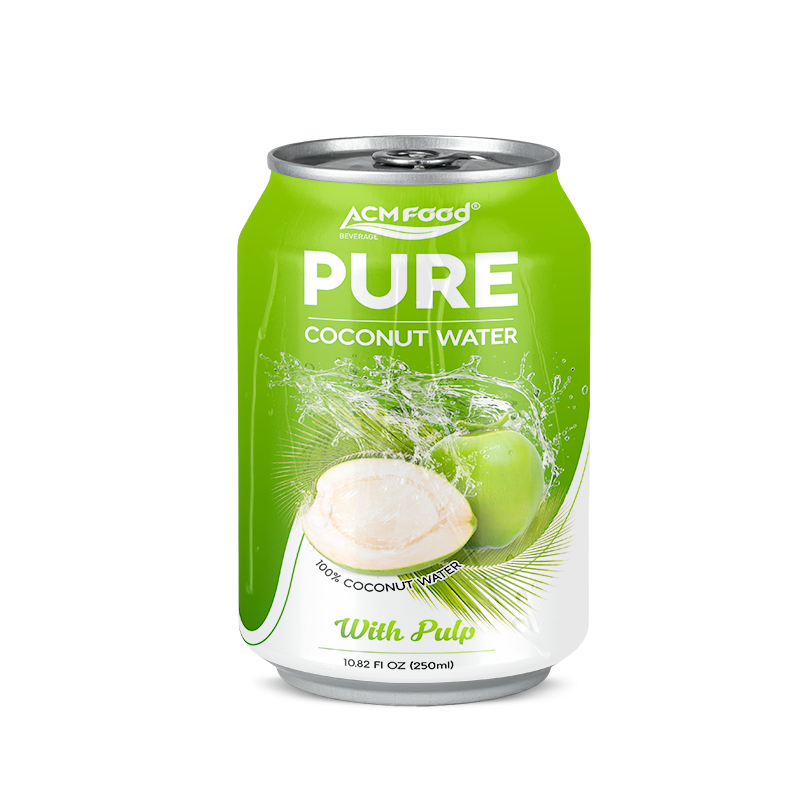
For coconut-water or similar light-bodied beverages, the choice depends on desired flavor brightness and packaging. As a reference for coconut-based projects, see our overview of coconut water supplier options and manufacturing paths.
Common pitfalls to avoid
Most launch delays trace back to misaligned expectations between the desired sensory profile and process realities. These pitfalls are preventable with early cross-functional work.
- Under-specifying particulates: Large or irregular pieces can invalidate lethality calculations or clog equipment—define maximum particle size and distribution.
- Ignoring oxygen until late: Once color browning or aroma loss is visible, it’s hard to recover—set oxygen specs and controls up front.
- Assuming packaging is plug-and-play: Sterilant resistance (aseptic) or heat & vacuum tolerance (hot fill) must be proven on your actual bottle or carton.
- Skipping incubation or retention plans: A robust hold-and-release system protects your brand and retail partners.
- Changing formulas mid-validation: Even small shifts in acidity or solids can require revalidation—freeze the recipe before the final plant trial.
For export-focused programs, align quality systems and documentation early. These checklists for supplier qualification documents streamline approvals and reduce surprises during audits.
FAQs about aseptic filling vs hot fill
Can I get the same flavor using either method?
You can get close, but not identical. Aseptic’s shorter thermal exposure can better preserve delicate top notes, while hot fill may round flavors slightly. Pilot both, then choose based on blind sensory and shelf-life results.
Does aseptic always cost more than hot fill?
Not always. Aseptic lines are complex, but potential savings from lightweight packaging and quality differentiation can balance higher line costs. Availability of co-packers, MOQ, and logistics will ultimately determine your total landed cost.
Is glass better for hot fill?
Glass tolerates elevated temperatures and is widely used for hot fill, especially for premium positioning. Many brands also use hot-fill–rated PET with vacuum-panel designs. The better choice is the one aligned with your brand, distribution, and cost model.
Can aseptic handle pulp and small inclusions?
Yes, within validated limits. Particle size, shape, and viscosity must be validated to ensure proper flow and lethality. Early bench work and pilot trials set the right specifications.
Which should I choose for export markets?
Start from your sensory and packaging goals, then check co-packer availability, logistics temperature profiles, and documentation needs. Our export-focused guide to shelf-stable juice manufacturing highlights typical decision points.
Key takeaways
– Aseptic filling often protects bright, delicate sensory profiles and opens lighter packaging, at the cost of higher system complexity and specialized partners.
– Hot fill is widely available and robust for many high-acid beverages, with some trade-offs in color and top notes.
– The right answer depends on your formulation, packaging strategy, and commercial constraints. Validate with pilots before committing.
If you are comparing suppliers or preparing for trials, align your technical brief, audit scope, and document pack early. Use our resources on how to audit a beverage factory and required supplier qualification documents to reduce time-to-launch and de-risk quality.