


 Français
 Español
 العربية
 한국어
한국어The global beverage aisle is changing fast. Consumers are reading labels, rejecting artificial ingredients, and paying more for products they trust. Right at the center of this shift is premium coconut water — a category that has evolved from a niche health food into a mainstream staple in supermarkets, gyms, and hotel minibars from New York to Dubai.
For importers, distributors, and brand owners, that shift is both an opportunity and a challenge. The market is growing — but so is the competition. What separates brands that win shelf space from those that don’t comes down to product quality, packaging credibility, and the right manufacturing partner.
This guide breaks down what premium coconut water actually means, why the market is moving in this direction, and how to source or build your own brand with confidence.
What Makes Premium Coconut Water Different?
Not all coconut water is created equal. And if you’re a brand positioning at the premium tier, the differences matter — to your customers, your retail buyers, and your margins.
Here’s what actually defines premium in this category:
Source quality. Premium coconut water starts with young green coconuts harvested at the right stage of maturity — typically between 6 and 9 months. The raw material determines everything downstream: natural sweetness, electrolyte concentration, and flavor profile. The best manufacturers source directly from contracted farms, not commodity markets.
Minimal processing. NFC (Not-From-Concentrate) processing is the gold standard. The coconut water goes from coconut to package with minimal heat treatment, preserving naturally occurring electrolytes, potassium, and trace minerals that give the product its nutritional profile. No reconstitution. No flavor masking.
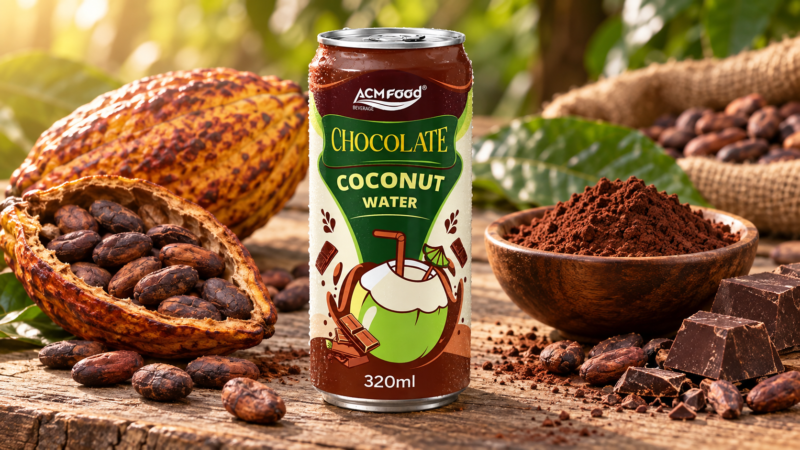
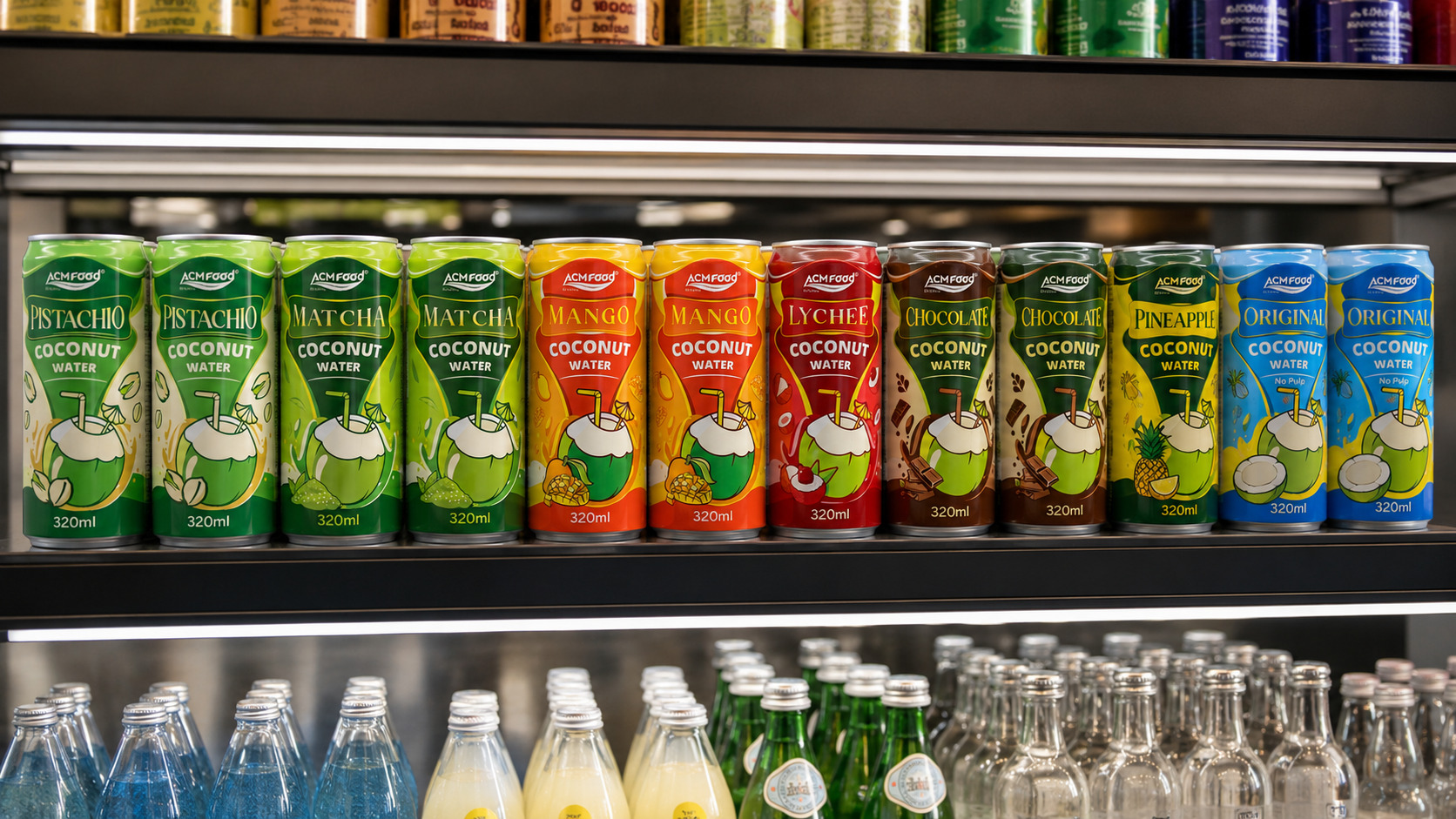
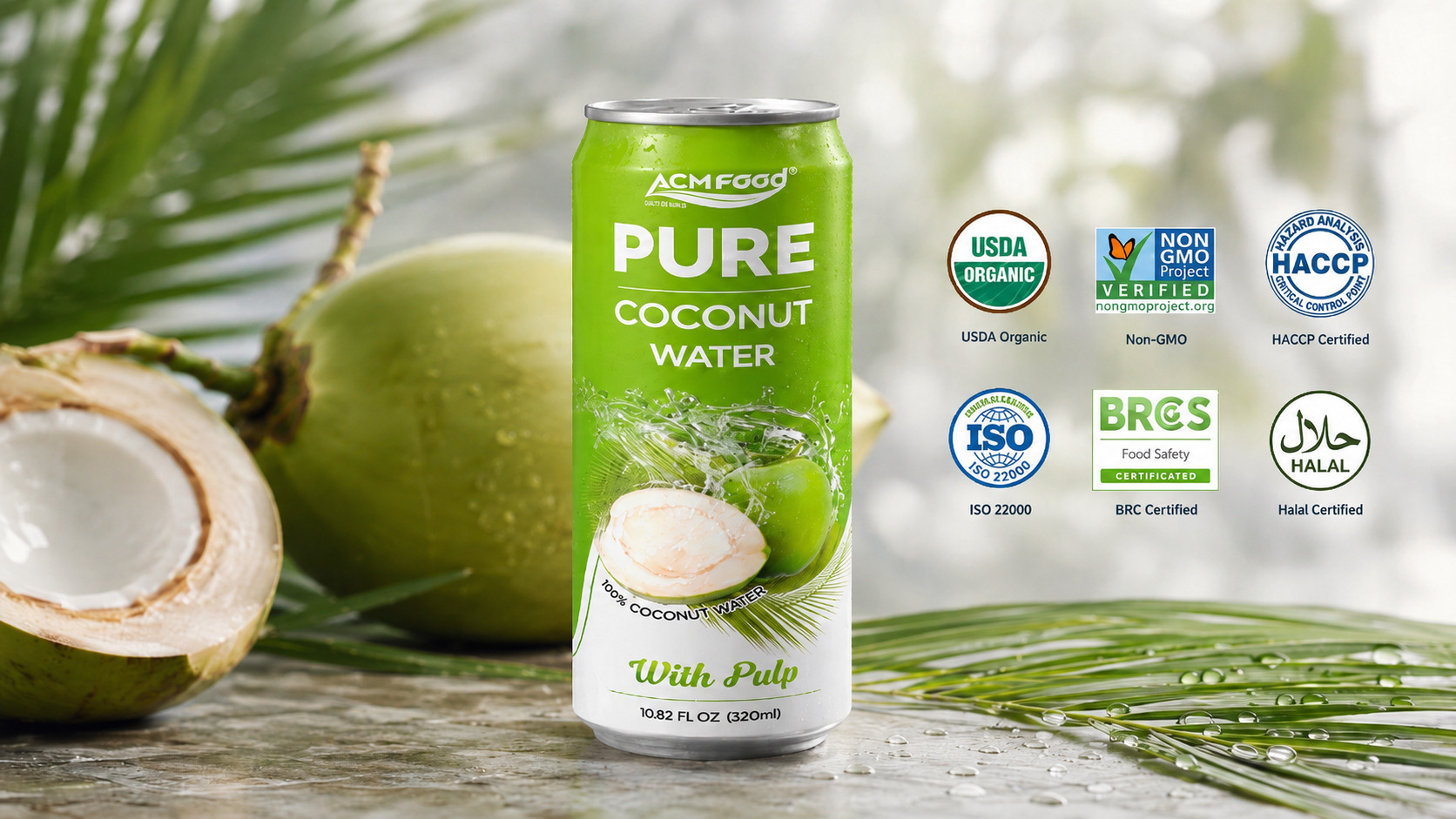
Packaging execution. Premium coconut water looks premium. Slim aluminum cans with refined label design. Glass bottles for luxury positioning. Matte finishes, embossed details, intentional typography. The container is part of the brand experience.
Why Consumers Are Moving Toward Premium Hydration Drinks
This isn’t just a trend. It’s a structural shift in how consumers approach beverages.
Around 62% of consumers globally are shifting from carbonated drinks to plant-based hydration alternatives. That’s not a small fringe movement — it’s a majority of the market reallocating their purchasing behavior. And premium coconut water sits directly in the path of that reallocation.
Several forces are converging:
- Clean-label demand is accelerating. Shoppers in the US, EU, and GCC now treat ingredient transparency as a baseline expectation, not a premium feature. Products with long, unpronounceable ingredient lists are losing ground to clean, simple alternatives.
- Fitness and wellness culture is mainstream. The gym-going, health-app-using, macro-tracking consumer demographic has expanded well beyond its original niche. Natural electrolyte replenishment — what coconut water delivers without additives — is exactly what this audience wants.
- The “better-for-you” premium trade-up is real. Consumers who previously bought value-tier water are trading up to functional hydration products. They’re willing to pay more — but the product and packaging have to justify it.
Within the broader functional beverage landscape, coconut water holds an estimated 12–14% share, reflecting its growing role in clean-label and wellness-driven formulations. That share is expanding, not contracting.
Premium Coconut Water vs. Standard Coconut Water
Understanding the difference is essential before you make sourcing or positioning decisions.
| Criteria | Premium Coconut Water | Standard Coconut Water |
| Processing method | NFC (Not-From-Concentrate) | Often from concentrate |
| Ingredients | 100% pure coconut water | May include added water, sugar, or flavor |
| Coconut sourcing | Contracted farms, traceable | Commodity sourcing |
| Certifications | HACCP, ISO 22000, HALAL, US FDA | Varies — often basic |
| Packaging | Slim cans, glass, premium design | Standard PET, basic carton |
| Shelf positioning | Health food stores, premium supermarkets | Mainstream, discount retail |
| Target consumer | Health-conscious, brand-aware | Price-conscious, convenience-driven |
| Branding | Considered, designed, story-driven | Functional, commodity |
| Price point | Higher margin, premium retail | Competitive commodity pricing |
| OEM flexibility | High customization available | Often limited to stock formulas |
If you’re building a brand that competes on quality rather than price, the premium tier is where you need to operate. And that means your supplier needs to be in that tier too.
The Rise of Clean-Label Beverage Brands
Clean-label isn’t a niche anymore. It’s the direction the entire packaged beverage industry is moving.
The global coconut water market is driven by rising demand for clean-label beverages, increasing consumer preference for plant-based products, sports and fitness trends, and sugar-reduction initiatives.
Retailers in the US, EU, and South Korea are now actively prioritizing clean-label SKUs for premium shelf placement. Health food chains allocate dedicated sections for “no added sugar” and “no artificial ingredients” products. GCC importers — particularly in the UAE and Saudi Arabia — are fielding increasing consumer demand for certified natural beverages.
For brand owners, this is an opening. Most of the commodity coconut water on the market doesn’t meet clean-label standards on closer inspection. Flavored variants often include added sugar. “Coconut water beverages” may contain reconstituted juice or natural flavor boosters.
A genuinely clean product, communicated clearly, with the certifications to back it up — that’s a defensible position.
Packaging Trends in Premium Coconut Water
Packaging is brand communication. In the premium segment, it does heavy lifting.
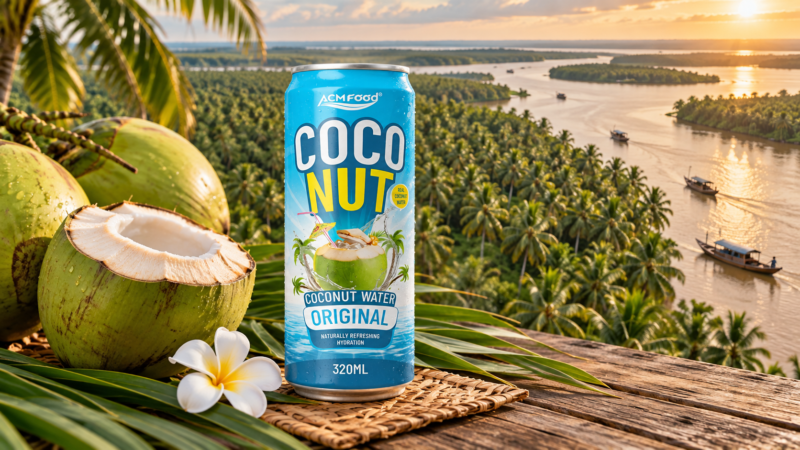
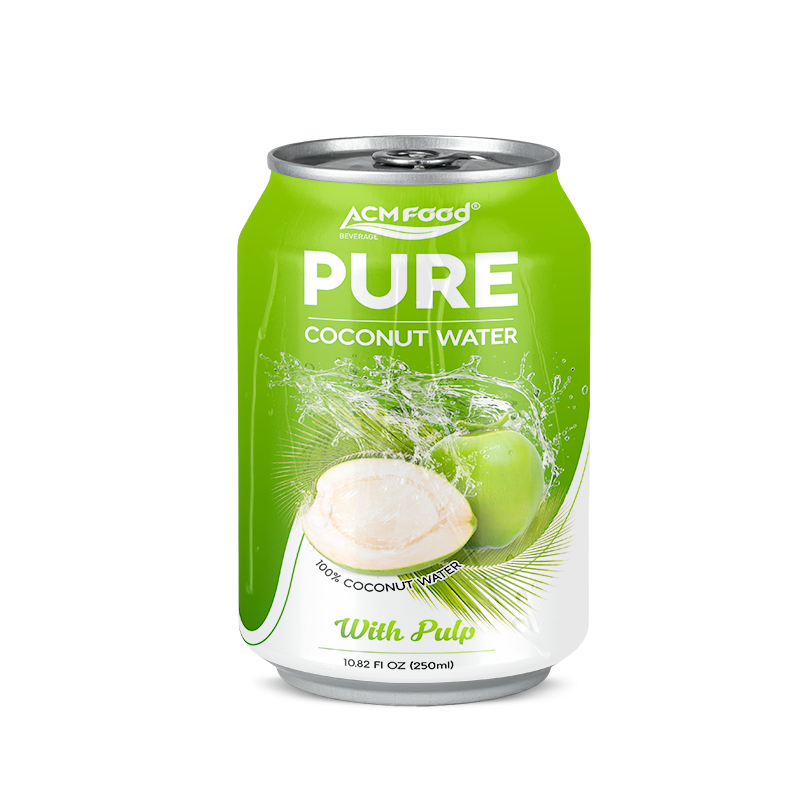
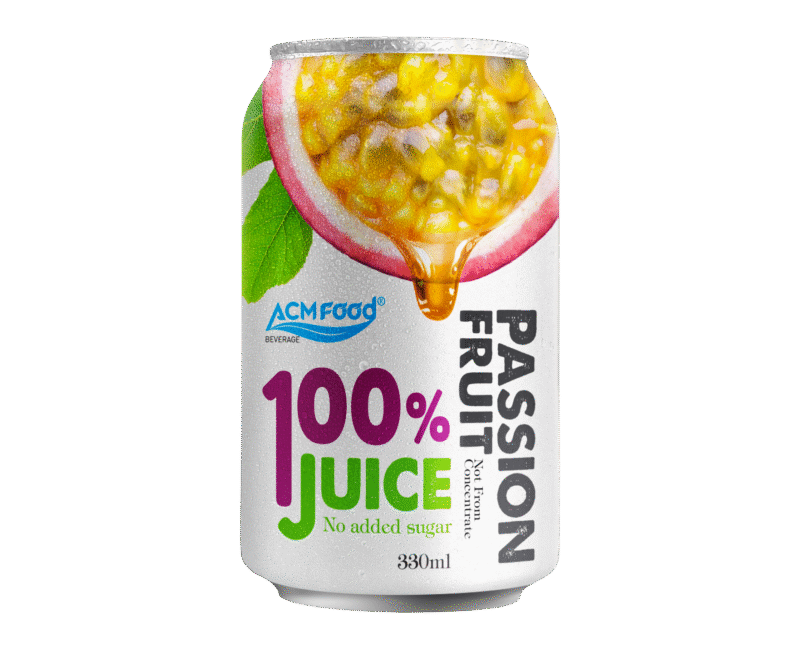
Slim aluminum cans are the fastest-growing format. Canned coconut water is projected to grow at a CAGR of 20.5% from 2026 to 2033. The appeal is obvious: portability, premium perception, sustainability credentials, and strong retail presence. A well-designed 250ml or 330ml slim can commands attention on-shelf in a way that generic PET simply can’t.
Glass bottles anchor the ultra-premium and HoReCa positioning. Hotels, high-end cafés, and specialty retailers prefer glass for its tactile quality and associations with artisanal, handcrafted products. If your brand story involves provenance and craft, glass is the right vessel.
Aseptic cartons continue to dominate volume due to shelf-life advantages and cost efficiency. For foodservice programs and markets where refrigeration is inconsistent, aseptic carton remains the practical choice. Tetra pack formats held the largest revenue market share of 52.65% in 2025, designed to protect contents from light and air while maintaining natural flavor and nutritional value.
PET bottles serve the mid-range and value-premium tier well — particularly in on-the-go formats for sports and fitness channels.
Packaging decisions should be driven by your channel strategy, not just aesthetics. The right format for a hotel minibar differs from the right format for a gym cooler or a supermarket endcap.
OEM & Private Label Opportunities for Beverage Brands
This is where strategy meets manufacturing reality.
Building a premium coconut water brand from scratch doesn’t require building a factory. OEM (Original Equipment Manufacturing) and private label programs let you leverage an existing manufacturer’s production capability, certifications, and supply chain — while putting your brand, formula, and packaging vision on the product.
Here’s what a well-structured OEM engagement looks like:
Formula customization:
- 100% pure NFC coconut water (single ingredient)
- Functional blends: coconut water + collagen, probiotics, vitamins, or adaptogens
- Flavor variants: pineapple, mango, passionfruit, lychee, sparkling
Packaging customization:
- Slim aluminum cans: 250ml, 330ml
- PET bottles: 330ml, 500ml, 1L
- Glass bottles: 250ml, 330ml
- Aseptic cartons: 200ml, 330ml, 1L
Program structure:
- MOQ: typically 1,000–3,000 cases for trial programs; lower entry point for established relationships
- Lead time: 30–60 days from confirmed specifications to ex-factory
- Label design support: most premium OEM partners provide artwork templates and print management
- Export documentation: certificate of origin, health certificates, phytosanitary docs as required
For startups entering the premium beverage market, OEM is the fastest path to a shelf-ready product with credible certifications. For established distributors, it’s a margin-expansion strategy — your own branded product alongside the brands you distribute.

Why Vietnam Is Emerging as a Premium Coconut Water Manufacturing Hub
Vietnam’s position in global coconut water export has strengthened significantly over the past several years — and for buyers at the premium end of the market, the country now offers a compelling combination that’s difficult to replicate elsewhere.
The raw material advantage is real. Ben Tre province in the Mekong Delta produces coconuts with a naturally sweet, clean flavor profile that requires minimal processing intervention. When your product is 100% pure coconut water, where the coconut comes from matters enormously.
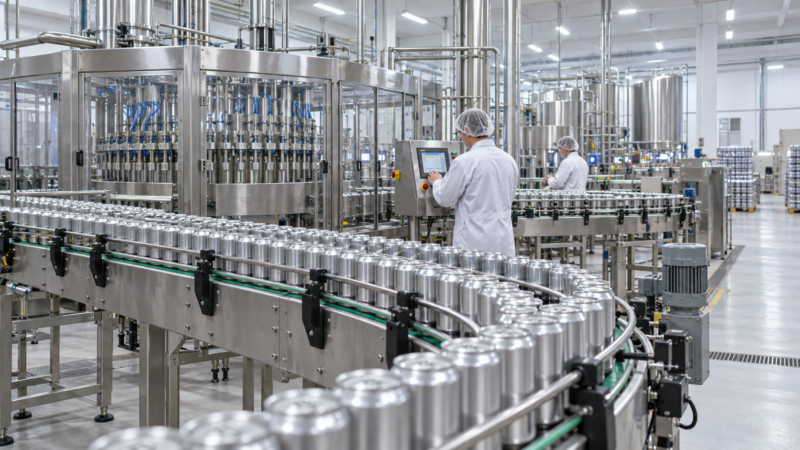
Manufacturing has matured. Vietnam’s beverage processing sector has attracted substantial investment in modern aseptic filling lines, UHT processing, and quality management infrastructure. Factories that previously served domestic demand are now export-certified and operating at international standard.
Certification depth is growing. Leading Vietnamese manufacturers now hold HACCP and ISO 22000 as baseline credentials, with HALAL, US FDA registration, and increasingly BRC/FSSC 22000 available for buyers with specific market requirements. This certification infrastructure is what allows Vietnamese coconut water to enter regulated markets in the US, EU, and GCC.
OEM flexibility is a structural strength. Smaller batch sizes, broader customization scope, and faster turnaround on new SKU development give Vietnam an edge over more rigid manufacturing systems in more established origins.
Exporters in Vietnam now rely more on direct contracts with USA and EU distributors to lock in price ceilings — a sign that the sourcing relationship between Vietnam and premium markets is maturing from transactional to strategic.
How to Choose a Reliable OEM Coconut Water Manufacturer
Choosing the wrong OEM partner doesn’t just cost money — it costs brand credibility. Certifications, facility audits, and raw-material traceability are covered in full in our coconut water private label guide; the checks below are specific to a premium-positioned product:
- Request NFC production evidence. If you’re building a premium brand, you need NFC processing, not reconstituted concentrate. Ask specifically about the processing method and request technical documentation.
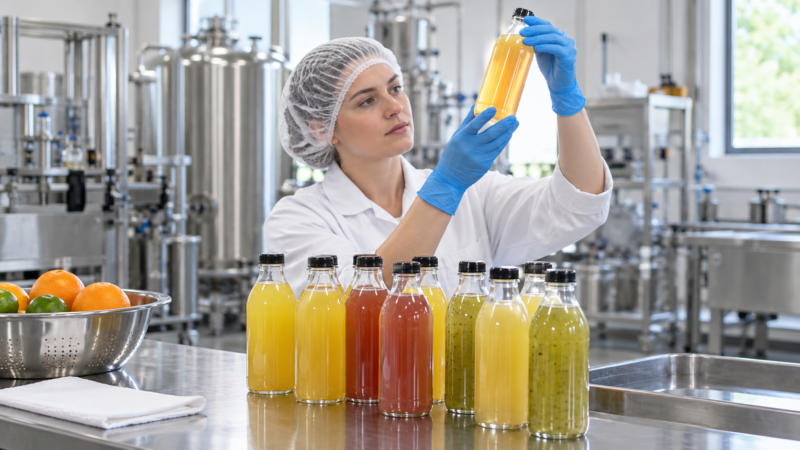
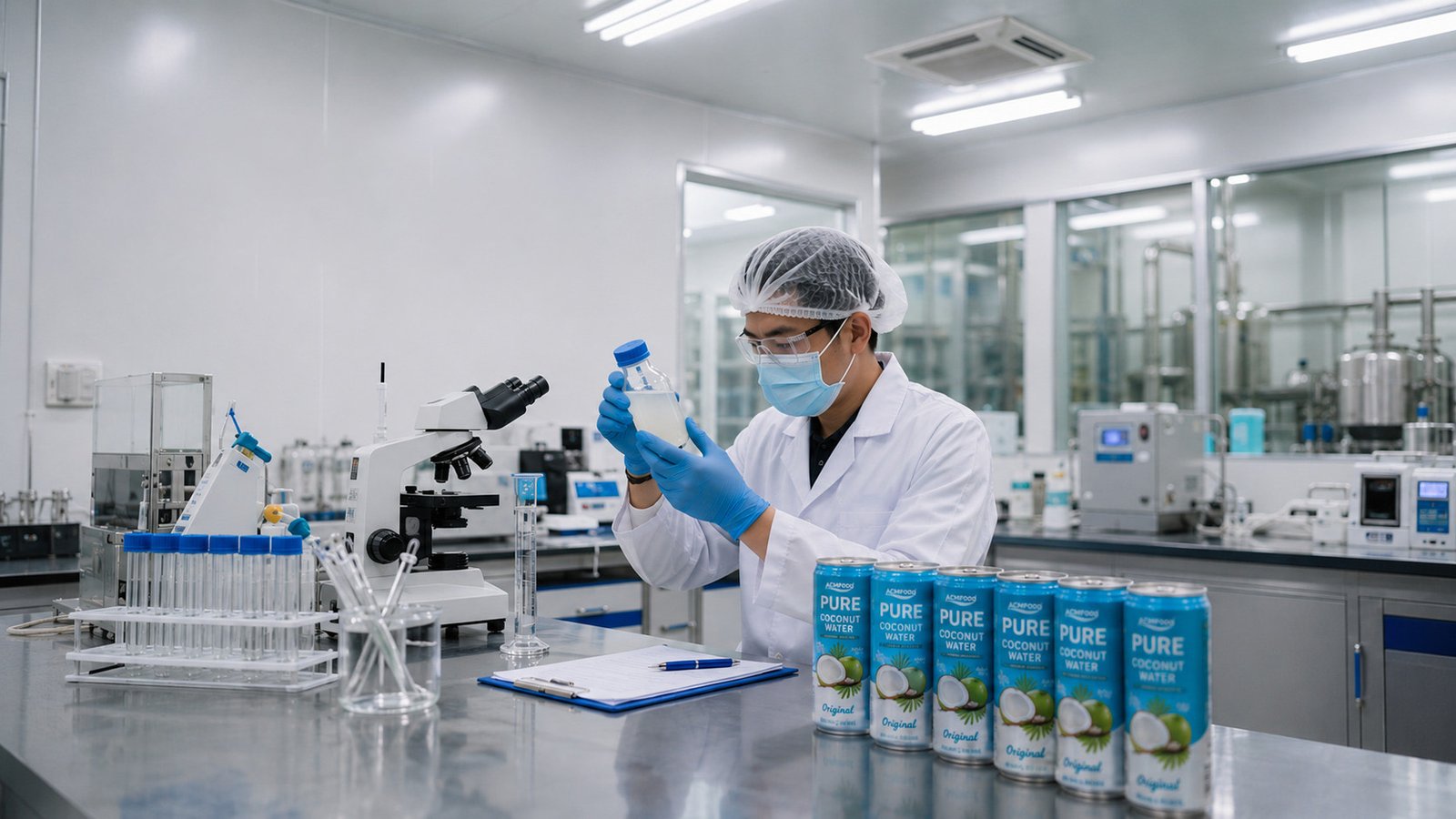
- Test product under real conditions. Run shelf-life tests at your target storage temperature. Evaluate Brix, pH, color stability, and flavor at 30, 60, and 90 days. Don’t rely on factory-ideal sample storage.
- Evaluate communication quality. A manufacturer who responds within 24 hours in clear English, sends documentation proactively, and raises potential issues before they become problems is worth a premium. This quality of relationship doesn’t happen by accident.
- Check their current export markets. Factories actively shipping to the US, EU, or Japan have already navigated the most demanding regulatory environments. That track record is your best proxy for export readiness.
FAQ: Premium Coconut Water Sourcing & Private Label
What makes premium coconut water different from standard versions? Premium coconut water uses NFC (not-from-concentrate) processing, single-ingredient formulas with no added sugar, traceable farm-sourced raw materials, and refined packaging. It’s positioned at the quality-conscious end of the market and supported by certifications like HACCP, ISO 22000, and US FDA registration.
Is premium coconut water worth the price for brand owners? Yes — for the right market positioning. Premium coconut water commands higher retail margins, stronger shelf placement in health and specialty channels, and more loyal brand advocates. The key is that your product, packaging, and certifications have to justify the price point consistently.
How do I choose a premium coconut water supplier? Prioritize certified manufacturers (HACCP, ISO 22000, HALAL, US FDA) with verifiable NFC processing capability, direct farm sourcing, and active export histories to demanding markets like the US or EU. Request samples and run shelf-life testing before committing to volume.
What packaging works best for premium coconut water? Slim aluminum cans (250ml or 330ml) perform strongly in premium retail, fitness, and convenience channels. Glass bottles suit hotel and specialty café positioning. Aseptic cartons work for foodservice and markets requiring extended shelf life. Your channel strategy should drive the packaging decision.
Can I create my own private label premium coconut water brand? Yes. Vietnamese OEM manufacturers offer full private label programs including formula customization, label design support, and flexible MOQ starting around 1,000–3,000 cases. Lead times of 30–60 days from confirmed specifications make this a practical option for startups and established distributors alike.
What certifications do I need for different export markets? For the US: US FDA registration is required. For the EU: ISO 22000 or BRC/FSSC 22000 preferred; HACCP baseline. For GCC and Muslim-majority markets: HALAL certification from a recognized body is essential. HACCP applies across all markets as the foundational food safety credential.
Partner with ACMFOOD: Premium Coconut Water Manufacturing for Global Brands
The premium beverage market rewards quality, consistency, and credibility. Getting all three right requires a manufacturing partner who understands both the product and the export requirements.
ACMFOOD Beverage Vietnam is a trusted coconut water manufacturer producing premium coconut water and functional beverages for international private label and OEM programs. Our facilities are certified to HACCP, ISO 22000, HALAL, and US FDA standards — giving you the documentation your retail buyers and market regulators require.
What we offer:
- NFC and aseptic-fill premium coconut water — pure, no added sugar
- Full OEM/private label customization: formula, flavor, packaging design
- Flexible packaging formats: slim cans, PET bottles, glass, aseptic carton
- Transparent Ben Tre coconut sourcing with consistent quality profiles
- Export documentation support for US, EU, GCC, and Asia-Pacific markets
- English-speaking export team with fast response and structured onboarding
Whether you’re developing your first private label beverage or expanding an existing portfolio into premium hydration, we’re ready to discuss your program.
Contact our export team to request samples, discuss your specifications, or get a production quotation.
Contact us