


 Français
 Español
 العربية
 한국어
한국어Canned coconut water comes in four main formats: 100% pure coconut water, coconut water with pulp, sparkling coconut water and prebiotic (fibre-fortified) coconut water. Pure is the baseline with the simplest labelling, pulp adds texture for specific shoppers, sparkling bridges into soft drinks, and prebiotic versions need extra claim review in each market.
A practical breakdown for importers, distributors, and private-label buyers navigating the coconut water cans market — from raw specs to shelf positioning.
Walk into any well-stocked convenience store in Tokyo, Sydney, or Dubai today and you’ll find at least three variants of coconut water cans sitting side by side. They look similar enough from a distance. But for a buyer trying to place an order — or a distributor pitching a new retail chain — the differences between these products matter enormously, both commercially and from a regulatory standpoint.
This guide breaks down the four main formats: pure 100% coconut water, pulp-added variants, sparkling, and prebiotic-fortified SKUs. Each has a distinct positioning story, a different processing requirement, and a different set of questions you’ll need to ask your supplier before committing to an MOQ.
- 100% pure coconut water – no additives, clean label, the baseline product with the highest reorder rate.
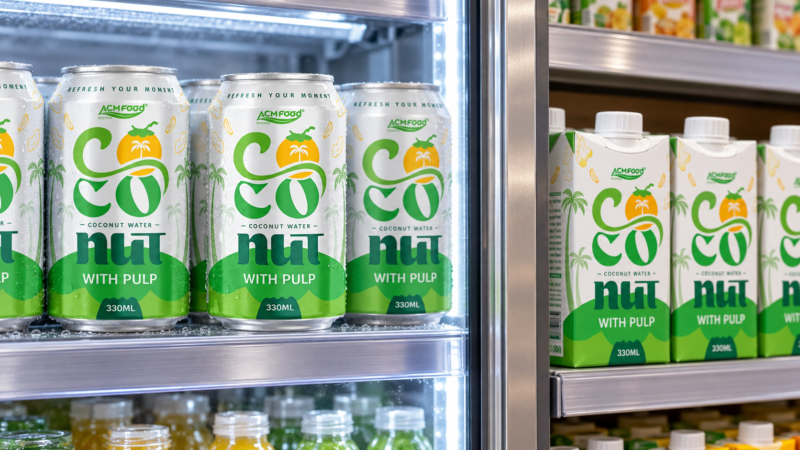
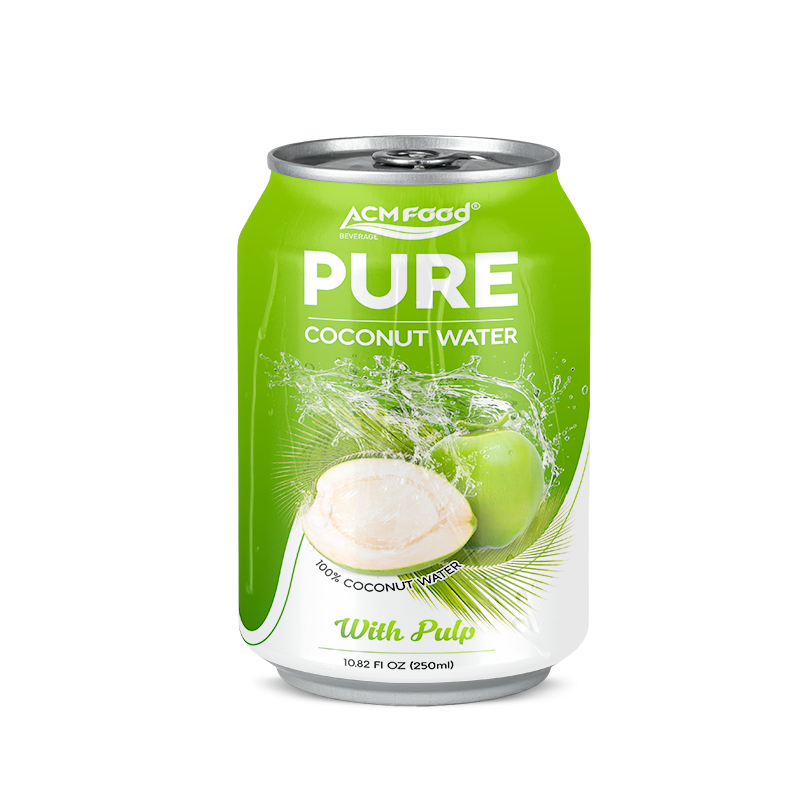
- Coconut water with pulp – contains soft coconut pieces; popular in Southeast Asian diaspora markets and natural food retail.
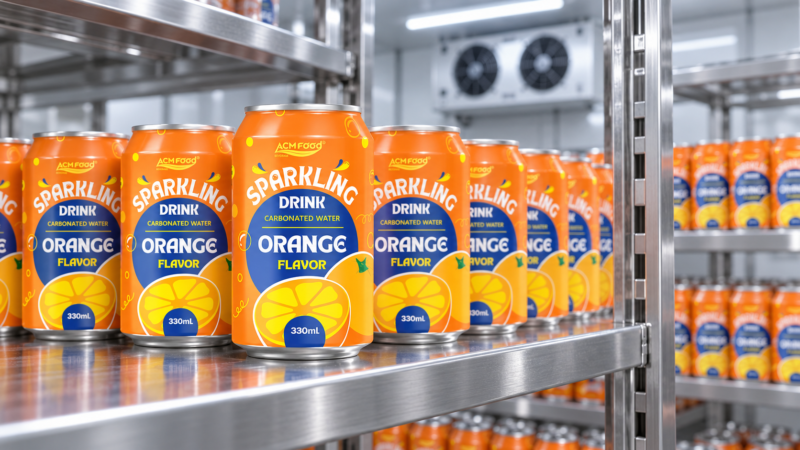
- Sparkling coconut water – carbonated, combining a wellness and soft-drink experience.
- Prebiotic coconut water – fortified with fibres such as inulin or FOS; one of the fastest-growing functional formats.
100% Coconut Water Cans: The Baseline That Isn’t Boring
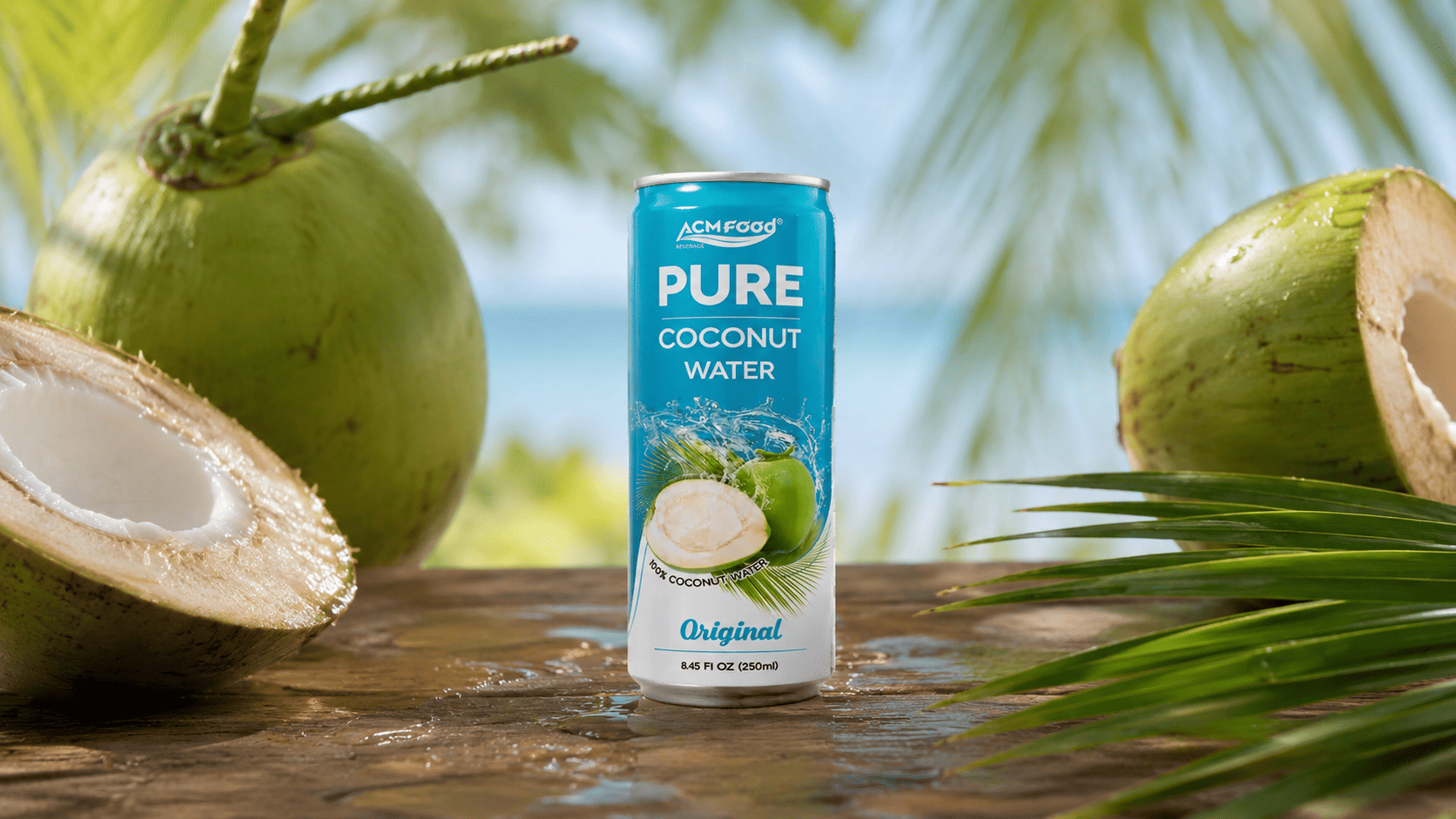
The purest expression of the category: water drained from young green coconuts, pasteurized via UHT or flash process, sealed into aluminum. Nothing added. Brix levels generally run 5.0–7.5 depending on harvest season and coconut variety — something a lot of buyers don’t ask about, but should if their market expects a consistent flavor profile across shipments.
From a regulatory standpoint, this is your cleanest entry into any new market. No functional ingredients to declare, no health claims to file, no additional documentation for customs in the EU or the Middle East. That simplicity is commercially underrated. Faster time-to-shelf matters when you’re working against a tight import window. Based on sourcing patterns we’ve tracked across Southeast Asian producers, the 100% format consistently generates the highest repeat purchase rate — consumers understand it, and retailers trust the story.
“In most markets we work with, the 100% variant accounts for 60–70% of total coconut water can volume. It’s not the most exciting pitch, but it carries the most predictable commercial outcomes.”
Coconut Water With Pulp: Texture as a Differentiator
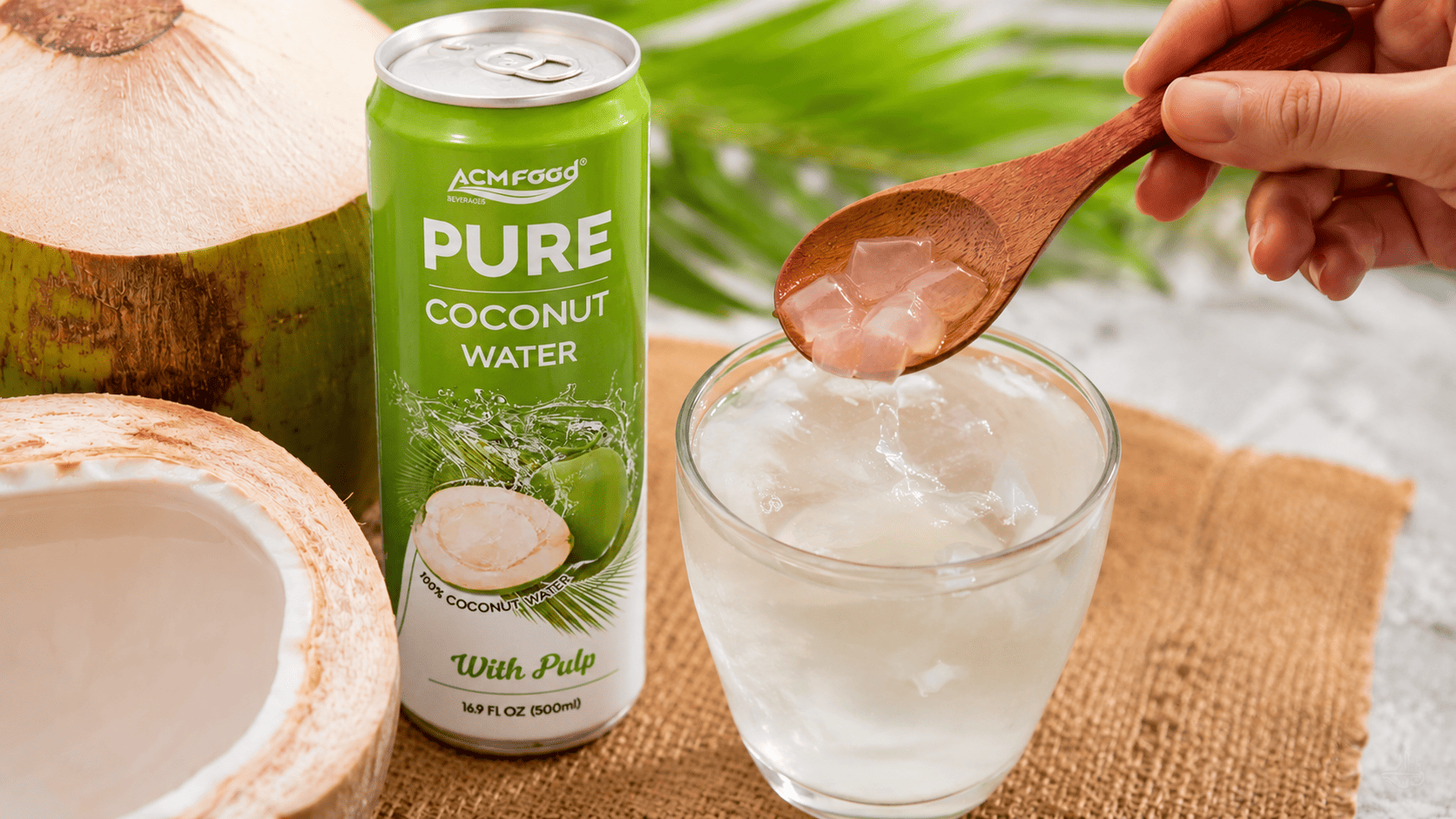
Pulp-added coconut water contains small pieces of coconut jelly — the soft, translucent flesh of a young coconut, distinct from coconut cream or mature meat. The texture is delicate, slightly sweet, and low in calories. Most producers in Vietnam, Thailand, and the Philippines use young coconuts at 6–7 months, before the flesh has hardened, so the pieces can be cut and kept suspended through pasteurization without breaking down.
Processing complexity here is meaningfully higher. Cutting, sorting, and maintaining homogeneous piece size across batches is labor-intensive, which explains the price variation you’ll see between supplier quotes on this format. Ask about piece size tolerance and how they handle batch rejections — it’s a telling question. On the regulatory side, some EU markets require specific labeling around the jelly pieces as a separate ingredient declaration. Worth confirming with your regulatory consultant before locking in an order.
Sparkling Coconut Water Cans: Bridging Two Categories
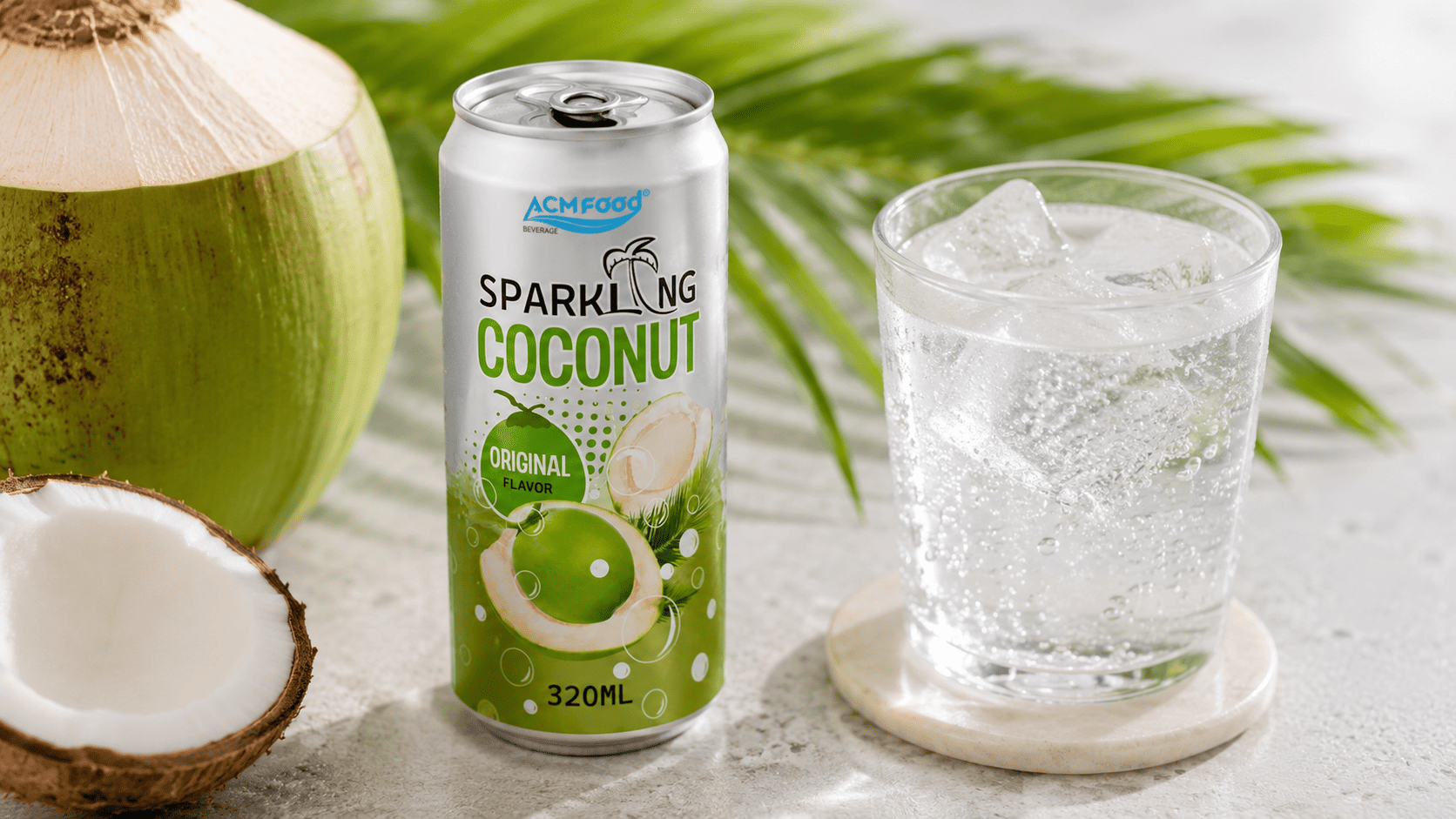
Sparkling coconut water is straightforward in concept: coconut water base charged with CO₂ to a level comparable to lightly sparkling mineral water, typically 2.5–3.5 volumes. Higher carbonation tends to overwhelm the delicate natural flavor, so most producers keep it restrained. The format sits in an interesting white space between traditional soft drinks and functional wellness beverages — particularly appealing to gym-channel retail and premium convenience in Europe and North America.
The operational detail most buyers miss: cans for sparkling formats need to be rated for internal pressure. The standard still-beverage can isn’t always appropriate. Confirm that your supplier’s canning line is certified for carbonated products and ask for historical burst-test data. Also plan for a slightly narrower shelf life window — typically 12–15 months versus the 18-month standard for still formats — and build that into your logistics timeline.
Prebiotic Coconut Water Cans: The Functional Frontier
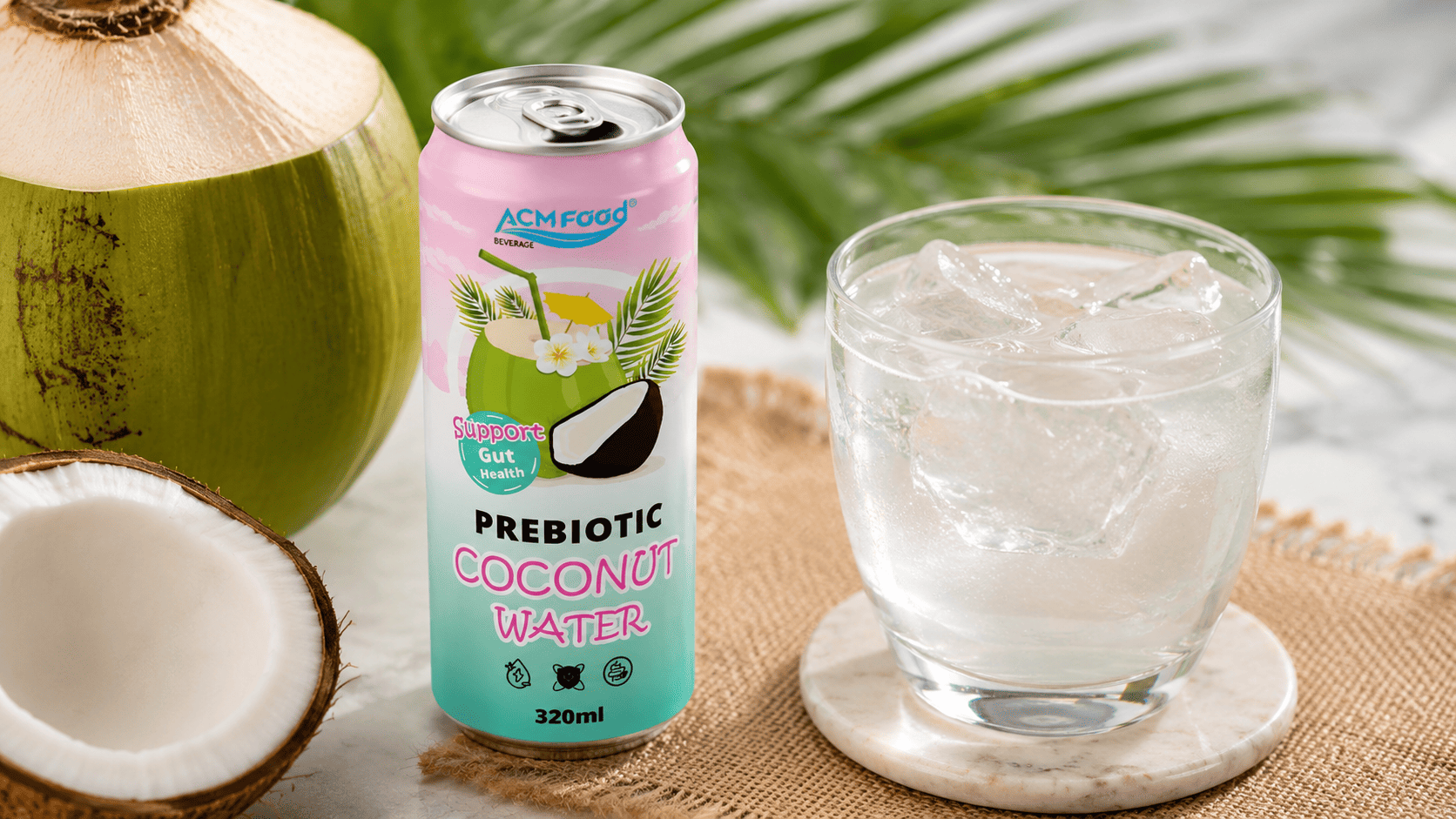
The newest entrant in the coconut water cans category, and the one generating the most interest among health-focused retailers globally. The format adds a prebiotic fiber — most commonly inulin (from chicory root) or FOS — to a 100% coconut water base, targeting a gut-health positioning. Inulin blends particularly well with the natural sweetness of coconut water and doesn’t significantly alter taste at typical inclusion levels of 2–5 grams per serving.
The commercial upside is real: prebiotic coconut water cans command a 25–40% price premium over comparable pure formats in wellness retail. But here’s the part buyers often underestimate — the regulatory groundwork. In the EU, health claims must pass through EFSA’s review process under Regulation (EC) No 1924/2006, which can take well over a year for novel claims. The US allows more permissive structure/function claim language, but still requires careful legal review. We’ve worked with clients who missed their launch window by several months simply because the certification timeline on a prebiotic SKU wasn’t factored into the product roadmap early enough.
Choosing the Right Coconut Water Can for Your Market
There’s no single best format. The right coconut water can depends on who’s buying it, where it’s sold, and how patient your team is with pre-launch compliance work. If you’re entering a new market, the 100% variant minimizes risk while you build distribution. If you’re deepening an existing relationship with health-food retailers, prebiotic or sparkling variants give you a credible upsell story — and a better margin conversation with the buyer.
What tends to work in practice: come to your supplier with a commercial hypothesis rather than a blank brief. Know your target retailer, your price point, and what claim language you’re allowed to use on-shelf. The sourcing conversation becomes much more productive from there.
COCONUT WATER CANS
Frequently Asked Questions
What is the typical shelf life of coconut water cans, and does it vary by format?
Most coconut water cans produced via UHT pasteurization carry a shelf life of 12–18 months at ambient temperature. The 100% pure and pulp formats typically reach the full 18-month range. Sparkling variants tend to run 12–15 months due to CO₂ retention dynamics over time. Prebiotic variants depend on the specific fiber used — inulin-based products generally hold well across the full window, but this should always be verified against stability testing data from your supplier before printing shelf life on label.
Are there MOQ differences between coconut water can formats?
Yes, and the variation is meaningful. For standard 100% pure in an established can size (250ml or 330ml), most Southeast Asian producers start at one 20-foot container — roughly 18,000–22,000 units depending on dimensions and packing configuration. Sparkling variants often carry a higher MOQ because the canning line changeover adds production cost; expect a minimum of one to two containers. Prebiotic formats are the most variable: the fiber additive has its own procurement lead time, so some producers require two or more containers for their first run with a new buyer. Custom artwork adds a plate setup cost regardless of format, which factors into the effective MOQ calculation.
Do all four formats require different export certifications?
The baseline certifications — HACCP, ISO 22000, and health certificates from the exporting country’s food authority — apply to all formats without significant distinction. The differences emerge at the destination market level. In the EU, functional ingredients like prebiotic fiber trigger the EFSA health claim review process. Sparkling variants require documentation confirming pressurized packaging compliance. Pulp formats may need specific ingredient labeling in markets that classify coconut jelly as a separate food component. The 100% pure format is consistently the least documentation-intensive across all major export destinations, which is one practical reason it remains the preferred entry-point SKU for first-time importers.