


 Français
 Español
 العربية
 한국어
한국어Four forces will decide which beverage brands win in Asia-Pacific by 2026: localisation, artificial intelligence, sustainability and functional wellness. This guide breaks down what each one changes in product development, manufacturing and retail, and what a brand entering or expanding across the region should be doing about it now.
APAC is not one market but dozens, and a formula that sells in Seoul can stall in Jakarta. The brands that scale here treat local relevance, AI-driven efficiency and sustainability as one connected strategy rather than three separate projects.
Localisation Is Still the Entry Ticket
Why a Single APAC Strategy Does Not Exist
APAC is a mosaic of cultures, palates and consumption habits, so localisation decides market entry more than any other variable. It reaches well past translation: sweetness levels, flavour profiles, pack format, price architecture and brand storytelling all have to be rebuilt per market. Brands that do this earn trust, and trust is what converts a trial purchase into a repeat one.
Flavour Customisation and Cultural Adaptation

Sweetness preference alone varies sharply across the region. South Korea leans toward smoother, sweeter profiles, while Southeast Asia rewards bold tropical intensity. Suntory’s highball, reformulated for local taste rather than exported unchanged, is the standard example: the adaptation created new drinking occasions instead of competing for existing ones. Adjusting formulation early also lowers the risk of outright product rejection, which is the most expensive failure mode in a new market.
Local Partnerships and Cultural Storytelling
Localisation carries into marketing and distribution. Partnerships with regional artists, sports teams and entertainment platforms put a brand inside the culture rather than beside it. In APAC this is often the difference between a product that goes mainstream and one that stays niche, because consumers here read cultural fluency as a proxy for whether a brand is genuinely committed to the market.
Gemba: Insight From the Floor, Not the Dashboard
The Japanese practice of Gemba, going to the actual place where things happen, applies directly to consumer research. Panel data tells you what people bought; standing in a convenience store at 7am tells you why. Brands that observe real purchase moments spot usage habits, triggers and unmet needs that never surface in a survey, and they feed those observations straight into development.
AI Moves From Pilot to Production
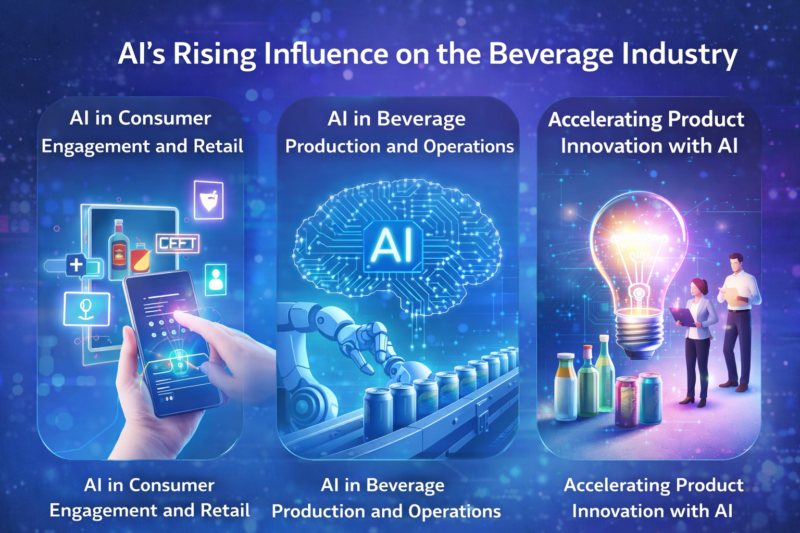
AI in Consumer Engagement and Retail
AI has already changed how beverages are discovered and sold across APAC. Recommendation engines and chatbots narrow choice by taste and budget, while dynamic pricing and personalised promotion lift conversion on the same traffic. The practical shift is that personalisation is now an expectation rather than a differentiator, and a brand without it simply looks dated on the shelf and in the app.
AI on the Production Line
Inside the plant, machine vision and automated process control hold consistency tighter than manual monitoring can, cut waste and keep line speed stable. Singapore’s investment in AI-driven food technology shows the direction: the same class of system that manages formulation accuracy also manages fill levels, seam integrity and packaging throughput. With labour costs climbing across the region, this is becoming a cost of competing rather than an efficiency bonus.
Shorter Development Cycles
Product development used to mean long, sequential test rounds. AI compresses that by reading market data, review sentiment and trend signals together, so weak concepts are dropped before they reach a pilot batch. The same models improve demand forecasting, which reduces both overproduction and stockouts. Expect AI-assisted R&D to be table stakes at large beverage companies well before 2026 closes.
Sustainability and Wellness Become Purchase Criteria
Sustainability as a Cost of Entry
Environmental performance has moved from marketing claim to buying criterion. Recyclable and lightweight packaging, reduced plastic, lower-carbon production and traceable sourcing now appear in retailer listing questionnaires, not just consumer surveys. Suntory’s spending on recyclable packaging and local sourcing is instructive because it is defensive as much as promotional: it protects shelf access.
Functional and Wellness Beverages
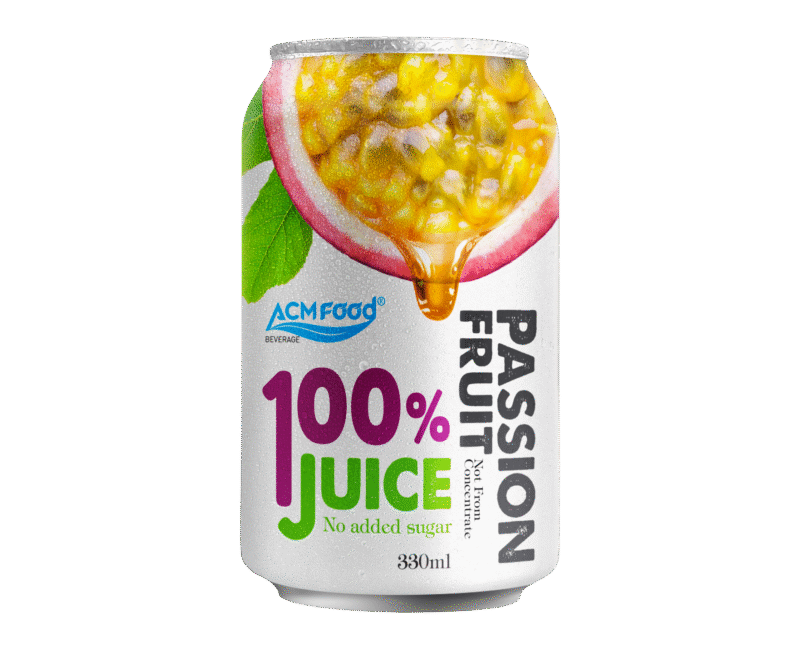
Functional drinks aimed at digestion, energy and mental clarity are taking share across the region, and APAC has a structural advantage here. Traditional health frameworks already give herbs, probiotics and botanical extracts built-in credibility, so brands that pair that heritage with modern formulation and honest labelling differentiate faster than those importing a Western wellness template. Fruit juice remains a core pillar of this shift, particularly in not-from-concentrate formats.
Health Needs Differ by Market
Wellness does not mean the same thing everywhere. In China and India, traditional ingredients carry cultural trust on their own. In Japan and South Korea, demand skews toward performance, focus and recovery. Positioning has to follow that split, and the benefit has to be stated plainly, because vague health language now reads as evasive rather than premium.
What This Means for Product Development

Hybrid Products and Category Convergence
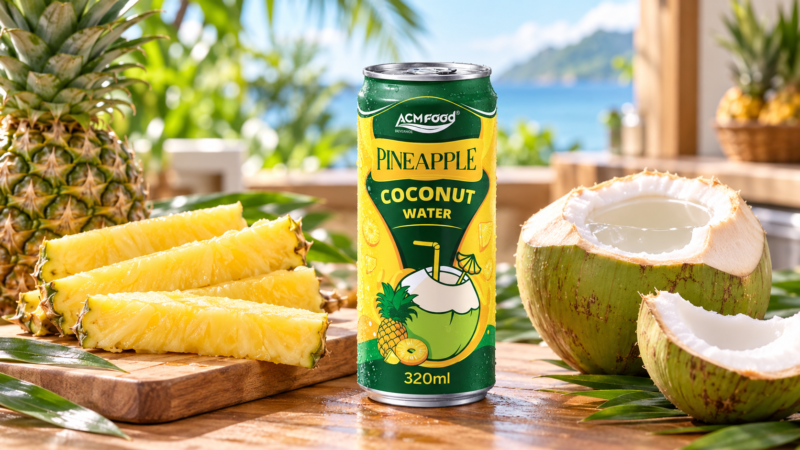
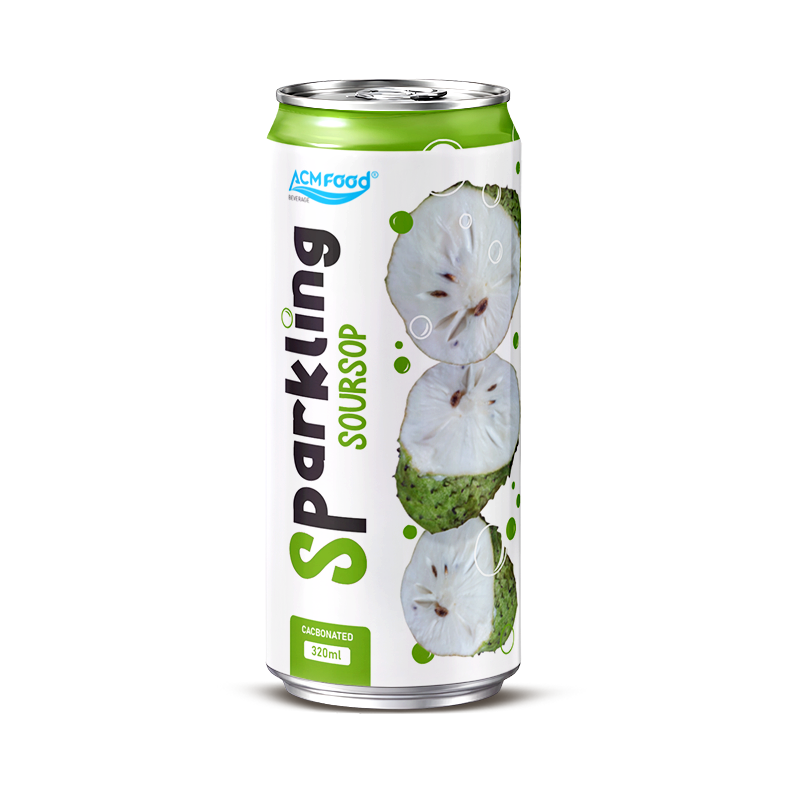
Category lines are dissolving. Adaptogen-infused drinks, herbal sparkling beverages and functional juices combine a familiar flavour with a functional claim and single-serve convenience, and they are moving from novelty to routine purchase. The winners will localise the flavour base while keeping the functional promise consistent across markets. Our fresh fruit juice range sits squarely in that convergence.
Personalisation at Scale
The next phase is mass personalisation: customised flavour, tailored nutrition profiles and connected experiences delivered at production volume. Interactive packaging and smart vending extend it past the point of sale. The commercial argument is retention, since personalised products raise repeat rate and lifetime value more reliably than discounting does.
Agile, Efficient Manufacturing
Automation and sustainability targets pull in the same direction: AI-controlled lines waste less material, less water and less energy. Just as important, shorter changeovers let a brand run smaller batches and respond to a trend inside a season instead of a planning cycle. In markets that move as fast as APAC does, that agility is the difference between catching a trend and documenting it.
Frequently Asked Questions
What are the biggest beverage market trends in APAC for 2026?
Four dominate: localisation of flavour and positioning, AI applied to both retail personalisation and factory operations, sustainability requirements that now affect retailer listings, and functional wellness drinks built on regionally trusted ingredients. Most successful launches combine at least three of the four rather than betting on one.
How much should a beverage brand localise for an APAC market?
At minimum, set sweetness level, flavour profile and pack size per market, along with the claim hierarchy on the label. Full localisation extends to price architecture, channel strategy and cultural storytelling. The cheapest mistake to avoid is shipping an unchanged formula and then treating weak sell-through as a marketing problem.
Is AI worth adopting for a mid-sized beverage brand?
Yes, but starting on the operations side usually pays back faster than on the consumer side. Demand forecasting, formulation consistency and quality inspection deliver measurable savings without a large data science team, whereas personalisation engines need real traffic volume before they justify their cost.
Does sustainable packaging actually affect sales in APAC?
It affects distribution before it affects consumers. Retailers and importers increasingly ask about recyclability, plastic reduction and sourcing traceability as part of listing decisions, so weak credentials can cost shelf access outright. Consumer preference then compounds the effect, particularly in Japan, South Korea, Australia and Singapore.
Which beverage formats are growing fastest in the region?
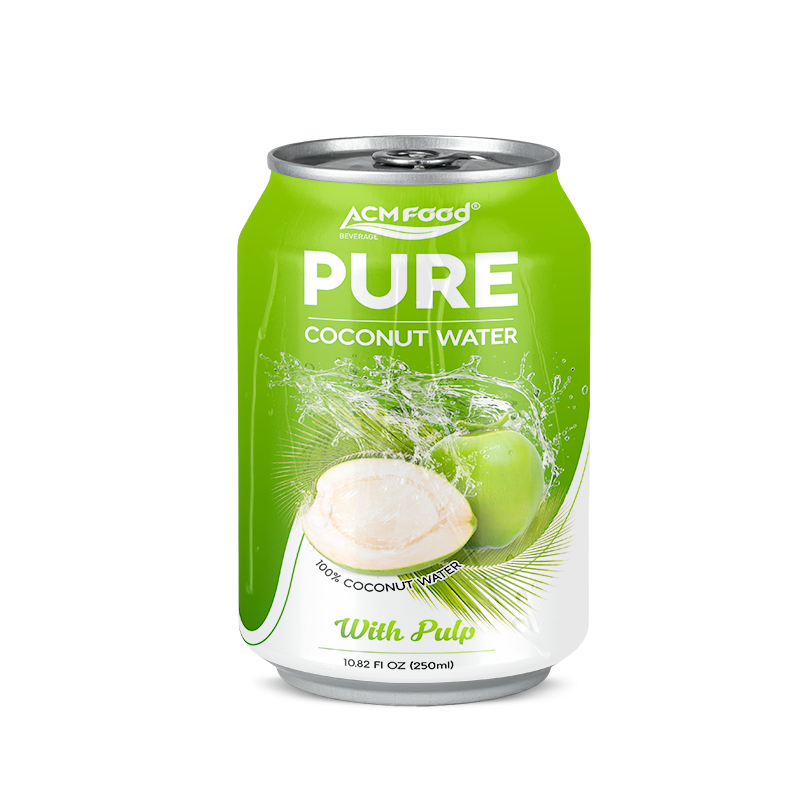
Single-serve shelf-stable formats keep growing because they suit convenience retail, warm climates and long distribution routes with no cold chain. Within that, not-from-concentrate juices, functional and botanical drinks, and lower-sugar reformulations of established favourites are expanding fastest.
Turning a trend into a product
For the categories, formats and ingredients the factory can actually run, see beverage product capabilities. For how a recipe moves into production, see contract beverage manufacturing; to launch under your own label, see private label beverages. To brief a concept, request a quote.
Request a quote