


 Français
 Español
 العربية
 한국어
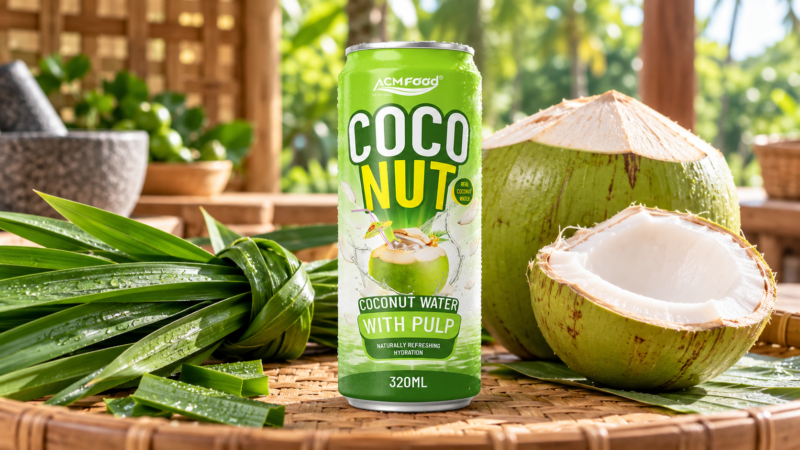
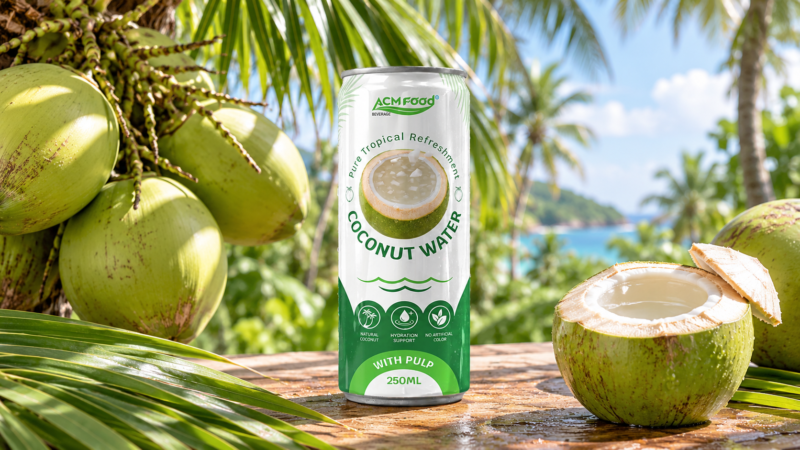
한국어Natural hydration drinks such as coconut water, plant waters and lightly flavoured waters are gaining share because consumers want electrolytes and hydration with fewer additives and less sugar. Coconut water, with about 250 mg of potassium per 100 ml, is the leading example of this shift.
Introduction: The global beverage landscape is undergoing a fundamental transformation, driven by an unprecedented consumer shift toward natural, functional hydration. This movement transcends traditional categories, merging wellness aspirations with everyday consumption. At its core lies a demand for transparency, authenticity, and inherent nutritional value, moving beyond artificially enhanced products to those deriving benefits from their natural composition. This analysis explores the market forces, innovation pathways, and strategic implications of this powerful trend, examining how it reshapes opportunities for brands, manufacturers, and distributors worldwide. The evolution toward natural hydration represents not merely a passing trend but a structural realignment of consumer values within the beverage industry.
The Rise of Natural Hydration and Its Market Imperative
Natural hydration beverages are transforming global consumer preferences. This shift moves beyond basic thirst quenching towards functional wellness. The market now demands purity and inherent nutritional value. Brands must adapt to this fundamental change in consumption patterns.
Electrolyte-rich natural drinks offer superior functional benefits. They provide essential minerals without artificial additives. This aligns perfectly with the clean label movement. Consequently, product development strategies are evolving rapidly.
Market Dynamics Driving the Natural Hydration Surge
Several key factors are fueling demand for natural hydration solutions. Health-conscious consumers seek transparent ingredient lists. They are moving away from artificially flavored and colored sports drinks. This creates a significant gap in the market for authentic alternatives.
Consumer Shift Towards Functional Wellness
Modern consumers view beverages as a delivery system for wellness. They prioritize products that offer hydration plus additional benefits. Natural sources of electrolytes, like coconut water, are highly valued. This trend is particularly strong among millennials and Gen Z demographics.
The post-pandemic focus on immunity supports this category growth. Consumers associate natural ingredients with stronger health outcomes. This perception drives premiumization within the hydration segment. Market data shows consistent double-digit growth in natural RTD beverages.
The Premiumization of Everyday Hydration
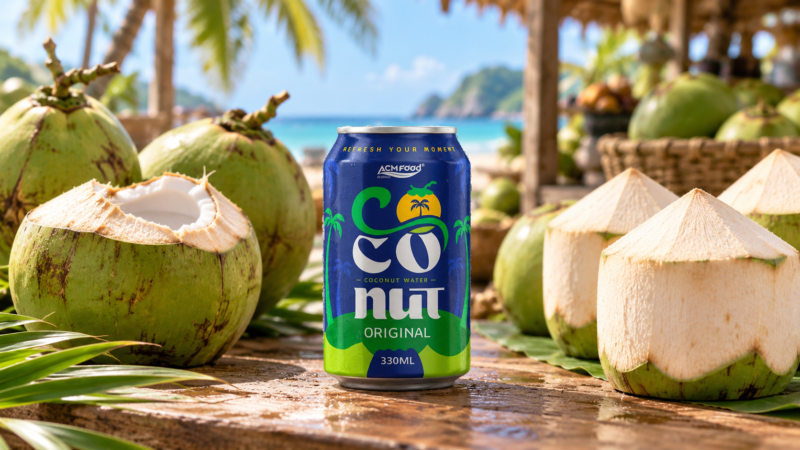
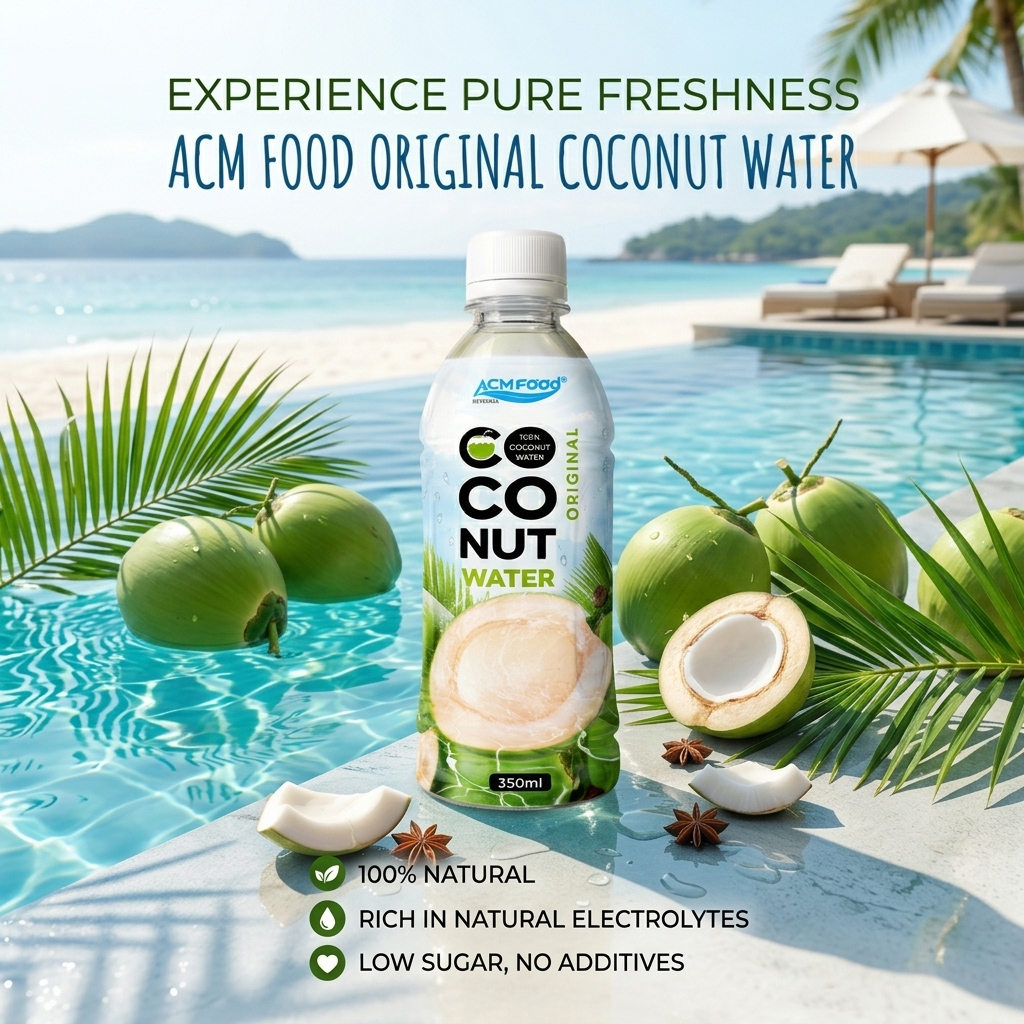
Hydration is no longer a commoditized need. Consumers are willing to pay more for enhanced natural products. Packaging, sourcing, and brand story all contribute to perceived value. The 350ml PET ACM Coconut Water Original exemplifies this shift towards accessible premiumization.
Single-serve convenient formats cater to on-the-go lifestyles. They make premium hydration an everyday luxury. This opens vast opportunities for brand development and private label programs.
Coconut Water as a Case Study in Natural Electrolyte Innovation
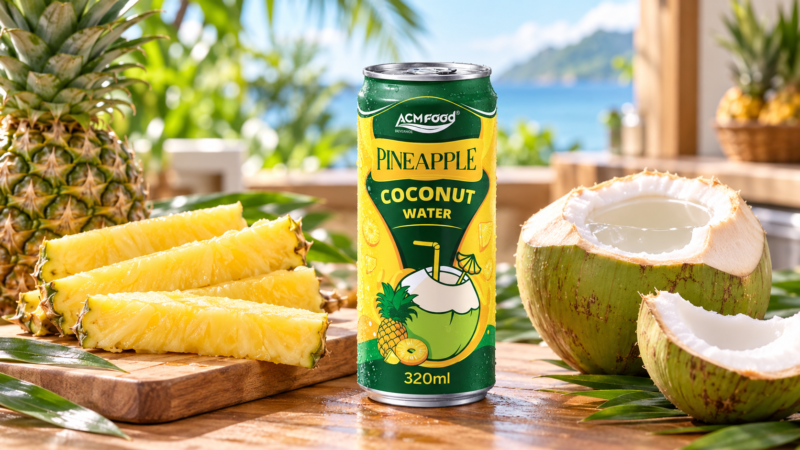
Coconut water stands as a paradigm for natural functional beverages. It contains five essential electrolytes: potassium, sodium, magnesium, calcium, and phosphorus. This natural composition requires minimal processing to become a market-ready product. It serves as an ideal base for fresh coconut water innovations and functional blends.
Inherent Functional Benefits and Formulation Advantages
The natural isotonic properties of coconut water are scientifically validated. It matches the electrolyte balance of human plasma more closely than many synthetic solutions. This makes it highly effective for rehydration. For manufacturers, this reduces dependency on complex additive systems.
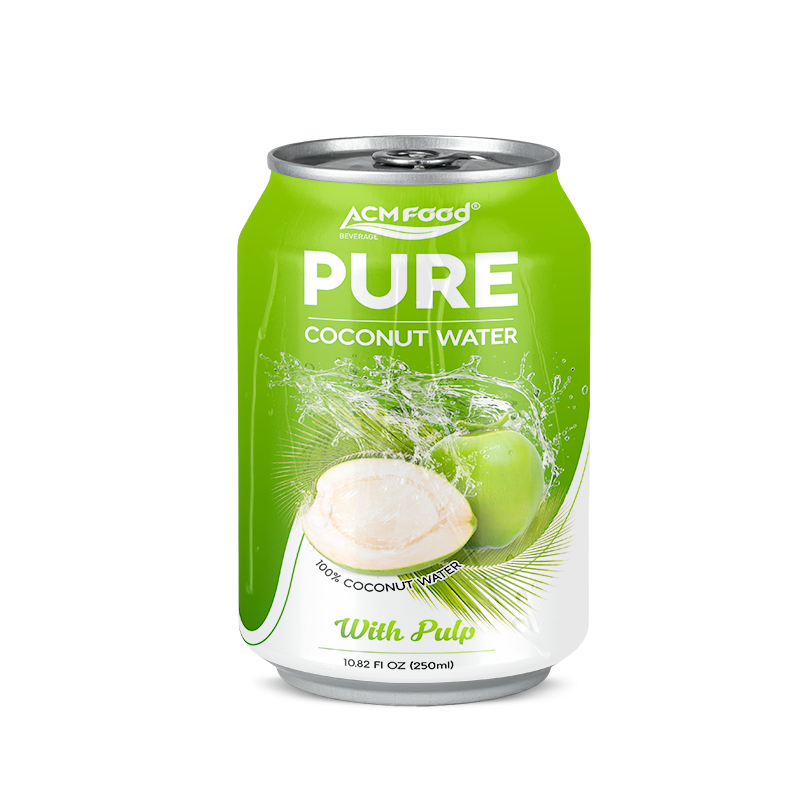
Formulating with a natural base like coconut water simplifies production. It appeals to consumers seeking minimal ingredient lists. The ACM coconut water product demonstrates this clean-label approach effectively. Its positioning capitalizes on the inherent wellness narrative of its core ingredient.
Supply Chain and Sourcing Considerations
Consistent quality in natural ingredients requires robust supply chains. Sourcing from regions like Vietnam offers advantages in freshness and cost. Strategic partnerships with local producers ensure year-round availability. This is critical for maintaining product consistency in global markets.
For B2B partners, evaluating a manufacturer’s supply chain integration is crucial. It directly impacts product stability and scalability. Companies with vertical integration from sourcing to bottling offer significant advantages. They can guarantee traceability and quality control throughout the process.
Strategic Implications for Beverage Industry Stakeholders
The natural hydration trend presents distinct opportunities across the value chain. Brand owners can differentiate through authentic ingredient stories. Distributors can expand portfolios with higher-margin functional products. Manufacturers must adapt production capabilities to meet evolving specifications.
OEM and Private Label Opportunities in Natural RTD
The growth of natural hydration creates ideal conditions for OEM expansion. Brands seek manufacturing partners with expertise in natural ingredient preservation. Flexibility in minimum order quantities allows for market testing and niche launches. This is particularly valuable for entering the competitive milk drink and alternative beverage segments.
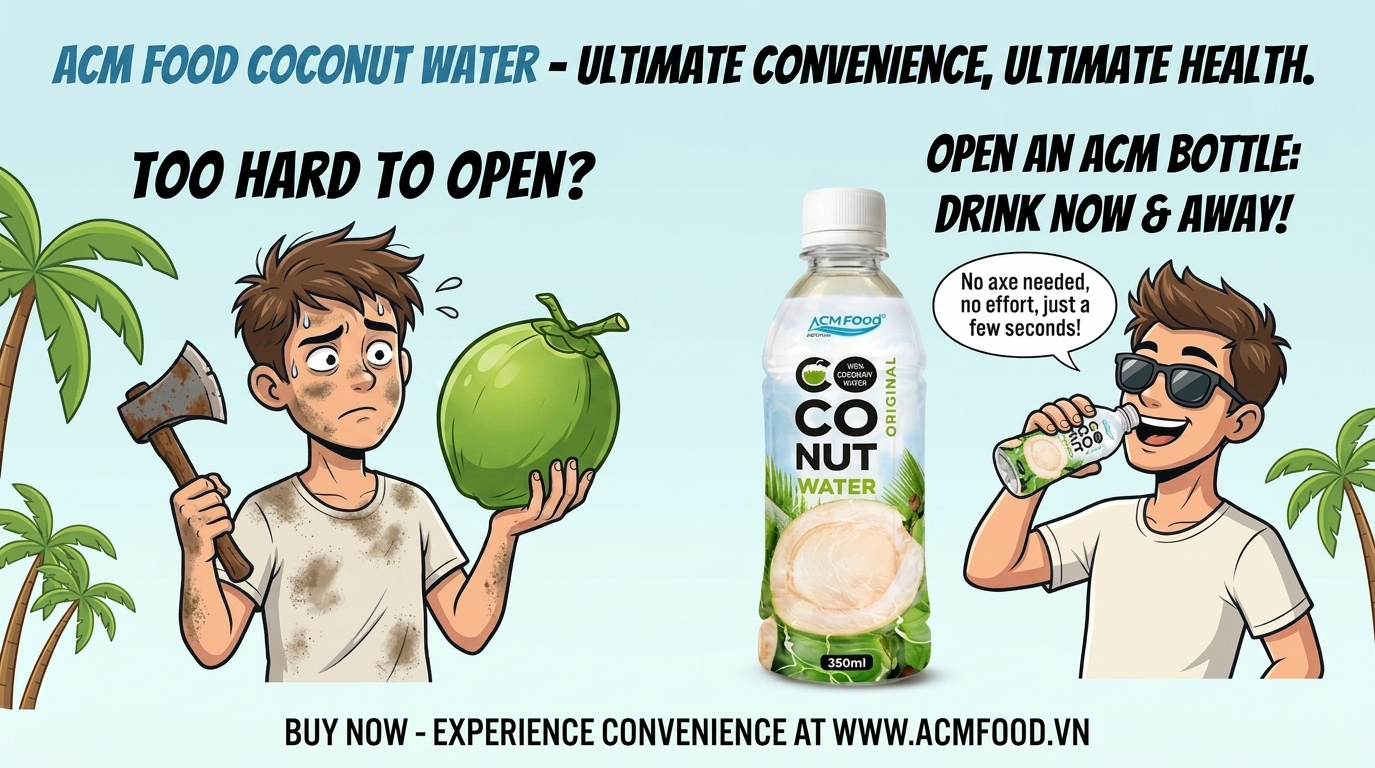
For distributors looking to capitalize on wellness trends, partnering with agile OEM providers is essential. The ability to customize formulations while maintaining natural integrity offers competitive advantage. The original coconut water format provides a versatile platform for flavor extensions and functional enhancements.
Global Market Expansion and Export Potential
Natural hydration products have strong export potential to developed markets. North America and Europe show sustained demand for clean-label beverages. The Middle East represents a growing market for premium hydration products. Asia-Pacific continues to lead in consumption growth and innovation adoption.
Regulatory alignment is crucial for successful market entry. Natural products often face fewer regulatory hurdles than artificially fortified beverages. This simplifies the export process for manufacturers in Southeast Asia. Strategic focus on markets with favorable import regulations can accelerate international growth.
What will shape natural hydration next?
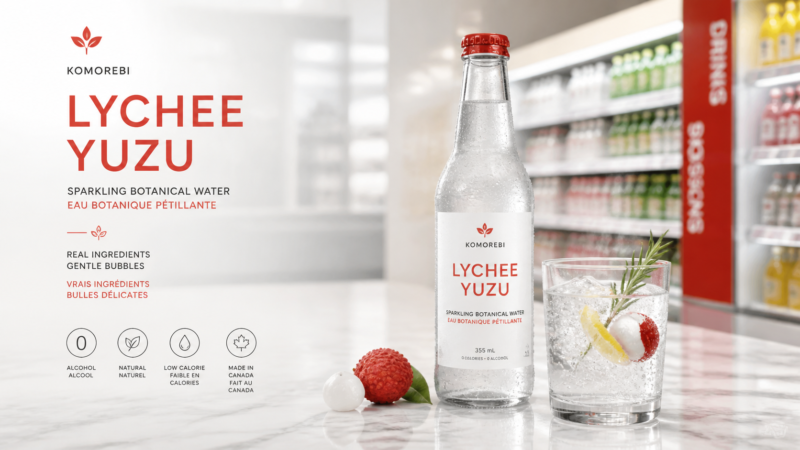
Natural hydration is starting to overlap with other wellness themes, such as gut health, relaxation and focus. New launches increasingly combine hydration with botanical ingredients, which also raises the need for careful claim review in each market.
Manufacturing technology must advance to preserve delicate natural compounds. Non-thermal processing methods like HPP (High Pressure Processing) are gaining traction. They extend shelf life while maintaining nutritional integrity. Investment in such technologies will separate market leaders from followers.
Future Outlook and Projected Market Evolution
The natural hydration segment will continue its robust growth trajectory. Expect to see increased segmentation within the category. Products will target specific consumer needs: athletic recovery, daily wellness, and mental focus. Ingredient transparency will become non-negotiable for brand credibility.
Circular economy principles will influence packaging and sourcing. Brands using sustainable packaging for natural products will gain consumer preference. Carbon-neutral sourcing and production will become competitive differentiators. The entire value chain will face pressure to demonstrate environmental stewardship.
Technological integration will enhance the consumer experience. Smart packaging that verifies freshness and authenticity may emerge. Blockchain for supply chain transparency could become standard for premium natural brands. These innovations will further justify price premiums in the hydration market.
FAQ
What defines a “natural hydration” beverage in today’s market?
A natural hydration beverage is characterized by its reliance on inherent, minimally processed ingredients to provide fluid and electrolyte replenishment. Unlike traditional sports drinks with artificial additives, these products derive their functional benefits from whole food sources like coconut water, maple water, or mineral-rich spring water. The clean label movement has made ingredient transparency a core requirement for this category.
Which consumer demographics are driving demand for natural electrolyte drinks?
Primary demand comes from health-conscious millennials and Gen Z consumers, followed by active adults aged 35-55. These groups prioritize ingredient quality over marketing claims and are willing to pay premiums for authentic, functional products. The trend is particularly strong in urban centers and among consumers with higher education levels, who often research nutritional benefits before purchasing.
What are the key formulation challenges in producing natural RTD hydration products?
Maintaining stability and shelf life without artificial preservatives presents the greatest challenge. Natural ingredients can be sensitive to heat, light, and oxidation. Achieving consistent flavor and nutritional content across batches requires sophisticated quality control. Manufacturers must balance minimal processing with product safety, often employing advanced techniques like aseptic filling or high-pressure processing.
How can OEM manufacturing support brand innovation in the natural beverage space?
OEM partners provide the technical expertise and production scalability that many brands lack. They enable rapid prototyping of new formulations, allowing brands to test market response with lower risk. Flexible minimum order quantities make it feasible to launch niche products. For companies exploring products like the ACM coconut water, an OEM partner can handle everything from recipe development to regulatory compliance for target markets.
Which international markets show the strongest growth potential for natural hydration exports?
The United States remains the largest market, with particularly strong demand on the West Coast and in major metropolitan areas. Germany and the United Kingdom lead European adoption, driven by robust health and wellness trends. In Asia, South Korea and Singapore show exceptional growth rates for premium natural beverages. The Middle East, especially the UAE, represents an emerging high-value market for imported natural hydration products.
What packaging innovations best support the quality and positioning of natural hydration beverages?
Sustainable materials that protect against light and oxygen are paramount. Tetra Pak cartons with barrier layers preserve freshness for sensitive natural products. Lightweight PET bottles with UV protection offer convenience and recyclability. For premium positioning, glass remains popular despite its weight. Smart packaging that communicates product authenticity and sourcing story is becoming increasingly important for brand differentiation.
Turning a trend into a product
For the categories, formats and ingredients the factory can actually run, see beverage product capabilities. For how contract production is structured, see OEM beverage manufacturing; to launch under your own label, see private label beverages. To brief a concept, request a quote.
Request a quote