



 Français
 Español
 العربية
 한국어
한국어Coconut water benefits include natural hydration, essential electrolytes, and fewer calories than many sugar-sweetened beverages. Naturally found inside young green coconuts, coconut water has become one of the world’s most popular plant-based drinks thanks to its refreshing taste and simple nutritional profile. Whether enjoyed after light exercise, during hot weather, or as an everyday beverage, it offers a convenient way to increase fluid intake while naturally providing potassium and other electrolytes.
As interest in healthier beverage choices continues to grow, many consumers ask the same questions: Is coconut water healthy? Does it hydrate better than water? Is it a good alternative to sports drinks? What does scientific research actually say about its health benefits?
This evidence-based guide answers those questions by explaining the nutritional composition of coconut water, reviewing current scientific evidence, comparing it with other popular beverages, and addressing the questions consumers search for most often. The information is intended for educational purposes only and should not be considered medical advice.
If you’re looking for a broader introduction—including how coconut water is harvested, processed, packaged, and the different commercial product types—visit our complete coconut water guide.
Quick Facts About Coconut Water
| Fact | Information |
|---|---|
| Source | Naturally occurring liquid inside young green coconuts. |
| Calories (240 ml) | Typically 40–60 kcal. |
| Main Nutrients | Water, natural carbohydrates, potassium, sodium, magnesium, and calcium. |
| Fat | Naturally fat-free. |
| Added Sugar | None in 100% pure coconut water. |
| Best For | Everyday hydration and light to moderate physical activity. |
What Is Coconut Water?
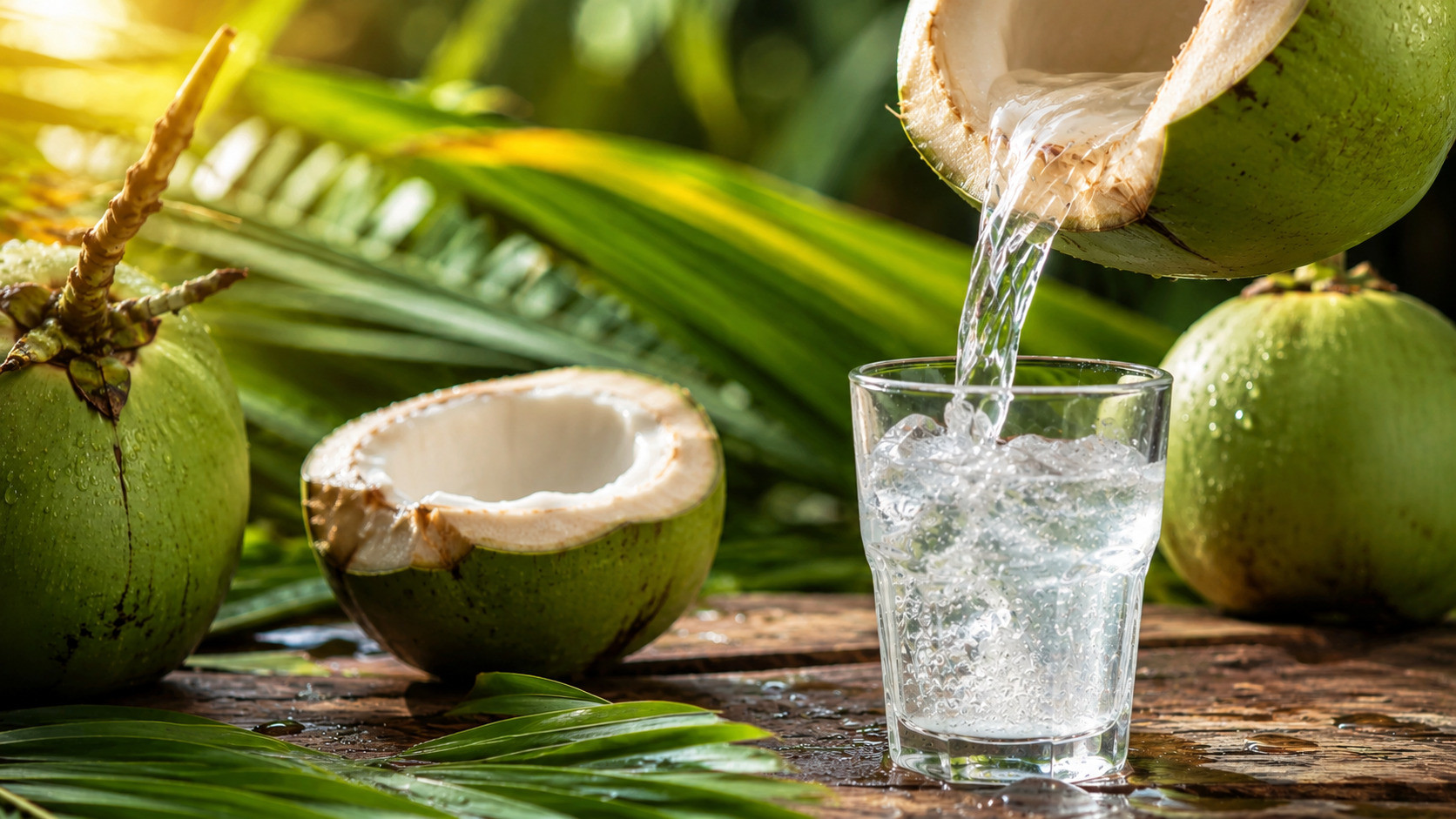
Coconut water is the naturally occurring clear liquid found inside young green coconuts. It is composed of more than 90% water and naturally contains electrolytes such as potassium, sodium, magnesium, and calcium, along with small amounts of carbohydrates. These nutrients contribute to its reputation as a refreshing hydration beverage.
Unlike coconut milk, which is made from coconut flesh, 100% coconut water contains no added sugar in its pure form. This article focuses on its nutritional value and potential health benefits. If you’d like to learn about coconut water production, processing, packaging, and product types, visit our complete coconut water guide.
Nutrition Facts of Coconut Water
Coconut water is valued for its naturally simple nutritional profile. More than 90% of its composition is water, while the remaining portion contains naturally occurring carbohydrates, electrolytes, and small amounts of essential minerals. It is naturally fat-free, cholesterol-free, and contains no added sugar when labeled as 100% coconut water.
A typical serving of 240 ml (8 fl oz) provides moderate calories together with potassium, sodium, magnesium, and calcium, making coconut water a refreshing beverage for everyday hydration. Because coconut water is a natural agricultural product, nutrient levels may vary depending on coconut variety, maturity, growing conditions, and processing methods.
Quick AnswerPure coconut water is naturally low in calories, contains virtually no fat, and provides electrolytes such as potassium, sodium, magnesium, and calcium. Unlike many sweetened beverages, the sugars in 100% coconut water occur naturally inside the fruit rather than being added during production.
| Nutrient | Typical Amount (240 ml) | Health Significance |
|---|---|---|
| Calories | 40–60 kcal | Lower in calories than many soft drinks and sweetened beverages. |
| Carbohydrates | 8–15 g | Provide naturally occurring energy. |
| Natural Sugars | 6–12 g | Naturally present in young coconuts; no added sugar in pure coconut water. |
| Protein | <1 g | Present only in trace amounts. |
| Total Fat | 0 g | Naturally fat-free. |
| Potassium | 400–600 mg | Essential electrolyte; the main mineral in coconut water |
| Sodium | 30–250 mg | Helps maintain normal hydration and electrolyte balance. |
| Magnesium | 10–25 mg | Essential mineral, present in small amounts |
| Calcium | 20–40 mg | Essential mineral, present in small amounts |
Keep in mind: Nutrition Facts labels on individual products are the most reliable source of product-specific information. The nutritional composition of coconut water can vary naturally depending on factors such as coconut variety, maturity, processing methods, and whether the product is fresh, NFC (Not From Concentrate), concentrate-based, or flavored. As a result, calorie, natural sugar, sodium, and electrolyte levels may differ between products.
Why Coconut Water Is Naturally Hydrating
One of the most widely recognized coconut water benefits is its ability to support everyday hydration. Because it is naturally composed of more than 90% water and contains electrolytes such as potassium, sodium, magnesium, and calcium, coconut water can contribute to daily fluid intake while helping maintain normal fluid balance.
Hydration involves replacing both fluids and the electrolytes naturally lost through perspiration and everyday activities. While plain water remains the foundation of healthy hydration, coconut water offers a refreshing alternative by naturally supplying these essential minerals that the body uses for fluid balance.
According to guidance from the CDC, drinking enough fluids throughout the day is essential for maintaining normal body function. 100% coconut water can be one convenient beverage choice for increasing fluid intake, particularly for people seeking an alternative to sugar-sweetened drinks.
Unlike many formulated electrolyte beverages, the minerals found in 100% coconut water occur naturally rather than being added during manufacturing. However, the exact electrolyte profile varies depending on the coconut variety, growing conditions, harvest maturity, and processing methods.
| Electrolyte | Role in the Body |
|---|---|
| Potassium | Most abundant electrolyte in coconut water |
| Sodium | Helps regulate hydration and maintain normal fluid balance. |
| Magnesium | Essential mineral, present in small amounts |
| Calcium | Contributes to muscle contraction and healthy bones. |
The exact electrolyte content varies naturally depending on coconut variety, growing conditions, harvest maturity, and processing methods. For this reason, coconut water should be viewed as a naturally hydrating beverage rather than a standardized medical rehydration solution.
Does Coconut Water Hydrate Better Than Water?
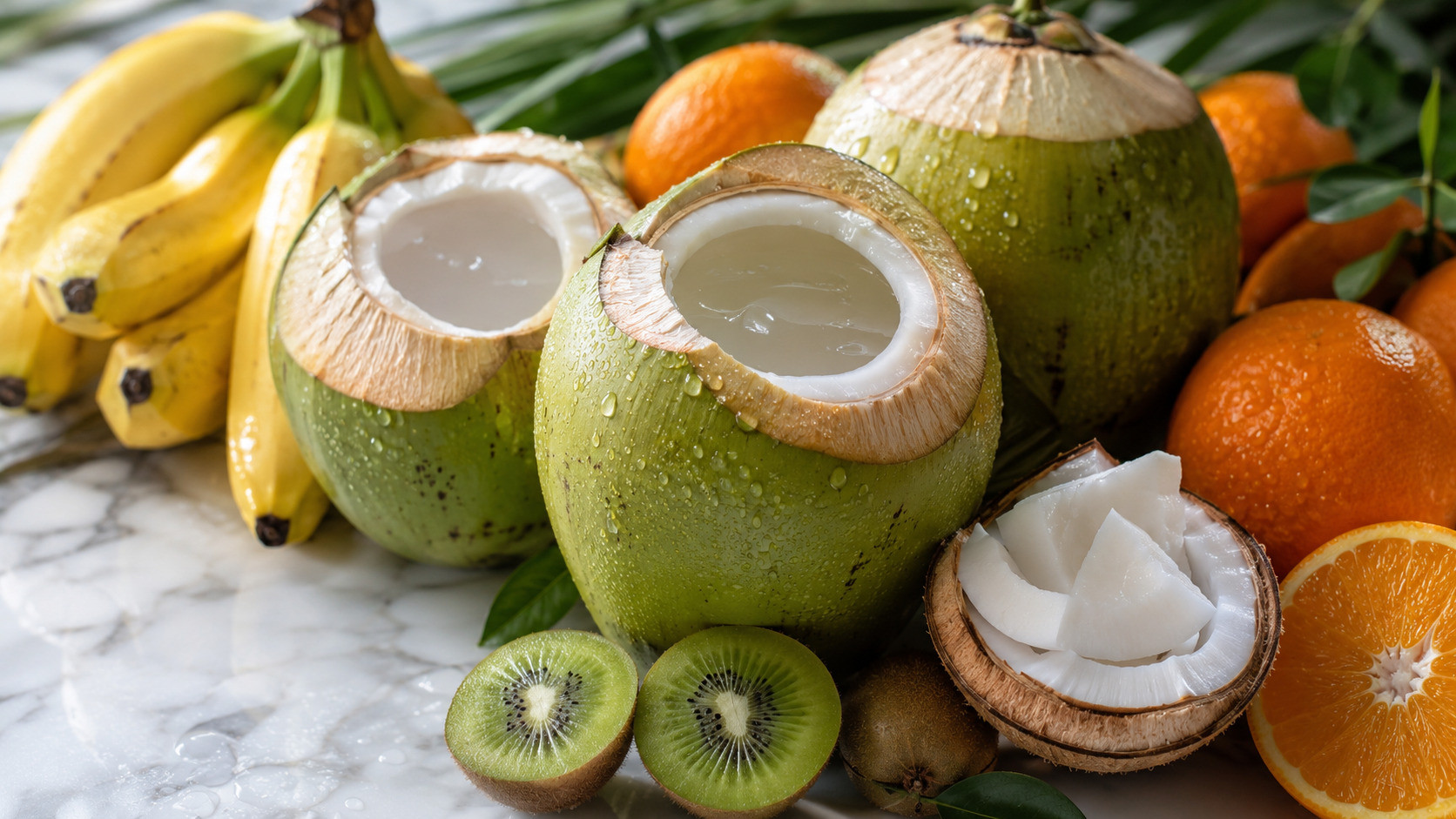
For most healthy adults, plain water remains the foundation of daily hydration. Coconut water also contributes to fluid intake while naturally providing electrolytes that plain drinking water contains only in very small amounts.
Many people enjoy coconut water after walking, hiking, cycling, yoga, or spending time outdoors because it combines hydration with a light, naturally refreshing taste. During prolonged endurance events involving heavy sweat loss, specially formulated sports drinks generally provide higher sodium levels that may better support rehydration.
Quick AnswerCoconut water is an excellent beverage for everyday hydration and light to moderate physical activity. It complements regular water by naturally providing electrolytes, but it should not be considered a replacement for plain drinking water.
Science-Backed Coconut Water Benefits
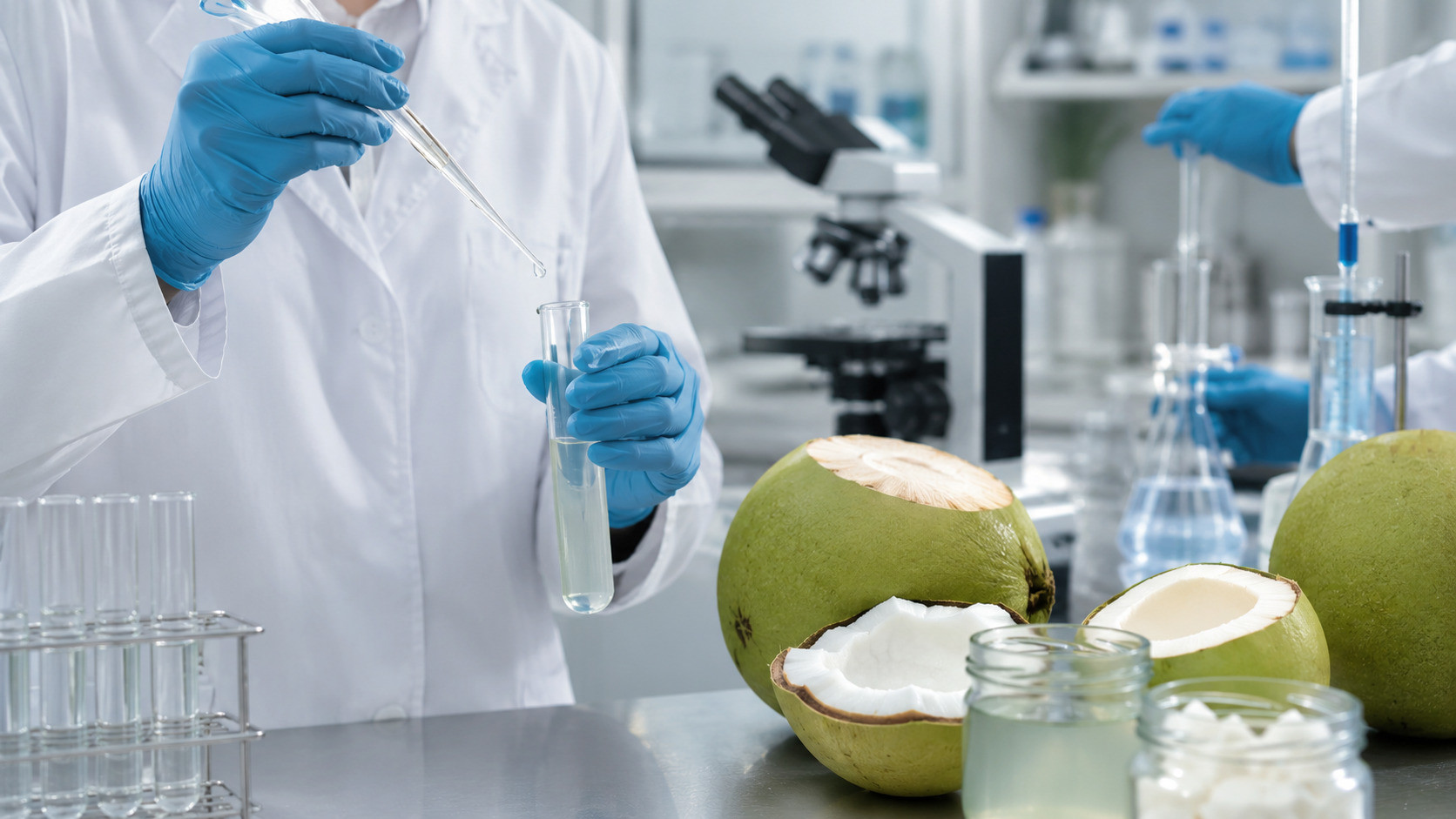
Coconut water is often promoted as a “super drink,” but current scientific evidence paints a more balanced picture. Most of its health benefits are linked to its high water content, naturally occurring electrolytes, and relatively low calorie content—not to unique medicinal properties.
Research supports coconut water as a nutritious beverage that can contribute to hydration and healthy beverage choices. At the same time, there is insufficient evidence to support claims that it can cure diseases, detoxify the body, or dramatically improve athletic performance.
Evidence at a Glance
| Claim | Current Evidence |
|---|---|
| Supports hydration | Strong |
| Provides natural electrolytes | Strong |
| Lower-calorie alternative to many sugary drinks | Strong |
| Supports recovery after light to moderate exercise | Moderate |
| Provides antioxidant compounds | Emerging |
| Treats disease or detoxifies the body | No reliable clinical evidence |
Bottom line: Current scientific evidence strongly supports coconut water as a naturally hydrating beverage and a source of electrolytes. Evidence supporting disease prevention, detoxification, or significant performance enhancement remains limited, so coconut water should be viewed as part of a balanced diet rather than a medical therapy.
1. Supports Everyday Hydration
The primary benefit of coconut water is simple—it helps people stay hydrated. Since it is naturally composed of more than 90% water, every serving contributes to daily fluid intake while supplying electrolytes.
Adequate hydration plays an important role in regulating body temperature, transporting nutrients, supporting circulation, digestion, and maintaining cognitive and physical performance. Coconut water offers a refreshing alternative for people who prefer more variety than plain water alone.
2. Naturally Replenishes Electrolytes
Electrolytes are minerals that help regulate fluid balance, nerve signaling, and muscle contraction. Coconut water naturally contains potassium, sodium, magnesium, and calcium, making it a practical beverage for replacing the small amounts of electrolytes lost through everyday activities and perspiration.
3. Rich in Naturally Occurring Potassium
Potassium is one of the most abundant minerals found in coconut water. It is an essential mineral found in many fruits and vegetables.
Because many adults consume less potassium than recommended, coconut water can help increase dietary potassium intake when enjoyed alongside fruits, vegetables, legumes, and other potassium-rich foods.
4. Lower in Calories Than Many Sweetened Beverages
Unsweetened coconut water generally contains fewer calories than carbonated soft drinks, sweetened fruit drinks, and many ready-to-drink beverages, making it a lighter alternative for people looking to reduce added sugar intake.
| Beverage | Typical Calories (240 ml) |
|---|---|
| 100% Coconut Water | 40–60 kcal |
| Sports Drink | 50–80 kcal |
| Carbonated Soft Drink | 90–110 kcal |
| Sweetened Fruit Drink | 90–130 kcal |
5. Naturally Fat-Free and Cholesterol-Free
Pure coconut water naturally contains virtually no fat or cholesterol. This distinguishes it from coconut milk, which is made from coconut flesh and has a much higher fat content.
6. Contains Naturally Occurring Antioxidant Compounds
Coconut water contains naturally occurring plant compounds with antioxidant activity. Current research suggests these compounds may help protect cells from oxidative stress as part of a balanced diet, although more high-quality human studies are needed to confirm their long-term health effects.
7. A Refreshing Choice After Light to Moderate Exercise
Evidence published in peer-reviewed studies available through PubMed suggests that coconut water can effectively support rehydration after light to moderate exercise. However, during prolonged endurance exercise with heavy sweat loss, sports drinks generally provide higher sodium levels that may better support rapid electrolyte replacement.
Key TakeawayScientific evidence supports coconut water as a naturally hydrating beverage that provides electrolytes and fewer calories than many sugar-sweetened drinks. Its greatest strengths are hydration, electrolyte intake, and serving as a healthier beverage choice—not acting as a medical treatment or miracle health drink.
Coconut Water Compared with Other Popular Beverages
Many people compare coconut water with sports drinks, plain water, coconut milk, and fruit juice before deciding which beverage best suits their lifestyle. Rather than asking which one is universally “better,” it is more helpful to understand the purpose, nutritional profile, and ideal use of each option.
Coconut Water vs Sports Drinks
Although both beverages are associated with hydration, they are designed for different situations. Coconut water naturally contains electrolytes, while sports drinks are specifically formulated to replace water, sodium, and carbohydrates lost during prolonged or high-intensity exercise.
| Feature | Coconut Water | Sports Drinks |
|---|---|---|
| Electrolytes | Naturally occurring | Added during formulation |
| Sugar | Naturally occurring | Often includes added sugar |
| Calories | Usually lower | Usually higher |
| Artificial Colors | Typically none | May contain |
| Best For | Daily hydration and moderate activity | Prolonged endurance exercise |
Quick AnswerCoconut water is an excellent choice for everyday hydration and light to moderate exercise. Sports drinks are generally more appropriate for prolonged, high-intensity activities where greater sodium and carbohydrate replacement is needed.
Coconut Water vs Plain Water
Plain water remains the most important source of daily hydration because it contains no calories or sugar. Coconut water should be viewed as a complementary beverage that adds variety while naturally providing electrolytes.
| Feature | Plain Water | Coconut Water |
|---|---|---|
| Calories | 0 | 40–60 kcal |
| Electrolytes | Minimal | Naturally present |
| Flavor | Neutral | Light and naturally sweet |
| Everyday Hydration | Excellent | Excellent |
For most healthy adults, drinking plenty of water throughout the day while occasionally enjoying coconut water is a practical approach to maintaining healthy hydration.
Coconut Water vs Coconut Milk
Despite their similar names, coconut water and coconut milk are completely different products. Coconut water is the naturally occurring liquid inside young coconuts, while coconut milk is produced by blending coconut flesh with water.
| Feature | Coconut Water | Coconut Milk |
|---|---|---|
| Source | Natural liquid inside young coconuts | Made from coconut flesh |
| Calories | Low | Much higher |
| Fat | Virtually none | High |
| Main Nutrients | Water and electrolytes | Fat and calories |
| Typical Use | Ready-to-drink beverage | Cooking and baking |
If you would like to learn more about coconut water production, processing, packaging, and product types, visit our complete coconut water guide.
Coconut Water vs Fruit Juice
Fruit juice is valued for its vitamins and fruit flavors, while coconut water is appreciated for hydration and naturally occurring electrolytes. Both can be part of a balanced diet, but they serve different nutritional purposes.
| Feature | Coconut Water | Fruit Juice |
|---|---|---|
| Main Nutrients | Electrolytes | Vitamins and natural fruit sugars |
| Calories | Usually lower | Often higher |
| Hydration | Excellent | Good |
| Potassium | Often higher | Varies by fruit |
Comparison Summary
- Choose plain water for routine daily hydration.
- Choose coconut water when you want natural electrolytes together with light refreshment.
- Choose sports drinks during prolonged endurance exercise.
- Choose fruit juice primarily for vitamins and flavor rather than hydration.
Common Myths About Coconut Water
Myth 1: Coconut Water Is Better Than Plain Water
Reality: Plain water remains the foundation of healthy hydration. Coconut water complements daily water intake by naturally providing electrolytes, but it should not replace water completely.
Myth 2: Coconut Water Contains No Sugar
Reality: Pure coconut water naturally contains sugars that develop as the coconut grows. Products labeled 100% Coconut Water contain naturally occurring sugars rather than added sugar.
Myth 3: Coconut Water Is a Miracle Health Drink
Reality: Current scientific evidence supports coconut water as a nutritious hydration beverage, but there is no reliable clinical evidence that it can cure diseases, detoxify the body, or replace medical treatment.
Myth 4: More Coconut Water Is Always Better
Reality: Like any food or beverage, coconut water is best enjoyed in moderation as part of a varied and balanced diet.
Who May Benefit from Drinking Coconut Water?
Coconut water can be enjoyed by most healthy adults as part of a balanced diet. While it is often associated with sports and fitness, its nutritional profile makes it suitable for a wide range of lifestyles. The greatest benefits come from supporting daily hydration rather than providing medicinal effects.
People Living in Hot or Humid Climates
Warm weather increases fluid loss through perspiration. Coconut water offers a refreshing way to replace fluids while naturally providing electrolytes, making it a popular choice during hot summer days or outdoor activities.
People with Active Lifestyles
Walking, hiking, cycling, yoga, recreational sports, and other moderate activities all increase the body’s need for fluids. Coconut water can help replenish everyday fluid losses while supplying naturally occurring potassium and other electrolytes.
People Looking for Alternatives to Sugary Drinks
Replacing sugar-sweetened soft drinks with 100% coconut water may help reduce added sugar intake while providing a naturally refreshing beverage with fewer calories.
Older Adults
As people age, maintaining adequate hydration becomes increasingly important. Coconut water can provide another enjoyable beverage option, although individuals with kidney disease or potassium-restricted diets should seek medical advice before drinking it regularly.
Key TakeawayFor most healthy adults, coconut water can be part of a balanced diet and healthy lifestyle. Its greatest nutritional value lies in supporting hydration and providing naturally occurring electrolytes.
When Is the Best Time to Drink Coconut Water?
There is no medically recommended “best” time to drink coconut water. It can be enjoyed whenever it helps increase daily fluid intake or replace fluids lost during normal activities.
| When | Why People Choose Coconut Water |
|---|---|
| Morning | Refreshing way to begin daily hydration. |
| Before Exercise | Supports fluid intake before activity. |
| After Exercise | Helps replace fluids after light to moderate exercise. |
| During Hot Weather | Provides refreshing hydration throughout the day. |
| As an Everyday Beverage | An alternative to many sugar-sweetened drinks. |
Can You Drink Coconut Water Every Day?
Yes. Most healthy adults can enjoy coconut water daily in moderation as part of a balanced diet. Choosing products labeled 100% Coconut Water without added sugar is generally the preferred option.
Like any beverage, coconut water should complement regular water intake rather than replace it completely.
How Much Coconut Water Should You Drink?
There is no universally recommended daily intake for coconut water. The appropriate amount depends on individual hydration needs, activity level, climate, and overall dietary habits.
| Situation | General Guidance |
|---|---|
| Everyday Refreshment | Enjoy in moderation as part of a balanced diet. |
| After Moderate Exercise | Useful for replacing everyday fluid loss. |
| Hot Weather | Can complement normal water intake. |
| Medical Conditions | Follow advice from qualified healthcare professionals. |
Who Should Limit Coconut Water?
Although coconut water is suitable for most healthy people, some individuals should be more cautious because of its naturally occurring potassium content.
People with Kidney Disease
People with impaired kidney function may need to limit potassium intake. Regular consumption of coconut water should only be considered after consulting a healthcare professional.
People Following Potassium-Restricted Diets
Anyone advised to reduce dietary potassium should review beverage choices with their doctor or registered dietitian.
People Managing Medical Conditions
Individuals taking medications or following medically prescribed diets should seek professional medical advice before making significant dietary changes.
Medical DisclaimerThis article provides general nutrition information only. It is not intended to diagnose, treat, cure, or prevent any disease. Individual nutritional needs vary, and healthcare professionals should always be consulted for personalized advice.
Frequently Asked Questions
1. Is coconut water healthy?
For most healthy adults, yes. Unsweetened coconut water naturally provides water together with electrolytes such as potassium, magnesium, sodium, and calcium while containing fewer calories than many sugar-sweetened beverages.
2. Does coconut water hydrate better than water?
Plain water remains the primary source of hydration. Coconut water complements water by naturally providing electrolytes, making it a refreshing choice for everyday hydration.
3. Can I drink coconut water every day?
Most healthy adults can enjoy coconut water daily in moderation, especially products labeled **100% Coconut Water** without added sugar.
4. Is coconut water better than sports drinks?
Not necessarily. Coconut water works well for everyday hydration and light to moderate exercise, while sports drinks are generally better suited to prolonged endurance activities that require greater sodium replacement.
5. Does coconut water contain sugar?
Yes. Pure coconut water naturally contains sugars that develop inside the coconut during growth. These are naturally occurring sugars rather than added sugars.
6. Can coconut water help after exercise?
Yes. Coconut water can help replace fluids after walking, hiking, cycling, yoga, or other moderate activities. For long-duration endurance sports, specialized sports drinks may be more appropriate.
7. Is coconut water good for weight management?
Coconut water generally contains fewer calories than many soft drinks, making it a practical alternative for people looking to reduce added sugar intake. However, no single beverage causes weight loss.
9. Can children drink coconut water?
Yes. Children can generally enjoy coconut water in moderation as part of a balanced diet. Products without added sugar are usually the preferred choice.
10. Why does coconut water sometimes turn pink?
A light pink color is usually caused by the natural oxidation of plant compounds after processing. This change is generally harmless when the product has been properly processed and stored.
Key Takeaways
- Coconut water naturally supports hydration by providing water together with essential electrolytes.
- Its strongest scientifically supported benefits relate to hydration, electrolyte intake, and serving as a lower-calorie alternative to many sugary beverages.
- Plain water remains the foundation of healthy hydration, while coconut water is best viewed as a complementary beverage.
- Choosing 100% coconut water without added sugar helps maintain its naturally simple nutritional profile.
- People with kidney disease or potassium-restricted diets should seek medical advice before drinking coconut water regularly.
- Current scientific evidence supports coconut water as a nutritious beverage—not as a cure or treatment for disease.
Final Thoughts
Coconut water has become popular because it combines refreshing taste with naturally occurring electrolytes in a simple beverage. Current research supports its role in everyday hydration and as a healthier alternative to many sugar-sweetened drinks, particularly when consumed as part of a balanced diet.
To enjoy the greatest benefits, choose 100% coconut water with no added sugar, drink it in moderation, and remember that no single beverage can replace a healthy lifestyle built on balanced nutrition, regular physical activity, and adequate water intake.
Continue Exploring Coconut Water
- Complete Guide to Coconut Water
- Fresh Coconut Water
- Coconut Water Manufacturer
- How to Choose a Coconut Water Supplier
Scientific References
The information in this article is based on general nutrition research and publicly available scientific resources. Coconut water is considered a nutritious beverage, but individual nutritional needs vary depending on health status, diet, and lifestyle.
- USDA FoodData Central — Nutritional composition data for foods and beverages.
- CDC – Water and Healthier Drinks — Guidance on hydration and healthier beverage choices.
- World Health Organization (WHO) — General information on nutrition and healthy lifestyle practices.
- Is Coconut Water Effective for Hydration? (Peer-reviewed study) — Research comparing coconut water and other hydration beverages.
- Comparison of Coconut Water and Sports Drinks for Rehydration (Peer-reviewed study) — Study evaluating coconut water as a rehydration beverage.
- PubMed Database — Additional peer-reviewed scientific research related to coconut water and nutrition.
Final NoteCoconut water is best understood as a naturally refreshing beverage that supports hydration and provides essential electrolytes. While scientific evidence supports several nutritional advantages, it should be enjoyed as part of an overall healthy lifestyle rather than viewed as a replacement for balanced nutrition or medical care.
For beverage businesses
Sourcing coconut water rather than drinking it? See beverage product capabilities for the formats and processes we run, and private label beverage manufacturing for launching under your own brand.
For Beverage Importers and Brands
If you’re evaluating pure coconut water as a product to source or private-label rather than drink, see our companion guide: pure coconut water benefits for importers & private label brands — sourcing checklist, RTD formats, and SKU strategy.