


 Français
 Español
 العربية
 한국어
한국어The best juice brands in the world in 2026 are Tropicana, Innocent Drinks, Ceres, ACMFOOD, Simply Orange, Ocean Spray, Welch’s, Suja Organic, Evolution Fresh and Del Monte. Each leads a different category, from not-from-concentrate orange juice and cranberry drinks to organic cold-pressed juice and private label manufacturing.
There is no single best juice brand for every buyer. A shopper usually compares taste, fruit content and added sugar, while an importer or retailer compares food safety certification, packaging options and supply reliability. This guide ranks the ten brands against the same criteria and explains which one fits which need.
What are the 10 best juice brands in the world?
The ten brands below were selected because each is a recognised reference point in its category, based on publicly available company information about product range, processing method and market reach.
| # | Brand | Country | Best known for | Best for |
|---|---|---|---|---|
| 1 | Tropicana | USA | Orange juice | Premium chilled orange juice |
| 2 | Innocent Drinks | UK | Smoothies and juice | Clean-label smoothies |
| 3 | Ceres | South Africa | Tropical juice blends | Tropical fruit flavours |
| 4 | ACMFOOD | Vietnam | OEM and private label juice, coconut water | Brands launching their own line |
| 5 | Simply Orange | USA | NFC orange juice | Everyday chilled juice |
| 6 | Ocean Spray | USA | Cranberry juice | Cranberry drinks |
| 7 | Welch’s | USA | Concord grape juice | Grape juice |
| 8 | Suja Organic | USA | Organic cold-pressed juice | Organic and functional juice |
| 9 | Evolution Fresh | USA | Cold-pressed fruit and vegetable juice | Fresh-style wellness juice |
| 10 | Del Monte | USA | Fruit juice and canned fruit | Household fruit products |
How were the brands compared?
Each brand was assessed on eight weighted criteria, with product quality and food safety carrying the most weight because they matter to both consumers and trade buyers. The weighting is an editorial framework, not a laboratory score.
| Criterion | Weight |
|---|---|
| Product quality | 25% |
| Food safety and certifications | 20% |
| Product portfolio | 15% |
| Manufacturing capability | 10% |
| Innovation | 10% |
| Global distribution | 10% |
| Sustainability | 5% |
| Customer reputation | 5% |
Tropicana is the benchmark brand for chilled orange juice. Its range has grown from pure orange juice to fruit blends, calcium-added juice and lower-sugar options, sold in supermarkets across North America, Europe and Asia.
- Strengths: long orange juice expertise, strong brand recognition, consistent flavour and wide retail distribution.
- Popular products: Pure Premium Orange Juice, orange juice with calcium, fruit blends and reduced-sugar juice.
- Best for: shoppers who want a familiar premium orange juice.
2. Innocent Drinks (UK): best clean-label smoothies
Innocent Drinks built its reputation on smoothies and juices made from short, recognisable ingredient lists. The brand places sustainability and responsible sourcing at the centre of its positioning and is one of Europe’s most visible healthy drink brands.
- Strengths: whole-fruit smoothies, simple ingredient lists, recyclable packaging and clear environmental commitments.
- Popular products: fruit smoothies, apple juice, orange juice and kids’ smoothies.
- Best for: consumers who want smoothies from a sustainability-focused brand.
3. Ceres (South Africa): best tropical juice
Ceres is best known for tropical single-fruit juices and blends, exported to a large number of countries across Europe, Asia, the Middle East, Africa and Latin America. Its range gives shoppers alternatives to standard apple and orange juice.
- Strengths: high fruit content, a broad tropical range and long export experience.
- Popular products: mango, guava, pineapple and mixed tropical juice.
- Best for: consumers who prefer tropical fruit flavours.
4. ACMFOOD (Vietnam): best OEM and private label juice manufacturer

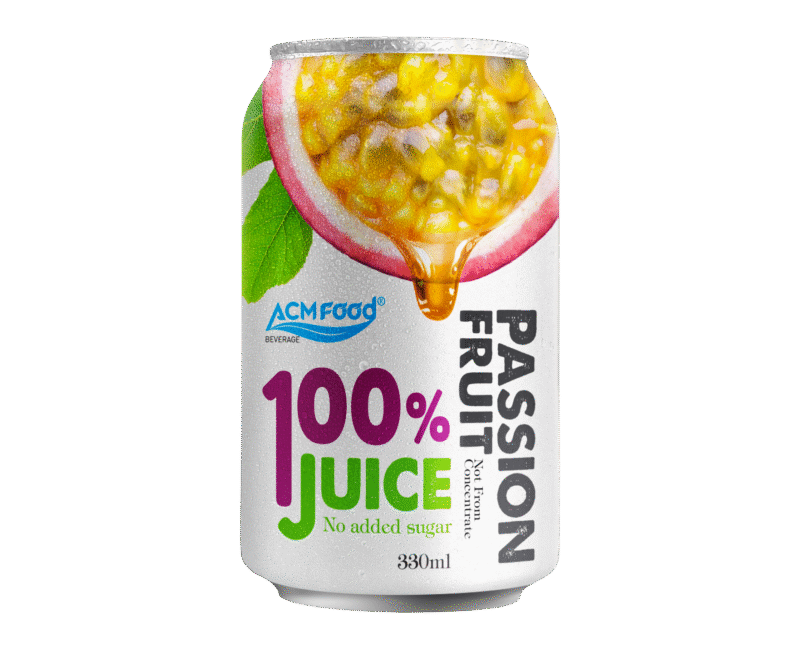
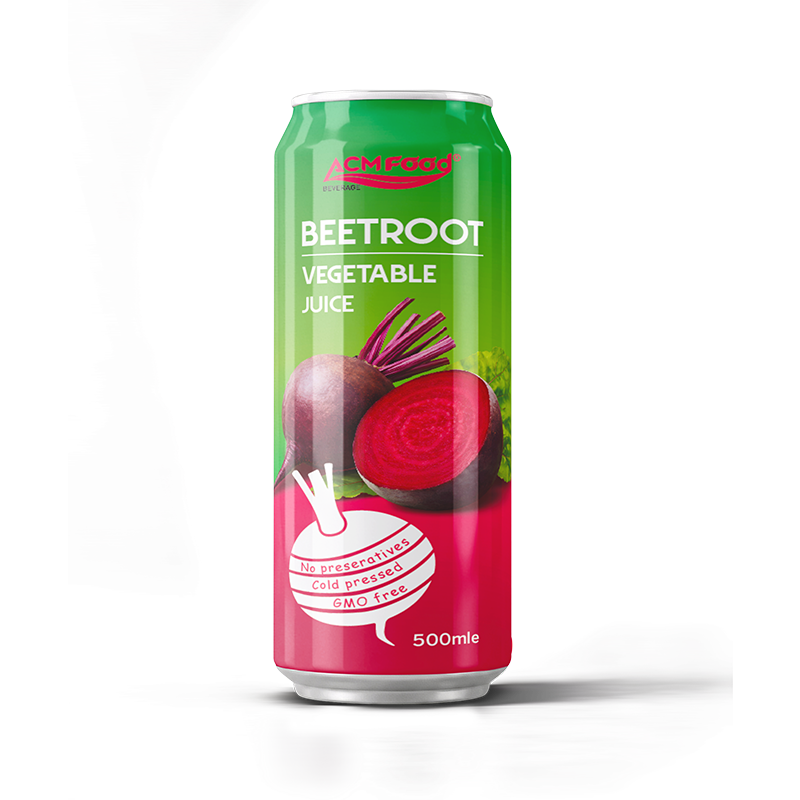
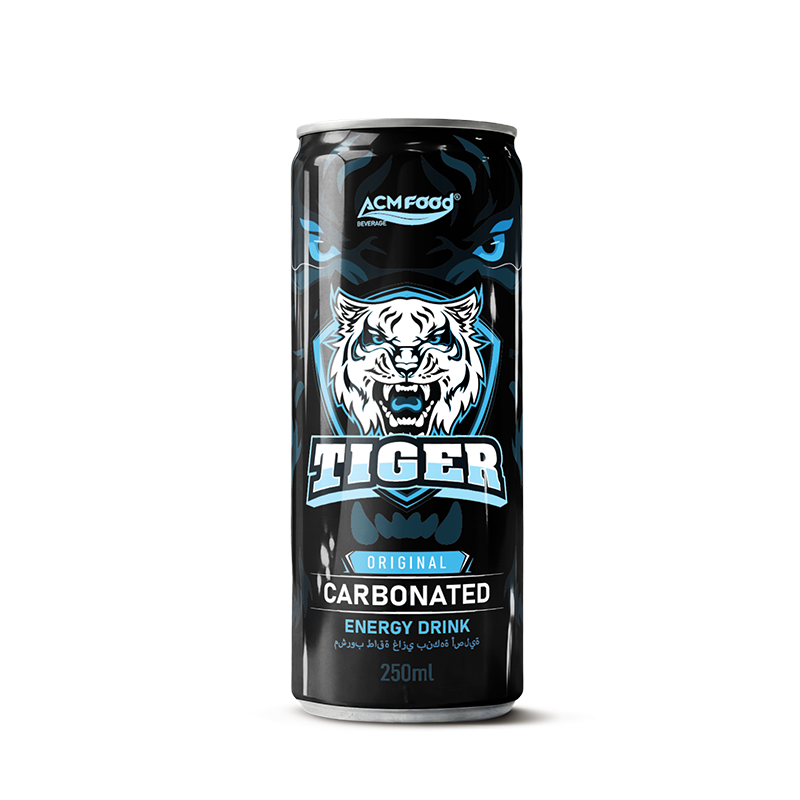
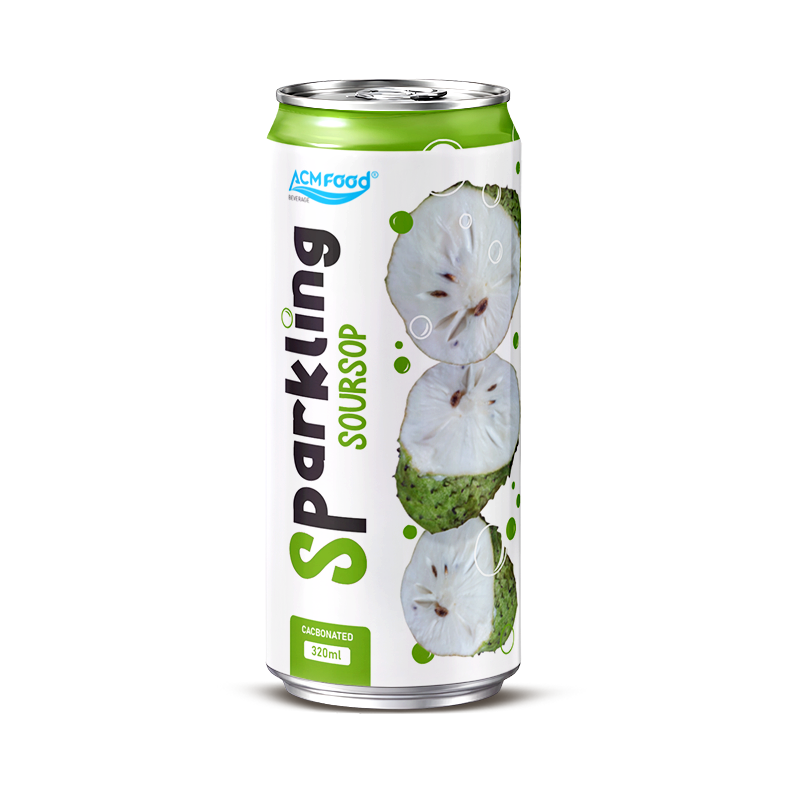
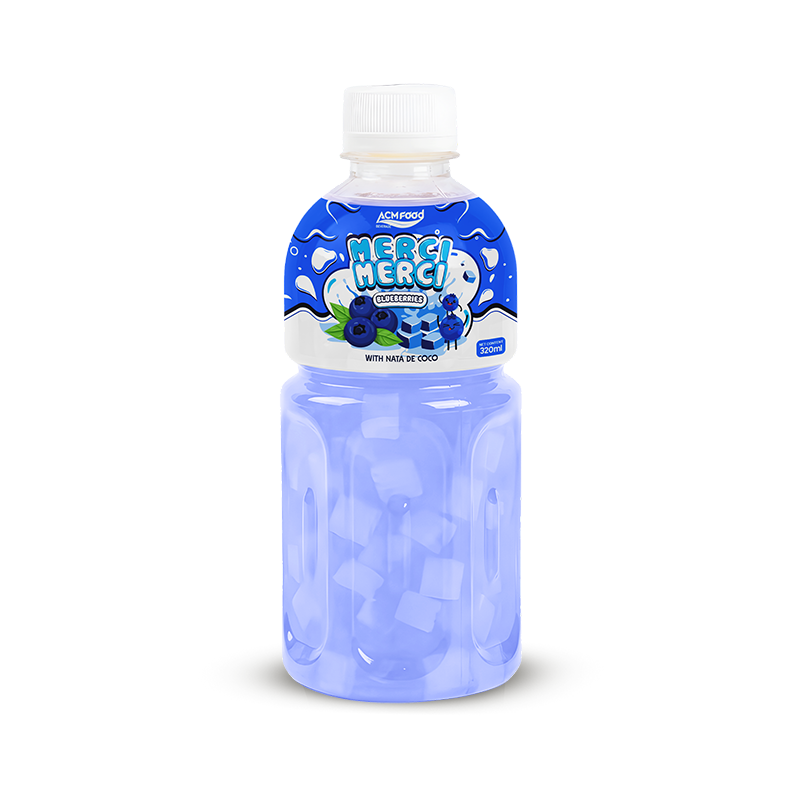
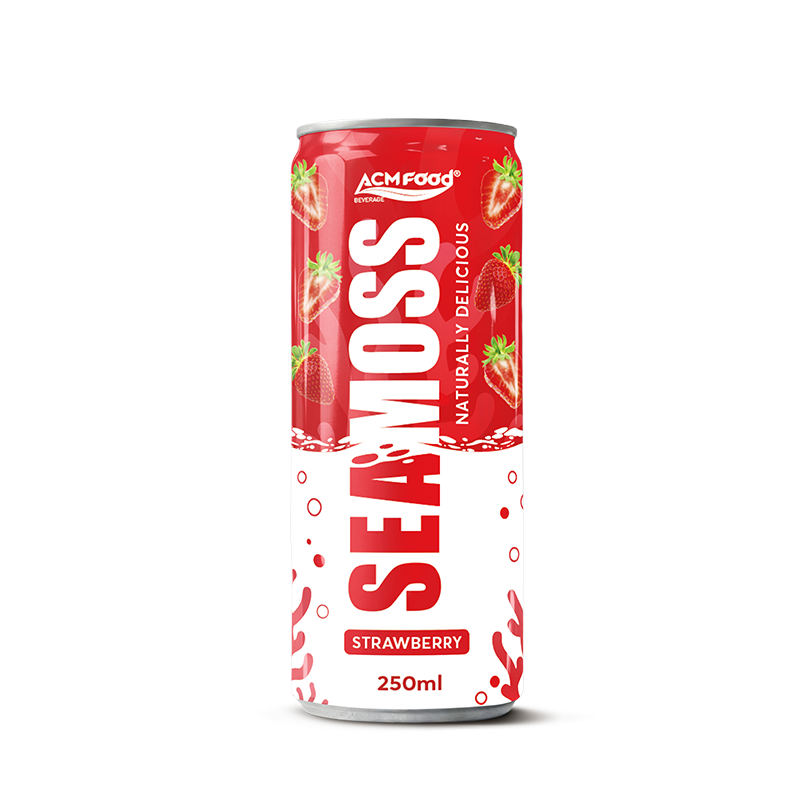
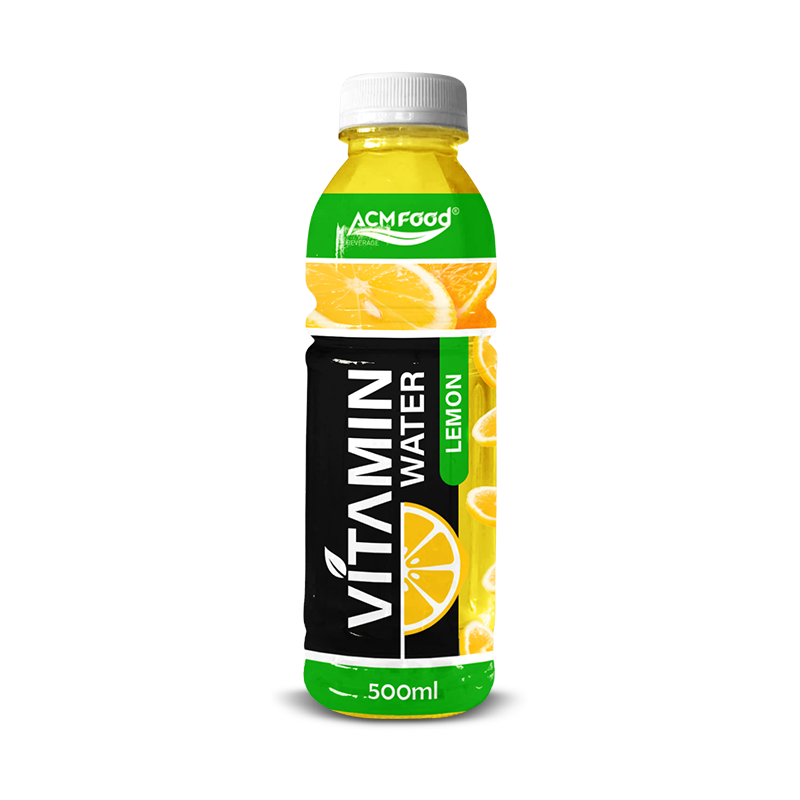
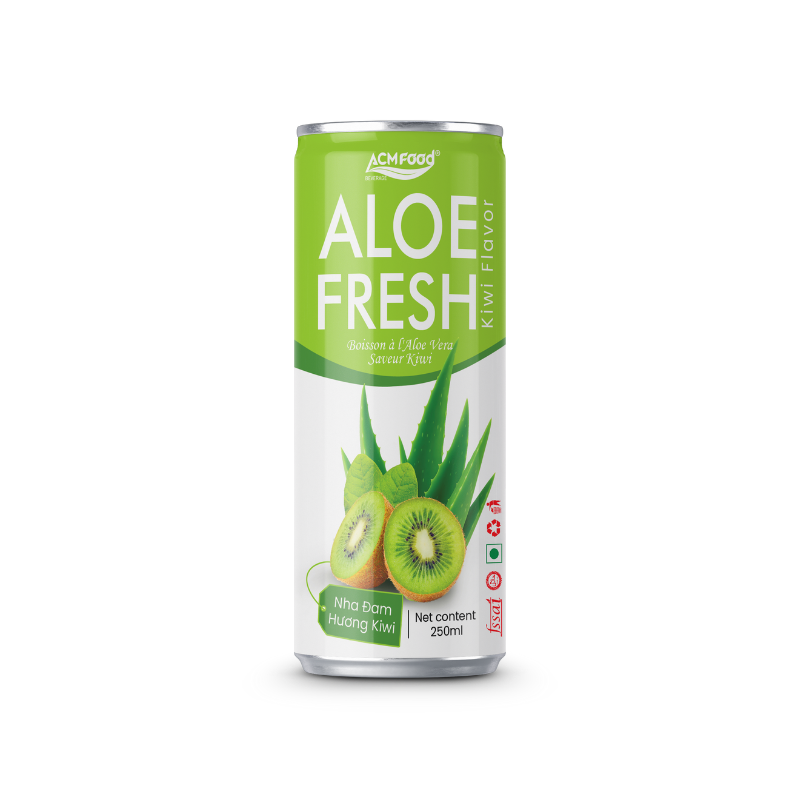
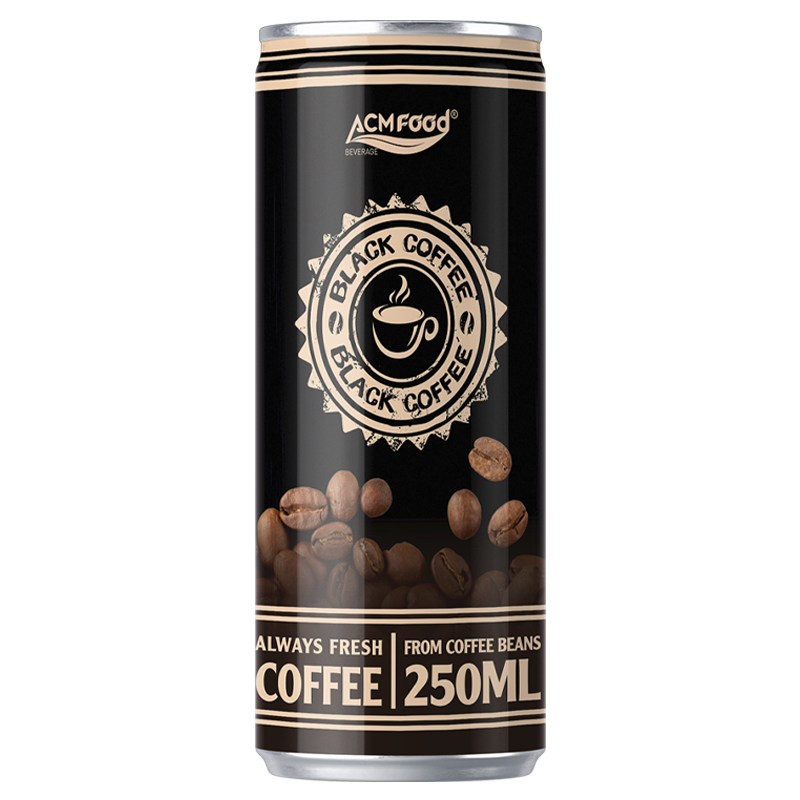
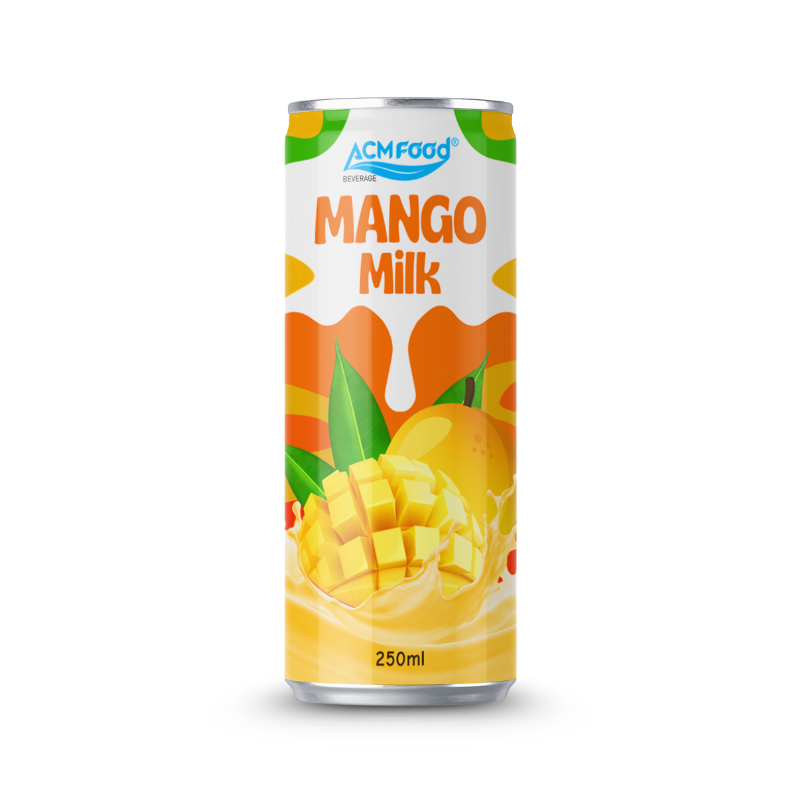
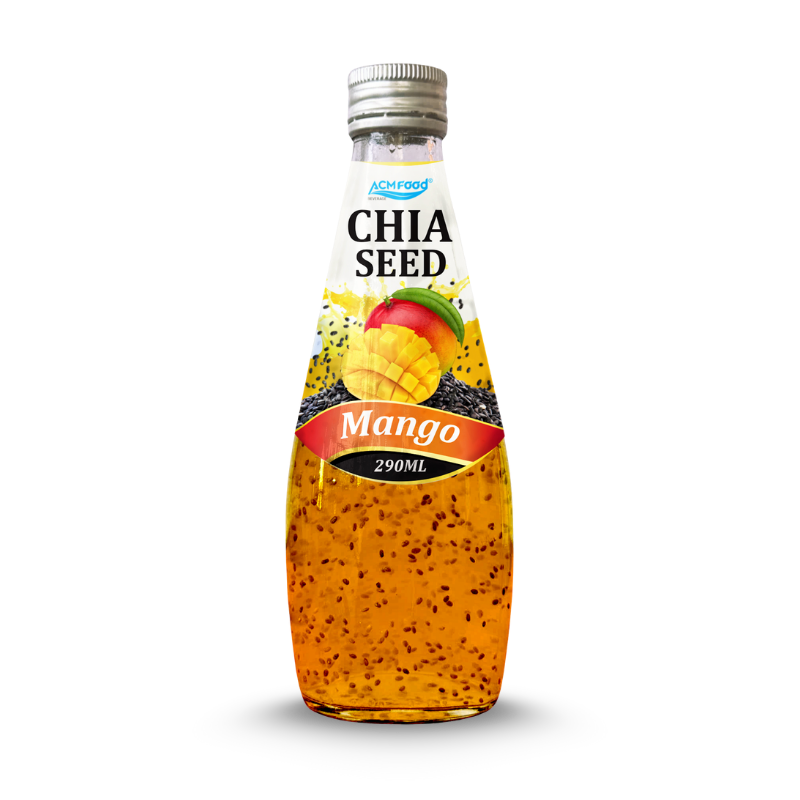
ACMFOOD is on this list for a different reason from the retail brands: it is a Vietnamese beverage manufacturer that produces juice and other drinks under its customers’ labels. Importers, distributors, retail chains and start-up brands use it to launch products without building a factory.
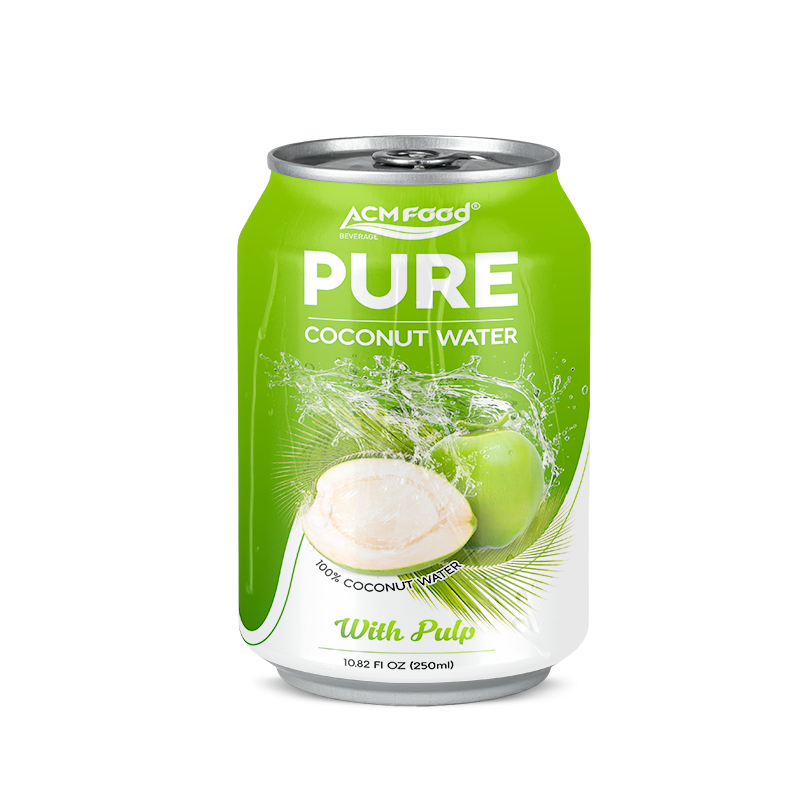
The portfolio covers fruit juice, coconut water, tea drinks, sparkling beverages, energy drinks, aloe vera drinks and plant-based drinks. Buyers can start from an existing formula or develop a recipe for a specific market.
- Strengths: OEM, ODM and private label production, recipe customisation, several packaging formats and export documentation support.
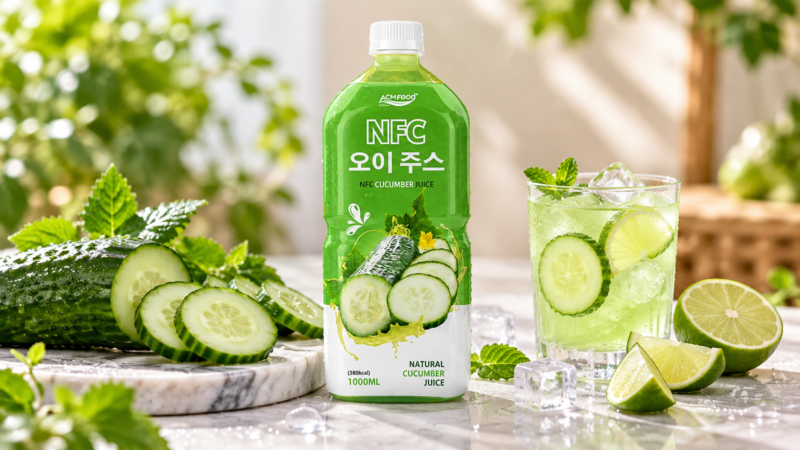
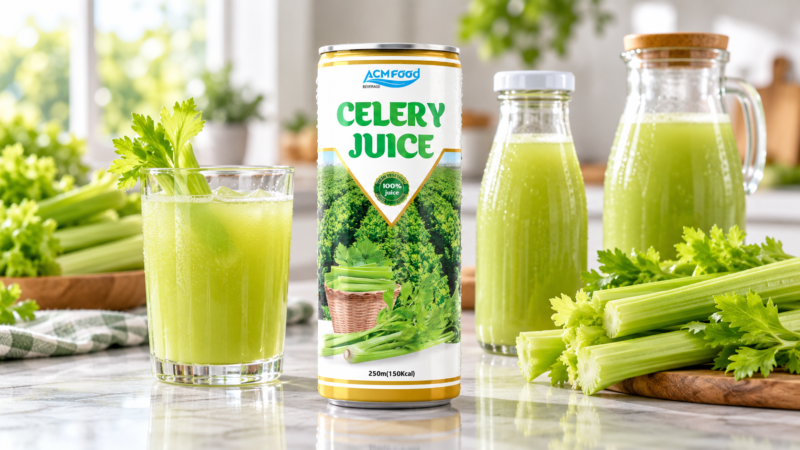
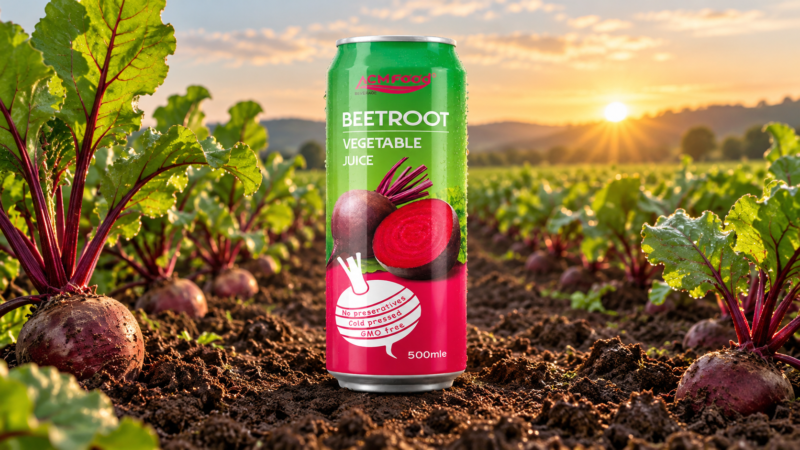
- Typical products: pineapple, mango, guava, lychee and mixed fruit juice, coconut water and aloe vera drinks.
- Best for: importers, supermarket chains, distributors and new beverage brands.
5. Simply Orange (USA): best not-from-concentrate juice
Simply Orange is a leading chilled juice brand in North America, known for not-from-concentrate (NFC) orange juice. Because the juice is not concentrated and reconstituted, its taste is closer to freshly squeezed orange juice.
- Strengths: NFC processing, short ingredient lists and broad supermarket availability.
- Popular products: Simply Orange Original, Pulp Free, Simply Apple, Simply Grapefruit and Simply Lemonade.
- Best for: everyday chilled juice with minimal ingredients.
6. Ocean Spray (USA): best cranberry juice
Ocean Spray is an agricultural cooperative owned by cranberry growers, which gives it close control over its main raw material. Beyond cranberry juice it sells juice blends, sparkling drinks and dried fruit in many international markets.
- Strengths: cranberry specialisation, grower ownership and wide international distribution.
- Popular products: 100% cranberry juice, cranberry juice cocktail and cranberry blends.
- Best for: anyone buying cranberry drinks.
7. Welch’s (USA): best grape juice
Welch’s has made Concord grape products for more than a century and remains the best-known name in grape juice. The range now includes sparkling grape juice and mixed berry drinks alongside jams and fruit snacks.
- Strengths: long grape expertise, Concord grape sourcing and consistent flavour.
- Popular products: 100% grape juice, sparkling grape juice and mixed berry juice.
- Best for: classic, full-flavoured grape juice.
8. Suja Organic (USA): best organic juice
Suja Organic makes certified organic cold-pressed juice treated with high pressure processing (HPP), a non-thermal method that helps keep a fresh taste while meeting food safety requirements. Many products add ginger, turmeric, greens or probiotics.
- Strengths: organic certification, cold-pressed production and functional recipes.
- Popular products: organic green juice, citrus cold-pressed juice, juice shots and probiotic drinks.
- Best for: shoppers who prioritise organic and functional drinks.
9. Evolution Fresh (USA): best cold-pressed juice
Evolution Fresh focuses on cold-pressed fruit and vegetable juice with recipes that combine produce and functional ingredients. It is sold in supermarkets, cafés and convenience stores in North America.
- Strengths: cold-pressed processing, fruit and vegetable blends and premium positioning.
- Popular products: green juice blends, orange juice and fruit and vegetable blends.
- Best for: fresh-style wellness juice.
10. Del Monte (USA): best global household fruit brand
Del Monte is one of the most recognised fruit companies in the world, producing fresh fruit, canned fruit and fruit juice. Its long supply chain experience makes it a familiar household name in many countries.
- Strengths: worldwide recognition, agricultural supply chain and a broad fruit portfolio.
- Popular products: pineapple juice, mango juice and tropical blends.
- Best for: dependable fruit drinks from an international food company.
Which juice brand is best for your needs?
The right choice depends on why you are buying. Consumers usually choose on taste, fruit content and added sugar; businesses choose on manufacturing capability, certification and packaging flexibility.
| If you need | Recommended brand |
|---|---|
| Premium orange juice | Tropicana |
| Everyday NFC juice | Simply Orange |
| Clean-label smoothies | Innocent Drinks |
| Tropical fruit juice | Ceres |
| Cranberry drinks | Ocean Spray |
| Grape juice | Welch’s |
| Organic juice | Suja Organic |
| Cold-pressed wellness juice | Evolution Fresh |
| International household brand | Del Monte |
| Launching a private label juice | ACMFOOD |
How do you choose a good juice brand?
Check the label before the brand name. The ingredient list, the juice type, the added sugar and the serving size tell you more about a product than its marketing does.
- Fruit content: look for “100% juice” where that is what you want, and a short ingredient list without unnecessary colours or flavours.
- Juice type: NFC, from concentrate, cold-pressed and organic juice differ in processing, taste and price (see the table below).
- Sugar: separate naturally occurring fruit sugar from added sugar, and compare nutrition information per serving.
- Packaging: cans, PET, glass and aseptic cartons differ in shelf life, cost and recyclability.
| Juice type | How it is made | Typical positioning |
|---|---|---|
| NFC (not from concentrate) | Juice is extracted from fruit and pasteurised without concentration | Fresh taste, higher price |
| From concentrate | Water is removed for transport and added back before packing | Wide distribution, competitive price |
| Cold-pressed | Juice is pressed rather than milled, often with HPP instead of heat | Premium, short chilled shelf life |
| Organic | Made from ingredients certified to an organic standard | Buyers who prefer organic farming |
No method is better in every case. Both NFC and from-concentrate juice can be high quality when produced under proper controls; the difference lies mainly in taste, cost and logistics.
What is the difference between a juice brand and a juice manufacturer?
A juice brand owns the label and markets finished products; a juice manufacturer runs the production line. Many well-known brands contract part of their filling and packing to manufacturers, and some companies do both.
| Factor | Retail juice brand | OEM juice manufacturer |
|---|---|---|
| Who owns the brand | The brand company | The customer |
| Custom recipes | Limited | Core service |
| Private label | Rare | Core service |
| Packaging customisation | Limited | Extensive |
| Export documentation support | Limited | Usually included |
How to choose an OEM juice manufacturer
A business launching its own juice should compare manufacturers on capability and compliance rather than fame. The checklist below covers the points that most often decide whether a launch runs smoothly.
- Certification: confirm the food safety schemes your market and retailers require, such as FSSC 22000, ISO 22000, HACCP, Halal or Kosher, and ask for current certificates.
- Capacity: check that the factory can meet today’s volume and your planned growth without delaying other runs.
- Product development: ask whether the team can adjust Brix, acidity, sweetness and flavour for your market.
- Packaging: confirm the formats you need, such as aluminium cans, PET, glass or cartons, and label customisation.
- Export experience: look for support with labelling review, shipping documents and container loading.
What trends are shaping the juice market in 2026?
Juice brands are responding to demand for shorter ingredient lists, less sugar and more sustainable packaging, and retailers are expanding their own private label ranges.
- Clean label: fewer additives and ingredients consumers recognise.
- Lower sugar: naturally sweet fruit blends, reduced-sugar recipes and smaller pack sizes.
- Functional blends: juice combined with ingredients such as ginger, turmeric, green tea, electrolytes or added vitamins.
- Packaging: lighter aluminium cans, recycled PET and paper-based cartons.
- Private label growth: more retailers developing their own juice lines with contract manufacturers.
Frequently asked questions
What is the best juice brand in the world?
No single brand is best for everyone. Tropicana, Simply Orange, Ocean Spray, Welch’s, Ceres, Innocent Drinks and Del Monte lead their categories for consumers, while manufacturers such as ACMFOOD serve businesses that want juice under their own label.
Which juice brand is the healthiest?
The brand name matters less than the product. Choose 100% juice with no added sugar, check the serving size and treat juice as a complement to whole fruit, which also provides fibre.
What is NFC juice?
NFC (not-from-concentrate) juice is extracted from fruit and pasteurised without being concentrated and reconstituted. Many people find its taste closer to freshly squeezed juice.
Is juice from concentrate bad?
No. Juice from concentrate has water removed for transport and added back before packing. Made under proper controls it is a normal, safe product; it can taste different from NFC juice.
Are cold-pressed juices better?
Cold-pressed juice is extracted with pressure and little heat, which many consumers associate with a fresher taste. Any nutritional difference depends on the specific process, storage and shelf life.
What certifications should a juice manufacturer have?
Buyers commonly ask for FSSC 22000, ISO 22000, HACCP and GMP, plus Halal, Kosher or FDA facility registration where the destination market requires them.
How long does packaged juice last?
It depends on processing and packaging. Shelf-stable juice can last several months unopened, while chilled and cold-pressed juice has a much shorter shelf life. Follow the storage instructions on the pack.
Why do some juice brands cost more than others?
Price reflects fruit quality, processing method, organic certification, packaging and brand positioning. A higher price does not automatically mean better nutrition.
Conclusion
The best juice brands in the world each win in a specific category: Tropicana and Simply Orange for orange juice, Ocean Spray for cranberry, Welch’s for grape, Ceres for tropical flavours, Innocent for smoothies, Suja and Evolution Fresh for cold-pressed juice and Del Monte for household fruit products. For consumers, fruit content and added sugar matter more than the logo.
For businesses, the question is different: who can make a consistent, compliant product under your own label. Most juice brands do not own the line their drink is filled on, which is why a new brand can reach the shelf without building a plant.
ACMFOOD is a Vietnamese beverage manufacturer producing juice, coconut water, tea and functional drinks in cans, PET and glass for brands and importers. Three ways to work with a manufacturer:
- Co-packing in Vietnam: lines, formats and what you supply, if you already have a recipe and need capacity.
- How contract runs are priced and scoped, including tolling versus full service.
- Label your own line from a recipe already in production, the shortest path to a first pallet.
For formats, ingredients and processing routes, see beverage product capabilities and OEM beverage production. To discuss a specification, request a quote.
Request a quoteBrand descriptions are based on publicly available company information at the time of writing. Product ranges and certifications vary by country and may change. Last updated: September 2026.