










 Français
 Español
 العربية
 한국어
한국어Pomegranate has been enjoyed for thousands of years across the Mediterranean, the Middle East, and Asia. Today, this vibrant fruit continues to attract attention thanks to its naturally occurring antioxidants, vitamins, minerals, and refreshing sweet-tart flavor. Whether eaten fresh, sprinkled over salads, or incorporated into beverages, pomegranate fits well into a balanced diet.
Many people search for the benefits of pomegranate fruits because they want to understand how this colorful fruit contributes to overall wellness. While no single food can prevent or cure disease, pomegranate provides valuable nutrients and plant compounds that may support heart health, digestive health, and protection against oxidative stress as part of a healthy lifestyle.
This guide explores the nutritional profile of fresh pomegranate, explains the science behind its health benefits, and answers common questions about including pomegranate in everyday meals. If you are interested in processed beverages instead of fresh fruit, you can also explore our guide to pomegranate juice.
What Is a Pomegranate?
Pomegranate (Punica granatum) is a fruit-bearing shrub or small tree that has been cultivated for centuries. The fruit is recognizable by its thick red skin and hundreds of jewel-like edible seeds known as arils. Each aril contains a small crunchy seed surrounded by juicy flesh that delivers the fruit’s characteristic balance of sweetness and acidity.
Pomegranates are grown in many regions with warm climates, including countries around the Mediterranean, India, the Middle East, South America, and parts of Southeast Asia. Depending on the variety and growing conditions, fruits may vary slightly in color, sweetness, acidity, and size.
Unlike many fruits, nearly every bite of a pomegranate contains both juice and dietary fiber because the edible portion includes the seed and surrounding aril. This unique structure contributes to the fruit’s nutritional value while providing an enjoyable texture.
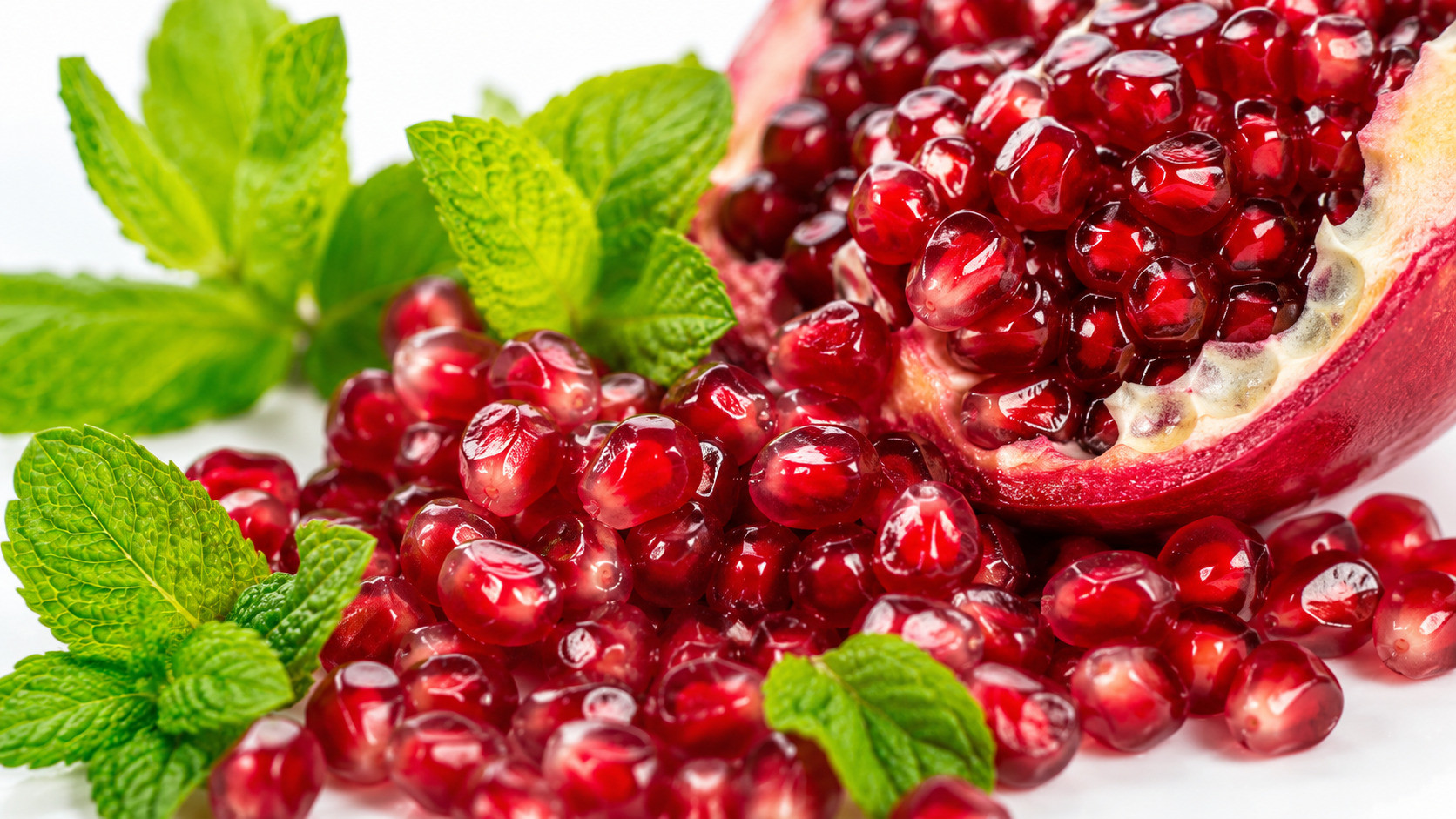
What Are Pomegranate Arils?
The edible part of a pomegranate is called an aril. These ruby-colored sacs contain:
- Natural fruit sugars
- Water
- Dietary fiber
- Organic acids
- Vitamins
- Minerals
- Polyphenol antioxidants
Many people mistakenly refer to the arils as seeds. In reality, each aril surrounds a small edible seed that contributes additional fiber and texture.
Pomegranate Nutrition Facts
Fresh pomegranate is naturally low in fat while providing carbohydrates, dietary fiber, vitamins, minerals, and a wide range of bioactive plant compounds. According to the USDA FoodData Central database, one serving of fresh pomegranate arils provides several nutrients that support a healthy eating pattern.
| Nutrient (Per 100 g Arils) | Approximate Amount |
|---|---|
| Calories | 83 kcal |
| Water | Approximately 78% |
| Carbohydrates | 18.7 g |
| Dietary Fiber | 4.0 g |
| Protein | 1.7 g |
| Total Fat | 1.2 g |
| Vitamin C | 10.2 mg |
| Vitamin K | 16.4 µg |
| Folate | 38 µg |
| Potassium | 236 mg |
Beyond these essential nutrients, pomegranate contains hundreds of naturally occurring phytochemicals. Researchers have identified numerous polyphenols, including punicalagins, anthocyanins, ellagic acid, and ellagitannins, which contribute to the fruit’s antioxidant capacity.
Key Nutrients Found in Pomegranate
Dietary Fiber
Because fresh pomegranate includes edible seeds, it naturally provides dietary fiber that supports normal digestion and contributes to satiety. Fiber also plays an important role in maintaining a balanced diet alongside fruits, vegetables, whole grains, and legumes.
Vitamin C
Vitamin C contributes to normal collagen formation, immune function, and antioxidant protection. Although pomegranate is not the richest source of vitamin C compared with certain citrus fruits, it still contributes to daily intake when consumed regularly.
Vitamin K
Vitamin K supports normal blood clotting and bone health. Including a variety of vitamin K-containing foods helps maintain overall nutritional balance.
Potassium
Potassium is an essential mineral involved in muscle function, nerve signaling, and maintaining normal fluid balance. Fresh fruits, including pomegranate, can contribute to potassium intake as part of a varied diet.
Natural Polyphenols
The most distinctive nutritional feature of pomegranate is its abundance of polyphenol compounds. These naturally occurring substances have become a major focus of nutrition research because of their antioxidant activity.
Rich in Powerful Antioxidants
Among the many benefits of pomegranate fruits, their exceptionally high concentration of antioxidants receives the greatest scientific attention. Antioxidants help neutralize free radicals produced during normal metabolism and exposure to environmental factors such as pollution and ultraviolet radiation.
Pomegranate contains a diverse mixture of antioxidant compounds rather than relying on a single nutrient. This combination is believed to contribute to the fruit’s overall antioxidant potential.
Punicalagins
Punicalagins are unique polyphenols found primarily in pomegranate peel and juice, with smaller amounts naturally present in the edible portions of the fruit. These compounds are considered among the most biologically active antioxidants identified in pomegranate.
Scientific studies suggest punicalagins contribute significantly to the antioxidant capacity associated with pomegranate, although research continues to explore their absorption and metabolism in the human body.
Anthocyanins
The brilliant red color of pomegranate arils comes largely from anthocyanins, a family of flavonoid pigments also found in blueberries, blackberries, cherries, and red grapes.
Anthocyanins not only give fruits their vibrant appearance but also contribute antioxidant activity that has been widely studied in nutrition science.
Ellagic Acid and Ellagitannins
Pomegranate also contains ellagic acid and ellagitannins, naturally occurring plant compounds that have attracted considerable research interest. During digestion, these compounds are transformed by gut microbiota into metabolites that researchers continue to investigate for their potential biological effects.
Why Antioxidants Matter
Every day, normal cellular processes generate unstable molecules known as free radicals. When free radical production exceeds the body’s antioxidant defenses, oxidative stress may occur. Over time, oxidative stress is associated with normal aging and has become an important area of nutritional research.
Eating a wide variety of colorful fruits and vegetables—including pomegranate—helps increase dietary antioxidant intake. Health organizations generally recommend obtaining antioxidants from whole foods rather than relying solely on supplements because whole foods provide vitamins, minerals, fiber, and numerous beneficial plant compounds together.
Good to know: The antioxidant profile of pomegranate varies depending on cultivar, growing region, maturity, storage conditions, and processing methods. Fresh fruit retains both fiber and naturally occurring phytonutrients, making it an excellent addition to a balanced diet.
May Support Heart Health
Heart health remains one of the most frequently discussed topics in nutrition research involving pomegranate. Although no single fruit can guarantee cardiovascular health, incorporating fruits rich in fiber and antioxidants into a balanced eating pattern may contribute to long-term wellness.
Several components found naturally in pomegranate—including dietary fiber, potassium, and polyphenols—have been studied for their relationship with cardiovascular function. Current evidence suggests these nutrients may support heart health when consumed as part of an overall healthy lifestyle that includes regular physical activity and a varied diet.
Dietary Patterns Matter More Than Individual Foods
Nutrition experts emphasize that health outcomes depend on overall dietary patterns rather than one “superfood.” Fresh pomegranate works best when combined with vegetables, whole grains, legumes, lean protein sources, nuts, seeds, and healthy fats.
For this reason, pomegranate is commonly included in Mediterranean-style eating patterns, which have been extensively studied for their association with cardiovascular wellness.
Potassium Supports Normal Body Functions
Potassium is an important electrolyte involved in maintaining normal muscle function, nerve signaling, and fluid balance. Eating potassium-rich fruits as part of a varied diet can help individuals meet recommended nutrient intakes.
Polyphenols Continue to Be Studied
Researchers continue investigating how pomegranate polyphenols interact with the body’s natural antioxidant systems and vascular function. While laboratory and clinical studies have produced promising findings, more long-term human research is needed to better understand these relationships.
For consumers, the practical takeaway is simple: choosing a variety of colorful fruits, including fresh pomegranate, is a nutritious way to diversify antioxidant intake while enjoying naturally occurring vitamins, minerals, and dietary fiber.
Important: Pomegranate should not be considered a substitute for medical advice, prescribed medications, or treatment of cardiovascular conditions. Individuals with existing medical concerns should consult qualified healthcare professionals regarding dietary choices.
May Support Healthy Digestion
One of the often-overlooked benefits of pomegranate fruits is their contribution to digestive health. Unlike many fruit juices, fresh pomegranate contains edible seeds and naturally occurring dietary fiber, making it a valuable addition to a balanced eating pattern.
Dietary fiber supports normal digestive function by adding bulk to stool and helping maintain regular bowel movements. It also contributes to satiety, which may help people feel fuller for longer after meals.
The combination of fiber, water, and naturally occurring plant compounds makes fresh pomegranate different from many processed snacks. While fiber alone is not a solution for digestive problems, consuming adequate amounts from fruits, vegetables, legumes, and whole grains supports overall gastrointestinal health.
Dietary Fiber Supports Gut Health
Each serving of fresh pomegranate contributes fiber that passes through the digestive tract largely undigested. In the large intestine, certain types of fiber can serve as food for beneficial gut microorganisms, helping maintain a diverse gut microbiome.
Scientists continue to study the relationship between dietary fiber, gut bacteria, and overall health. Although research is still evolving, maintaining a varied diet rich in plant foods is widely recommended for digestive wellness.
Polyphenols and the Gut Microbiota
Pomegranate contains naturally occurring polyphenols such as ellagitannins and punicalagins. During digestion, these compounds interact with intestinal microorganisms and are converted into metabolites known as urolithins.
Researchers continue investigating how these metabolites may influence human health. While promising findings have emerged from laboratory and clinical studies, the extent of these effects can vary among individuals because everyone’s gut microbiome is unique.
Tip: Eating whole pomegranate allows you to enjoy both its fiber and naturally occurring phytonutrients. Pairing it with yogurt, oats, or other fruits creates a nutrient-rich snack that supports a balanced diet.
May Help Reduce Oxidative Stress
Oxidative stress occurs when free radicals accumulate faster than the body’s natural antioxidant defenses can neutralize them. This process is a normal part of metabolism and aging, but lifestyle factors such as smoking, pollution, excessive alcohol consumption, and poor dietary habits may increase oxidative stress.
Pomegranate is recognized as one of the fruits naturally rich in antioxidant compounds. Rather than relying on a single nutrient, it provides a broad spectrum of polyphenols that work together with vitamins and minerals found in the fruit.
Understanding Oxidative Stress
Every cell in the body produces free radicals during normal energy production. In moderate amounts, these molecules play useful biological roles. Problems arise when their production exceeds the body’s antioxidant capacity over long periods.
A diet containing a wide variety of colorful fruits and vegetables helps increase the intake of naturally occurring antioxidants. Pomegranate contributes to this diversity alongside berries, citrus fruits, leafy greens, tomatoes, and many other plant foods.
Research Continues to Evolve
Numerous laboratory and clinical studies have explored the antioxidant properties of pomegranate extracts, juice, peel, and fresh fruit. While many findings are encouraging, researchers emphasize that nutrition science continues to develop, and no single food should be viewed as a standalone solution for preventing disease.
Instead, experts recommend focusing on overall dietary quality, regular physical activity, adequate sleep, and healthy lifestyle habits to support long-term well-being.
Provides Essential Vitamins and Minerals
Fresh pomegranate delivers more than just antioxidants. It also contributes several essential vitamins and minerals that participate in numerous physiological functions throughout the body.
| Nutrient | Primary Function | Found Naturally in Pomegranate |
|---|---|---|
| Vitamin C | Supports normal immune function and collagen formation | ✓ |
| Vitamin K | Supports normal blood clotting and bone health | ✓ |
| Potassium | Supports muscle and nerve function | ✓ |
| Folate | Supports normal cell growth and DNA synthesis | ✓ |
| Dietary Fiber | Supports digestive health | ✓ |
Vitamin C
Vitamin C functions as an antioxidant while also supporting normal collagen production, wound healing, and immune system function. Although citrus fruits remain among the best-known sources, pomegranate can contribute to daily vitamin C intake when included regularly in a varied diet.
Vitamin K
Vitamin K plays an important role in maintaining normal blood clotting and supporting bone metabolism. Like many fruits and vegetables, pomegranate contributes small but meaningful amounts of this essential nutrient.
Potassium
Potassium is an essential electrolyte required for muscle contractions, nerve signaling, and maintaining fluid balance. Many people do not consume sufficient potassium-rich foods, making fruits such as pomegranate valuable components of healthy eating patterns.
Folate
Folate participates in DNA synthesis and normal cell division. It is especially important during periods of rapid growth, although individuals should always follow healthcare guidance regarding nutrient intake during pregnancy.
Supports Overall Wellness as Part of a Balanced Diet
Although headlines sometimes describe pomegranate as a “superfruit,” nutrition professionals generally encourage viewing it as one nutritious component of an overall healthy lifestyle rather than a miracle food.
The strength of fresh pomegranate lies in the combination of nutrients it provides:
- Dietary fiber
- Natural carbohydrates for energy
- Water for hydration
- Vitamins and minerals
- Polyphenol antioxidants
- Naturally sweet flavor without added sugar
Eating a diverse range of fruits throughout the week helps maximize nutrient intake because each fruit offers its own unique nutritional profile. Pomegranate complements berries, apples, bananas, citrus fruits, grapes, kiwi, and tropical fruits as part of a varied eating pattern.
Remember: Healthy eating is built on consistency. Regularly consuming a wide variety of whole fruits and vegetables provides far greater long-term nutritional benefits than relying heavily on any single food.
Fresh Pomegranate vs. Pomegranate Juice
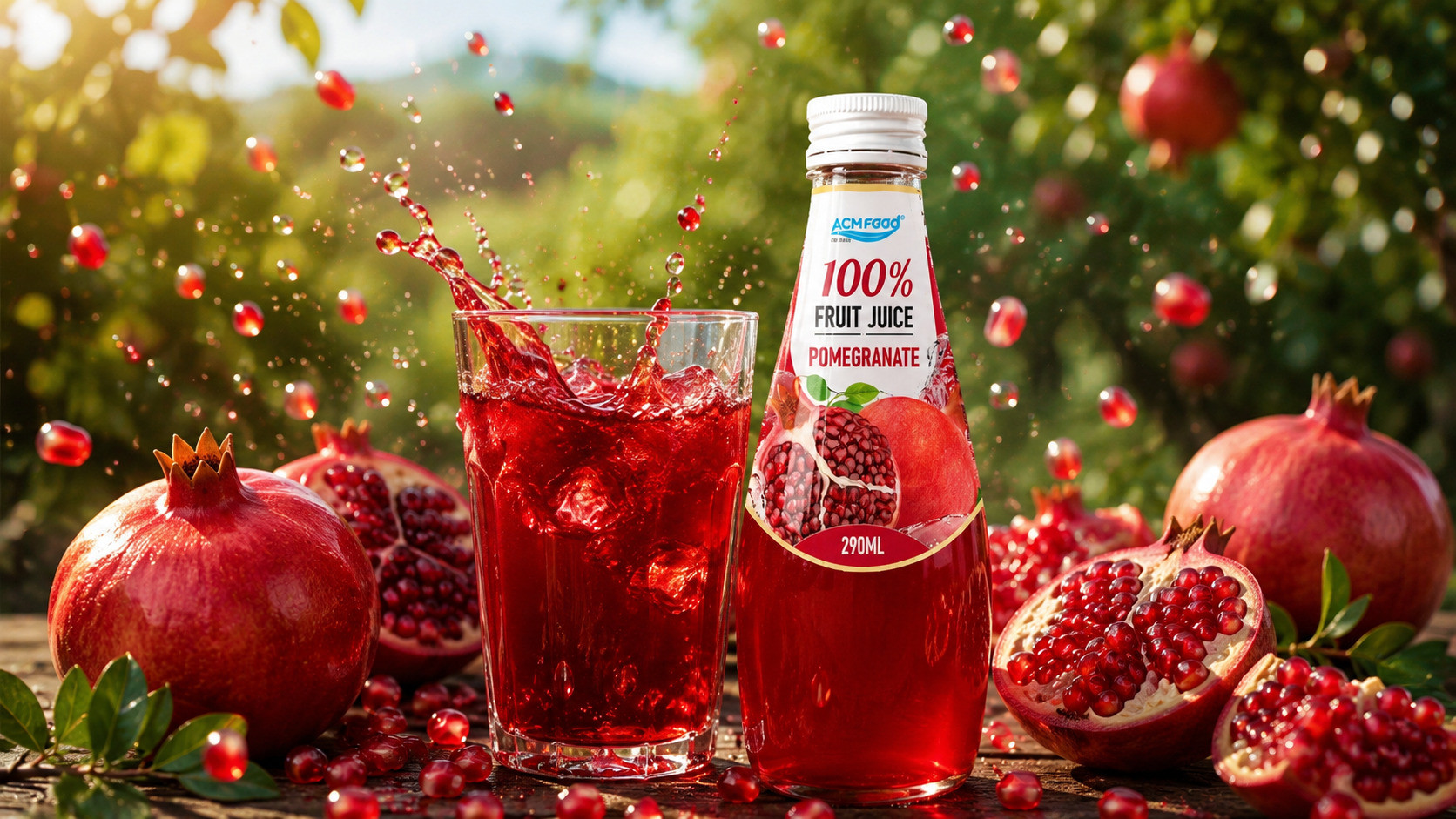
Fresh pomegranate and pomegranate juice both provide naturally occurring nutrients and antioxidants, but they differ in several important ways. Understanding these differences can help consumers choose the option that best fits their dietary preferences and lifestyle.
| Feature | Fresh Pomegranate | Pomegranate Juice |
|---|---|---|
| Dietary Fiber | High | Very little or none |
| Water Content | High | High |
| Natural Sugars | Present with fiber | More concentrated per serving |
| Chewing Required | Yes | No |
| Convenience | Requires preparation | Ready to drink |
| Satiety | Generally higher | Generally lower |
Fresh fruit is often preferred when increasing dietary fiber intake because the edible seeds remain intact. Juice, meanwhile, offers convenience and can be an enjoyable beverage when consumed in moderation.
Nutrition labels may vary considerably among products. Freshly squeezed juice, NFC (Not From Concentrate) juice, concentrate-based juice, blends, and beverages with added sugar can have different nutritional profiles.
If you would like to learn more about beverage options, production methods, and product characteristics, read our complete guide to pomegranate juice.
Easy Ways to Enjoy Fresh Pomegranate
One of the advantages of pomegranate is its versatility. The bright color, refreshing flavor, and crisp texture make it suitable for both sweet and savory dishes throughout the year.
Add Arils to Breakfast
Sprinkle fresh pomegranate arils over oatmeal, yogurt, chia pudding, granola, or whole-grain cereal to add natural sweetness, texture, and vibrant color.
Create Colorful Salads
Pomegranate pairs well with spinach, kale, arugula, walnuts, pecans, feta cheese, avocado, citrus fruits, and balsamic vinaigrette. The juicy arils provide a refreshing contrast to leafy greens.
Blend into Smoothies
Fresh pomegranate can be combined with bananas, berries, mangoes, oranges, or Greek yogurt to create nutrient-rich smoothies. Blending whole arils also helps retain some of the fruit’s natural fiber.
Use as a Garnish
The bright ruby-red arils make an attractive garnish for roasted vegetables, grain bowls, rice dishes, desserts, pancakes, and festive holiday meals.
Enjoy as a Healthy Snack
Simply eating fresh pomegranate arils on their own is an easy way to increase fruit intake. Their naturally sweet-tart flavor makes them an enjoyable alternative to many processed snacks.
Storage tip: Whole pomegranates can typically be stored for several weeks in a cool, dry place and even longer under refrigeration. Once the fruit is opened, keep the arils refrigerated in an airtight container and consume them within a few days for the best quality.
Who May Benefit Most from Eating Pomegranate?
Fresh pomegranate can be enjoyed by most healthy individuals as part of a varied and balanced diet. Its combination of dietary fiber, vitamins, minerals, water, and naturally occurring antioxidants makes it a nutritious fruit suitable for many lifestyles.
Rather than being recommended for one specific group, pomegranate can complement the diets of people seeking to increase their daily fruit intake while enjoying a naturally sweet food with no added sugars.
Individuals Following a Balanced Diet
People who prioritize whole foods often include pomegranate alongside vegetables, whole grains, legumes, nuts, seeds, and lean protein sources. Its vibrant flavor and nutrient profile make it an easy addition to everyday meals.
Physically Active Adults
Active individuals frequently consume a variety of fruits to help meet daily carbohydrate, vitamin, mineral, and hydration needs. Fresh pomegranate offers natural carbohydrates together with water and potassium, making it a refreshing snack before or after physical activity.
People Looking to Increase Fruit Variety
Nutrition guidelines encourage eating a wide range of colorful fruits because different fruits provide different nutrients and phytonutrients. Including pomegranate alongside berries, citrus fruits, apples, bananas, grapes, and tropical fruits helps diversify nutrient intake.
Families Seeking Nutritious Snack Options
The naturally sweet flavor and vibrant appearance of pomegranate arils make them appealing to many children and adults. They can be served on their own or added to yogurt, salads, breakfast bowls, and desserts to encourage fruit consumption.
Are There Any Precautions?
Although pomegranate is considered safe for most healthy people, there are situations where moderation or professional advice may be appropriate.
Natural Sugar Content
Like all fruits, pomegranate naturally contains sugars. While these sugars are accompanied by fiber in fresh fruit, individuals managing specific medical conditions or following specialized diets should consider overall carbohydrate intake and seek personalized advice from healthcare professionals if necessary.
Medication Interactions
Some preliminary research has explored possible interactions between pomegranate products and certain medications. Individuals taking prescription medications—particularly those related to cardiovascular health or other chronic conditions—should consult their healthcare provider before making significant dietary changes.
Food Allergies
Allergic reactions to pomegranate are uncommon but can occur. Anyone experiencing symptoms such as itching, swelling, or difficulty breathing after consuming pomegranate should seek immediate medical attention.
Moderation Is Still Important
Even nutritious foods should be enjoyed as part of a balanced eating pattern. Eating a wide variety of fruits and vegetables provides a broader range of nutrients than relying heavily on any single food.
Remember: No individual fruit can replace medical treatment or guarantee specific health outcomes. Pomegranate is best viewed as one nutritious component of an overall healthy lifestyle.
Frequently Asked Questions
Yes. Fresh pomegranate provides dietary fiber, vitamin C, vitamin K, potassium, folate, and naturally occurring antioxidants. It can be part of a healthy dietary pattern when consumed alongside a variety of other fruits and vegetables.
Most healthy adults can enjoy fresh pomegranate regularly as part of a balanced diet. As with all foods, moderation and dietary variety are recommended.
Yes. The crunchy seeds inside each aril are edible and contribute dietary fiber. Many people eat the entire aril, including the seed.
Pomegranate naturally contains several antioxidant compounds, including punicalagins, anthocyanins, ellagitannins, and ellagic acid. Researchers continue studying how these plant compounds contribute to human nutrition.
Fresh pomegranate generally provides more dietary fiber because the edible seeds remain intact. Pomegranate juice offers convenience and hydration but usually contains little or no fiber. The better choice depends on individual preferences and nutritional goals.
Yes. Fresh pomegranate naturally contains vitamin C, although the amount is lower than that found in some citrus fruits. It still contributes to daily vitamin C intake when included regularly in a varied diet.
Pomegranate contains potassium, dietary fiber, and antioxidant polyphenols that have been widely studied in nutrition research. Current evidence suggests these nutrients may support cardiovascular wellness as part of an overall healthy lifestyle, but no single food can prevent or treat heart disease.
Whole pomegranates can be stored in a cool, dry place for several weeks or refrigerated for longer freshness. Once opened, keep the arils in an airtight container in the refrigerator and consume them within a few days.
The harvest season varies by region, but fresh pomegranates are commonly available during autumn in many producing countries. Thanks to international trade and modern cold storage, they are now widely available throughout much of the year.
Yes. Fresh pomegranate can be enjoyed by children who are able to safely chew the seeds. As with any food, young children should eat under adult supervision to reduce choking risk.
Conclusion
The many benefits of pomegranate fruits come from their naturally balanced nutritional profile rather than from any single ingredient. Fresh pomegranate provides dietary fiber, vitamins, minerals, water, and a diverse range of antioxidant polyphenols that contribute to a healthy eating pattern.
Current scientific research continues to investigate the biological activity of compounds such as punicalagins, anthocyanins, and ellagitannins. While many findings are promising, nutrition experts consistently recommend focusing on an overall healthy lifestyle instead of relying on individual foods for specific health outcomes.
Whether enjoyed fresh as a snack, added to salads and breakfast bowls, blended into smoothies, or incorporated into recipes, pomegranate offers a flavorful way to increase fruit intake while adding color and variety to everyday meals.
If you’re interested in beverages made from this nutritious fruit, explore our guide to pomegranate juice. Businesses looking for private label and manufacturing opportunities can also learn more about pomegranate juice OEM solutions and market insights.
References
- U.S. Department of Agriculture (USDA). FoodData Central – Pomegranates, Raw. https://fdc.nal.usda.gov/
- World Health Organization (WHO). Healthy Diet. https://www.who.int/news-room/fact-sheets/detail/healthy-diet
- National Institutes of Health (NIH). Office of Dietary Supplements. https://ods.od.nih.gov/
- Harvard T.H. Chan School of Public Health. The Nutrition Source. https://nutritionsource.hsph.harvard.edu/
- American Heart Association. Healthy Eating. https://www.heart.org/en/healthy-living/healthy-eating
- British Dietetic Association. Food Fact Sheets. https://www.bda.uk.com/resource/food-fact-sheets.html
- U.S. Food & Drug Administration (FDA). Nutrition & Food Labeling. https://www.fda.gov/food/nutrition-food-labeling-and-critical-foods
- Dietary Guidelines for Americans 2025–2030. https://www.dietaryguidelines.gov/
- Aviram M, et al. Pomegranate juice consumption reduces oxidative stress, atherogenic modifications to LDL, and platelet aggregation. https://pubmed.ncbi.nlm.nih.gov/15158307/
- Viuda-Martos M, et al. Pomegranate and its many functional components as related to human health. https://pubmed.ncbi.nlm.nih.gov/22060285/
- Basu A, Penugonda K. Pomegranate juice: a heart-healthy fruit juice. https://pubmed.ncbi.nlm.nih.gov/21457902/
Sourcing this as a product
This page is written for readers. If you are a brand, importer or retailer looking to put a drink like this on shelf, the commercial side is covered separately: beverage product capabilities for the formats, ingredients and processes we run, private label beverages for launching under your own label, and OEM beverage manufacturing for contract production. To discuss a specification, request a quote.
Request a quote