Français
 Español
 العربية
 한국어
한국어The benefits of pomegranate fruit come from its nutrients and plant compounds: per 100 g, the arils provide about 83 kcal, 4 g of fibre, 10.2 mg of vitamin C, 16.4 µg of vitamin K, 38 µg of folate and 236 mg of potassium, according to USDA FoodData Central. Pomegranate is also rich in polyphenols such as punicalagins and anthocyanins, which are widely studied for their antioxidant activity.
Research on these compounds is active, but most results come from laboratory, animal or small human studies, often using juice or extracts. Pomegranate is best seen as a nutritious fruit within a varied diet, not a treatment. This guide covers what pomegranate is, its nutrition, realistic benefits, how to eat it and who should be careful.
What is a pomegranate?
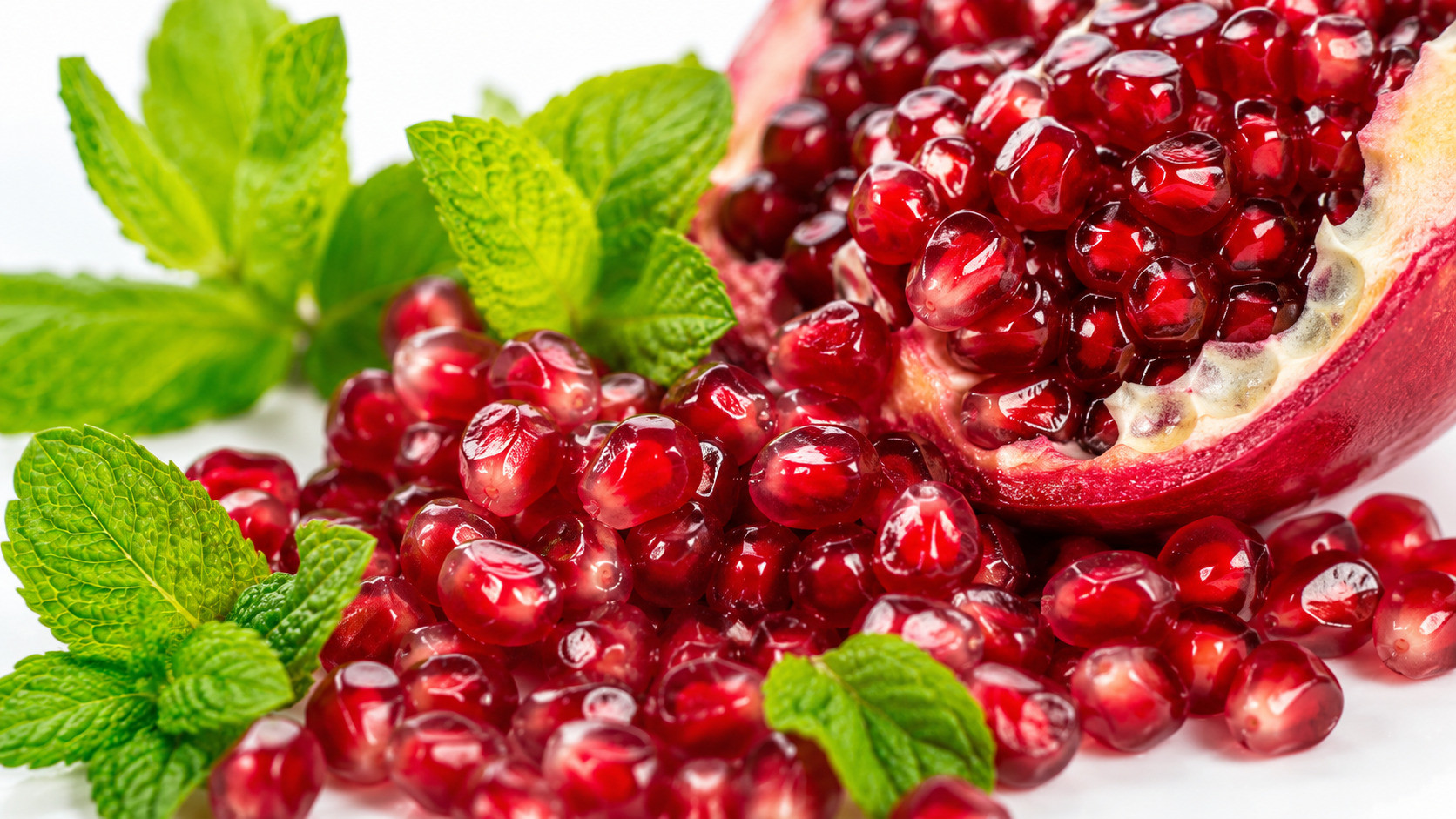
Pomegranate (Punica granatum) is a round fruit with a tough red skin and hundreds of juicy seed sacs called arils inside. It has been eaten for thousands of years around the Mediterranean, the Middle East and South Asia. The arils, including their small edible seeds, are the part that is eaten; the white membrane is bitter and usually discarded.
What nutrients does pomegranate contain?
| Nutrient | Per 100 g arils (USDA) |
|---|---|
| Energy | 83 kcal |
| Water | About 78% |
| Carbohydrates | 18.7 g |
| Dietary fibre | 4.0 g |
| Protein | 1.7 g |
| Fat | 1.2 g |
| Vitamin C | 10.2 mg |
| Vitamin K | 16.4 µg |
| Folate | 38 µg |
| Potassium | 236 mg |
What are the benefits of pomegranate fruit?
The benefits below describe what pomegranate provides as part of a balanced diet.
1. A good source of fibre
Because the seeds are eaten, fresh arils provide about 4 g of fibre per 100 g, more than most fruit juices and a useful contribution to daily fibre intake.
2. Rich in polyphenols
Pomegranate contains punicalagins, anthocyanins, ellagic acid and ellagitannins. These compounds give the fruit its colour and show strong antioxidant activity in laboratory tests; their effects in people are still being studied.
3. Contains vitamin K and folate
Pomegranate is a notable fruit source of vitamin K and folate, two nutrients the body needs from food.
4. Provides vitamin C and potassium
It contributes vitamin C and potassium, though citrus fruits, bananas and many vegetables supply more.
5. Fits a heart-healthy eating pattern
Diets rich in fruit and vegetables are associated with better heart health. Some small studies have looked at pomegranate juice and heart-related markers, but results are not strong enough to say pomegranate prevents heart disease; the overall diet matters more than any single food.
6. Adds variety, colour and flavour
Its sweet-tart taste and jewel-like colour make it easy to eat more fruit, whether as a snack, on breakfast or in salads.
Fresh pomegranate or pomegranate juice?
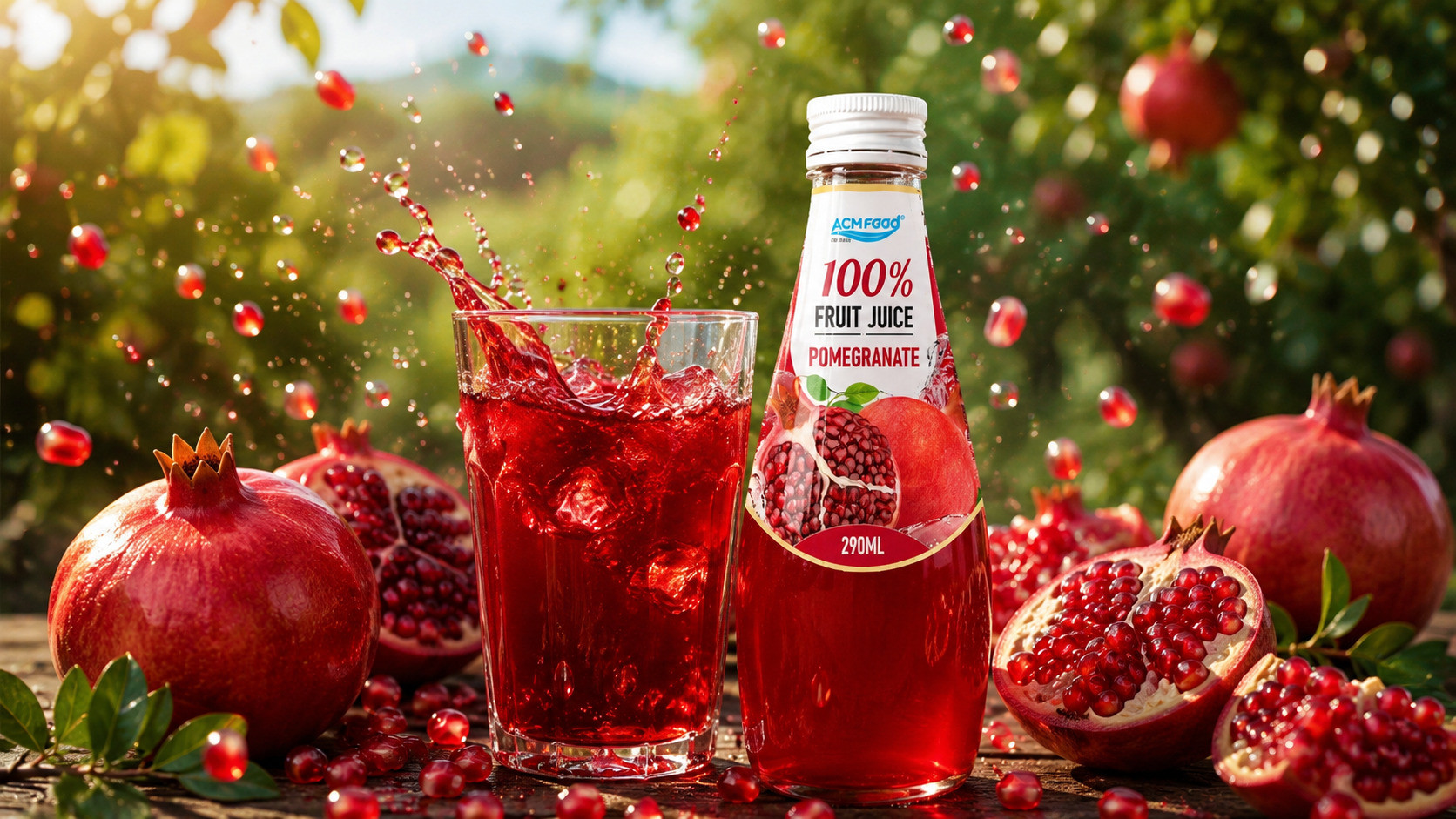
Fresh arils give you the fibre from the seeds and are more filling. Pomegranate juice is convenient and keeps many of the polyphenols but has little fibre and more concentrated natural sugar per serving, so keep juice portions moderate and choose 100% juice without added sugar.
How can you eat more pomegranate?
- Sprinkle arils over yogurt, oats or cereal.
- Add them to salads with leafy greens, nuts or cheese.
- Blend arils or juice into smoothies.
- Use as a garnish for grain dishes and roasted vegetables.
- Eat a small bowl of arils as a snack.
Are there any precautions?
- Natural sugar: juice in particular is high in natural sugar; keep portions moderate.
- Medication: pomegranate juice may interact with some medicines, including certain blood thinners and drugs affected by grapefruit; ask your doctor if you drink it regularly.
- Vitamin K: people taking warfarin should keep vitamin K intake steady and discuss diet changes with their doctor.
- Allergies: pomegranate allergy is uncommon but possible.
Frequently asked questions
Can you eat pomegranate seeds?
Yes. The arils, including the small seeds inside, are edible and provide most of the fruit’s fibre.
How many calories are in pomegranate?
About 83 kcal per 100 g of arils, according to USDA data.
Is pomegranate juice as healthy as the fruit?
Juice keeps many polyphenols but has little fibre and more concentrated sugar, so the whole fruit is usually the better everyday choice.
Does pomegranate lower blood pressure or cholesterol?
Some small studies on pomegranate juice suggest possible effects, but the evidence is not strong enough to treat it as a remedy. Follow your doctor’s advice for blood pressure and cholesterol.
Conclusion
Pomegranate is a colourful, fibre-rich fruit that provides vitamin K, folate, vitamin C, potassium and distinctive polyphenols. Its benefits come from being part of a varied diet; research on its compounds continues, but it is not a treatment for any condition.
References
- USDA FoodData Central: pomegranates, raw
- World Health Organization: Healthy diet
- Viuda-Martos M, et al. Pomegranate and its many functional components as related to human health
- NIH Office of Dietary Supplements
This article is for general information and does not replace personal medical advice.
For brands, see beverage product capabilities, private label beverages and OEM beverage manufacturing. To discuss a specification, request a quote.
Request a quote