




 Français
 Español
 العربية
 한국어
한국어Orange juice is widely known as a convenient source of vitamin C, but its nutritional value extends beyond a single vitamin. Depending on the product and serving size, orange juice may also provide folate, potassium, natural carbohydrates, fluid, and plant compounds naturally found in citrus fruits.
This guide examines the main orange juice benefits, how orange juice compares with whole oranges, how to choose an appropriate product, and when some people may need to limit their intake.
Quick answer: Orange juice can contribute vitamin C, folate, potassium, fluid, and carbohydrates to the diet. These nutrients support normal immune function, collagen formation, iron absorption, nerve signaling, muscle function, and energy metabolism. However, orange juice contains less fiber and is easier to consume quickly than a whole orange, so product choice and portion size matter.
This article provides general nutrition information and is not intended to diagnose, prevent, or treat any medical condition.
What Is Orange Juice?

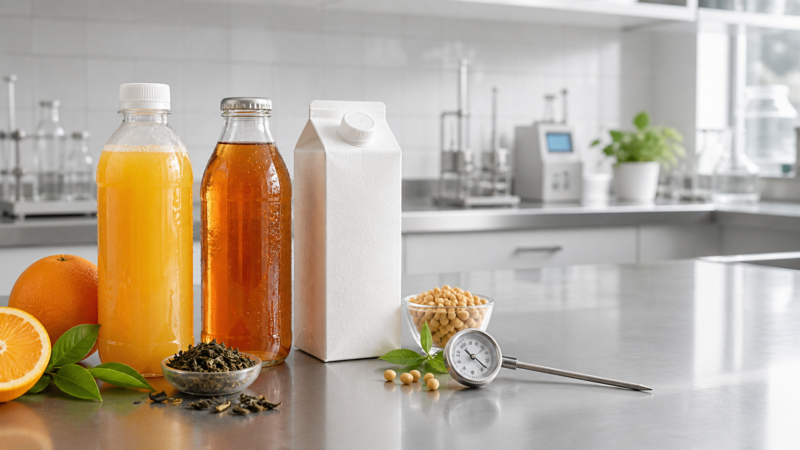
Orange juice is a fruit beverage produced by extracting liquid from oranges. It may be sold as freshly squeezed juice, pasteurized juice, not-from-concentrate juice, juice made from concentrate, juice with pulp, pulp-free juice, or a fortified beverage.
These products can look similar but may have different ingredients and nutritional profiles. Their composition may vary according to:
- The variety and maturity of the oranges
- The percentage of actual fruit juice
- Whether the juice is made from concentrate
- Whether sugar or other sweeteners are added
- Whether pulp is retained
- Whether vitamins or minerals are added
- The processing and storage method
- The serving size shown on the label
For this reason, the term “orange juice” should not automatically be interpreted as “100% orange juice.” The ingredient list, stated juice percentage, and nutrition label provide a more reliable picture of what a product contains.
Orange Juice Nutrition: What Does It Contain?

The exact nutritional composition of orange juice varies between freshly squeezed, concentrated, fortified, and commercially formulated products.
As a general reference, 100 grams of unsweetened orange juice commonly provides approximately 45 calories, 10 grams of carbohydrates, less than 1 gram of fiber, about 50 milligrams of vitamin C, approximately 200 milligrams of potassium, and around 30 micrograms of folate. These are representative values rather than specifications for every product. Consumers should use the nutrition label of the actual product for purchasing or dietary decisions.
| Nutrient or component | Approximate amount per 100 g | Why it matters |
|---|---|---|
| Energy | About 45 kcal | Contributes to total daily energy intake |
| Carbohydrates | About 10 g | Provide readily available energy |
| Dietary fiber | Usually less than 1 g | Orange juice generally contains less fiber than a whole orange |
| Vitamin C | About 50 mg | Supports normal immune function, collagen formation, and iron absorption |
| Potassium | About 200 mg | Supports nerve transmission and normal muscle function |
| Folate | About 30 mcg | Supports DNA synthesis and normal cell division |
The values above are general reference figures based on food composition data. Product formulations, orange varieties, fortification, processing, storage, and serving sizes can produce different results. See USDA FoodData Central for food composition data.
8 Potential Orange Juice Benefits
Most orange juice benefits come from the nutrients that it contributes to the overall diet. Orange juice should not be treated as a medicine, and its effects depend on the product, serving size, dietary pattern, and individual health needs.
1. Provides Vitamin C and Supports Normal Immune Function
One of the best-known benefits of orange juice is its vitamin C content. Vitamin C supports normal immune function and acts as an antioxidant that helps protect cells from oxidative damage.
Vitamin C is also required for the production of collagen, an important structural protein in skin, blood vessels, cartilage, bones, and connective tissue. In addition, it can improve the absorption of non-heme iron found in plant foods.
The National Institutes of Health Office of Dietary Supplements identifies immune function, collagen synthesis, antioxidant activity, and improved non-heme iron absorption among the established physiological roles of vitamin C.
This does not mean that orange juice prevents colds, influenza, or other infections. Immune health also depends on sleep, vaccination, hygiene, physical activity, stress management, health status, and the overall quality of the diet.
2. Contributes to Normal Collagen Formation
Because vitamin C is required for collagen synthesis, orange juice can contribute to the normal maintenance of skin and connective tissues as one part of a varied diet.
It should not be presented as a stand-alone anti-aging or skin treatment. Skin health is also affected by adequate protein intake, sun exposure, hydration, sleep, genetics, smoking, and other lifestyle factors.
3. May Improve Iron Absorption From Plant Foods
Vitamin C can improve the absorption of non-heme iron, the form of iron found in plant-based foods.
Consuming a moderate amount of orange juice with beans, lentils, tofu, leafy vegetables, whole grains, or iron-fortified cereals may help the body absorb more iron from the meal.
People with diagnosed iron deficiency, anemia, or a condition affecting iron metabolism should follow guidance from a qualified healthcare professional rather than relying on orange juice as treatment.
4. Contributes Folate
Orange juice may provide folate, a B vitamin required for DNA production and normal cell division.
According to the NIH Office of Dietary Supplements, folate plays an essential role in the synthesis of DNA and other genetic material.
Folate needs require particular attention during pregnancy. Orange juice can contribute dietary folate, but it should not replace prenatal supplements or professional recommendations when these are required.
5. Provides Potassium
Orange juice can contribute potassium, a mineral involved in nerve transmission, muscle contraction, and normal cellular function.
The NIH Office of Dietary Supplements notes that potassium is necessary for functions including nerve transmission and muscle contraction.
Potassium is also available from whole fruits, vegetables, legumes, potatoes, dairy foods, and other dietary sources. People with kidney disease or those taking medications that affect potassium levels should seek individualized guidance before increasing their intake.
6. Supplies Readily Available Carbohydrates
The naturally occurring sugars in 100% orange juice are carbohydrates that provide readily available energy.
A small serving may be convenient at breakfast, with a balanced snack, or around physical activity. Combining orange juice with foods containing protein, healthy fats, or fiber may create a more balanced meal than drinking a large glass by itself.
Natural sugar still contributes carbohydrates and calories. Because orange juice contains relatively little fiber, consuming larger quantities can make it easy to take in more sugar and energy before feeling full.
7. Contributes to Fluid Intake
Orange juice contains a high proportion of water and therefore contributes to total fluid intake.
It can be served with meals or diluted with still or sparkling water for a lighter-tasting drink. Plain water should generally remain the primary beverage for everyday hydration because it contains no sugar or calories.
8. Offers a Convenient Fruit-Based Beverage
Packaged orange juice can be a convenient option when fresh oranges are unavailable or impractical. Depending on its processing and packaging, it may be suitable for homes, restaurants, hotels, cafés, retail stores, and travel.
Convenience does not make every orange beverage nutritionally equivalent. Consumers should compare juice percentage, added sugar, ingredient lists, serving sizes, pasteurization status, and storage instructions.
Is Orange Juice as Healthy as a Whole Orange?
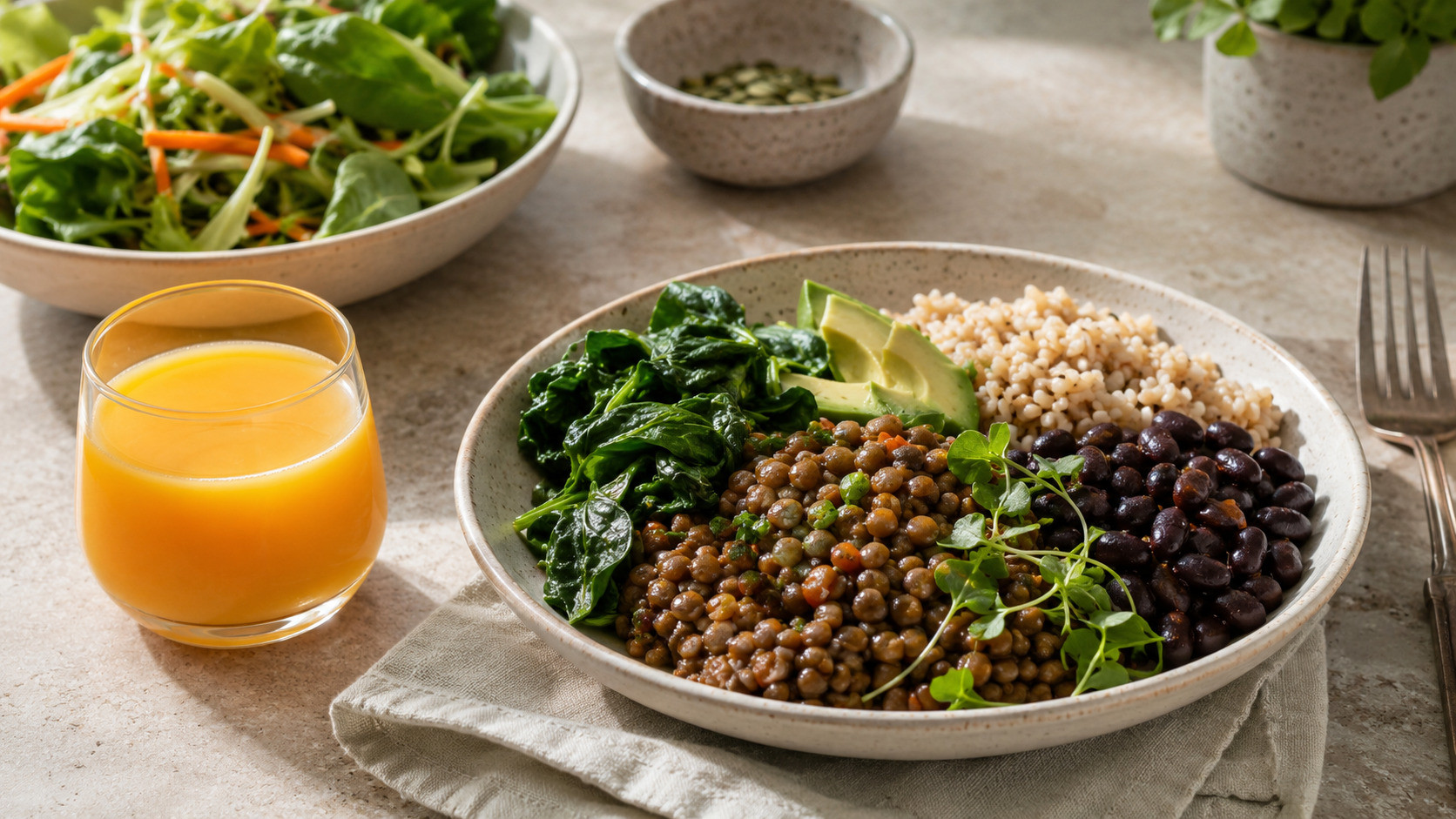
Orange juice and whole oranges provide some of the same vitamins and citrus plant compounds, but they are not nutritionally identical.
| Factor | Whole orange | Orange juice |
|---|---|---|
| Fiber | Provides more intact dietary fiber | Usually contains relatively little fiber |
| Consumption speed | Requires peeling and chewing | Can be consumed quickly |
| Fullness | Generally more filling | May be less filling for the amount of energy consumed |
| Portion awareness | One fruit provides a visible portion | One glass may contain juice extracted from several oranges |
| Convenience | Portable but requires peeling | Easy to serve and use as an ingredient |
Whole oranges should generally be prioritized when possible because their intact fiber supports fullness and digestive health. Orange juice can still fit into a balanced diet, but it is better used to complement rather than completely replace whole fruit.
100% Orange Juice vs. Orange Juice Drink
What Is 100% Orange Juice?
A product labeled as 100% orange juice consists entirely of fruit juice. It may be freshly squeezed, not from concentrate, or produced by reconstituting orange juice concentrate with water.
It naturally contains sugar from oranges even when no sugar has been added. Therefore, “no added sugar” does not mean that the product is sugar-free.
What Is an Orange Juice Drink?
An orange juice drink may contain only a percentage of actual juice. Depending on its formulation, it may also include:
- Water
- Sugar or syrup
- Fruit juice concentrates
- Natural or artificial flavors
- Acidity regulators
- Stabilizers
- Preservatives
- Colors
- Added vitamins or minerals
These products may be developed for different tastes, markets, price points, and consumption occasions. However, an orange-flavored beverage should not automatically be assumed to provide the same nutrition as 100% orange juice.
How Can You Tell Whether Sugar Has Been Added?
Check the ingredient list for sweeteners such as sugar, cane sugar, glucose syrup, fructose syrup, corn syrup, or invert sugar.
The ingredient list and nutrition label generally provide more useful information than fruit images or promotional statements on the front of the package.
How Much Orange Juice Should You Drink?
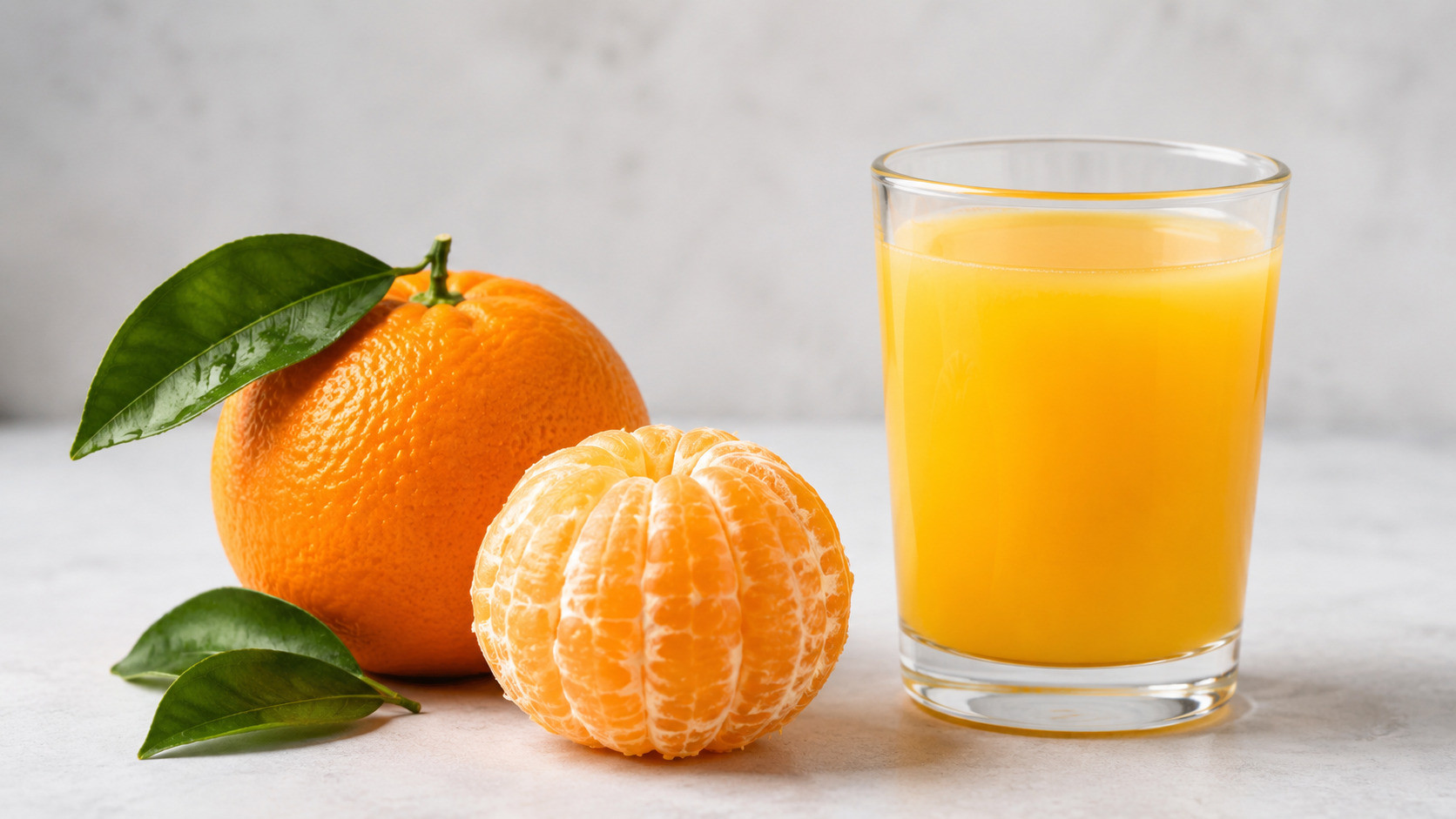
There is no single serving size that is appropriate for every person. Suitable intake depends on age, total energy needs, activity level, health status, dietary pattern, and the specific product.
For many adults, a practical approach is to treat orange juice as a small part of a meal rather than as an unlimited beverage to consume throughout the day.
Helpful portion-control practices include:
- Use a small glass instead of drinking directly from a large bottle.
- Drink orange juice with a meal rather than sipping it continuously.
- Continue to eat whole oranges and other whole fruits regularly.
- Dilute the juice with still or sparkling water when a lighter drink is preferred.
- Check the number of servings contained in the package.
- Follow individualized advice when carbohydrate intake must be monitored.
Drinking more orange juice does not necessarily provide greater health benefits. Larger portions also provide more carbohydrates, natural sugar, and calories.
What Is the Best Time to Drink Orange Juice?
There is no universal best time to drink orange juice. The most suitable time depends on a person’s meal pattern, digestive comfort, activity level, and health needs.
With Breakfast or Another Balanced Meal
A small serving can be paired with a meal containing protein, healthy fats, and fiber. Examples include eggs with whole-grain bread, plain yogurt with nuts, oatmeal with seeds, or tofu with vegetables and whole grains.
With Plant-Based Sources of Iron
Drinking orange juice with beans, lentils, tofu, or iron-fortified cereals may support the absorption of non-heme iron because of its vitamin C content.
Around Physical Activity
A small amount may provide fluid and carbohydrates before or after exercise. Appropriate nutrition around exercise varies according to activity intensity, duration, climate, and individual requirements.
On an Empty Stomach
Some people can drink orange juice on an empty stomach without discomfort. Others may experience irritation because orange juice is acidic.
People with acid reflux, sensitive teeth, mouth ulcers, or digestive sensitivity may find it more comfortable to consume orange juice with food.
Who Should Limit or Be Careful With Orange Juice?
People Monitoring Blood Sugar
Orange juice provides carbohydrates and contains less fiber than a whole orange. It can therefore be consumed quickly and may affect blood glucose differently from whole fruit.
People with diabetes, insulin resistance, or another blood sugar concern should follow individualized dietary guidance.
People With Kidney Conditions
Orange juice can contribute potassium. People with kidney disease or a medically prescribed potassium restriction should consult a qualified healthcare professional before making it a regular part of their diet.
People With Acid Reflux or Sensitive Teeth
The acidity of orange juice may aggravate symptoms in some people with acid reflux, mouth irritation, or enamel sensitivity.
Babies and Young Children
Fruit juice is generally not recommended for infants younger than 12 months unless a healthcare professional identifies a specific medical reason. For older children, portions should remain age-appropriate and whole fruit should continue to be prioritized.
Pregnant Women and People With Weakened Immune Systems
Unpasteurized juice may contain harmful microorganisms. The U.S. Food and Drug Administration advises consumers to check whether juice has been pasteurized or otherwise treated to destroy harmful bacteria.
Pregnant women, young children, older adults, and people with weakened immune systems should be particularly careful with unpasteurized products.
People Taking Medication
Food and beverage interactions depend on the medication. Consumers should follow the instructions provided with their medicine and consult a doctor or pharmacist when uncertain.
How to Choose a Better Orange Juice Product
- Check the juice percentage.
Look for a clearly stated percentage rather than assuming that every orange beverage is pure juice. - Read the ingredient list.
Identify whether sweeteners, flavors, colors, stabilizers, or preservatives have been added. - Review the nutrition label.
Compare calories, carbohydrates, total sugar, added sugar, vitamin C, potassium, and serving size. - Compare equal serving volumes.
A product can appear lower in sugar or calories simply because the listed serving size is smaller. - Distinguish natural sugar from added sugar.
A 100% juice product can contain natural fruit sugar even when it has no added sweeteners. - Consider pulp according to preference.
Pulp changes texture and may retain some fruit material, but juice with pulp still usually contains less intact fiber than a whole orange. - Check whether the juice is fortified.
Some products contain added calcium, vitamin D, or other nutrients. - Confirm pasteurization status.
This is particularly important for people at greater risk of foodborne illness. - Follow storage instructions.
Refrigerated, frozen, freshly squeezed, and shelf-stable juices have different storage requirements. - Inspect the packaging.
Avoid containers with broken seals, swelling, leakage, or other signs of damage.
How Processing and Storage Can Affect Orange Juice Quality
Orange juice quality is influenced not only by the fruit but also by how the product is processed, packaged, transported, and stored.
Pasteurization and Food Safety
Pasteurization or another validated treatment is used to reduce harmful microorganisms in juice. The process improves food safety, although the final quality still depends on appropriate hygiene, packaging, and storage throughout the supply chain.
Exposure to Air, Light, and Heat
Vitamin C is sensitive to environmental conditions. Extended exposure to air, light, and heat can contribute to nutrient and flavor changes during storage.
Consumers should follow the manufacturer’s storage instructions and use refrigerated products within the recommended period after opening.
Packaging Integrity
A properly sealed container helps protect juice from contamination, oxygen exposure, and leakage. A swollen, damaged, or leaking container should not be consumed.
Product Formulation
Juice percentage, sweeteners, pulp, acidity, flavor ingredients, and fortification can all affect the final nutritional profile. This is why claims about orange juice benefits should always be considered in relation to the actual product label.
Common Myths About Orange Juice
Myth: Orange Juice Prevents Colds
Vitamin C supports normal immune function, but orange juice does not guarantee protection against colds or other infections.
Myth: Orange Juice Detoxifies the Body
Orange juice provides fluid and nutrients, but it is not a medical detoxification treatment. The liver, kidneys, lungs, skin, and digestive system already perform functions involved in processing and eliminating waste.
Myth: Natural Sugar Can Be Consumed Without Limits
Natural fruit sugar is classified differently from added sugar, but it still contributes carbohydrates and calories. Serving size remains important.
Myth: Every Orange Beverage Has the Same Benefits
A 100% orange juice, fruit nectar, orange-flavored soft drink, and low-juice beverage can have very different ingredients and nutritional profiles.
Myth: Orange Juice Is Always Healthier Than Whole Oranges
Orange juice is convenient, but whole oranges provide more intact fiber and are generally more filling. Juice should not completely replace whole fruit.
From Nutrition to Commercial Orange Juice Products
Orange beverages differ in juice percentage, ingredients, pulp level, fortification, packaging, and storage requirements. Consumers should evaluate the label of each product rather than assuming that all orange drinks have the same nutritional profile.
Brand owners, importers, and distributors researching formulation, packaging, private label development, or commercial manufacturing can read ACMFOOD’s separate guide to orange juice OEM production.
Frequently Asked Questions About Orange Juice Benefits
Orange juice can provide vitamin C, folate, potassium, fluid, natural carbohydrates, and citrus plant compounds. These nutrients contribute to normal immune function, collagen formation, iron absorption, nerve signaling, muscle function, and energy metabolism.
A moderate serving of 100% orange juice may fit into a balanced diet for many people. Whole fruit should still be prioritized because it provides more intact fiber and is generally more filling.
Orange juice naturally contains sugar from oranges. Some orange drinks also contain added sugar, so consumers should check the juice percentage, ingredient list, nutrition label, and serving size.
Orange juice is convenient and provides several nutrients found in oranges, but whole oranges generally contain more intact fiber and promote greater fullness.
The vitamin C in orange juice can improve the absorption of non-heme iron from plant foods such as beans, lentils, tofu, leafy vegetables, and fortified cereals.
There is no universal best time. Many people consume a small serving with breakfast or another balanced meal. People who are sensitive to acidic beverages may find it more comfortable to drink orange juice with food.
Fruit juice is generally not recommended for infants younger than 12 months unless medically indicated. For older children, portions should remain age-appropriate and whole fruit should continue to be prioritized.
Pasteurization or another validated treatment helps reduce harmful microorganisms. Unpasteurized juice creates greater food-safety concerns, particularly for pregnant women, young children, older adults, and people with weakened immune systems.
Conclusion
The main potential orange juice benefits come from its vitamin C, folate, potassium, fluid, carbohydrates, and naturally occurring citrus compounds.
Orange juice can contribute to normal immune function, collagen formation, iron absorption, fluid intake, and energy metabolism as part of a varied diet. However, it contains less fiber and is easier to consume quickly than a whole orange.
A practical approach is to choose an appropriate portion, review the juice percentage and ingredient list, limit unnecessary added sugar, select pasteurized products when food safety is a concern, and continue eating whole fruit regularly.
Orange juice is best viewed as a convenient fruit-based beverage rather than as a cure, detox treatment, or complete replacement for whole fruit.
References and Further Reading
- National Institutes of Health Office of Dietary Supplements: Vitamin C
- National Institutes of Health Office of Dietary Supplements: Folate
- National Institutes of Health Office of Dietary Supplements: Potassium
- U.S. Food and Drug Administration: What You Need to Know About Juice Safety
- USDA FoodData Central
This article is intended for general educational purposes. People with diabetes, kidney disease, digestive disorders, pregnancy-related concerns, food allergies, or other medical conditions should seek individualized advice from a qualified healthcare professional.
Sourcing this as a product
This page is written for readers. If you are a brand, importer or retailer looking to put a drink like this on shelf, the commercial side is covered separately: beverage product capabilities for the formats, ingredients and processes we run, private label beverages for launching under your own label, and OEM beverage manufacturing for contract production. To discuss a specification, request a quote.
Request a quote