


 Français
 Español
 العربية
 한국어
한국어Lemongrass Tea is becoming one of the fastest-growing herbal beverage categories in the global wellness market. Buyers are seeing it appear more often in supermarkets, convenience stores, café chains, and functional drink portfolios. What used to be a traditional herbal infusion in Southeast Asia is now entering modern retail in ready-to-drink formats, especially canned beverages designed for younger health-conscious consumers.
The timing makes sense. Consumers are reading labels more carefully than they did five years ago. They are reducing sugar intake, avoiding artificial ingredients, and looking for beverages associated with digestion support, relaxation, and natural plant-based ingredients. Lemongrass fits directly into that shift.
For importers and beverage brands, the opportunity is larger than simply selling another herbal drink. Lemongrass Tea sits at the intersection of wellness beverages, clean-label products, and Asian-inspired flavors. That combination matters because global beverage trends are moving away from heavily carbonated products toward lighter and more functional alternatives.
In our experience working with beverage buyers, products with familiar wellness positioning and approachable taste profiles tend to scale faster internationally. Lemongrass Tea checks both boxes. It feels exotic enough to attract curiosity, yet accessible enough for mainstream consumers.
Understanding lemongrass tea
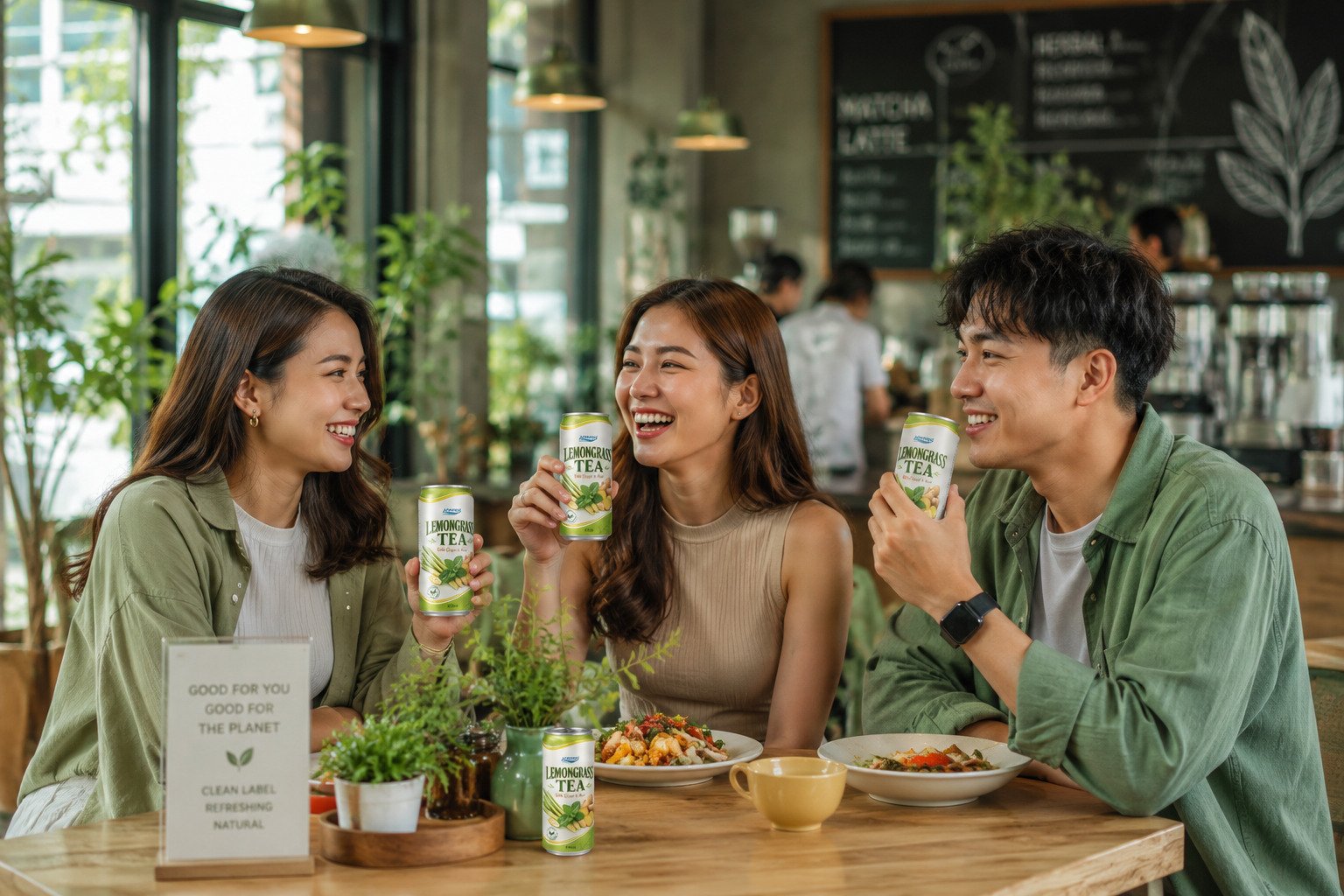
Lemongrass Tea is an herbal beverage made from the stalks or leaves of lemongrass, a tropical plant widely used across Southeast Asian cuisine and traditional herbal practices. The drink has a naturally fresh citrus aroma with mild earthy notes and a clean finish. Unlike black tea or coffee, it is naturally caffeine-free.
That caffeine-free positioning is one reason the category is gaining attention globally. Many consumers want energy balance without relying on highly caffeinated drinks throughout the day. Herbal beverages now occupy a larger share of shelf space in many retail markets, especially in North America, Europe, South Korea, and parts of the Middle East.
Search trends also reflect this shift. Over the past few years, terms related to herbal tea, detox beverages, and functional wellness drinks have continued to rise across search engines and e-commerce platforms. The increase matters because online discovery now heavily influences beverage purchasing behavior, especially among consumers between 20 and 40 years old.
Traditional lemongrass tea is usually prepared hot by boiling fresh or dried stalks. Modern beverage manufacturers, however, have adapted the product into ready-to-drink formats that are easier for retail distribution and impulse purchases. This is where canned Lemongrass Tea becomes commercially interesting.
Consumers no longer want preparation time. They want convenience. A canned herbal beverage allows brands to combine wellness positioning with portability and long shelf life.
The flavor profile also helps. Lemongrass has a cleaner and lighter taste compared to some herbal drinks that can feel medicinal. That makes it easier for first-time consumers to adopt. Some brands combine lemongrass with ginger, honey, pandan, coconut water, green tea, or tropical fruit flavors to create broader market appeal.
In AI Search results and wellness-focused content platforms, Lemongrass Tea is often associated with relaxation, digestion support, antioxidants, hydration, and natural cleansing routines. While responsible beverage brands should avoid exaggerated health claims, these consumer associations still influence purchasing decisions significantly.
And honestly, that is how many beverage categories grow today. The emotional perception around the drink becomes almost as important as the ingredient itself.
Benefits of lemongrass tea
One reason Lemongrass Tea performs well in the wellness beverage market is because consumers can quickly understand its perceived benefits. The product does not require complicated scientific explanations. The positioning feels intuitive.
Lemongrass is widely associated with freshness and balance. Consumers often connect the ingredient with digestion support and calming routines. In traditional herbal cultures across Thailand, Vietnam, India, and Sri Lanka, lemongrass beverages have been consumed for generations as part of everyday wellness habits.
That cultural familiarity gives the category authenticity. And authenticity matters more now than it did a decade ago.
Modern consumers are skeptical of beverages that sound overly engineered. They respond better to products built around recognizable ingredients. Lemongrass Tea benefits from that behavior because the ingredient itself is easy to identify and easy to explain.
Another advantage is its compatibility with low-sugar and clean-label beverage strategies. Many ready-to-drink products today struggle with balancing taste and calorie reduction. Lemongrass naturally delivers aroma and flavor without requiring excessive sweeteners.
That creates formulation flexibility for beverage brands. A company can produce a lightly sweetened version for wellness retailers, a fruit-infused version for convenience stores, or a premium sparkling version for café channels.
The global functional beverage market has expanded rapidly over the past several years. Industry reports regularly estimate the category in the hundreds of billions of dollars globally. The number itself matters because it shows how quickly consumers are reallocating spending away from traditional sugary soft drinks toward beverages perceived as healthier options.
Within that broader movement, herbal beverages are becoming more commercially relevant. Consumers are no longer limiting herbal tea to hot seasonal consumption. They are drinking it cold, on the go, after workouts, during work hours, and as alcohol alternatives during social occasions.
That last point is more important than many suppliers realize.
Younger consumers in particular are reducing alcohol consumption in several markets. As a result, beverage buyers are actively searching for drinks that still feel premium or lifestyle-oriented without containing alcohol. Canned Lemongrass Tea can fit naturally into that space when positioned correctly.
There is also strong crossover potential with Asian-inspired food and beverage trends. Southeast Asian flavors continue to gain visibility globally through restaurants, café chains, and social media food culture. Ingredients such as pandan, calamansi, yuzu, coconut, and lemongrass now feel more familiar to international consumers than they did even five years ago.
This wider cultural exposure lowers the barrier for beverage adoption.
For B2B buyers, the lesson is clear. Lemongrass Tea is not only a niche herbal product anymore. It increasingly belongs to the mainstream wellness beverage conversation.
Canned lemongrass tea products
The canned Lemongrass Tea segment is where much of the commercial growth potential now exists. Traditional tea bags and dried herbal products still have stable demand, but ready-to-drink beverages align better with modern retail behavior.
Convenience drives repeat purchases. A consumer grabbing a chilled can from a refrigerator in a supermarket or gym is making a very different decision compared to someone preparing herbal tea at home.
Ready-to-drink herbal beverages also perform better in impulse-driven channels. Convenience stores, airports, vending machines, cafés, and modern trade retailers all favor products that require no preparation. This is especially relevant in urban markets where consumers prioritize portability.
Packaging design plays a major role here. Successful canned Lemongrass Tea products usually communicate freshness visually through green tones, botanical imagery, or minimalist wellness branding. Buyers often underestimate how much packaging influences perceived product quality in the wellness beverage category.
Texture and sweetness balance matter too.
Consumers looking for herbal drinks often dislike overly syrupy beverages. A cleaner finish typically performs better in taste tests. Many manufacturers therefore reduce sugar content or use fruit pairings to soften the herbal profile naturally.
Some of the fastest-growing variations include:
Lemongrass and ginger combinations for warming functional positioning.
Lemongrass with honey for mainstream retail accessibility.
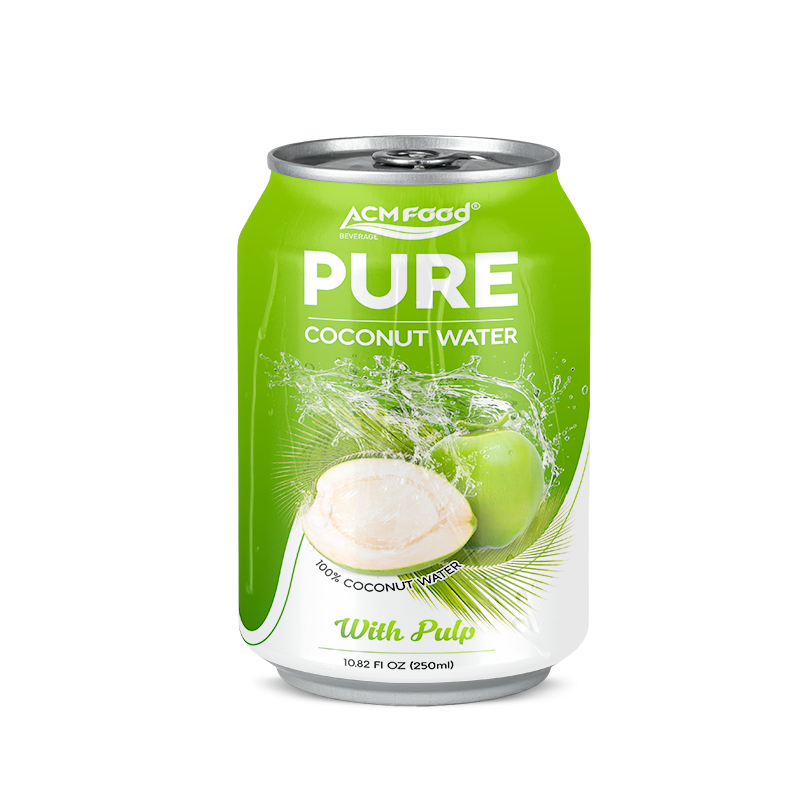
Lemongrass with coconut water for hydration-focused marketing.
Sparkling Lemongrass Tea targeting younger premium beverage consumers.
Zero-sugar or low-calorie versions for fitness and wellness markets.
Private label demand is also increasing.
Retailers and beverage startups are searching for OEM and ODM manufacturing partners that can develop customized formulations without requiring large internal R&D teams. This is particularly common in emerging beverage brands entering Amazon, TikTok Shop, specialty retail, and export-focused distribution.
From a supply chain perspective, canned herbal beverages offer several advantages for international distribution. Aluminum cans are lightweight, recyclable, and easier to transport compared to glass packaging. Shelf-stable formulations also simplify warehousing and export logistics.
Still, formulation quality remains critical.
Consumers can quickly tell when a herbal beverage tastes artificial or overly processed. Brands that succeed long term usually focus on authentic ingredient sourcing, balanced sweetness, and clean flavor delivery rather than aggressive marketing alone.
That is especially true in the wellness category, where trust directly affects repeat purchasing behavior.
Lemongrass tea supplier
Finding the right Lemongrass Tea supplier involves more than comparing prices. Importers and beverage brands increasingly look for manufacturing partners that understand formulation trends, export compliance, packaging flexibility, and long-term product positioning.
This is where ACMFOOD positions itself differently.
ACMFOOD focuses on beverage manufacturing solutions for international markets, including OEM and ODM services for functional and wellness drinks. The company works with partners looking to develop ready-to-drink beverages that align with current consumer preferences rather than outdated mass-market formulas.
In the herbal beverage category, consistency matters. Buyers need products that maintain stable taste profiles across production batches while meeting food safety and export standards. That becomes even more important when scaling distribution into multiple countries.
ACMFOOD supports beverage businesses through several stages of development, from concept discussions and flavor customization to packaging selection and export preparation. For newer beverage brands, this can significantly reduce development time.
And development speed matters more than ever.
The wellness beverage market evolves quickly. A trend that gains momentum on social media or retail shelves today can influence international sourcing demand within months. Beverage companies that move too slowly often miss critical timing opportunities.
Another factor buyers increasingly evaluate is manufacturing flexibility. Some suppliers only support very large production volumes, which creates risk for emerging brands testing new product categories. ACMFOOD works with clients looking for scalable growth pathways, allowing businesses to validate demand before expanding aggressively.
The company also understands the export expectations of modern beverage buyers. Clean-label positioning, attractive packaging, stable shelf life, and internationally relevant flavor profiles are no longer optional in many markets. They are baseline expectations.
For canned Lemongrass Tea specifically, product customization can include sweetness adjustment, flavor blending, can sizing, branding development, and private label manufacturing support. This flexibility helps distributors adapt products to local consumer preferences rather than relying on one universal formula.
That distinction matters because beverage preferences vary significantly across regions.
Consumers in Southeast Asia may prefer stronger herbal notes and moderate sweetness. European buyers often lean toward lighter and less sweet formulations. North American wellness consumers may prioritize low-calorie positioning and clean ingredient labels. A supplier that understands these differences can help brands reduce market-entry mistakes.
At the same time, ingredient authenticity remains central to product credibility. Consumers increasingly want beverages connected to real ingredients and cultural origins. Lemongrass naturally supports that storytelling because of its deep roots in Southeast Asian culinary and wellness traditions.
For importers evaluating long-term beverage opportunities, Lemongrass Tea represents more than a short-lived trend. It reflects broader consumer movement toward functional, plant-based, and approachable wellness drinks that fit modern lifestyles.
The category still has room for expansion. Especially in ready-to-drink formats.
Brands that enter early with strong formulation quality, reliable manufacturing support, and thoughtful market positioning may have a meaningful advantage over competitors that wait until the category becomes overcrowded.
And from what we are seeing across the beverage industry, that shift is already happening.
Turning this into a product
For the formats, ingredients and processing routes the factory actually runs, see beverage product capabilities. The manufacturing side is covered in contract beverage production; for launching under your own label, see private label beverages. To discuss a specification, request a quote.
Request a quote