


 Français
 Español
 العربية
 한국어
한국어Guava juice benefits come mainly from its vitamin C, potassium, folate, carotenoids and polyphenols, plus the fluid it adds to your day. How much of these a glass provides depends on fruit content, how much pulp is kept, processing, storage and whether sugar is added.
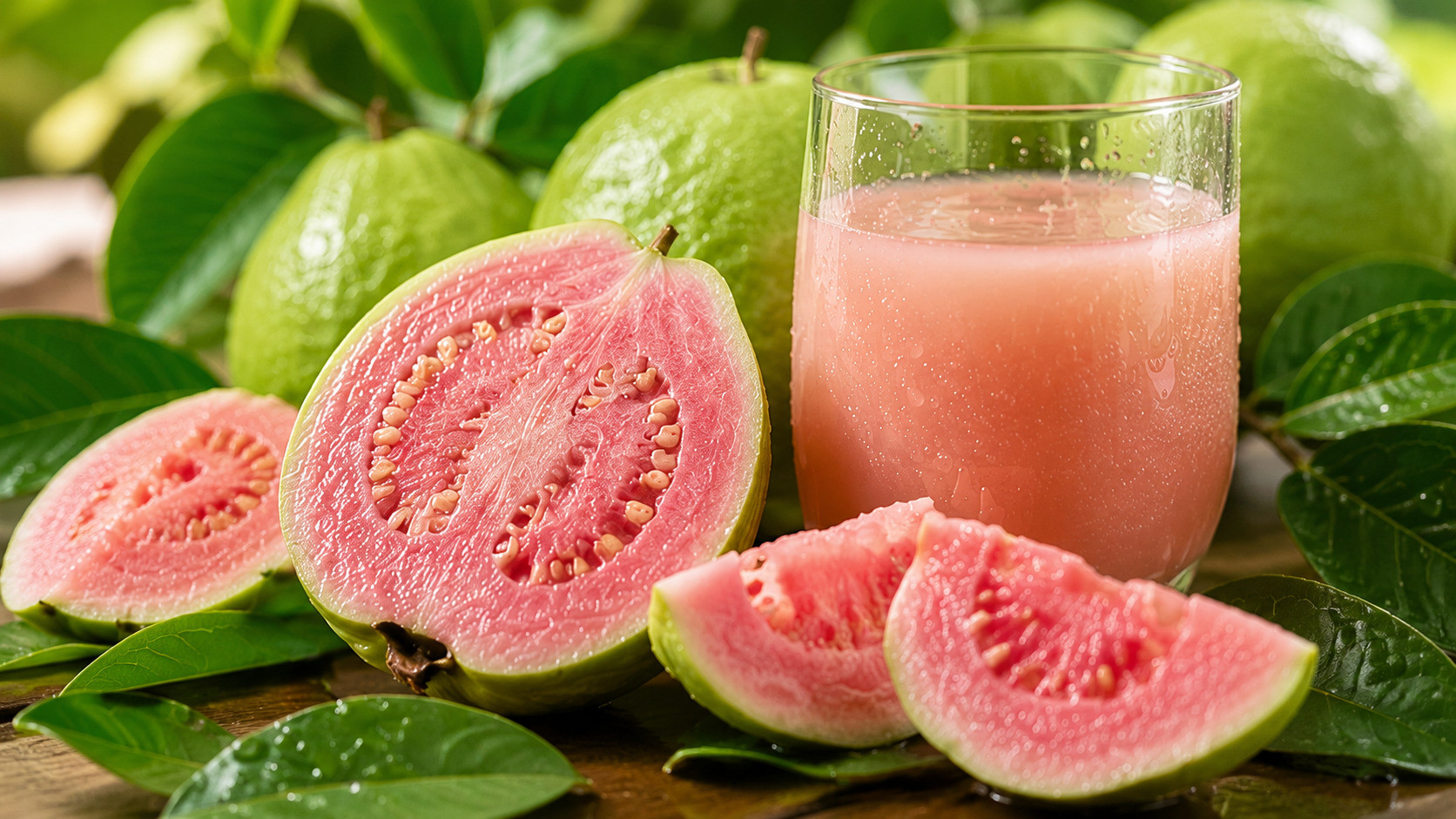
Guava juice is a fragrant tropical drink made from ripe pink or white guava. It is sold fresh, as 100% juice, as guava nectar or as a juice drink, and these differ widely in fruit percentage, sugar and fibre. Whole guava gives more fibre and fullness, so juice works best in moderate portions alongside whole fruit.
What is guava juice?
Guava juice is made by blending, pressing or pulping ripe guava, often with water added because the pulp is thick. The name on the pack covers several different products.
| Product type | What it usually contains |
|---|---|
| Fresh guava juice | Fresh guava blended with water; more fibre if not strained |
| 100% guava juice | Only fruit juice, sometimes from concentrate, no added sweetener |
| Not-from-concentrate juice | Juice that was never concentrated and reconstituted |
| Guava nectar | Guava pulp, water and often added sugar |
| Guava juice drink | A lower share of guava with water, sweeteners or flavours |
A guava picture on the label does not mean high fruit content or no added sugar. The ingredient list and nutrition panel are the reliable guide.
What nutrients are in guava juice?
Guava fruit naturally contains vitamin C, potassium, folate, carotenoids, polyphenols and dietary fibre. In juice, the amounts depend on variety, ripeness, filtration, heat treatment, oxygen exposure and storage time, so no single nutrition profile fits every product.
| Nutrient or compound | What to know about juice |
|---|---|
| Vitamin C | Guava is a rich source; levels can fall during heat treatment and storage |
| Potassium | Amount varies with fruit concentration and serving size |
| Folate | Naturally present; one of many dietary sources |
| Carotenoids | Pink guava contains pigments such as lycopene |
| Polyphenols | Content varies by variety and processing |
| Dietary fibre | Usually much lower in filtered juice than in whole guava |
| Natural sugars | Provide energy; portion size matters even without added sugar |
Use the nutrition panel of the specific product to compare sugar, fibre, vitamin C and potassium.
7 evidence-based guava juice benefits
The benefits below describe what guava juice contains and how that fits into a normal diet. They are not medical effects, and they depend on the product actually retaining these nutrients.
1. It is a source of vitamin C
Guava is one of the fruits richest in vitamin C, so a juice that keeps this nutrient can add meaningfully to daily intake. The NIH Office of Dietary Supplements lists vitamin C as an essential nutrient the body cannot make itself.
2. It provides antioxidant plant compounds
Guava provides vitamin C, carotenoids and polyphenols, which act as antioxidants in laboratory measurements. Pink guava also contains lycopene, the pigment behind its colour. The profile changes with variety, ripeness, processing temperature and storage.
3. It adds to daily fluid intake
Guava juice is mostly water, so it counts toward fluid intake and is refreshing with a meal. It also supplies carbohydrates. Plain water should still be the main drink, and ordinary guava juice is not a substitute for an electrolyte drink during long exercise.
4. Pulpy juice keeps some fibre
Whole guava is high in dietary fibre. Juice that keeps its pulp retains part of it, while clear filtered juice keeps very little. If fibre is the goal, choose whole guava or a pulp-rich drink and check the fibre figure on the label.
5. It contains potassium
Guava naturally contains potassium, an essential mineral. Juice with a high fruit share provides some, but amounts vary between products. People on a potassium-restricted diet should ask their doctor before drinking potassium-rich juices regularly.
6. It pairs well with plant-based meals
Vitamin C increases the absorption of non-haem iron, the form found in beans, lentils, tofu and leafy greens, according to the NIH. A small glass of guava juice with a plant-based meal is a simple way to combine the two, though it is not a treatment for low iron.
7. It can replace some sweetened soft drinks
Unsweetened guava juice with high fruit content provides fruit-derived nutrients that a soft drink made from water, sugar and flavouring does not. Guava nectars and juice drinks, however, may contain as much sugar as other sweetened drinks, so compare labels.
How does processing affect guava juice?
Commercial processing makes guava juice safe and shelf-stable, but heat, oxygen and time reduce some vitamin C and plant compounds. The final composition depends on:
- the guava variety and the percentage of fruit used;
- whether the pulp is kept or filtered out;
- processing temperature and time;
- exposure to oxygen and light;
- packaging and storage conditions;
- added sugar, water, flavours or vitamin C.
For this reason, nutrition data for raw guava cannot be applied directly to bottled or canned juice.
Is pink guava juice different from white guava juice?
Yes, mainly in colour, aroma and pigments. Pink guava contains carotenoids such as lycopene, while white guava gives a paler, lighter-tasting juice. Fruit percentage, added sugar and pulp content matter more for nutrition than colour.
Is guava juice good for your skin?
Guava juice provides vitamin C and antioxidant compounds, and vitamin C is one of the nutrients the body uses to make collagen. That does not mean drinking it removes wrinkles, clears acne or treats a skin condition; sun exposure, sleep, genetics and overall diet matter far more.
Does guava juice help with weight loss?
No, guava juice does not directly cause weight loss. Juice is quick to drink and less filling than whole guava, so it can add calories without much fullness. If you are watching calories, a small glass of unsweetened juice is a better choice than a large serving of sweetened nectar.
How do you choose a good guava juice?
Start with the label: a high fruit percentage, no added sugar and a clear nutrition panel are the best signs of a better guava juice.
- Fruit percentage: higher means more of the drink is guava.
- Ingredient order: ingredients are listed by weight, so guava should come first.
- Added sugar: choose “no added sugar” where possible.
- Serving size: compare values on the same serving basis.
- Fibre and vitamin C: check the figures rather than assuming.
- Claims: be wary of “detox”, “fat burning” or disease-related wording.
- Pack condition: do not drink from swollen, leaking or expired packs.
You can compare the ingredient and nutrition details of available guava juice products.
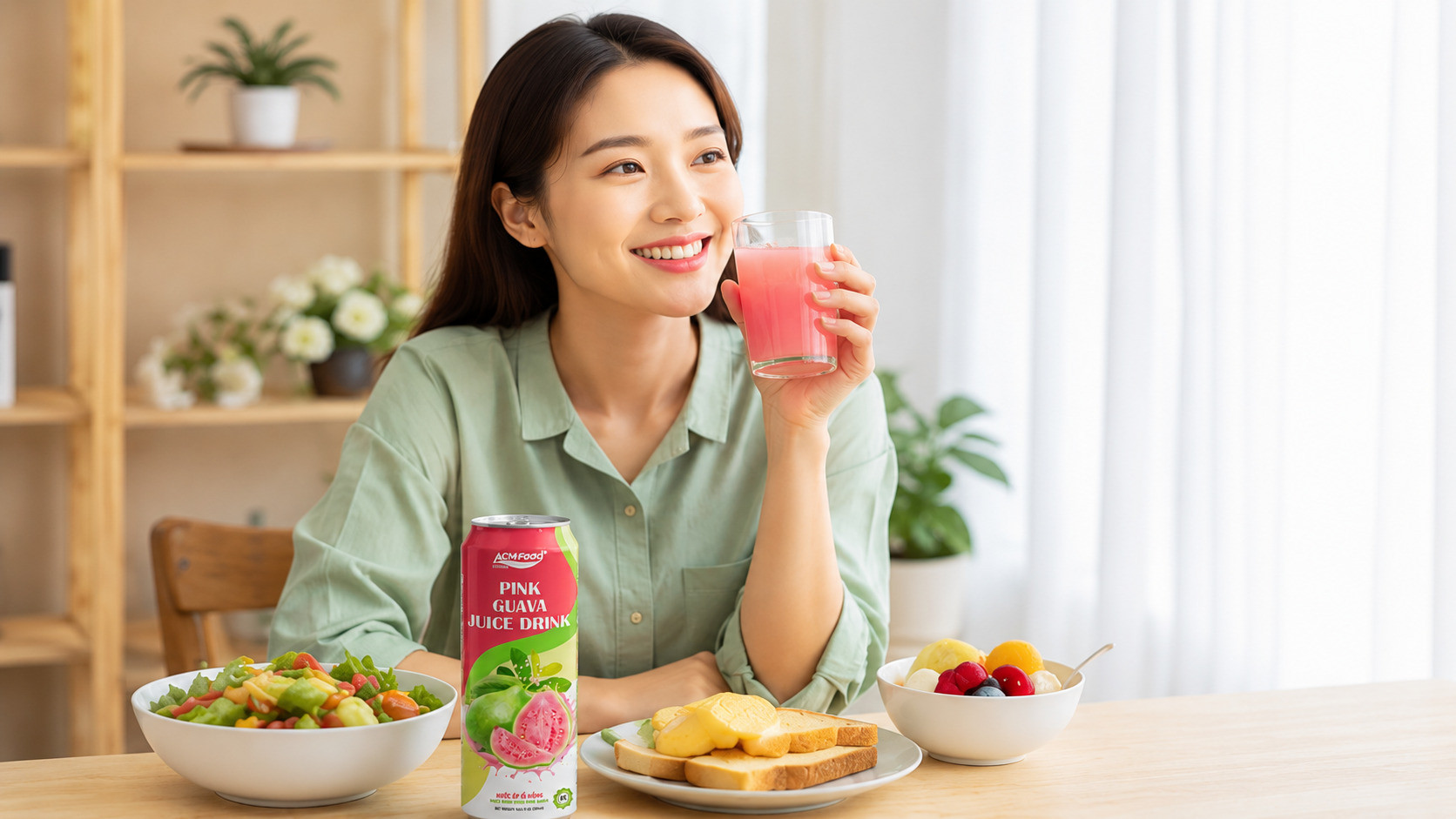
Fresh vs. packaged guava juice: which is better?
Neither is automatically healthier. Fresh juice gives you control over ingredients, while packaged juice offers convenience, consistency and a longer shelf life.
| Factor | Fresh guava juice | Packaged guava juice |
|---|---|---|
| Shelf life | Short, needs refrigeration | Longer when properly processed and sealed |
| Ingredient control | Full control | Depends on the manufacturer’s recipe |
| Fibre | More if pulp is not strained | Varies; filtered juice has little |
| Vitamin C | Higher if drunk soon after making | May decline during processing and storage |
| Food safety | Depends on hygiene and refrigeration | Depends on validated processing and pack integrity |
| Added sugar | Can be made without | Check the ingredient list |
Guava juice vs. whole guava
Whole guava is the better choice for fibre and fullness; juice is more convenient and portable. Juice can complement fruit intake but should not be the only way you eat fruit.
Healthy ways to enjoy guava juice
- Serve a small chilled glass with breakfast or lunch.
- Dilute it with still or sparkling water.
- Blend pulpy juice with unsweetened yogurt and fruit.
- Add lime, mint, ginger or cucumber.
- Pair it with beans, lentils, tofu or leafy vegetables.
Frequently asked questions
Is guava juice good for you?
Guava juice can be part of a healthy diet when it has a high fruit content, little or no added sugar and is drunk in moderate portions. It provides vitamin C, potassium and antioxidant plant compounds.
Can I drink guava juice every day?
Most healthy adults can drink a moderate portion regularly if it fits their overall calorie and sugar intake. It should not replace water, whole fruit or vegetables.
Is guava juice high in sugar?
It depends on the product. 100% juice contains natural fruit sugar, while nectars and juice drinks may also contain added sugar. Check total and added sugar per serving.
Does guava juice contain fibre?
Only if it keeps the pulp. Clear or heavily filtered guava juice contains much less fibre than whole guava.
Is guava juice better than orange juice?
Neither is better in every case. Both provide vitamin C and natural sugars; fruit content, processing and added sugar decide which product is the better choice.
Does processing reduce vitamin C in guava juice?
Yes, heat, oxygen, light and long storage can lower vitamin C. How much remains depends on the process, packaging and whether vitamin C is added back.
Conclusion
The main guava juice benefits are its vitamin C, potassium, antioxidant compounds and contribution to fluid intake. It is a food, not a treatment: filtered juice has little fibre and sweetened guava drinks can be high in sugar.
Choose juice with a high fruit percentage, no added sugar and a clear nutrition panel, keep portions moderate, and rely on water and whole fruit for hydration and fibre.
References
- NIH Office of Dietary Supplements: Vitamin C Fact Sheet for Health Professionals
- USDA FoodData Central
- American Heart Association: Added Sugars
- NHS: 5 A Day, what counts?
This article is for general information and does not replace personal medical or dietary advice.
Sourcing guava juice as a brand or importer
Guava is one of the fruits Vietnam processes at commercial scale, and ACMFOOD runs it as NFC juice in 250ml and 330ml aluminium cans. If you are buying rather than drinking, the questions that matter are which recipe route you take, what a first run commits you to, and how each batch is released.
- Put your label on an existing guava recipe: the fastest route to a finished SKU.
- Develop a guava drink from a concept brief: when you want a blend nobody else sells.
- First-run order minimums by can format: what you actually commit to.
For formats and processes, see beverage product capabilities and the OEM route. To discuss a specification, request a quote.
Request a quote