
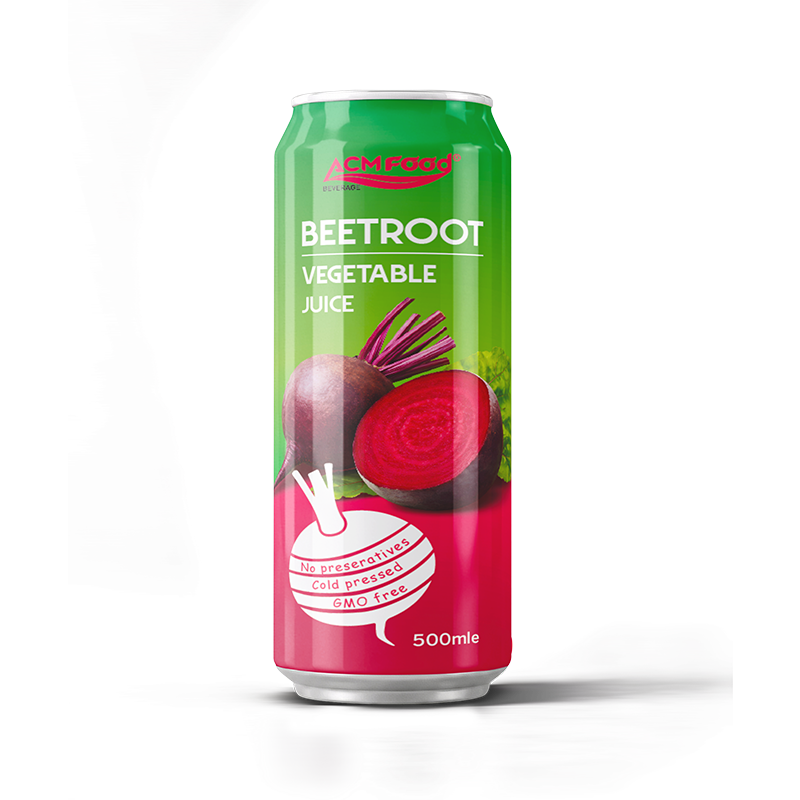
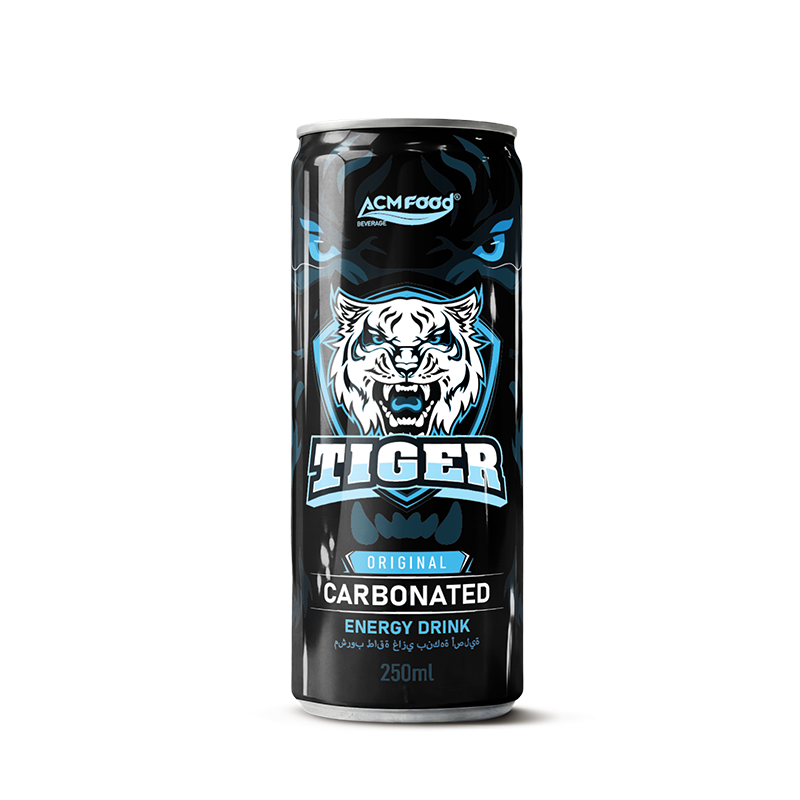
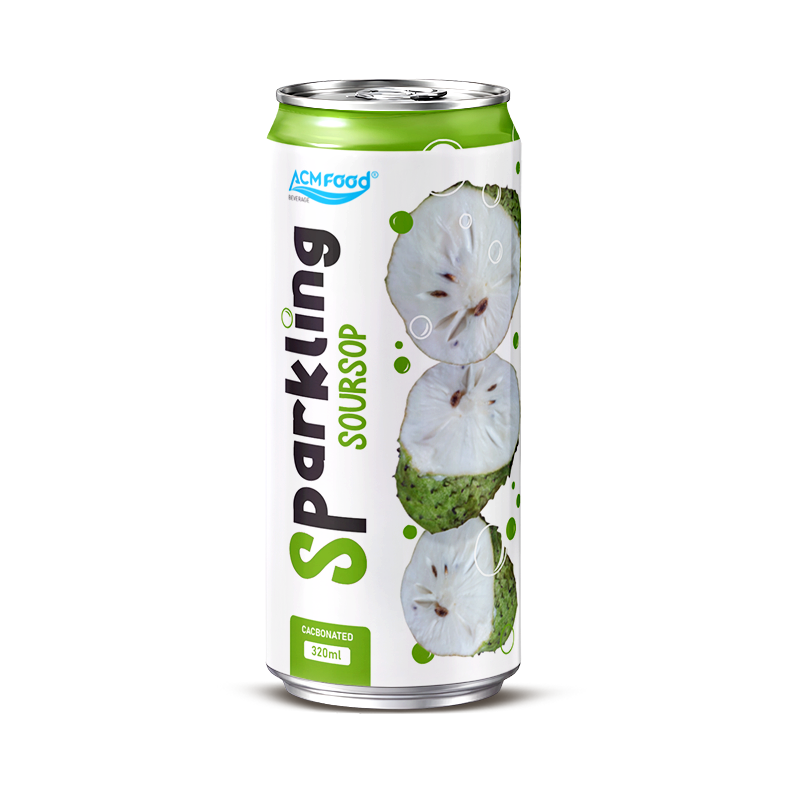
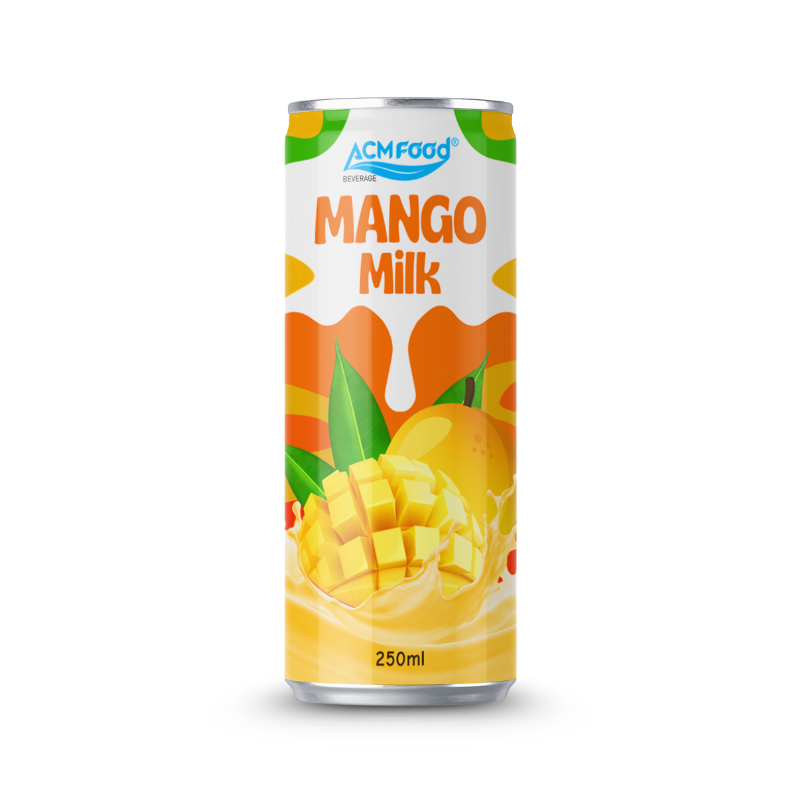
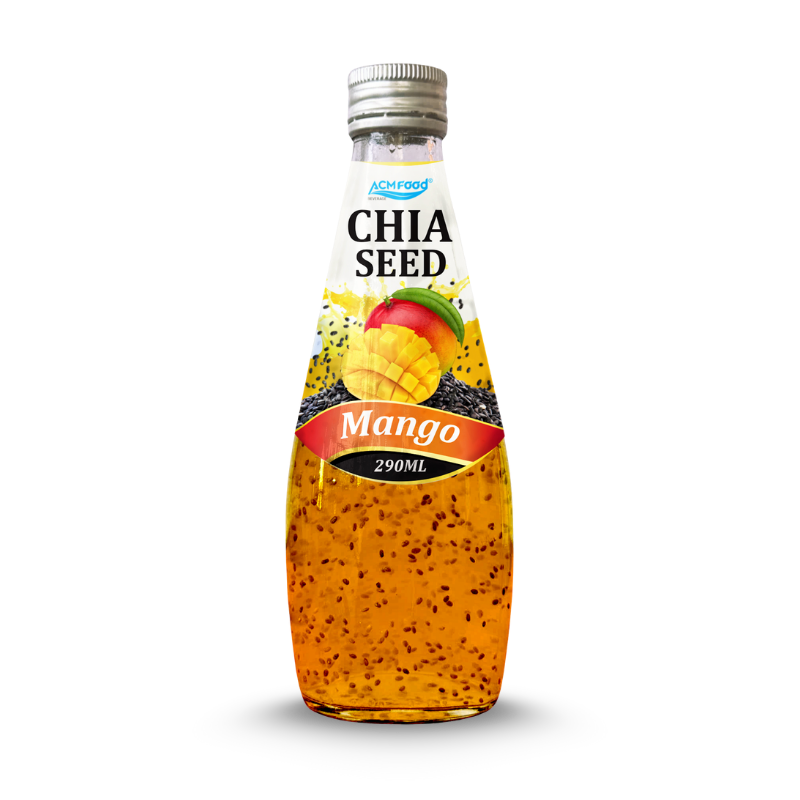
Types of Beverages: A Complete Guide to Popular Drink Categories

Beverages are consumed every day in every part of the world. From a glass of drinking water in the morning to a cup of coffee at work or a fruit juice enjoyed with a meal, beverages play an important role in hydration, nutrition, culture, and everyday life. They are also one of the largest segments of the global food industry, encompassing thousands of products made from fruits, vegetables, grains, dairy, tea leaves, coffee beans, herbs, and other natural ingredients.

Today, consumers have access to more beverage choices than ever before. Alongside traditional drinks such as water, tea, coffee, and milk, the market now includes ready-to-drink beverages, plant-based alternatives, functional beverages, sports drinks, and products developed to meet changing dietary preferences and lifestyles. Understanding the differences between these beverage categories helps consumers make informed decisions while providing useful knowledge for students, researchers, retailers, and food industry professionals.

This guide provides an evidence-based overview of the major types of beverages, how they are classified, their common ingredients, production methods, nutritional characteristics, and typical applications. The article is intended for educational purposes and summarizes information from internationally recognized food standards and public health organizations.

Key Takeaways

  • A beverage is any liquid intended for human consumption.
  • Beverages are broadly classified into non-alcoholic and alcoholic categories.
  • Each beverage type differs in ingredients, processing methods, nutritional composition, and intended use.
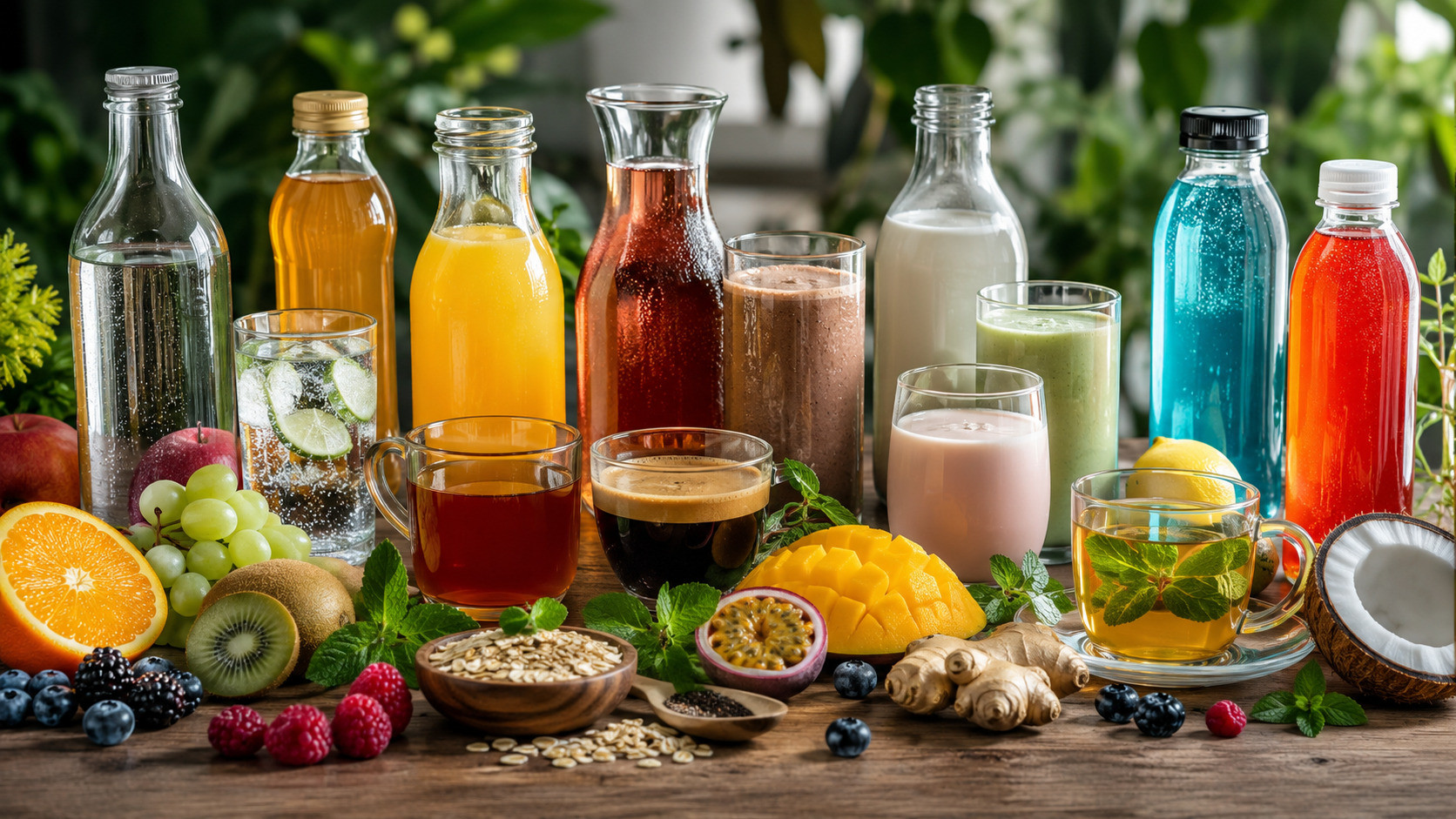
  • Water, fruit juice, tea, coffee, dairy beverages, plant-based beverages, soft drinks, sports drinks, and functional beverages are among the world’s most common drink categories.
  • Reading ingredient lists and nutrition labels helps consumers compare beverages and make choices that align with their dietary needs and lifestyle.

What Is a Beverage?

A beverage is any liquid prepared for drinking. Although water is the most widely consumed beverage globally, the term also includes fruit juice, tea, coffee, milk, soft drinks, sports drinks, energy drinks, plant-based beverages, and alcoholic drinks. Depending on their ingredients and production methods, beverages may serve different purposes such as hydration, refreshment, nutrition, or sensory enjoyment.

Most beverages are primarily composed of water and may contain ingredients including fruits, vegetables, tea leaves, coffee beans, milk, grains, herbs, spices, botanical extracts, sweeteners, vitamins, minerals, or natural flavors. Modern food manufacturing has also enabled producers to develop beverages with specific nutritional or functional characteristics while complying with national food safety regulations.

According to internationally recognized food standards, beverages are generally categorized according to their composition, processing methods, alcohol content, or intended purpose rather than by a single universal classification system.

Why Are Beverages Important?

Beverages contribute to everyday life in many different ways. Their role extends beyond simply satisfying thirst and includes hydration, nutrition, cultural traditions, food pairing, and convenience. Different beverages provide different characteristics depending on their ingredients and formulation.

PurposeExamples
HydrationWater, mineral water, electrolyte beverages
NutritionMilk, fortified beverages, 100% fruit juice
RefreshmentSoft drinks, sparkling water, iced tea
AlertnessCoffee, tea
Sports RecoverySports drinks formulated with electrolytes
Social and Cultural OccasionsTea, coffee, wine, traditional beverages

No single beverage is suitable for every situation. Individual needs vary depending on age, activity level, dietary preferences, health status, climate, and local dietary recommendations.

How Are Beverages Classified?

There is no single international classification system that applies to every beverage. However, food authorities, academic publications, and the beverage industry generally organize beverages into two primary groups: non-alcoholic beverages and alcoholic beverages. Within these broad groups, beverages can be further categorized according to ingredients, production methods, nutritional composition, carbonation, caffeine content, or intended use.

Main CategoryDescriptionTypical Examples
Non-Alcoholic BeveragesContain little or no alcohol and are consumed primarily for hydration, nutrition, refreshment, or enjoyment.Water, juice, tea, coffee, milk, soft drinks, sports drinks
Alcoholic BeveragesContain ethanol produced through fermentation or distillation.Beer, wine, cider, spirits, cocktails

Another practical way to classify beverages is by their primary ingredient or intended function. This approach is commonly used in supermarkets, restaurants, and food manufacturing because it helps consumers identify products more easily.

Overview of Major Beverage Categories

Beverage CategoryMain IngredientsPrimary Purpose
WaterNatural or purified waterHydration
Fruit JuiceFruit or fruit concentrateRefreshment and nutrition
TeaTea leaves or herbsDaily consumption
CoffeeRoasted coffee beansAlertness and enjoyment
Dairy BeveragesMilk and dairy ingredientsNutrition
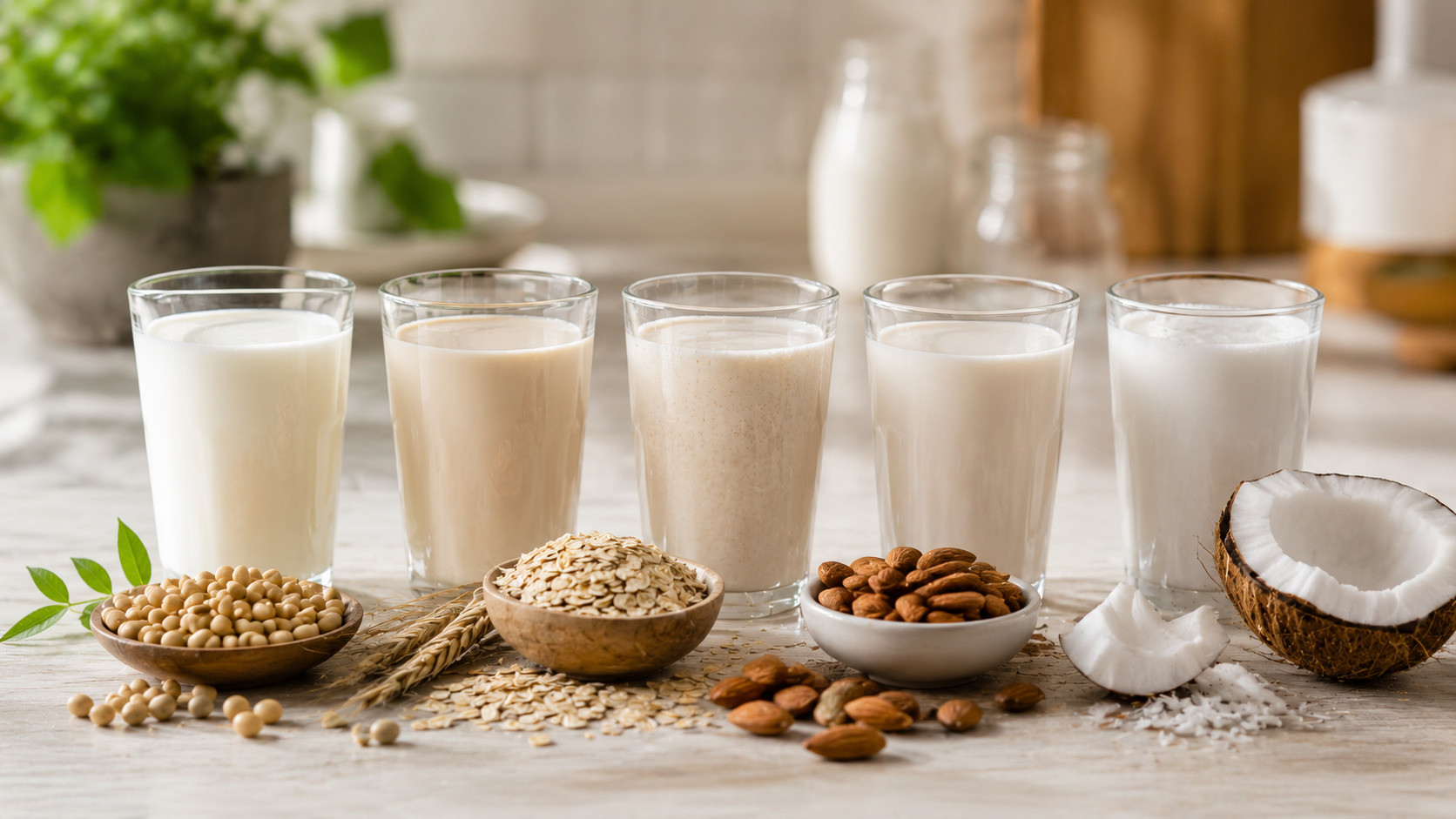
Plant-Based BeveragesSoy, oats, almonds, rice, coconutDairy alternative
Carbonated Soft DrinksCarbonated water with flavoringsRefreshment
Sports DrinksWater, carbohydrates, electrolytesHydration during exercise
Energy DrinksCaffeine and functional ingredientsTemporary alertness
Functional BeveragesVitamins, probiotics, protein, botanicalsSpecific nutritional characteristics
Alcoholic BeveragesFermented or distilled ingredientsSocial and cultural consumption

1. Water

types-of-beverages-water

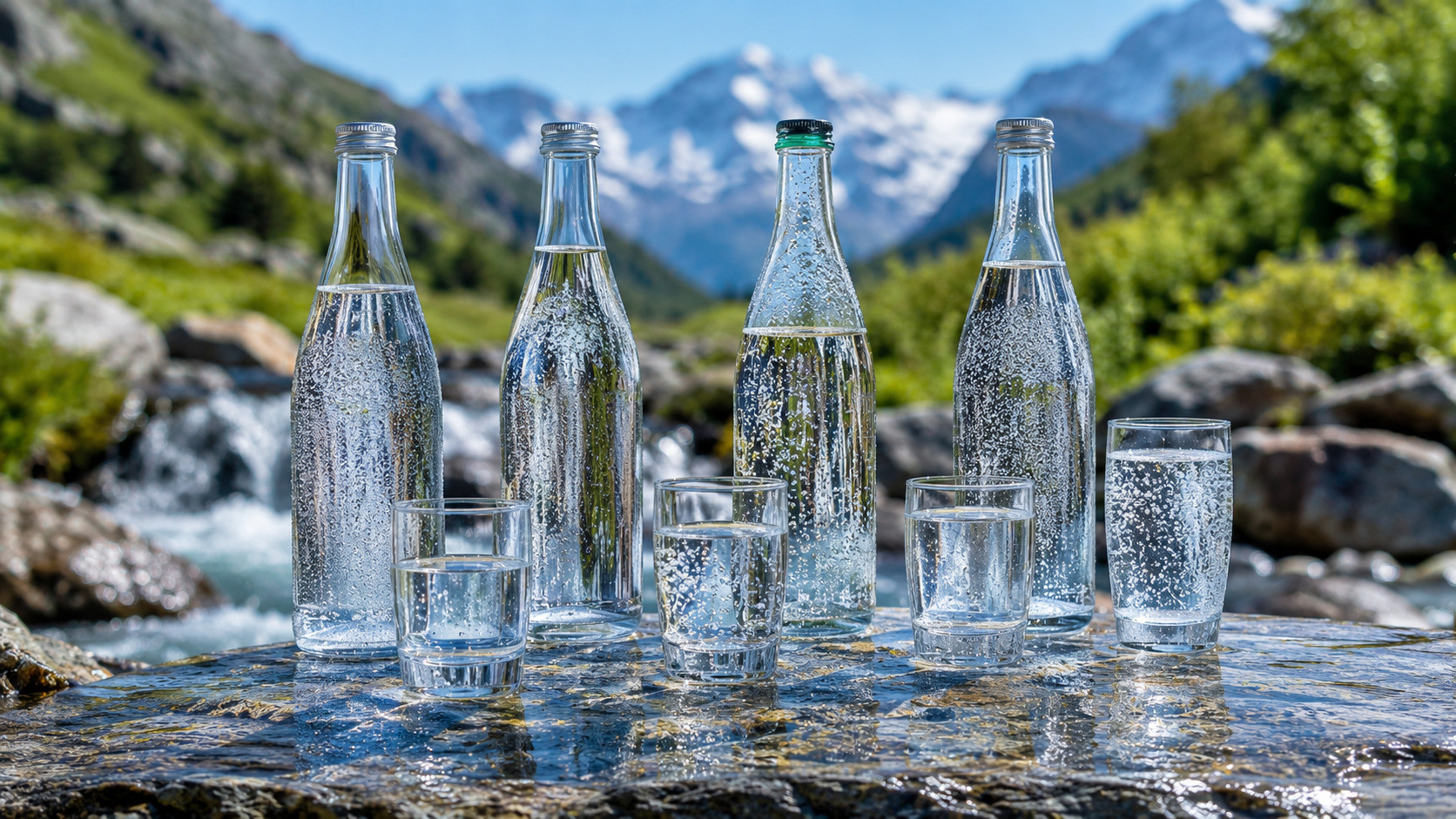
Water is the foundation of every beverage and the most important drink for human health. It is essential for regulating body temperature, transporting nutrients, supporting digestion, maintaining blood volume, and enabling numerous physiological processes. Because the human body continuously loses water through breathing, perspiration, and normal metabolic functions, adequate fluid intake is necessary throughout the day.

Drinking water is available in several forms depending on its source and treatment method. While these products differ in mineral composition or processing, their primary purpose remains hydration.

Common Types of Drinking Water

TypeDescription
Tap WaterPublic drinking water supplied through municipal systems.
Purified WaterWater treated using processes such as reverse osmosis, distillation, or deionization.
Spring WaterCollected from naturally occurring underground sources.
Natural Mineral WaterContains naturally occurring minerals acquired from underground geological formations.
Distilled WaterProduced through distillation to remove dissolved substances and impurities.
Sparkling WaterContains dissolved carbon dioxide that creates carbonation.
Alkaline WaterWater with a higher pH that may occur naturally or through processing.

Key Characteristics of Drinking Water

  • Contains no calories unless additional ingredients are added.
  • Naturally free of sugar.
  • Does not contain caffeine.
  • May contain naturally occurring minerals depending on the source.
  • Must comply with local drinking water safety standards before distribution.

International public health authorities generally recommend water as the primary beverage for meeting daily hydration needs. The amount of fluid an individual requires varies according to age, activity level, climate, diet, and overall health.

2. Fruit Juice

Types of Beverages - Fruit Juice

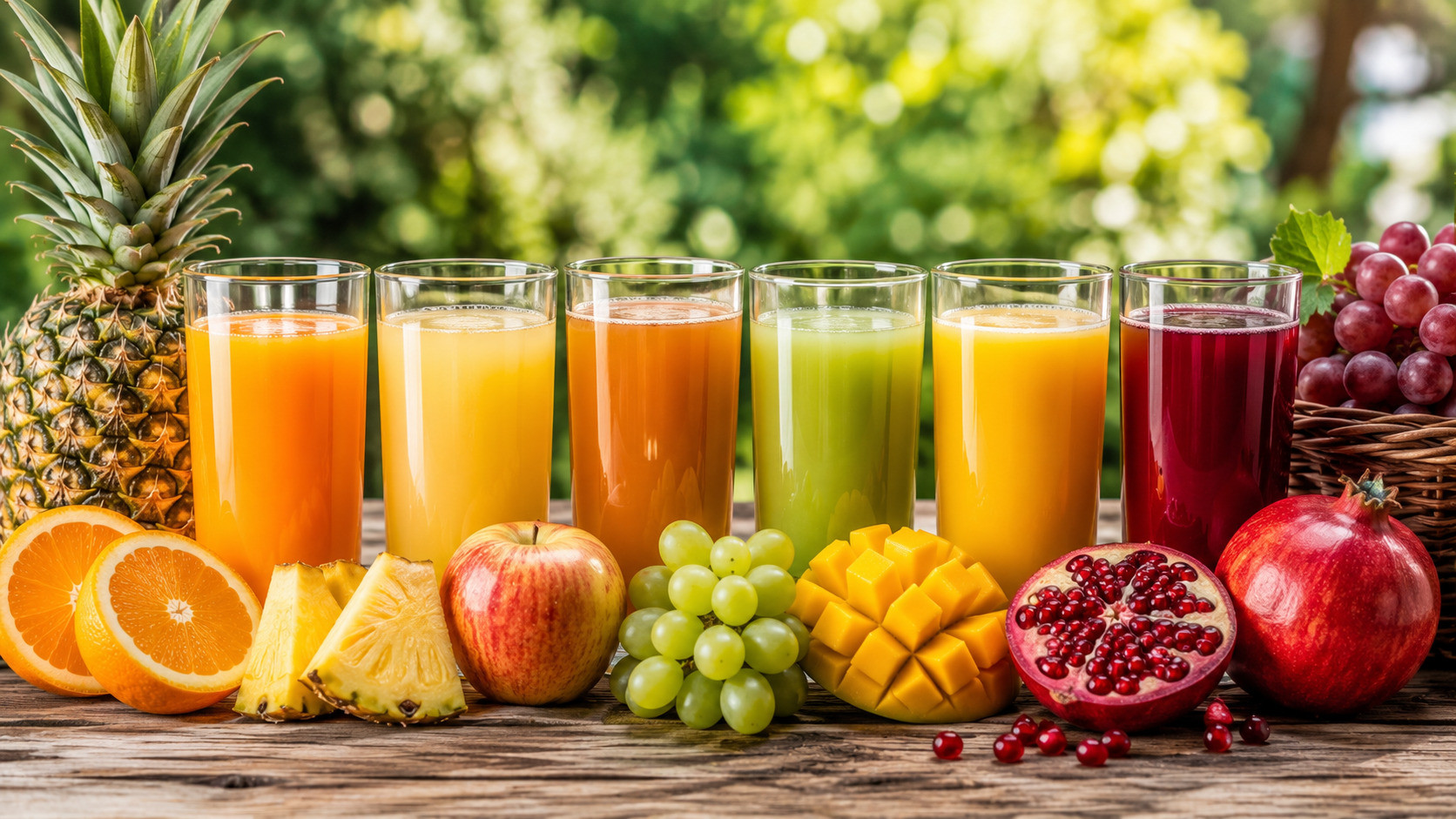
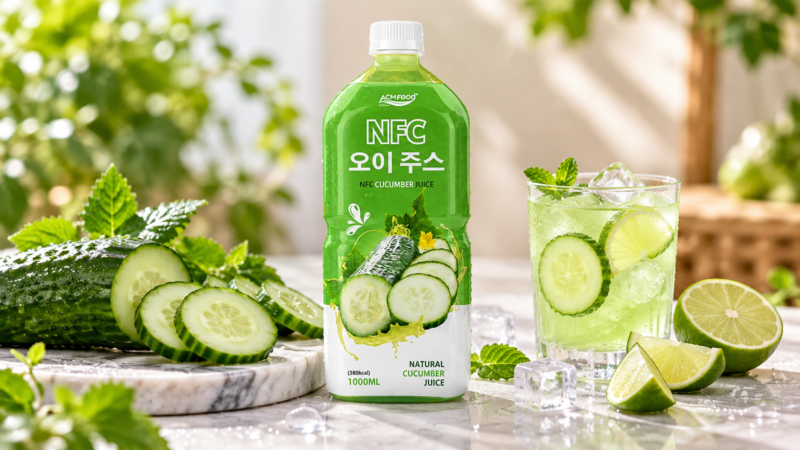
Fruit juice is produced by extracting the naturally occurring liquid from fresh fruit. It is one of the world’s most widely consumed beverage categories because it combines refreshing flavors with naturally occurring vitamins, minerals, organic acids, and plant compounds. The nutritional composition varies according to the fruit variety, maturity, processing method, and storage conditions.

Different countries establish their own regulatory definitions for fruit juice products. In general, products labeled as 100% fruit juice contain only juice obtained from fruit, whereas fruit drinks, fruit beverages, or fruit cocktails may contain additional ingredients such as water, sweeteners, flavors, or permitted food additives.

Common Fruit Juice Varieties

  • Orange Juice
  • Apple Juice
  • Pineapple Juice
  • Mango Juice
  • Grape Juice
  • Guava Juice
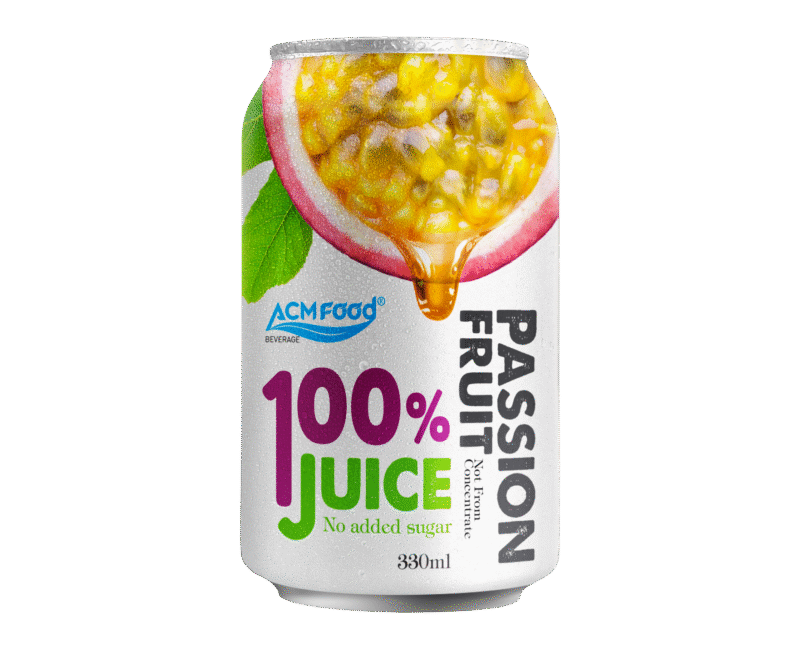
  • Passion Fruit Juice
  • Pomegranate Juice
  • Mixed Fruit Juice

Common Production Methods

MethodDescription
Fresh JuiceProduced directly from fresh fruit and usually consumed within a relatively short period.
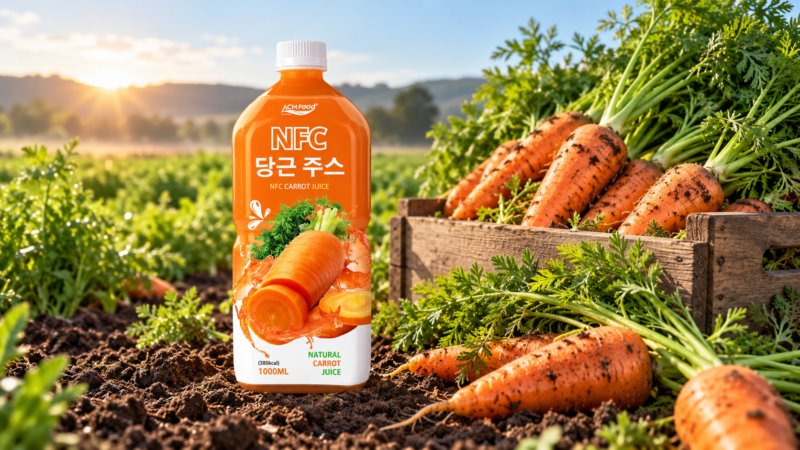
Not From Concentrate (NFC)Processed without concentrating the juice before packaging.
From Concentrate (FC)Water is removed during processing and later added back before packaging.

Both NFC and FC products are widely used throughout the beverage industry. The choice depends on factors such as transportation efficiency, storage conditions, seasonal fruit availability, manufacturing requirements, and regional market preferences.

3. Tea

Types of Beverages - Tea

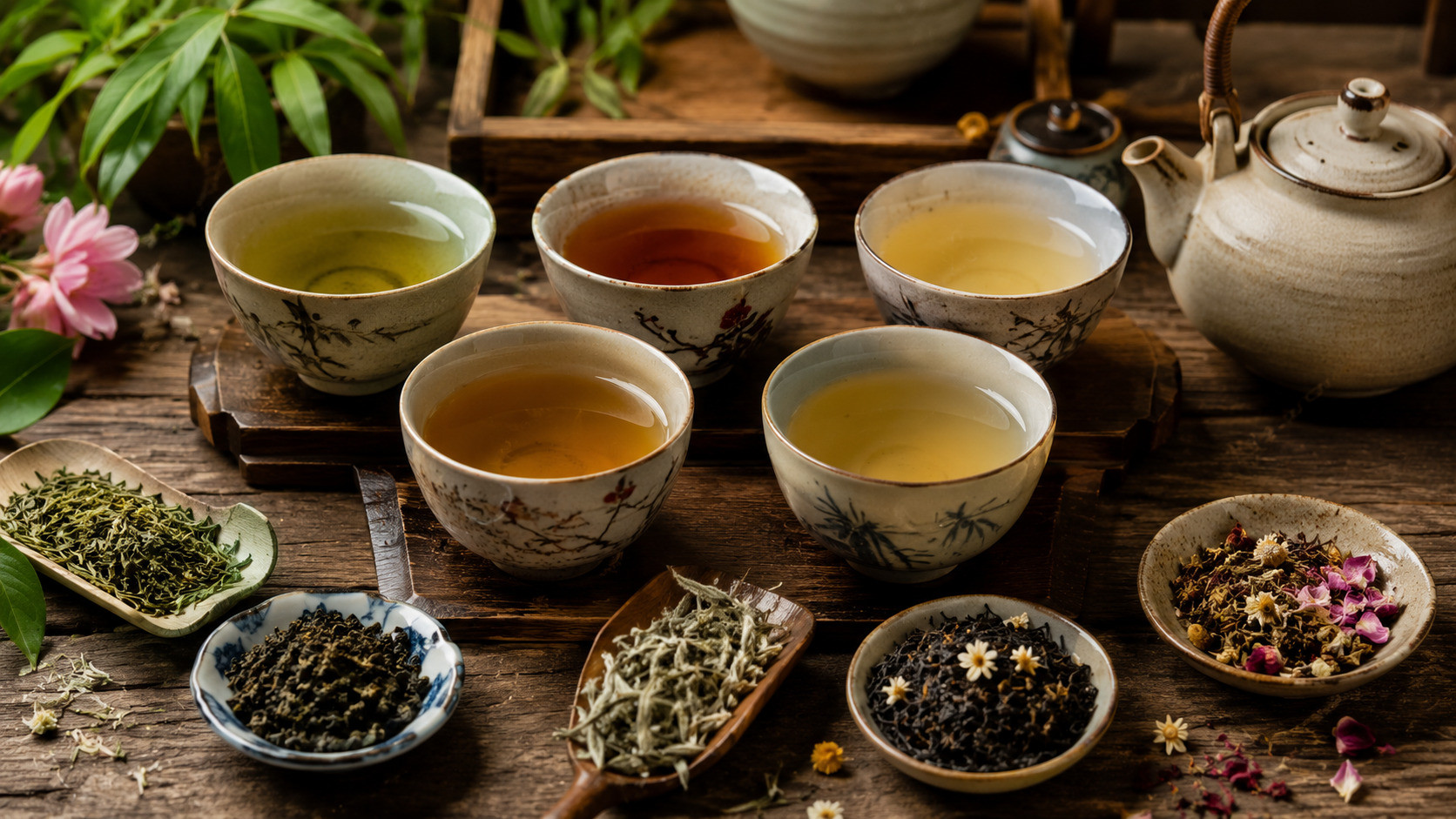
Tea is one of the world’s oldest and most widely consumed beverages. Traditional tea is prepared by infusing the leaves of the Camellia sinensis plant in hot water, while herbal infusions are made from flowers, herbs, spices, fruits, or other plant materials. Depending on the processing method, tea develops distinct flavors, aromas, colors, and levels of naturally occurring caffeine.

Tea is enjoyed in many cultures as part of daily routines, social gatherings, and traditional ceremonies. It may be served hot or cold and is also widely available as a ready-to-drink (RTD) beverage.

Main Types of Tea Drink

Tea TypeRaw MaterialTypical Characteristics
Green TeaCamellia sinensisMinimal oxidation, fresh vegetal flavor
Black TeaCamellia sinensisFully oxidized, stronger flavor and darker color
Oolong TeaCamellia sinensisPartially oxidized with diverse flavor profiles
White TeaCamellia sinensisLight processing and delicate taste
Pu-erh TeaCamellia sinensisFermented and aged under controlled conditions
Herbal InfusionHerbs, flowers, spicesNaturally caffeine-free unless blended with tea leaves
Fruit InfusionDried fruits and botanicalsFruit-forward flavor, generally caffeine-free
Ready-to-Drink TeaBrewed teaPackaged for immediate consumption

Key Characteristics

  • Available in caffeinated and naturally caffeine-free varieties.
  • Contains naturally occurring plant compounds, including polyphenols.
  • Can be consumed hot, iced, or as an RTD beverage.
  • Flavor depends on tea variety, processing, origin, and brewing method.

The amount of caffeine in tea varies depending on the tea type, leaf grade, brewing temperature, and infusion time. Herbal beverages made without Camellia sinensis leaves generally do not contain caffeine unless additional caffeine-containing ingredients are included.

4. Coffee

Types of Beverages - Coffee

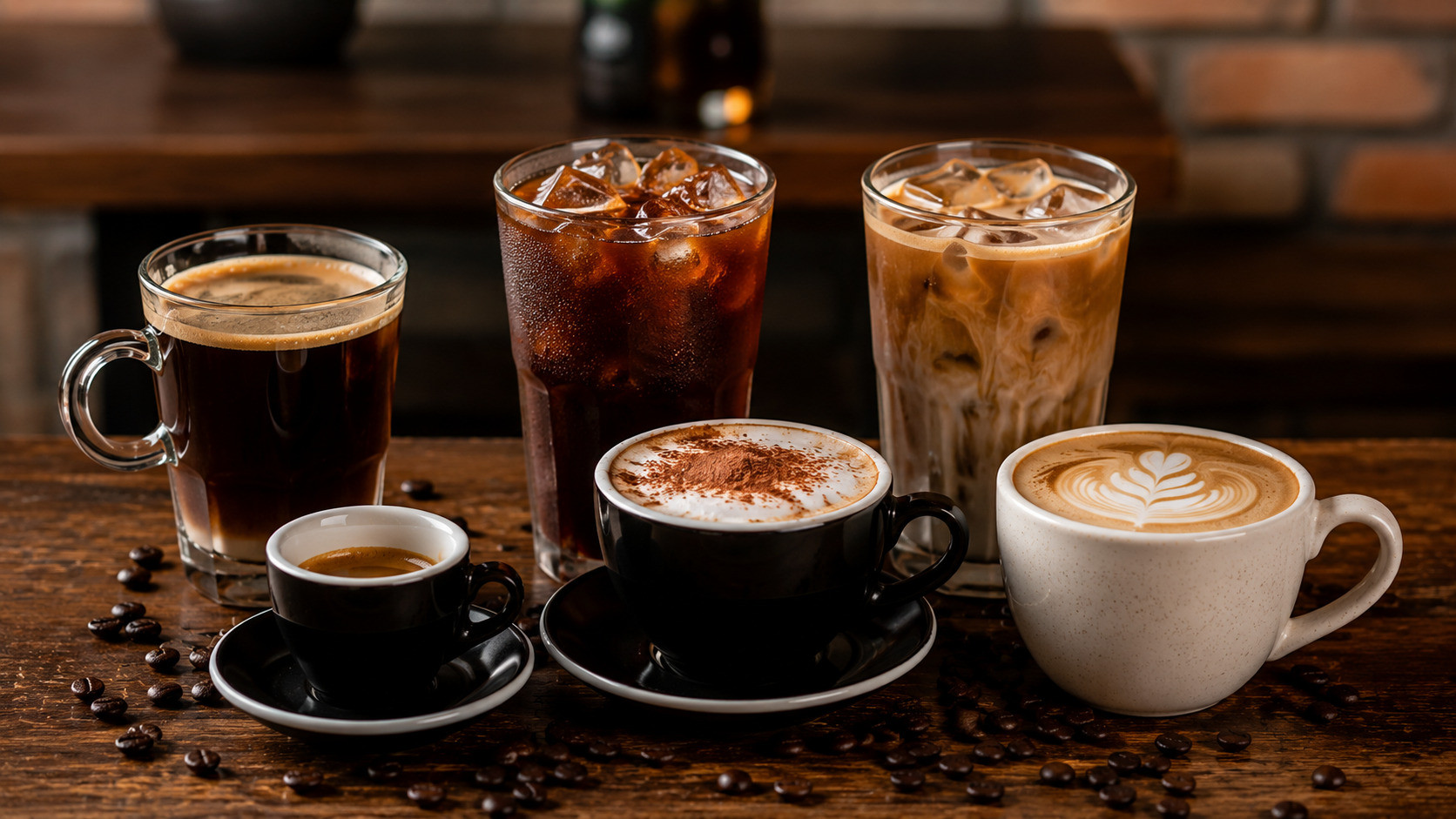
Coffee is a brewed beverage prepared from roasted coffee beans, which are the seeds of fruits produced by coffee plants. It is one of the world’s most widely traded agricultural commodities and is consumed daily in homes, cafés, restaurants, and workplaces across many countries.

Coffee is appreciated for its distinctive aroma, complex flavor profile, and naturally occurring caffeine. Modern coffee culture includes a wide range of brewing methods, roasting styles, and ready-to-drink products that serve different consumer preferences.

Popular Coffee Beverages

Coffee BeverageTypical Preparation
EspressoHigh-pressure extraction of finely ground coffee
AmericanoEspresso diluted with hot water
LatteEspresso combined with steamed milk
CappuccinoEspresso with steamed milk and milk foam
MochaCoffee with chocolate and milk
Flat WhiteEspresso with finely textured steamed milk
Cold BrewCoffee extracted using cold water over an extended period
Iced CoffeeBrewed coffee served chilled
Ready-to-Drink CoffeePackaged coffee for immediate consumption

Factors That Influence Coffee Flavor

  • Coffee species and variety.
  • Growing region and climate.
  • Altitude and soil conditions.
  • Harvesting and processing methods.
  • Roasting profile.
  • Grinding size.
  • Brewing technique.

Ready-to-drink coffee products have experienced rapid global growth due to changing consumer lifestyles. These beverages are commonly available in cans, bottles, and cartons, with formulations ranging from black coffee to milk-based and flavored coffee drinks.

5. Milk and Dairy Beverages

Types of Beverages - Milk

Dairy beverages are produced from milk or milk-derived ingredients and are widely recognized as sources of protein, calcium, and several essential nutrients. While cow’s milk remains the most commonly consumed dairy beverage, products made from goat, sheep, and buffalo milk are also important in many regions.

Modern dairy processing has expanded this category to include flavored milk, cultured dairy beverages, protein-enriched products, and shelf-stable formulations that meet different consumer needs.

Common Dairy Beverages

ProductMain Characteristics
Whole MilkContains naturally occurring milk fat
Reduced-Fat MilkLower fat content than whole milk
Skim MilkContains minimal milk fat
Flavored MilkMilk with added flavoring ingredients
Chocolate MilkMilk flavored with cocoa
Yogurt DrinkFermented dairy beverage
KefirFermented cultured milk beverage
Protein Milk DrinkMilk beverage with increased protein content

Common Processing Methods

  • Pasteurization.
  • Ultra-high temperature (UHT) processing.
  • Homogenization.
  • Fermentation.

Processing methods influence food safety, shelf life, texture, and storage requirements. Shelf-stable dairy beverages processed using UHT technology may be stored at room temperature until opened, while many pasteurized products require continuous refrigeration.

6. Plant-Based Beverages

Types of Beverages - Plant-Based

Plant-based beverages are produced from grains, legumes, nuts, seeds, or coconuts. They have become increasingly popular among consumers seeking alternatives to dairy products because of dietary preferences, lactose intolerance, vegan lifestyles, or sustainability considerations.

Unlike dairy milk, the nutritional composition of plant-based beverages varies considerably depending on the source ingredient and manufacturing process. Some products are fortified with nutrients such as calcium, vitamin D, or vitamin B12.

Common Plant-Based Beverages

TypeMain IngredientTypical Characteristics
Soy BeverageSoybeansRelatively high protein content
Oat BeverageOatsSmooth texture and mild flavor
Almond BeverageAlmondsLight texture with nutty flavor
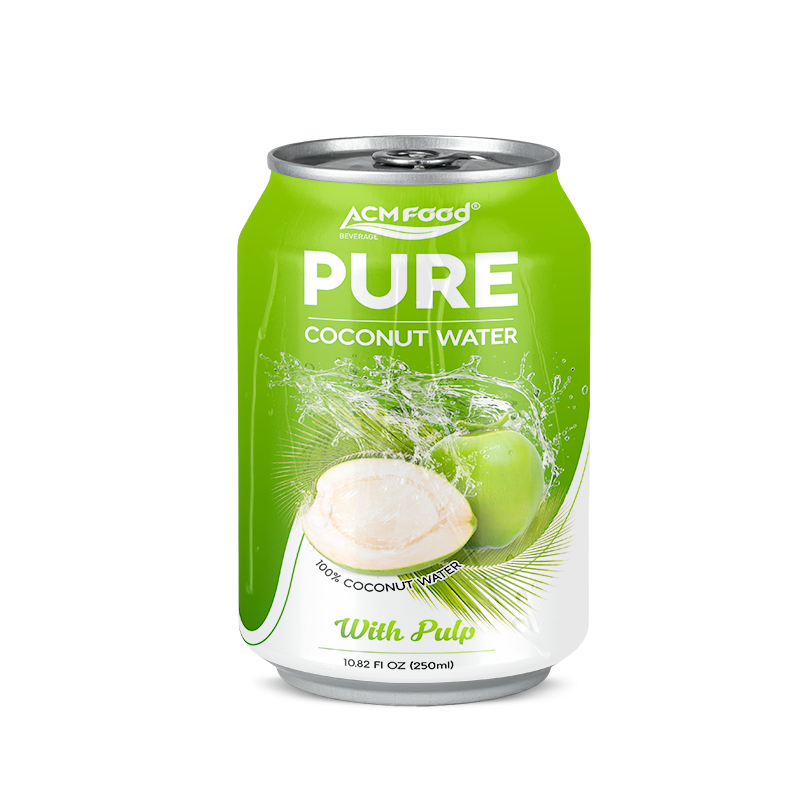
Coconut BeverageCoconutDistinct tropical taste
Rice BeverageRiceLight consistency and mild sweetness
Pea BeveragePea proteinHigher protein than many plant alternatives

Dairy Milk vs. Plant-Based Beverages

FeatureDairy MilkPlant-Based Beverages
Main SourceAnimal milkPlants
Protein ContentNaturally varies by milk typeVaries by ingredient
LactoseUsually presentNaturally lactose-free
FortificationMay be fortifiedFrequently fortified
Consumer ChoiceTraditional dairyDairy alternative

Consumers should compare nutrition labels because protein, vitamins, minerals, and added sugars differ considerably among plant-based beverages.

7. Carbonated Soft Drinks

Types of Beverages - Carbonated Soft Drinks

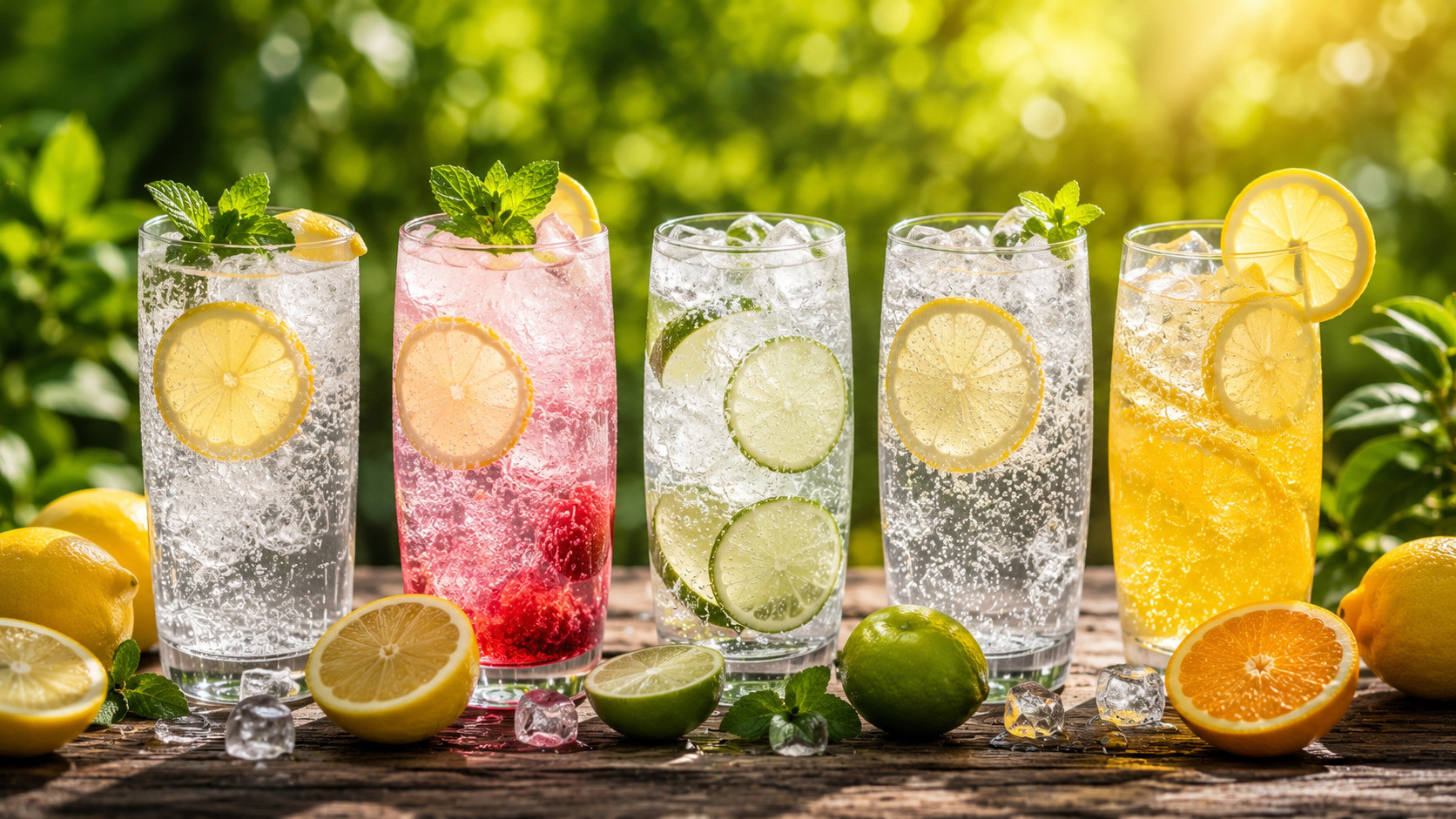
Carbonated soft drinks are beverages that contain dissolved carbon dioxide gas, producing the bubbles and effervescence commonly associated with sparkling beverages. They are manufactured in numerous flavor varieties and represent one of the largest beverage categories worldwide.

Although traditional carbonated soft drinks often contain sweeteners, today’s market also includes reduced-sugar, sugar-free, flavored sparkling water, and juice-based sparkling beverages.

Common Types of Carbonated Beverages

CategoryTypical Characteristics
ColaDark-colored carbonated beverage
Lemon-Lime SodaCitrus-flavored carbonated beverage
Orange SodaOrange-flavored sparkling beverage
Ginger AleGinger-flavored carbonated soft drink
Tonic WaterCarbonated beverage containing quinine
Sparkling Fruit DrinkFruit-flavored carbonated beverage
Sparkling WaterCarbonated water without or with minimal flavoring
Sparkling JuiceJuice-based carbonated beverage

Typical Ingredients

  • Purified water.
  • Carbon dioxide.
  • Natural or nature-identical flavorings.
  • Food acids.
  • Sweeteners, depending on the formulation.
  • Permitted colorings where allowed by regulation.

Manufacturers continue to develop beverages with lower sugar content, alternative sweeteners, and fruit-based formulations to respond to changing consumer preferences and evolving nutrition policies.

8. Sports Drinks

Types of Beverages - Sports Drinks

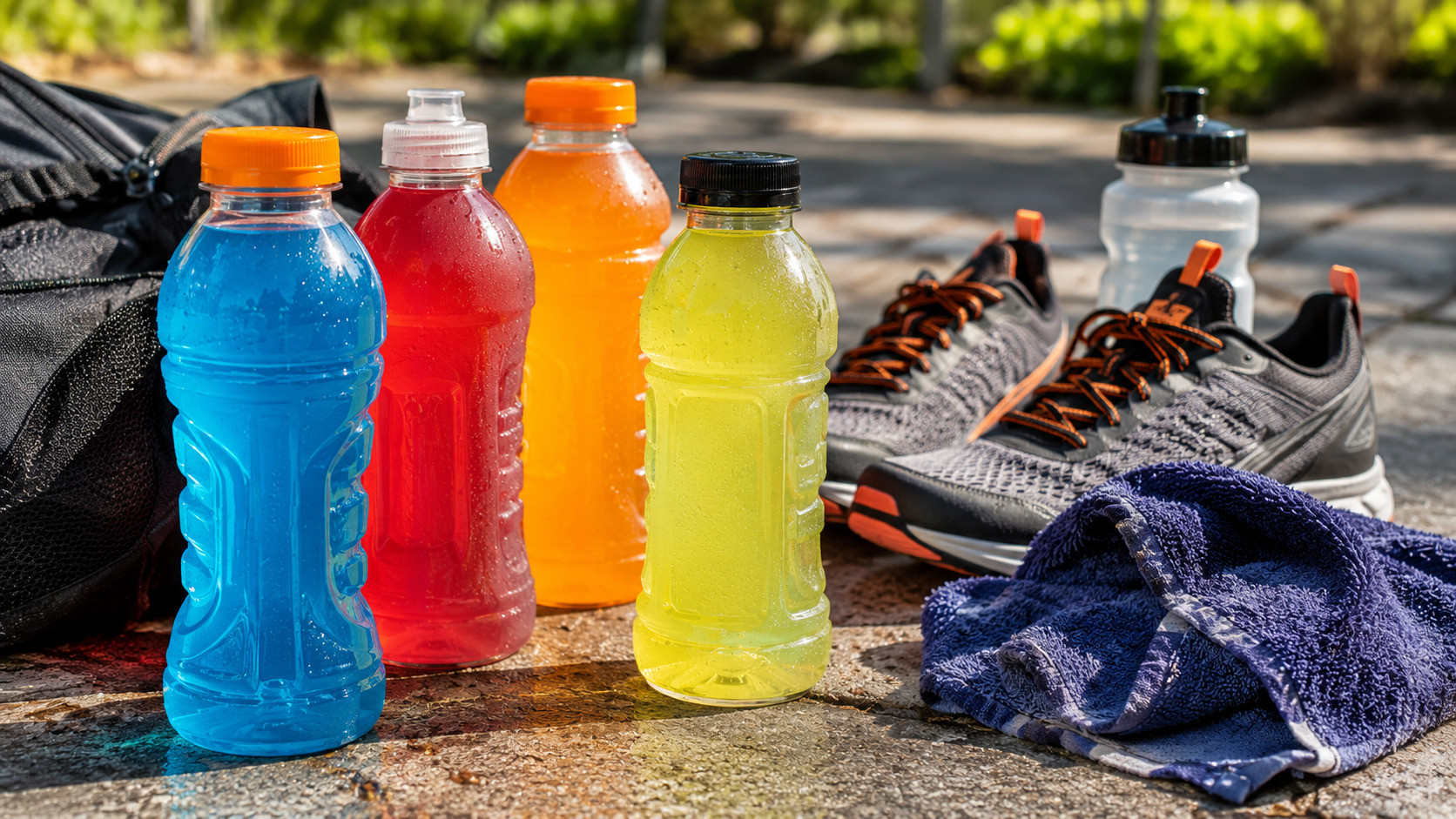
Sports drinks are beverages formulated to help replace fluids, electrolytes, and, in some formulations, carbohydrates that may be lost during prolonged or vigorous physical activity. They are intended primarily for athletes and individuals participating in endurance exercise rather than for routine daily hydration.

Compared with plain drinking water, sports drinks are designed to support hydration during extended exercise by providing sodium and other electrolytes that help replace those lost through sweat. Some formulations also include carbohydrates to provide a readily available source of energy during sustained physical activity.

Typical Ingredients

IngredientPurpose
WaterProvides hydration
SodiumReplaces electrolytes lost through sweating
PotassiumSupports electrolyte balance
CarbohydratesProvide energy during prolonged exercise
Organic AcidsContribute to flavor and product stability
FlavoringsImprove taste and consumer acceptance

When Are Sports Drinks Appropriate?

  • Long-duration endurance activities.
  • Exercise performed in hot or humid environments.
  • Training sessions involving substantial sweating.
  • Competitive sporting events.

For most healthy people performing light or moderate daily activities, plain drinking water is generally sufficient to meet hydration needs. Sports drinks are intended for specific situations where fluid and electrolyte replacement becomes more important.

9. Energy Drinks

Types of Beverages - Energy Drinks

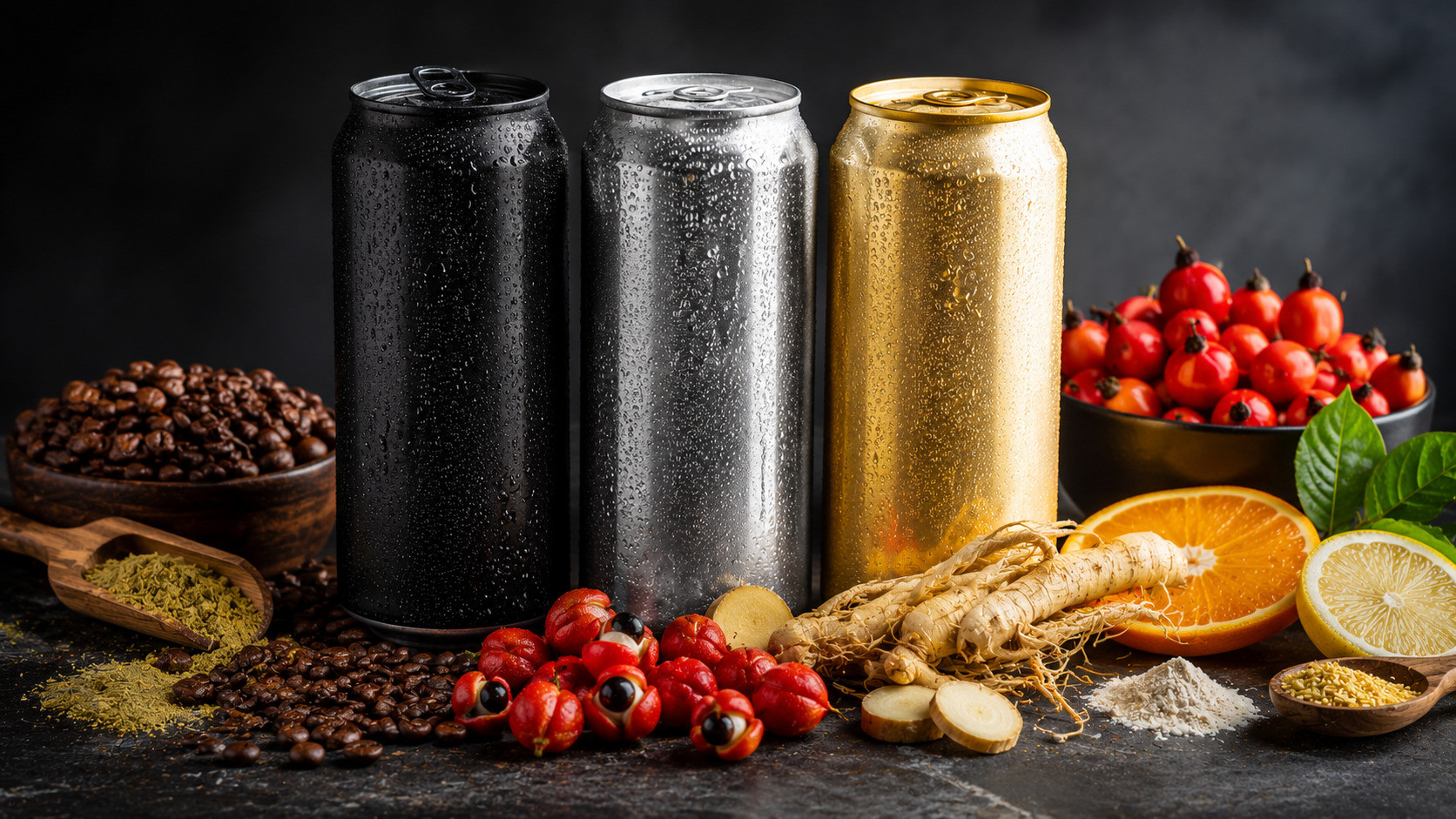
Energy drinks are beverages formulated with caffeine and other ingredients intended to temporarily increase alertness or reduce feelings of fatigue. Unlike sports drinks, they are not designed primarily for hydration or electrolyte replacement.

Most energy drinks contain varying amounts of caffeine together with ingredients such as taurine, B vitamins, guarana, ginseng, amino acids, or sweeteners. Because formulations differ considerably between products, consumers should always review product labels and follow local recommendations regarding caffeine intake.

Common Ingredients

IngredientTypical Function
CaffeineSupports temporary alertness
TaurineCommon ingredient in many formulations
B VitaminsSupport normal energy metabolism
GuaranaNatural source of caffeine
GinsengFrequently included botanical ingredient
Sugars or SweetenersProvide sweetness depending on formulation

Sports Drinks vs. Energy Drinks

FeatureSports DrinksEnergy Drinks
Primary PurposeHydration during exerciseTemporary alertness
CaffeineUsually absentUsually present
ElectrolytesYesUsually absent or limited
CarbohydratesOften includedVaries by product
Typical UsersAthletes and active individualsAdults seeking increased alertness

Although these two beverage categories are often displayed together in retail stores, they serve different purposes and should not be considered interchangeable.

10. Functional Beverages

Types of Beverages - Functional Beverages

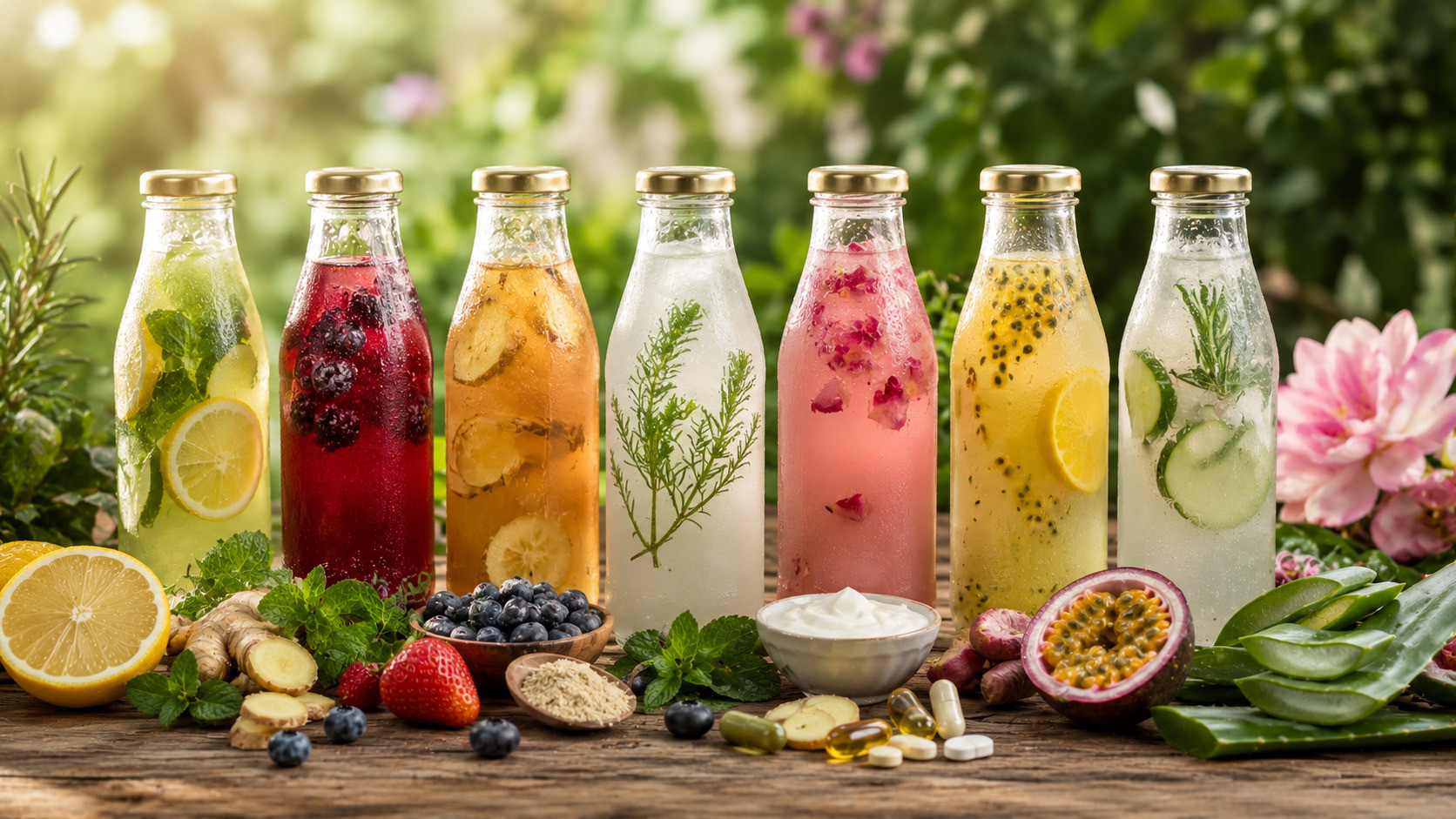
Functional beverages are drinks formulated with ingredients that provide characteristics beyond basic hydration or traditional nutritional value. This category has expanded rapidly as consumers increasingly seek products aligned with specific dietary preferences and wellness goals.

Depending on the formulation and local regulations, functional beverages may contain vitamins, minerals, probiotics, prebiotics, dietary fiber, protein, collagen, botanical extracts, electrolytes, or other ingredients. The composition varies considerably between products and manufacturers.

Examples of Functional Beverage Categories

CategoryTypical Functional Ingredients
Vitamin DrinksVitamins and minerals
Electrolyte BeveragesSodium, potassium, magnesium
Protein DrinksMilk protein or plant protein
Probiotic BeveragesBeneficial microorganisms
Prebiotic DrinksDietary fibers supporting beneficial gut bacteria
Collagen DrinksCollagen peptides
Botanical BeveragesPlant extracts and herbal ingredients

Consumers should recognize that functional beverages are intended to complement a balanced diet rather than replace healthy eating patterns. Any nutrition or health claims should always comply with the regulations of the country where the product is sold.

11. Alcoholic Beverages

Types of Beverages - Alcoholic Beverages

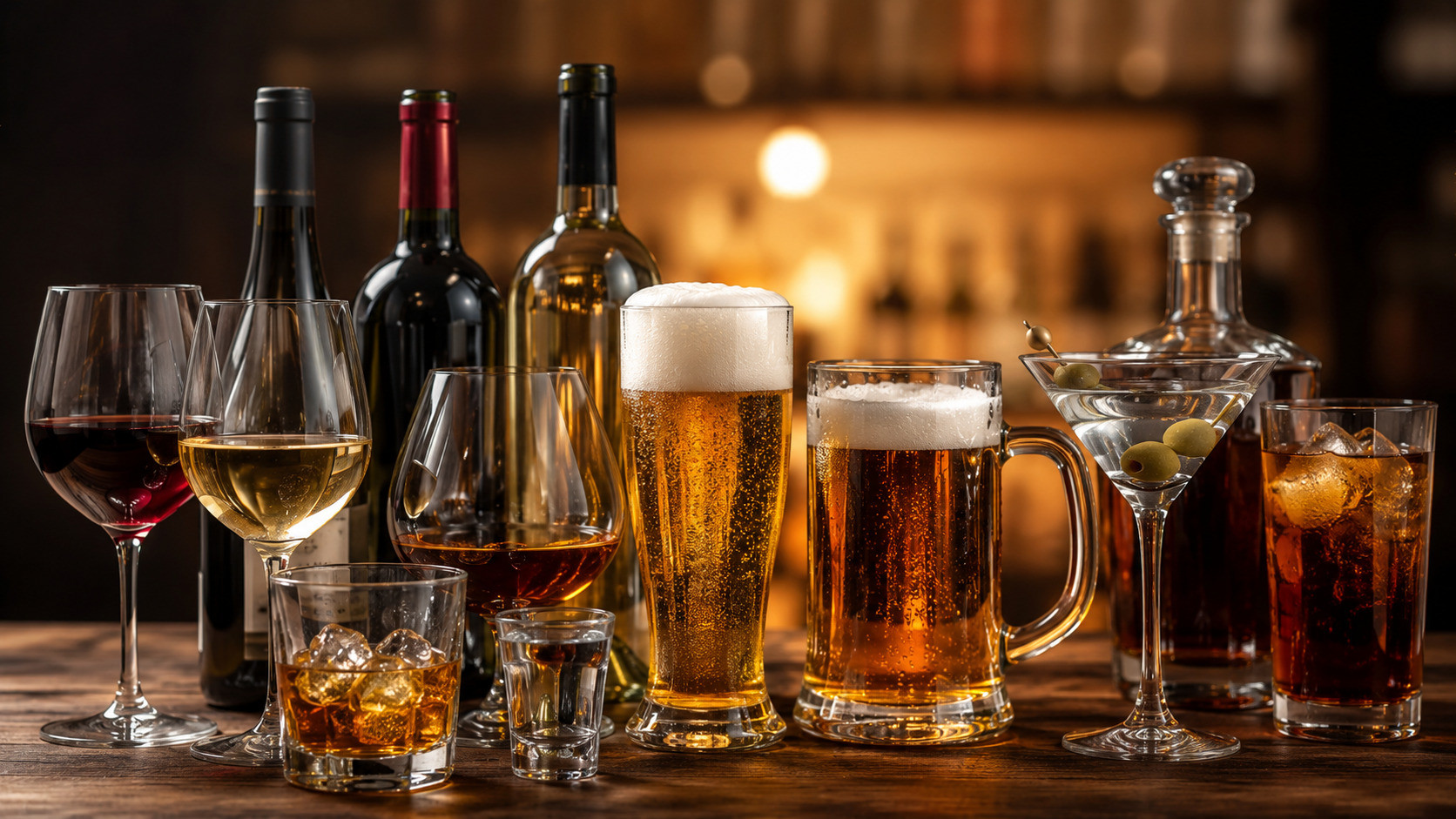
Alcoholic beverages contain ethanol produced through fermentation or distillation. They are consumed in many cultures for culinary, ceremonial, or social purposes and differ significantly in production methods, alcohol content, and raw materials.

Main Categories

CategoryMain Raw MaterialsTypical Alcohol Content
BeerBarley, hops, water, yeastTypically 3–8% ABV
WineGrapes or other fruitsTypically 8–15% ABV
CiderFermented applesTypically 4–8% ABV
SpiritsDistilled grains, fruits, or sugar cropsTypically 35–50% ABV
CocktailsMixed alcoholic beveragesVaries by recipe

National regulations governing alcoholic beverages vary considerably. They may include legal drinking ages, labeling requirements, taxation policies, marketing restrictions, and limits on alcohol content depending on the jurisdiction.

Common Beverage Processing Methods

Most commercial beverages undergo one or more processing steps before reaching consumers. Processing improves food safety, extends shelf life, maintains product quality, and helps ensure consistency between production batches.

Processing MethodPurpose
PasteurizationReduces microorganisms using controlled heat treatment.
UHT ProcessingProduces shelf-stable beverages through ultra-high temperature treatment.
FiltrationRemoves suspended particles.
HomogenizationCreates a uniform texture in dairy beverages.
FermentationProduces beverages such as yogurt drinks, kefir, beer, and wine.
CarbonationAdds dissolved carbon dioxide to sparkling beverages.
Aseptic FillingMaintains product safety during packaging.

Common Beverage Packaging Types

The choice of packaging influences product protection, transportation, storage conditions, consumer convenience, and recyclability. Different beverages are packaged according to their formulation and shelf-life requirements.

Packaging FormatCommon Applications
Aluminum CanSoft drinks, coffee, tea, energy drinks, sparkling beverages
PET BottleWater, juice, sports drinks, soft drinks
Glass BottleJuices, premium beverages, alcoholic beverages
Aseptic CartonMilk, plant-based beverages, juice
PouchChildren’s beverages and specialty drinks

Current Trends in the Beverage Industry

The beverage industry continues to evolve in response to changing consumer expectations, scientific research, sustainability initiatives, and advances in food technology. Although trends differ between countries, several developments have become increasingly significant worldwide.

Health-Conscious Formulations

Manufacturers are introducing products with reduced sugar, simplified ingredient lists, and improved nutrition labeling to meet growing consumer interest in balanced diets.

Ready-to-Drink (RTD) Products

RTD beverages continue to expand across categories including tea, coffee, protein drinks, and fruit juice because they offer convenience without requiring preparation.

Plant-Based Innovation

New formulations based on oats, peas, almonds, coconuts, soybeans, and other plant ingredients continue to broaden consumer choice.

Sustainable Packaging

Many beverage manufacturers are investing in recyclable packaging, lightweight containers, and improved resource efficiency to reduce environmental impact.

Clean Label Products

Consumers increasingly prefer beverages with recognizable ingredients and transparent product information, encouraging manufacturers to simplify formulations where appropriate.

Glossary

TermMeaning
RTDReady-to-drink beverage requiring no preparation.
NFCNot From Concentrate fruit juice.
FCFruit juice produced From Concentrate.
ABVAlcohol by Volume.
ElectrolytesMinerals such as sodium and potassium that help regulate fluid balance.
PasteurizationHeat treatment that improves food safety.
UHTUltra-High Temperature processing for shelf-stable products.
CarbonationThe process of dissolving carbon dioxide into a beverage.

How to Choose the Right Beverage

There is no single beverage that is appropriate for every person or every situation. The most suitable choice depends on factors such as age, activity level, dietary preferences, climate, health status, and the purpose of consumption. Understanding the characteristics of different beverage categories allows consumers to select products that align with their individual needs while maintaining a balanced diet.

If Your Goal Is…Suitable Beverage OptionsKey Considerations
Daily hydrationPlain drinking water, mineral waterWater is generally recommended as the primary beverage for hydration.
Enjoy natural fruit flavor100% fruit juicePay attention to serving size because fruit juice naturally contains sugars.
Increase alertnessCoffee or teaCaffeine content varies among products and individuals differ in sensitivity.
Exercise lasting more than one hourSports drinksMay help replace fluids and electrolytes lost through prolonged sweating.
Reduce dairy consumptionFortified plant-based beveragesCompare nutrition labels because nutrient composition varies.
Limit added sugar intakeWater or unsweetened beveragesReview ingredient lists and Nutrition Facts labels.
Increase protein intakeMilk or protein beveragesChoose products appropriate for individual dietary requirements.

Nutrition labels provide valuable information about serving size, calories, added sugars, protein, fat, sodium, vitamins, minerals, and ingredient lists. Comparing labels enables consumers to evaluate products more effectively and make informed purchasing decisions.

Factors That Influence Beverage Quality

The overall quality of a beverage depends on numerous factors throughout the supply chain, from raw material selection to packaging and storage. While sensory characteristics such as flavor and aroma are important, food safety, manufacturing consistency, and regulatory compliance are equally critical.

  • Quality of raw ingredients.
  • Food safety management during production.
  • Processing technology.
  • Packaging integrity.
  • Storage and transportation conditions.
  • Compliance with national food regulations.
  • Clear and accurate product labeling.

Consumers should purchase beverages from reputable manufacturers and retailers, check packaging for damage before use, and follow storage instructions provided by the manufacturer.

Frequently Asked Questions

1. What is considered a beverage?

A beverage is any liquid intended for human consumption. It includes drinking water, tea, coffee, fruit juice, milk, soft drinks, sports drinks, plant-based beverages, and alcoholic beverages.

Beverages are generally classified into two broad groups: non-alcoholic beverages and alcoholic beverages. These groups may be further divided according to ingredients, production methods, caffeine content, carbonation, or intended use.

Plain drinking water is generally recognized as the primary beverage for meeting everyday hydration needs. Individual fluid requirements vary depending on age, climate, physical activity, diet, and health status.

Fruit juice is obtained directly from fruit or from fruit concentrate according to applicable regulations. Fruit drinks may contain fruit juice together with water, sweeteners, flavorings, or other permitted ingredients. Product definitions differ between countries.

No. Sports drinks are formulated primarily to replace fluids and electrolytes during prolonged exercise, whereas energy drinks are formulated mainly to provide temporary alertness through ingredients such as caffeine.

No. Many carbonated beverages, flavored sparkling waters, and fruit-flavored soft drinks are naturally caffeine-free. Caffeine content depends on the specific product formulation.

Ready-to-drink (RTD) beverages are products packaged for immediate consumption without additional preparation. Examples include bottled tea, canned coffee, fruit juice, protein beverages, and sports drinks.

No. Nutrient composition varies according to the source ingredient and manufacturing process. Some plant-based beverages are fortified with calcium, vitamin D, or vitamin B12, while others are not.

Storage conditions depend on the product. Shelf-stable beverages should be stored according to the manufacturer’s recommendations, while refrigerated products should remain within the recommended temperature range. After opening, many beverages require refrigeration and should be consumed within the period indicated on the label.

Product labels provide information about ingredients, nutrition, allergens, storage instructions, serving size, and other details that help consumers compare products and make informed choices.

Conclusion

Beverages represent one of the most diverse categories within the global food industry. From drinking water and fruit juice to tea, coffee, dairy beverages, plant-based alternatives, sports drinks, energy drinks, and functional beverages, each category has unique characteristics, ingredients, production methods, and applications.

Understanding how beverages are classified and produced helps consumers evaluate products more effectively and choose beverages that suit their dietary preferences, lifestyle, and nutritional needs. As scientific research, food technology, and consumer expectations continue to evolve, the beverage industry is expected to introduce new formulations while maintaining high standards of food safety, quality, and sustainability.

About This Guide

This guide was prepared by the editorial team at ACMFOOD Beverage Co., Ltd. as an educational resource for readers seeking reliable information about beverage categories and beverage manufacturing terminology. The content is intended for general informational purposes only and should not be interpreted as medical, nutritional, or legal advice. Regulations governing food labeling, health claims, and product definitions vary between countries, and readers should consult applicable local regulations or qualified professionals when necessary.

References

The information presented in this guide is based on internationally recognized food standards, public health guidance, and scientific references, including:

Share this article: