


 Français
 Español
 العربية
 한국어
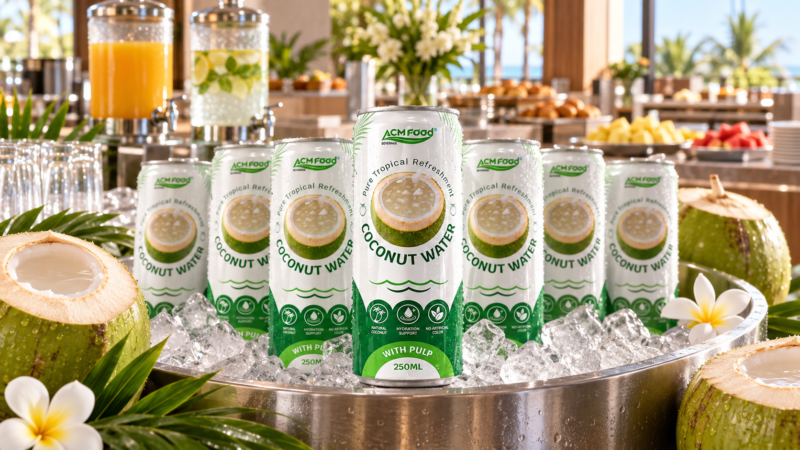
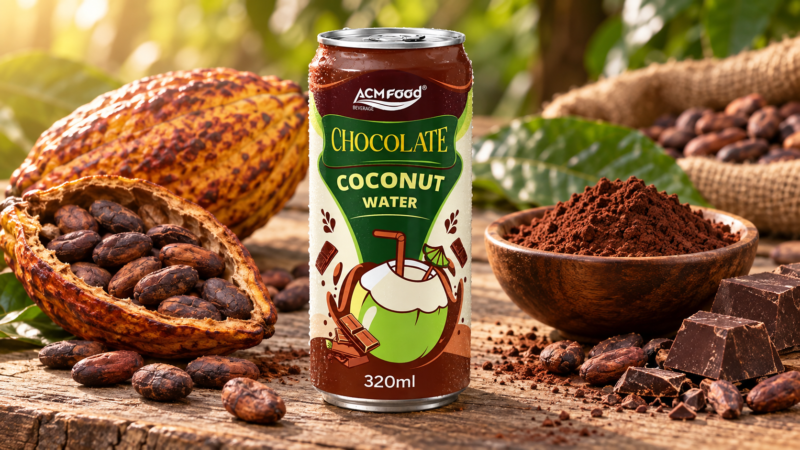
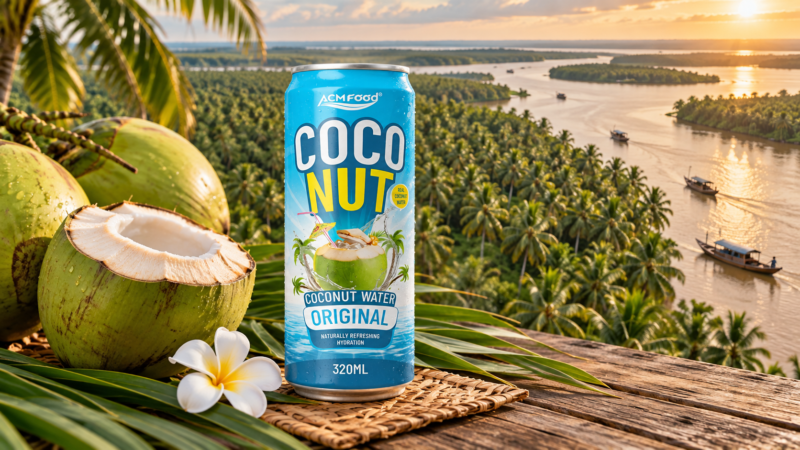
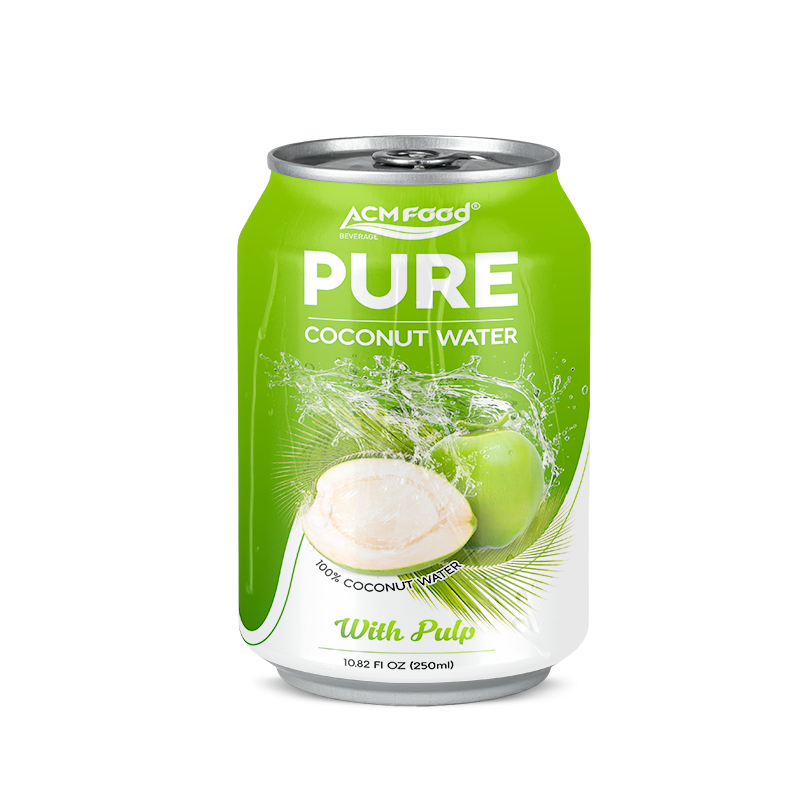
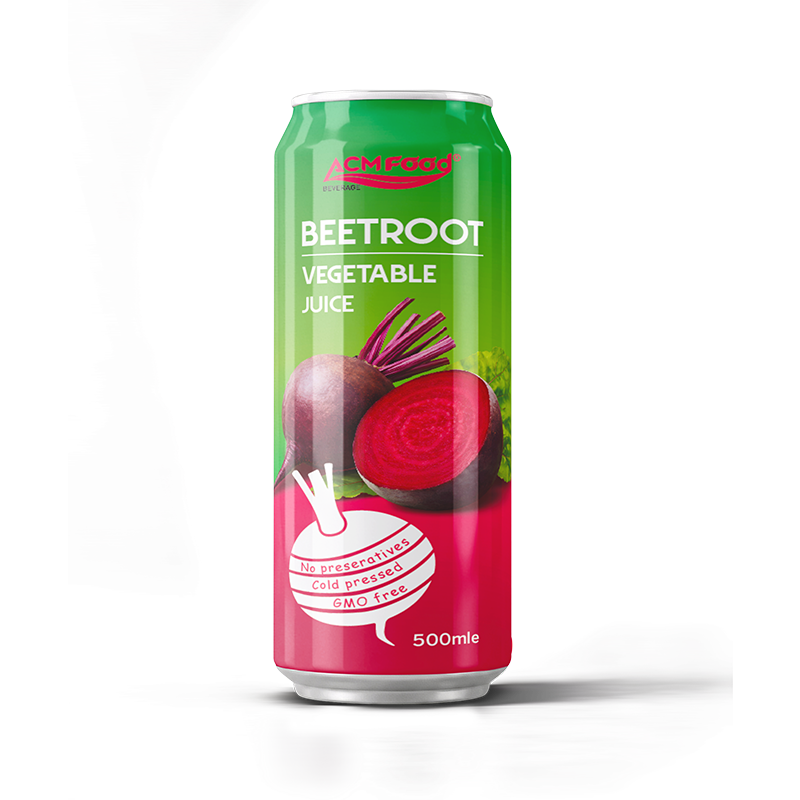
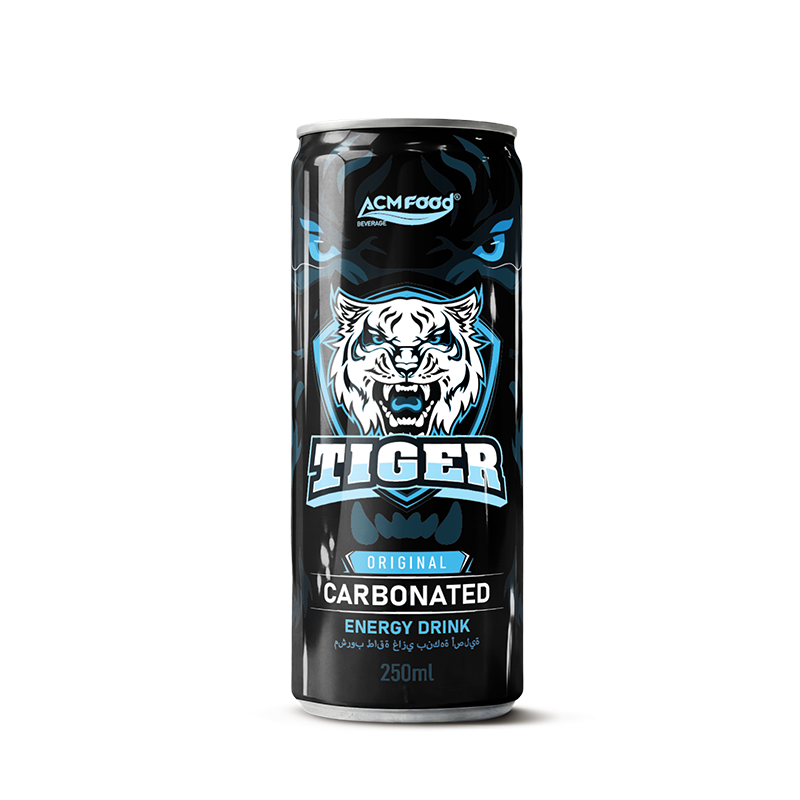
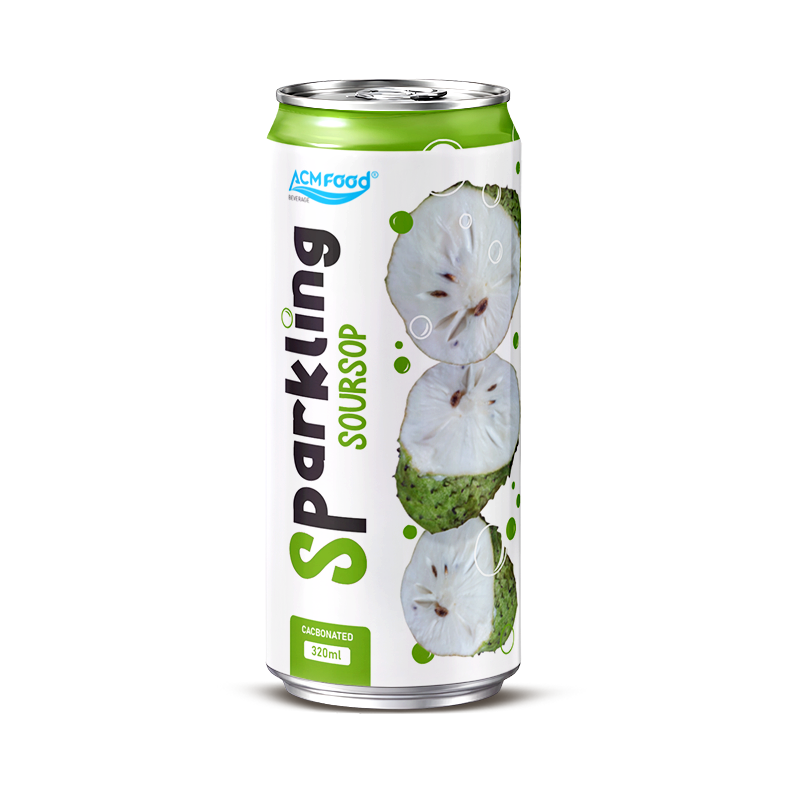
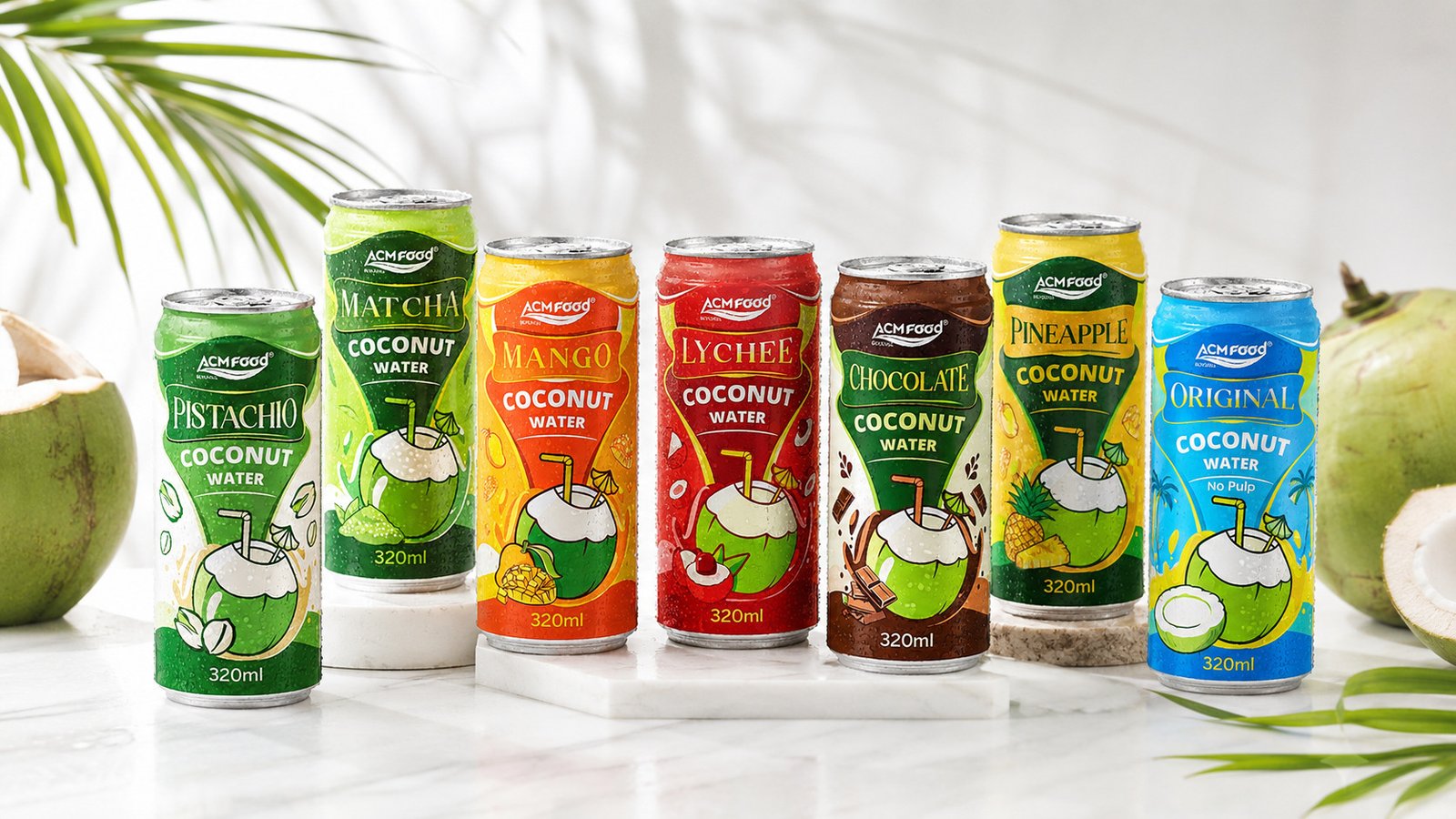
한국어A coconut drink can is an aluminium can used to pack coconut water or coconut-based drinks, usually in 250 ml slim, 330 ml standard or 500 ml sizes. Importers choose cans because they block light and oxygen, give a shelf life of typically 12–18 months, stack efficiently in containers and do not break in transit.
The right format still depends on your market, channel and price position. This guide compares cans with cartons and glass, and explains what importers should check before ordering canned coconut water.
Why are more brands choosing cans for coconut water?
Cans suit modern retail and e-commerce logistics better than most alternatives, and consumer perception of cans has changed thanks to craft beer and premium sparkling water.
- Protection: aluminium blocks almost all light and oxygen, which matters because coconut water loses taste and colour when exposed.
- Shelf life: a properly processed coconut drink can typically lasts 12–18 months, often longer than cartons under the same storage conditions.
- Freight efficiency: cans palletise with few voids, so the cost per unit in a container is lower than the can’s unit price suggests.
- No breakage: cans survive long sea freight far better than glass.
- Shelf fit: a sleek can now sits comfortably next to kombucha and cold-pressed juice on health food shelves.
Cans vs. cartons vs. glass: which is best?
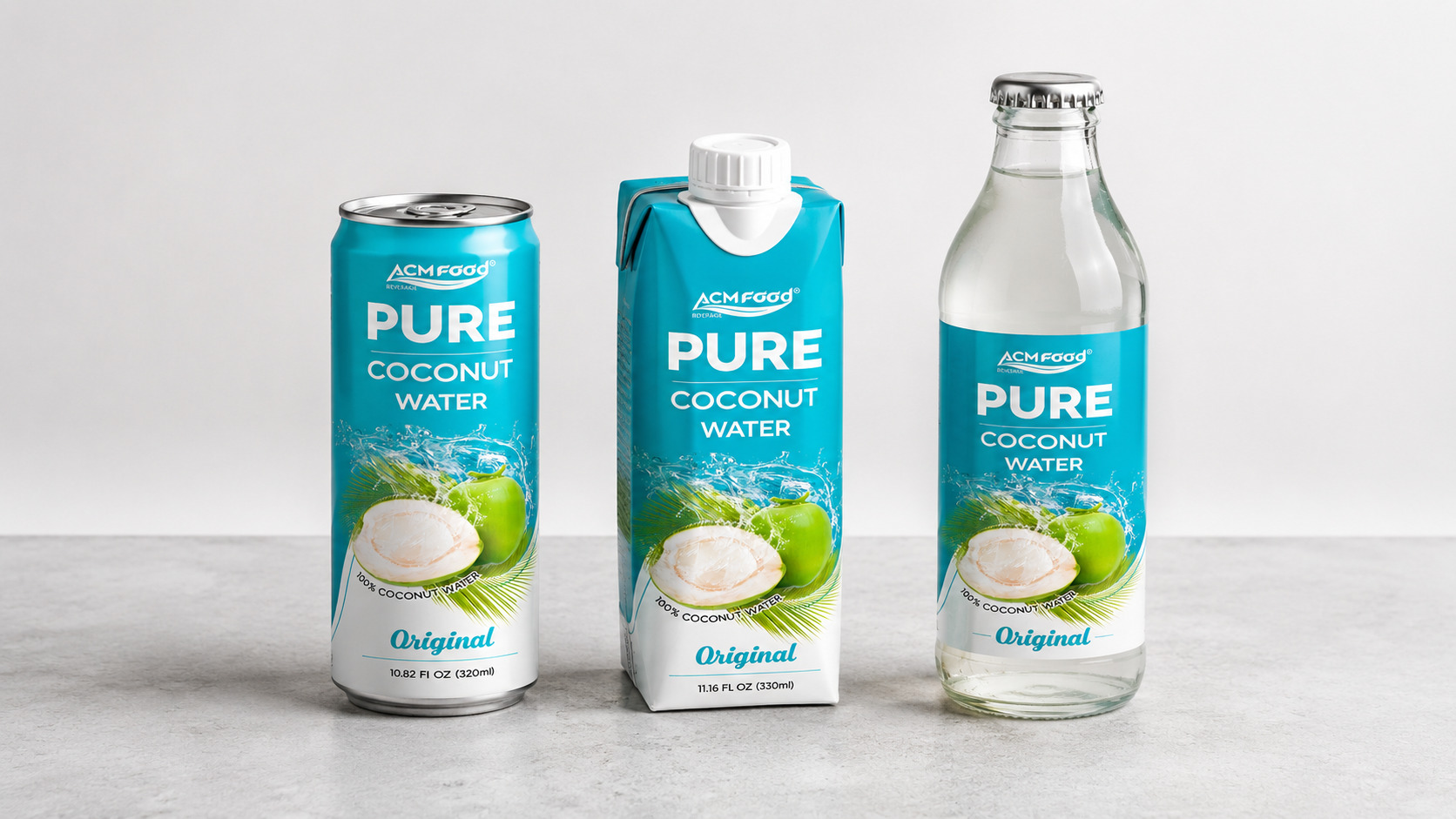
Cans fit mass retail, e-commerce, gyms and convenience; cartons fit markets used to them and small test orders; glass fits premium on-premise channels.
| Format | Strengths | Limitations | Best for |
|---|---|---|---|
| Aluminium can | Light and oxygen barrier, freight-efficient, unbreakable, recyclable | Needs can filling lines; printing method affects minimums | Mass retail, e-commerce, gyms, convenience |
| Aseptic carton | Familiar in Southeast Asia and Latin America; lower tooling barrier | Less premium look | Family packs, market tests |
| Glass bottle | Premium, tactile | Heavy, fragile, costly to ship | Cafés, restaurants, hotels |
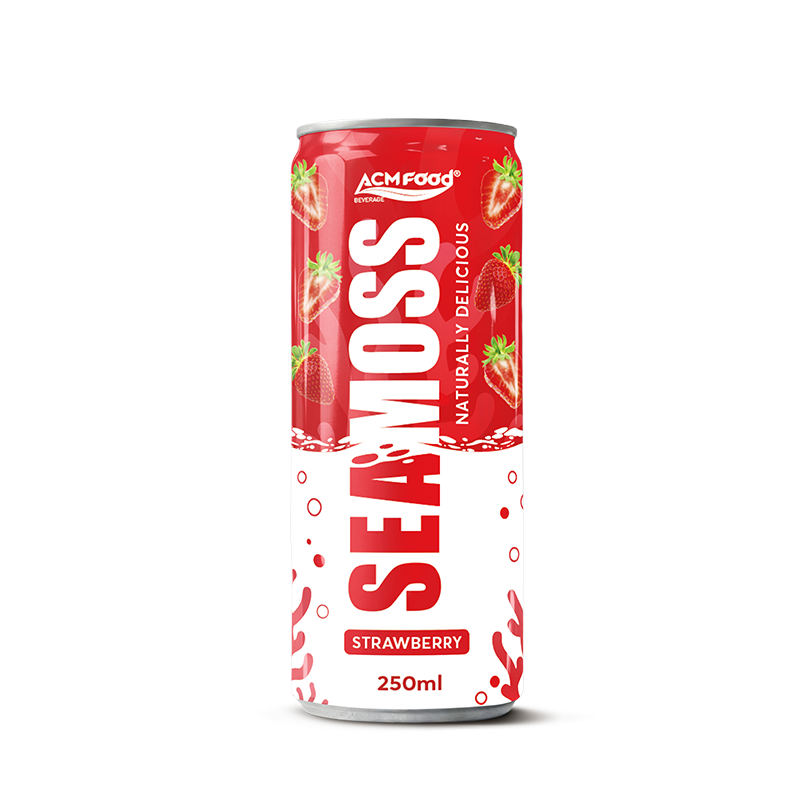
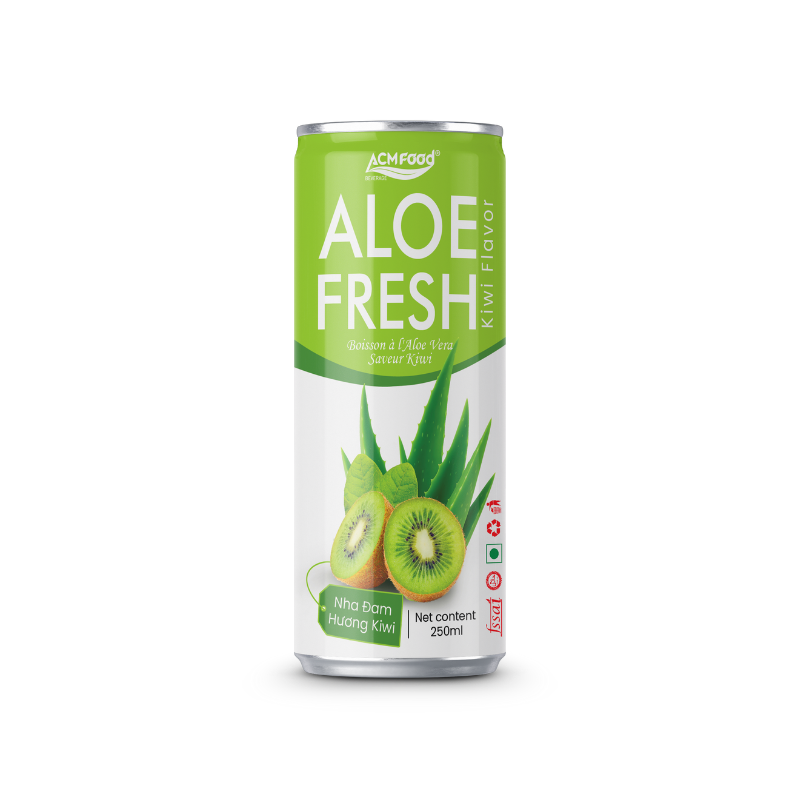
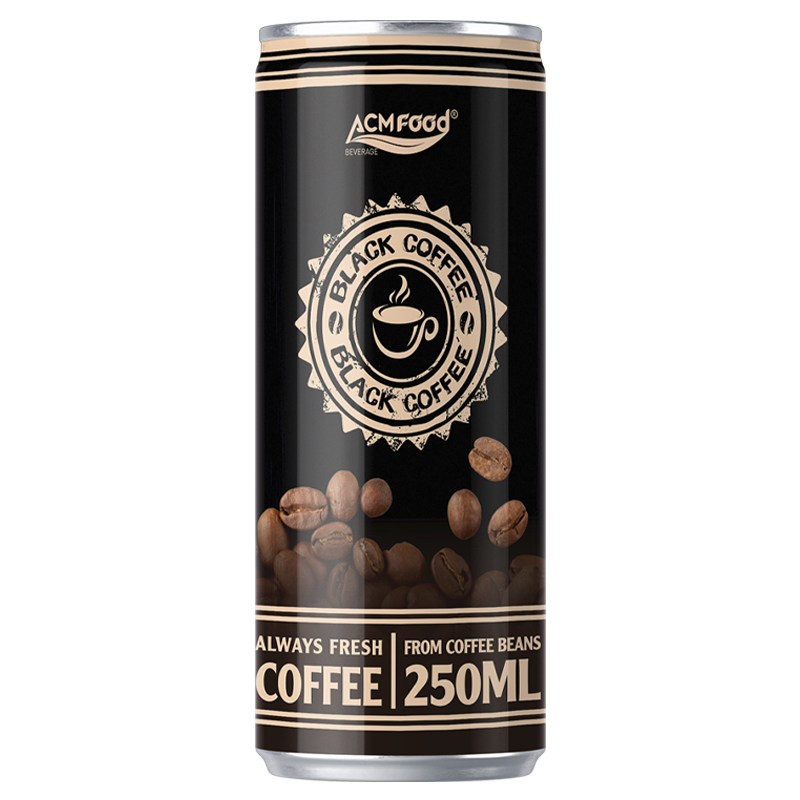
Within cans, the 250 ml slim can suits impulse purchase, the 330 ml standard can suits multipacks, and the 500 ml can suits sports and hydration.
What should you ask about the can itself?
Ask about the internal coating. Linings differ between suppliers, and BPA-non-intent linings may be required or expected in some markets. Request the coating specification and food-contact documents, for example under EU Regulation 1935/2004, before committing.
What should importers know before a first order?
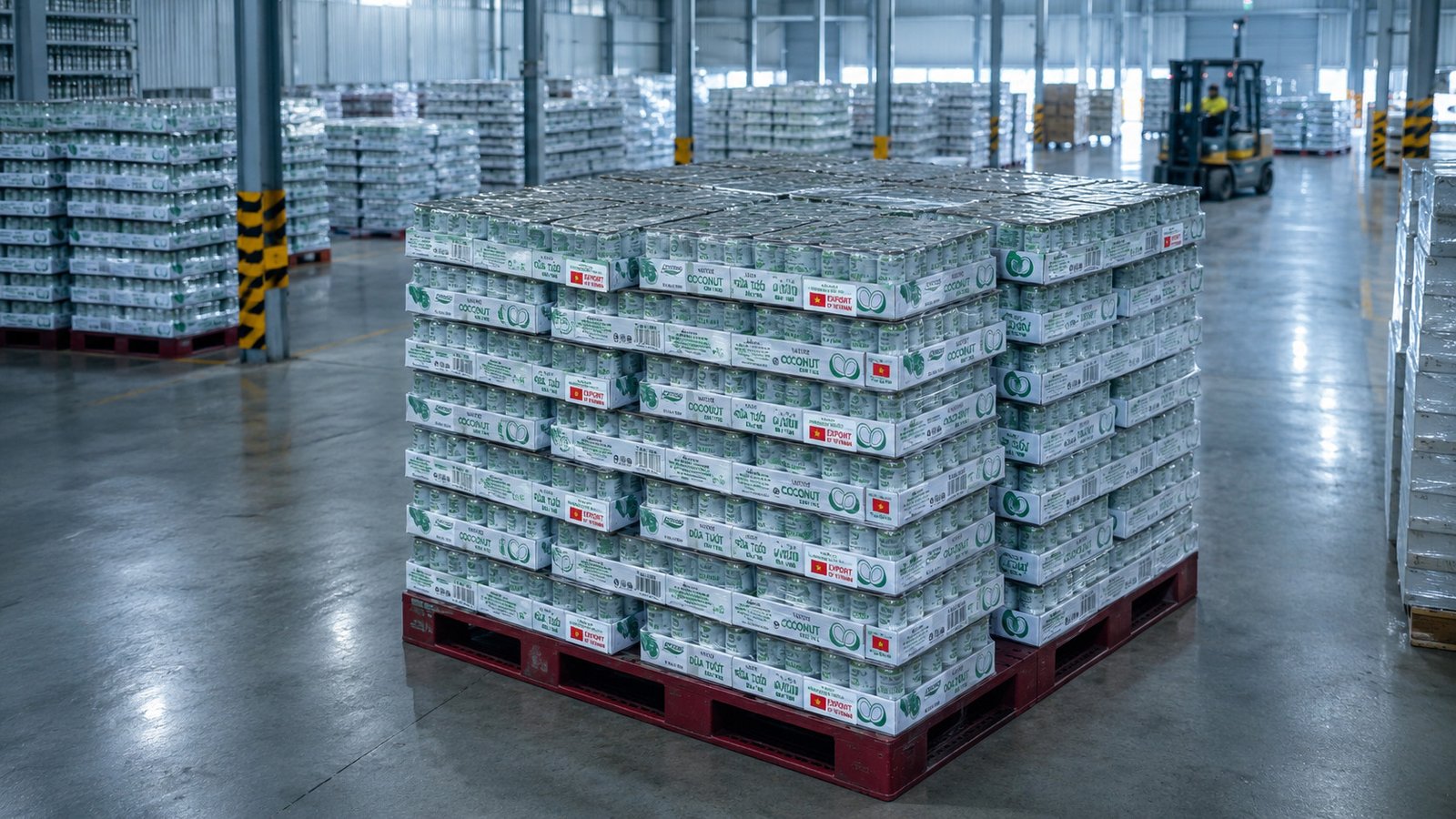
- Minimum order: at ACMFOOD, from 500 cartons per SKU, and several SKUs can share a container. Ask any supplier whether a low first-order minimum will still apply to repeat orders.
- Lead time: production usually takes a few weeks once artwork is approved; custom flavours or new-market testing add several more weeks.
- Market rules: the EU requires food-contact compliance, the US requires FDA facility registration and correct labelling, and Australia and New Zealand follow FSANZ rules.
- Export experience: a factory already shipping to your region has the document set ready, which shortens your timeline.
- Private label options: label artwork plus, depending on the recipe, sugar adjustment, electrolytes, vitamin C or fruit flavours such as pineapple, mango or lychee.
- Cartons in transit: ask for moisture-resistant outer cartons and desiccants for routes to Northern Europe or North America.
Frequently asked questions
How long does canned coconut water last?
Typically 12–18 months unopened when properly processed and sealed.
Which can size is best for coconut water?
250 ml slim cans for impulse and premium retail, 330 ml for mainstream and multipacks, 500 ml for sports and hydration.
Are coconut water cans BPA-free?
It depends on the lining. Ask the supplier for the coating specification and documentation.
Conclusion
Choosing a coconut drink can is a positioning, logistics and supplier decision at once. Define your channel first, work back to the format, build in time for market testing, and audit the manufacturer before the first container ships.

Vietnam combines raw material access, export infrastructure and manufacturing capacity for canned coconut water. To compare specifications and costs, talk to a coconut water manufacturer or coconut water supplier directly.