


 Français
 Español
 العربية
 한국어
한국어You can source ginger lemongrass drink for private label from beverage manufacturers in Vietnam, where both herbs are grown locally. Evaluate suppliers on raw material quality, sugar and flavour options, 250–330 ml can or PET formats, certifications such as HACCP and ISO 22000, and export labelling support.
The global demand for herbal and functional beverages continues to grow, and ginger lemongrass drink is emerging as one of the most promising categories. Buyers are increasingly looking for beverages that offer refreshing flavor, natural ingredients, and a wellness-oriented image without relying on artificial positioning.
For importers, distributors, and retail chains, this creates an opportunity. Consumers are no longer interested only in traditional soft drinks. They are exploring botanical beverages, herbal infusions, and ready-to-drink products inspired by ingredients that have been used in daily life for generations.
Ginger and lemongrass fit that trend naturally. One delivers a warm, spicy profile. The other contributes a fresh citrus aroma. Together, they create a balanced beverage that works across multiple markets, from Asia and the Middle East to Europe and North America.
The question many buyers ask is simple: where can you source a reliable ginger lemongrass drink supplier that can support private label and OEM production while maintaining consistent quality?
Why ginger lemongrass drink is gaining attention globally
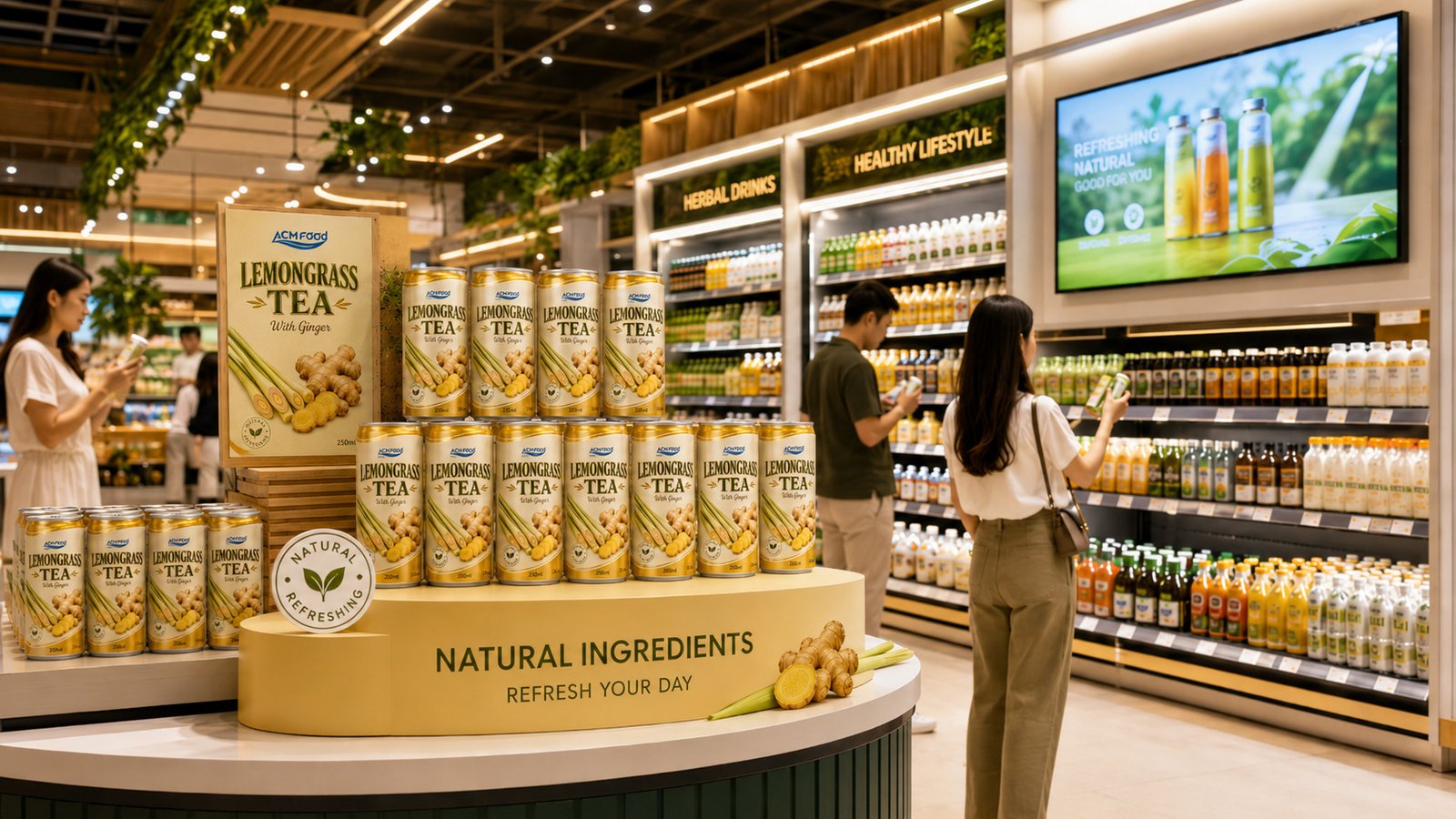
When reviewing consumer interest and beverage trends, a common pattern appears. People are moving toward products that feel closer to nature while still offering convenience.
Ginger has long been associated with digestive comfort and warming herbal beverages. Lemongrass is widely recognized for its fresh aroma and its traditional use in herbal drinks and teas. Studies and consumer health publications frequently discuss the antioxidant compounds found in lemongrass and the digestive-supporting properties associated with ginger, although these beverages should not be presented as medical products.
This matters because purchasing decisions are often influenced by ingredient familiarity. Consumers may not know every functional ingredient on a product label, but they usually recognize ginger and lemongrass immediately.
That recognition reduces the barrier to trial.
In our experience working with beverage buyers, products built around familiar ingredients often achieve faster acceptance than products containing unfamiliar botanical extracts. Retailers understand this dynamic as well. A beverage does not need an extensive explanation when consumers already understand its core ingredients.
Another reason behind the category’s growth is versatility.
A ginger lemongrass drink can be positioned as:
- A refreshing herbal beverage
- A wellness-inspired drink
- A premium ready-to-drink tea alternative
- A low-calorie refreshment option
- A natural ingredient beverage for modern consumers
One product can address multiple market segments.
The flavor profile that appeals to modern consumers
Taste remains the most important factor in repeat purchases.
Many beverage concepts enter the market with strong health messaging but struggle because consumers do not enjoy the flavor. Ginger lemongrass drink is different.
The natural spiciness of ginger creates depth and character. Lemongrass adds a bright citrus note without the acidity associated with lemon juice. The combination feels refreshing yet distinctive.
This balance makes it suitable for both mature consumers and younger audiences seeking alternatives to carbonated soft drinks.
Manufacturers can also customize sweetness levels depending on market preferences.
For example, Southeast Asian markets often accept slightly sweeter herbal beverages. European markets may prefer reduced-sugar formulations. Middle Eastern buyers frequently look for premium herbal beverage concepts with strong flavor authenticity.
Because the flavor foundation is flexible, the same product category can be adapted for multiple export destinations.
That flexibility is valuable for importers managing different customer groups.
Opportunities for importers and beverage distributors
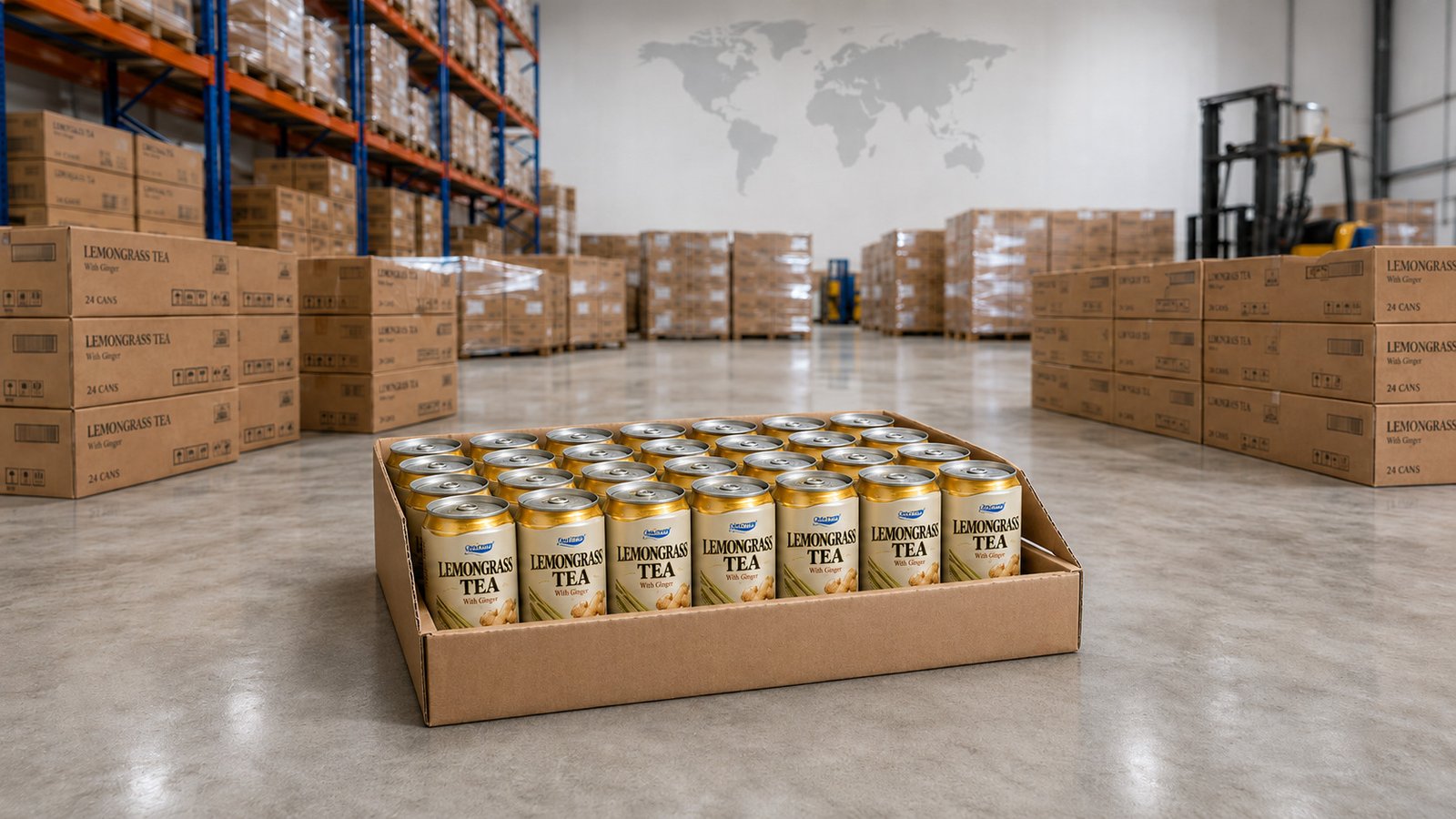
From a commercial perspective, ginger lemongrass drink offers several advantages.
First, it sits at the intersection of multiple growing beverage trends. It can fit into herbal drinks, wellness beverages, botanical refreshments, and functional-inspired beverage categories.
Second, the ingredient story is easy to communicate.
Consumers already understand ginger. They recognize lemongrass from teas, cooking, and herbal beverages. As a result, marketing efforts often focus more on product experience than on educating consumers about entirely new ingredients.
Third, the category works across multiple packaging formats.
Common options include:
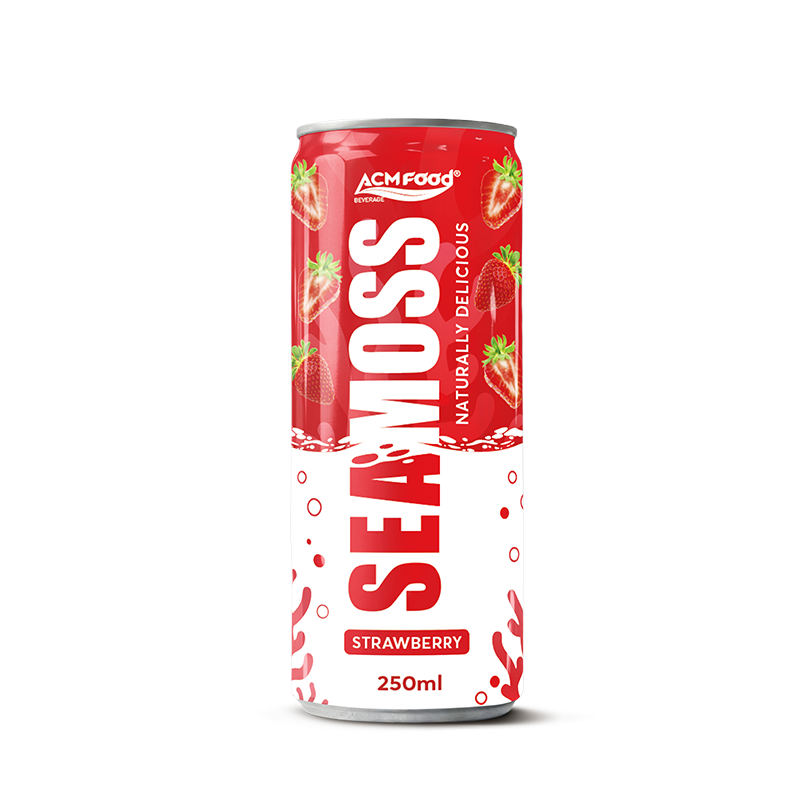
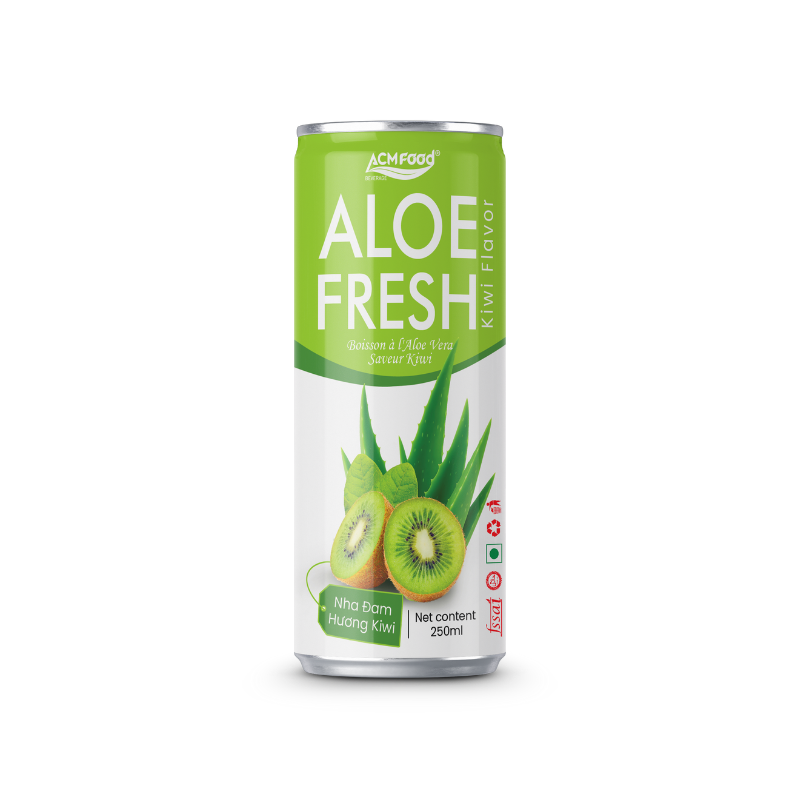
- 250ml slim cans
- 320ml cans
- 330ml sleek cans
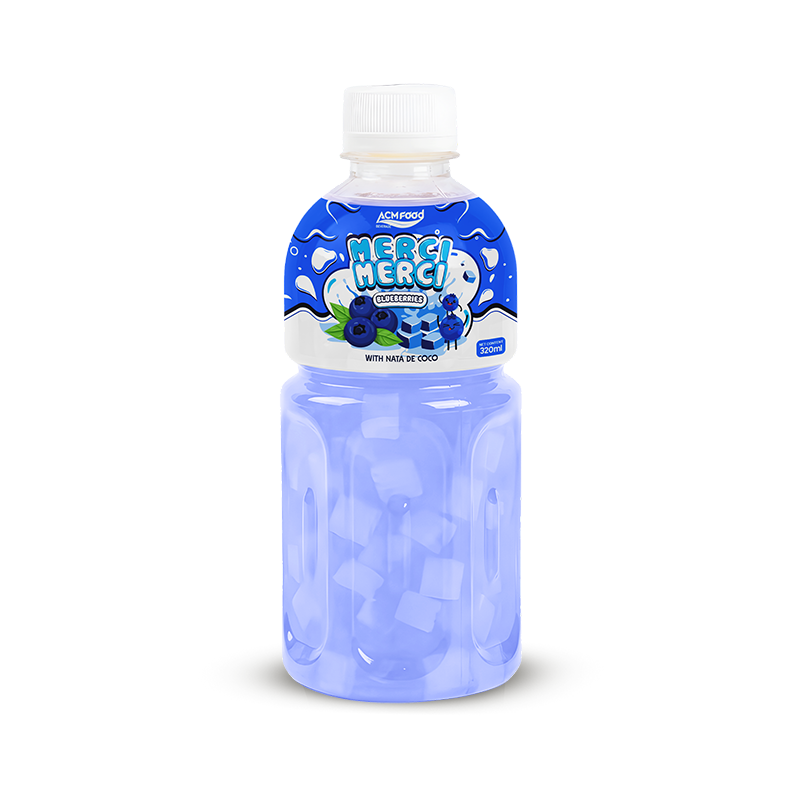
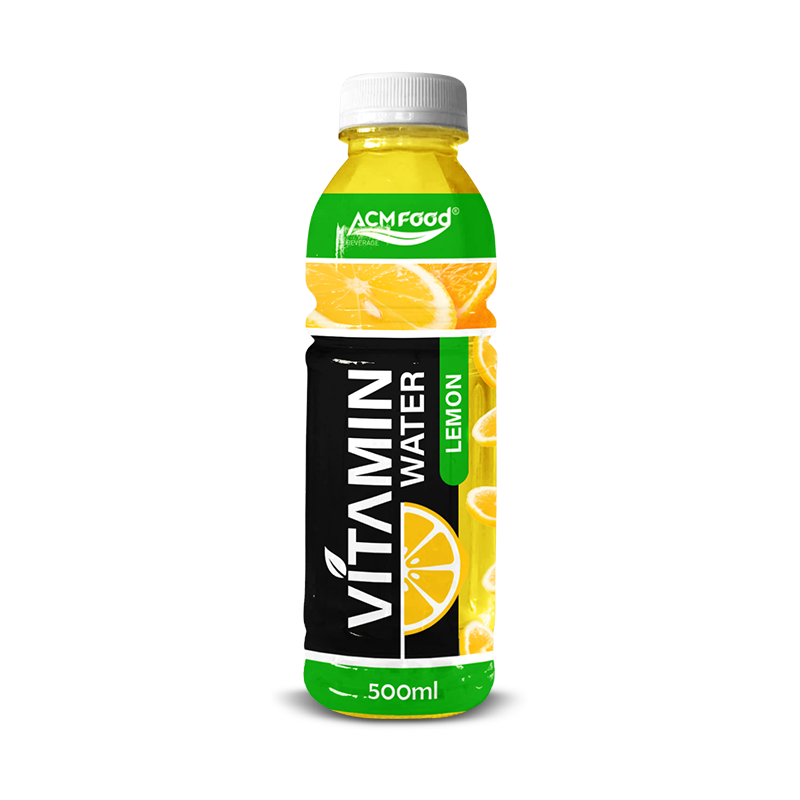
- 500ml PET bottles
- Glass bottles for premium positioning
Each format serves different channels, from convenience stores and supermarkets to cafés and food-service distributors.
This allows importers to build product portfolios without developing entirely new beverage concepts.
What buyers should look for when sourcing a ginger lemongrass drink supplier
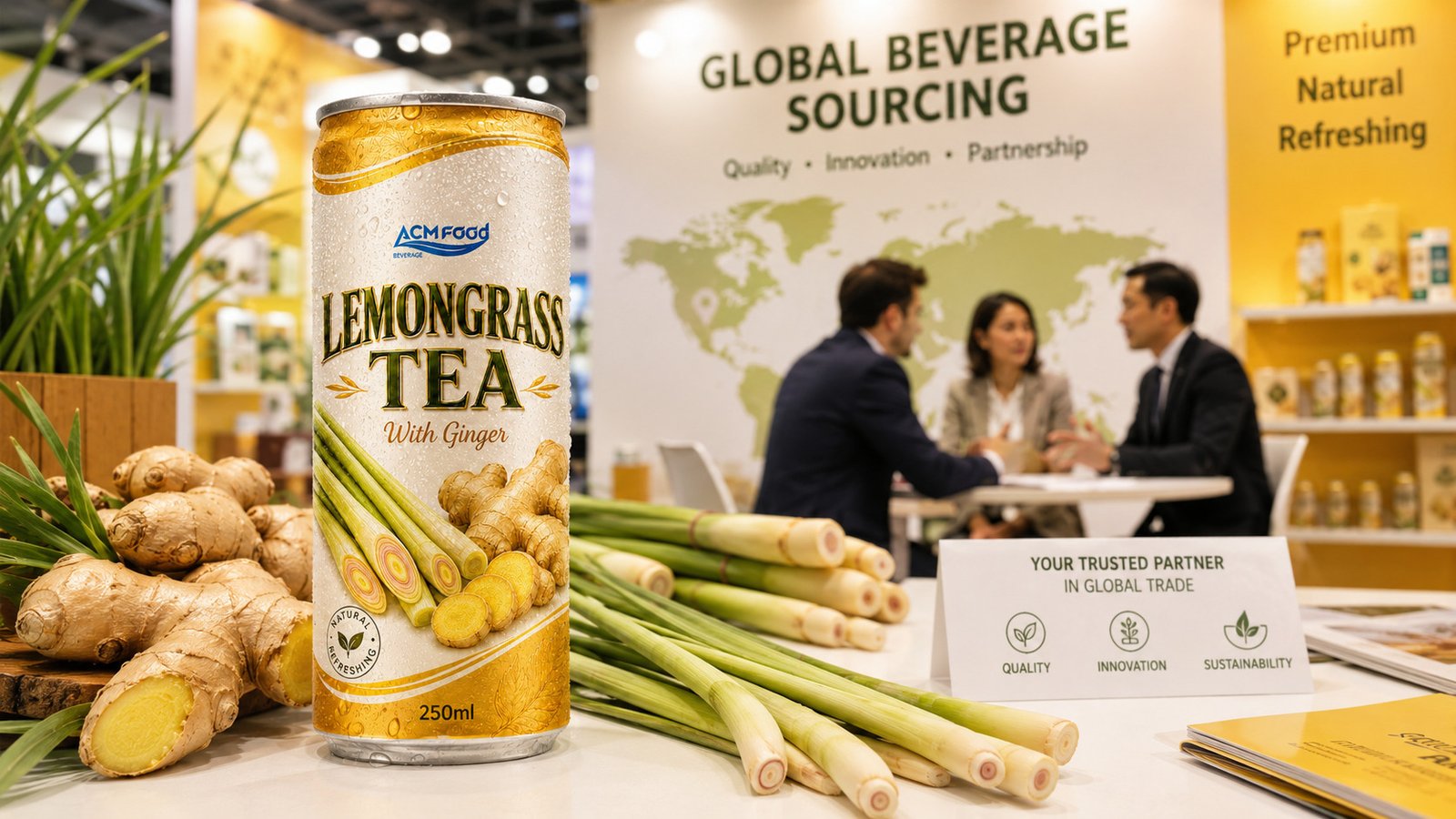
Not every beverage manufacturer is equipped for export business.
A supplier may produce good beverages but struggle with regulatory documentation, packaging customization, or production consistency. These factors become critical when launching a private label product.
When evaluating a supplier, buyers should focus on several key areas.
Ingredient sourcing
The quality of ginger and lemongrass directly affects flavor consistency.
Reliable manufacturers maintain stable sourcing networks and standardized production processes. This helps ensure that each batch delivers the same taste profile over time.
Consistency is especially important for retail chains. A product that tastes different every shipment can quickly create customer complaints.
OEM and private label capabilities
Many importers do not want to build a beverage factory.
Instead, they need a manufacturing partner capable of developing products under their own brand.
An experienced OEM supplier should be able to support:
- Custom formulations
- Label design adaptation
- Packaging selection
- Regulatory documentation
- Export preparation
- Sample development
The goal is not simply manufacturing.
The goal is helping buyers launch a market-ready product.
Export experience
International beverage trade requires documentation.
Certificates, ingredient specifications, packaging compliance, and logistics coordination all play important roles.
A manufacturer with export experience can often identify potential issues before they become costly problems.
This reduces launch delays and improves supply chain reliability.
Production capacity
Many buyers begin with a test order.
If market demand grows, they need confidence that the manufacturer can scale production.
It is wise to evaluate both current production capability and future expansion potential.
A supplier that can support growth becomes a long-term partner rather than a short-term vendor.
Market positioning ideas for private label brands
One challenge importers face is product differentiation.
The beverage itself may be excellent, but branding determines how consumers perceive it.
A ginger lemongrass drink can be positioned in several ways.
Some brands emphasize traditional herbal inspiration. Others focus on refreshing taste. Premium brands often highlight natural ingredients and clean-label positioning.
For health-conscious consumers, low-sugar or reduced-sugar formulations can create additional appeal.
For younger consumers, modern packaging and lifestyle-focused branding often generate stronger engagement.
The key is aligning the product story with local market preferences rather than copying another country’s approach.
What works in Vietnam may not work in Germany. What succeeds in the UAE may not resonate in Canada.
A good OEM partner understands these differences and can help buyers adapt accordingly.
Why ready-to-drink herbal beverages continue to expand
Consumer lifestyles continue to change.
People want convenience. They also want products that feel more natural than traditional soft drinks.
This explains why ready-to-drink herbal beverages are appearing in supermarkets, convenience stores, cafés, and specialty retailers around the world.
Herbal tea categories have benefited from this shift. Ginger-based drinks, lemongrass beverages, and botanical infusions are increasingly positioned alongside juices and functional beverages.
The appeal goes beyond health claims.
Consumers often describe these products as refreshing, authentic, and closer to traditional ingredients they trust.
That emotional connection can be just as important as the ingredient list itself.
For distributors, this creates room for product innovation without entering highly saturated categories.
Ginger lemongrass drink supplier: introducing ACMFOOD
For buyers seeking a reliable manufacturing partner, ACMFOOD provides OEM, ODM, and private label beverage solutions for international markets.
With experience serving importers, distributors, wholesalers, and retail brands, ACMFOOD develops ready-to-drink beverages tailored to specific market requirements. The company supports product customization across flavor profiles, sweetness levels, packaging formats, and branding needs.
Our approach is practical.
We understand that beverage buyers are not simply looking for a factory. They need a partner capable of supporting product development, export preparation, and long-term supply stability.
ACMFOOD’s ginger lemongrass drink combines the warming character of ginger with the fresh citrus aroma of lemongrass to create a beverage that appeals to a wide range of consumers. The formulation can be adjusted to suit regional preferences, whether the target market prefers a stronger herbal taste or a lighter, more refreshing profile.
We also support private label projects from concept to production, helping brands move from idea to market launch efficiently.
For importers entering the herbal beverage category, this can significantly reduce development time.
For established distributors, it creates an opportunity to expand product portfolios with a beverage category that continues to attract consumer interest.
Final thoughts
The global beverage industry is becoming more diverse, and consumers are increasingly exploring products made with recognizable botanical ingredients.
A well-developed ginger lemongrass drink aligns with several current trends at once. It offers a familiar ingredient story, a refreshing taste profile, and flexibility for multiple retail channels.
For importers, distributors, and private label brands, the opportunity extends beyond a single product. It represents a category with room for long-term growth.
The right manufacturing partner can make the difference between simply importing another beverage and building a successful branded product line. Choosing a supplier with OEM expertise, export experience, and reliable production standards is often the first step toward that goal.