
10 pure coconut water benefits and the growing demand for ready-to-drink solutions

Pure coconut water benefits are becoming easier for consumers to understand because the product sits at the meeting point of hydration, natural taste, and clean-label drinking. It is simple. It is also commercially useful.

For importers, distributors, and retail chains, pure coconut water is not just another tropical beverage. It answers a clear consumer question: “What can I drink that feels refreshing, light, and better than a sugary soft drink?” That question appears in supermarkets, gyms, convenience stores, cafés, hotel minibars, airline catering, and online grocery baskets.

The demand is not built on one single claim. It comes from a mix of everyday needs: hydration after heat exposure, a naturally sweet drink with fewer calories than many juices, a source of electrolytes, and a product story that feels close to nature. When the product is packed in a ready-to-drink format, the business case becomes stronger because shoppers do not need to buy, open, chill, and serve a fresh coconut.

That convenience matters. A lot.

What is pure coconut water?

Pure coconut water is the clear liquid found inside young green coconuts. It is different from coconut milk, which is usually made by mixing coconut water with grated coconut meat and has a richer, creamier texture. For beverage buyers, this difference matters because coconut water is positioned as a light hydration drink, while coconut milk is often treated as a cooking or plant-based dairy ingredient.

A good pure coconut water product should have a clean ingredient statement. Ideally, the label says 100% coconut water, with no added sugar, no artificial color, and no heavy flavor masking. Some brands may add vitamin C for color and freshness protection, depending on the process and market rules, but the core value remains the same: coconut water should taste like coconut water.

From my experience reviewing beverage concepts for B2B buyers, this is where many brands either win or lose trust. If the product claims “natural hydration” but tastes like syrup, consumers notice quickly. If it tastes thin, metallic, or over-processed, they notice that too.

Why consumers care about pure coconut water benefits

The main reason shoppers search for pure coconut water benefits is simple: they want to know whether the drink is actually good for them or just another wellness trend. This is a fair question. The best answer is balanced.

Coconut water is mostly water and naturally contains electrolytes such as potassium, sodium, magnesium, calcium, and manganese. These minerals help explain why consumers often associate coconut water with hydration, especially after sweating, travel, hot weather, or light exercise. It is not magic. It is mineral-containing fluid with a naturally sweet taste.

A typical cup of coconut water is often around 45 to 60 calories, depending on the coconut variety, processing method, and brand. That number matters because many fruit juices and carbonated soft drinks can carry more sugar and calories per serving, which makes coconut water a practical option for people who want flavor without moving too far away from plain water.

Potassium is another major reason the category gets attention. One cup of coconut water may contain about 600 mg of potassium, although the exact amount can change by brand and source. That matters because potassium supports normal fluid balance and muscle function, and many consumers associate it with active lifestyles.

But here is the part brands should say carefully: coconut water is not a medical product. It should not be marketed as a treatment for high blood pressure, diabetes, kidney stones, or any disease. The stronger long-term brand position is not to overclaim, but to communicate clear nutrition, sensible hydration, and product purity.

Hydration is the strongest everyday benefit

Among all pure coconut water benefits, hydration is the easiest for consumers to understand. People already know what thirst feels like. They also know that plain water can feel boring, especially when they are tired, warm, or looking for a light refreshment during the day.

Coconut water gives them a middle path. It has natural sweetness and minerals, but it can still sit in a better-for-you beverage set when the product is unsweetened. This makes it suitable for office workers, commuters, gym visitors, students, and families looking for a more natural drink in the fridge.

Does that mean coconut water is always better than water? No. For daily hydration, plain water remains the baseline. Coconut water becomes interesting when consumers want taste, electrolytes, and a more premium drinking moment without choosing soda or heavy juice.

For retail buyers, that distinction is useful. The product does not need to replace water. It can sit beside mineral water, sparkling water, functional drinks, cold-pressed juice, and natural energy drinks as part of a wider hydration set.

Electrolytes create a functional beverage story

Electrolytes are one of the easiest selling points for coconut water because they connect nutrition with a real consumer situation. After sweating, the body loses fluid and minerals. Coconut water naturally contains several electrolytes, which gives brands a simple and credible way to explain its role.

Still, the story needs care. Coconut water is often high in potassium but lower in sodium than many sports drinks. For intense endurance exercise or long training in hot conditions, a formulated sports drink may be more suitable because sodium replacement becomes more central. For light workouts, yoga, walking, summer hydration, or casual refreshment, coconut water can be a good fit.

This difference is not a weakness. It helps define the right consumer occasion.

A ready-to-drink coconut water line can be positioned around daily hydration, natural refreshment, post-light workout drinking, beach and travel occasions, lunch breaks, and healthier convenience-store choices. Those occasions are broad enough for volume. They are also specific enough for good shelf messaging.

Low calorie, naturally sweet, and easy to understand

Many consumers do not want a beverage that feels like a lecture. They want something that tastes good and feels better than their usual choice. Coconut water works well here because the value is easy to explain in one sentence: it is a naturally sweet drink with electrolytes and fewer calories than many sugary beverages.

That simplicity is commercially powerful. A shopper does not need to understand complex ingredient science before buying. They can see “100% coconut water,” check the nutrition panel, and make a decision in a few seconds.

For B2B brands, the clean-label advantage becomes stronger when the product avoids added sugar. The difference between unsweetened coconut water and sweetened coconut drinks should be clear on the label because both may look similar on shelf. Buyers should ask for the full formulation, nutrition facts, and ingredient declaration before confirming a product line.

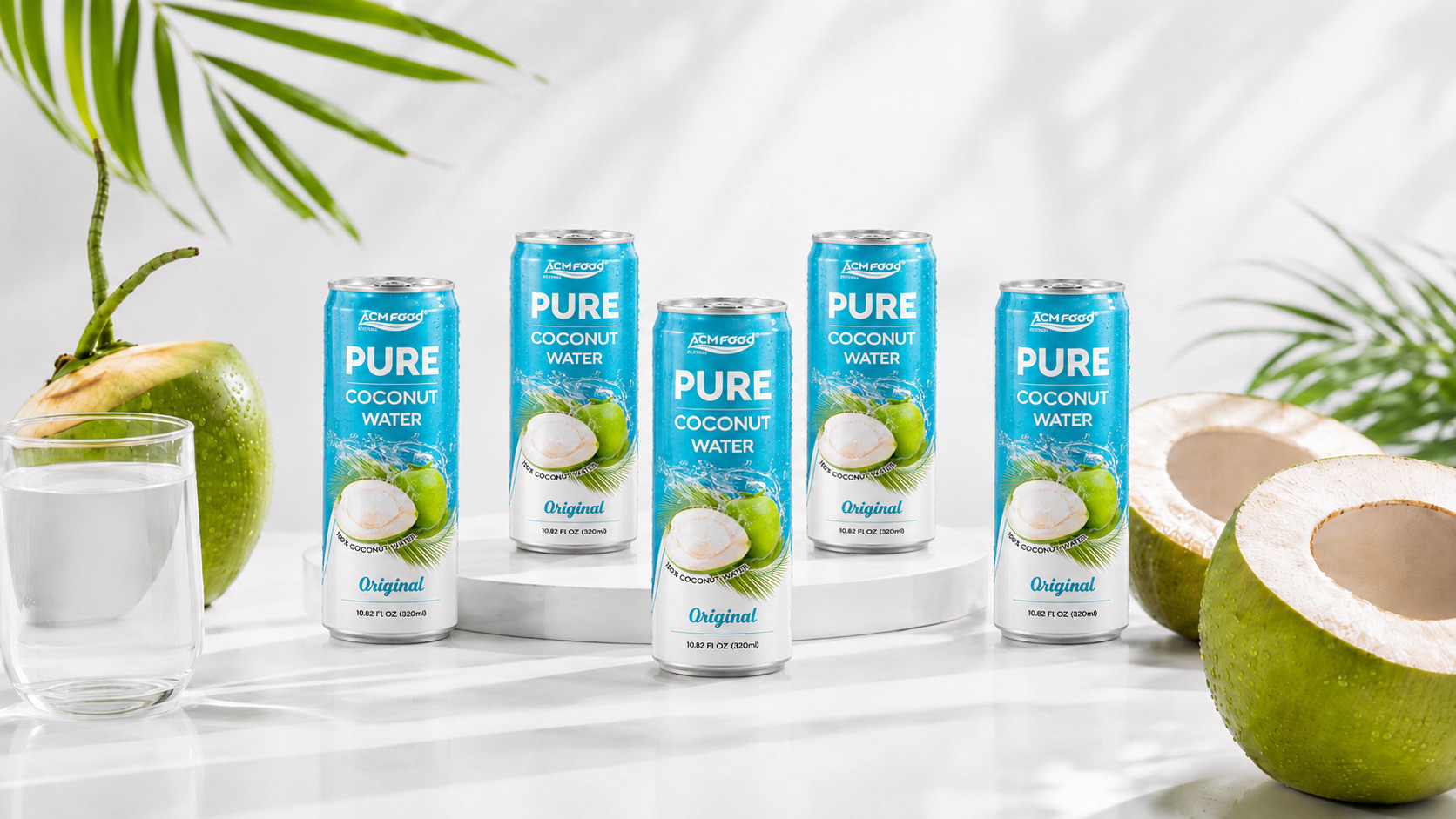
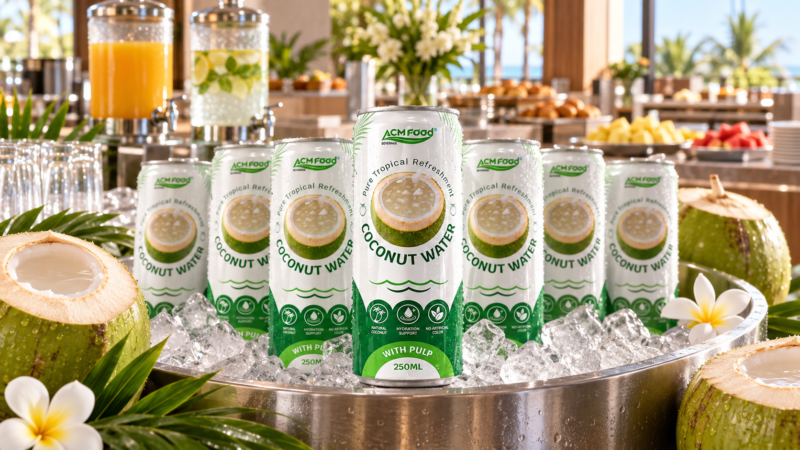
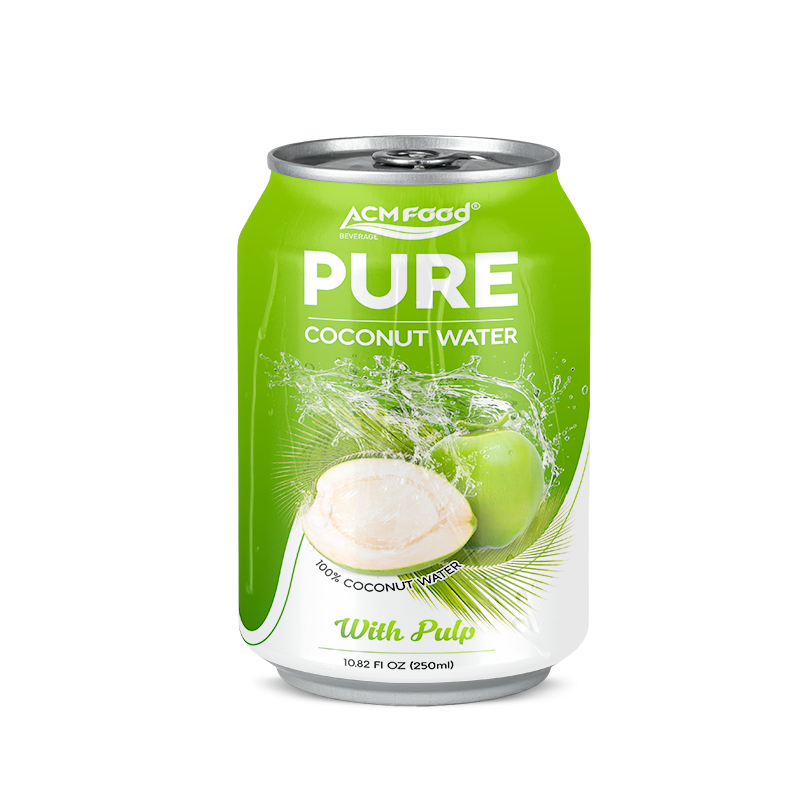
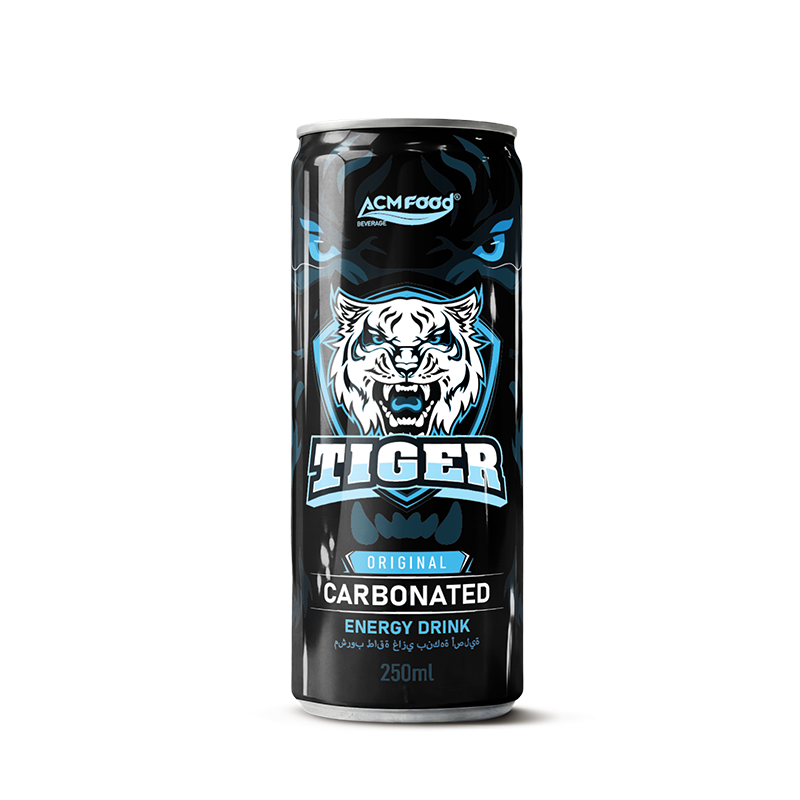
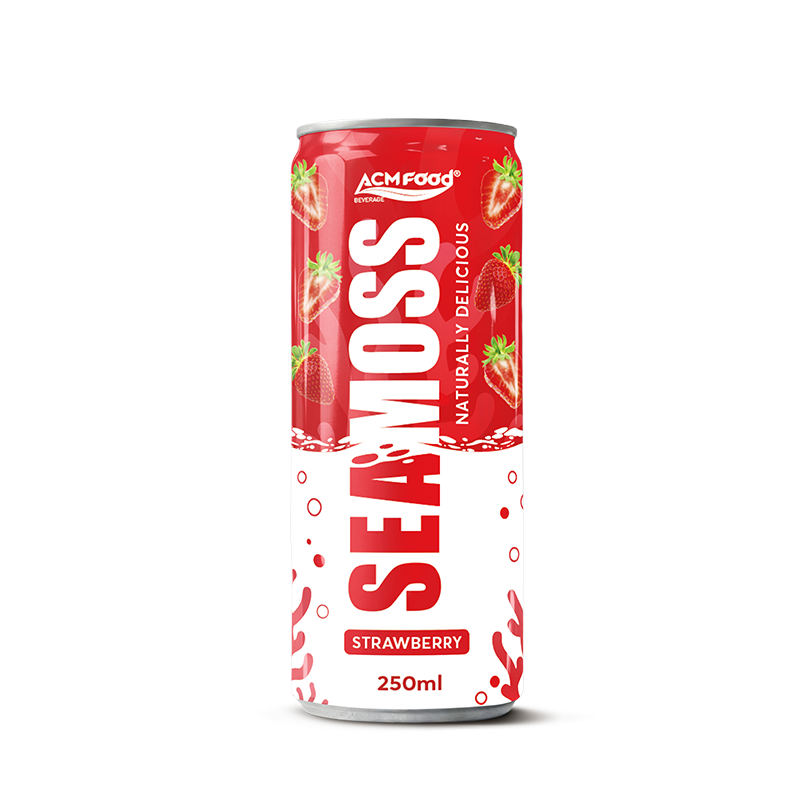
One practical point is serving size. A 250 ml can gives portion control, easy chilling, and a neat on-the-go format. It also helps retailers place coconut water in impulse zones, vending channels, wellness shelves, or lunch meal-deal programs.

Potassium gives the product a credible nutrition angle

Potassium is one of the most discussed nutrients in coconut water. It supports normal muscle contraction and fluid balance, and it is a familiar term for consumers who follow fitness, wellness, or heart-health content. This makes potassium a useful part of the education story.

The commercial point is not to make a disease claim. The point is to show that coconut water has a real nutritional identity beyond taste. A beverage with naturally occurring potassium, low fat, no cholesterol, and a light calorie profile is easier to explain than a drink built mainly on artificial flavors and sweeteners.

That said, high potassium is not ideal for everyone. People with chronic kidney disease, people on potassium-restricted diets, and people taking certain medications may need medical guidance before drinking coconut water regularly. Responsible brands should not hide this. Trust grows when the product story is accurate.

For importers, this also affects compliance. Some markets are stricter about health claims, nutrient content claims, and wording around electrolytes. A claim that sounds acceptable in one country may need revision in another.

The product must taste fresh, not just sound healthy

Health positioning can get a first purchase. Taste gets the second one.

Pure coconut water has a natural flavor that can vary by coconut variety, harvest age, season, and processing. Some batches taste sweeter. Some have a greener note. Some can taste slightly nutty. This variation is normal, but for retail buyers it must be controlled within an agreed specification.

This is where manufacturing discipline matters. Buyers should define key quality points such as Brix range, acidity, aroma, color, sediment tolerance, and microbiological standards. They should also review heat treatment and packing format because these affect flavor stability.

Canned coconut water has a specific advantage for ready-to-drink programs. It chills quickly, protects the beverage from light, and gives the product a modern look that works well in convenience stores and premium retail. It also suits smaller serving sizes, which can help reduce waste compared with larger family cartons.

For private-label buyers, sensory review should happen early. Do not approve a label design before the liquid profile is clear.

Why ready-to-drink coconut water demand is growing

pure coconut water benefits

The global coconut water market is expanding because it fits several consumer shifts at once. Shoppers want natural beverages. They want lower-sugar choices. They want products that feel connected to wellness without looking like medicine. They also want convenience.

Recent market estimates vary by research company, but many point to multi-billion-dollar category value and continued growth over the next several years. That spread in estimates matters because it shows how fast the category is developing and how differently analysts define coconut water formats, regions, and channels. For buyers, the message is still clear: this is no longer a niche tropical drink.

Ready-to-drink formats turn the consumer interest into repeatable retail execution. A fresh coconut is charming, but it is hard to ship, store, portion, and merchandise at scale. A can or carton is easier to plan. It has a barcode, a shelf life, a carton count, a pallet pattern, and a predictable landed cost.

That is why pure coconut water benefits should be translated into business language. Hydration becomes a use occasion. Electrolytes become shelf communication. No added sugar becomes a clean-label point. A 250 ml can becomes an impulse purchase. A multi-pack becomes home consumption.

Where coconut water fits in retail and foodservice

In modern retail, coconut water can sit in several places. It can be placed in the health beverage section, the chilled drink fridge, the natural foods aisle, the sports hydration set, or the Asian and tropical beverage range. Each placement tells a different story.

For supermarkets, the strongest position is often near functional hydration and better-for-you drinks. For convenience stores, single-serve cans near water and energy drinks can work well because shoppers are already choosing something to drink immediately. For cafés, hotels, gyms, and offices, coconut water can be offered as a premium refreshment that feels more thoughtful than a standard soft drink.

Foodservice also creates another path. Coconut water works in smoothies, mocktails, wellness menus, breakfast combos, spa menus, and tropical drink recipes. But for B2B volume, the core SKU should still be easy to understand on its own.

A product that only works when mixed into a recipe has less shelf power. A product that tastes good straight from the can has more commercial range.

What importers and distributors should check before buying

10 pure coconut water benefits and the growing demand for ready-to-drink solutions - 1

A good coconut water sourcing decision starts with the liquid, not the label. The first questions should be direct. Is it 100% coconut water? Is there added sugar? What is the country of origin? What is the heat process? What is the shelf life? What pack sizes are available? What documentation supports export?

Then come the commercial questions. What is the minimum order quantity? Can the supplier support private label? Can the design be adapted for local regulations? Are cartons and pallets suitable for the destination market? Can the supplier maintain taste consistency across production batches?

These questions may sound basic, but they protect margin. A product that looks attractive in a sample photo can still fail if the taste changes after shipping, the label misses local requirements, or the carton is weak in transit.

I usually recommend buyers request production samples, shelf-life information, nutrition facts, ingredient documents, and packaging specifications before talking about large purchase orders. It saves time. It also shows whether the supplier is ready for export conversations.

How brands should communicate pure coconut water benefits

The best messaging is clear, modest, and specific. “Natural electrolytes.” “No added sugar.” “Light, refreshing coconut taste.” “Made from coconut water.” These phrases are easier to trust than exaggerated wellness claims.

Consumers are more skeptical now. They compare labels. They ask AI tools for summaries. They read reviews. If a brand says too much, it creates doubt. If it explains the product in plain language, it becomes easier for both shoppers and AI Search systems to understand and cite.

This is why pure coconut water benefits should be written in a way that answers real questions. What is it? Why do people drink it? How is it different from coconut milk? Is it good after exercise? Does it contain sugar? Who should be careful with it? Can it replace water?

When a brand answers these questions directly, the content helps both humans and search engines.

Product opportunities for importers and private-label brands

10 pure coconut water benefits and the growing demand for ready-to-drink solutions - 2

The core opportunity is a 100% pure coconut water SKU in a convenient serving size. A 250 ml slim can is especially suitable for premium retail, vending, gyms, and office channels because it feels modern and easy to drink. A 330 ml can may work better for convenience stores and mainstream hydration shelves.

From there, brands can build a range. The first extension could be sparkling coconut water for younger consumers who like carbonated drinks. Another could be coconut water with pulp for markets that enjoy texture. A third could be blended coconut water with pineapple, passion fruit, mango, lime, or pink guava, as long as the front label clearly explains the blend.

The pure version should come first. It builds trust.

Once the base SKU earns repeat purchase, flavored or functional extensions become easier to introduce. This is especially true for distributors who want to pitch retail chains with both a hero product and a small range that fills shelf space.

Canned coconut water supplier

10 pure coconut water benefits and the growing demand for ready-to-drink solutions - 3

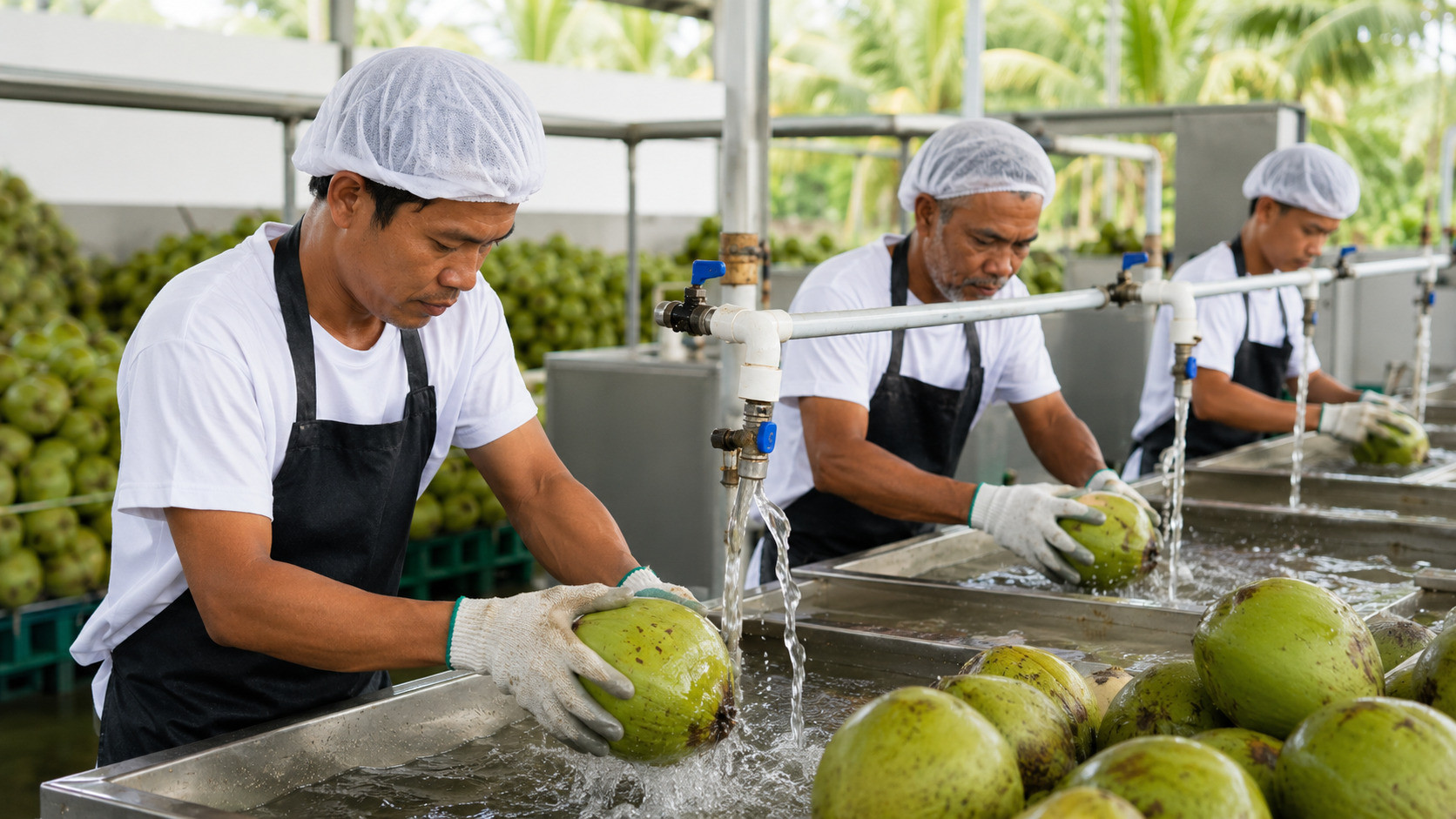
ACMFOOD is a Vietnam-based beverage manufacturer that supports B2B buyers looking for canned coconut water solutions, including private-label and OEM projects for importers, distributors, and retail chains. For customers developing a pure coconut water line, ACMFOOD can help turn the product concept into a ready-to-drink format with practical packaging options, export-oriented production planning, and brand adaptation for different market requirements. This makes the company a suitable partner for buyers who need more than a sample; they need a supplier that understands product format, shelf presentation, and commercial rollout.

Final thoughts

10 pure coconut water benefits and the growing demand for ready-to-drink solutions - 4

The demand for coconut water is growing because the product is easy to understand and easy to place in modern beverage routines. It is hydrating, naturally sweet, light in calories, and rich in minerals compared with many everyday drink options.

For B2B buyers, the opportunity is not just the ingredient. It is the format. Ready-to-drink coconut water turns a tropical raw material into a scalable retail product that can move through supermarkets, convenience stores, gyms, cafés, hotels, and online channels.

The strongest brands will not overpromise. They will focus on taste, clean labeling, consistent quality, and honest education around pure coconut

water benefits. That is what builds repeat purchase. And in beverage distribution, repeat purchase is where the real value sits.

Data source:

Mayo Clinic – Coconut water FAQ

Healthline – 7 Science-Backed Benefits of Coconut Water

Share this article: