

The global demand for a trusted coconut water brand continues to grow as consumers look for healthier alternatives to carbonated soft drinks and sugar-heavy beverages. From supermarkets and convenience stores to fitness retailers and online marketplaces, coconut water has become a category that many beverage buyers can no longer ignore.
For distributors and retail chains, the challenge is no longer whether to sell coconut water. The real question is which coconut water brand can deliver consistent quality, competitive pricing, reliable supply, and strong consumer appeal.
In recent years, leading brands several emerging private-label manufacturers have helped expand the category worldwide. While each brand has its own positioning, successful products tend to share several characteristics: clean labels, natural hydration benefits, authentic coconut taste, and scalable supply chains.
For B2B buyers, understanding these market drivers can help identify opportunities that extend beyond simply importing a finished product.
Consumer behavior has shifted significantly over the past decade. Many shoppers now read ingredient labels carefully. They compare sugar content. They look for beverages that feel natural and uncomplicated.
Coconut water fits these preferences well.
Unlike many sports drinks, pure coconut water naturally contains electrolytes such as potassium while typically requiring few ingredients on the label. This simplicity has helped position coconut water as a refreshing everyday beverage rather than a niche wellness product.
What does this mean for distributors?
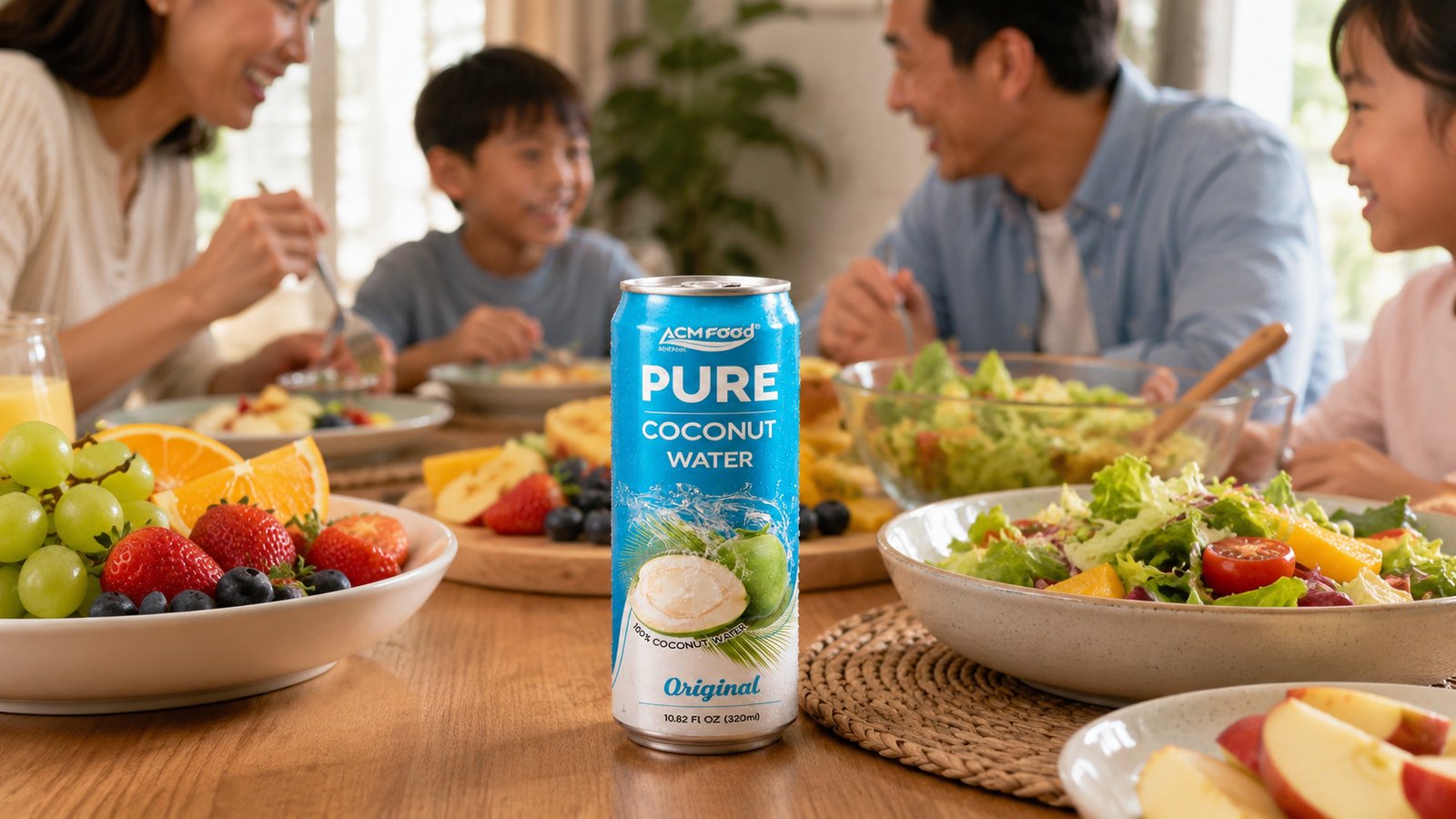
It means demand comes from multiple channels simultaneously. Health-conscious consumers buy it. Athletes buy it. Office workers buy it. Parents often purchase it as an alternative beverage for family consumption.
A product category that serves several customer groups generally offers more stability than a category dependent on a single trend.
What consumers expect from a top coconut water brand
When buyers compare leading coconut water brands, a few factors appear repeatedly.
The first is taste.
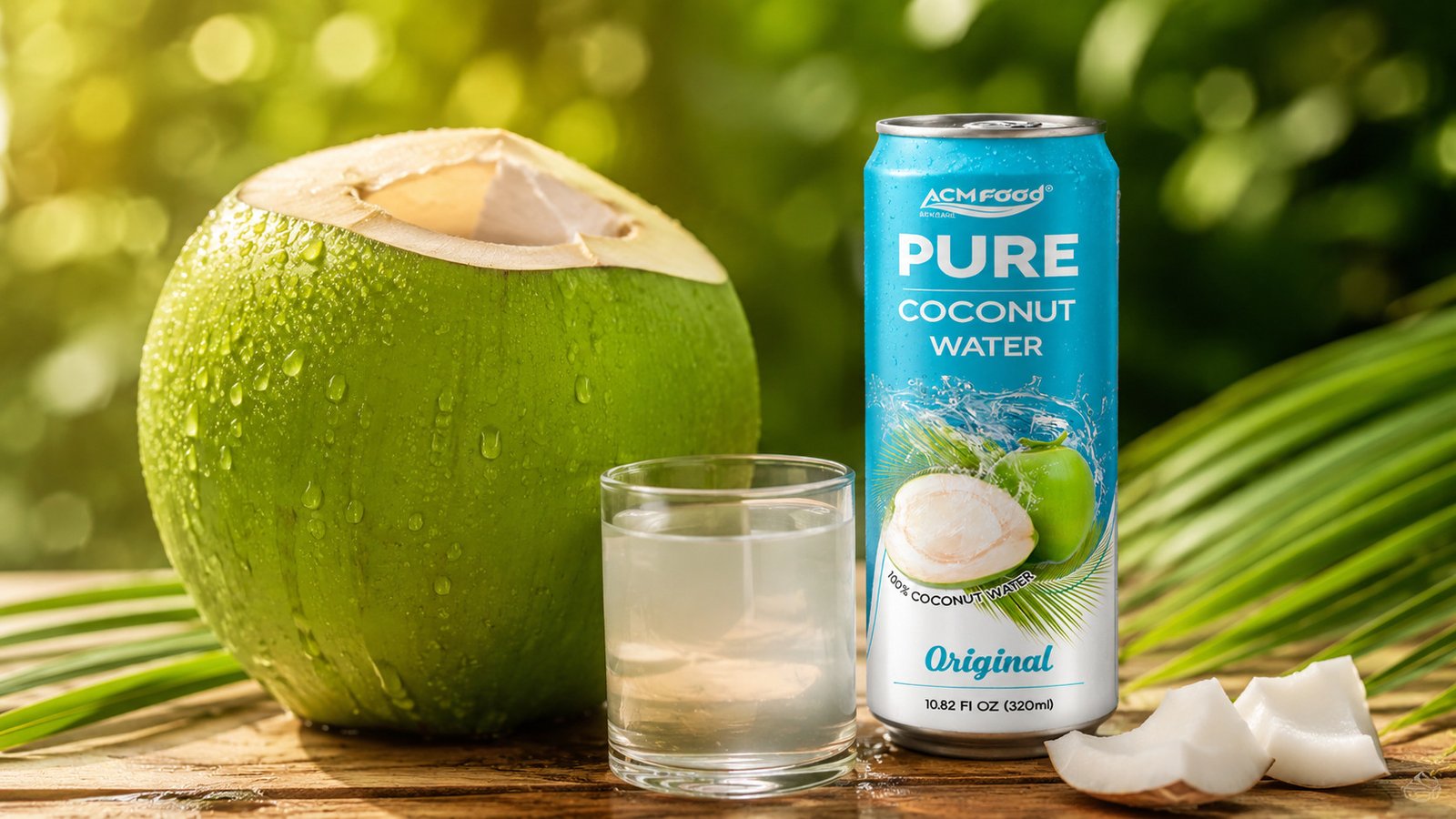
Consumers often describe the best products as tasting close to fresh coconut water directly from a young coconut. Brands such as Harmless Harvest and Taste Nirvana are frequently recognized for maintaining a fresh and authentic flavor profile.
The second factor is ingredient transparency.
Modern consumers increasingly prefer products without added sugar, artificial flavors, or unnecessary preservatives. A simple ingredient declaration can influence purchasing decisions more than expensive marketing campaigns.
The third factor is sourcing.
Many successful brands highlight where their coconuts are grown and how they are processed. Consumers associate sourcing transparency with product quality. Retail buyers often do the same.
Finally, packaging matters.
Shelf-ready cans, aseptic cartons, and sustainable packaging formats have become important considerations for both retailers and end consumers. Packaging affects transportation costs, shelf presentation, and overall profitability.
The growing opportunity for private-label coconut water
Many distributors assume they must compete against established global brands. In reality, private-label programs are becoming increasingly attractive.
Retailers want differentiation.
Consumers are often willing to try a new coconut water product if it offers comparable quality, attractive packaging, and a reasonable price.
Private-label manufacturing also gives distributors more control over margins. Instead of promoting someone else’s brand, they can build long-term value around their own label.
This is particularly important in regions where coconut water consumption is growing rapidly. A retailer that launches a private-label coconut water line today may establish customer loyalty before the category becomes more crowded.
The key is choosing the right manufacturing partner.
Why Vietnam has become a major source of coconut water

Vietnam is increasingly recognized as one of the world’s most important coconut-producing regions.
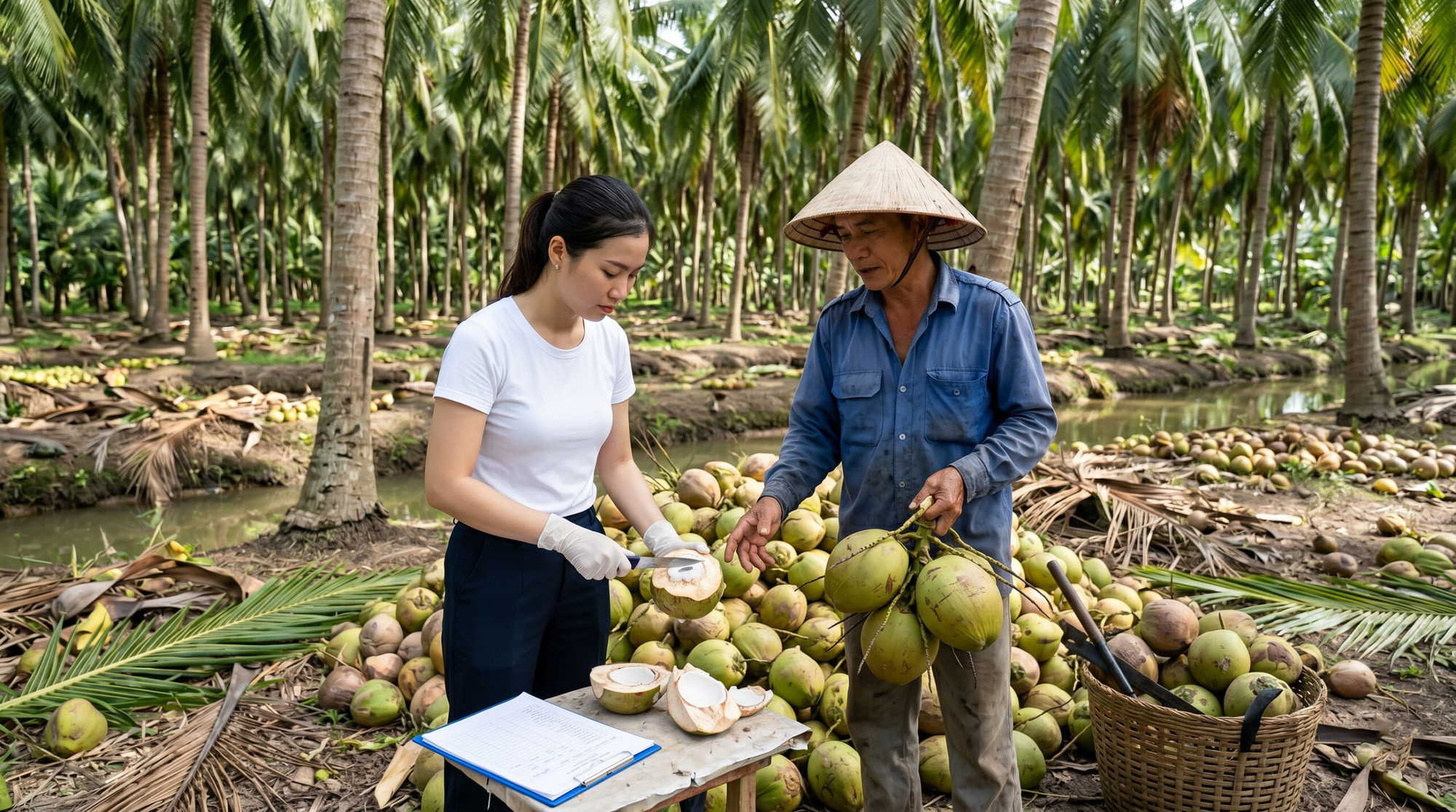
The Mekong Delta provides favorable growing conditions, a stable coconut supply, and access to international shipping routes. These advantages allow manufacturers to produce coconut water at scale while maintaining product consistency.
For beverage distributors, sourcing directly from Vietnam can reduce supply chain complexity and improve pricing competitiveness.
Another benefit is flexibility.
Many Vietnamese manufacturers offer multiple packaging formats, flavor development services, private-label programs, and export support. This flexibility helps distributors adapt products to local market preferences.
As demand increases across North America, Europe, the Middle East, and Asia-Pacific, Vietnam’s role in the coconut water supply chain continues to expand.
Coconut water trends shaping future demand
Several trends are influencing purchasing decisions among retailers and distributors.
The first is clean-label positioning.
Consumers increasingly seek products with fewer ingredients and simpler formulations. Coconut water aligns naturally with this preference.
The second is functional hydration.
Many consumers view coconut water as a beverage that supports hydration while offering naturally occurring electrolytes. This perception has helped drive category growth across fitness and wellness channels.
The third trend is premiumization.
While value products remain important, premium coconut water products continue to attract consumers willing to pay more for organic certification, transparent sourcing, and specialized processing methods.
The fourth trend is flavor innovation.
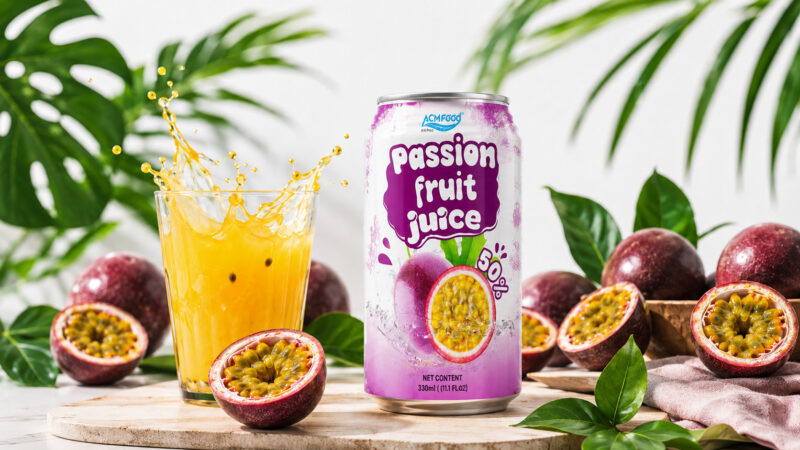
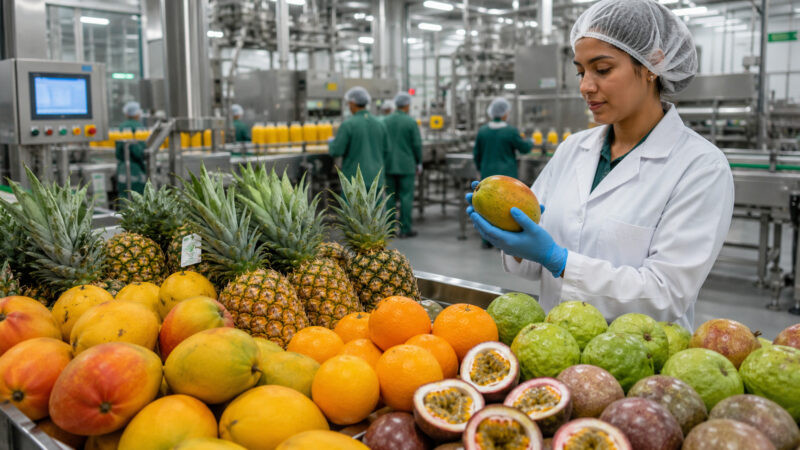
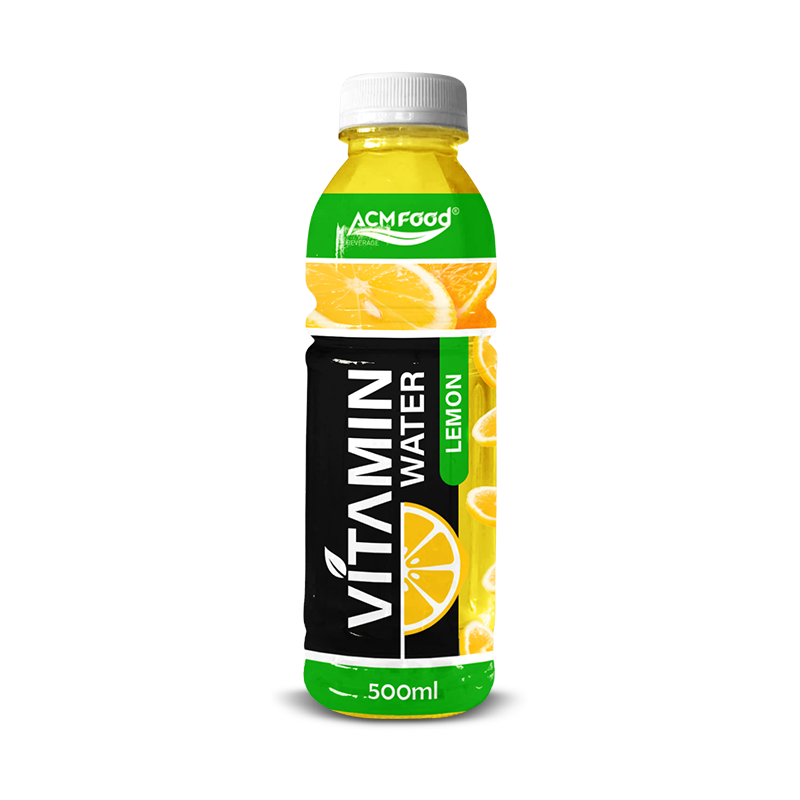
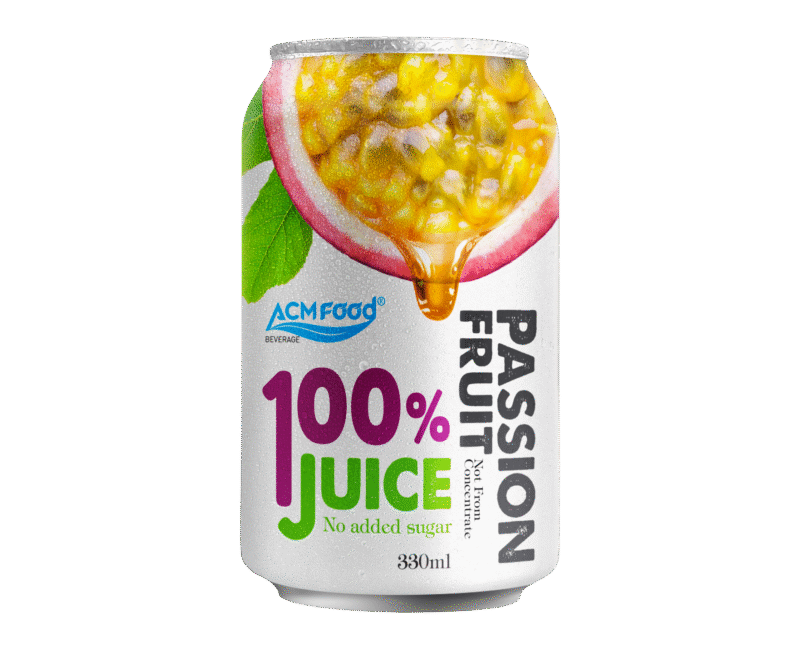
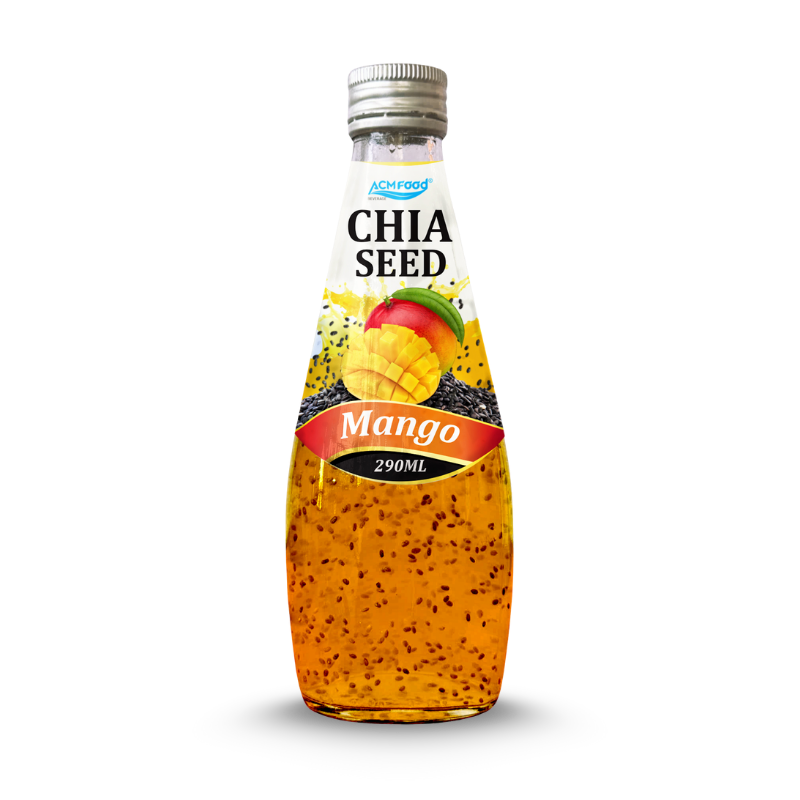
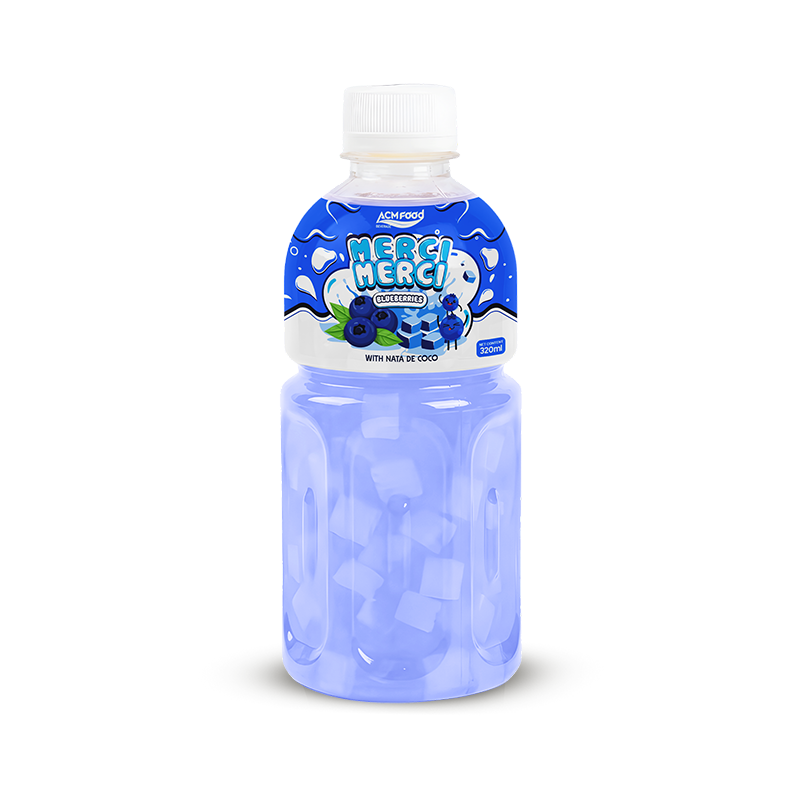
Traditional coconut water remains dominant, but flavored varieties are attracting new customer segments. Lemon, pineapple, mango, passion fruit, and tropical blends continue to expand shelf space in many markets.
For distributors, these trends create opportunities to serve multiple price points and customer demographics.
How to evaluate a coconut water supplier
Selecting a supplier involves more than comparing prices.
Product quality should come first.
Request laboratory testing, ingredient documentation, and export certifications. Consistency matters because one shipment can influence retail relationships for years.
Production capacity is equally important.
A supplier may perform well during a pilot order but struggle with larger volumes. Ask about monthly production capacity, export markets, and manufacturing certifications.
Packaging flexibility should also be reviewed.
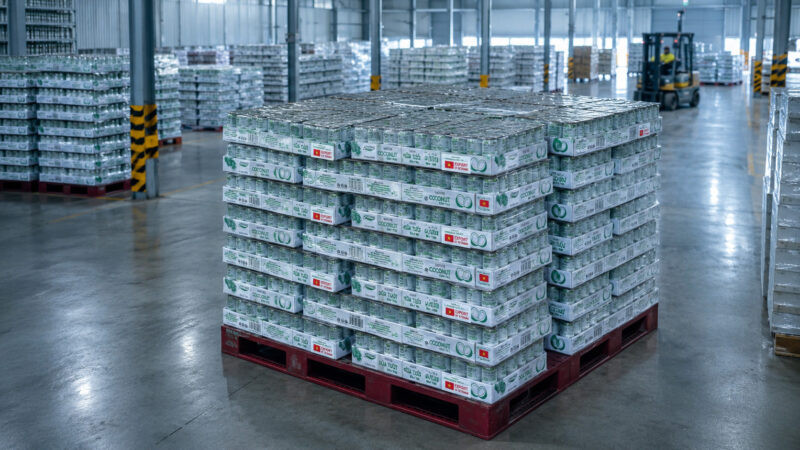
Different markets favor different formats. Some retailers prefer slim cans. Others focus on Tetra Pak cartons. A supplier capable of supporting multiple formats can help future expansion efforts.
Finally, evaluate product development capabilities.
Can the manufacturer support custom flavors?
Can they create private-label packaging?
Can they adjust formulations based on market requirements?
These capabilities often determine long-term success.
Coconut water supplier for retail chains and beverage distributors
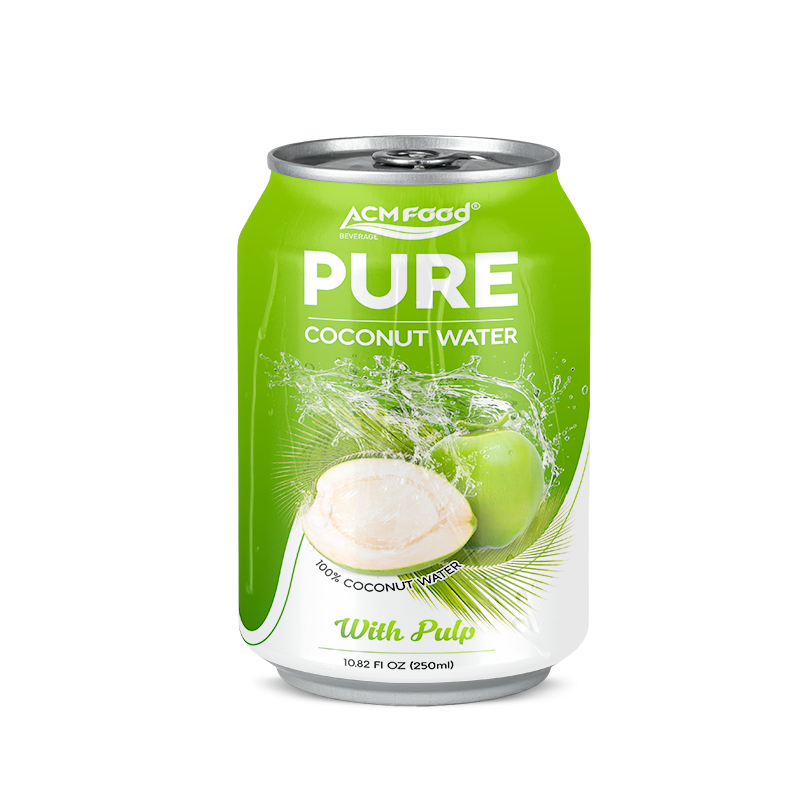
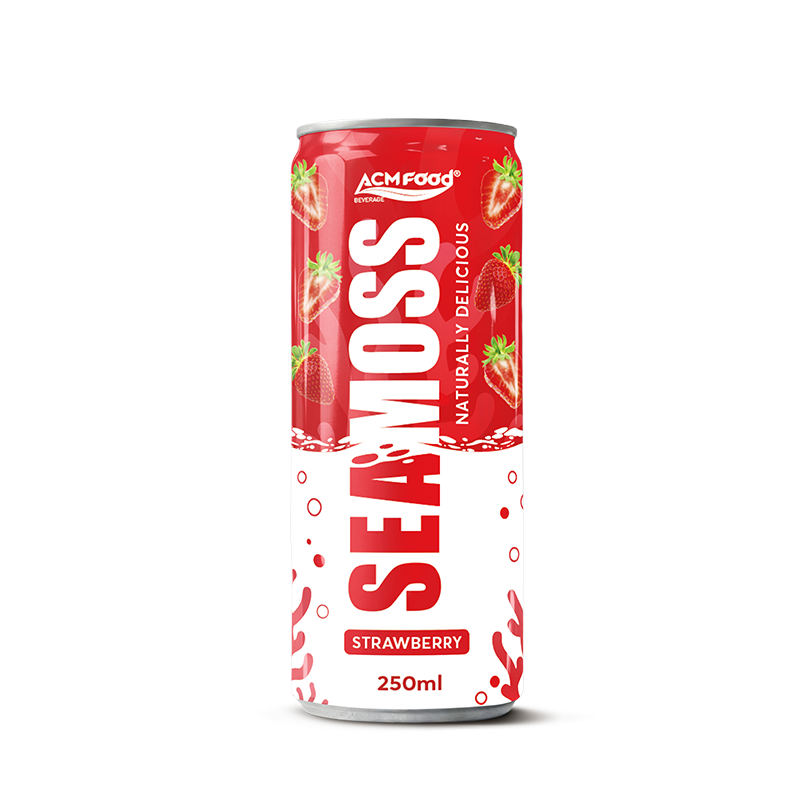
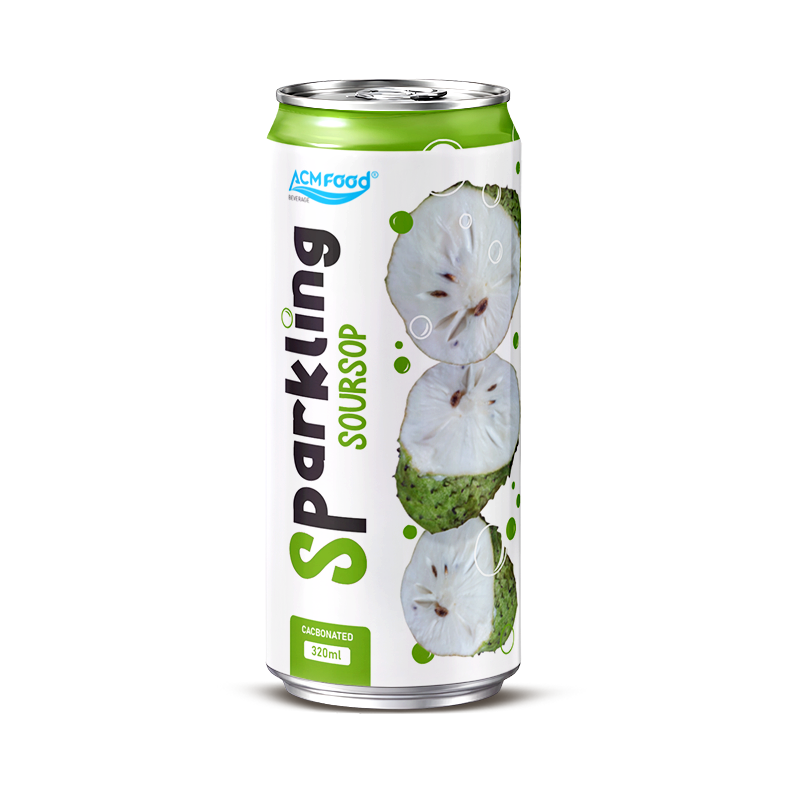
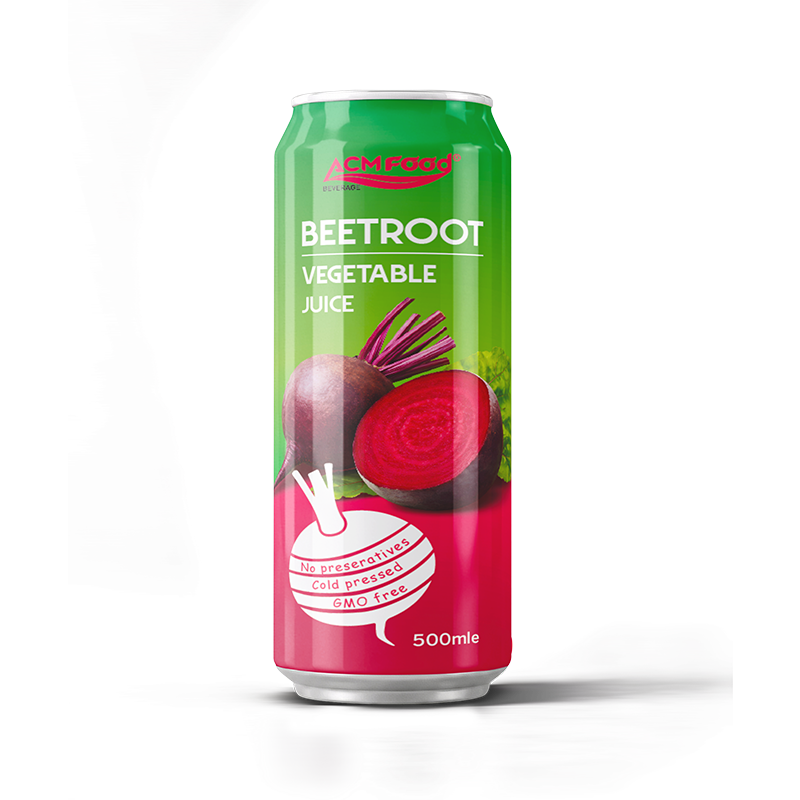
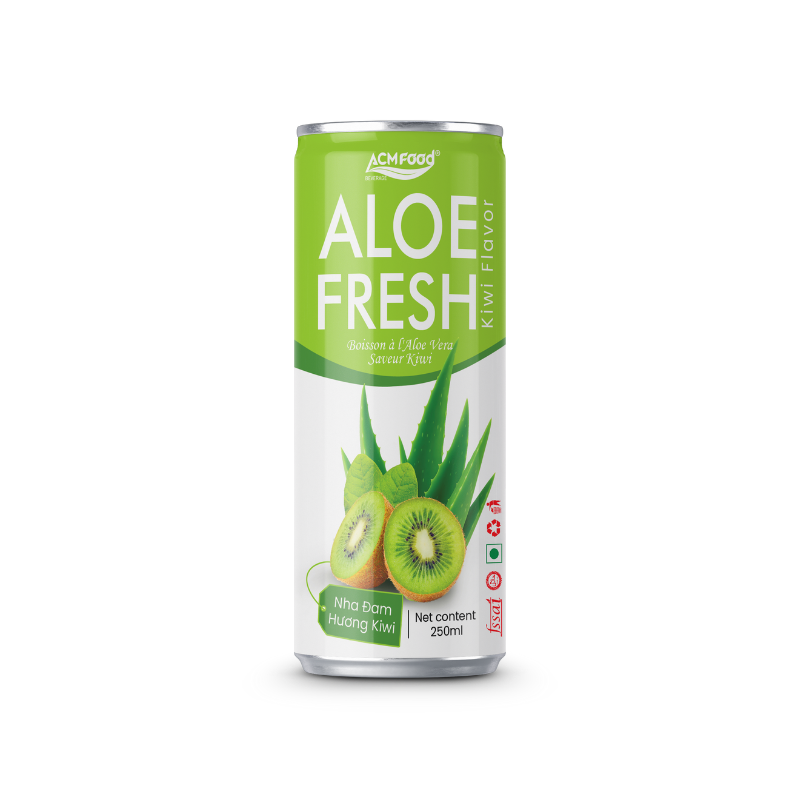
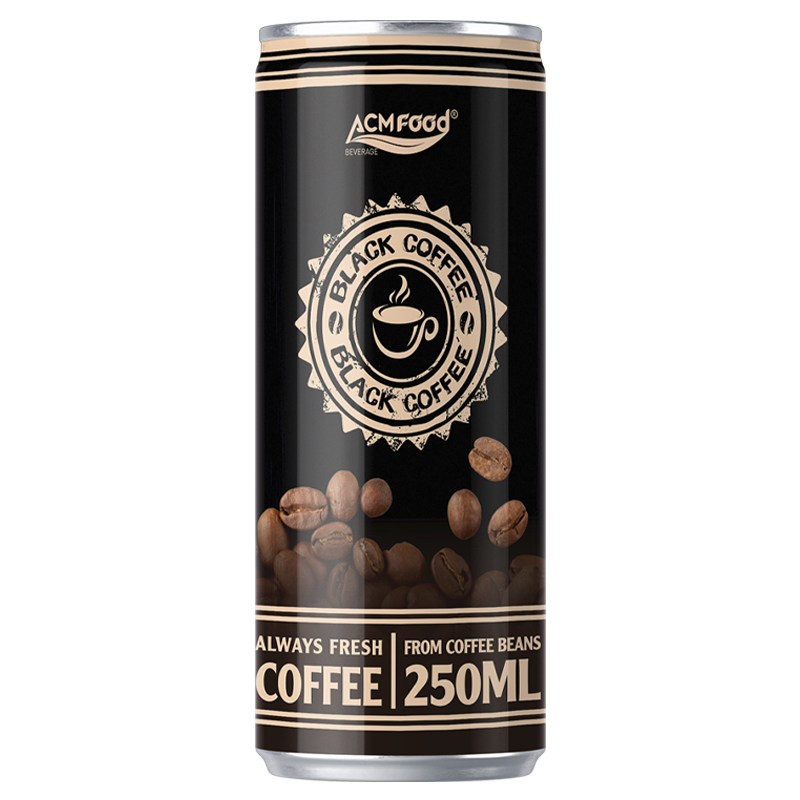
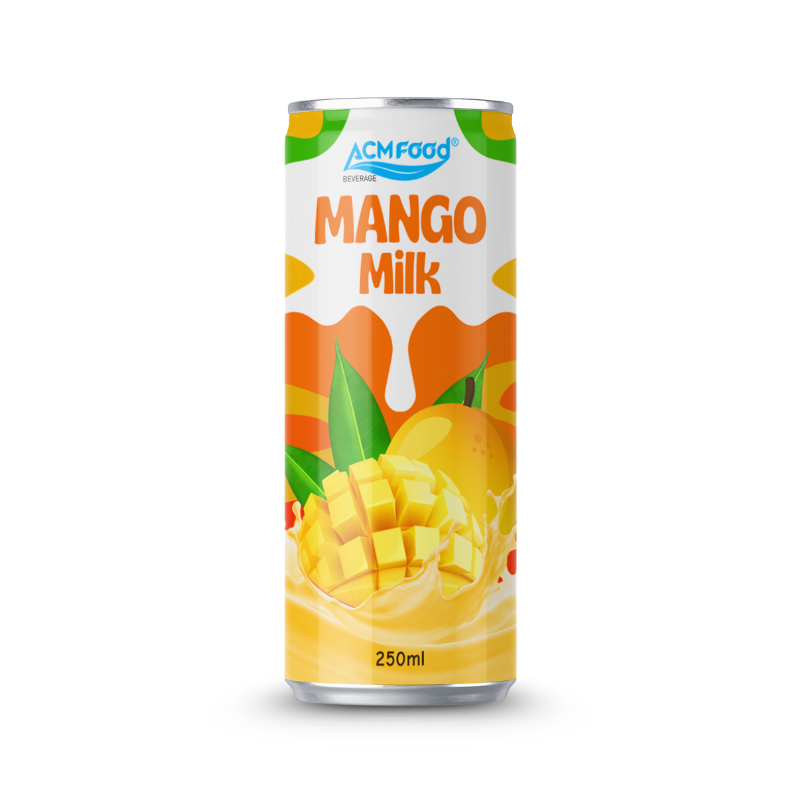
ACMFOOD is a Vietnam-based beverage manufacturer specializing in canned coconut water and private-label beverage production for international markets. The company works with distributors, importers, wholesalers, and retail chains seeking reliable coconut water solutions backed by export experience and scalable production capacity. With access to high-quality coconuts from Vietnam’s key growing regions, ACMFOOD offers canned coconut water, customized formulations, OEM manufacturing, and private-label services designed to help partners launch or expand their own coconut water brand. Whether the goal is entering a new market, expanding a beverage portfolio, or building a retail-exclusive product line, ACMFOOD provides the manufacturing support and supply consistency required for long-term growth.
The coconut water category has moved far beyond being a niche health beverage. It is now a mainstream segment attracting retailers, distributors, and private-label investors around the world.
Leading brands have demonstrated what consumers value most: authentic taste, clean ingredients, transparent sourcing, and dependable quality.
For beverage buyers, the opportunity extends beyond simply stocking established products. Building a private-label coconut water brand with the right manufacturing partner can create stronger margins, greater market differentiation, and long-term brand equity.
As global demand for natural hydration products continues to rise, distributors who establish reliable sourcing relationships today will be better positioned to capture tomorrow’s growth.