
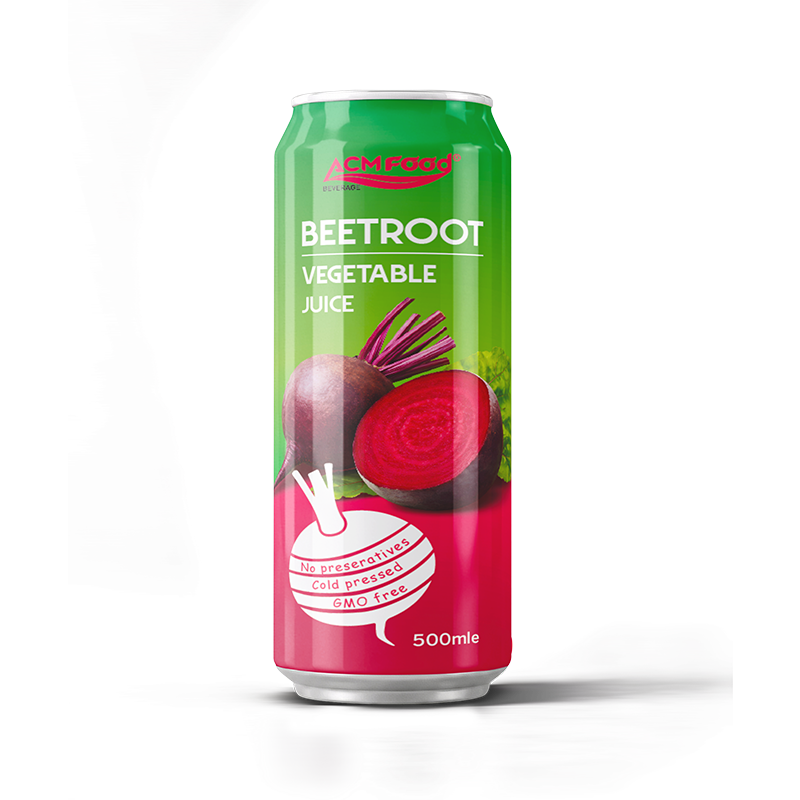
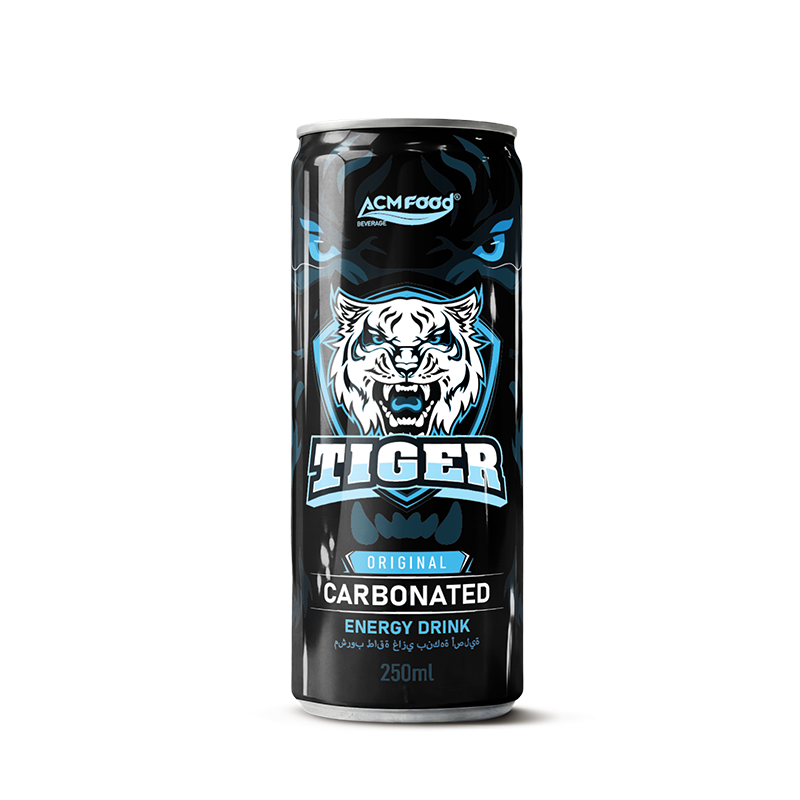
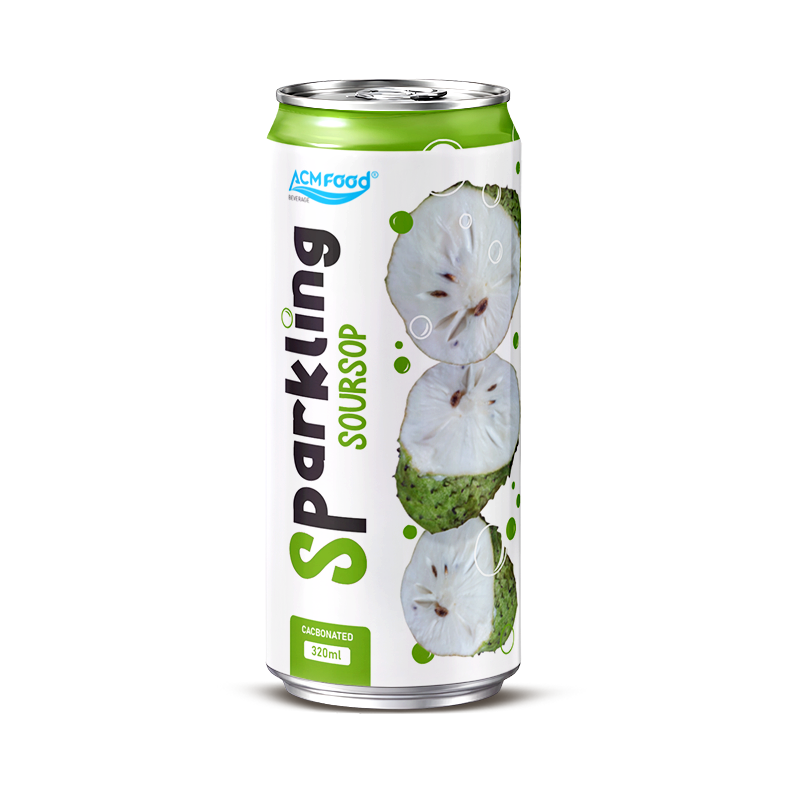
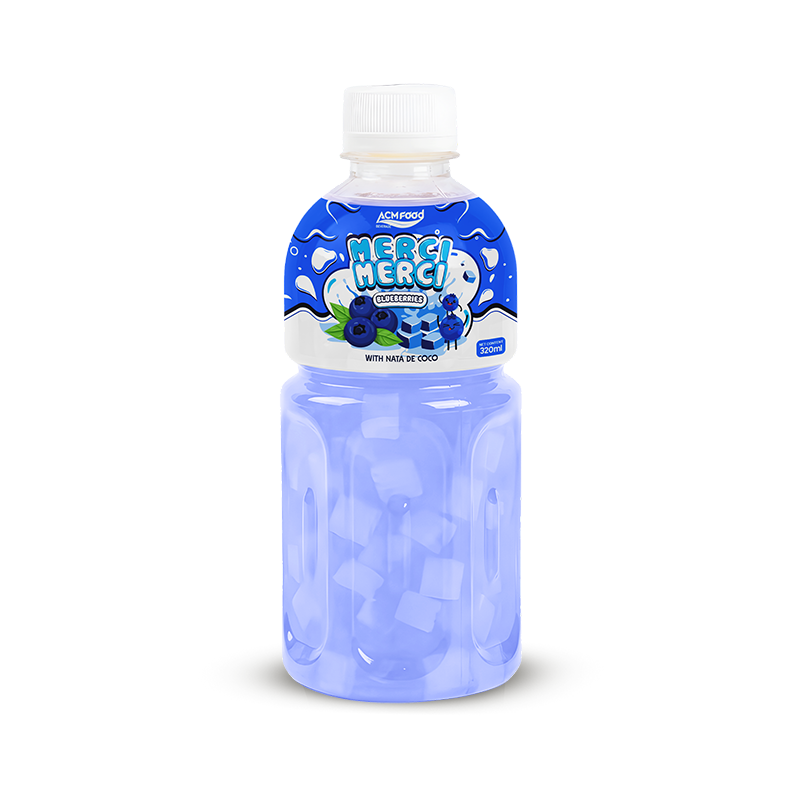
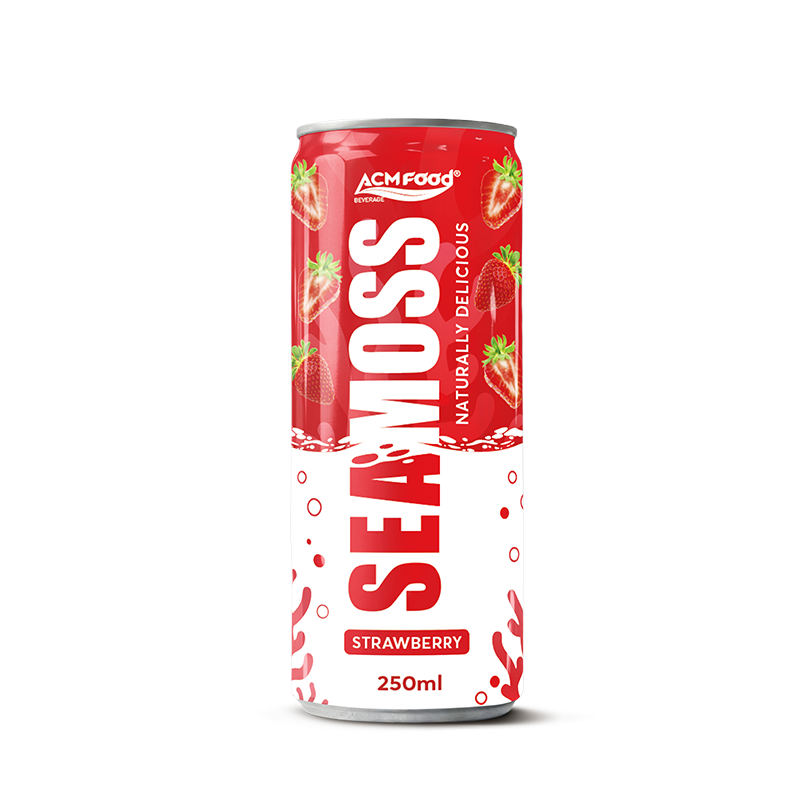
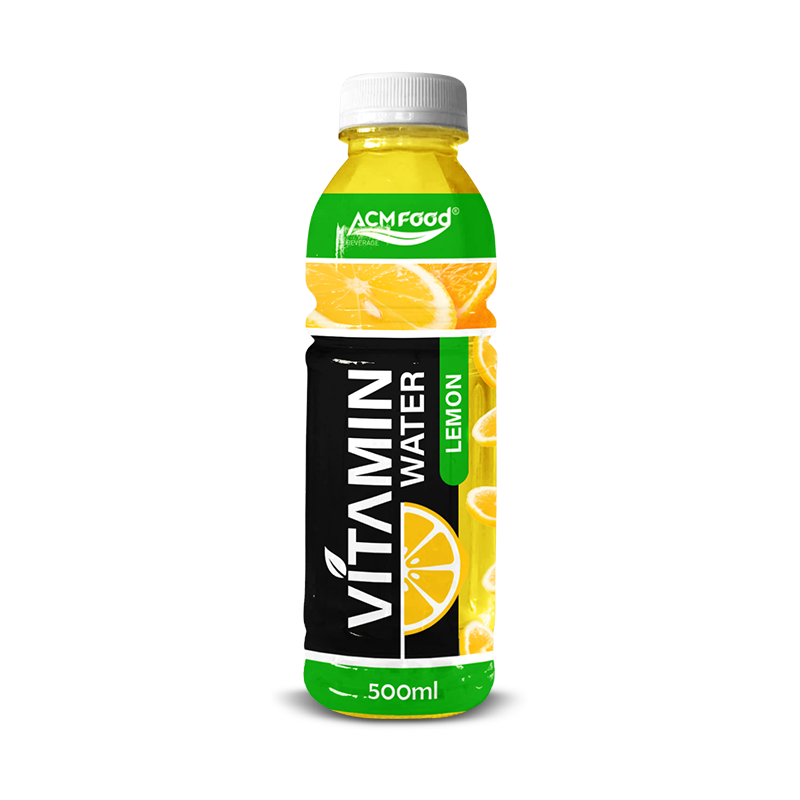
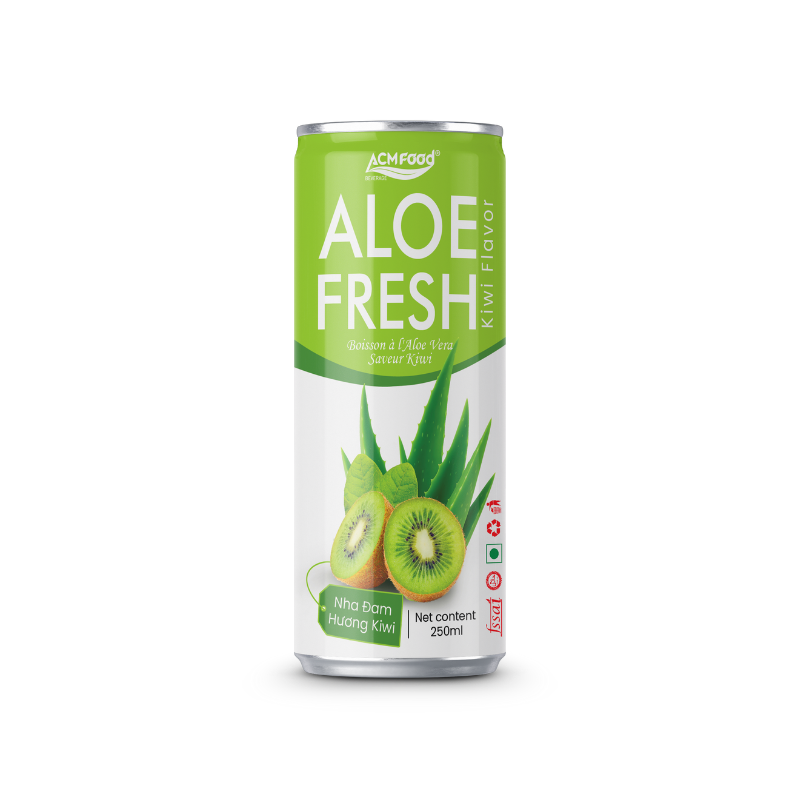
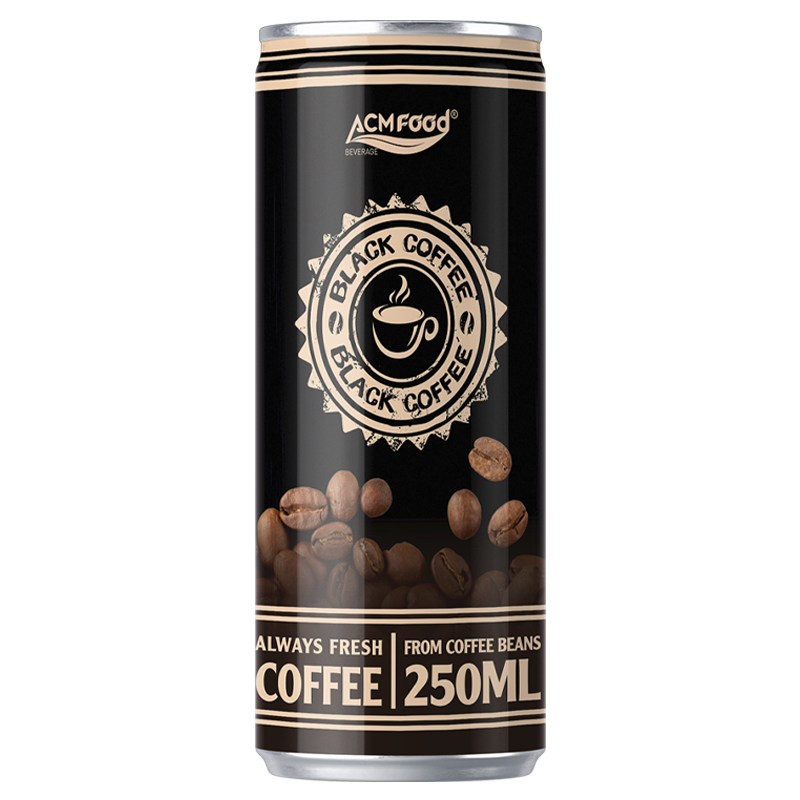
Most importers who come to us asking about coconut juice can sourcing have already done a round of research. They’ve seen the market data, they know the category is growing, and they’ve probably received two or three quotes from directories like Alibaba or made contact at a trade show. What they’re usually still missing — and what tends to determine whether a private label program actually launches on schedule — is a clear picture of how the entire process fits together, from formulation through to a pallet sitting in their distribution center.
That’s what this article is about. Not the category potential (you already know that), but the mechanics of building a private label coconut juice can product that can compete on a real retail shelf.
What “Private Label” Actually Means in the Canned Coconut Category
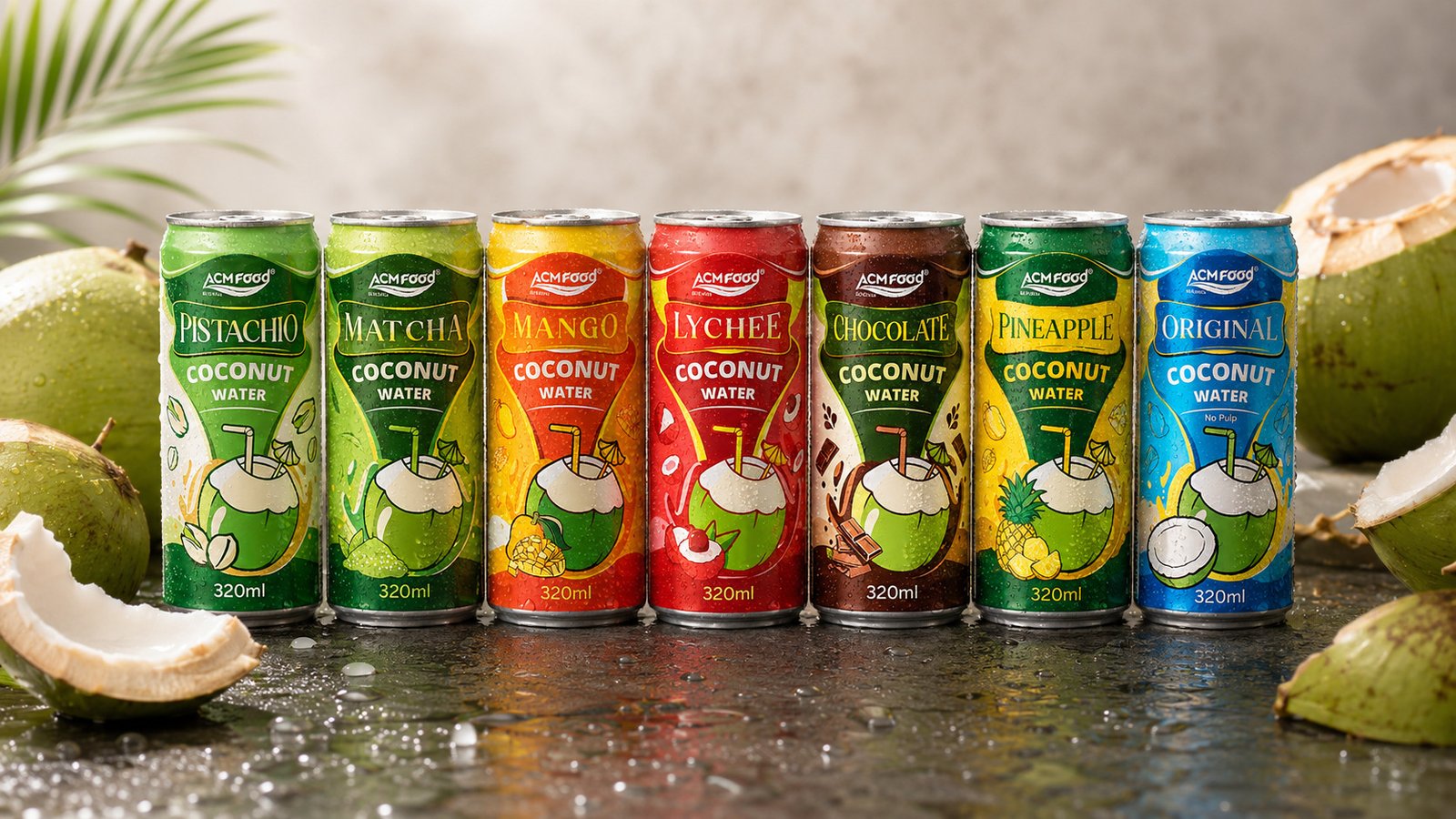
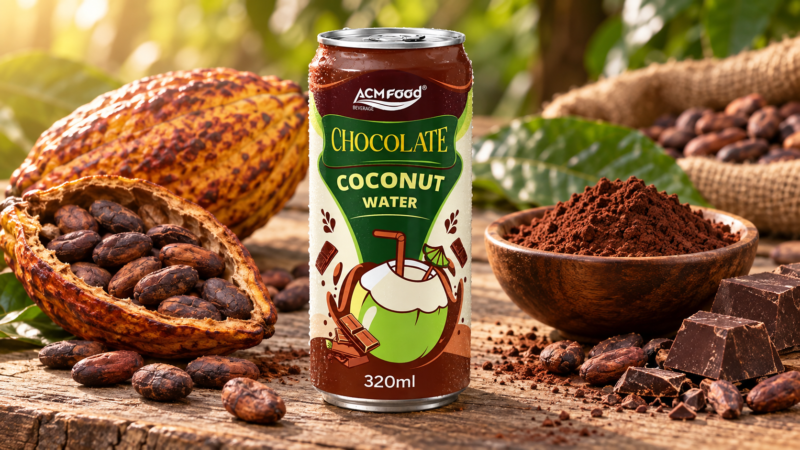
The term gets used loosely, which is why experienced buyers evaluate exactly what a coconut water manufacturer can offer before moving forward. In practice, private label programs in the canned coconut beverage segment operate across a broad spectrum. At one end, you’re selecting an existing product from a coconut water manufacturer’s standard range — fixed formulation, fixed can size, and only your branding applied to the label. At the other end, you’re developing a fully customized product with specific Brix levels, added electrolytes or vitamins, proprietary flavor profiles, and exclusive can formats designed specifically for your brand. Most successful retail programs typically fall somewhere in between these two models.
The distinction matters because it affects lead time, minimum order quantity, and cost structure in ways that aren’t always obvious upfront. A standard-range coconut juice can sourced from a Vietnamese manufacturer with an established export program can typically be ready for shipment in 30 to 40 days from artwork approval. A custom formula with new ingredient additions and a modified processing protocol can take 90 to 120 days before you see the first production batch — and that timeline assumes no certification surprises along the way.
From our experience working with importers across Europe, North America, and Australia, the brands that move fastest are the ones who’ve made a realistic decision about where on that spectrum they want to operate before they start talking to manufacturers. Coming in with an open brief and expecting the supplier to design the product for you works sometimes, but it tends to produce a generic result that’s difficult to differentiate on shelf.
Formulation, Certification, and the Variables That Actually Drive Cost
Here’s a question worth sitting with: what are you actually selling? Coconut juice — the clear, slightly sweet liquid from young green coconuts — has a specific nutritional profile that consumers and regulators both recognize. But “coconut juice can” products on retail shelves today range from 100% pure coconut water with no additions, to blends with fruit juices, to coconut water with added sugar, citric acid, and natural flavors. Each variant has different regulatory implications depending on your target market, and each implies a different sourcing and processing approach.
Pure coconut water with no additives is the most straightforward from a regulatory standpoint, but it’s also the most demanding from a quality control perspective — there’s nowhere to hide flavor inconsistency or color variation. Young coconuts have natural Brix variation across harvest seasons, and without stabilizers or blending to a target spec, you can see meaningful product variation between production runs. Experienced manufacturers address this through raw material selection protocols and processing adjustments, but it requires active management, not just a one-time spec sheet.
Added electrolytes — sodium, potassium, magnesium — are increasingly standard in the sports and hydration segment. These additions are generally permissible in most markets but may trigger different labeling categories (a product shifts from “coconut water” to “coconut water beverage” in some regulatory frameworks), which affects what claims you can and cannot make on pack. The EU’s nutrition and health claims regulation (EC 1924/2006) is particularly specific about this. Working with a manufacturer who has exported to your target market before means this knowledge is already embedded in their process — you’re not paying to educate them.
Certification timelines are where private label programs most commonly run over schedule. FDA facility registration for US-bound products, EU organic certification if you’re positioning in the natural/organic segment, Halal certification for Middle Eastern or Southeast Asian retail markets — each of these has its own application process, documentation requirements, and turnaround times that sit entirely outside your manufacturer’s control. Building 60 to 90 days of certification buffer into your project timeline isn’t pessimistic; it’s accurate.
On cost: the landed cost of a coconut juice can program is almost never what the unit price in the initial quote suggests. Freight from Vietnam to a European port runs approximately USD 1,200 to 1,800 per 20-foot container in current market conditions, which on an order of 20,000 units at 330ml adds roughly USD 0.06 to 0.09 per unit. Customs duties vary by destination — the EU’s Most Favoured Nation tariff on non-alcoholic beverages sits at 9.6%, though Vietnam benefits from preferential rates under EVFTA that can reduce this significantly for qualifying products. Calculating landed cost properly, including duties, port handling, and inland freight to your warehouse, typically adds 20 to 35% to the ex-factory price. That’s the number your margin model should be built on.
How to Evaluate a Coconut Juice Can Supplier Without Getting It Wrong
The supplier evaluation process is where a lot of first-time importers make avoidable mistakes — not because they’re careless, but because they’re applying the wrong criteria. Price and sample quality are table stakes. The questions that actually predict whether a supply relationship will hold up over time are more operational.
Does the facility have documented HACCP protocols, and have they been audited by a recognized third party within the last 12 months? BRC, IFS, and SQF are the most widely recognized food safety standards in Western retail markets. A manufacturer with current certification has already been through the documentation, foreign body control, and allergen management audits that your retail customers may eventually require from you. One without it means you’re taking on additional due diligence yourself.
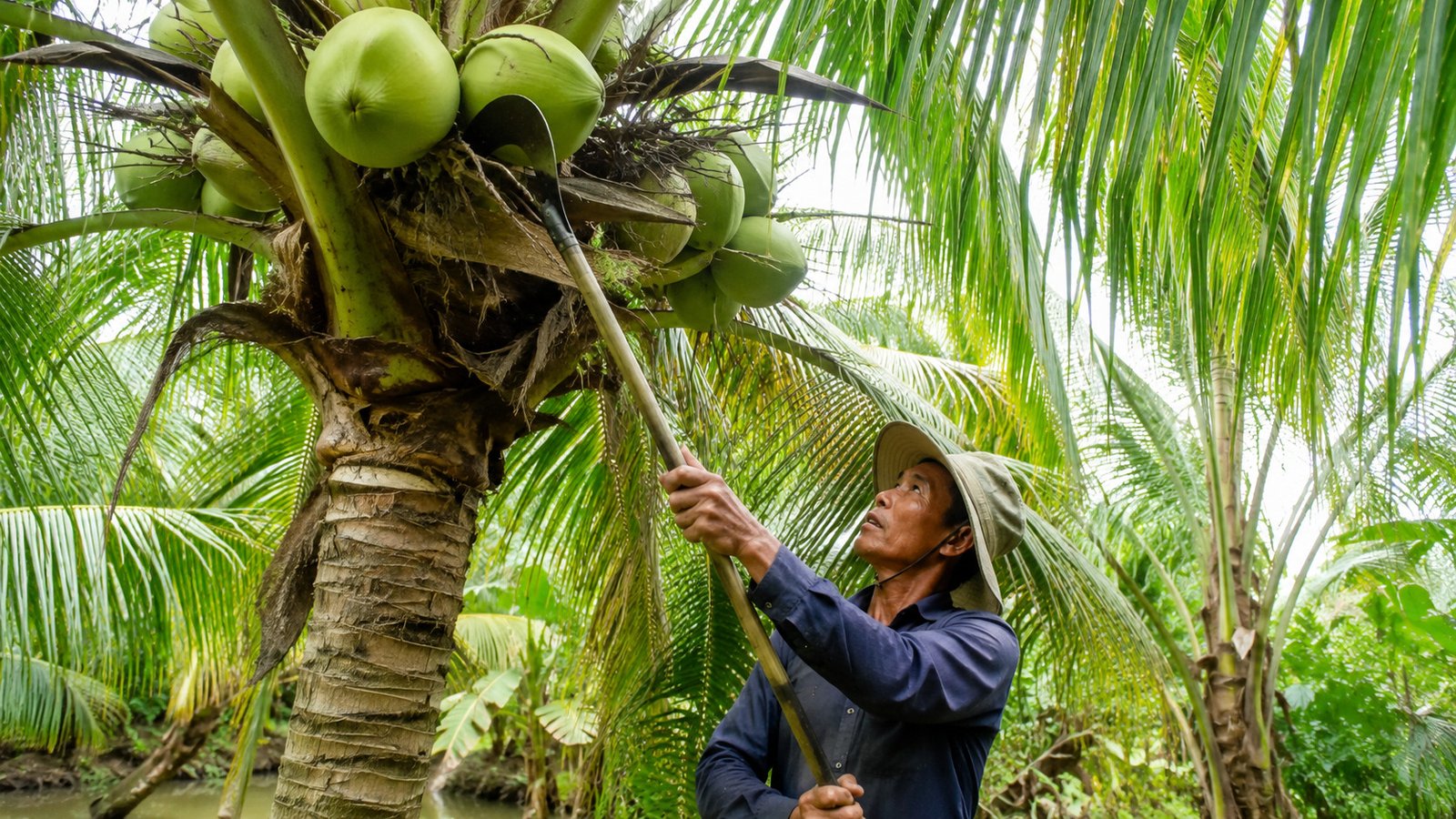
What’s the facility’s actual production capacity, and how much of it is committed to existing customers? A factory quoting 10-day lead times that runs at 95% capacity for three months of the year will not deliver 10-day lead times during those three months. This sounds obvious, but it rarely gets asked directly. The Vietnamese coconut belt — concentrated in Ben Tre, Tien Giang, and Binh Dinh provinces — has distinct harvest seasonality that affects raw material pricing and availability from roughly March through June. An experienced importer plans procurement around this; a reactive one gets caught by it.
Can the manufacturer provide documentation of ongoing export relationships with buyers in your target market? Not logos on a website — actual references, or at minimum, export records to the destination country. A facility that has shipped 50 containers to Germany over three years has already solved the EU entry documentation puzzle. That institutional knowledge is genuinely valuable and not something you can replicate quickly.
The factories we work with in Vietnam have collectively shipped to buyers in more than 40 countries. That footprint means that when a new market requirement emerges — a change in labeling regulations, a new certification requirement — the response is operational rather than exploratory. It also means there are production schedules, quality control systems, and logistics relationships already in place. For an importer placing their first significant order, that existing infrastructure is what actually protects the timeline.
What to Expect on a First Order, Realistically
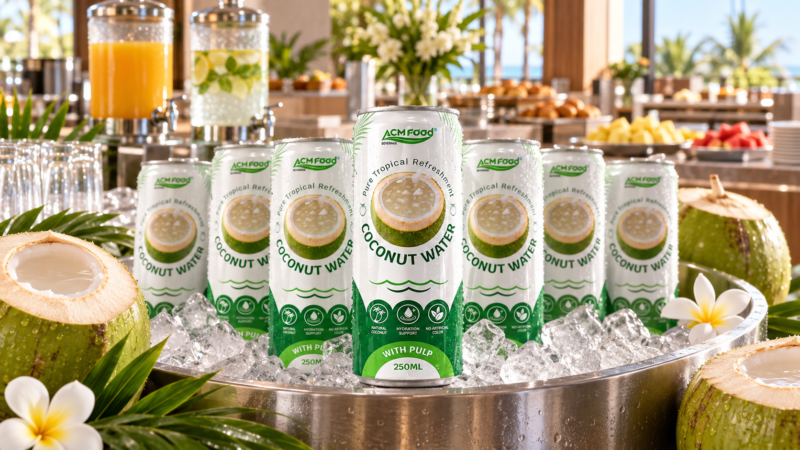
A first order of coconut juice can on a private label basis — say, one 20-foot container of 330ml cans, approximately 20,000 to 22,000 units — should be treated as much as a market validation exercise as a commercial transaction. The economics rarely work perfectly at this volume; they’re designed to work at 3x or 5x this volume, which is where the manufacturer’s unit economics and your margin structure both make more sense.
What a first order does well: it validates your label artwork in production, confirms that the product quality matches the samples you approved, tests your customs clearance process for the destination market, and gives you real data on sell-through velocity before you commit to a larger position. What it doesn’t do well: give you negotiating leverage on price, allow for significant customization, or guarantee priority scheduling if the manufacturer is running at capacity.
The MOQ question comes up constantly. Most reputable Vietnamese manufacturers quote a one-container minimum for private label programs — both because the setup cost (plate changes, line cleaning, label changeover) only amortizes reasonably at that volume, and because managing artwork variations across smaller runs creates quality control risk. Some will accommodate smaller trial orders at a premium, but it’s worth being direct about whether this reflects their genuine economics or a price to make the conversation go away.
Artwork preparation is consistently the most underestimated timeline factor on first orders. Regulatory compliance for can labels — mandatory language, font size requirements, nutritional panel format, country of origin rules — varies by market in ways that are genuinely complex. A label that’s compliant for Australian retail may need material revision for the UK post-Brexit, and again for Canada’s bilingual requirement. Getting this right before artwork is sent to production, rather than discovering a compliance issue at port, is worth the extra two weeks of pre-production review.
Building Toward a Repeatable Program
If you’re at the stage where you’re mapping out a private label coconut juice can program — pricing it, building the project timeline, qualifying suppliers — the most useful thing to know is that the first order is mostly about risk reduction, not profit optimization. The brands that build durable positions in this category treat the initial sourcing relationship as an investment in operational knowledge: understanding the manufacturer’s systems, building the documentation package for your target market, and learning where the real variables sit before you scale.
The suppliers worth working with long-term are the ones who tell you what the realistic timeline is, not what you want to hear. Who flag a certification gap before you’ve committed a deposit. Who can explain the difference between their standard processing line and what would be required for a custom formulation. That kind of transparency doesn’t come standard — it comes from working with manufacturers who have enough volume and enough long-term customer relationships that they don’t need to oversell a single order.
If you’re comparing supplier options, working out the true landed cost for your market, or trying to understand what a realistic production and certification timeline looks like for your launch target — that’s a conversation worth having before the purchase order, not after.