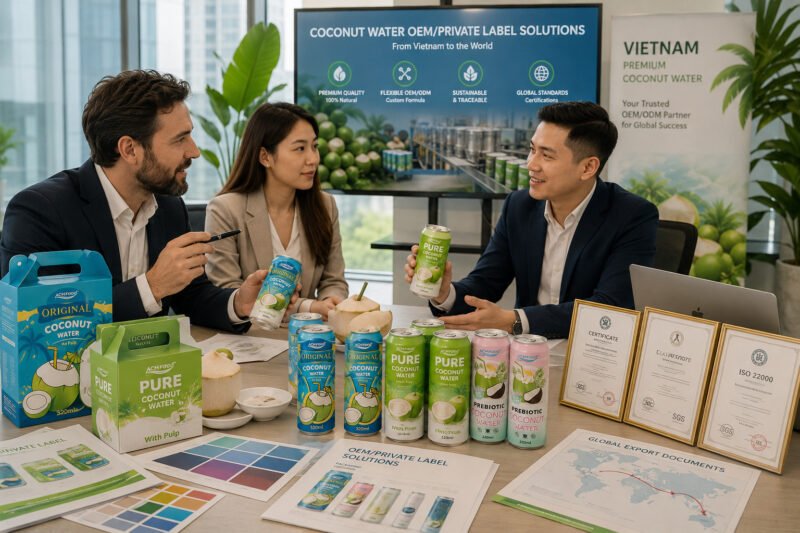


The global coconut water market crossed $7.1 billion in 2024 and is tracking toward $18.6 billion by 2032 — yet a significant share of import buyers at mid-sized beverage companies still spend three to six months just finding a supplier who can ship consistently, hold quality across lots, and clear FDA entry without delays. That gap between demand and reliable supply is where most sourcing projects stall. This guide is for procurement teams who want to move past the search phase and into production.
Market size 2024
$7.1B
Global coconut water
Projected 2032
$18.6B
~12% CAGR
Vietnam export rank
#3
Global coconut exporters
Lead time (standard)
18–25
Days from confirmed PO
How to Evaluate a Coconut Water Private Label Manufacturer
Most buyers we work with are not sourcing coconut water for the first time — they’ve already dealt with a supplier who passed all the right questions in an email thread but couldn’t maintain Brix consistency beyond the second shipment. So the real evaluation isn’t about whether a factory has the certifications; it’s about whether the factory’s quality system actually runs those certifications every day.
Start with traceability. A credible manufacturer should be able to show you where the coconuts in any given batch were harvested, the date of pressing, and the pasteurization log. Vietnam’s Mekong Delta and Ben Tre province produce coconuts year-round, but seasonal variation in sugar content (Brix typically ranges from 4.5 to 6.5 depending on harvest month) means a serious supplier manages this with blending protocols, not luck.
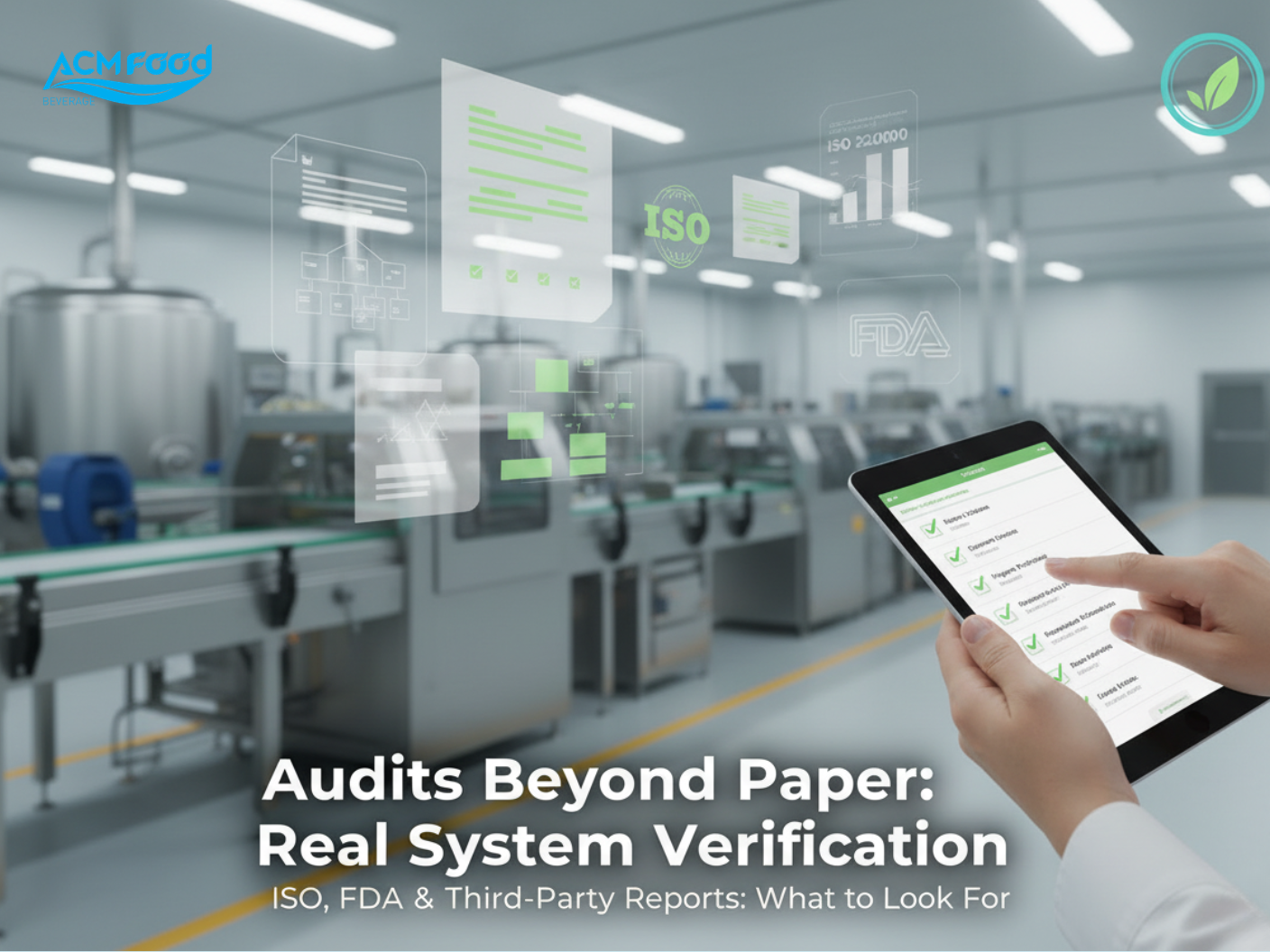
Facility audits matter more than certifications alone. ISO 22000 certification is a baseline. What tells you more is the audit report behind it — specifically whether corrective action records are current and whether there have been any FDA import alerts issued against shipments from that facility. Both are public information. That said, here’s something we acknowledge frankly: getting a factory-level FDA audit organized from overseas takes time and money that not every buyer can justify on a first order. A third-party audit through SGS or Intertek can bridge that gap at a fraction of the cost.
Finally, ask specifically about how the supplier handles MOQ renegotiation. The standard minimum order for private label coconut water runs between 1,000 and 3,000 cases per SKU depending on format. Any manufacturer unwilling to discuss a phased ramp — starting at lower volume while you test market response — is telling you something important about how they’ll behave when the relationship gets complicated.
Product Specifications and Packaging Options
Coconut water for private label comes in two core formats: NFC (Not From Concentrate) and reconstituted from concentrate. NFC has a cleaner flavor profile and a shorter shelf life at ambient temperatures — typically 12 months with aseptic filling versus 18 months for reconstituted. NFC costs more to produce. For brands positioning in the premium or natural segment, that cost differential makes sense. For a value-positioned retail label or food service application, concentrate-based may be the right starting point.
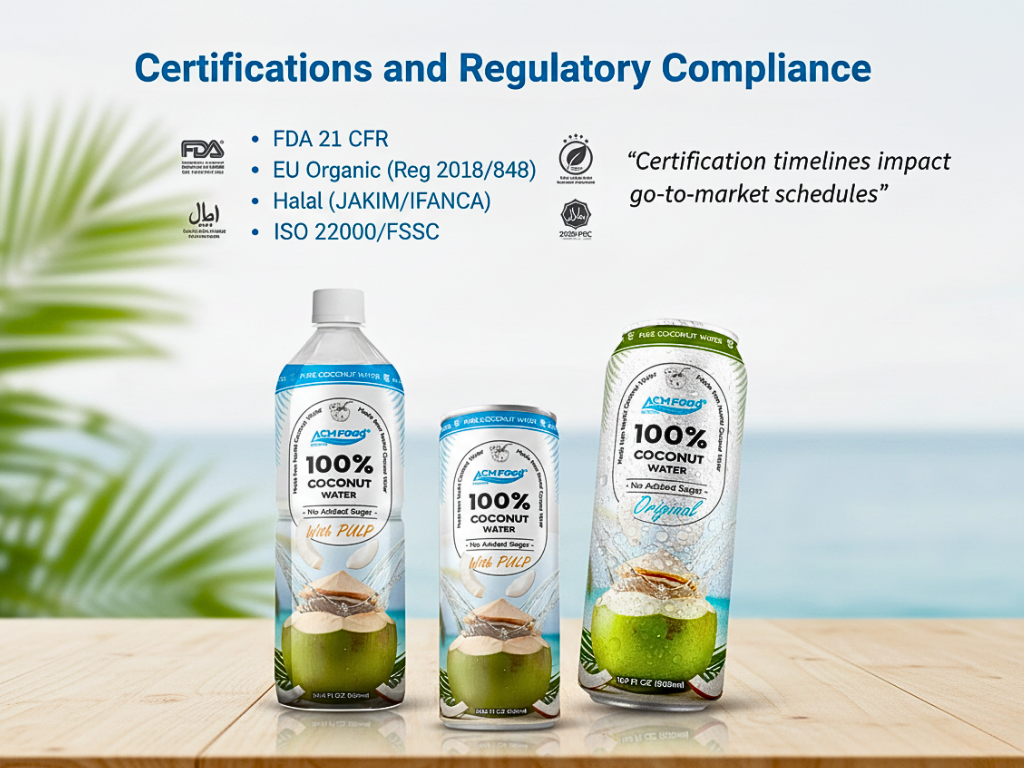
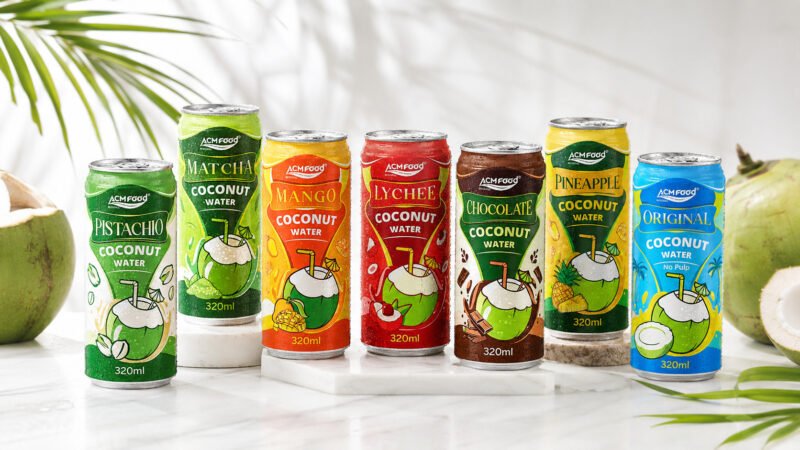
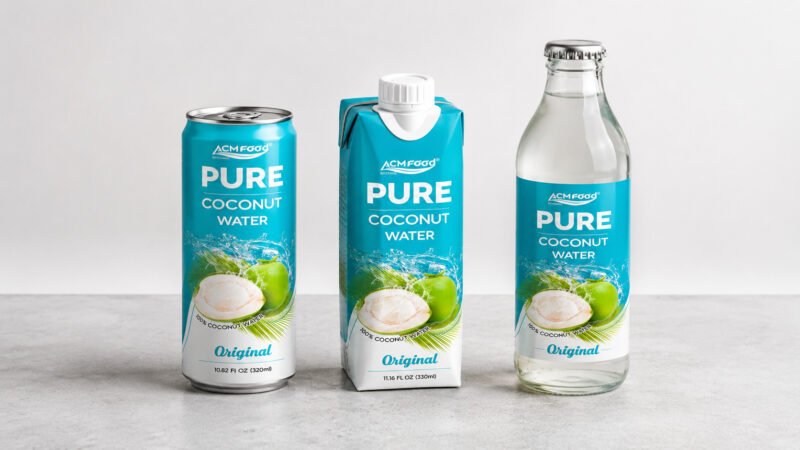
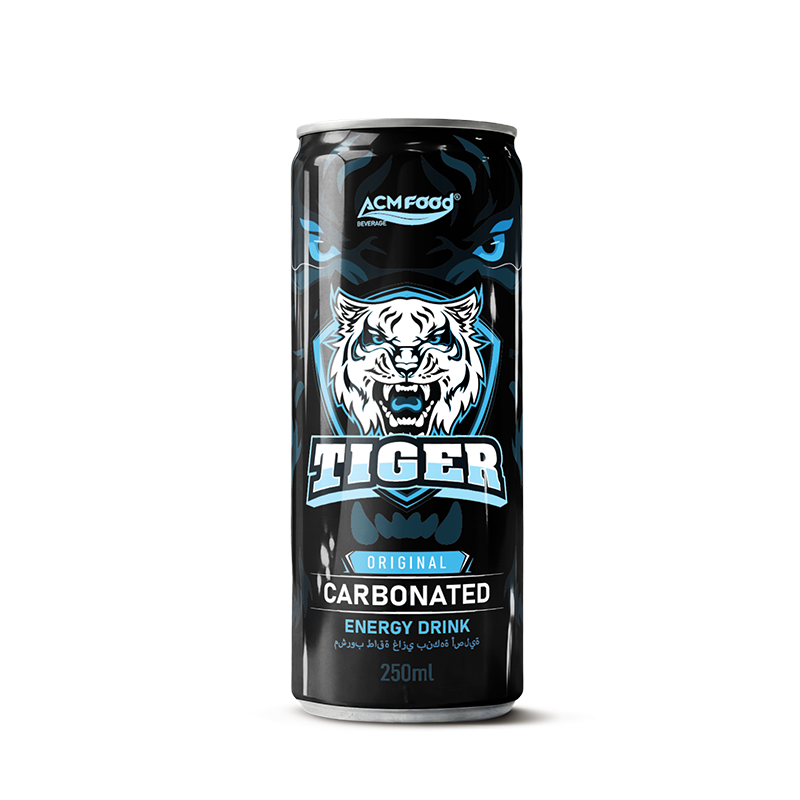
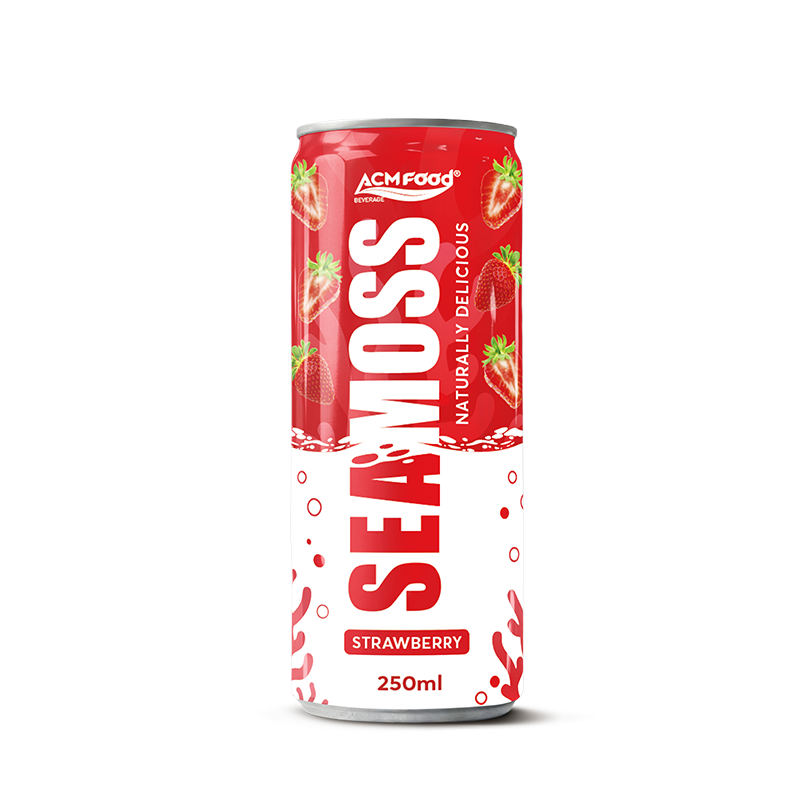
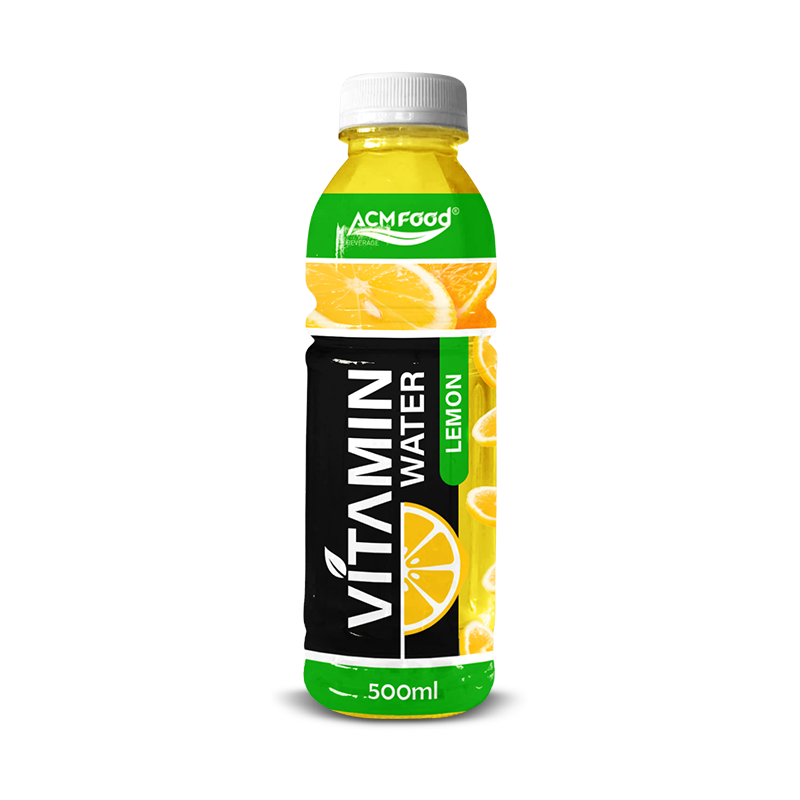
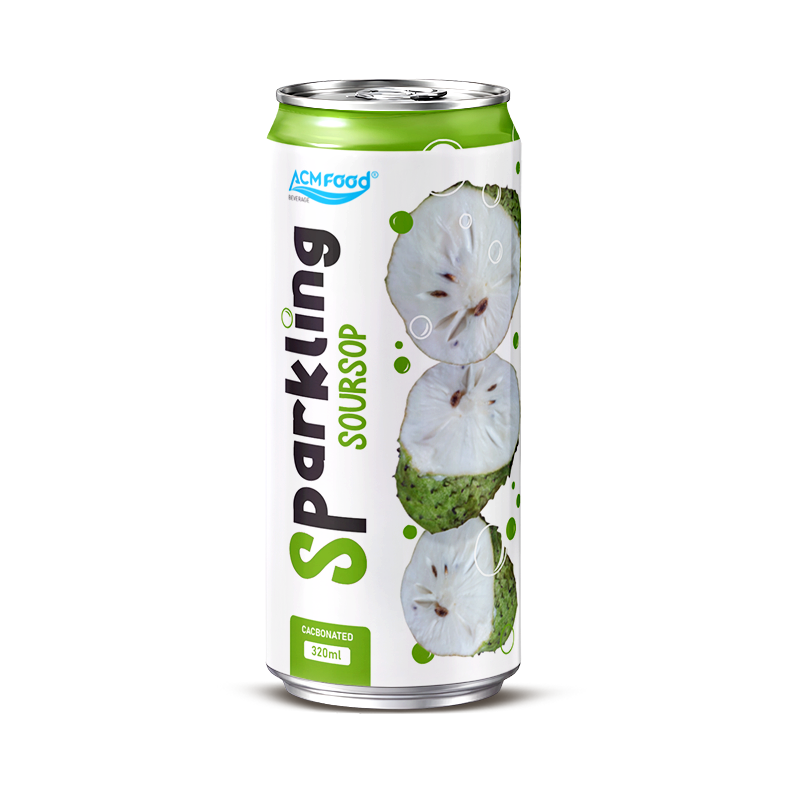
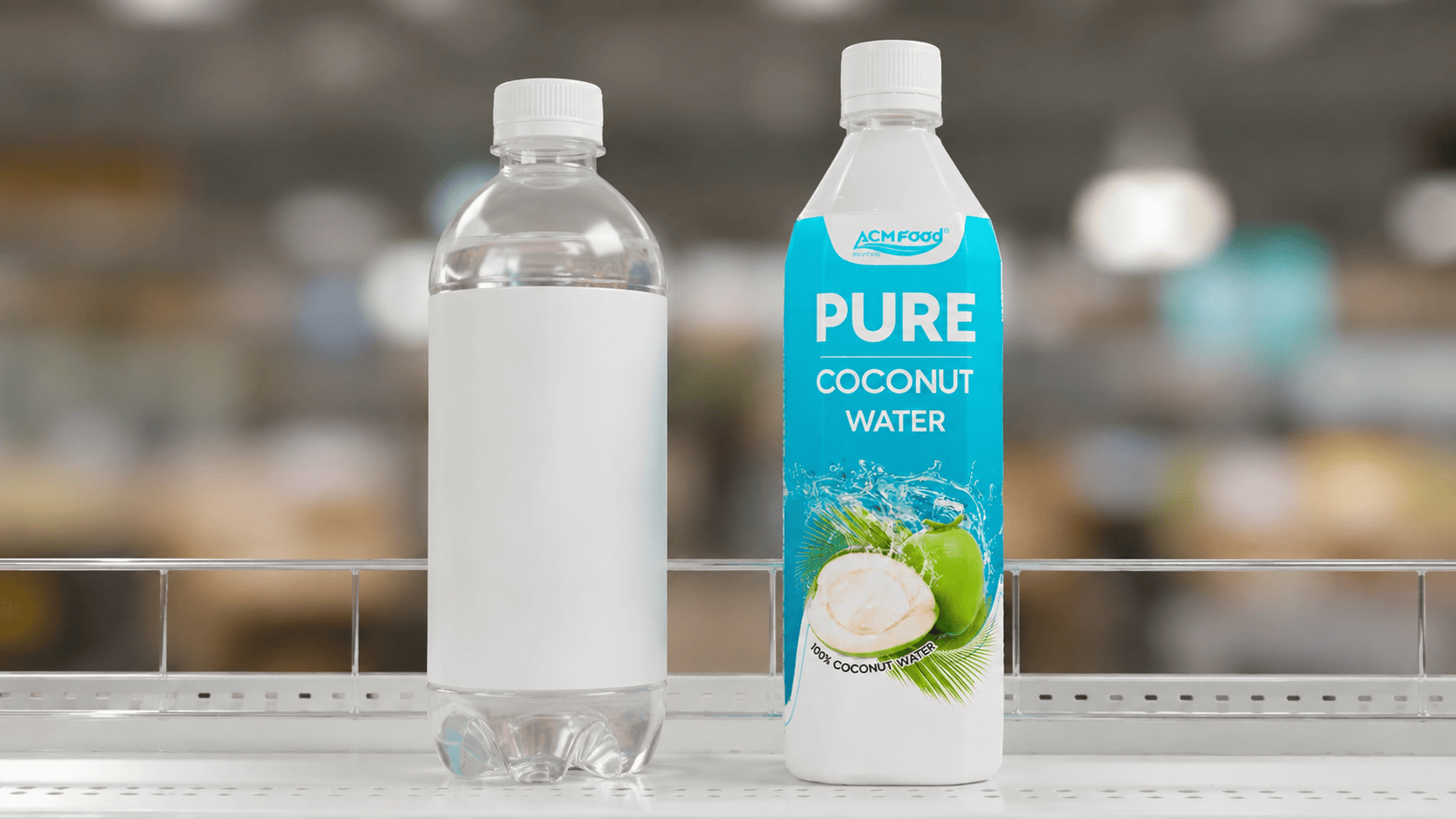
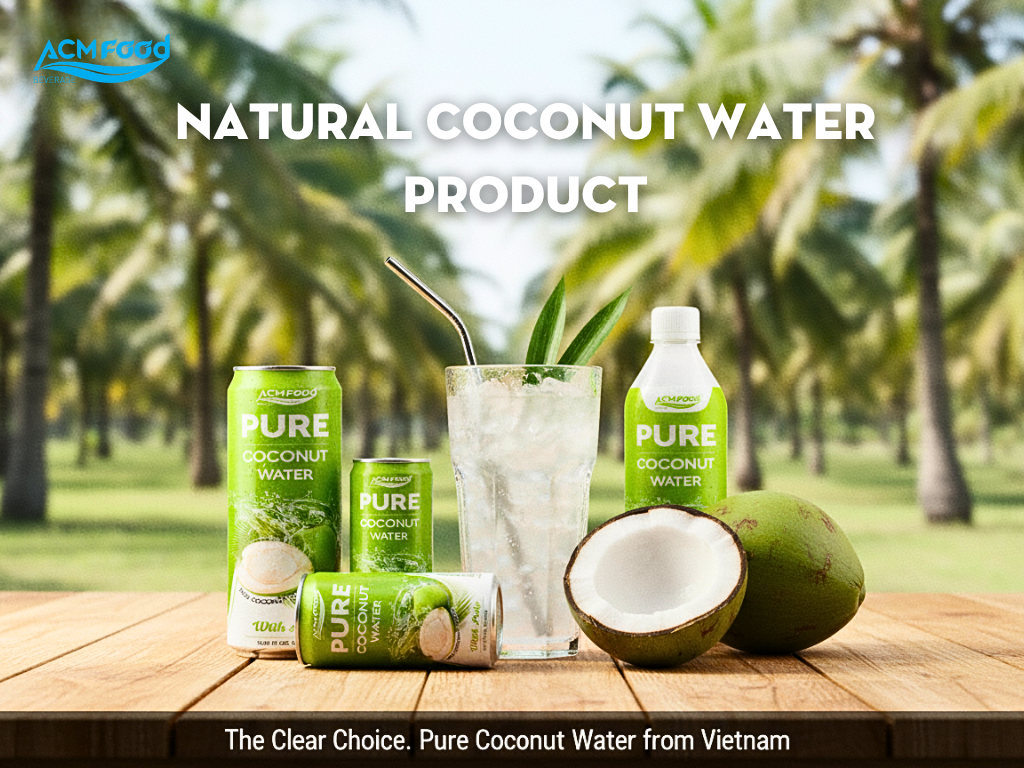
Packaging options available through our partner facilities include: 250ml, 330ml, 500ml, and 1L Tetra Pak-style cartons; 330ml and 500ml aluminum cans; 500ml and 1L HDPE bottles; and bulk aseptic bag-in-box (10L, 20L) for foodservice or further processing. Can and Tetra formats require minimum runs of approximately 10,000 units per SKU to be viable on unit economics. HDPE bottles can go lower — around 5,000 units — which makes them a reasonable entry point for a new SKU with unproven velocity.
“NFC coconut water carries a higher landed cost — but for brands playing in the premium channel, that margin difference is recoverable at shelf.”
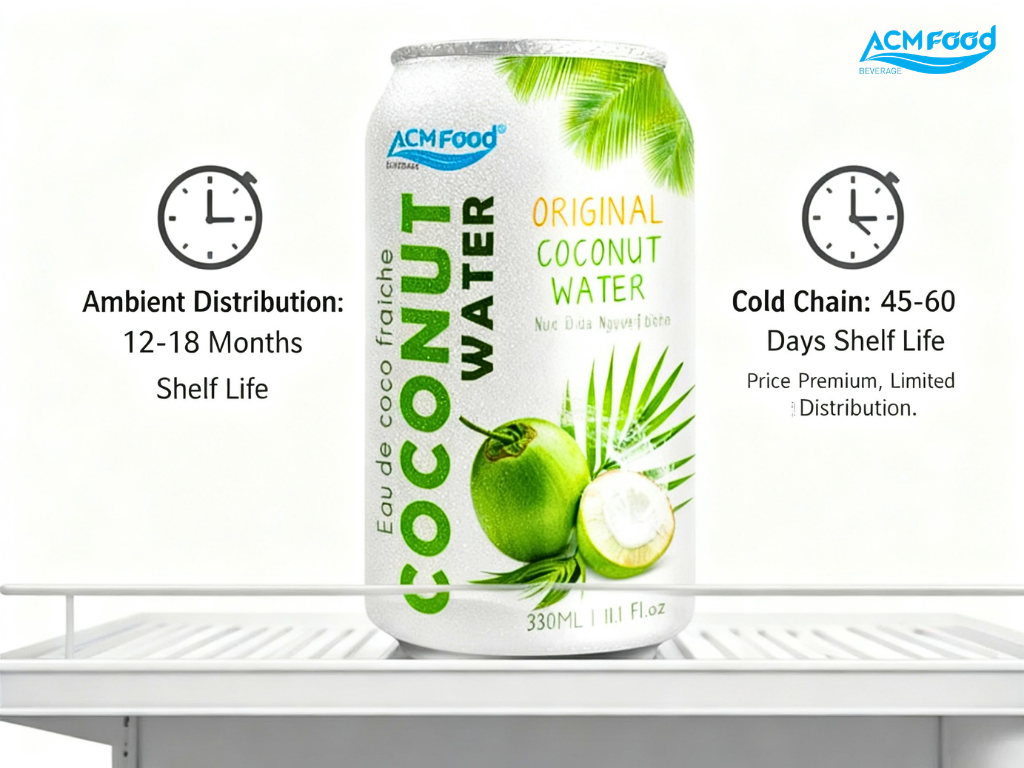
Shelf life under standard ambient distribution: 12–18 months depending on process and format. For the US cold chain, some NFC products are positioned as refrigerated with a 45–60 day shelf life, which changes your logistics equation entirely. Cold chain coconut water commands a price premium but limits your distribution footprint significantly. Most buyers coming to us for the first time opt for ambient shelf-stable product while they establish volume.
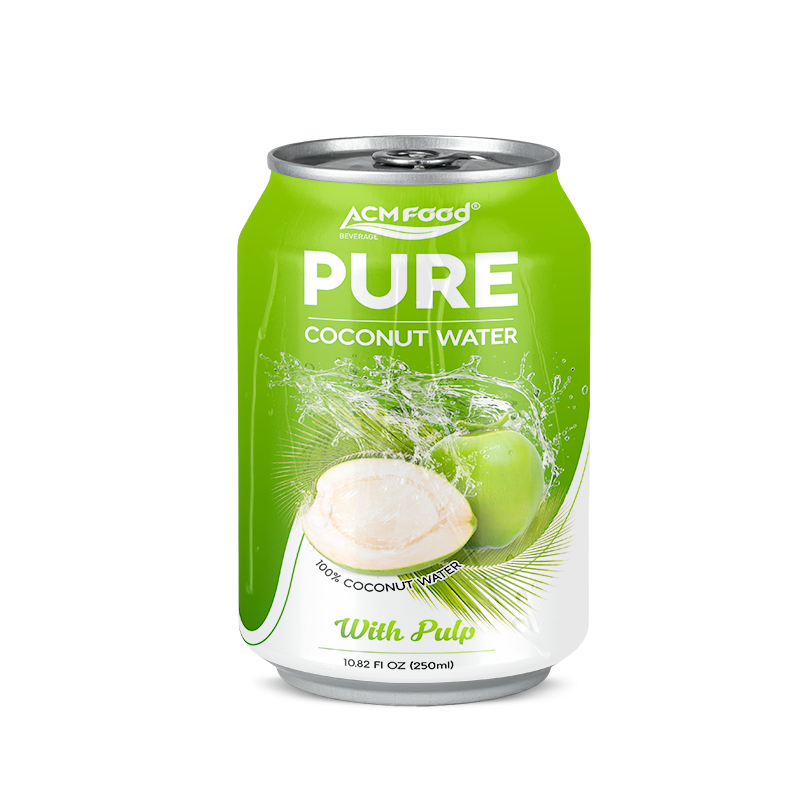
Flavor variants — pure coconut water, with pulp, lightly sweetened, or infused with mango or pineapple — can be accommodated with a minimum lead time of 30 additional working days for first-time flavored SKUs due to flavoring trials and stability testing. Standard production timeline is 18–25 days from confirmed purchase order for established formulas.
Certifications and Regulatory Compliance
Certification requirements vary significantly by destination market, and this is one area where buyers underestimate the timeline. Getting your private label product cleared for US retail, EU shelf, or Australian distribution isn’t just a matter of having the right papers — it’s about making sure the papers are formatted correctly for each market’s import authority and that your label copy complies with local requirements before the product ships.
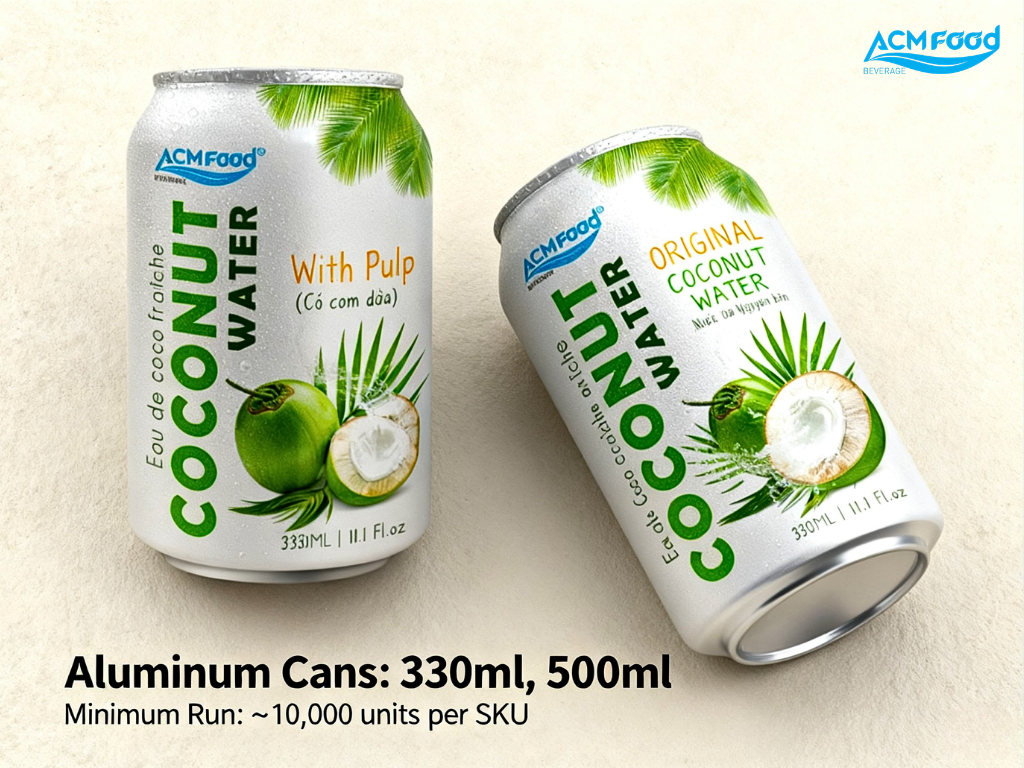
FDA 21 CFR
Required for US market entry. Covers facility registration, FSVP compliance, and labeling under 21 CFR Part 101. Your US importer of record carries FSVP responsibility, but your supplier’s facility must be FDA-registered and audit-ready. We maintain active FDA facility registration.
EU Organic (Reg 2018/848)
EU Regulation 2018/848 replaced the older 834/2007 framework and tightened traceability requirements. If you’re launching an organic-positioned SKU into Germany, France, or Benelux, your supplier needs third-party organic certification tied to specific farm sources — not just a general “natural” claim.
Halal
Essential for Southeast Asian re-export, Middle East distribution, and increasingly for UK retail given demographic demand. Coconut water is inherently Halal by ingredient, but the facility’s cleaning protocols, shared equipment, and processing aids all need to be covered under a recognized body like JAKIM or IFANCA.
ISO 22000 / FSSC
The operational foundation. ISO 22000 governs food safety management system requirements. FSSC 22000 (which layers FSMA and PAS 220 on top) is increasingly required by major US and EU retailers as a pre-qualification for supplier onboarding — Whole Foods, Costco, and Carrefour all reference it in their supplier codes of conduct.
One practical point: certification timelines add to your go-to-market schedule in ways that aren’t always visible at the start of a project. A first-time Halal certification for a new facility can take 8–12 weeks. FDA facility registration is faster but label review for a new importer can add 3–4 weeks. Build this into your project plan, not your contingency.
Why Source Coconut Water from Vietnam
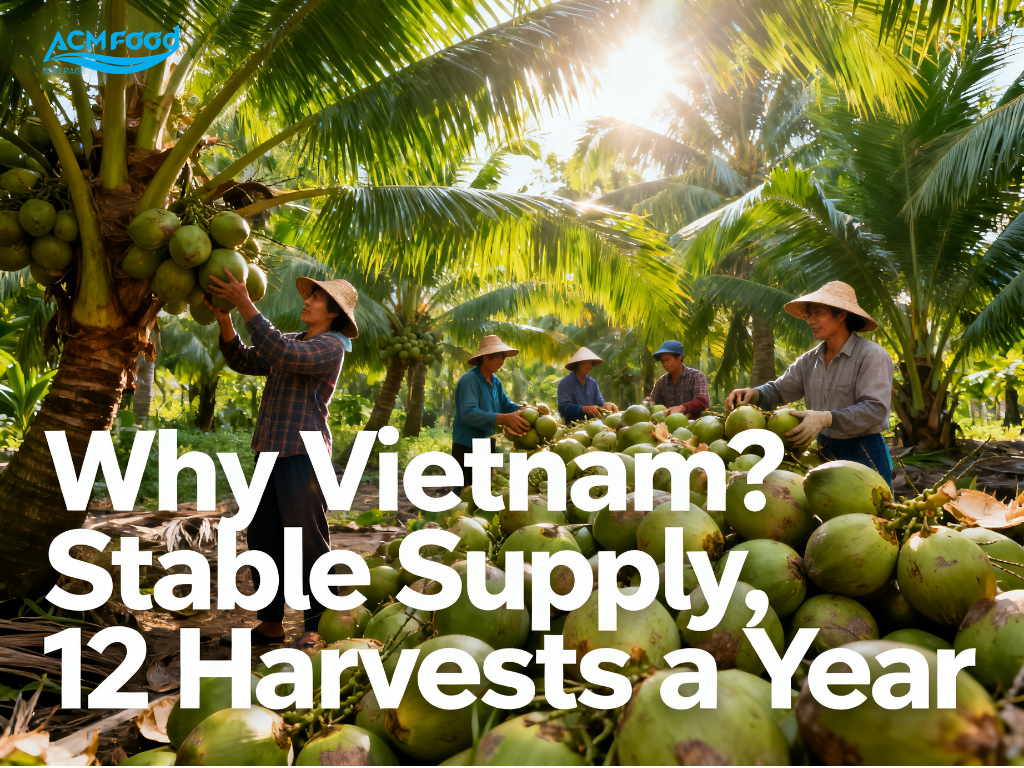
Vietnam is the third-largest coconut exporter globally, producing over 1.3 billion coconuts annually. Ben Tre province alone accounts for roughly 40% of national output, with trees that yield year-round rather than in a single harvest window. That continuous supply — 12 harvests per year versus the 2–3 typical of some competing regions — is a structural logistics advantage that directly reduces the risk of stock-outs in your supply chain.
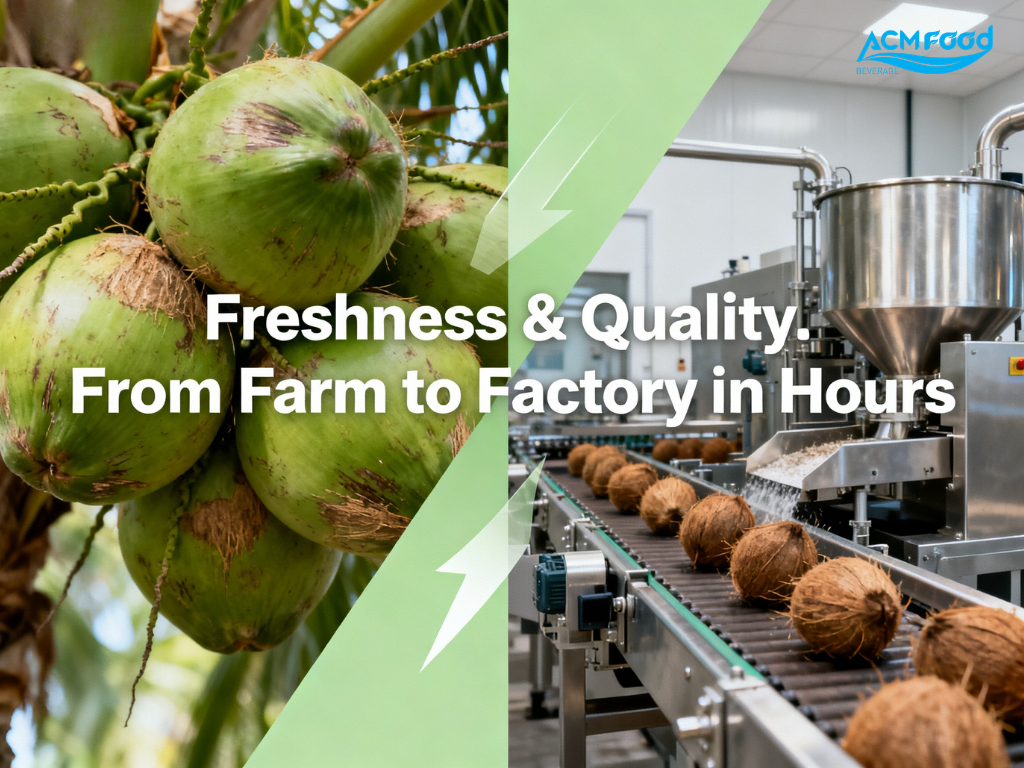
Production costs in Vietnam run 15–25% lower than comparable facilities in Thailand or the Philippines for equivalent quality tiers. A significant part of that is labor cost, but raw material proximity matters too. Ben Tre’s processing plants are often within 20 kilometers of the farm sources, which reduces transit time from harvest to pressing and helps NFC quality. Older coconuts oxidize faster. Proximity is not a marketing claim — it’s a chemistry fact.
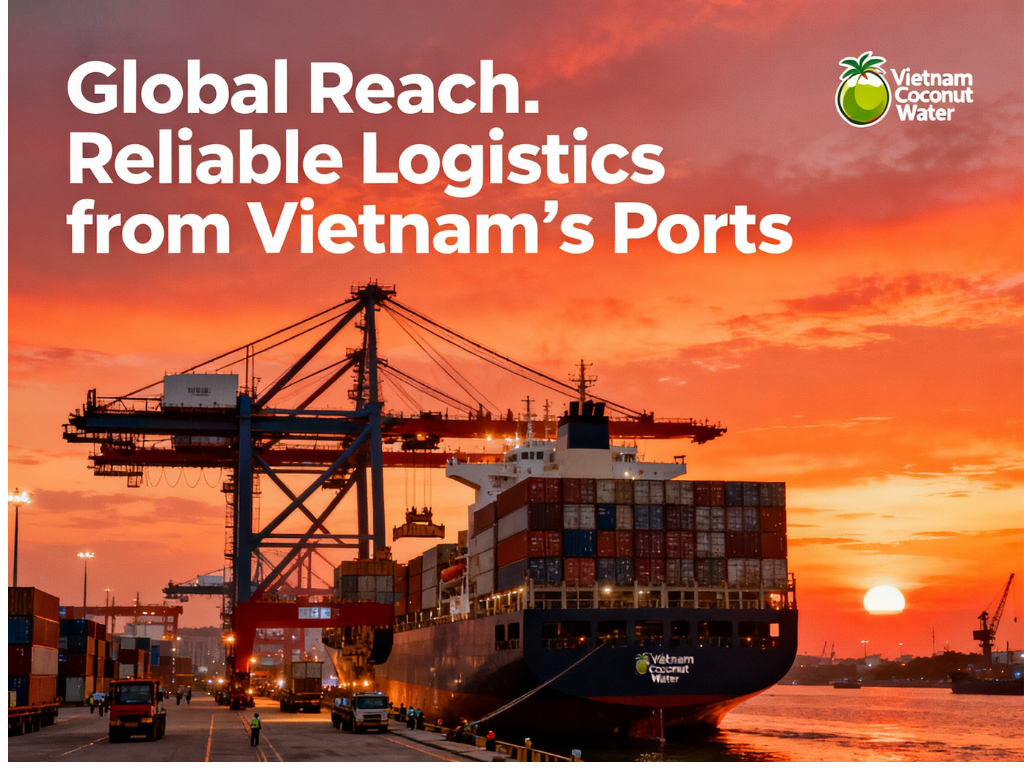
Vietnam’s trade infrastructure has developed substantially. Ho Chi Minh City and Cat Lai port handle regular container shipments to Long Beach, Rotterdam, and Melbourne on schedules that typically run to 18–22 days for Pacific routes and 25–30 days for Europe. FCL (full container load) of 20-foot containers typically holds 20–24 pallets of finished beverage product. LCL consolidation is available for smaller orders but adds 5–8 days to transit and comes at a cost premium per CBM that erodes margin on low-MOQ shipments.
The country also holds free trade agreements with the EU (EVFTA) and ASEAN partners that reduce import duty burdens for buyers in those markets. Under EVFTA, most processed coconut products move to 0% duty from Vietnam — a direct cost advantage versus non-FTA origins.
How We Work With Private Label Buyers
The first conversation is always about fit. Before we talk pricing or minimum orders, we ask about your distribution channel, your target retail price point, and whether you have existing label artwork or need design support. These answers determine which product format and process tier makes sense for your project. We’ve seen brands overpay for NFC processing for a food service product where it didn’t matter, and we’ve seen premium shelf brands try to cut costs with reconstituted and lose their positioning within two seasons.
Once there’s a product direction, we move to sampling. We ship 12–24 samples of candidate formulas (with and without variants where relevant) along with full COA documentation — Brix, pH, microbiological panel, heavy metals, pesticide residue. Tasting and lab verification typically takes two to three weeks on the buyer’s side. We hold sample lots for 60 days and can produce a second round if reformulation is needed, which happens more often than you’d think on flavored variants.
That leads into the commercial stage. We prepare a proforma invoice with pricing at your confirmed volume, confirm certification status for your target market, and begin label artwork review. Label compliance takes the most time when buyers are entering the US market for the first time — Nutrition Facts panel formatting, allergen statements, and net weight declarations in both metric and imperial. We work with a label compliance consultant in Los Angeles who handles US review for a flat fee. Production begins once you confirm the PO and the 30% deposit clears. Standard lead time is 18–25 working days for established formulas. New formulas add 15–20 days for final stability checks before production release.
Shipping documentation — bill of lading, certificate of origin, phytosanitary certificate, and any market-specific certificates — ships with the container. We handle all export customs clearance from the Vietnam side. Your freight forwarder handles import clearance in the destination country.
For standard carton formats it’s typically 3,000 cases (each case being 12 x 330ml or 24 x 250ml units). Cans run a bit higher — around 5,000 cases — because the can-fill line setup cost is higher. If those numbers are too large for a first order, we can discuss a 1,500-case trial run at a small premium on unit cost. Most buyers who need to prove concept before committing to full volume take that route.
Honestly, this is the right question and the one we hear most. The short answer is: Brix variance across production lots runs within ±0.3 on our NFC line, which is tight for tropical juice products. We include a COA with every shipment and retain a sample from each production batch for 24 months. If you get a shipment that’s outside spec, we have the paperwork trail to diagnose exactly where the deviation happened
Yes, but they require separate production runs and separate documentation trails. You can’t run organic immediately after conventional without a full line clean, which adds time and cost. If you’re ordering both, we usually recommend scheduling them as separate POs on a staggered timeline rather than trying to combine them in a single container
Import holds happen, and the most common causes are documentation gaps rather than product issues. We prepare a complete export documentation package — including phytosanitary, certificate of origin, and product-specific certificates — specifically to reduce that risk. For first-time US importers, we recommend your customs broker submit a pre-arrival entry to flag any potential issues before the container arrives at port. It adds a day or two of administrative work but can save two to three weeks of hold time.
We work with a graphic design partner who specializes in beverage packaging for export markets. They can handle initial concept through to print-ready files, including compliance review for US, EU, and Australian label requirements. It’s an optional service — if you have an in-house designer or agency, you just need to provide us with print-ready artwork in the correct dieline format, which we supply at the start of the label development process.
If you’re evaluating suppliers for a private label coconut water program and want to compare production capabilities, certifications, and pricing in detail, we’re straightforward to work with. Send us your target volume, preferred format, and destination market, and we’ll put together a formal product specification sheet and indicative pricing within two business days — no commitment required on your side at that stage