


 Français
 Español
 العربية
 한국어
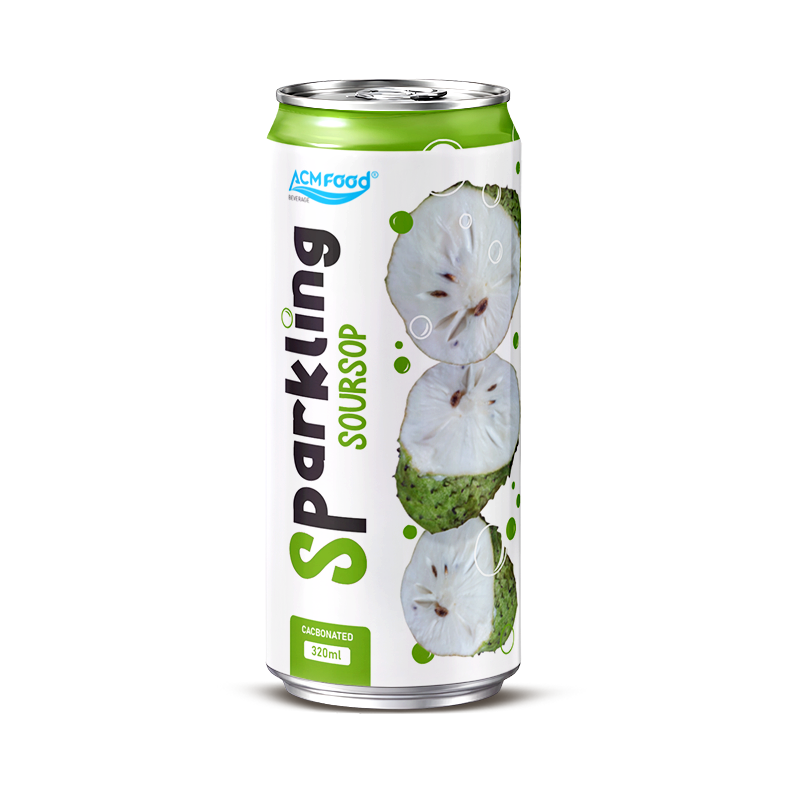
한국어Sparkling coconut water is coconut water carbonated with CO₂ to give a fizzy, crisp drink with the same natural electrolytes as still coconut water. Importers and distributors should watch it because it targets consumers who have left soda but still want bubbles, and because clean, unsweetened versions and aluminium cans are leading the growth.
The subcategory has moved from a curious line extension to a regular shelf item in North America, the UK and Europe, with new sparkling launches from established coconut water brands. This guide explains how it differs from still coconut water, who buys it, what the trends are and what to check before choosing a supplier.
How is sparkling coconut water different from regular coconut water?
The base is the same water from young green coconuts; the difference is carbonation. Sparkling coconut water has a crisper mouthfeel and a slightly more pronounced flavour, while its potassium, magnesium, calcium and sodium are unaffected by the CO₂.
| Feature | Still coconut water | Sparkling coconut water |
|---|---|---|
| Texture | Smooth, flat | Fizzy, crisp |
| Flavour | Delicate sweetness | Slightly sharper and more pronounced |
| Electrolytes | Naturally present | Same; CO₂ does not change them |
| Packaging | Cartons, PET, cans, glass | Mainly aluminium cans, which hold pressure |
| Typical label | Coconut water | Coconut water, carbon dioxide |
Watch for added flavours, sweeteners or citric acid: they turn a clean-label sparkling coconut water into something closer to a coconut-flavoured soft drink.
How is coconut water carbonated?
The coconut water is chilled, because cold liquid holds CO₂ better, then carbonated at controlled pressure. The CO₂ level, measured in volumes, decides whether the drink is lightly sparkling or strongly fizzy; manufacturers often adjust it by market, as preferences differ between Europe and Asia. Carbonated drinks need containers that resist internal pressure, which is why aluminium cans dominate.
Who buys sparkling coconut water?
The core buyer is a health-conscious adult who has given up soda but misses the fizz, including fitness-minded consumers and younger shoppers moving away from soft drinks who want more than flavoured seltzer.

- Retail: a naturally lightly sweet, fizzy alternative to soda, with no added sugar in clean versions.
- Foodservice and hospitality: a mocktail base, low-alcohol mixer or premium non-alcoholic option for restaurants and hotels.
- Clean-label markets: in the EU and UK, a two-ingredient label is rare among carbonated drinks and stands out on shelf.
What market trends should importers watch?
Three trends stand out for buyers planning a range:
- Unsweetened leads: growth is concentrated in clean, minimally formulated sparkling coconut water rather than sweetened or heavily flavoured versions.
- Cans dominate: aluminium cans keep carbonation, protect from light and travel well through multi-leg distribution.
- Established brands are adding sparkling SKUs: coconut water and plant-based brands in the UK and US have launched sparkling versions, a sign the format is moving from test to scale.
Asia-Pacific leads production because the coconuts and processing are there, while North America and Europe are the main import markets, creating a clear opportunity for Southeast Asian manufacturers of finished canned product.
Why source sparkling coconut water from Vietnam?
Vietnam is a major grower of young green coconuts in the Mekong Delta and has invested in export-grade processing, food safety certification and traceability.
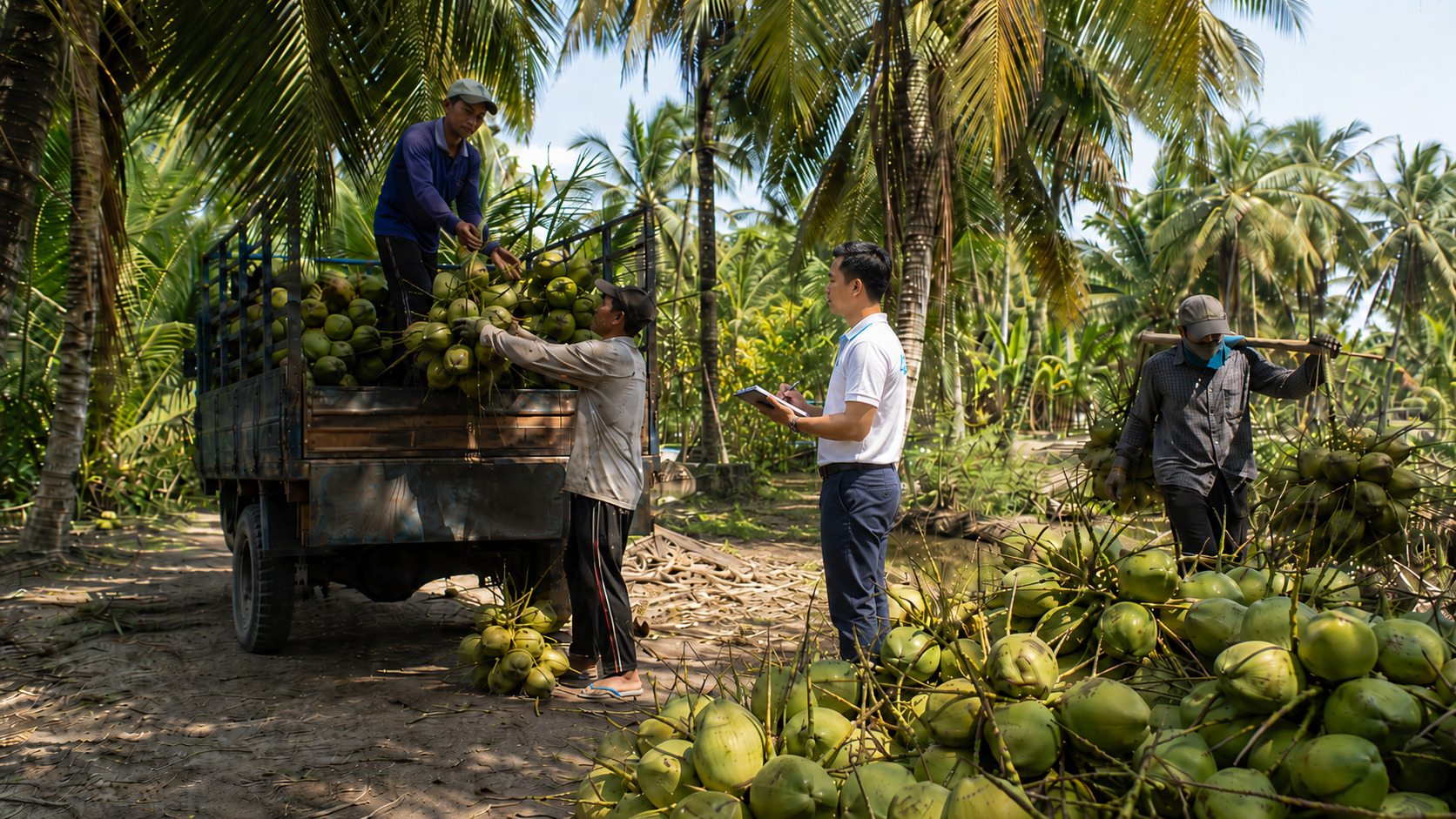
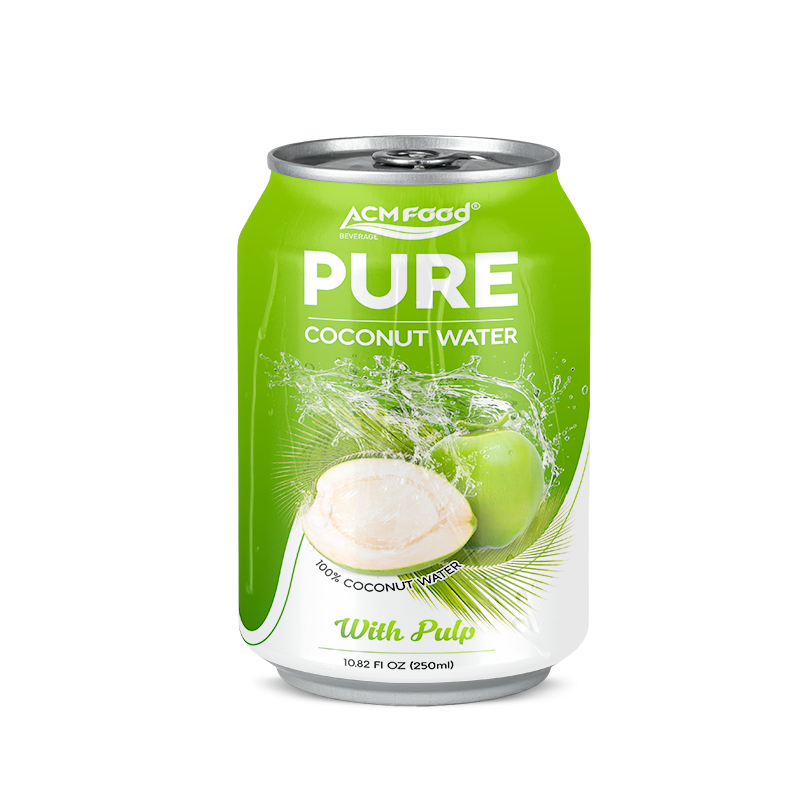
ACMFOOD Beverage Co., Ltd. is a Ho Chi Minh City OEM/ODM manufacturer of tropical beverages for export, with a factory in Tân Phú Trung Industrial Park, Củ Chi, and supply capacity of 20,000 cartons per day. Its range includes pure coconut water and blended variants, and buyers can specify formula, carbonation level, pack, label and can size, with one team handling formulation through export logistics.
What should you check before choosing a supplier?
- Carbonation: what is the CO₂ level in volumes, and can it be adjusted per market?
- Base: is the coconut water not from concentrate? Ask for batch documentation.
- Formats and minimums: which can sizes are available, and what is the minimum order per SKU?
- Certifications: which schemes cover the facility and product, and are they current?
- Samples and lead time: can you get samples from a standard run, and how long from PO to shipment?
Frequently asked questions
Does carbonation change the nutrition of coconut water?
No. CO₂ does not affect the electrolytes. Nutrition changes only if sugar, flavours or other ingredients are added.
Why is sparkling coconut water sold in cans?
Cans hold internal pressure, keep carbonation, block light and survive long-distance freight better than most bottles.
Is sparkling coconut water sweetened?
Many leading products are unsweetened, but some contain added sugar or flavours. Check the ingredient list.
Conclusion
Sparkling coconut water combines the fizz people miss from soda with the clean label of coconut water. For importers, the strongest route is an unsweetened, not-from-concentrate product in cans, from a manufacturer that can adjust carbonation and prove consistency batch to batch.
See beverage product capabilities, OEM manufacturing in Vietnam, private label beverages and export and logistics. To brief a concept, request a quote.
Request a quote