


 Français
 Español
 العربية
 한국어
한국어The global interest in hibiscus beverages continues to grow as consumers look for drinks that combine flavor, natural ingredients, and a wellness-focused image. What was once a traditional herbal drink in regions such as Africa, the Caribbean, Latin America, and Southeast Asia is now appearing on supermarket shelves, café menus, and functional beverage portfolios around the world.
For importers, distributors, retailers, and beverage startups, hibiscus beverages offer an interesting opportunity. The category is familiar enough for consumers to understand, yet still flexible enough to support new product concepts, private label programs, and premium positioning.
In recent years, hibiscus-based drinks have moved beyond traditional tea. Today, brands are launching sparkling hibiscus drinks, hibiscus fruit blends, low-sugar wellness beverages, ready-to-drink teas, and botanical functional drinks. The demand is being driven by changing consumer preferences and a growing interest in naturally colorful beverages made from recognizable ingredients.
Why hibiscus beverages are gaining attention globally
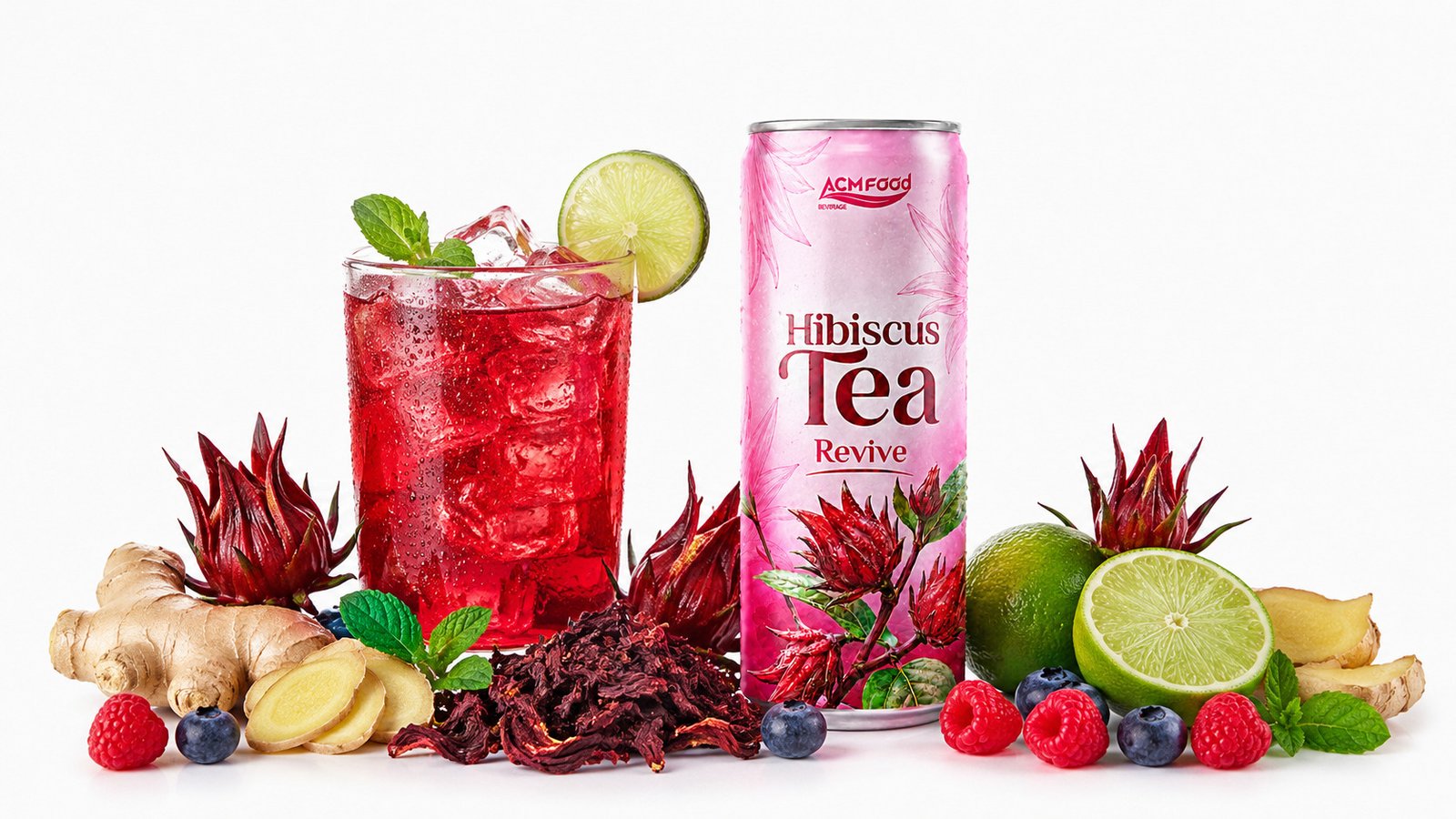
Hibiscus, particularly Hibiscus sabdariffa, is known for its deep red color, tart taste, and naturally occurring antioxidant compounds. Many consumers compare its flavor to cranberry, pomegranate, or mixed berries. That balance of acidity and fruit-like notes makes it easy to combine with a wide range of ingredients.
The appeal goes beyond taste.
Research and health-focused publications frequently highlight hibiscus for its antioxidant content and its potential role in supporting heart health, blood pressure management, and general wellness, although beverage brands should always avoid making unapproved health claims.
From a product development perspective, hibiscus has another advantage. It delivers a naturally vibrant red color without relying on artificial coloring agents. Consumers often associate that visual appearance with fruit-based and premium beverages.
A drink that looks attractive on a shelf has a better chance of being picked up. Simple as that.
Consumer demand is shifting toward botanical beverages
One pattern appears consistently across beverage markets in North America, Europe, the Middle East, and parts of Asia. Consumers are reading ingredient labels more carefully than they did five years ago.
Many shoppers now prefer products with shorter ingredient lists and recognizable plant-based components. Hibiscus fits naturally into this trend.
Market researchers continue to report growth in herbal tea, functional beverage, and botanical drink categories. While energy drinks and carbonated soft drinks remain large segments, many consumers are actively searching for alternatives that feel lighter and more natural.
That shift creates space for hibiscus beverages in several categories:
- Ready-to-drink herbal tea
- Sparkling botanical beverages
- Fruit and flower blends
- Functional wellness drinks
- Low-sugar refreshment beverages
- Premium café and hospitality beverages
A few years ago, many beverage buyers viewed hibiscus mainly as a tea ingredient. Today, it is increasingly becoming the main character in the formulation.
The flavor profile makes product innovation easier
One challenge beverage brands often face is creating a product that feels unique while remaining accessible.
Hibiscus helps solve that problem.
Its tart and fruity character works well with numerous ingredients that already have strong consumer acceptance. Product developers frequently combine hibiscus with:
- Ginger
- Lemon
- Lime
- Passion fruit
- Strawberry
- Pomegranate
- Blueberry
- Raspberry
- Coconut water
- Honey
- Mint
This flexibility allows companies to create multiple SKUs using a common base formula.
For example, a distributor may launch a three-product line consisting of Hibiscus Lemon, Hibiscus Passion Fruit, and Hibiscus Ginger. The products share similar manufacturing processes while offering enough variation for consumers.
The result is lower development complexity without sacrificing product variety.
Hibiscus beverages fit multiple consumer segments
One reason many beverage categories struggle is that they appeal to only a narrow audience.
Hibiscus beverages are different.
The category can attract several consumer groups at the same time.
Health-conscious consumers often appreciate the botanical positioning and antioxidant associations. Tea drinkers enjoy the familiar herbal characteristics. Younger consumers are drawn to the bold color and social-media-friendly appearance. Hospitality businesses like the premium presentation.
Even within the same retail store, different shoppers may purchase the same hibiscus drink for completely different reasons.
That broad appeal gives retailers and distributors more confidence when introducing new products.
Opportunities in private label and custom beverage manufacturing
Many companies interested in entering the beverage sector do not want to build their own factory.
The investment can be substantial.
A more practical approach is partnering with an OEM, ODM, or private label beverage manufacturer that already has production facilities, certifications, formulation expertise, and export experience.
This model allows businesses to focus on brand building, distribution, and sales while manufacturing is handled by an experienced production partner.
For hibiscus beverages, private label development commonly includes:
- Flavor formulation
- Packaging design
- Can or bottle selection
- Nutritional adjustments
- Sugar level customization
- Market-specific compliance requirements
- Label development
The timeline is often significantly shorter than developing a production operation from scratch.
For distributors entering a new market, speed matters. Missing a seasonal opportunity can mean waiting another year to gain momentum.
What buyers should evaluate before selecting a hibiscus beverage supplier
Not all beverage manufacturers offer the same capabilities.
When evaluating potential suppliers, experienced buyers usually focus on several practical factors.
First is ingredient sourcing. The quality of hibiscus directly affects flavor, color consistency, and final product stability.
Second is manufacturing certification. International buyers often require standards such as HACCP, ISO, FDA registration, Halal certification, or FSSC 22000 depending on the target market.
Third is production capacity.
A supplier may perform well with a trial order of one container. The real test comes when demand increases and larger production volumes are required.
Finally, formulation flexibility matters. Consumer preferences differ by region. A formulation that succeeds in the Middle East may require adjustments before entering Europe or North America.
The ability to customize products can become a major competitive advantage.
Packaging formats that work well for hibiscus beverages
Packaging decisions affect both logistics and consumer perception.
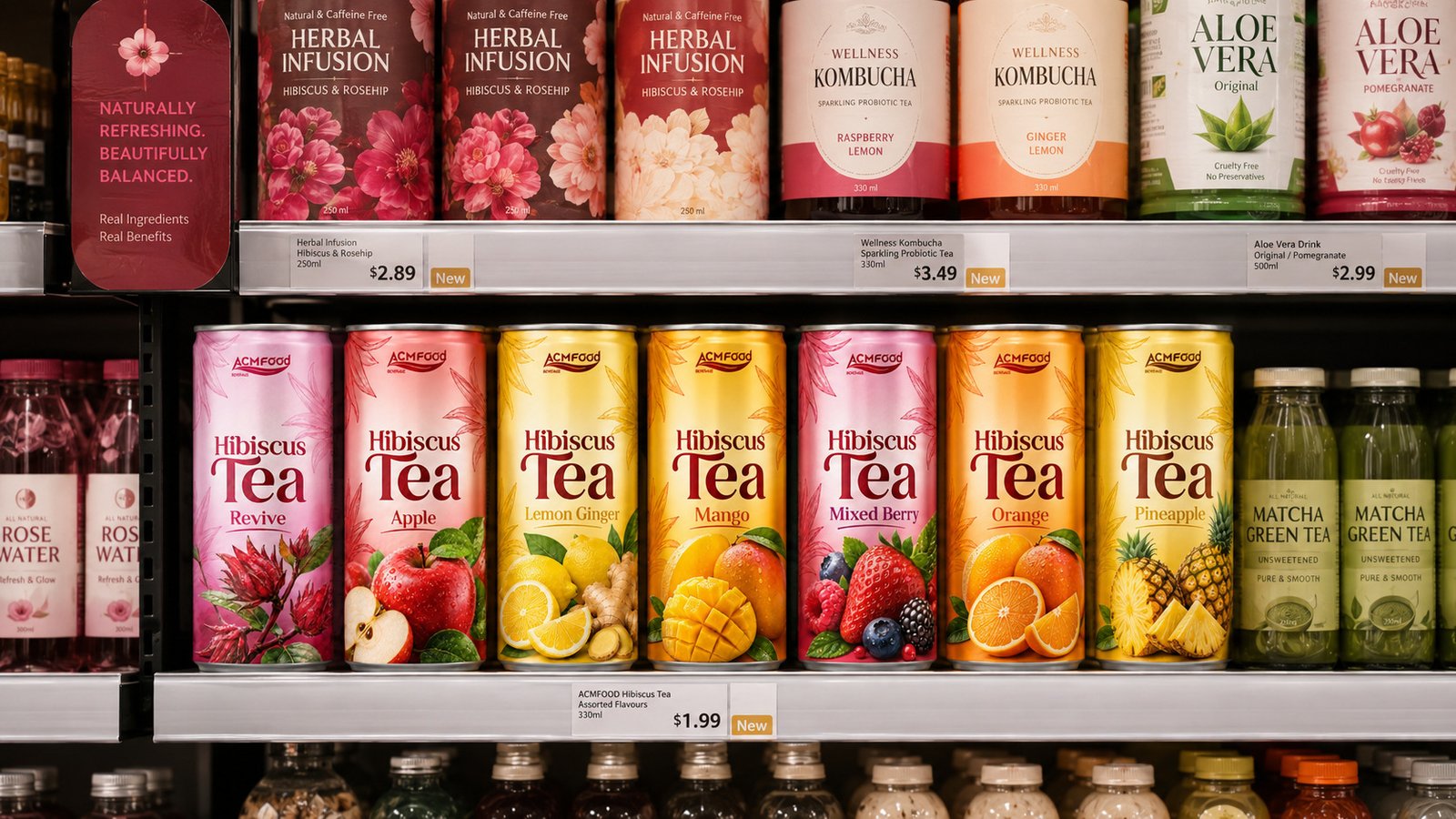
For ready-to-drink hibiscus beverages, the most common formats include aluminum cans, slim cans, PET bottles, and glass bottles.
Slim cans have become especially popular in premium beverage categories. They provide a modern appearance and are often associated with wellness drinks, sparkling beverages, and functional products.
Glass bottles create a premium image but increase shipping costs.
PET bottles remain attractive for markets that prioritize affordability and convenience.
The best format depends on the target consumer and distribution channel.
A product intended for supermarkets may use a different package than one designed for cafés, hotels, or fitness retailers.
Flavor trends shaping the future of hibiscus beverages
Consumer preferences continue to evolve, but several flavor directions appear consistently across new product launches.
Tropical combinations remain strong. Hibiscus paired with passion fruit, mango, pineapple, or coconut water creates a refreshing profile that works in warm-climate markets.
Ginger-infused hibiscus beverages also continue gaining attention. The combination delivers both brightness and spice while supporting a more premium positioning.
Another emerging trend involves reduced-sugar formulations.
Consumers still want enjoyable flavor. They simply do not want excessive sweetness.
That creates opportunities for hibiscus because its naturally bold flavor helps maintain taste intensity even when sugar levels are lowered.
Some brands are also experimenting with sparkling hibiscus beverages. Online consumer discussions frequently describe cold hibiscus drinks as more refreshing and juice-like compared with traditional hot tea preparations.
Those insights may seem small, but they reveal how real consumers experience the category.
Why storytelling matters when selling hibiscus beverages
Product quality is essential.
But in today’s beverage market, quality alone is rarely enough.
Consumers often connect with stories before they connect with ingredients.
Hibiscus has a rich cultural history that spans multiple continents. It appears in traditional beverages across Africa, Latin America, the Caribbean, and Asia. In many regions, hibiscus drinks have been enjoyed for generations.
Brands that communicate this heritage authentically can create stronger emotional connections with consumers.
The story does not need to be complicated.
It simply needs to feel genuine.
Hibiscus beverages supplier: ACMFOOD
For businesses looking to launch their own hibiscus beverage line, choosing the right manufacturing partner is one of the most important decisions in the process.
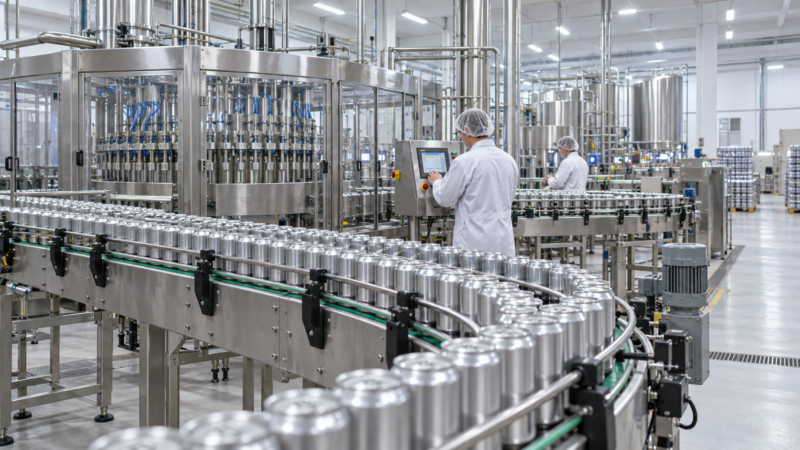
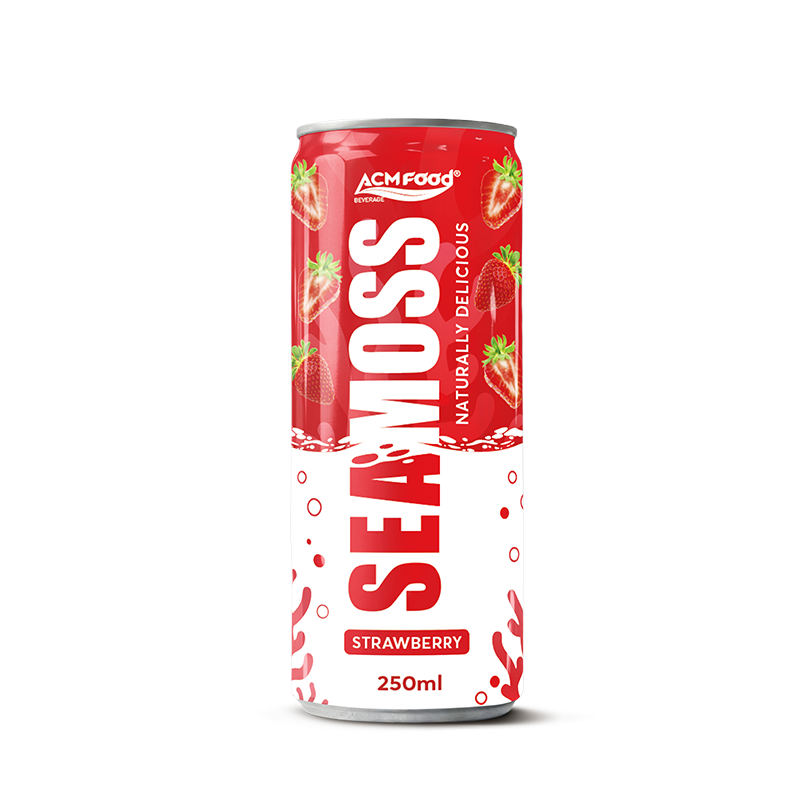
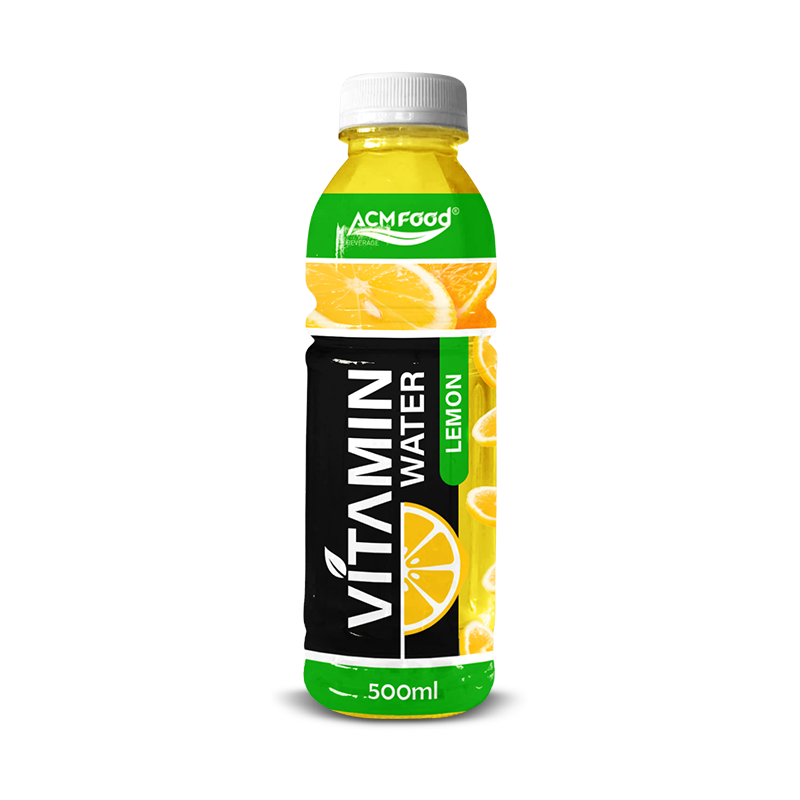
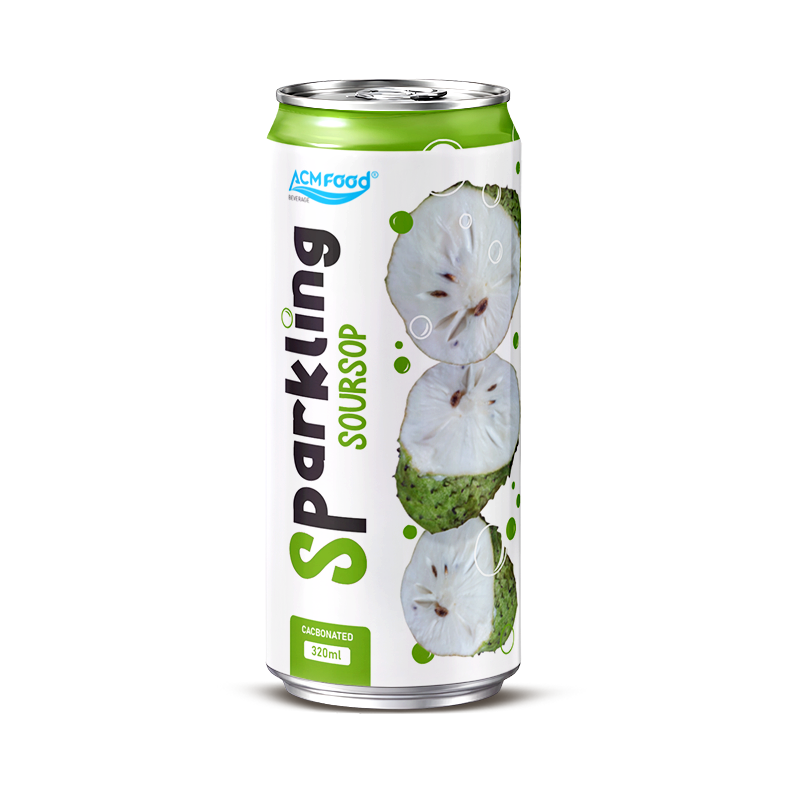
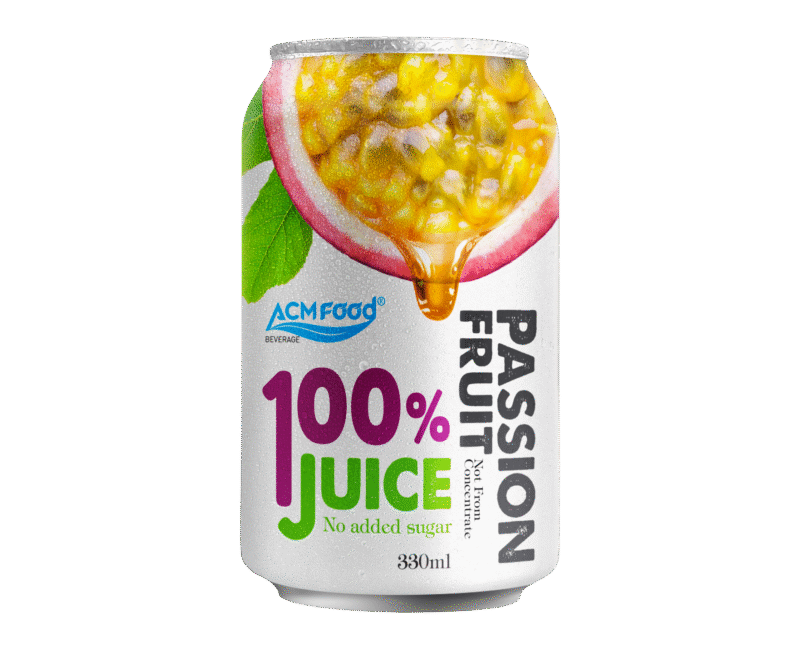
ACMFOOD specializes in beverage manufacturing solutions for international markets, supporting OEM, ODM, and private label projects across a wide range of drink categories. The company works with importers, distributors, wholesalers, retail chains, and brand owners seeking customized beverage development.
With hibiscus beverages, ACMFOOD can support product customization from concept to production. This includes flavor development, ingredient selection, packaging options, branding support, and export-ready manufacturing.
Many buyers today are not simply searching for a factory. They are searching for a supplier that understands commercial realities.
Minimum order quantities, packaging efficiency, lead times, regulatory requirements, shelf life, and market positioning all influence whether a product succeeds after launch.
That is where experience becomes valuable.
ACMFOOD’s manufacturing approach is designed to help clients develop products that fit local market preferences rather than forcing a one-size-fits-all formula. Whether the goal is a traditional hibiscus tea, a sparkling botanical drink, a fruit-infused hibiscus beverage, or a wellness-focused formulation, customization remains a key part of the development process.
For distributors entering the category for the first time, this flexibility reduces risk. For established beverage brands, it creates opportunities to expand product portfolios without investing in new production infrastructure.
Final thoughts
The hibiscus beverage category sits at the intersection of several powerful consumer trends. People want drinks that taste good, look natural, and align with modern wellness preferences.
At the same time, retailers and distributors are looking for products that can stand out in crowded beverage aisles.
That combination explains why hibiscus beverages continue attracting attention across global markets.
For businesses considering a new beverage launch, the opportunity is no longer limited to traditional hibiscus tea. The category now includes sparkling drinks, fruit blends, premium ready-to-drink products, and private label concepts tailored to specific consumer segments.
The companies that move early, build distinctive branding, and partner with capable manufacturing suppliers will likely be in the strongest position as the category continues to expand.
Hibiscus tea are no longer a niche product. They are becoming a serious business opportunity.