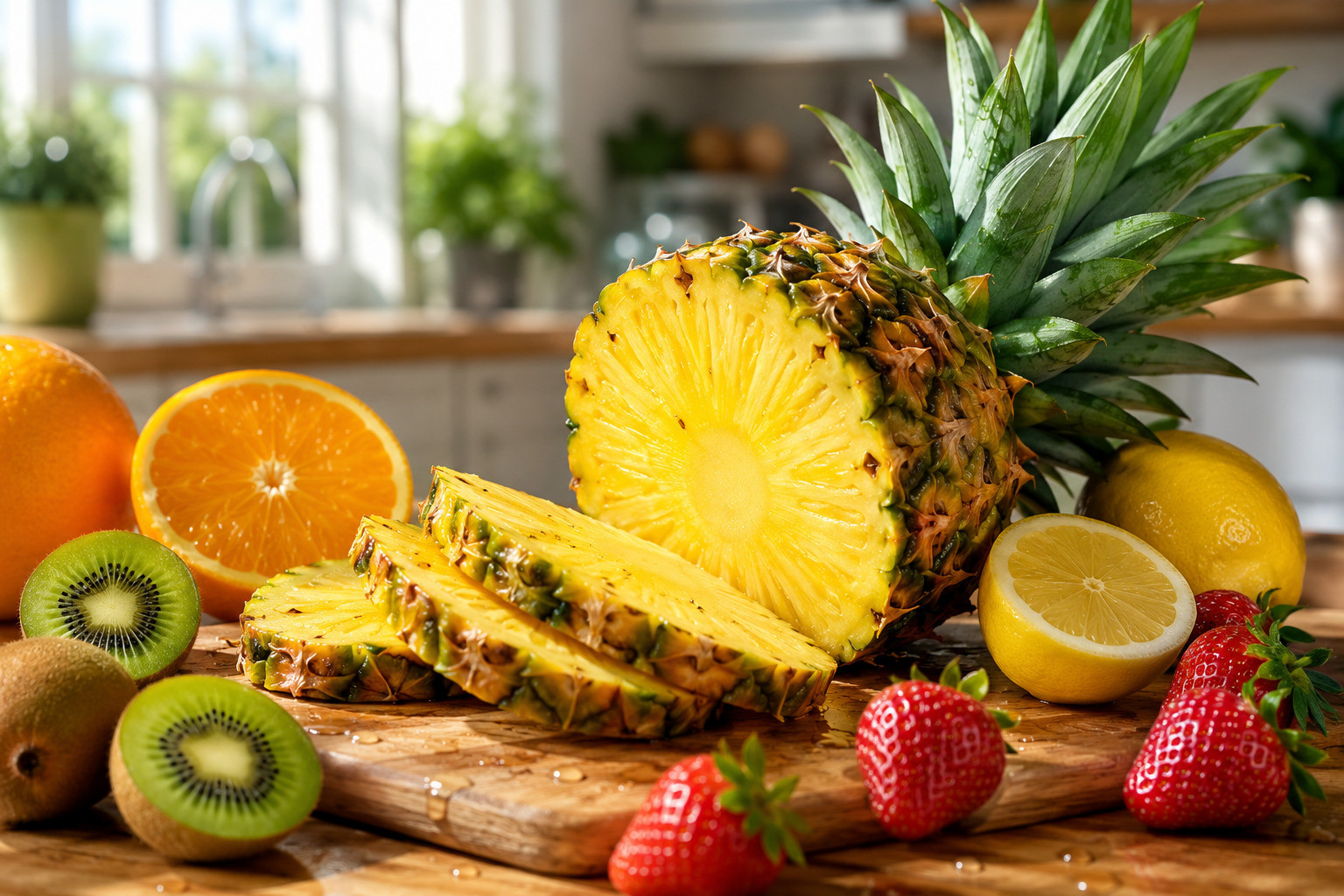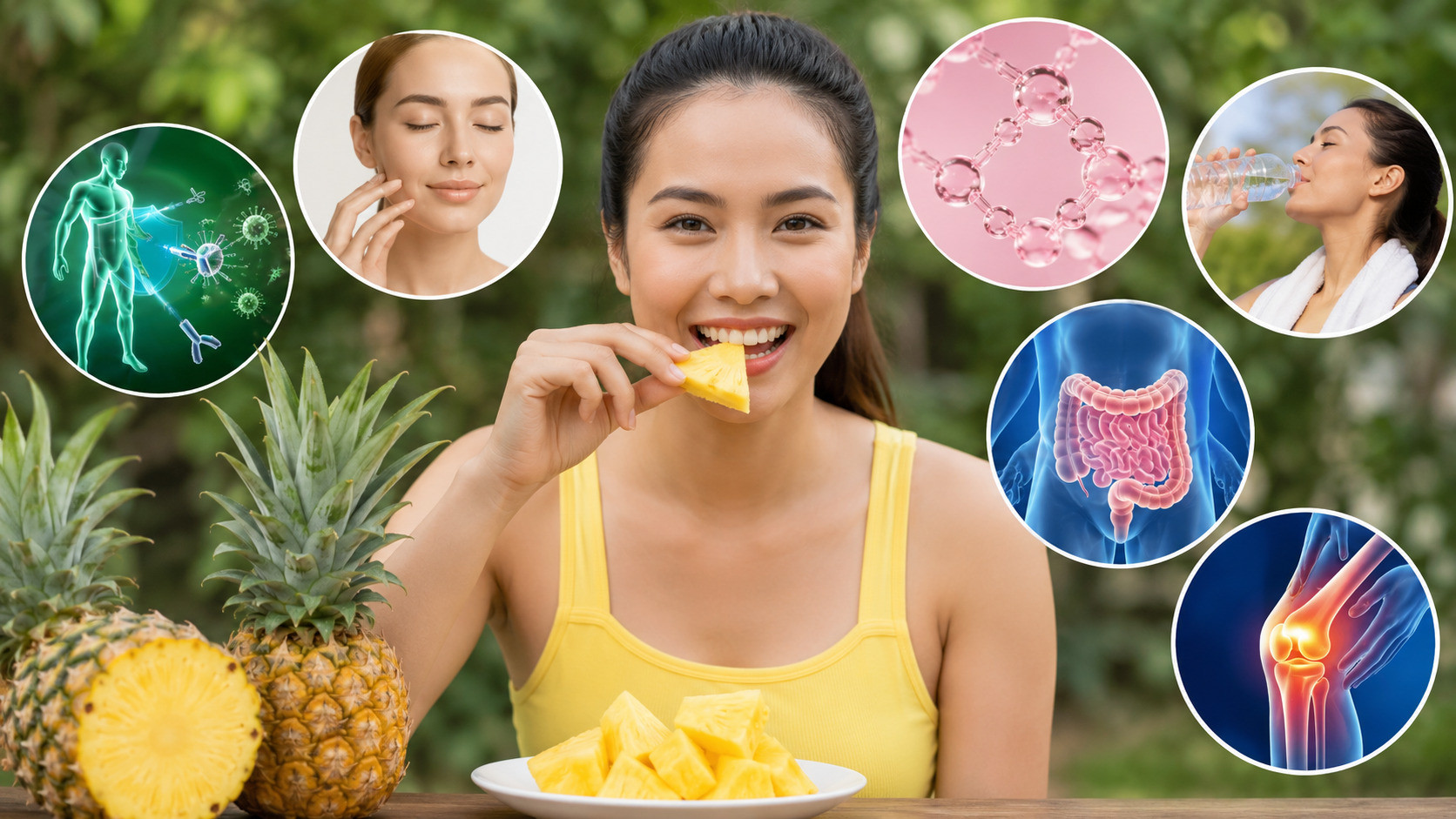

Pineapple is more than a delicious tropical fruit. It is packed with vitamins, minerals, antioxidants, and natural enzymes that may support many aspects of women’s health. From skin appearance and immune function to digestion, iron absorption, and hormonal comfort, pineapple can be a nutritious addition to a balanced diet at every life stage.
Because women have distinct nutritional needs—higher iron demands during the menstrual years, increased folate requirements when planning pregnancy, and a greater risk of bone loss after menopause—understanding how a single fruit fits into these needs helps women make informed, practical dietary choices.
Quick Summary
The benefits of pineapple for women include supporting immune health, providing vitamin C that enhances iron absorption from plant foods, aiding normal digestion through fiber and bromelain, supplying folate important for reproductive health, offering antioxidants that help protect cells, and contributing to hydration with its naturally high water content. When consumed as part of a balanced diet, pineapple can support women’s wellness through the menstrual years, pregnancy planning, active adulthood, and menopause.
Key Highlights
- Excellent source of vitamin C, which supports immunity and helps the body absorb iron from plant-based meals—especially relevant for women who lose iron during menstruation
- Contains bromelain, a natural enzyme studied for its anti-inflammatory and digestive properties
- Provides folate, a nutrient particularly important for women of reproductive age
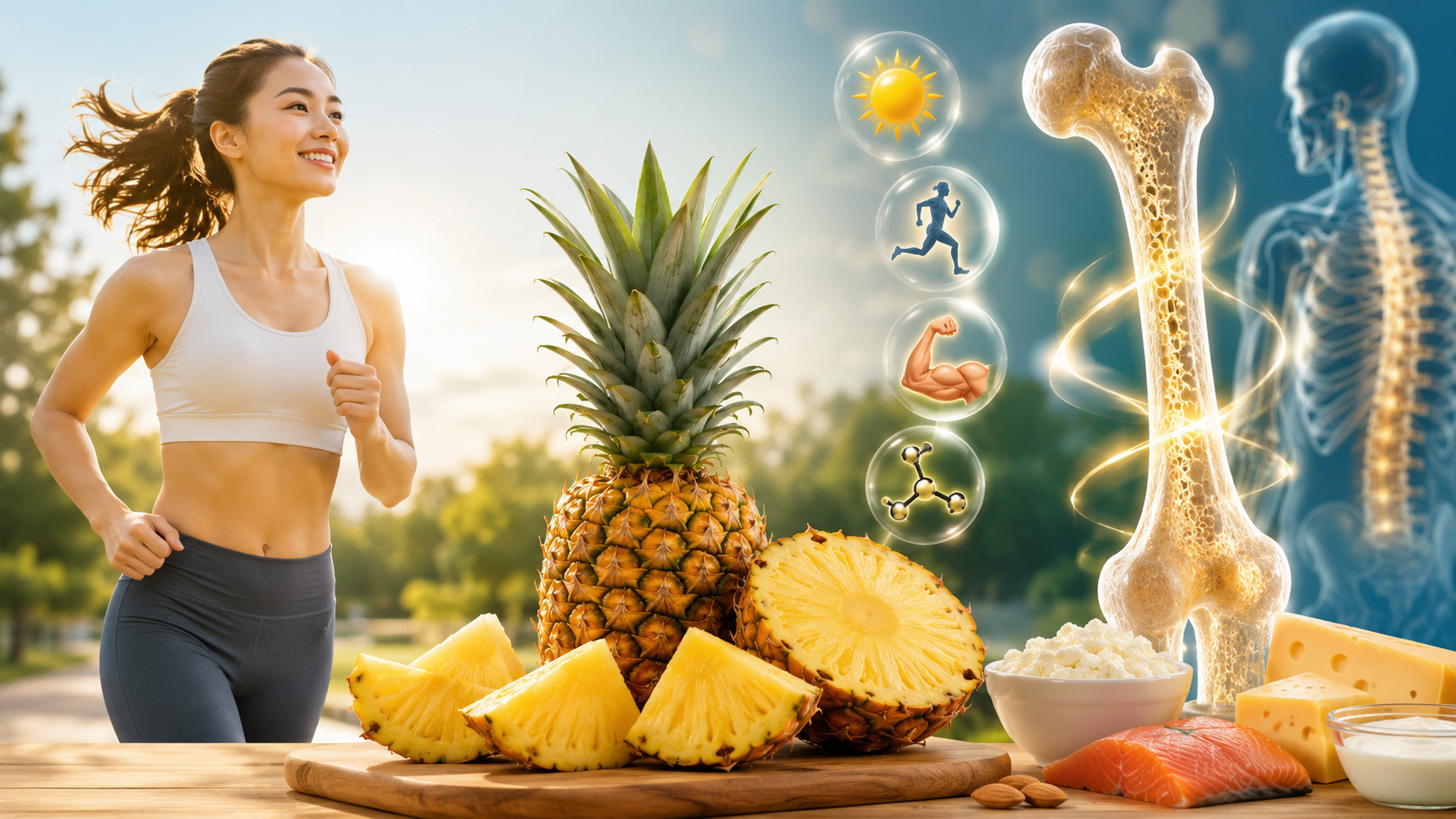
- Supplies manganese, which contributes to normal bone health—a key concern for women as they age
- Delivers antioxidants that help reduce oxidative stress and support skin appearance
- Naturally low in fat, cholesterol-free, and refreshingly hydrating (about 86% water)
- Can be enjoyed fresh, frozen, dried, or as 100% pineapple juice
Nutritional Profile: Key Facts
| Category | Details |
|---|---|
| Main ingredient | Fresh pineapple (Ananas comosus) |
| Key nutrients | Vitamin C (47.8 mg per 100g), manganese (0.11 mg per 100g), folate (~18 mcg per 100g), dietary fiber (1.4g per 100g), vitamin B6, copper, potassium |
| Unique natural compound | Bromelain enzyme complex (predominantly in stem) |
| Especially relevant for women | Vitamin C aids non-heme iron absorption; folate supports reproductive health; manganese supports bone health |
| Common consumption forms | Fresh fruit, frozen, canned, dried, juice, smoothies |
| Water content | Approximately 86% water, making it naturally hydrating |
| Recommended consumption | As part of a balanced diet alongside a variety of fruits and vegetables |
12 Benefits of Pineapple for Women
The benefits of pineapple for women come from its rich nutritional profile rather than from any single “superfood” effect. Pineapple provides vitamins, minerals, antioxidants, dietary fiber, folate, and bromelain—nutrients that address several needs specific to women’s bodies when included as part of a balanced eating pattern.
1. Vitamin C for Immune Support and Better Iron Absorption

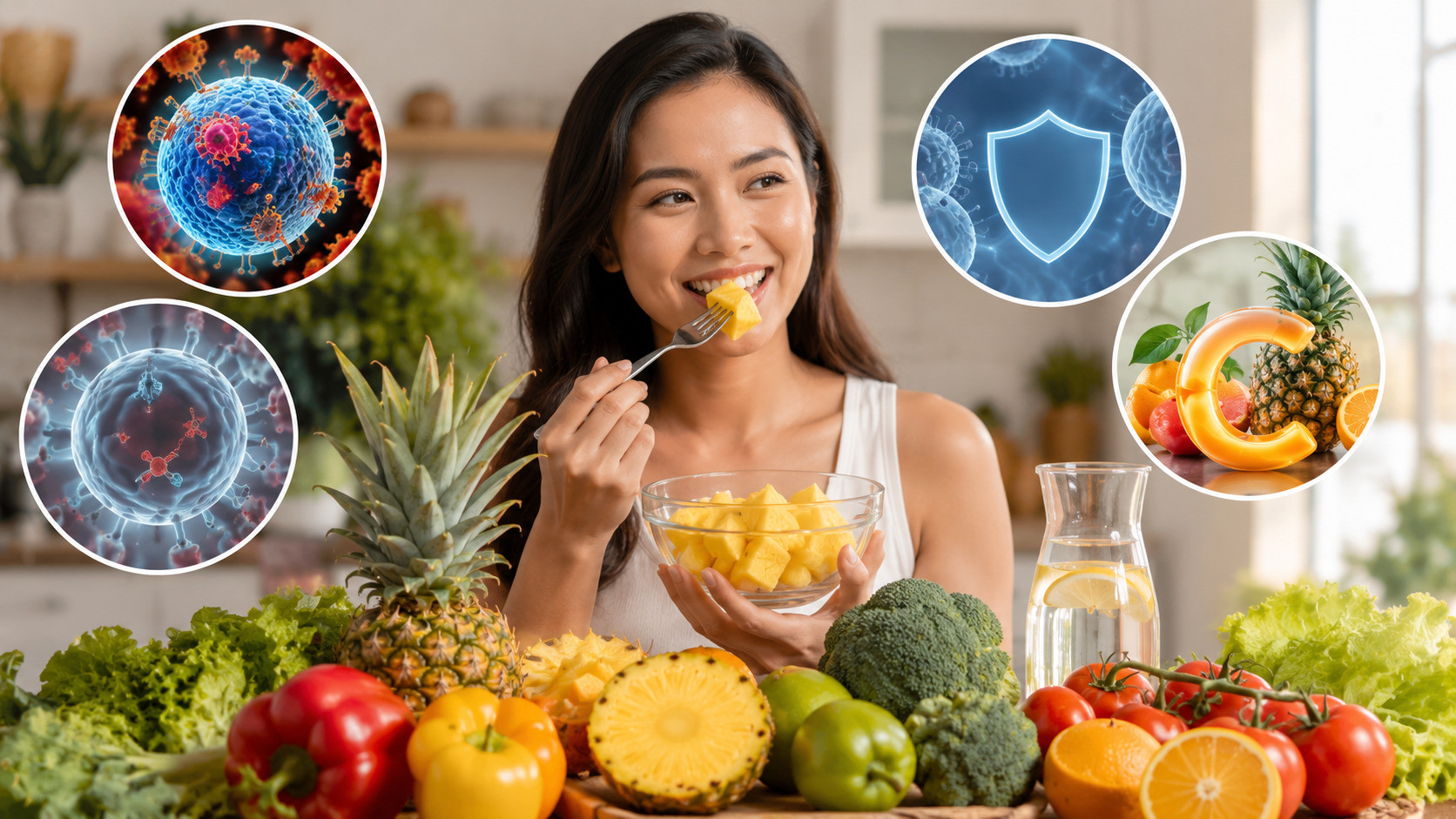
Vitamin C is one of pineapple’s most valuable nutrients, and it carries a particular advantage for women. Beyond supporting normal immune function and collagen formation, vitamin C significantly improves the absorption of non-heme (plant-based) iron. This matters because women lose iron through menstruation and have higher iron requirements than men during their reproductive years, making iron-deficiency more common among women.
Pairing pineapple with iron-rich plant foods—such as spinach, lentils, tofu, or fortified cereals—can help the body absorb more of that iron, supporting healthy energy levels.
According to the Harvard T.H. Chan School of Public Health, one cup of fresh pineapple provides approximately 80 mg of vitamin C, close to the full daily recommended intake for adult women. The National Institutes of Health confirms that vitamin C enhances non-heme iron absorption and is essential for collagen synthesis and immune cell function. For women managing their iron intake through diet, adding a vitamin C source like pineapple to plant-based meals is a simple, evidence-based strategy.
2. Supports Healthy Skin and Natural Collagen
Healthy skin depends on nutrition, hydration, sleep, and sun protection. Pineapple contributes nutrients that support skin health as part of a balanced diet—something many women prioritise as collagen production naturally declines with age, particularly during perimenopause and menopause when the drop can accelerate.
Pineapple’s vitamin C helps the body produce collagen naturally, while its antioxidants help neutralise free radicals generated through normal metabolism and environmental exposure such as UV light.
The USDA FoodData Central confirms that pineapple contains bioactive compounds including flavonoids and phenolic acids with antioxidant properties. Vitamin C from fruit supports normal collagen production, which is essential for maintaining skin elasticity and structure. While no food can prevent skin aging, consistent intake of vitamin C–rich fruits is a sensible part of a skin-supportive diet for women at every stage.
3. May Aid Digestion and Ease Bloating

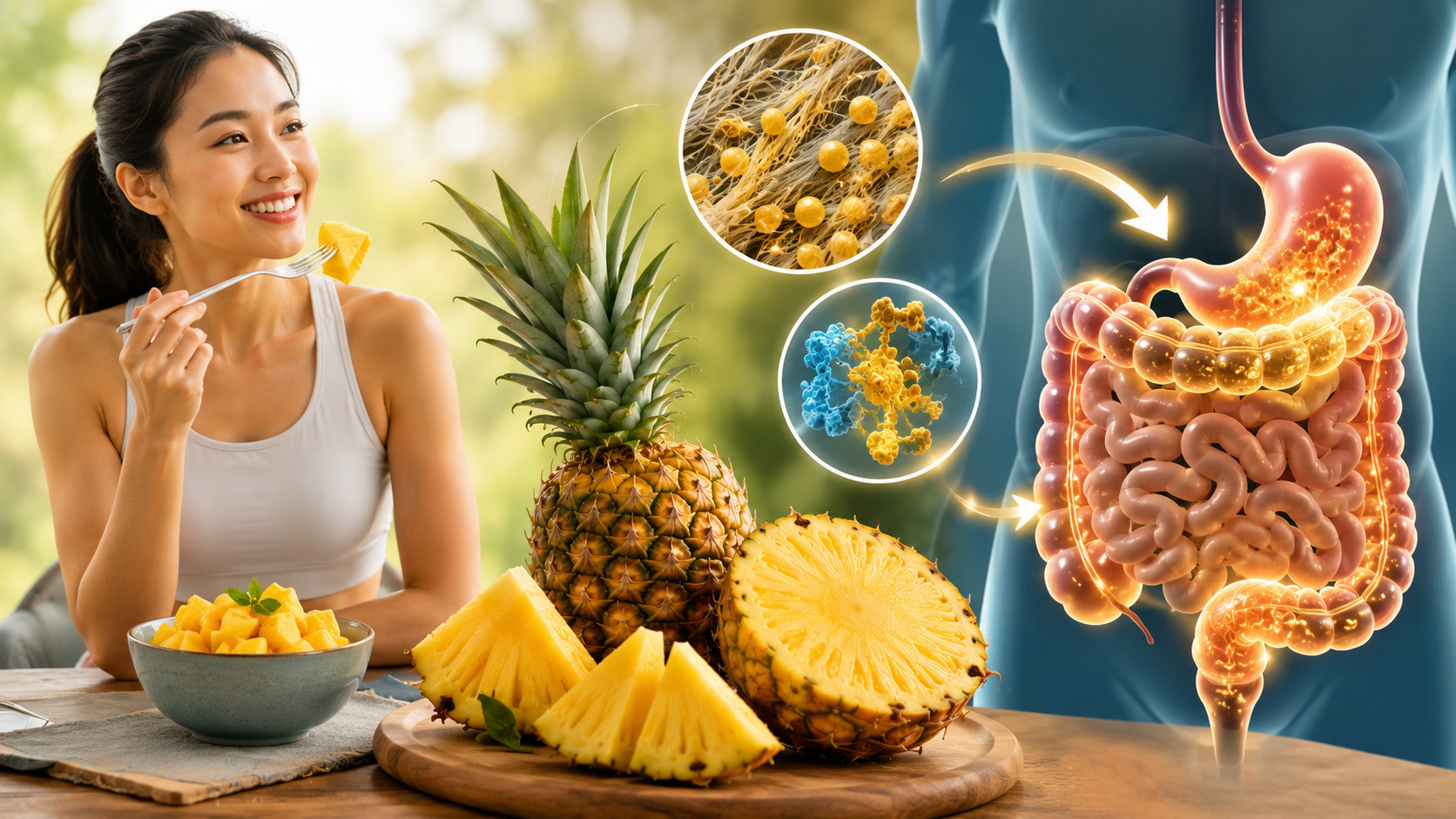
Pineapple contains dietary fiber together with bromelain, a naturally occurring enzyme complex found primarily in the fruit and stem. Fiber supports digestive regularity, while bromelain has long been studied for its protein-digesting properties—which may contribute to digestive comfort after meals. Many women report bloating tied to their menstrual cycle, and a fiber-rich, hydrating fruit can be a gentle addition to a diet that supports digestive comfort.
The National Center for Complementary and Integrative Health (NIH) recognises bromelain as a protein-digesting enzyme with traditional use in digestive health. USDA analysis confirms pineapple provides approximately 1.4 grams of dietary fiber per 100g, contributing to regularity. Overall digestive comfort is also influenced by hydration, physical activity, and overall dietary habits.
4. Provides Natural Antioxidants

Antioxidants help protect cells from oxidative stress caused by unstable molecules known as free radicals. Pineapple contains vitamin C along with plant compounds such as phenolic acids and flavonoids that contribute to its antioxidant capacity. Regular consumption of antioxidant-rich fruits is a feature of the dietary patterns recommended by nutrition professionals worldwide.
Harvard T.H. Chan School of Public Health emphasises that antioxidants like vitamin C protect cells from oxidative damage. Research in Frontiers in Nutrition confirms that pineapple contains multiple antioxidant compounds that work together, and diets rich in such fruits are associated with better long-term health outcomes in women.
5. Bromelain’s Anti-Inflammatory Support and Menstrual Comfort

Bromelain, the enzyme complex unique to pineapple, has been widely studied for anti-inflammatory properties that may be relevant to women who experience cycle-related discomfort. Because menstrual cramps are driven in part by inflammatory compounds, a diet that includes naturally anti-inflammatory foods is a common, gentle self-care approach.
The National Center for Complementary and Integrative Health notes that bromelain has been researched for its role in inflammation, and Frontiers in Nutrition summarises its potential health applications. It is important to be realistic: current evidence on bromelain specifically for menstrual pain is limited, and pineapple should not be viewed as a treatment for period pain or any medical condition. Women with severe or persistent menstrual pain should speak with a healthcare professional. As a nutritious, whole-food part of a balanced diet, however, pineapple is a reasonable choice for women looking for comforting, hydrating options around their cycle.
6. Contributes to Immune Health
A well-functioning immune system depends on adequate intake of many nutrients rather than one specific food. Pineapple contributes vitamin C, which supports normal immune function, alongside water and other micronutrients.
The National Institutes of Health Office of Dietary Supplements confirms vitamin C is important for immune cell development and function, and the World Health Organization’s dietary guidance emphasises regular consumption of vitamin C–rich fruits. Combined with sufficient sleep, regular exercise, and hydration, nutrient-rich fruits like pineapple can play a supporting role in everyday wellness for busy women.
7. Supports Hydration Through the Cycle and Pregnancy

Pineapple contains a high percentage of water, making it refreshing during warm weather, after physical activity, and during times when fluid needs rise—such as menstruation, pregnancy, and breastfeeding. Staying hydrated supports normal body functions including temperature regulation and nutrient transport.
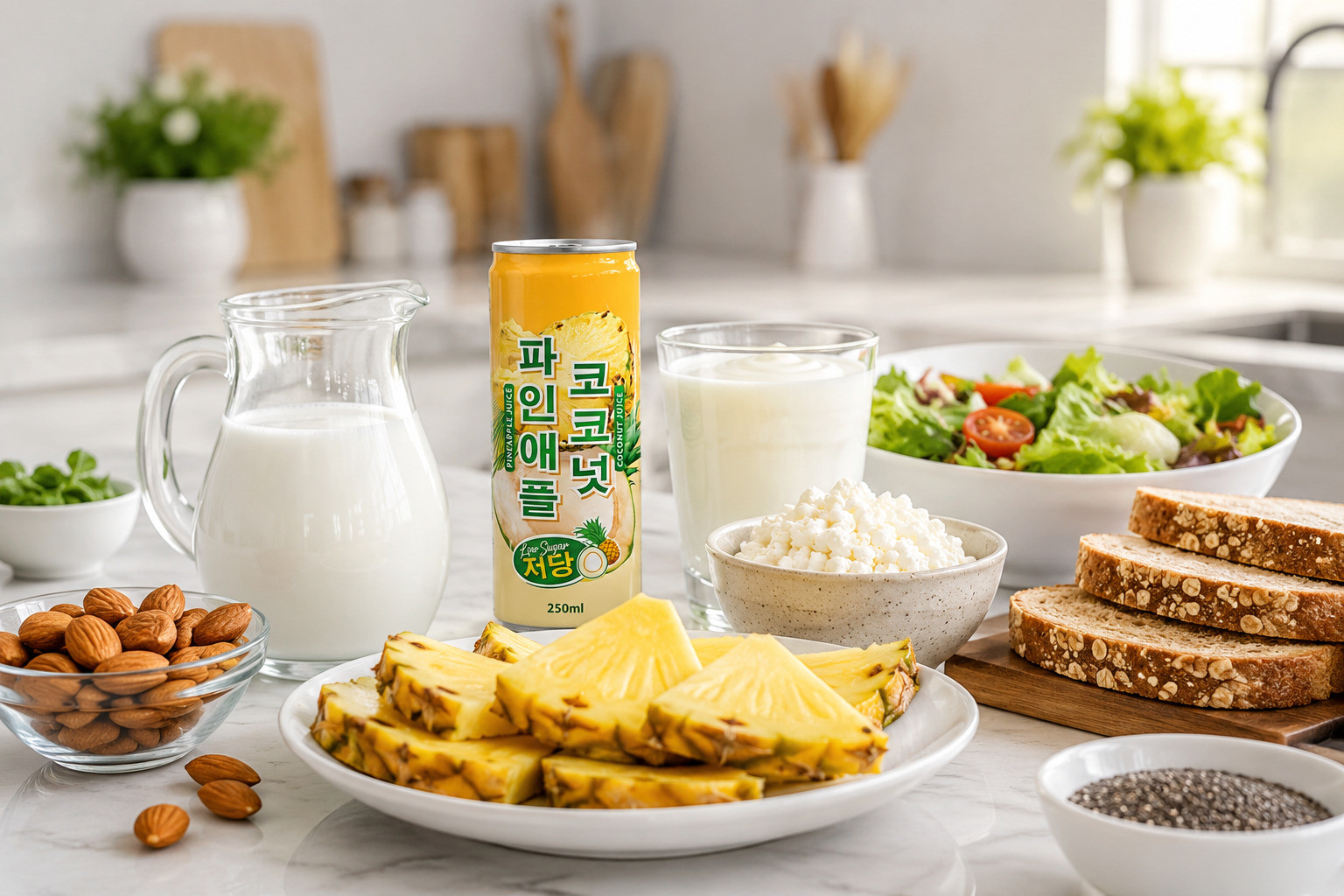
USDA FoodData Central confirms pineapple is approximately 86% water, making it one of the more hydrating fruits. It combines well with yogurt, smoothies, coconut water, or sparkling water for flavourful, naturally hydrating snacks and drinks that help women meet daily fluid needs.
8. Folate for Reproductive and Pregnancy Health
Pineapple provides folate, a B-vitamin that is especially important for women of childbearing age and those planning a pregnancy. Folate supports healthy cell division and is critical in early pregnancy for normal neural tube development, which is why women who may become pregnant are encouraged to maintain adequate folate intake.
The National Institutes of Health Office of Dietary Supplements identifies folate as essential for DNA synthesis and healthy fetal development. While pineapple is not a primary folate source—leafy greens, legumes, and fortified foods provide more—it adds a useful contribution within a varied diet, alongside vitamin C that supports overall nutrient status. Women who are pregnant or trying to conceive should follow their healthcare provider’s guidance, including any recommended folic acid supplementation.
9. Manganese for Bone Health

Manganese is an essential trace mineral involved in normal bone formation and connective tissue production, and pineapple is one of the richer fruit sources of it. Bone health is a particularly important topic for women: the drop in oestrogen after menopause accelerates bone loss and raises the risk of osteoporosis, making a nutrient-supportive diet valuable across the lifespan.
The NIH Office of Dietary Supplements confirms manganese is essential for bone matrix formation, and USDA analysis shows pineapple provides approximately 0.11 mg per 100g. Bone health also depends on calcium, vitamin D, protein, and weight-bearing activity—pineapple contributes one helpful piece of this broader picture for women building and protecting bone density.
10. Naturally Low in Calories and Fat

Replacing highly processed desserts with naturally sweet fruit can help increase intake of vitamins and fiber while reducing added sugars. Pineapple offers satisfying sweetness together with valuable nutrients, making it a practical choice for women seeking healthier snacks without excess calories or fat.
USDA FoodData Central confirms fresh pineapple contains only about 50 calories per 100g with negligible fat. The Academy of Nutrition and Dietetics recommends whole fruits as ideal replacements for processed sweets—no single food causes weight loss, but swapping processed desserts for fruit supports better overall diet quality and sustainable weight management.
11. Energy and Recovery for Active Women
Women with active lifestyles often look for foods that provide carbohydrates for energy along with vitamins and hydration. Pineapple supplies naturally occurring carbohydrates (about 13g per 100g) without added fats, and pairs well with protein-rich foods such as Greek yogurt, cottage cheese, or a post-workout smoothie.
Sports nutrition guidance from the Academy of Nutrition and Dietetics recognises fruit-based snacks as appropriate recovery foods. For active women, combining pineapple’s natural carbohydrates and fluids with a protein source supports energy replenishment and normal recovery after exercise.
12. Versatile and Supports Long-Term Healthy Habits

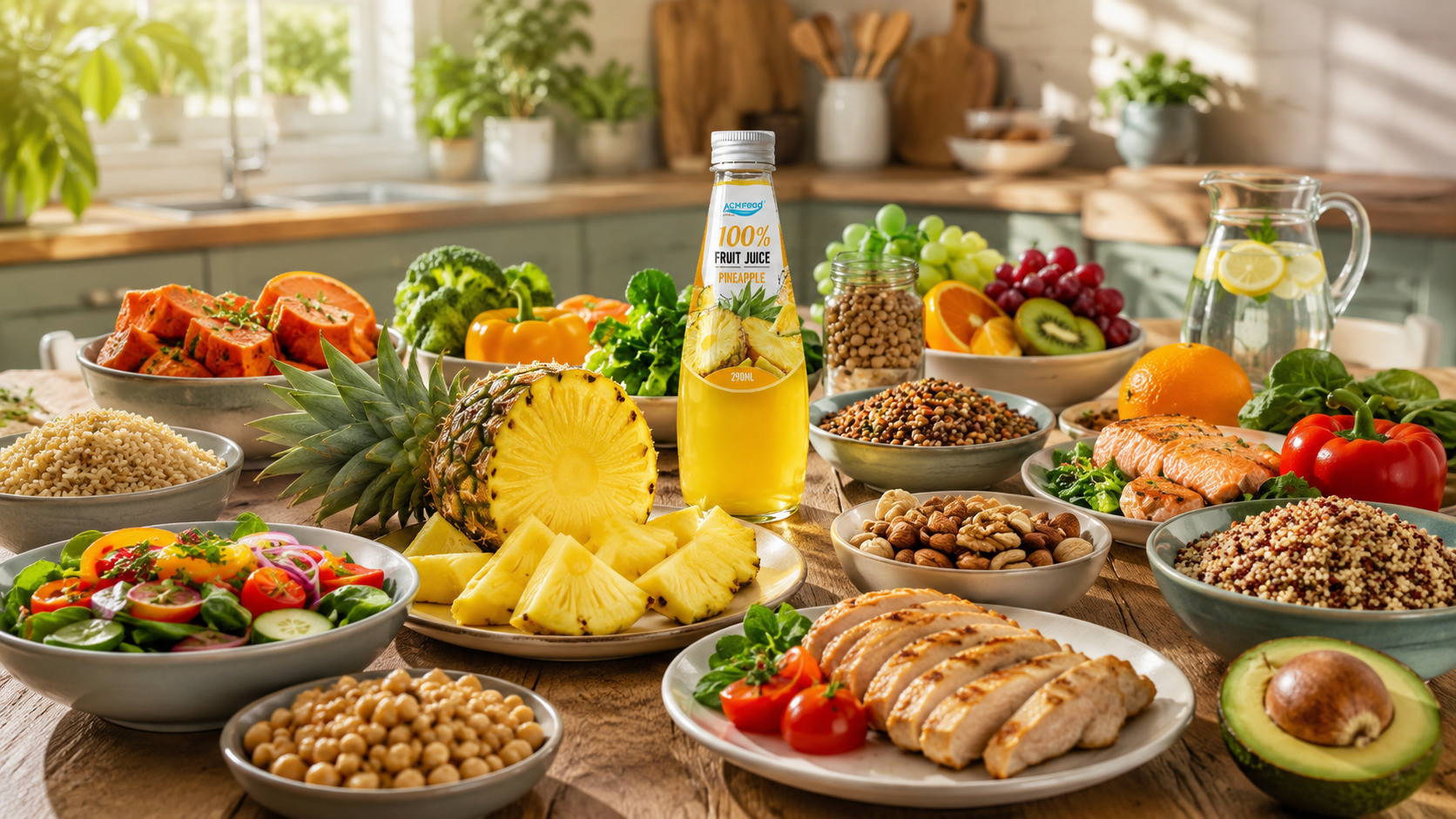
Perhaps the greatest benefit of pineapple is that it makes regular fruit consumption easy and enjoyable. It works at breakfast, as a snack, in salads, grilled dishes, smoothies, fruit bowls, and beverages—pairing naturally with coconut water, ginger, turmeric, and aloe vera in functional drinks. This versatility helps women increase total fruit intake without overhauling their eating habits.
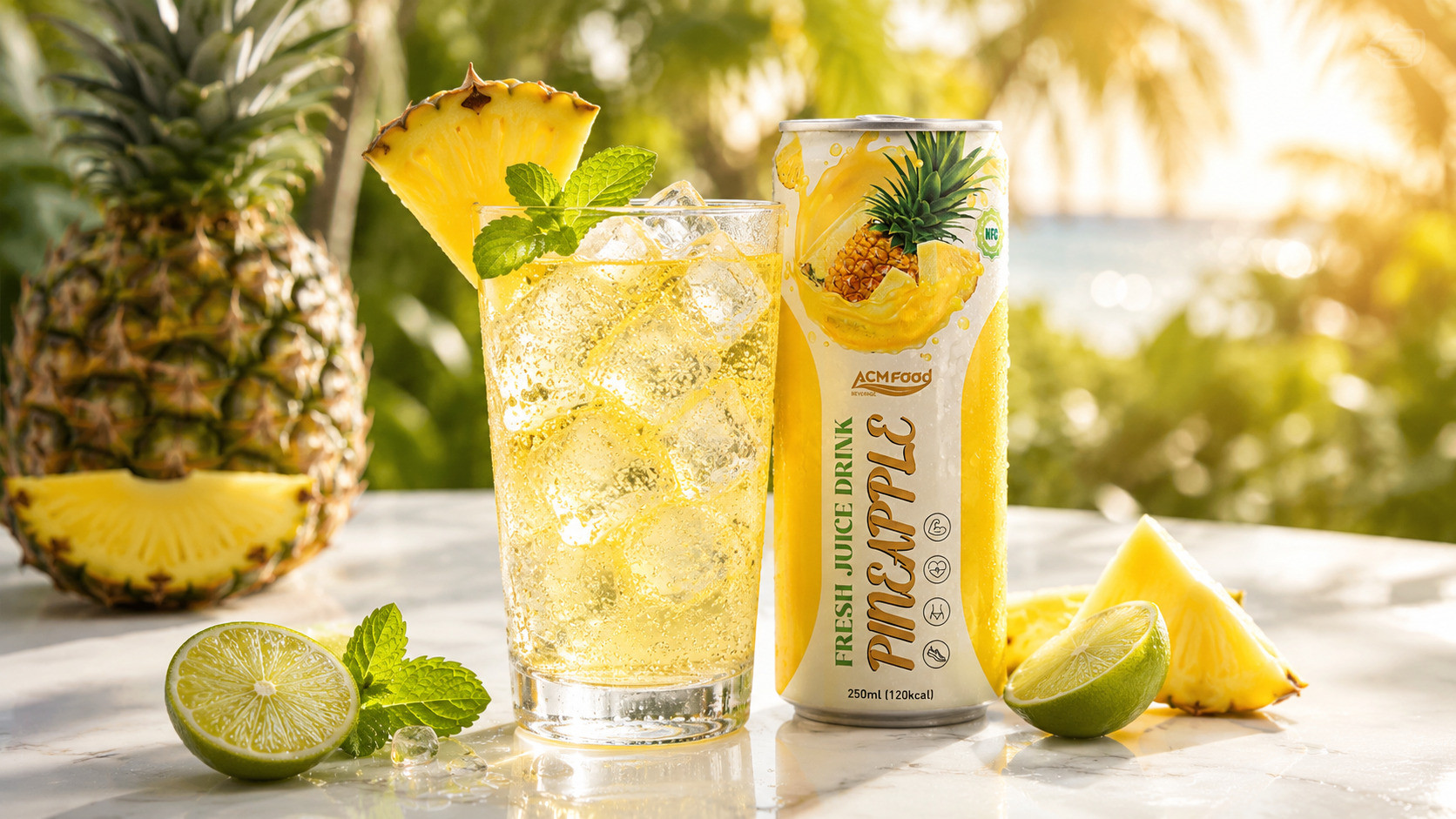
The World Health Organization emphasises that dietary patterns—not individual foods—are the foundation of health. Choosing pineapple regularly alongside vegetables, whole grains, lean proteins, and adequate hydration supports a sustainable approach to nutrition. For a convenient option, 100% pineapple juice without added sugar can help women enjoy pineapple’s flavour and nutrients on busy days.
How Does Pineapple Support Women’s Health at Different Life Stages?

Pineapple supports women’s health by providing nutrients that map to needs across the lifespan: vitamin C and iron absorption during the menstrual years, folate when planning pregnancy, hydration and comfort around the cycle, and manganese for bone health through menopause and beyond. Its value comes from the combined effects of vitamins, minerals, fiber, folate, and naturally occurring plant compounds.
During the reproductive years, vitamin C helps the body absorb iron from plant foods, supporting healthy energy at a time when menstrual iron loss makes deficiency more common. When planning pregnancy, folate-containing foods contribute to reproductive health, though supplementation is often recommended by healthcare providers. Throughout active adulthood, pineapple offers hydration, natural energy, and a low-calorie way to satisfy sweet cravings. Approaching and during menopause, its manganese and antioxidant content support bone and skin health as oestrogen-related changes accelerate.
Although pineapple contains bromelain, vitamin C, folate, and antioxidants that have been widely researched, it is not a treatment or cure for any medical condition. It works best as one nutritious component within a balanced lifestyle that includes regular activity, sufficient sleep, and diverse whole foods—with individual guidance from a healthcare professional where needed.
Frequently Asked Questions About Pineapple for Women
Yes, pineapple can be enjoyed regularly as part of a balanced diet. It provides vitamin C, manganese, folate, fiber, and antioxidants that contribute to women’s health.
As with any fruit, moderation and variety matter—eating a range of fruits and vegetables ensures a wider spectrum of nutrients than relying on one food.
Pineapple contains bromelain, an enzyme studied for anti-inflammatory properties, and because menstrual cramps involve inflammatory processes, some women include anti-inflammatory foods as part of gentle self-care.
However, direct evidence for pineapple relieving period pain is limited, so it should not be relied on as a treatment. If you experience severe or persistent menstrual pain, consult a healthcare professional.
Yes. Pineapple is hydrating and provides vitamin C that helps the body absorb iron—useful during a time of menstrual iron loss.
It is a refreshing, nutrient-rich choice, though it works best as part of a varied, balanced diet rather than as a remedy for specific symptoms.
Fresh pineapple in normal culinary amounts is generally considered safe during pregnancy as part of a balanced diet.
The common belief that pineapple causes miscarriage is not supported by strong evidence at typical dietary levels. That said, pregnancy nutrition is individual, so pregnant women should follow their healthcare provider’s guidance about their specific needs.
Pineapple provides some folate (about 18 mcg per 100g), a nutrient important for women of childbearing age and early pregnancy.
It is not a primary folate source—leafy greens, legumes, and fortified foods offer more—so women planning pregnancy should follow professional advice, which often includes folic acid supplementation.
Pineapple supplies vitamin C, which contributes to normal collagen formation important for healthy skin structure.
Collagen naturally declines with age, particularly around menopause, so regular vitamin C intake supports skin health—though pineapple alone cannot prevent skin aging.
Pineapple can fit a weight-management plan because it is naturally low in fat and offers satisfying sweetness in place of processed desserts.
No single food causes weight loss; long-term success depends on overall calorie balance, activity, and sustainable habits.
Both can be nutritious but are not identical. Fresh pineapple generally contains more fiber, while 100% pineapple juice delivers many vitamins and minerals conveniently.
When choosing juice, options without added sugar are preferred as part of a healthy eating pattern.
As part of a balanced diet, one to two servings of fresh pineapple (about 1–2 cups) is reasonable.
General fruit recommendations are 1.5 to 2 cups per day, with variety from different fruits for the widest nutritional benefit.
For most people, eating pineapple in normal dietary amounts is safe.
Some individuals—particularly those with a pineapple allergy or taking certain medications such as blood thinners or antibiotics—should consult a healthcare professional before significantly increasing pineapple or bromelain intake.
Key Takeaways
- Pineapple is a nutrient-rich tropical fruit providing vitamin C (47.8 mg per 100g), manganese, folate, fiber, antioxidants, and bromelain—nutrients that map to several needs specific to women.
- Its vitamin C helps the body absorb iron from plant foods, a meaningful benefit during the menstrual years when iron loss is common.
- Folate content supports reproductive health, while manganese and antioxidants support bone and skin health through menopause.
- Bromelain’s anti-inflammatory properties are widely studied, though pineapple is not a treatment for menstrual pain or any medical condition.
- Naturally low in calories (about 50 per 100g) and fat, and around 86% water, pineapple is a hydrating, sensible choice for healthy snacking.
- Pineapple works best as part of a balanced lifestyle—women at any life stage can include it in a varied diet, with professional guidance during pregnancy or for specific health needs.
Conclusion
The benefits of pineapple for women extend well beyond its refreshing tropical flavour. Rich in vitamin C, folate, manganese, fiber, antioxidants, and the enzyme bromelain, pineapple speaks to needs that change across a woman’s life—iron absorption during the menstrual years, folate when planning pregnancy, comfort and hydration around the cycle, and bone and skin support through menopause.
While it is not a cure-all, pineapple is a nutritious, versatile fruit that fits easily into everyday meals and beverages. The key to maximising its benefits is treating it as one part of a comprehensive approach to health—combined with regular physical activity, adequate sleep, hydration, and a diverse diet of fruits, vegetables, whole grains, and lean proteins for sustainable, long-term wellness.
Scientific References & Sources
This article is based on peer-reviewed research and guidance from leading health organisations:
- Harvard T.H. Chan School of Public Health – Vitamin C
- Harvard T.H. Chan School of Public Health – Antioxidants
- National Center for Complementary and Integrative Health (NIH) – Bromelain
- USDA FoodData Central – Nutrition Facts for Pineapple
- National Institutes of Health Office of Dietary Supplements – Vitamin C
- National Institutes of Health Office of Dietary Supplements – Folate
- National Institutes of Health Office of Dietary Supplements – Iron
- World Health Organization – Healthy Diet
- Academy of Nutrition and Dietetics
- Frontiers in Nutrition – Bromelain and Pineapple Bioactive Compounds