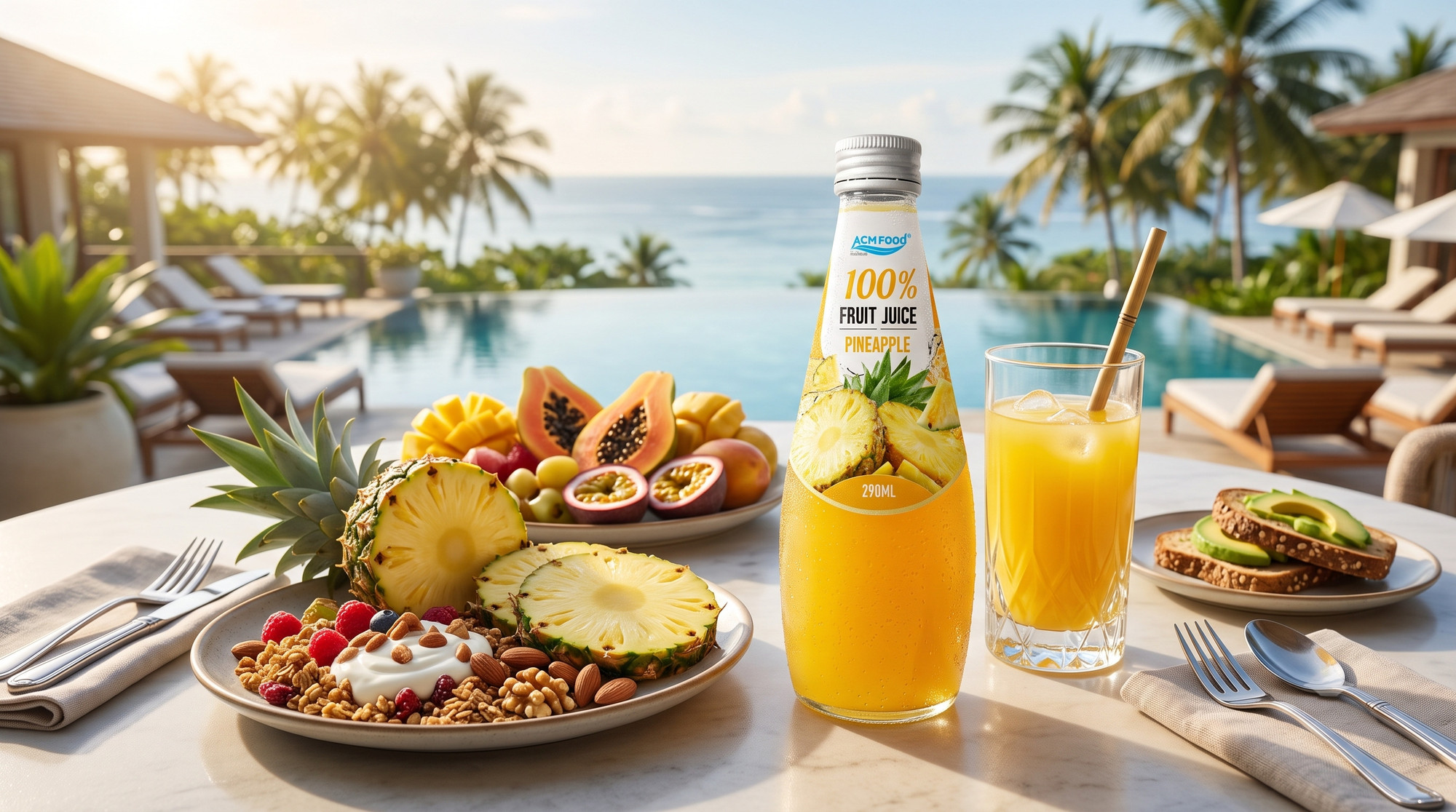

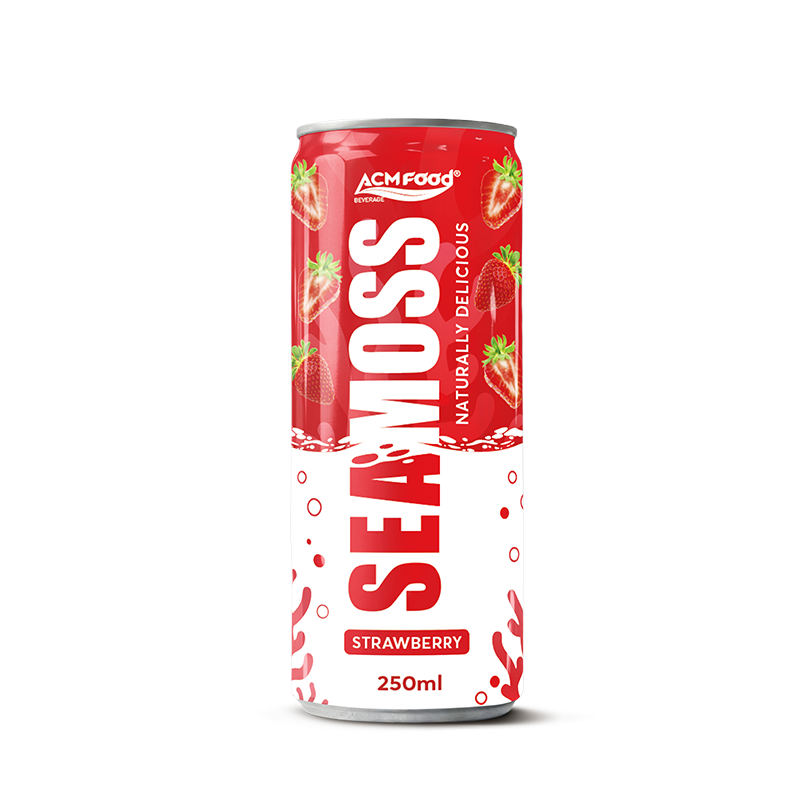
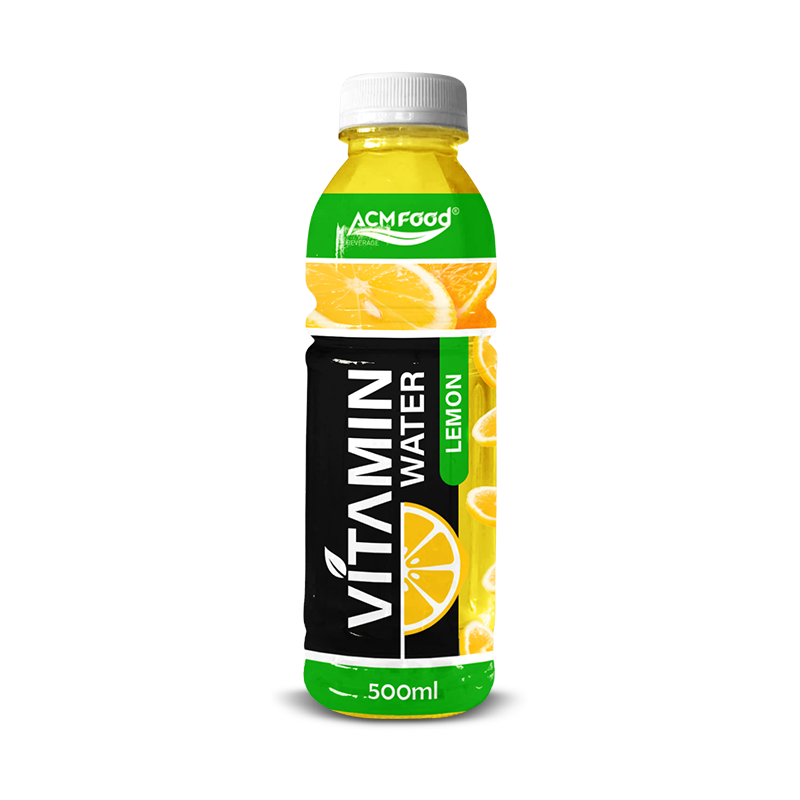
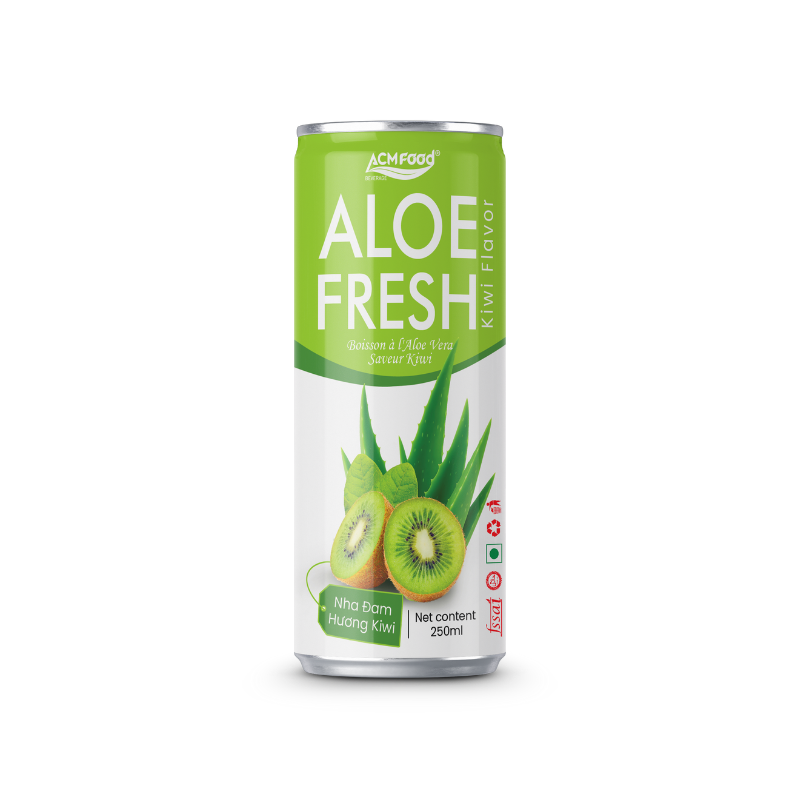
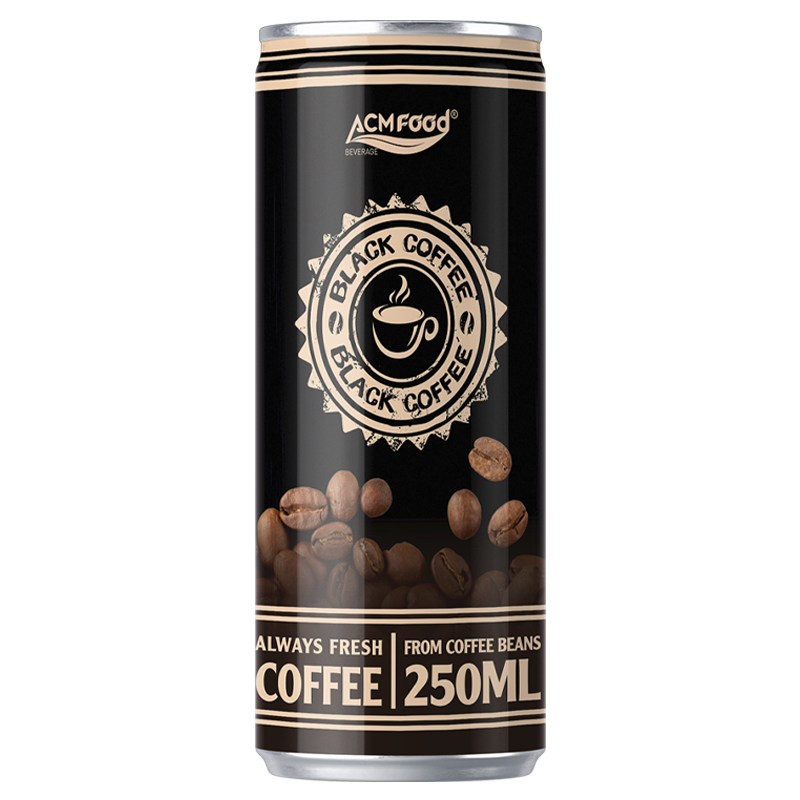
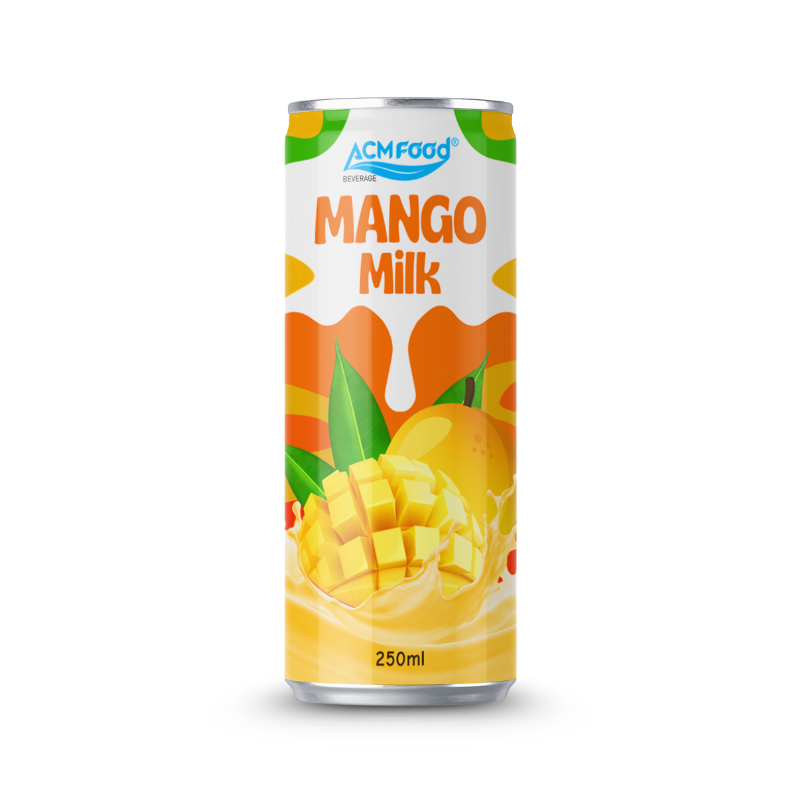
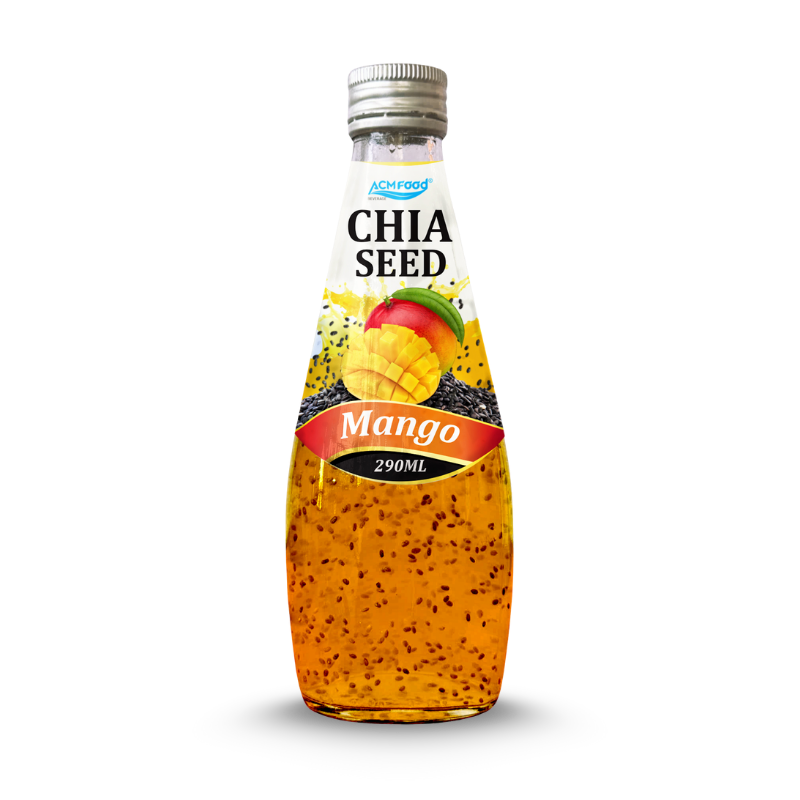
Pineapple Juice OEM for Importers, Wholesalers & Private Labels

Pineapple juice OEM has become one of the most efficient business models for companies looking to launch or expand beverage brands without investing in their own manufacturing facilities. By partnering with an experienced OEM manufacturer, importers, wholesalers, distributors, retailers, and private label businesses can develop customized pineapple juice products that meet their target market requirements while maintaining consistent quality and regulatory compliance.

As global demand for fruit-based beverages continues to evolve, buyers increasingly seek reliable OEM partners capable of offering recipe customization, flexible packaging options, international certifications, and export-ready production. Choosing the right pineapple juice OEM manufacturer is therefore a strategic decision that influences product quality, brand reputation, and long-term business growth.

Quick summary

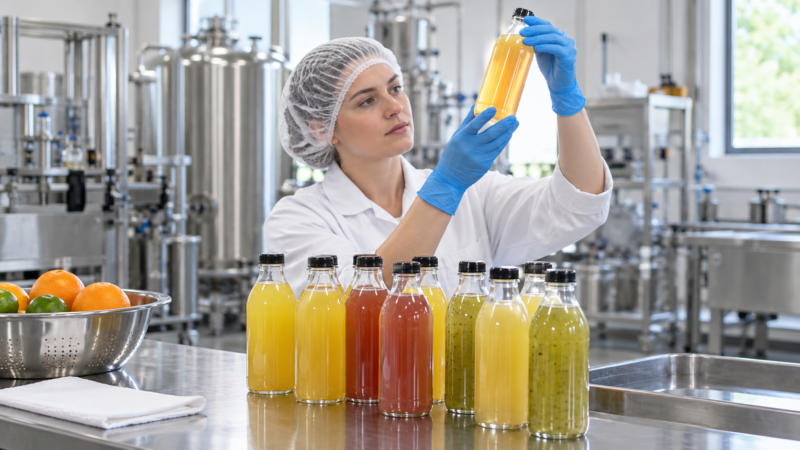
Pineapple juice OEM is a manufacturing service that enables businesses to produce customized pineapple juice products under their own brand. An OEM manufacturer manages product development, sourcing, production, quality control, packaging, and often export support, allowing customers to focus on branding, marketing, and sales.

This model is suitable for importers, wholesalers, supermarket chains, beverage startups, hospitality businesses, and established food brands seeking faster market entry with lower capital investment than building a production facility.

Key facts

CategoryOverview
Business modelOEM and private label beverage manufacturing
Product type100% pineapple juice, juice drink, NFC juice, concentrated juice, blended fruit beverages, functional beverages
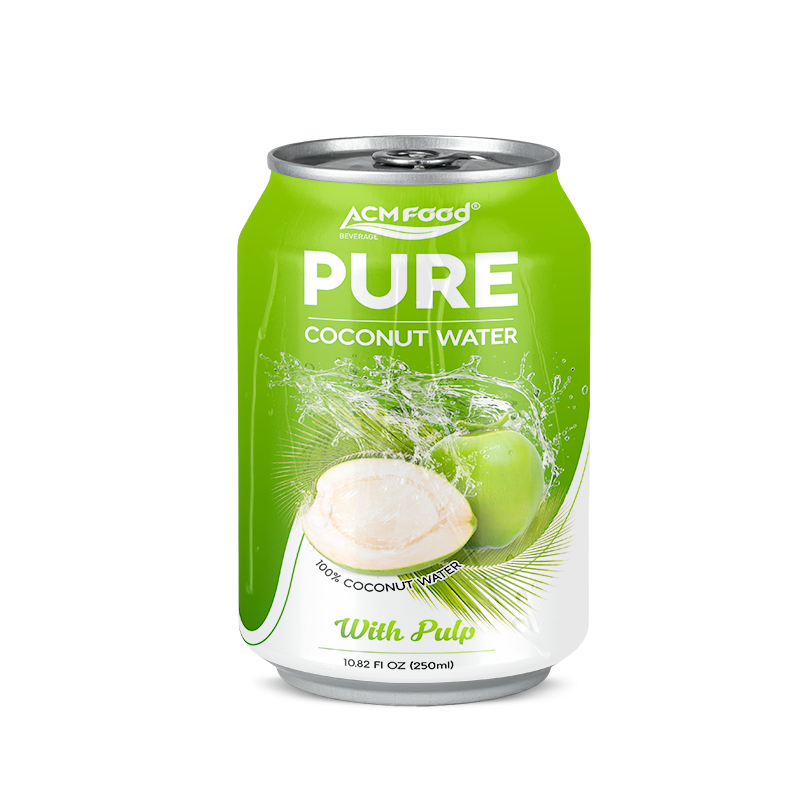
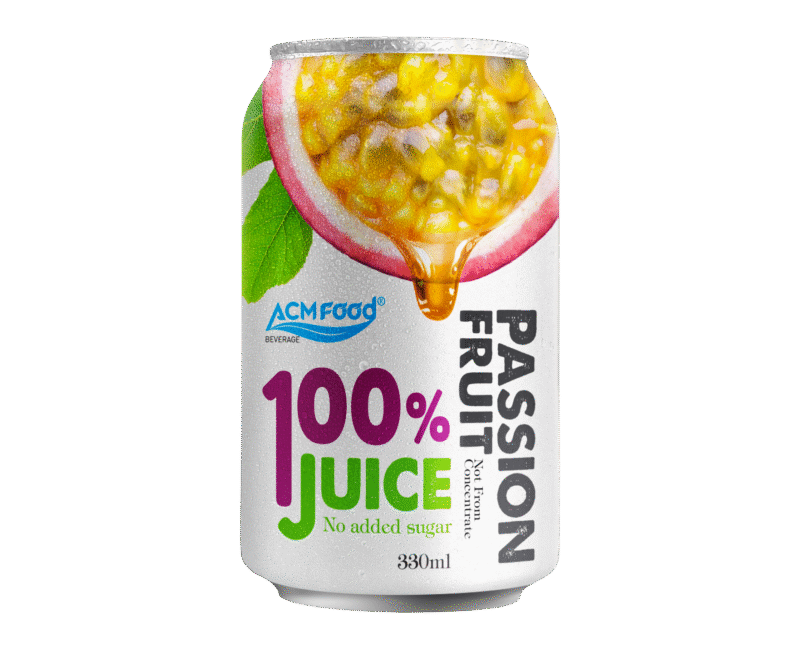
PackagingAluminum cans, PET bottles, glass bottles, aseptic cartons, pouches and customized retail packaging
CertificationsDepending on manufacturer capabilities and target markets, certifications may include HACCP, ISO 22000, FSSC 22000, GMP, Halal, Kosher, FDA registration, BRCGS and others where applicable
Target customersImporters, wholesalers, distributors, retailers, supermarkets, hotel chains, restaurants, cafés, airlines and private label brands
Export marketsNorth America, Europe, Middle East, Asia-Pacific, Oceania, Africa and other international markets subject to local regulations
CustomizationRecipe, sweetness, fruit content, packaging size, branding, labeling and carton design

What is pineapple juice OEM?

Pineapple Juice OEM for Importers, Wholesalers & Private Labels - 1

Pineapple juice OEM is a manufacturing partnership in which a specialized beverage producer manufactures pineapple juice products according to another company’s specifications, allowing the finished products to be sold under the buyer’s own brand.

Unlike purchasing generic beverages, OEM manufacturing provides flexibility to customize nearly every aspect of a product. Buyers can specify fruit concentration, sweetness level, ingredients, packaging formats, labeling requirements, and target market regulations while relying on an experienced production team to handle manufacturing.

For many businesses, this approach significantly reduces the financial and operational risks associated with establishing a beverage factory. Instead of investing in production equipment, quality laboratories, manufacturing staff, and regulatory compliance systems, companies leverage the expertise and infrastructure of an established OEM manufacturer.

Typical customers for pineapple juice OEM services include:

  • Food and beverage importers
  • Wholesale beverage distributors
  • Private label retailers
  • Supermarket chains
  • Hotel and restaurant suppliers
  • E-commerce beverage brands
  • Health food companies
  • Regional beverage startups

Depending on business goals, OEM manufacturers may also provide formulation support, packaging design coordination, sampling, production scheduling, export documentation, and logistics assistance, creating a complete end-to-end manufacturing solution.

How does the OEM manufacturing process work?

The pineapple juice OEM process follows a structured workflow designed to ensure product consistency, food safety, and efficient commercialization. While individual manufacturers may have different procedures, the overall process generally follows several key stages.

1. Product consultation

The process begins by understanding the customer’s objectives, including target consumers, preferred product positioning, desired packaging, distribution channels, and destination markets. These factors influence recipe development and production planning.

2. Formula development

Food technologists develop or refine the beverage formula based on customer requirements. This may include adjusting pineapple juice concentration, sweetness, acidity, pulp content, flavor profile, or incorporating additional fruit ingredients where permitted.

Samples are typically prepared for evaluation before commercial production begins, allowing customers to review taste, appearance, aroma, and overall product performance.

3. Raw material sourcing

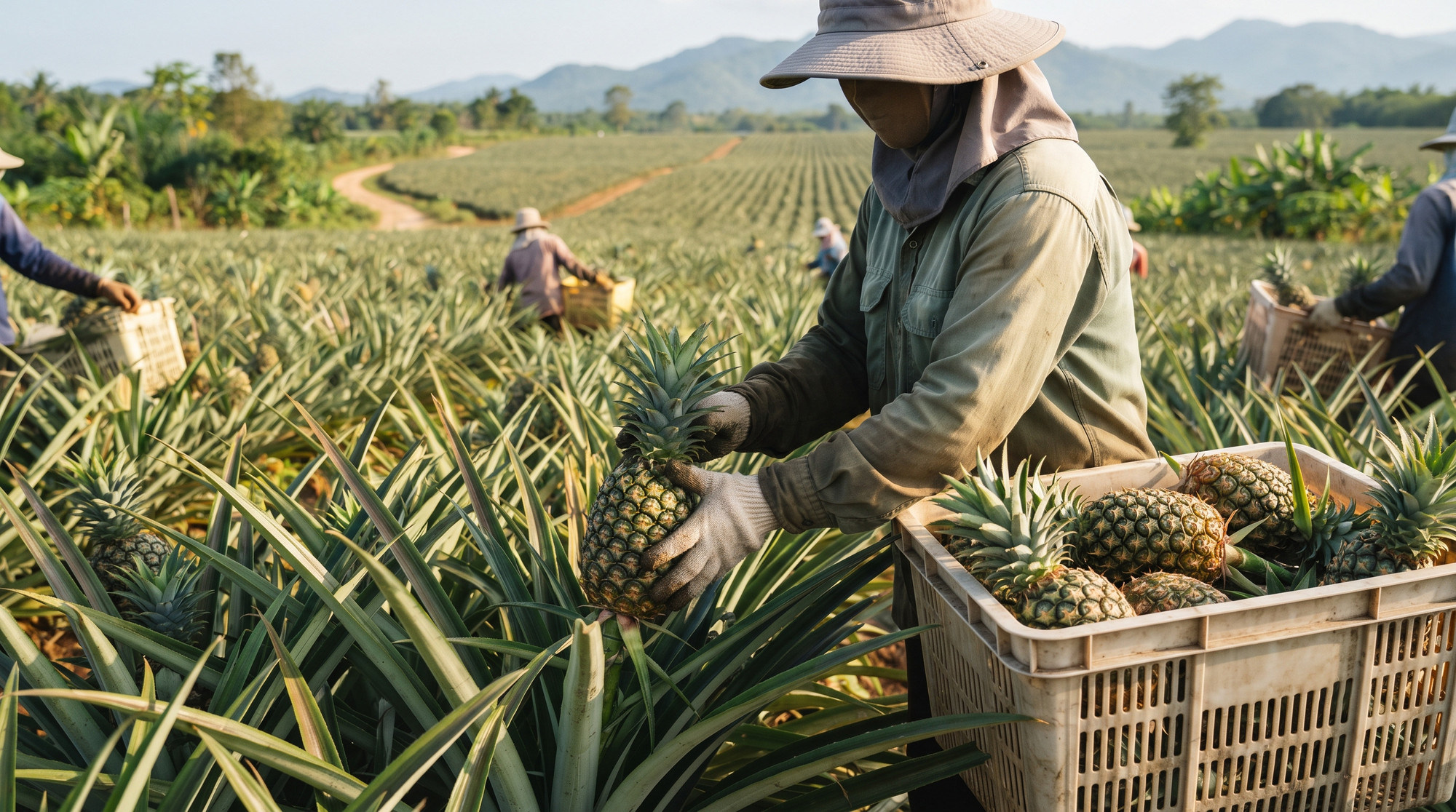
Once the formulation is approved, production-grade raw materials are sourced according to quality specifications. Manufacturers generally implement supplier qualification procedures and ingredient inspections to help maintain consistent production quality.

Ingredient traceability, proper storage conditions, and controlled inventory management contribute to food safety throughout the manufacturing process.

4. Production

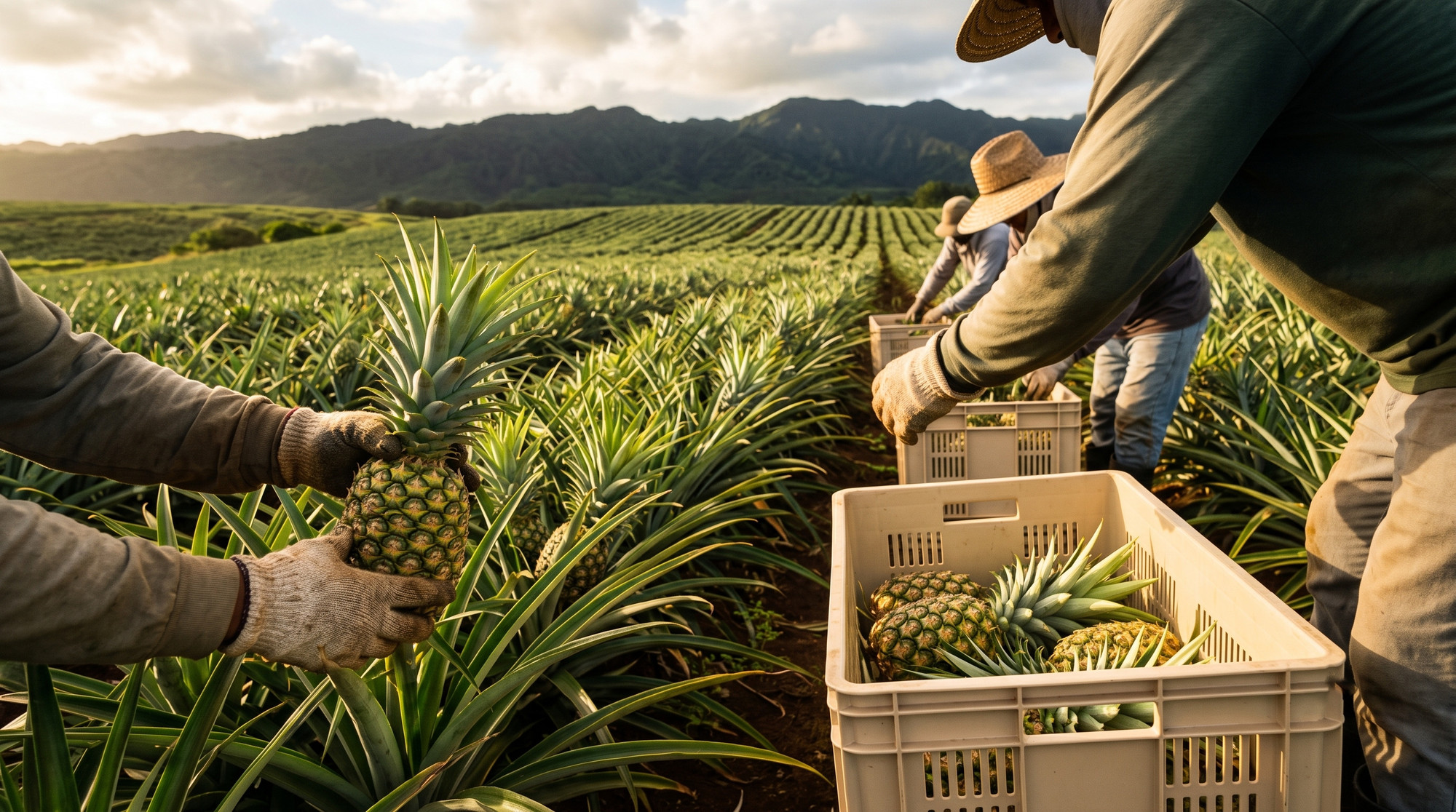
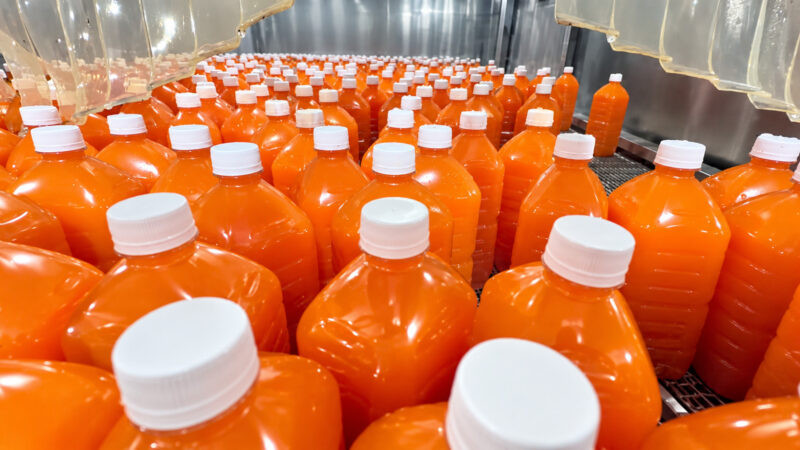
The beverage is produced using industrial processing systems that may include washing, sorting, crushing, juice extraction, filtration, blending, pasteurization or sterilization, depending on the product type and processing technology.

Modern production facilities typically monitor critical processing parameters throughout manufacturing to help maintain consistency between production batches.

5. Filling and packaging

After processing, pineapple juice is filled into the selected packaging format using automated filling systems designed to minimize contamination risks. Packaging options vary according to customer requirements, shelf-life objectives, distribution methods, and target retail channels.

Labeling and packaging artwork are reviewed to ensure compliance with destination market regulations before large-scale production proceeds.

6. Quality control

Quality assurance activities occur throughout production rather than only after manufacturing is complete. Manufacturers commonly conduct inspections covering raw materials, in-process production, finished product evaluation, packaging integrity, and documentation.

Specific testing protocols vary depending on product type, customer requirements, and applicable food regulations.

7. Export preparation

For international customers, the final stage often includes palletizing, container loading, export documentation preparation, and coordination with freight partners. Proper export packaging and documentation help products reach overseas markets more efficiently while supporting customs clearance processes.

A reliable pineapple juice OEM partner not only manufactures beverages but also provides operational expertise that helps businesses shorten product development timelines, improve supply chain efficiency, and scale production as market demand grows.

Why is demand for pineapple juice OEM growing in 2026?

Demand for pineapple juice OEM is growing because beverage brands are seeking faster product launches, lower investment costs, and greater flexibility in responding to changing consumer preferences. Rather than building manufacturing facilities, many companies now partner with experienced OEM producers to reduce risk while accelerating market entry.

Consumers are increasingly interested in fruit-based beverages made with recognizable ingredients, cleaner labels, and convenient packaging. Pineapple juice continues to appeal to a wide range of markets because of its naturally sweet flavor, refreshing taste, and versatility in various beverage categories.

At the same time, retailers and distributors are expanding their private label portfolios. This creates new opportunities for OEM manufacturers capable of producing customized pineapple juice products that align with local regulations, consumer preferences, and brand positioning.

Several factors are contributing to this growing demand:

  • Expansion of private label beverage brands worldwide.
  • Growing consumer preference for fruit-based drinks.
  • Increasing demand for convenient ready-to-drink beverages.
  • Higher interest in customized formulations and premium products.
  • More businesses entering international beverage markets.
  • Lower financial risk compared with investing in manufacturing facilities.

For importers and wholesalers, working with a pineapple juice OEM manufacturer provides the flexibility to introduce new products quickly while maintaining consistent production quality and supply continuity.

What are the global market trends shaping pineapple juice OEM?

The global pineapple juice OEM market is evolving toward premiumization, product customization, sustainable packaging, and export-ready manufacturing. These trends are influencing how beverage brands develop products for both retail and foodservice channels.

Instead of offering only traditional pineapple juice, manufacturers increasingly provide multiple product options that meet different market demands. Businesses are looking for suppliers capable of adapting recipes, packaging formats, and production volumes according to regional preferences.

Premium fruit beverages

Consumers are showing greater interest in beverages that emphasize fruit content, authentic flavor, and premium positioning. Brands often differentiate themselves through ingredient quality, packaging design, and unique flavor profiles rather than competing solely on price.

Functional beverage innovation

Many beverage companies are exploring pineapple juice as a base for products containing vitamins, minerals, electrolytes, collagen, dietary fiber, probiotics, or botanical ingredients where permitted by local regulations.

This allows brands to develop beverages targeting sports nutrition, wellness, beauty, hydration, or lifestyle-focused consumer segments.

Clean label products

Consumers increasingly review ingredient lists before purchasing beverages. As a result, many brands prefer simpler formulations that clearly communicate product ingredients while minimizing unnecessary additives whenever technically feasible.

Sustainable packaging

Environmental considerations continue to influence purchasing decisions. Many retailers and distributors now evaluate packaging recyclability, material efficiency, transportation optimization, and overall sustainability when selecting beverage suppliers.

Regional product customization

Taste preferences vary significantly across international markets. OEM manufacturers capable of adapting sweetness, acidity, fruit concentration, and packaging sizes can better support customers entering multiple export destinations.

What business opportunities does pineapple juice OEM offer?

Pineapple juice OEM creates opportunities for businesses of different sizes to establish beverage brands without investing in production facilities. The OEM model allows companies to focus on marketing, distribution, and customer relationships while manufacturing is handled by experienced specialists.

This flexibility makes OEM manufacturing attractive for both startups and established organizations seeking to expand their beverage portfolios.

Private label retailers

Retail chains increasingly introduce exclusive beverage products to strengthen customer loyalty and improve product differentiation. Pineapple juice is a popular category due to its broad consumer appeal and compatibility with multiple packaging formats.

Importers and distributors

Importers benefit from sourcing products that match local regulations and consumer preferences while maintaining consistent quality across multiple shipments. Customized branding also allows distributors to build long-term market recognition.

Hospitality industry

Hotels, restaurants, cafés, airlines, and catering businesses frequently require beverage solutions tailored to their service models. OEM manufacturers can often provide packaging sizes and product specifications suitable for these commercial applications.

E-commerce beverage brands

Direct-to-consumer brands continue to expand globally. OEM production enables online beverage companies to launch products quickly without managing manufacturing operations internally.

Health and wellness brands

Companies specializing in natural foods, nutrition products, and healthy beverages often incorporate pineapple juice into broader product portfolios. OEM manufacturing allows these brands to develop differentiated products while maintaining consistent quality standards.

What product variations are available through pineapple juice OEM?

Most pineapple juice OEM manufacturers offer multiple product options to serve different customer segments and market requirements. The level of customization depends on production capabilities, ingredient availability, and destination market regulations.

Product typeDescriptionTypical applications
100% Pineapple JuiceMade entirely from pineapple juice without dilution.Premium retail products
Pineapple Juice DrinkJuice blended with water and other permitted ingredients.Mass-market beverages
NFC Pineapple JuiceNot-from-concentrate juice processed to preserve natural characteristics.Premium beverage lines
Concentrated Pineapple JuiceJuice produced from concentrate according to product specifications.Export and foodservice
Blended Fruit JuicePineapple combined with other fruit juices.Mixed fruit beverage ranges
Functional BeveragePineapple juice formulated with approved functional ingredients.Health-oriented brands

Beyond product formulation, OEM manufacturers may also customize sweetness levels, fruit content, flavor intensity, pulp content, nutritional positioning, and packaging appearance according to customer requirements.

What packaging options are available for pineapple juice OEM?

Packaging is one of the most important customization options in pineapple juice OEM because it influences shelf presence, logistics, consumer convenience, and brand positioning.

The optimal packaging depends on the target distribution channel, product positioning, transportation requirements, and intended shelf life.

Packaging formatAdvantagesSuitable markets
Aluminum CanLightweight, recyclable, convenient for retailSupermarkets, convenience stores
PET BottleCost-effective and portableRetail and wholesale
Glass BottlePremium appearance and product presentationHotels, restaurants, premium brands
Aseptic CartonSuitable for extended shelf life under appropriate processing conditionsFamily consumption and export
PouchLightweight and convenient for children and travelSchool and on-the-go markets

OEM manufacturers may also support customized bottle shapes, cap styles, carton configurations, retail-ready packaging, multilingual labels, and shipping cartons designed for international transportation.

How is quality control managed in pineapple juice OEM manufacturing?

Pineapple Juice OEM for Importers, Wholesalers & Private Labels - 2

Quality control is integrated throughout the entire OEM manufacturing process, from raw material sourcing to finished product inspection. A comprehensive quality management system helps manufacturers maintain product consistency while supporting food safety and regulatory compliance.

Although quality procedures differ among manufacturers, reputable OEM facilities generally implement controls at multiple production stages rather than relying solely on final product testing.

Raw material inspection

Incoming ingredients are typically evaluated against predefined quality specifications before entering production. This may include visual inspections, documentation review, and other verification procedures appropriate to the product.

Production monitoring

Critical manufacturing parameters are monitored throughout processing to help ensure product consistency between production batches. Equipment calibration, sanitation procedures, and process documentation all contribute to stable manufacturing performance.

Packaging inspection

Containers, closures, labels, and cartons are inspected to verify packaging integrity and compliance with approved specifications. Proper packaging plays an important role in protecting product quality during storage and transportation.

Finished product evaluation

Completed products are typically assessed according to the manufacturer’s quality management procedures and customer requirements before shipment. Depending on the product and destination market, testing may include physical, chemical, microbiological, or sensory evaluations where appropriate.

Traceability and documentation

Modern OEM manufacturers generally maintain production records that support ingredient traceability, batch identification, and documentation required for quality management and export activities. Effective documentation also facilitates communication with customers and regulatory authorities when necessary.

A manufacturer with a well-established quality management system provides greater confidence for importers, wholesalers, and private label brands seeking long-term supply partnerships in international beverage markets.

How to choose the right pineapple juice OEM manufacturer?

The best pineapple juice OEM manufacturer is one that consistently delivers product quality, food safety, customization capabilities, reliable production capacity, and long-term supply chain support. While pricing is important, businesses should evaluate the overall value and reliability of a manufacturing partner rather than choosing solely based on the lowest quotation.

An experienced OEM partner should understand international food regulations, export requirements, and the commercial challenges faced by importers, wholesalers, and private label brands. The right manufacturer becomes an extension of your business rather than simply a production supplier.

Before selecting a manufacturing partner, evaluate the following factors carefully.

Evaluation CriteriaWhat to Look ForWhy It Matters
Manufacturing ExperienceYears of beverage production and OEM expertiseReduces production risks and improves consistency
Product CustomizationRecipe, sweetness, pulp, packaging, labeling and branding optionsSupports market differentiation
Quality ManagementDocumented quality control procedures and food safety systemsHelps ensure product consistency
Production CapacityAbility to support both initial and large-volume ordersSupports future business growth
Export ExperienceKnowledge of international shipping and documentationSimplifies overseas business
Packaging SolutionsMultiple packaging formats and private label supportProvides greater market flexibility
CommunicationResponsive project management and technical supportImproves project efficiency
Regulatory KnowledgeUnderstanding of destination market requirementsReduces compliance risks

Evaluate manufacturing capabilities

Ask whether the manufacturer can produce different pineapple juice formulations, packaging formats, and production volumes. A flexible production facility allows your brand to expand into new product categories without changing suppliers.

Review quality systems

Quality management should extend throughout sourcing, processing, packaging, storage, and shipment. Manufacturers with documented quality procedures are generally better positioned to maintain consistent product quality over long-term cooperation.

Assess customization options

Every market has different consumer preferences. A capable OEM manufacturer should be able to customize sweetness, fruit content, flavor profile, packaging size, label language, carton design, and branding according to your target market.

Consider long-term partnership potential

The ideal OEM relationship extends beyond a single purchase order. Manufacturers that invest in product development, technical consultation, and continuous improvement often become valuable long-term business partners as your brand grows.

OEM vs building your own factory

Pineapple Juice OEM for Importers, Wholesalers & Private Labels - 3

For most importers, wholesalers, startups, and private label businesses, OEM manufacturing offers a faster and more cost-effective route to market than building a beverage production facility. Establishing a factory requires significant capital investment, specialized expertise, regulatory compliance, and ongoing operational management.

OEM manufacturing allows companies to focus on branding, marketing, customer acquisition, and distribution while leveraging the production capabilities of an experienced manufacturer.

ComparisonOEM ManufacturingBuild Your Own Factory
Initial InvestmentLowVery High
Time to MarketRelatively FastOften Requires Years
Production ExpertiseProvided by ManufacturerMust Be Built Internally
Food Safety SystemsExisting Manufacturing InfrastructureMust Be Developed
Equipment InvestmentNot RequiredExtensive Capital Required
Operational RiskLowerHigher
ScalabilityFlexible Based on DemandLimited by Factory Capacity
FocusBrand Development and SalesProduction and Operations

Although large multinational beverage companies may eventually invest in their own production facilities, OEM manufacturing remains the preferred model for many growing brands because it provides flexibility, lower financial exposure, and faster commercialization.

What export opportunities exist for pineapple juice OEM?

Pineapple juice is widely consumed across global markets, creating export opportunities for private label brands that can meet local regulatory requirements and consumer preferences. Demand varies by region, but pineapple juice remains a popular product in both retail and foodservice sectors due to its refreshing taste and versatility.

Businesses entering international markets should work with OEM manufacturers familiar with export documentation, labeling requirements, packaging standards, and logistics coordination. This experience helps reduce delays and supports smoother international trade.

North America

Consumers in North America continue to purchase fruit juices in supermarkets, convenience stores, club stores, and online retail channels. Premium positioning, convenient packaging, and private label products remain important market segments.

Europe

European buyers often emphasize product quality, transparent labeling, sustainability, and compliance with food regulations. Beverage brands may also differentiate themselves through premium ingredients and environmentally conscious packaging.

Middle East

The Middle East represents an attractive market for fruit beverages due to its growing retail sector, hospitality industry, and demand for convenient ready-to-drink products. Packaging durability and climate-appropriate logistics are important considerations.

Asia-Pacific

Rapid urbanization, expanding modern retail, and increasing disposable income continue to support demand for packaged fruit beverages throughout many Asia-Pacific markets. Local taste preferences may influence sweetness levels and packaging sizes.

Africa

Many African markets continue to experience growth in modern retail and beverage distribution. Importers often seek reliable OEM suppliers capable of providing competitive packaging options and dependable long-term supply.

Future outlook

The future of pineapple juice OEM is expected to be shaped by innovation, sustainability, digital supply chains, and increasing demand for customized beverage solutions. Manufacturers that combine flexible production capabilities with strong quality management systems are likely to remain competitive in international markets.

Several long-term trends are expected to influence the industry:

  • Greater demand for premium fruit beverages.
  • Expansion of private label products across global retail chains.
  • Increasing product personalization through OEM manufacturing.
  • Broader adoption of recyclable and environmentally responsible packaging.
  • Growing interest in functional beverages using fruit juice as a base.
  • Improved manufacturing automation and digital quality monitoring.
  • Enhanced supply chain transparency and ingredient traceability.
  • Continued globalization of beverage exports.

For importers, wholesalers, distributors, and private label companies, these trends create opportunities to develop differentiated pineapple juice products while responding more quickly to changing consumer expectations.

Choosing an experienced pineapple juice OEM manufacturer with strong technical expertise, flexible customization capabilities, and export experience can help businesses remain competitive in an increasingly dynamic global beverage industry.

Frequently asked questions

1. What is pineapple juice OEM?

Pineapple juice OEM is a manufacturing service that allows businesses to sell pineapple juice under their own brand while production is handled by an experienced beverage manufacturer.

The OEM partner typically assists with product formulation, ingredient sourcing, manufacturing, quality control, packaging, labeling, and export preparation. This enables companies to launch products without building their own production facilities.

Yes. Most OEM manufacturers offer recipe customization to meet different market requirements and consumer preferences.

Depending on the manufacturer’s capabilities, businesses may customize fruit concentration, sweetness, pulp content, flavor profile, nutritional ingredients, packaging, and branding while ensuring compliance with applicable food regulations.

Packaging options vary depending on the manufacturer and target market.

Common choices include aluminum cans, PET bottles, glass bottles, aseptic cartons, and pouches. Many OEM manufacturers also support customized bottle designs, private label packaging, multilingual labels, and retail-ready cartons.

The required certifications depend on your destination market and customer requirements.

Many international buyers look for manufacturers operating under recognized food safety management systems. Depending on the facility, certifications may include HACCP, ISO 22000, FSSC 22000, GMP, Halal, Kosher, BRCGS, FDA registration, or other market-specific requirements where applicable.

Yes. OEM manufacturing is often one of the most practical options for beverage startups because it significantly reduces the investment required to launch a new brand.

Instead of purchasing production equipment and hiring manufacturing staff, startups can focus their resources on product development, branding, marketing, and sales while relying on an experienced production partner.

Production timelines vary depending on product complexity, packaging availability, order volume, production scheduling, and shipping destination.

A typical project includes product development, sample approval, packaging preparation, commercial production, quality inspection, and export logistics. Your OEM partner should provide an estimated production schedule during project planning.

Minimum order quantities differ among manufacturers and packaging formats.

Factors influencing MOQ include production efficiency, packaging materials, labeling requirements, and customized formulations. Businesses should discuss MOQ requirements early in the planning process to identify the most suitable production solution.

Evaluate manufacturers based on their production experience, quality management systems, customization capabilities, export knowledge, communication, production capacity, and long-term partnership potential.

Request product samples, review manufacturing processes, discuss quality procedures, and verify that the supplier can support your target markets before making a final decision.

Many beverage OEM manufacturers provide export support in addition to manufacturing services.

Depending on their capabilities, they may assist with export documentation, pallet configuration, container loading, labeling compliance, shipping coordination, and logistics planning for international customers.

The industry is expected to continue evolving toward premium beverages, customized formulations, sustainable packaging, digital manufacturing, and greater supply chain transparency.

Businesses that respond quickly to changing consumer preferences and work with experienced OEM partners will be better positioned to compete in both domestic and international markets.

Key takeaways

  • Pineapple juice OEM enables businesses to launch private label beverages without investing in manufacturing facilities.
  • OEM manufacturing offers flexibility in recipe development, packaging, branding, and production volume.
  • Choosing an experienced manufacturer helps improve product consistency, food safety, and operational efficiency.
  • Packaging, quality management, and export capabilities are important factors when selecting an OEM partner.
  • The OEM model allows companies to focus on brand building, marketing, and distribution while leveraging professional manufacturing expertise.
  • Growing global demand for premium fruit beverages continues to create opportunities for importers, wholesalers, retailers, and private label brands.

Conclusion

Pineapple juice OEM has become a strategic manufacturing solution for companies seeking to build competitive beverage brands with lower investment, faster market entry, and greater operational flexibility. By partnering with an experienced OEM manufacturer, businesses gain access to established production facilities, technical expertise, quality management systems, and customized manufacturing services without the complexity of operating their own factory.

For importers, wholesalers, distributors, supermarket chains, hospitality businesses, and private label companies, selecting the right OEM partner is about more than production capacity. It requires evaluating manufacturing experience, customization capabilities, food safety systems, export knowledge, and long-term collaboration potential.

As consumer demand for premium fruit beverages continues to evolve, businesses that invest in product innovation, reliable manufacturing partnerships, and market-focused branding will be better positioned for sustainable growth in both domestic and international markets.

Share this article: