



 Français
 Español
 العربية
 한국어
한국어In recent years, herbal teas have moved from niche wellness shelves to mainstream grocery stores and café menus around the world. Consumers are increasingly searching for beverages that do more than quench thirst — they want drinks that actively support their health, calm their minds, and fit into a caffeine-free lifestyle. Among the most popular of these modern herbal blends is lemongrass peppermint tea, a vibrant, aromatic infusion crafted from two of nature’s most celebrated botanicals.
Lemongrass peppermint tea combines the bright, citrus-like freshness of lemongrass with the cool, invigorating tingle of peppermint. Together, they create a tea that is both deeply soothing and pleasantly uplifting. Whether enjoyed hot on a chilly morning or served over ice on a warm afternoon, this herbal tea blend has earned a devoted following among health-conscious consumers, tea enthusiasts, and wellness advocates alike.
This article explores everything you need to know about lemongrass peppermint tea — from its origins and ingredients to its health benefits, preparation methods, and growing role in the modern functional beverage market.
What is lemongrass peppermint tea?
Lemongrass peppermint tea is a caffeine-free herbal infusion made from the dried or fresh leaves and stalks of two botanicals: lemongrass (Cymbopogon citratus) and peppermint (Mentha piperita). Unlike conventional teas derived from the Camellia sinensis plant, this blend is entirely plant-based and naturally free of caffeine, making it an appealing option for those who want to reduce their caffeine intake without sacrificing flavor or enjoyment.
Lemongrass tea is native to tropical regions of South and Southeast Asia, including Vietnam, Thailand, and India, where it has been used for centuries in culinary and traditional wellness practices. Peppermint, a natural hybrid of watermint and spearmint, has roots in European and Middle Eastern herbal medicine and is now cultivated worldwide.
The pairing of these two herbs is a natural fit. Lemongrass brings a warm, citrusy, slightly earthy note, while peppermint contributes a sharp, clean coolness. Together, they create a flavor profile that is refreshing, balanced, and instantly recognizable — bright and uplifting on the nose, smooth and gently cooling on the palate.
This herbal tea blend appeals to a wide range of people precisely because of its flavor versatility. It can be enjoyed without sweetener, enhanced with honey or lemon, or combined with other botanicals to create layered, sophisticated blends.
Ingredients in lemongrass peppermint tea
Understanding the ingredients in lemongrass peppermint tea helps clarify why this herbal wellness tea has earned such a loyal following.
Lemongrass
Lemongrass is a tall, perennial grass with long, pale green stalks and a distinctly citrusy aroma. It is widely used in Southeast Asian cuisine — particularly in Vietnamese, Thai, and Indonesian cooking — as well as in traditional herbal medicine systems across Asia and Africa.
When brewed as a tea, lemongrass has a mild, lemony flavor with subtle earthy and floral undertones. It contains active compounds including citral, geraniol, and limonene — all of which contribute to its characteristic fragrance and are associated with antioxidant and antimicrobial properties. Lemongrass is also a source of vitamins A and C, folate, magnesium, and potassium.
Peppermint
Peppermint is one of the world’s most widely used culinary and medicinal herbs. Its leaves are rich in menthol, the compound responsible for its distinctive cool, refreshing sensation. Peppermint also contains menthone, rosmarinic acid, and various flavonoids that contribute to its wellness profile.
As a tea ingredient, peppermint provides a clean, slightly sweet coolness that balances the warmth of lemongrass. Its traditional applications span digestive support, respiratory health, and relaxation — uses that have been documented in herbal medicine traditions for centuries and are now being explored in modern research.
Optional Ingredients
- Many producers and home brewers enhance lemongrass peppermint tea with complementary botanicals and natural additions:
- Ginger — adds warmth, spice, and further digestive support
- Honey — a natural sweetener that also provides mild antimicrobial properties
- Lemon — amplifies the citrus notes and adds vitamin C
- Green tea — for those who prefer a light caffeine lift alongside the herbal blend
- Chamomile — deepens the relaxing, floral quality of the infusion
Top health benefits of lemongrass peppermint tea
This article is for informational purposes only and does not constitute medical advice. Always consult a qualified healthcare professional before making significant changes to your diet or wellness routine.
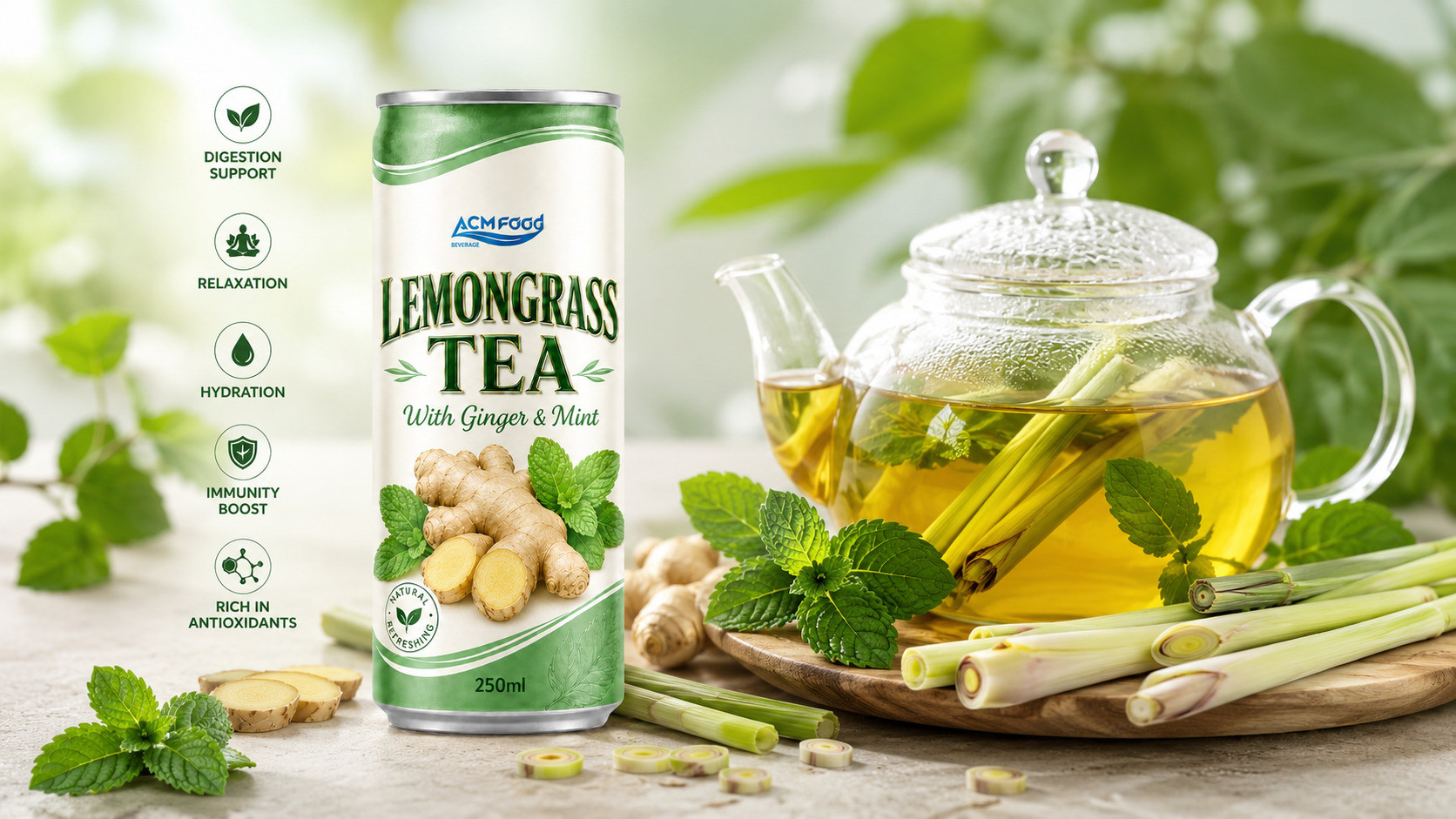
Supports Healthy Digestion
One of the most celebrated benefits of lemongrass peppermint tea is its potential to support digestive comfort. Peppermint has a well-documented relaxing effect on the smooth muscles of the gastrointestinal tract, which may help reduce sensations of bloating, cramping, and indigestion. Lemongrass is traditionally used in Asian herbal systems as a digestive aid, often consumed after meals to ease discomfort.
Together, these herbs make lemongrass peppermint tea an ideal choice as a digestive health tea — particularly when consumed after a heavy meal.
Promotes Relaxation and Stress Relief
The gentle, cooling nature of peppermint combined with the warm, calming aroma of lemongrass makes this blend a natural relaxing herbal tea. Lemongrass contains compounds such as citral that have been associated with mild anxiolytic (anti-anxiety) effects in preliminary research. The simple ritual of preparing and sipping a warm cup of herbal tea is itself a mindful, calming practice that many people find helpful during moments of stress.
Naturally Caffeine-Free
As a caffeine-free tea, lemongrass peppermint tea is suitable for consumption at any time of day — including the evening hours when caffeine can interfere with sleep. This makes it an excellent alternative for individuals reducing their reliance on coffee or caffeinated teas, as well as for children, elderly individuals, and those with caffeine sensitivities.
Rich in Antioxidants
Both lemongrass and peppermint contain a range of antioxidant compounds, including flavonoids and phenolic acids, that help the body defend against oxidative stress. Regular consumption of antioxidant-rich healthy tea drinks is associated with supporting long-term cellular health, though the specific effects depend on diet, lifestyle, and individual factors.
Helps Maintain Hydration
Staying adequately hydrated is essential for virtually every body system, yet many people struggle to drink enough plain water throughout the day. Lemongrass peppermint tea offers a flavorful, appealing way to increase daily fluid intake without added sugar or artificial ingredients. Its pleasant taste encourages consistent consumption, making hydration feel less like a chore and more like a treat.
May Support Immune Wellness
The vitamins, minerals, and antioxidants found in both lemongrass and peppermint contribute to an overall nutrient-rich beverage that may support the immune system as part of a balanced diet. Lemongrass in particular has been used in traditional medicine as a natural tonic during cold and flu season, partly due to its vitamin C content and the antimicrobial properties of its essential oil compounds.
Refreshes Breath Naturally
The menthol content of peppermint is widely recognized as a natural breath freshener, which is why peppermint is a key ingredient in toothpastes, mouthwashes, and chewing gums. Drinking peppermint tea — including lemongrass peppermint tea — provides a similar refreshing effect on breath, making it a pleasant after-meal ritual.
How to prepare lemongrass peppermint tea
Hot Tea Recipe
- Bring 240–300 ml (8–10 oz) of fresh water to just below boiling — approximately 90–95°C (195–205°F).
- Add 1 tablespoon of dried lemongrass peppermint tea blend (or one tea bag) to your cup or infuser.
- Pour the hot water over the herbs and steep for 5–7 minutes.
- Remove the tea bag or strain the loose leaves.
- Optionally add honey, a slice of lemon, or a thin slice of fresh ginger to taste.
- Sip slowly and enjoy.
Iced Tea Recipe
- Prepare a double-strength hot brew using the recipe above (double the herb quantity).
- Allow the tea to cool to room temperature.
- Pour the tea over a glass filled with ice cubes.
- Add a slice of lemon, fresh mint leaves, or a drizzle of honey for garnish.
- Serve immediately and enjoy the refreshing flavor.
Brewing Tips for Best Flavor
- Avoid boiling water — temperatures above 100°C can destroy delicate aromatic compounds in peppermint.
- Do not over-steep — more than 8 minutes may result in a slightly bitter taste.
- Use filtered water for a cleaner, purer flavor.
- Fresh lemongrass stalks (bruised with a knife) create a more intense, vibrant flavor than dried.
- Store dried blends in an airtight container away from light and heat to preserve freshness.
When is the best time to drink lemongrass peppermint tea?
- One of the many advantages of lemongrass peppermint tea is its versatility across the day:
- Morning: A cup upon waking provides a gentle, caffeine-free energy boost without the jitters associated with coffee. The refreshing peppermint helps clear the mind and sharpen focus.
- Afternoon: As an afternoon pick-me-up, iced lemongrass peppermint tea is a refreshing alternative to sugary soft drinks or a second coffee.
- After meals: Enjoyed hot after lunch or dinner, this digestive health tea may help ease post-meal bloating and support comfortable digestion.
- Before bedtime: As a caffeine-free tea, it is safe to drink in the evening. The calming, aromatic blend may support relaxation and prepare the body for restful sleep.
Who should drink lemongrass peppermint tea?
- Lemongrass peppermint tea is a broadly appealing herbal wellness tea suitable for a wide range of people and lifestyles:
- Busy professionals looking for a calming, focused alternative to their afternoon coffee
- Health-conscious consumers seeking natural, plant-based beverages with functional benefits
- Individuals reducing caffeine intake who still want a flavorful, satisfying hot drink
- Herbal tea lovers exploring new and interesting botanical blends
- Wellness-focused individuals building mindful daily rituals around food and drink
Its approachable flavor profile also makes lemongrass peppermint tea a great introduction to herbal teas for those new to the category.
Potential considerations
While lemongrass peppermint tea is generally well-tolerated by most adults, a few considerations are worth noting:
- Possible sensitivities: Some individuals may experience sensitivity to menthol or lemongrass essential oils, particularly in high concentrations. If you notice any discomfort, reduce the steeping time or limit your intake.
- Pregnancy considerations: Pregnant women are often advised to consume herbal teas in moderation and consult their healthcare provider before adding any new herbal beverage to their diet. Peppermint in very large amounts is not recommended during pregnancy.
- Excessive consumption: Like any botanical product, moderation is key. Drinking large volumes of any single herbal tea is not recommended. Two to three cups per day is generally considered a reasonable intake for most adults.
As always, consult a qualified healthcare professional if you have specific medical conditions or concerns.
Lemongrass peppermint tea in the modern beverage market
The global herbal tea market is experiencing remarkable growth. Consumers across North America, Europe, and Asia-Pacific are increasingly prioritizing wellness, natural ingredients, and functional beverages — trends that have driven consistent year-on-year growth in the herbal and botanical tea category.
Lemongrass peppermint tea sits squarely within several of the most dynamic segments of this market: caffeine-free teas, natural detox teas, and relaxing herbal teas designed for stress relief and digestive comfort. The rise of ready-to-drink (RTD) herbal teas has further expanded the reach of blends like this one, making them accessible to consumers who may not brew loose-leaf tea at home.
For beverage manufacturers, importers, and distributors, this represents a compelling commercial opportunity. The growing demand for clean-label, functional herbal beverages has created significant interest in private label and OEM tea development. Brands looking to enter or expand in the wellness beverage space frequently seek high-quality herbal blend formulations that can be scaled for retail, foodservice, or export markets.
Lemongrass peppermint tea, with its broad sensory appeal, strong wellness associations, and versatile format options (loose-leaf, bagged, concentrated, RTD), is an ideal candidate for product development in this space.
Conclusion
Lemongrass peppermint tea is far more than a pleasant herbal infusion. It is a thoughtfully crafted blend of two powerful botanicals — lemongrass and peppermint — that together deliver a remarkable combination of flavor, aroma, and wellness potential.
From supporting healthy digestion and promoting relaxation to offering a naturally caffeine-free alternative to conventional teas and coffees, lemongrass peppermint tea meets the needs of a wide and growing audience of health-conscious beverage drinkers.
Whether you brew it hot on a quiet morning, serve it iced at a summer gathering, or explore it as a base for functional beverage formulations, lemongrass peppermint tea is a versatile, delicious, and genuinely beneficial addition to any tea collection.
If you haven’t yet discovered the simple pleasure of this herbal tea blend, now is the perfect time to steep your first cup — and experience the difference that nature’s finest herbs can make.
Frequently asked questions (FAQs)
Turning this into a product
For the formats, ingredients and processing routes the factory actually runs, see beverage product capabilities. For how contract production is structured, see OEM beverage manufacturing; for launching under your own label, see private label beverages. Raw material specification is covered in ingredients and sourcing. To discuss a specification, request a quote.
Request a quote