


 Français
 Español
 العربية
 한국어
한국어The global beverage market continues to move toward products that offer more than simple refreshment. Consumers are looking for drinks with recognizable ingredients, authentic flavors, and a story they can connect with. This shift has created strong opportunities for herbal and botanical beverages, particularly those based on ingredients with long-standing culinary traditions.
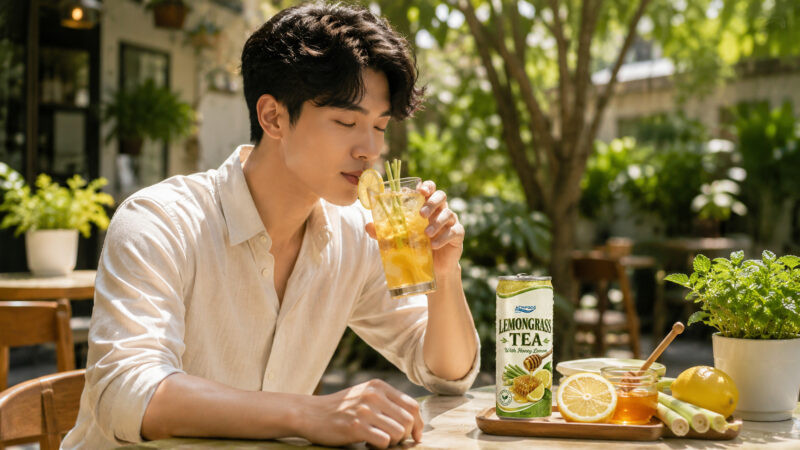
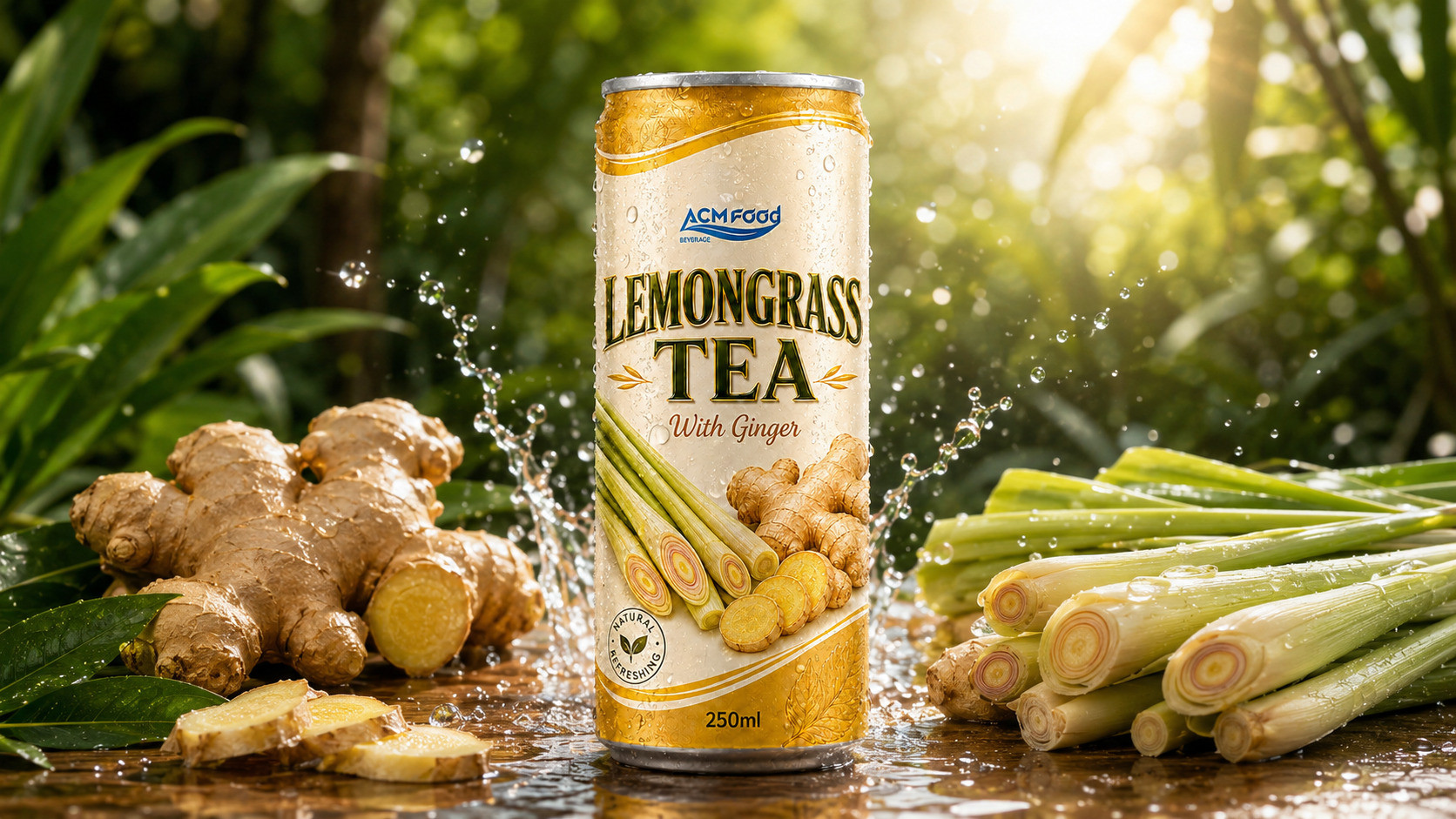
Among these products, ginger and lemongrass drink has gained attention across multiple markets. It combines the warming taste of ginger with the fresh citrus aroma of lemongrass tea, creating a flavor profile that appeals to consumers seeking natural alternatives to conventional soft drinks.
For retailers, distributors, and private label brands, the category presents an opportunity to enter a growing segment without competing directly with heavily saturated soda markets. The question is no longer whether consumers are interested in botanical beverages. The real question is how businesses can position the right product to meet this demand.
Why ginger and lemongrass drink continues to gain market traction
Consumer preferences have changed significantly over the past decade. Many buyers now read ingredient labels more carefully than they did before. Products containing familiar ingredients often receive greater attention than beverages with artificial flavor systems.
Ginger and lemongrass are widely recognized around the world. Ginger appears in traditional recipes across Asia, Europe, North America, and the Middle East. Lemongrass has become increasingly popular in international cuisine and modern beverage development.
When these two ingredients are combined, they create a balanced taste experience. Ginger provides warmth and spice, while lemongrass contributes a light citrus note. The result is a beverage that feels refreshing yet distinctive.
From our experience working with beverage buyers, products that offer recognizable ingredients often attract interest faster during product presentations. Buyers understand the ingredients immediately, and consumers are less hesitant to try something new when the flavor concept feels familiar.
This is one reason why ginger and lemongrass drink has expanded beyond specialty stores and entered mainstream retail channels.
The rise of botanical beverages worldwide
Botanical beverages have moved from niche shelves into supermarkets, convenience stores, cafés, and online marketplaces. Consumers increasingly associate herbs, fruits, and plant-based ingredients with cleaner beverage options.
A decade ago, herbal drinks were often limited to tea products. Today, the category includes sparkling beverages, functional drinks, ready-to-drink teas, wellness beverages, and premium canned products.
Ginger has become one of the most frequently used ingredients in this movement. Its flavor is instantly recognizable and works well across different beverage formats. Lemongrass complements ginger naturally, adding freshness without overwhelming the taste profile.
What makes this combination attractive for commercial markets is its versatility. It appeals to health-conscious consumers, ethnic food enthusiasts, young professionals, and shoppers looking for alternatives to traditional carbonated beverages.
Few flavor combinations can cross as many demographic groups as effectively.
Why retailers are adding ginger and lemongrass drink to their portfolios
Retail shelf space is competitive. Every new product must justify its position.
Ginger and lemongrass drink offers several advantages that retailers find attractive. First, it occupies a category that sits between traditional soft drinks and wellness beverages. This allows stores to target multiple consumer segments with a single product line.
Second, the ingredients already have strong consumer recognition. Retailers do not need to spend significant resources educating shoppers about what ginger or lemongrass is.
Third, the product works well in different store formats. It can be sold in supermarkets, organic stores, Asian grocery chains, convenience stores, cafés, airport retail locations, and e-commerce channels.
I’ve seen beverage buyers become interested simply because the product solves a merchandising challenge. It offers something different without feeling unfamiliar.
That balance matters when introducing new beverages.
Distribution opportunities across international markets
Many beverage categories depend heavily on local tastes. Ginger and lemongrass drink is different because its flavor profile already exists in numerous culinary traditions around the world.
In Southeast Asia, consumers are familiar with herbal beverages containing ginger and lemongrass. In North America, botanical and wellness drinks continue to attract attention. In Europe, natural ingredient beverages are gaining shelf space across premium retail channels.
The Middle East also presents opportunities, particularly in modern retail environments where consumers seek premium imported beverage options.
Because the ingredients are internationally recognized, distributors can often introduce the product without extensive market education campaigns.
This lowers market entry barriers and can shorten the path from product launch to commercial sales.
Consumer trends supporting category growth
Several long-term trends continue to support demand for ginger and lemongrass drink.
Consumers increasingly seek beverages with shorter ingredient lists. They also show interest in products inspired by traditional ingredients and global flavors.
Another trend is flavor exploration. Younger consumers are often willing to try beverages that offer something beyond standard cola, orange soda, or lemon-lime drinks.
At the same time, many shoppers still prefer products they can understand immediately. Ginger and lemongrass satisfy both needs. The flavor feels different enough to be interesting but familiar enough to feel approachable.
This combination creates a favorable position within modern beverage portfolios.
Packaging formats that work for modern retail
Packaging plays a major role in beverage success.
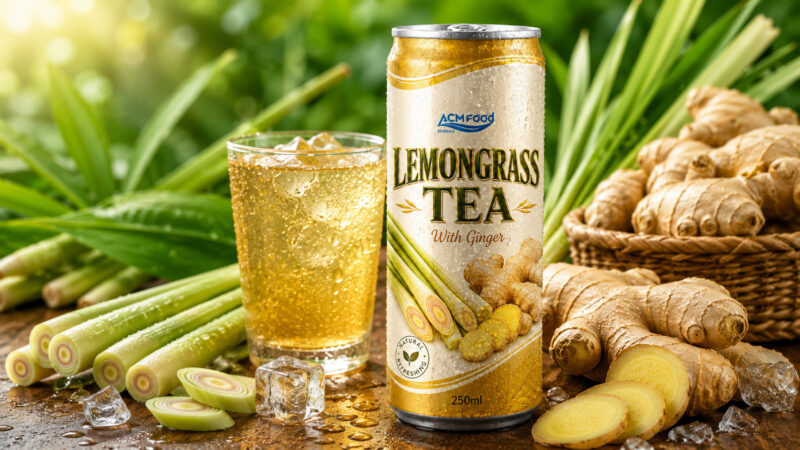
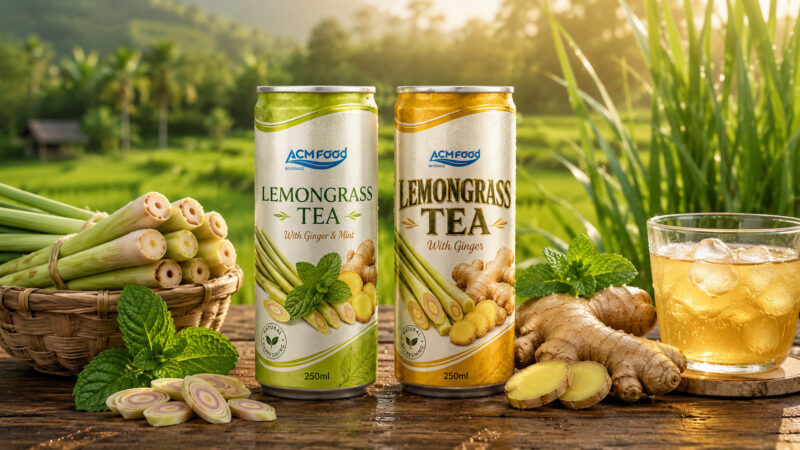
Today, aluminum cans remain one of the most popular formats for ginger and lemongrass drink. They offer durability, convenience, and strong visual presentation on retail shelves.
The 250ml, 320ml, and 330ml formats are particularly common because they match consumer expectations for ready-to-drink products.
Glass bottles can also perform well in premium retail channels, specialty stores, and hospitality environments. PET bottles may provide advantages in certain distribution networks where cost efficiency is a major consideration.
The ideal format depends on the target market, price positioning, and distribution strategy.
Many private label brands begin with a single format before expanding into additional packaging options after establishing market traction.
Private label opportunities for growing beverage brands
Launching a beverage brand from scratch can seem complex. However, private label manufacturing has reduced many traditional barriers.
Businesses can introduce ginger and lemongrass drink under their own brand without investing in production facilities, filling lines, or beverage processing equipment.
This model allows companies to focus on branding, sales, marketing, and distribution while manufacturing is handled by an experienced supplier.
For entrepreneurs, distributors, and retail chains, private label development creates flexibility. Products can be customized based on target market preferences, packaging requirements, and brand positioning goals.
Some clients choose a classic ginger-forward profile. Others prefer a lighter lemongrass emphasis. Flavor adjustments can help align products with regional preferences.
This flexibility has become one of the primary drivers behind private label growth in the beverage industry.
What distributors should look for in a ginger and lemongrass drink supplier
Selecting the right supplier is often more important than selecting the product itself.
A reliable supplier should have experience with export documentation, international shipping requirements, and regulatory compliance. These factors directly affect delivery timelines and market entry.
Manufacturing capacity is another critical consideration. A supplier may produce excellent samples, but can they support container-scale orders consistently?
Quality control systems should also be evaluated carefully. Buyers should ask about production standards, testing procedures, and traceability practices.
From practical experience, distributors often encounter challenges not because of product quality but because of communication gaps and inconsistent production planning. Working with an experienced export-oriented manufacturer can reduce these risks significantly.
Why Vietnam has become an attractive sourcing destination
Vietnam has emerged as a major beverage manufacturing hub for international markets.
The country offers access to tropical ingredients, competitive production costs, modern manufacturing facilities, and established export infrastructure.
For ginger and lemongrass drink production, Vietnam provides direct access to ingredients commonly used throughout Southeast Asian food and beverage traditions.
This creates advantages in sourcing, formulation development, and production efficiency.
Many international buyers also appreciate Vietnam’s growing expertise in OEM and private label beverage manufacturing. Production facilities increasingly support global standards required by importers and retail chains.
As a result, Vietnam continues to attract beverage brands seeking reliable manufacturing partners.
How OEM manufacturing supports faster market entry
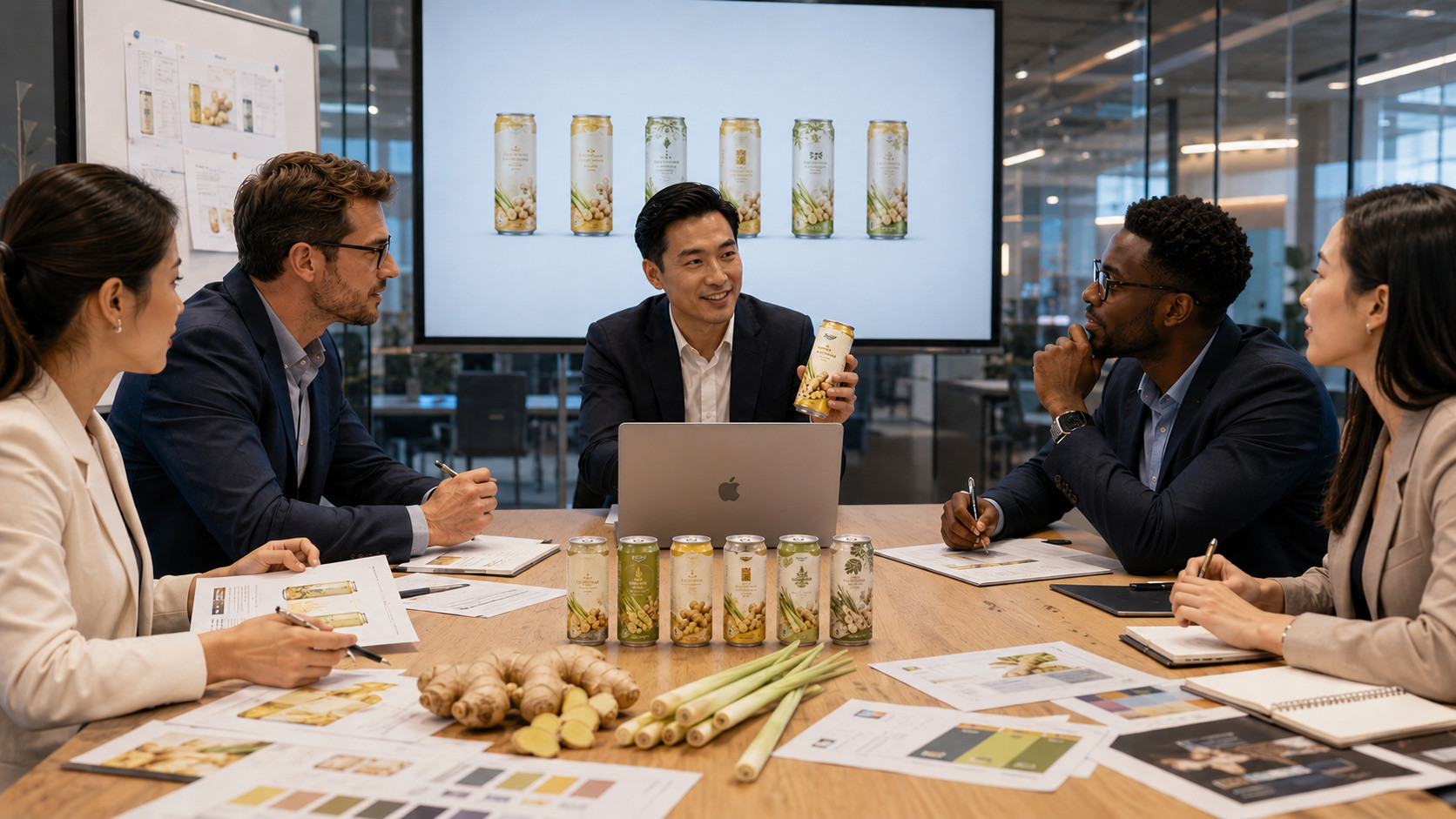
Developing a beverage internally can take months or even years.
OEM manufacturing offers a faster route to market. Existing production systems, formulation expertise, and packaging capabilities allow brands to move from concept to commercial production more efficiently.
This approach is particularly valuable for distributors testing new categories. Instead of committing significant capital to manufacturing infrastructure, they can evaluate market response using outsourced production.
If demand grows, production volumes can scale accordingly.
This reduces financial risk while preserving growth opportunities.
For many beverage companies, OEM partnerships serve as a practical pathway for expansion into new product categories such as ginger and lemongrass drink.
The future outlook for ginger and lemongrass drink
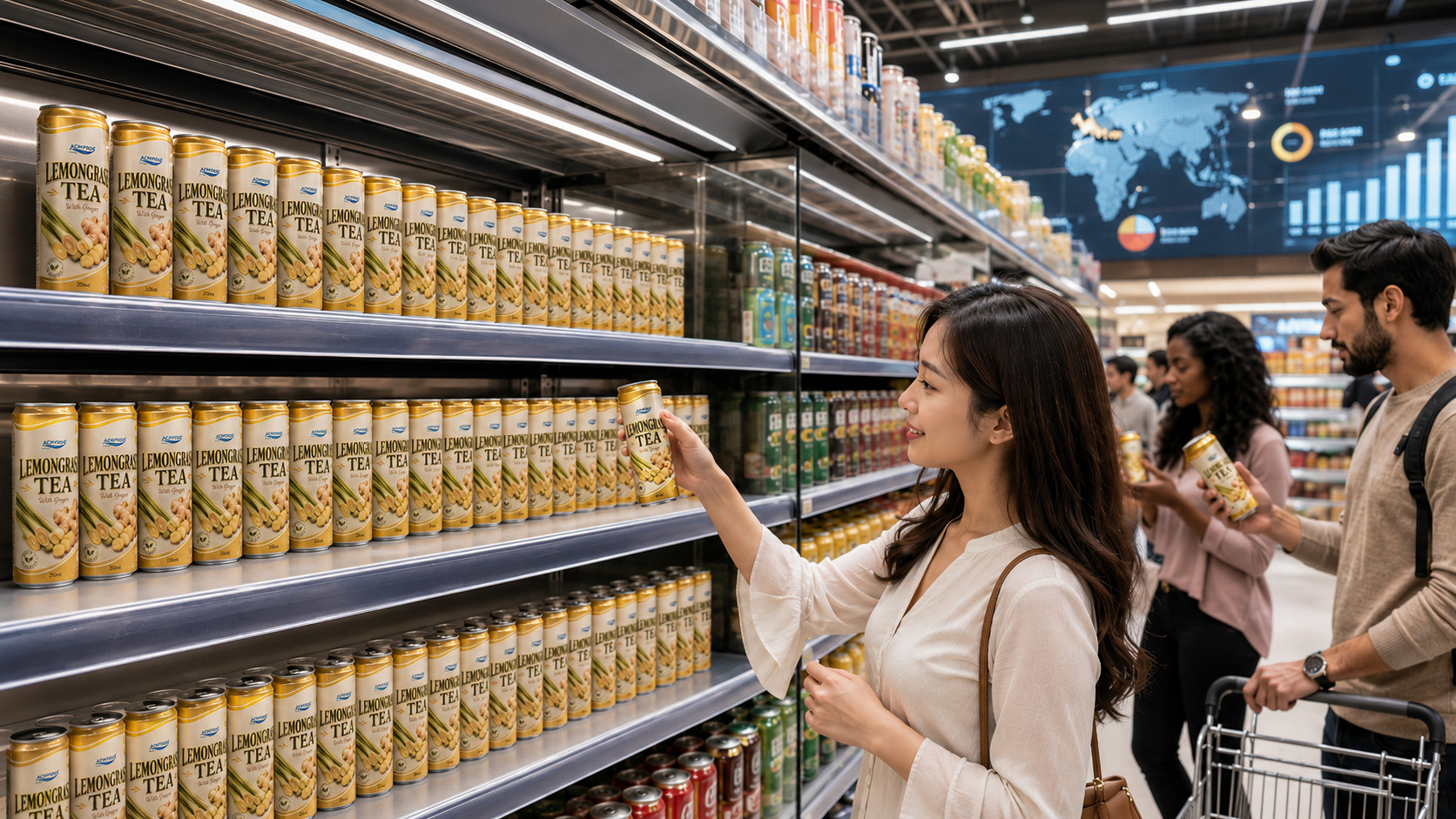
Market demand for botanical beverages shows no signs of disappearing. Consumers continue to seek products that combine appealing flavor with recognizable ingredients.
Ginger and lemongrass drink sits at the intersection of several favorable trends. It offers a distinctive taste profile, broad international appeal, and compatibility with modern beverage positioning strategies.
Retailers benefit from category differentiation. Distributors gain access to a product with cross-market potential. Private label brands can enter the beverage sector with a flavor concept consumers already understand.
No product guarantees success, but some categories offer stronger foundations than others. Ginger and lemongrass drink belongs to a segment supported by consumer familiarity, growing interest in botanical ingredients, and expanding global demand for ready-to-drink beverages.
For businesses exploring new beverage opportunities, that combination deserves serious consideration.
Ginger and lemongrass drink has evolved from a traditional flavor concept into a commercially attractive beverage category with international reach. Its recognizable ingredients, balanced taste profile, and compatibility with modern consumer preferences make it a compelling option for retailers, distributors, and private label brands.
Businesses looking to expand their beverage portfolio often face a difficult choice between innovation and familiarity. This product offers both. Consumers recognize the ingredients, yet the flavor experience feels fresh and distinctive.
With OEM and private label manufacturing options available, companies can enter the market efficiently while focusing on brand development and distribution. For organizations seeking a beverage category with growing demand and broad market potential, ginger and lemongrass drink represents a practical and scalable opportunity.
Turning a trend into a product
For the categories, formats and ingredients the factory can actually run, see beverage product capabilities. If you are producing to your own recipe, see OEM manufacturing in Vietnam; to launch under your own label, see private label beverages. Format, closure and pack-size trade-offs are compared on packaging options. To brief a concept, request a quote.
Request a quote