


 Français
 Español
 العربية
 한국어
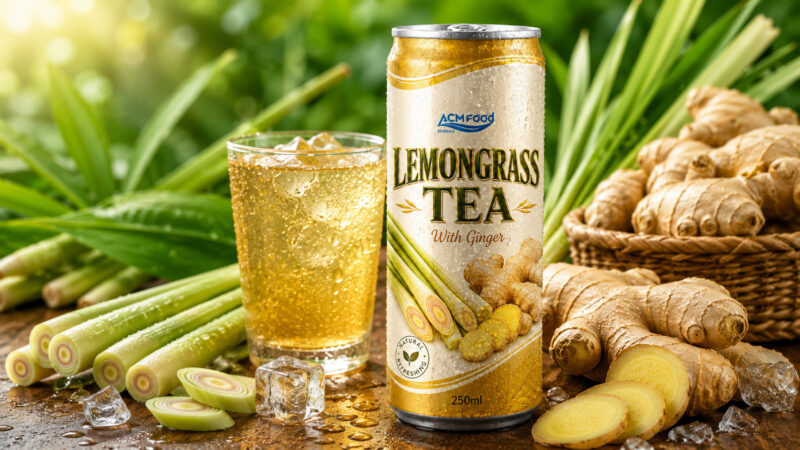
한국어Lemongrass tea is an herbal drink made from the leaves and stalks of lemongrass (Cymbopogon citratus), with a fresh citrus aroma and a clean taste but without the sharp acidity of lemon. Its market is expanding because consumers want natural, recognisable botanical drinks, and lemongrass works as hot tea, ready-to-drink iced tea and in blends.
For importers, distributors and private label brands, the opportunity is real but depends on choosing a supplier with consistent raw material, good processing and export experience. This guide covers the market, product formats and how to evaluate a lemongrass tea supplier in Vietnam.
Why is lemongrass tea gaining popularity?
- Clean label: a single, familiar botanical ingredient that shoppers understand.
- Refreshing flavour: citrus character without lemon’s acidity.
- Flexible occasions: hot at home or chilled on the go.
- Wide reach: relevant in North America, Europe, Asia, the Middle East and Oceania.
- Room to differentiate: herbal tea is less saturated than black or green tea, and botanical drinks are gaining shelf space in mainstream retail.
Which lemongrass tea products can brands sell?
| Format | Notes |
|---|---|
| Dried loose tea and tea bags | Home brewing; needs moisture-proof packaging |
| Ready-to-drink tea | Aluminium cans, glass or PET for convenience channels |
| Blends | With ginger, honey, lemon, mint, pandan or tropical fruit |
| Sparkling and low-sugar versions | Newer formats for younger consumers |
Why source lemongrass tea from Vietnam?
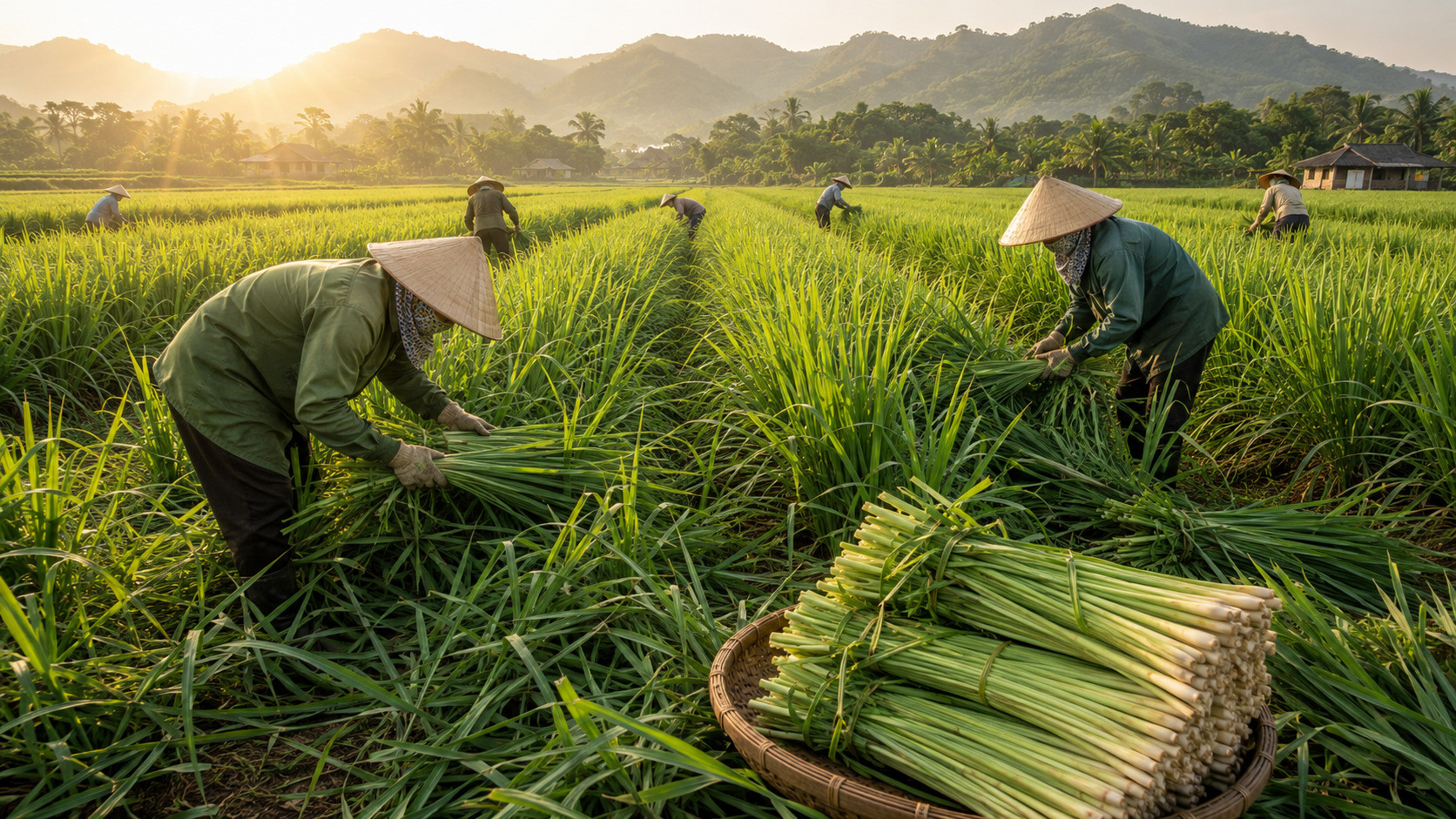
Vietnam’s tropical climate supports year-round herb cultivation, and many manufacturers have direct access to raw materials, established export infrastructure and competitive production costs. Many already supply international markets and understand the documentation, compliance and logistics involved.
Raw material quality and drying method make the difference. Freshly harvested lemongrass processed under controlled conditions gives a cleaner aroma and balanced flavour; poor drying weakens the aroma. Good lemongrass tea smells fresh and citrusy, without excessive bitterness or a dull, grassy taste.
What are the common sourcing challenges?
- Inconsistent raw material: seasonal variation and weak quality control change the flavour.
- Documentation: each market has its own certificates, labelling rules and import papers; gaps delay shipments.
- Packaging: RTD packs must protect shelf life, and dried tea needs moisture protection. Attractive packs that are not built for transport can arrive damaged.
How do you evaluate a lemongrass tea supplier in Vietnam?
- Manufacturing capability: capacity, pack options, lead times and export experience.
- Raw material sourcing: where the lemongrass is grown, how it is harvested and how consistency is controlled.
- Samples from several batches: compare aroma, flavour and packaging across lots.
- Food safety systems: certifications, testing, traceability and QC procedures.
- Communication: clear, prompt answers during evaluation usually mean smoother production later.
Why is private label lemongrass tea attractive?
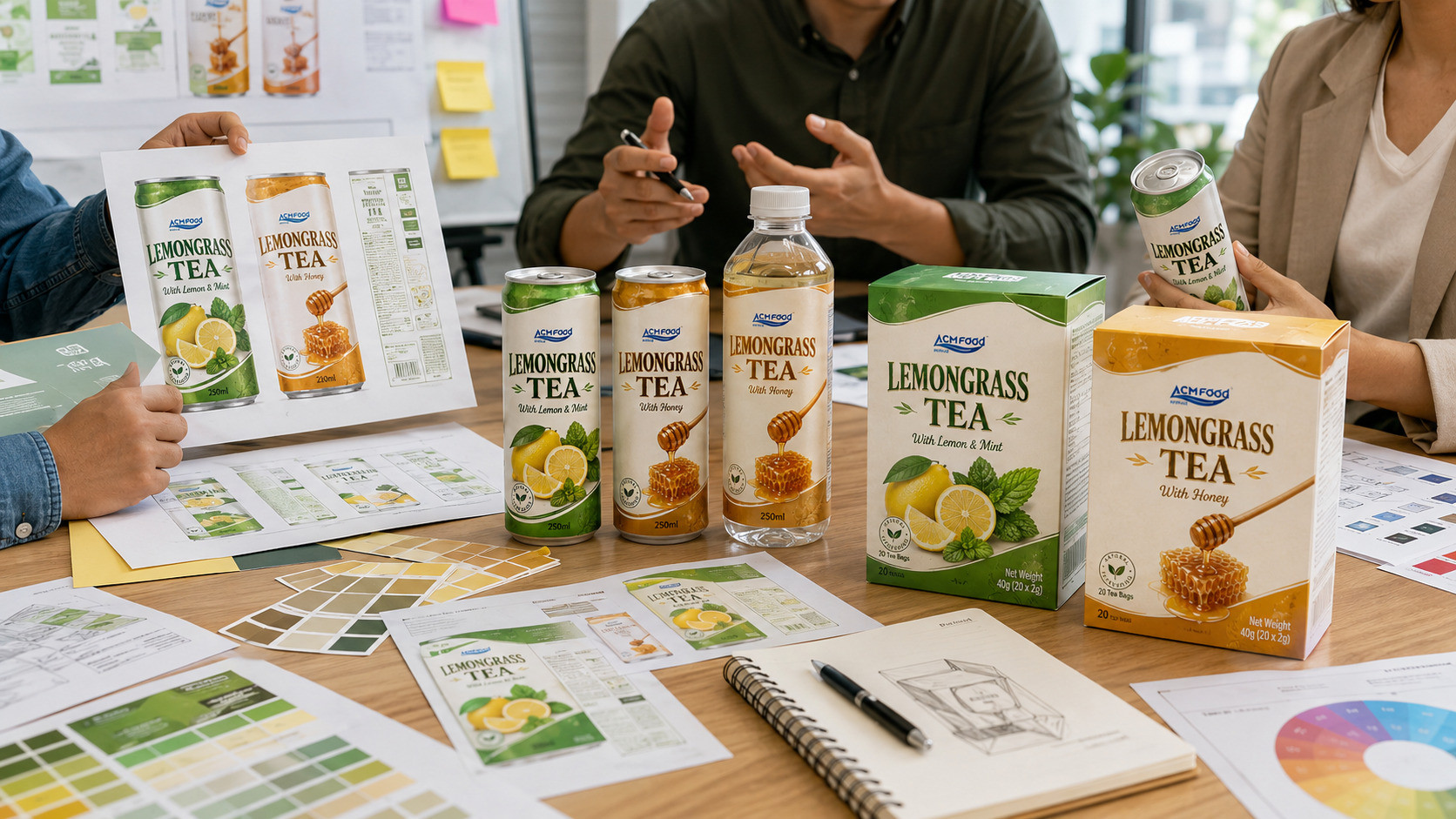
Lemongrass tea lets retailers, distributors and new brands launch a differentiated herbal product under their own label. A capable supplier supports packaging choices, recipe customisation, labelling and export documents, and the best become long-term development partners.
Which packaging works for export?
Aluminium cans are popular for RTD lemongrass tea because they are durable and convenient; glass creates a premium image; PET can be cheaper in some markets. For dried tea, moisture-resistant packaging is essential to keep the aroma.
Frequently asked questions
Does lemongrass tea contain caffeine?
No. Pure lemongrass tea is an herbal infusion and naturally caffeine-free unless blended with tea.
What does lemongrass tea taste like?
Fresh and citrusy, similar to lemon but softer and less acidic.
Can lemongrass tea be sold ready to drink?
Yes. RTD lemongrass tea in cans, glass or PET is a growing format, alone or blended with ginger, honey or fruit.
Conclusion
Lemongrass tea has grown from a traditional herbal drink into an international category with real commercial potential. Vietnam is a strong sourcing base, but success depends on choosing a supplier with consistent raw material, sound processing, the right certifications and packaging built for export.
See beverage product capabilities, OEM beverage manufacturing services and private label beverages. To brief a concept, request a quote.
Request a quote