


 Français
 Español
 العربية
 한국어
한국어The main B2B beverage business models are white label, private label, ODM, OEM and contract manufacturing. They differ in who owns the formula, how much customisation you get, minimum order size and time to market: white label is fastest with the least control, while OEM gives the most control but needs more investment.
Understanding the main business models in the beverage industry
The global beverage industry offers multiple pathways for launching, growing, and scaling a beverage brand. Whether you are an importer, retailer, distributor, startup founder, or established FMCG company, choosing the right manufacturing and branding model can significantly impact profitability, speed to market, and long-term brand value.
The most common B2B beverage business models include:
- White Label
- Private Label
- ODM (Original Design Manufacturer)
- OEM (Original Equipment Manufacturer)
- Contract Manufacturing
- Distribution
- Exclusive Distribution
- Licensing and Co-Branding
Each model serves a different business objective and requires different levels of investment, customization, and market commitment.
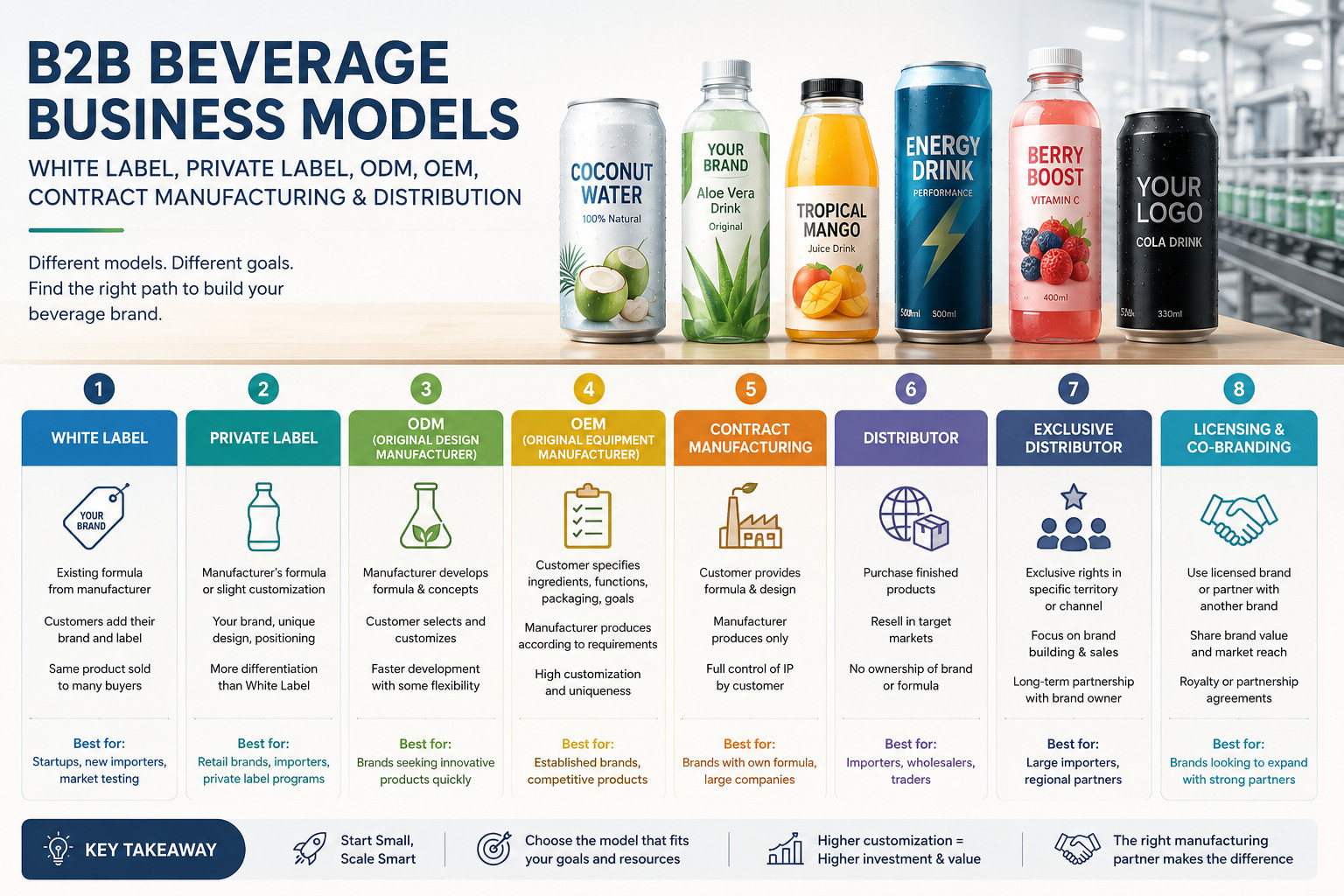
Comparison table of beverage business models
| Business Model | Brand Owner | Formula Owner | Manufacturer | Product Customization |
| White Label | Customer | Manufacturer | Manufacturer | Low |
| Private Label | Customer | Manufacturer or Shared | Manufacturer | Medium |
| ODM | Customer | Manufacturer | Manufacturer | Medium to High |
| OEM | Customer | Customer or Shared | Manufacturer | High |
| Contract Manufacturing | Customer | Customer | Manufacturer | Very High |
| Distributor | Manufacturer | Manufacturer | Manufacturer | None |
| Exclusive Distributor | Manufacturer | Manufacturer | Manufacturer | None |
| Licensing / Co-Branding | Shared | Shared | Manufacturer or Outsourced | Varies |
White label beverage manufacturing
What Is White Label?
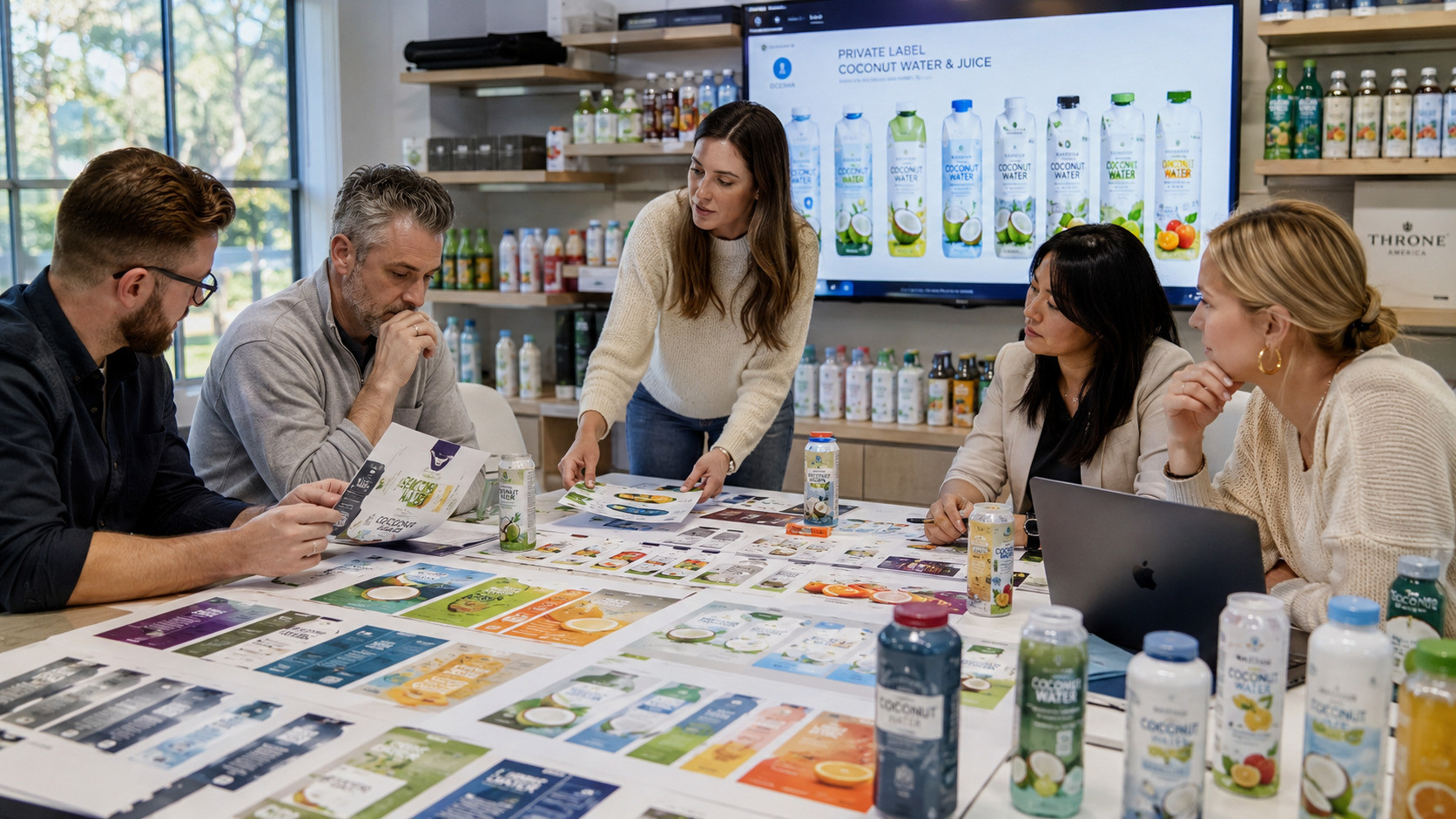
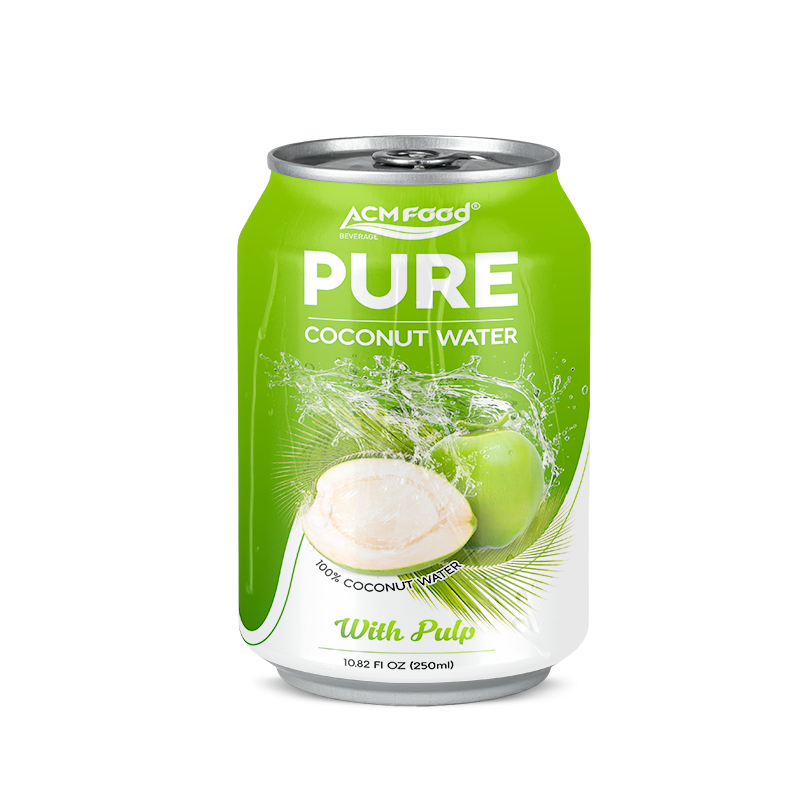
White Label beverages are pre-developed products manufactured by a factory and sold to multiple customers under different brand names.
The manufacturer provides:
- Existing formula
- Existing production process
- Existing product specifications
The customer typically customizes:
- Brand name
- Logo
- Product label
- Packaging artwork
The beverage itself remains largely unchanged.
Example
A beverage manufacturer offers:
- Coconut Water
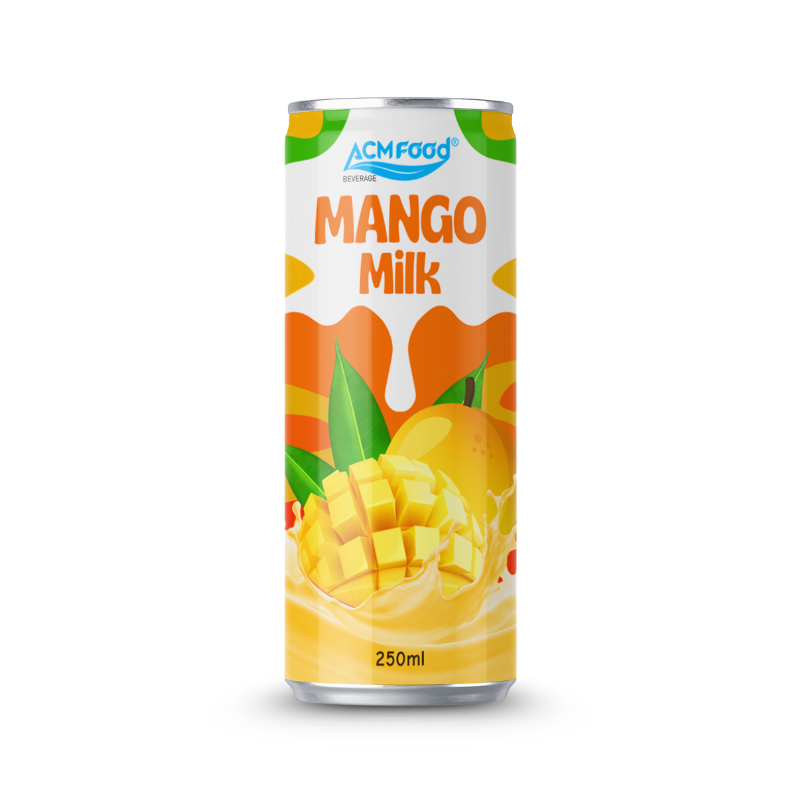
- Mango Juice
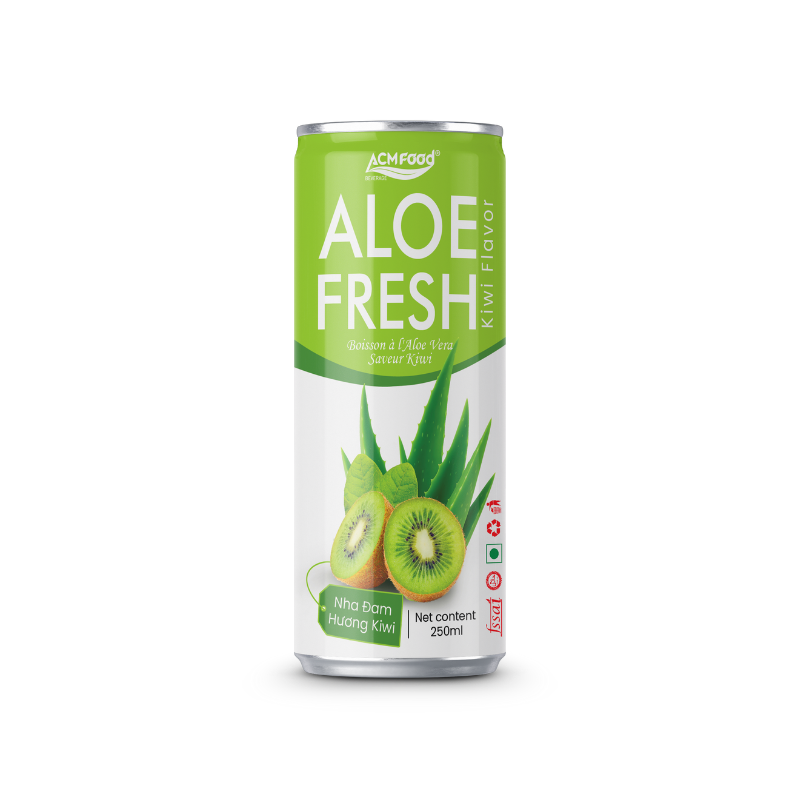
- Aloe Vera Drink
Ten different importers can sell the same beverage under ten different brands.
Advantages
- Lowest investment requirement
- Fastest market entry
- Lower minimum order quantities (MOQs)
- Minimal product development risk
Limitations
- Limited product differentiation
- Shared formulas across multiple brands
- Less competitive advantage in the long term
Best For
- Beverage startups
- New importers
- Market testing projects
- Small distributors
Private Label Beverage Manufacturing
What Is Private Label?
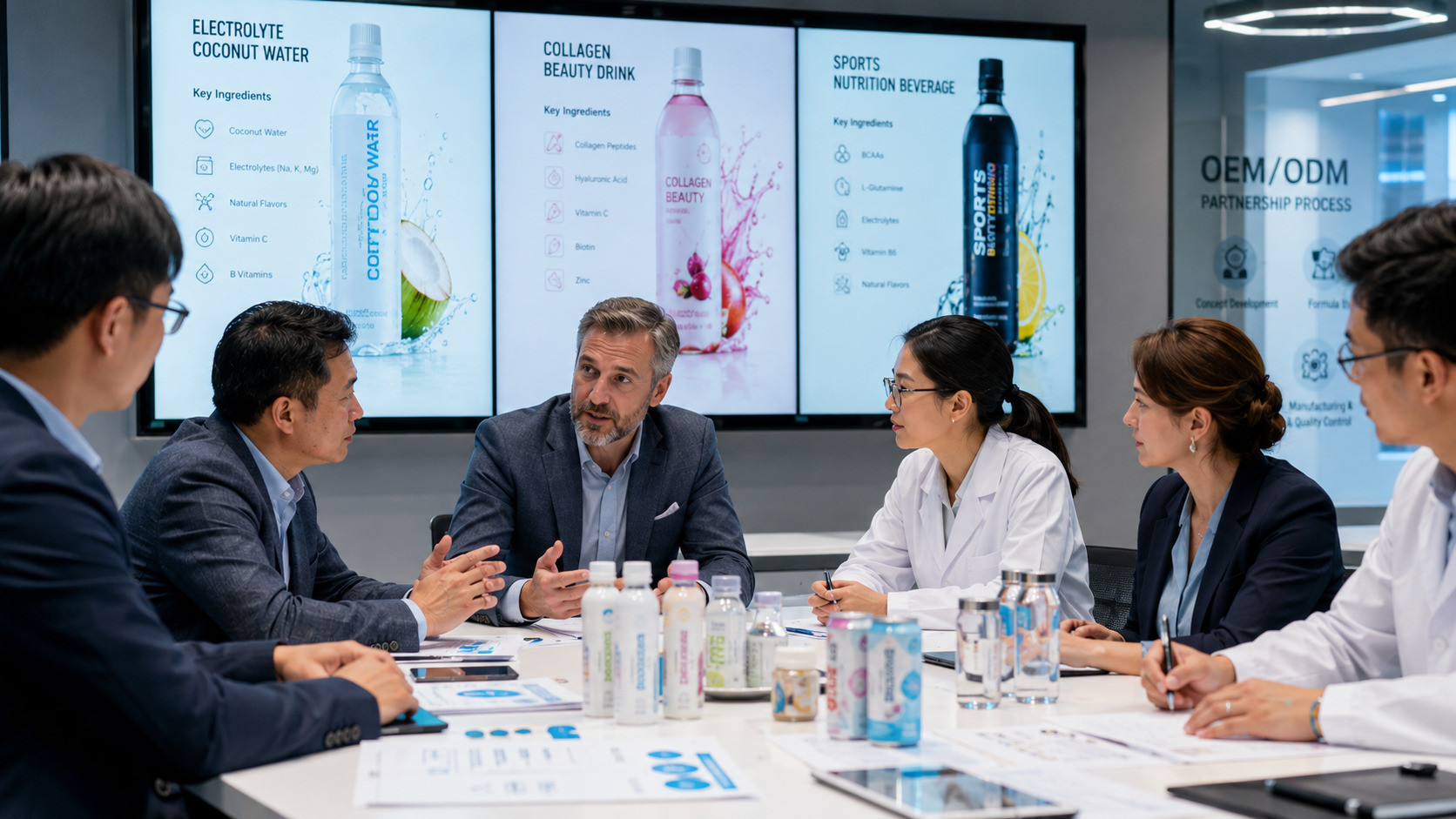
Private Label beverages are products sold under the customer’s own brand, with opportunities for greater customization than traditional White Label programs.
Private Label projects may include:
- Unique branding
- Custom packaging design
- Formula adjustments
- Market-specific positioning
Unlike White Label, a Private Label product often reflects a distinct brand identity.
Example
Three companies may all sell private label coconut water but position their products differently:
- Organic Coconut Water
- Premium Coconut Water
- Sports Recovery Coconut Water
The products may share a similar base formula while targeting different customer segments.
Advantages
- Stronger brand ownership
- Better differentiation
- Higher profit margins
- Greater long-term business value
Limitations
- Higher MOQs than White Label
- Longer development timeline
- Greater marketing responsibility
Best For
- Retail brands
- Importers
- Supermarkets
- E-commerce beverage sellers
ODM Beverage Manufacturing
What Is ODM?
ODM stands for Original Design Manufacturer.
In an ODM model, the manufacturer develops beverage concepts, formulas, and production systems before customers enter the project.
Customers can then select and customize these existing formulations.
Example
A manufacturer develops:
- Sparkling Coconut Water
- Ginger Lemongrass Drink
- Functional Energy Beverage
A customer may request:
- Reduced sugar
- Added vitamins
- Flavor modifications
- Market-specific ingredients
Advantages
- Faster than full product development
- Lower R&D costs
- Greater uniqueness than Private Label
Limitations
- Formula ownership generally remains with the manufacturer
- Customization options may be limited
Best For
- Growing beverage brands
- Importers seeking differentiation
- Businesses launching innovative products quickly
OEM Beverage Manufacturing
What Is OEM?
OEM stands for Original Equipment Manufacturer.
Under an OEM model, the beverage is developed specifically according to the customer’s requirements.
The customer may specify:
- Ingredients
- Nutritional profile
- Functional benefits
- Flavor profile
- Packaging requirements
Example
A brand may develop:
- Coconut Water with Electrolytes
- Coconut Water with Collagen
- Functional Hydration Drinks
- Sports Nutrition Beverages
The manufacturer produces the product according to those specifications.
Advantages
- High product differentiation
- Strong competitive advantage
- Greater control over product positioning
Limitations
- Higher R&D investment
- Longer development timeline
- Larger MOQs
Best For
- Established beverage brands
- Large importers
- Functional beverage companies
Contract Manufacturing
What Is Contract Manufacturing?
Contract Manufacturing is the highest level of manufacturing outsourcing.
The customer already owns:
- Formula
- Brand
- Packaging design
- Product specifications
The manufacturer simply produces the beverage according to the customer’s instructions.
Example
A beverage company in North America develops a proprietary coconut water formulation and contracts a certified factory in Vietnam to manufacture it.
Advantages
- Complete product control
- Full intellectual property ownership
- Maximum differentiation
Limitations
- Highest development costs
- Greater management complexity
Best For
- Established FMCG companies
- National beverage brands
- Global beverage corporations
Beverage Distribution
What Is Distribution?
A distributor purchases finished products from a manufacturer and resells them within a target market.
The distributor does not own the brand or formula.
Example
An importer purchases canned coconut water from a manufacturer and distributes it to supermarkets, restaurants, and retail stores.
Advantages
- No product development investment
- Lower operational complexity
- Faster revenue generation
Limitations
- Dependence on supplier brands
- Lower profit margins
- Limited market control
Best For
- Importers
- Wholesalers
- Regional distributors
Exclusive Distribution
What Is Exclusive Distribution?
Exclusive distributors receive exclusive rights to sell a brand within a specific territory or channel.
Example
A company may obtain exclusive rights to distribute a coconut water brand throughout Germany, France, or the Middle East.
Advantages
- Reduced competition
- Stronger market position
- Better long-term growth opportunities
Limitations
- Reliance on a single brand
- Performance obligations may apply
Best For
- Large importers
- National distributors
- Regional FMCG partners
Licensing and Co-Branding
Licensing
Licensing allows companies to use an established brand, trademark, or intellectual property in exchange for licensing fees or royalties.
Examples include:
- Sports-branded beverages
- Entertainment-themed drinks
- Celebrity-endorsed products
Co-Branding
Co-branding combines the strengths of two brands in a single product.
Examples include:
- Coffee brand + dairy brand
- Coconut water brand + sports nutrition brand
- Fruit juice brand + wellness brand
Which Beverage Business Model Is Right for You?
Choose White Label if:
- You need the fastest launch.
- You have limited capital.
- You want to test market demand.
Choose Private Label if:
- You want to build your own brand.
- You need better market differentiation.
- You want higher long-term margins.
Choose ODM if:
- You want innovative products without extensive R&D.
- You need a balance between speed and customization.
Choose OEM if:
- You require a unique product.
- You want stronger intellectual property protection.
- You plan to build a long-term competitive advantage.
Choose Contract Manufacturing if:
- You already own the formula.
- You require complete product control.
- You operate an established beverage business.
Choose Distribution if:
- You prefer selling existing brands.
- You want lower operational complexity.
- You prioritize speed to revenue.
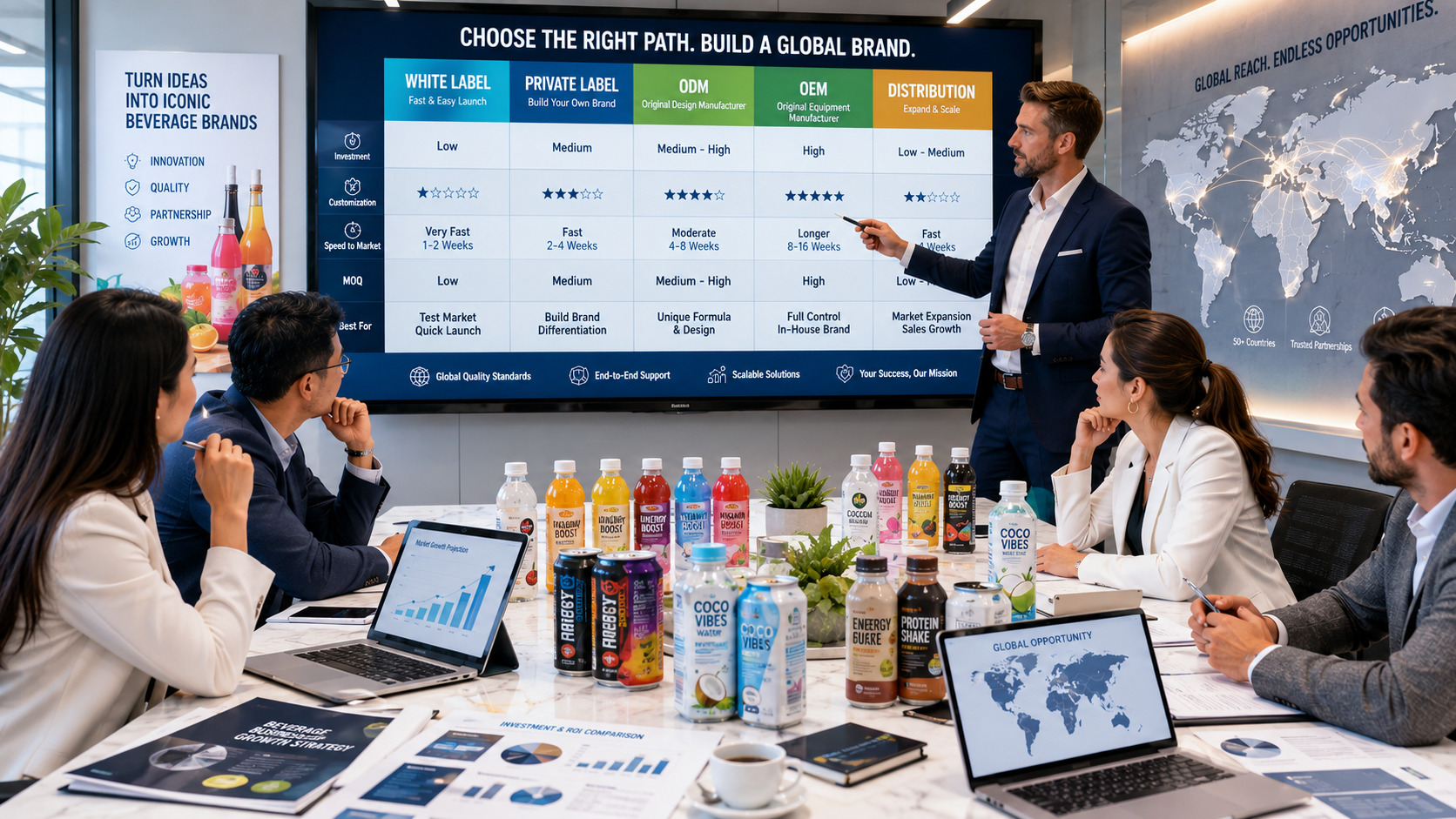
There is no single best B2B beverage business model. The right choice depends on your goals, budget, timeline, and growth strategy.
For most new beverage entrepreneurs, the journey often begins with White Label or Private Label products. As the brand grows, companies typically move toward ODM, OEM, or Contract Manufacturing to create stronger differentiation and long-term brand equity.
Businesses that understand these models can make better sourcing decisions, reduce market-entry risk, and build more sustainable beverage brands in an increasingly competitive global marketplace.
Turning this into a product
For the formats, ingredients and processing routes the factory actually runs, see beverage product capabilities. How production is organised is set out in OEM beverage production; for launching under your own label, see private label beverages. Format, closure and pack-size trade-offs are compared on packaging options. To discuss a specification, request a quote.
Request a quote