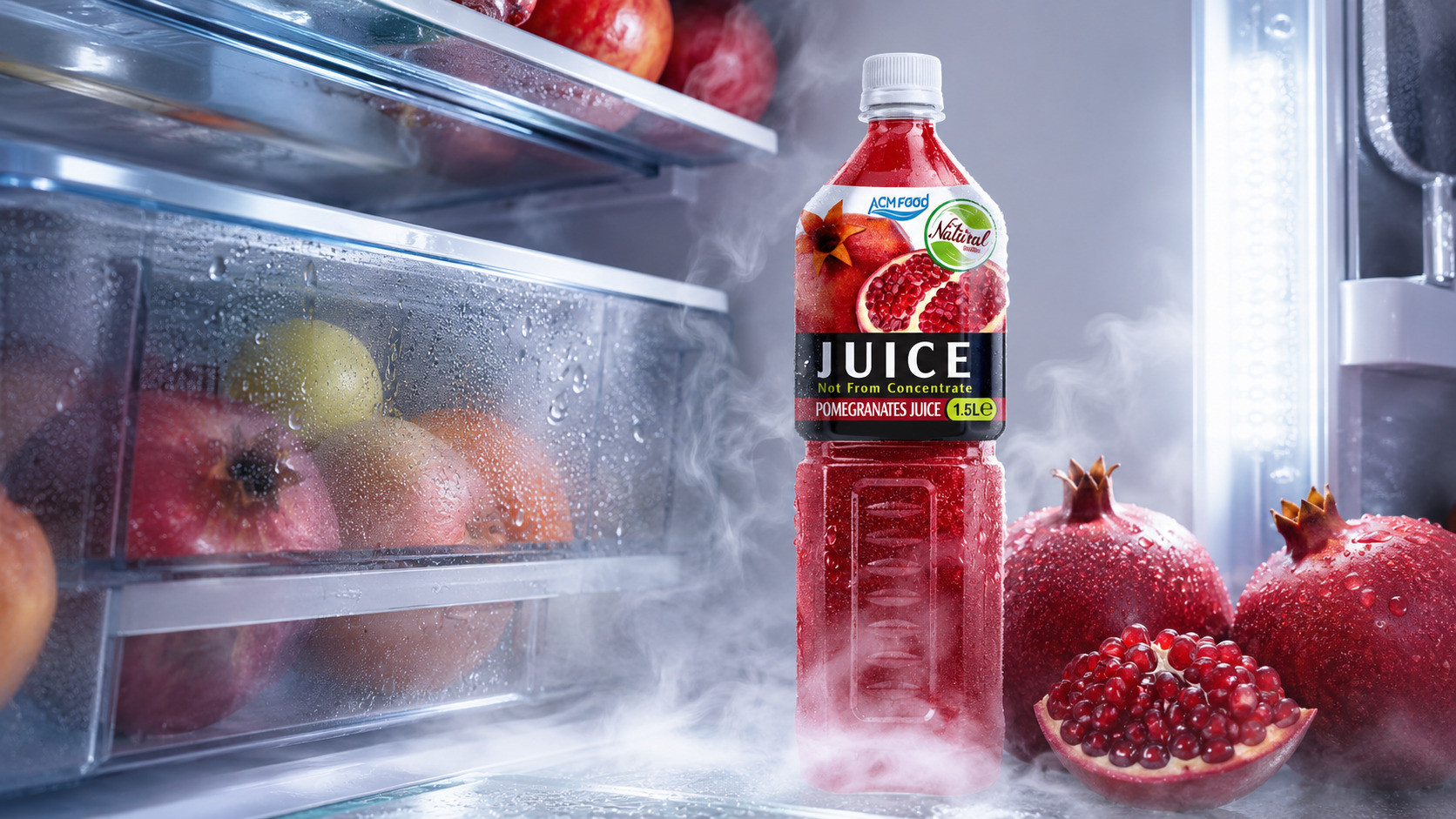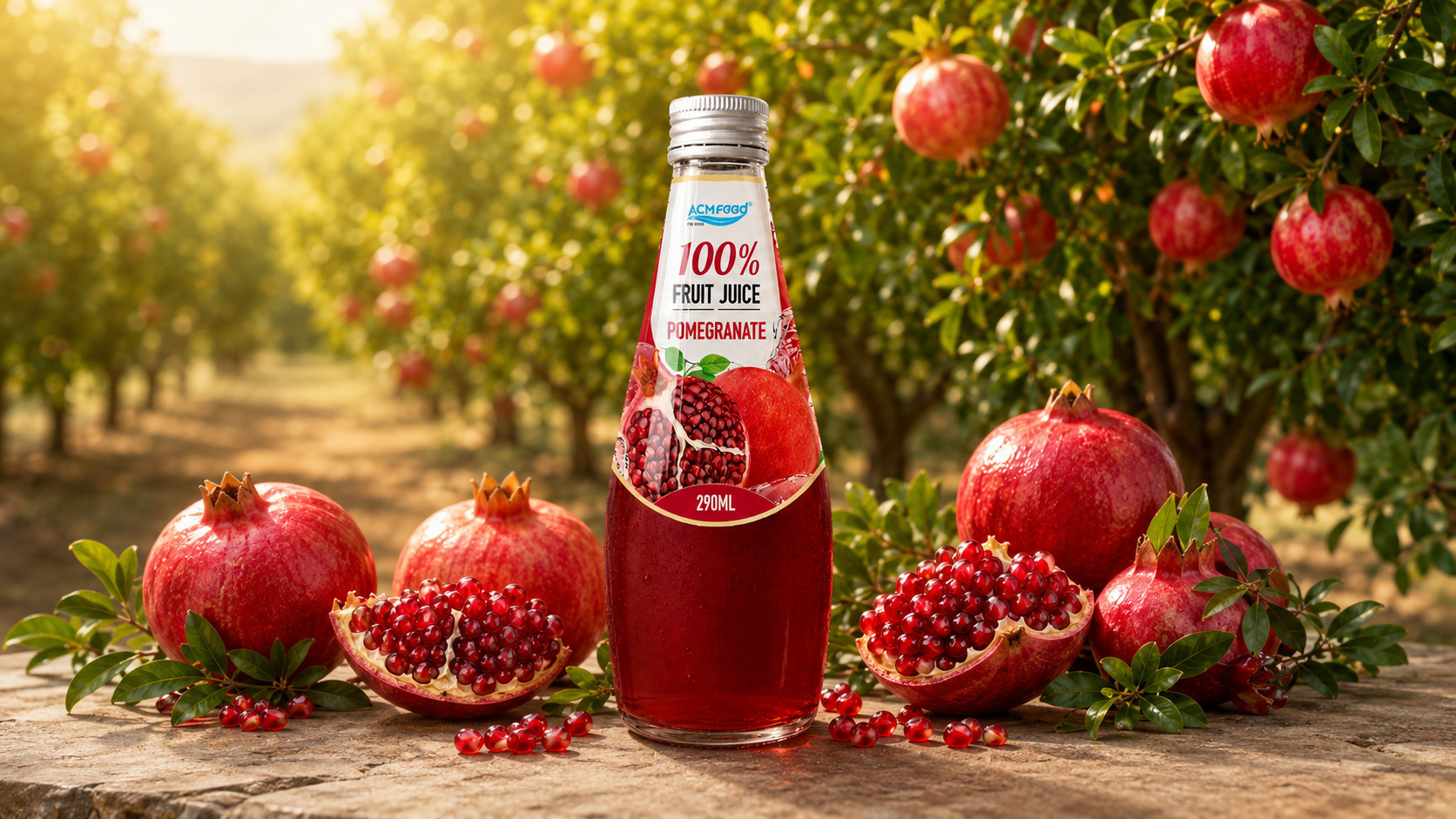

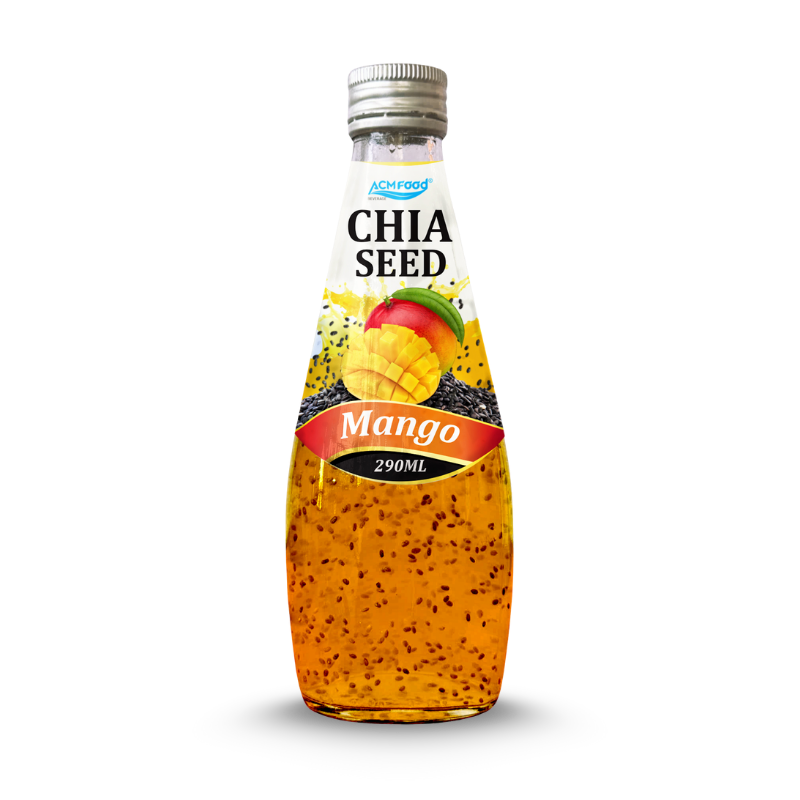
The global demand for functional beverages continues to grow, making pomegranate juice OEM one of the most attractive opportunities for beverage brands in 2026. Consumers are looking for products that combine natural ingredients, clean labels, and scientifically recognized nutritional benefits. As a result, private label and OEM manufacturing have become practical solutions for businesses that want to launch premium juice products without investing millions of dollars in production facilities.
What makes pom juice stand out in an increasingly competitive beverage market? Beyond its vibrant color and refreshing taste, pomegranate is widely recognized for its naturally occurring polyphenols, antioxidants, and vitamins, making it a popular ingredient among health-conscious consumers worldwide.
Why pomegranate juice demand is increasing in 2026

Consumer preferences have shifted dramatically over the past five years. According to multiple market research reports, the global fruit juice market is expected to maintain a steady compound annual growth rate of approximately 5% to 7% through the end of the decade, while premium functional beverages continue to outperform conventional juice products.
Pomegranate juice fits several major purchasing trends at once. It appeals to consumers seeking antioxidant-rich beverages, natural fruit ingredients, reduced artificial additives, and products suitable for daily wellness routines. These overlapping trends create strong opportunities for companies considering pom juices OEM manufacturing.
Retailers are also expanding shelf space for premium fruit beverages. In many developed markets, consumers are willing to pay 20% to 40% more for juices perceived as natural, traceable, and nutritionally beneficial. This pricing flexibility allows brands to maintain healthier profit margins than standard fruit juice categories.
Current market trends shaping pomegranate juice OEM
Premium ingredients are becoming the new standard
Consumers increasingly examine ingredient lists before purchasing beverages. Products containing 100% fruit juice, no added preservatives, no artificial colors, and minimal added sugar continue to gain popularity across supermarkets and online marketplaces.
OEM manufacturers are responding by offering customized formulations that include NFC (Not From Concentrate) juice, concentrated juice blends, organic options, and fortified recipes enriched with vitamins or minerals. This flexibility allows brands to address multiple customer segments without building separate manufacturing facilities.
Smaller packaging formats are growing faster
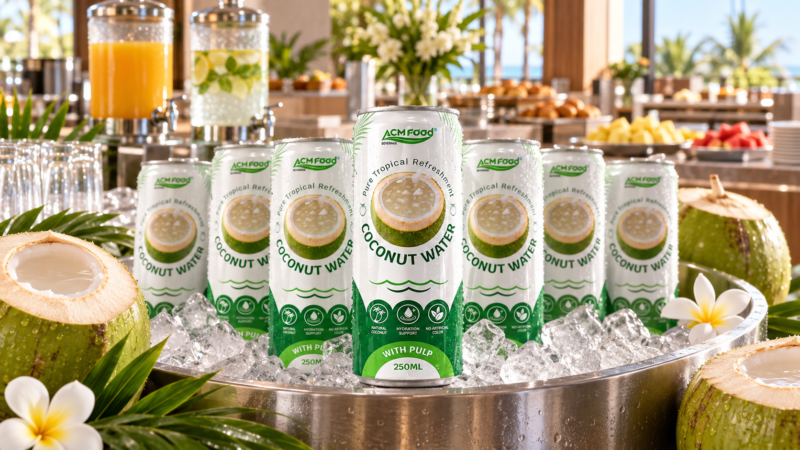
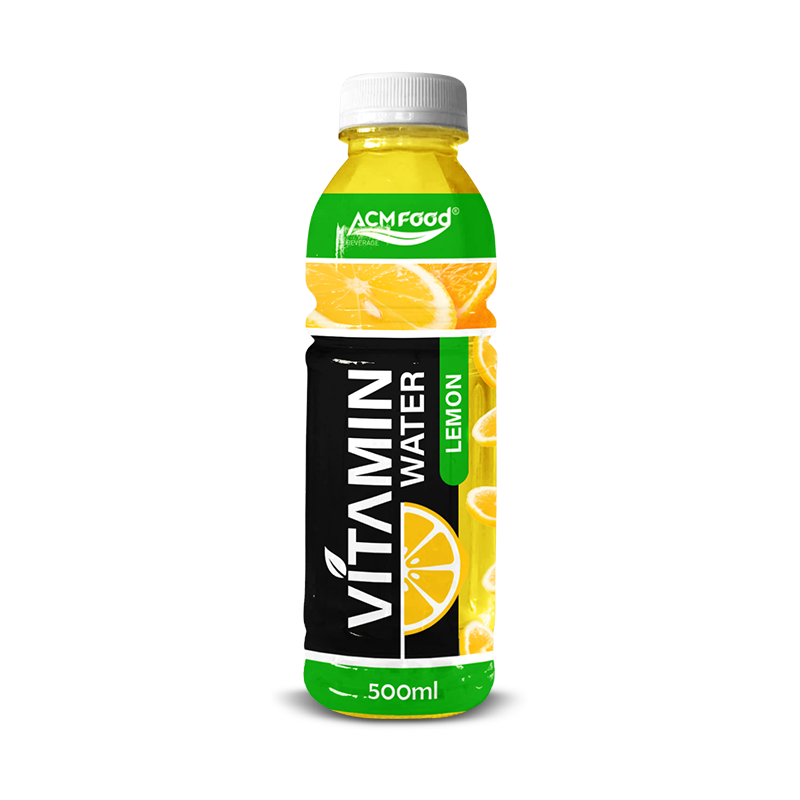
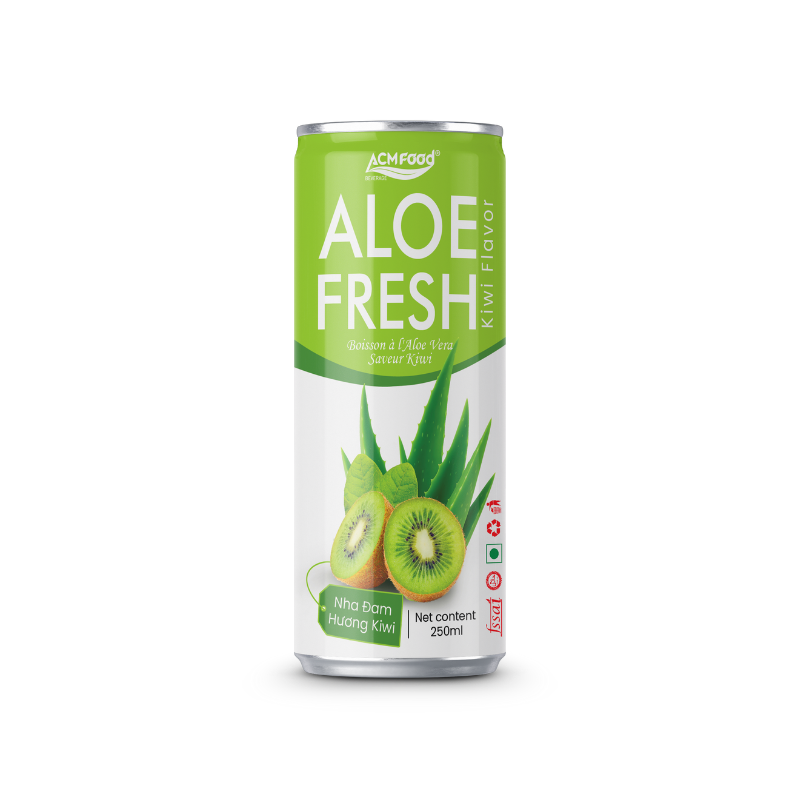
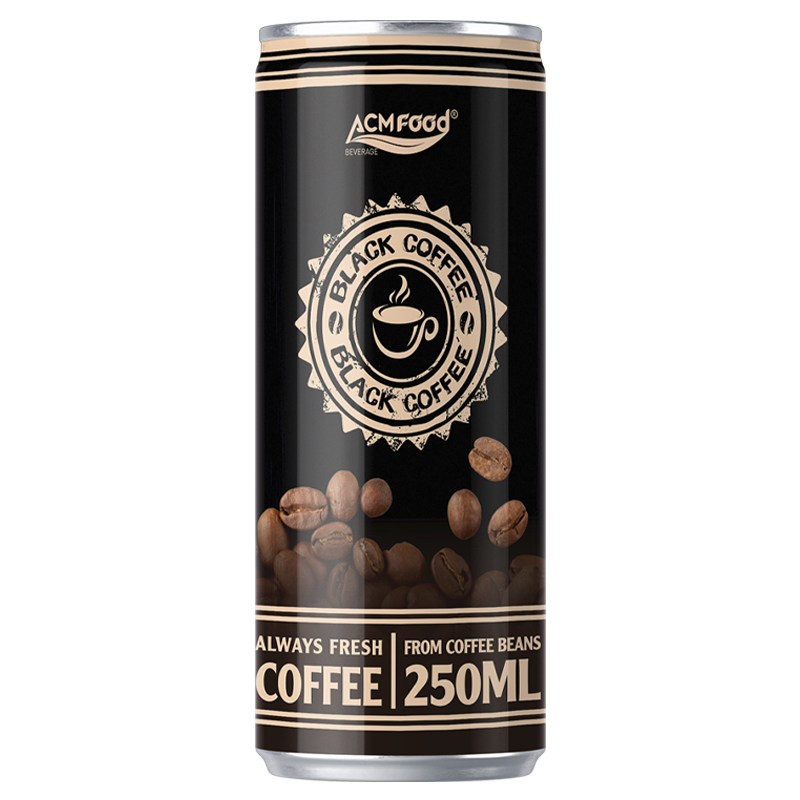
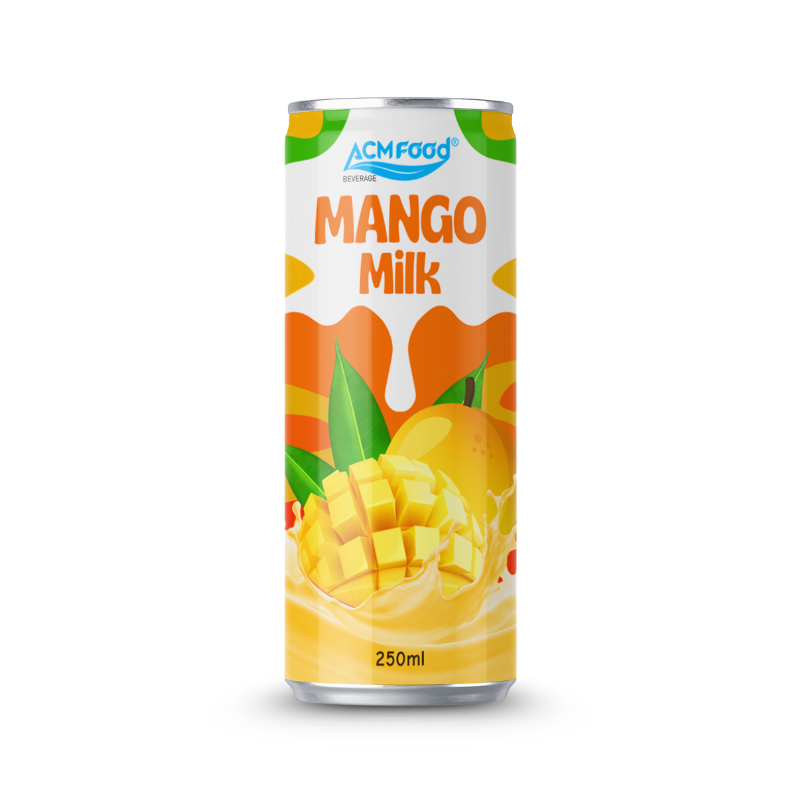
Portable beverage formats continue gaining market share. Single-serve cans ranging from 250 ml to 330 ml and PET bottles between 300 ml and 500 ml are becoming preferred choices for convenience stores, gyms, airports, and office workers.
Many beverage companies are also introducing multipack formats of six or twelve units to encourage repeat purchases while improving logistics efficiency.
Clean label products influence purchasing decisions
Today’s consumers often compare labels before making buying decisions. Simple ingredient lists, recognizable fruit sources, transparent manufacturing processes, and internationally recognized food safety certifications have become major competitive advantages.
Brands working with experienced pomegranate fruit juice OEM manufacturers can clearly communicate quality standards through certifications such as HACCP, ISO 22000, GMP, BRC, or FDA registration when applicable to their target export markets.
Business opportunities for private label brands

Launching a new beverage brand no longer requires constructing an expensive production facility. Modern OEM manufacturing allows companies to enter the market significantly faster while reducing operational risks.
For many startups, initial production quantities may begin at only several thousand units, allowing product validation before expanding into nationwide distribution. Established retailers, meanwhile, often use OEM production to introduce exclusive private label products with higher profit margins than third-party brands.
Another growing opportunity lies in cross-border e-commerce. Premium fruit juice products are increasingly sold through online marketplaces where consumers actively search for healthier beverage alternatives. Brands capable of offering attractive packaging and consistent product quality often achieve stronger customer retention.
How OEM manufacturing reduces business risks
Building a beverage production plant may require investments ranging from hundreds of thousands to several million dollars, depending on production capacity. Working with an OEM partner eliminates much of this capital expenditure while providing access to established manufacturing systems.
Instead of focusing on equipment maintenance, factory staffing, and regulatory compliance, brand owners can allocate more resources toward product development, marketing, digital advertising, and distribution partnerships.
This business model also shortens development timelines. Depending on formula complexity, packaging selection, and regulatory approvals, many OEM projects can move from concept to commercial production within approximately 60 to 120 days.
Important factors when selecting a pomegranate juice OEM partner
Not every manufacturer offers the same level of expertise. Choosing the right production partner directly affects product quality, production consistency, and long-term profitability.
Experienced manufacturers typically provide assistance throughout the entire development process, including recipe customization, ingredient sourcing, packaging selection, label compliance, laboratory testing, pilot production, mass manufacturing, and export documentation.
Production capacity should also align with future growth. A manufacturer capable of producing several million bottles or cans annually offers greater flexibility as your business expands into additional regions.
Equally important is raw material traceability. Reliable suppliers should maintain documented sourcing records, quality inspections, microbiological testing, and standardized production procedures for every manufacturing batch.
Packaging innovation creates new competitive advantages
Packaging has become far more than simple product protection. It now influences purchasing decisions, transportation costs, sustainability goals, and brand recognition.
Many beverage brands are adopting sleek aluminum cans, lightweight PET bottles, recyclable glass containers, and eco-friendly secondary packaging. Premium labeling technologies, matte finishes, metallic printing, and digital QR codes further improve customer engagement while supporting product authentication.
Smart packaging also enables brands to share nutritional information, ingredient origins, promotional campaigns, and loyalty programs without increasing label complexity.
Emerging export markets for pomegranate juice
While North America and Europe remain important destinations for premium fruit beverages, demand is expanding rapidly throughout Southeast Asia, the Middle East, and selected African markets. Rising disposable income and growing awareness of healthy lifestyles continue supporting long-term consumption.
Export-ready OEM manufacturers understand the documentation requirements of different countries, including nutritional labeling, language regulations, shelf-life validation, and customs documentation. Their expertise helps reduce delays during international product launches.
Technology is transforming OEM beverage manufacturing
Automation is improving production efficiency across the beverage industry. Modern filling lines equipped with automated inspection systems can process tens of thousands of bottles or cans per hour while maintaining high consistency.
Digital quality control systems, batch traceability software, and real-time production monitoring reduce manufacturing errors and improve product safety. These technologies benefit both manufacturers and brand owners by delivering consistent products across multiple production runs.
Future outlook for pomegranate juice OEM in 2026
The outlook for pomegranate juice OEM remains highly promising as consumers continue prioritizing healthier beverages and premium fruit-based nutrition. Companies that combine attractive branding, reliable manufacturing, clean ingredients, and international quality certifications are likely to strengthen their competitive positions over the coming years.
Could now be the ideal time to introduce your own private label pomegranate juice? For many beverage entrepreneurs, distributors, retailers, and wellness brands, partnering with an experienced OEM manufacturer provides a faster, lower-risk path to entering one of the most dynamic segments of the global beverage industry.
The opportunities surrounding pomegranate juice OEM extend well beyond simple contract manufacturing. OEM partnerships allow businesses to accelerate product development, reduce capital investment, maintain high production standards, and respond quickly to changing consumer preferences. As demand for functional beverages continues to grow throughout 2026, companies that invest in quality ingredients, innovative packaging, and trusted manufacturing partners will be well positioned for sustainable long-term growth.