


 Français
 Español
 العربية
 한국어
한국어The global fruit beverage market continues to expand as consumers seek healthier drinks with natural ingredients, reduced sugar, and convenient packaging. As a result, mango juice OEM services have become an attractive solution for importers, supermarket chains, beverage startups, and established brands looking to launch products without investing millions of dollars in manufacturing facilities.
If you are planning to build your own beverage brand, should you develop everything from scratch? In many cases, partnering with an experienced OEM manufacturer usually shortens the path to market and significantly lowers upfront investment.
This guide explains everything you need to know about mango juice private label, OEM, ODM, and white label manufacturing, helping you choose the right production model for your business.
What is mango juice OEM?
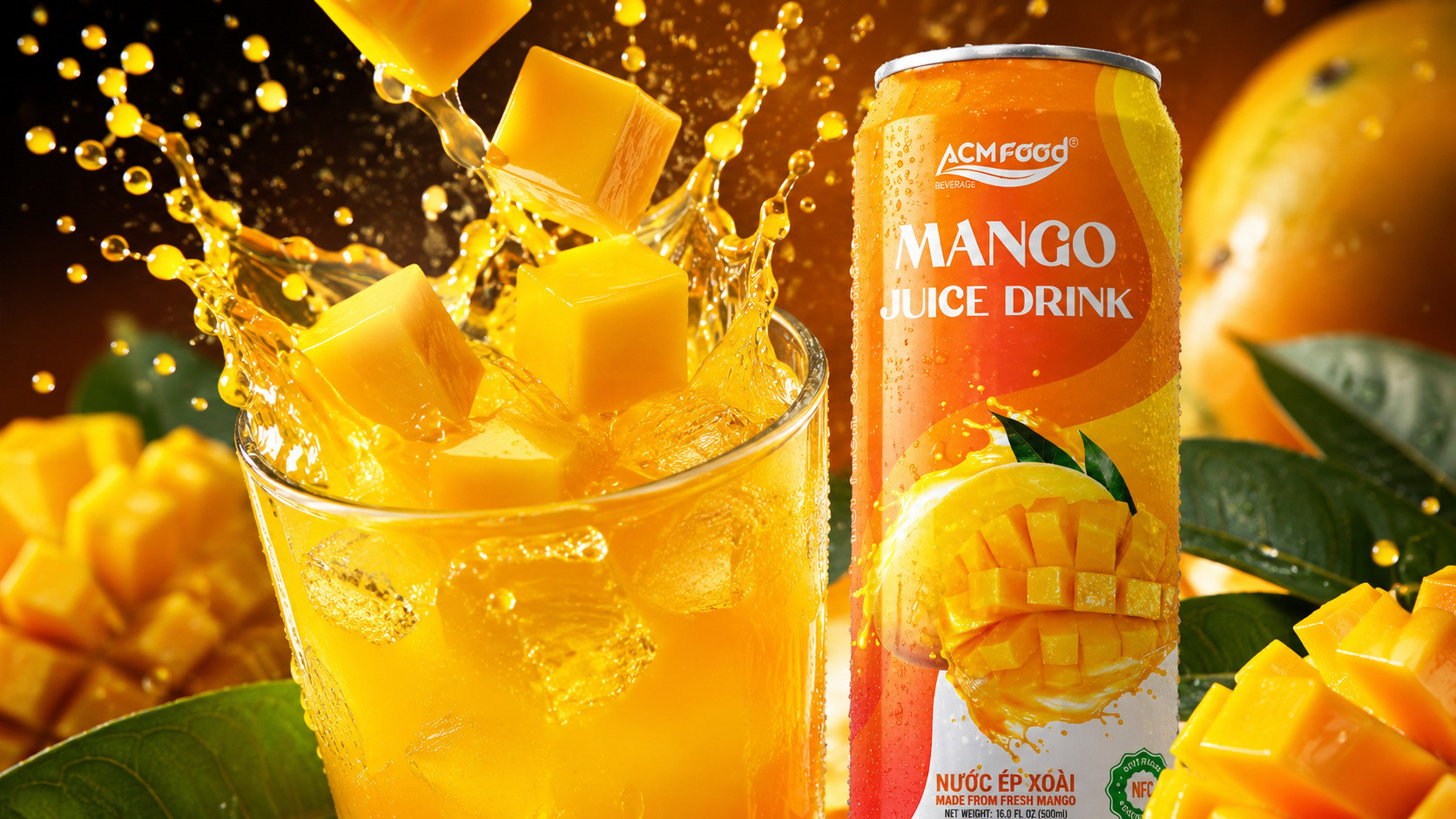
Mango juice OEM (Original Equipment Manufacturing) refers to a manufacturing partnership where a factory produces mango juice according to your brand’s specifications. The manufacturer handles production, quality control, and packaging, while your company owns the brand, marketing strategy, and customer relationships.
The production process can include recipe formulation, ingredient sourcing, juice extraction, pasteurization, aseptic filling, packaging, labeling, and export documentation. Minimum order quantities depend on the factory and pack; at ACMFOOD they start from 500 cartons per SKU.
This model allows businesses to focus on sales and market expansion rather than factory operations, equipment maintenance, and food safety management.
How OEM differs from private label, ODM, and white label
Many buyers use these terms interchangeably, but they describe different manufacturing approaches. Understanding the differences helps you select the most suitable business model.
Mango juice OEM
OEM manufacturing provides greater flexibility. You can customize fruit content, sweetness, ingredients, bottle design, can size, packaging materials, and branding while relying on the manufacturer for production.
Mango juice private label
Mango juice private label products are manufactured exclusively for your brand. The recipe may already exist or be slightly customized, but the finished product carries only your company name and branding.
This option is popular among supermarkets, wholesalers, hotel groups, and retail chains that want exclusive products without developing a completely new formulation.
ODM manufacturing
ODM (Original Design Manufacturing) goes one step further. The manufacturer develops the formulation, packaging concept, product positioning, and often assists with regulatory compliance. Buyers simply select the product and customize branding.
This approach is ideal for companies entering the beverage industry for the first time because development costs are significantly lower.
White label manufacturing
White label manufacturing uses standardized products that are sold to multiple companies with different labels. Only the branding changes, making it the fastest and most economical route to market.
For businesses testing demand in new countries, white label products can reduce commercial risk while enabling rapid product launches.
Why mango juice remains one of the strongest beverage categories
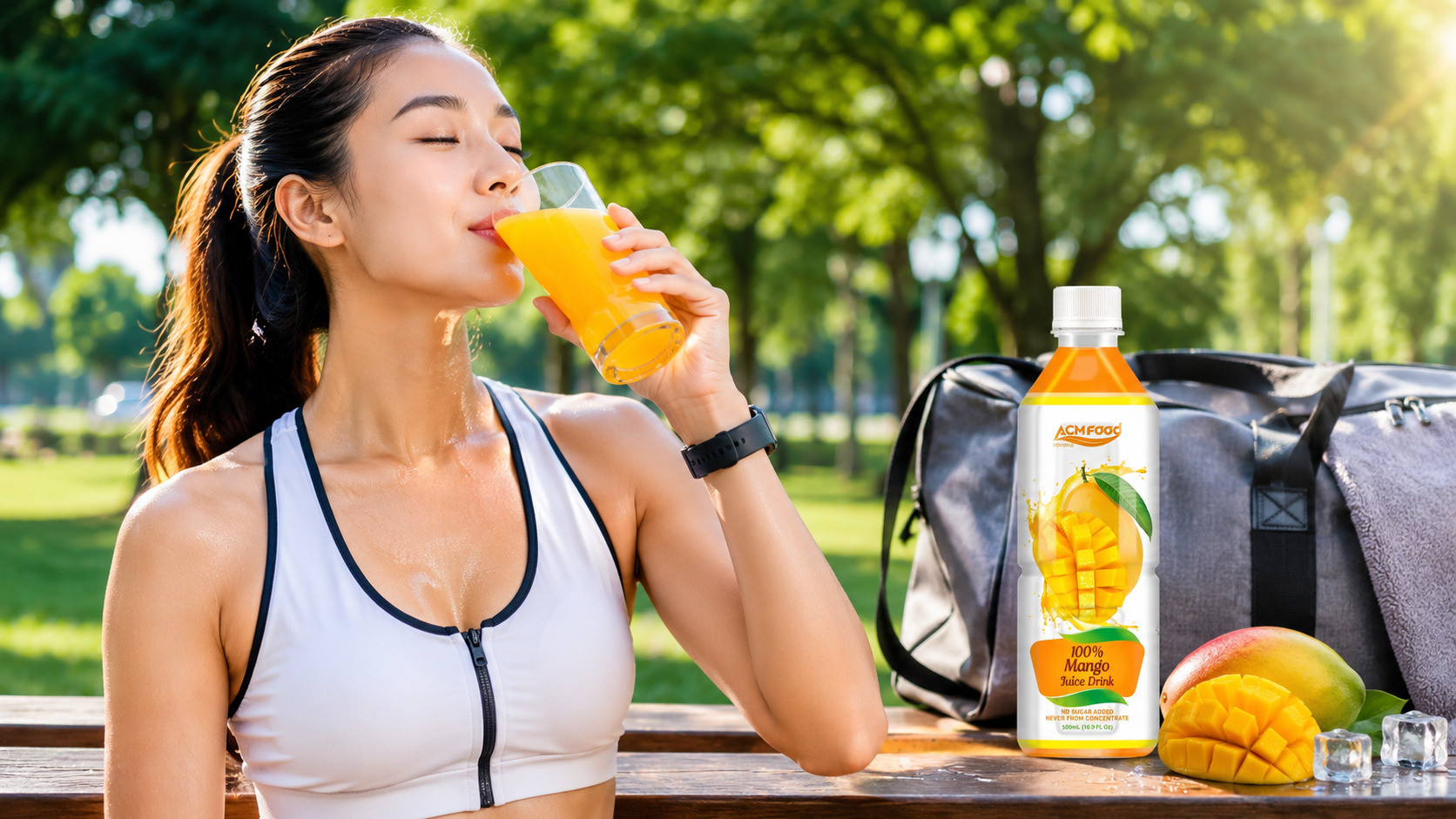
Mango is one of the world’s most widely consumed tropical fruits. Consumers associate mango with natural sweetness, vitamins, antioxidants, and premium fruit flavor, making it attractive across Asia, Europe, North America, the Middle East, and Africa.
The versatility of mango also supports multiple product categories. Manufacturers can produce 100% juice, nectar, juice drinks, sparkling beverages, smoothies, coconut blends, mixed tropical juices, and functional beverages with added vitamins or collagen.
Is this flexibility important? Absolutely. It allows distributors to introduce several SKUs using one recognizable fruit flavor while appealing to different consumer segments.
Popular mango juice product options
OEM manufacturers usually offer a broad portfolio that can be customized for different markets and regulations.
100% mango juice
Made primarily from mango puree or concentrate with no added sugar in many formulations, this option targets health-conscious consumers and premium retailers.
Mango nectar
Mango nectar generally contains between 25% and 50% fruit content, depending on local regulations. It offers a smoother texture and a balanced sweetness suitable for mass-market distribution.
Mango juice drink
Fruit juice drinks combine mango juice with purified water and natural flavors to create affordable products for convenience stores, schools, and food service businesses.
Blended fruit beverages
Mango pairs well with orange, passion fruit, guava, pineapple, coconut water, peach, and lychee. These blends create distinctive flavors while expanding your product portfolio.
Functional mango beverages
Growing consumer demand has increased interest in beverages enriched with vitamin C, vitamin D, zinc, collagen, dietary fiber, probiotics, or electrolytes.
Available packaging solutions
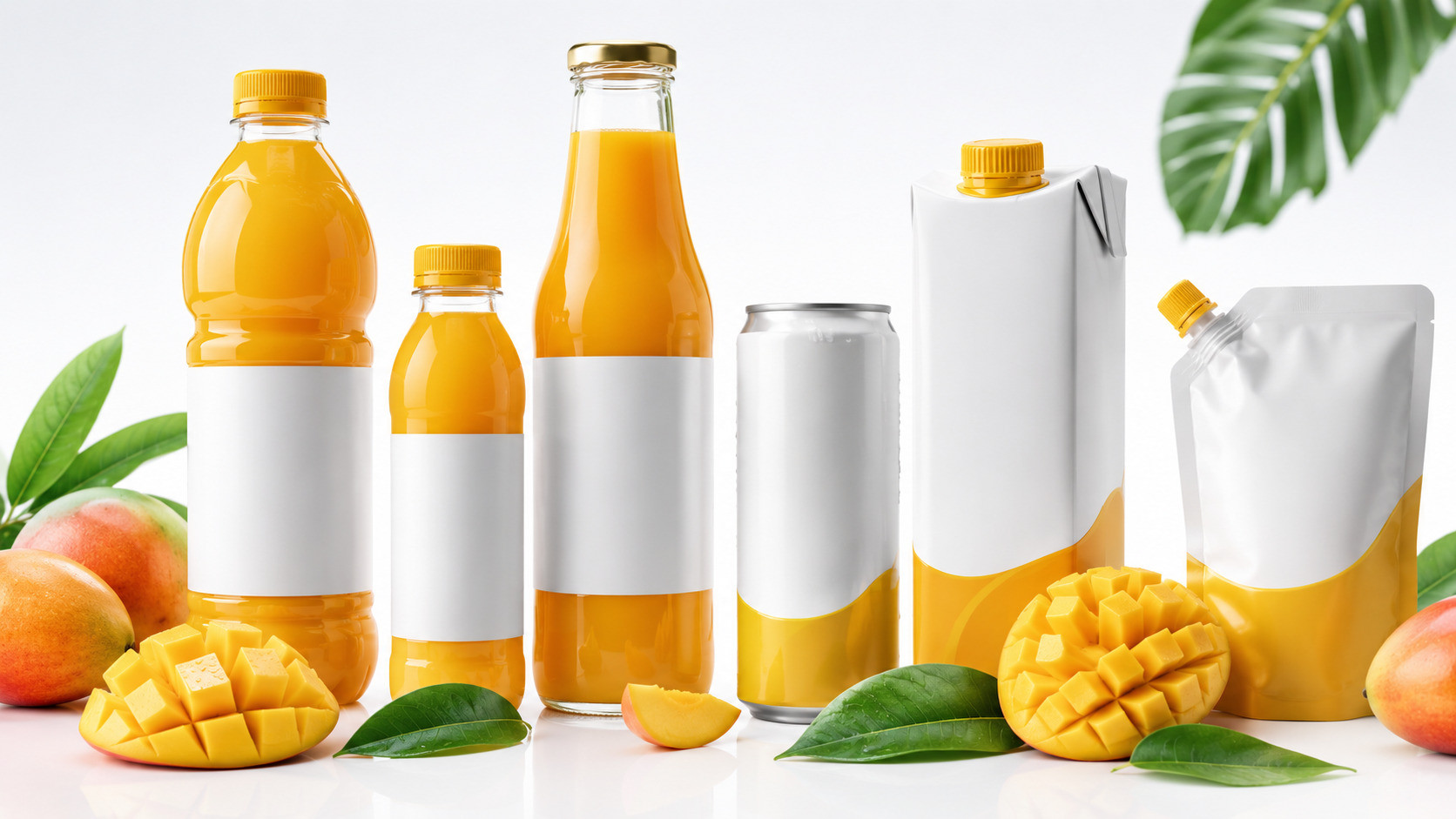
Packaging plays a major role in transportation efficiency, shelf appeal, and product positioning. Most OEM factories provide multiple packaging formats.
PET bottles
PET bottles ranging from 250 ml to 1.5 liters remain one of the most popular choices due to their durability, lightweight construction, and competitive shipping costs.
Glass bottles
Glass packaging enhances premium positioning and preserves flavor exceptionally well, making it suitable for gourmet retailers and upscale restaurants.
Aluminum cans
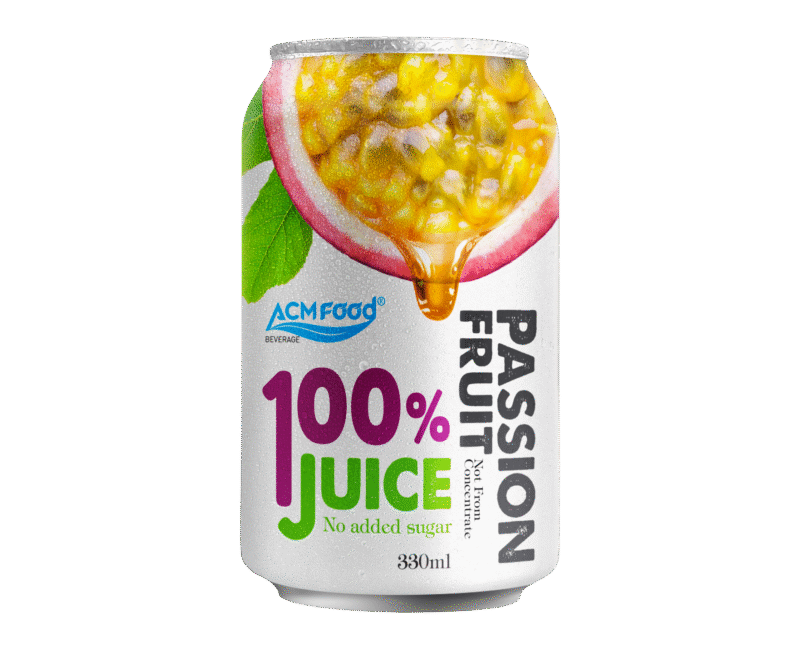
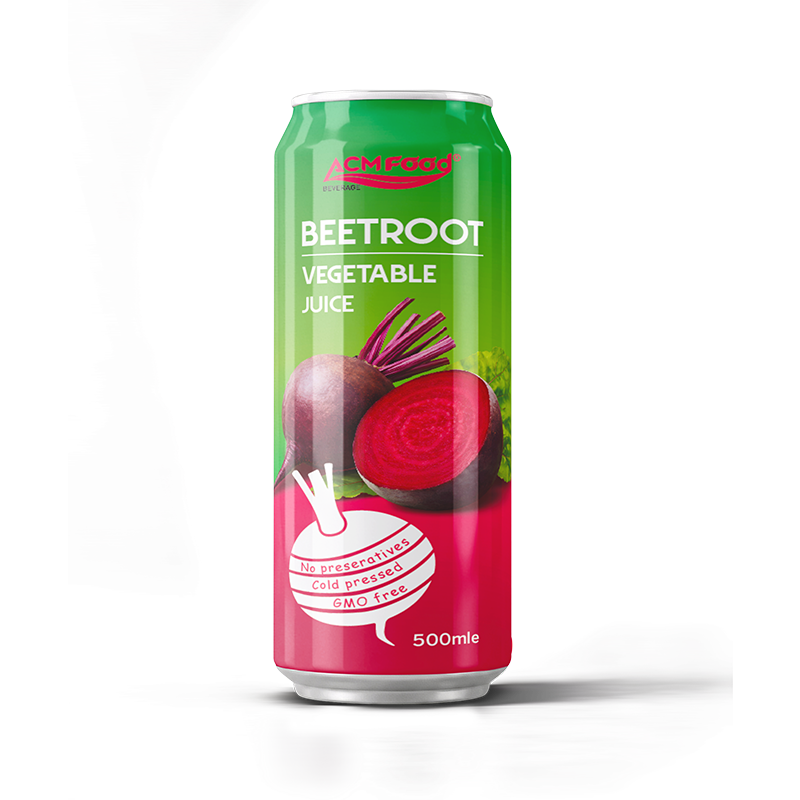
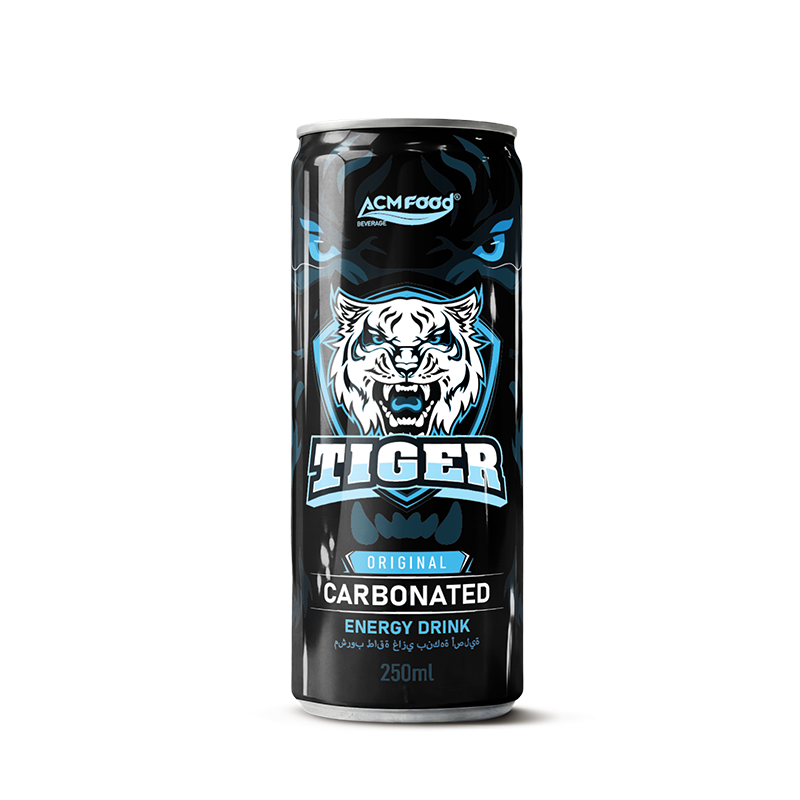
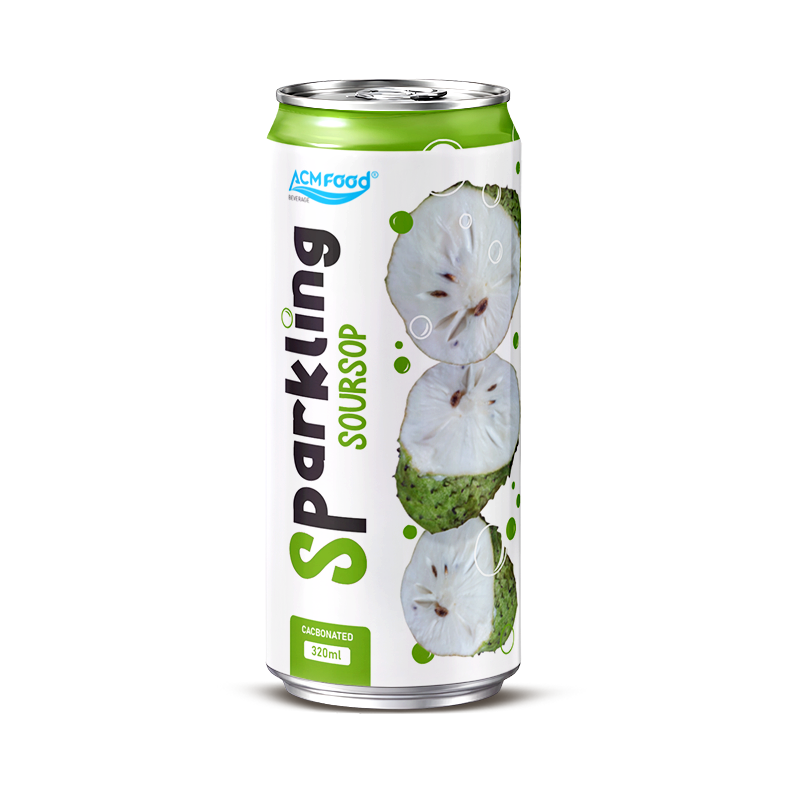
Standard sizes such as 250 ml, 330 ml, and 500 ml are commonly selected for convenience stores, vending machines, airlines, and sports venues.
Tetra Pak cartons
Aseptic cartons provide long shelf life without refrigeration before opening, making them ideal for export markets with extended logistics routes.
Stand-up pouches
Flexible pouches continue gaining popularity because they reduce shipping weight while attracting younger consumers looking for portable beverage options.
The mango juice OEM manufacturing process
Although production methods differ slightly among manufacturers, the overall process generally follows internationally recognized food safety standards.
Raw material sourcing
High-quality mangoes or mango concentrate are sourced from approved farms and suppliers. Incoming materials undergo inspection for quality, pesticide residues, microbiological safety, and consistency.
Recipe development
Food technologists formulate recipes according to target markets, sweetness preferences, fruit percentage requirements, and local regulations.
Pilot sample production
Small production batches allow customers to evaluate flavor, aroma, viscosity, color, and packaging before commercial manufacturing begins.
Mass production
Approved formulations enter automated production lines where mixing, homogenization, pasteurization, filling, sealing, coding, and packaging are carefully monitored.
Quality inspection
Finished products undergo microbiological testing, physical inspection, packaging verification, and shelf-life evaluation before shipment.
Customization options for your beverage brand
A professional OEM manufacturer offers far more than simple filling services. Complete customization helps differentiate your products in competitive retail environments.
You can customize fruit content, sugar level, sweetener type, pulp percentage, flavor intensity, acidity, bottle shape, cap color, label design, carton packaging, barcode placement, multilingual labeling, and retail packaging.
Some manufacturers also assist with market-specific certifications, helping products comply with local import requirements.
Quality certifications to look for
Food safety should never be compromised when selecting an OEM partner. Reliable manufacturers typically maintain internationally recognized certifications.
Look for facilities certified under HACCP, ISO 22000, FSSC 22000, GMP, Halal, Kosher, BRCGS registration where applicable. These certifications demonstrate structured quality management systems and improve buyer confidence during import approval.
Choosing the right mango juice OEM manufacturer
Not every factory offers the same capabilities. Asking the right questions before signing a production agreement can prevent costly delays later.
Evaluate manufacturing capacity, automation level, research and development capabilities, export experience, laboratory facilities, certification status, packaging options, minimum order quantities, lead times, and customer support.
It is also worthwhile to request production samples and recent laboratory reports. Would you launch a national brand without tasting the product first? Most experienced buyers would never skip this step.
Typical OEM project timeline
A standard private label project generally begins with product consultation and quotation, followed by sample development within two to four weeks. Packaging design, regulatory approval, and production planning often require another four to eight weeks.
Commercial production and international shipping may add several more weeks depending on container availability, destination country, and seasonal demand. Overall, many projects are completed within approximately three to six months.
Who should consider mango juice private label manufacturing?
Private label manufacturing is suitable for beverage startups, food importers, supermarket chains, wholesalers, hotel groups, restaurant distributors, airlines, online retailers, and companies expanding into new beverage categories.
Instead of building factories that may require millions of dollars in investment, businesses can allocate more resources to branding, sales, and market development while leveraging experienced manufacturing partners.
The demand for tropical fruit beverages continues to grow across global markets, creating valuable opportunities for companies launching new beverage brands. Working with an experienced mango juice OEM manufacturer allows businesses to shorten development time, reduce capital investment, and access professional production expertise while maintaining full ownership of their brand.
Whether you are exploring mango juice private label, OEM customization, ODM development, or white label manufacturing, choosing the right production partner is one of the most important decisions you will make. A manufacturer with strong quality systems, flexible customization capabilities, and proven export experience can help transform a product concept into a successful international beverage brand.
Frequently asked questions
Minimum order quantities vary by manufacturer, packaging type, and customization level. At ACMFOOD, minimums start from 500 cartons per SKU, and several SKUs can share a container.
Yes. Most OEM manufacturers support custom formulations, allowing clients to adjust fruit content, sweetness, ingredients, and flavor profiles according to their target market.
Many manufacturers provide packaging consultation and artwork review to ensure labels comply with destination market regulations and printing specifications.
Shelf life commonly ranges from 12 to 24 months depending on ingredients, packaging format, preservation technology, and storage conditions.
Taking this juice to market under your own brand
The OEM route for any fruit juice follows the same commercial path. For how contract production is structured, see OEM beverage manufacturing. To launch it under your own label, see private label beverages. Format, closure and pack-size trade-offs are compared on packaging options. Minimums are set per SKU — see minimum order quantity. When you have a specification, request a quote.
Request a quote