


 Français
 Español
 العربية
 한국어
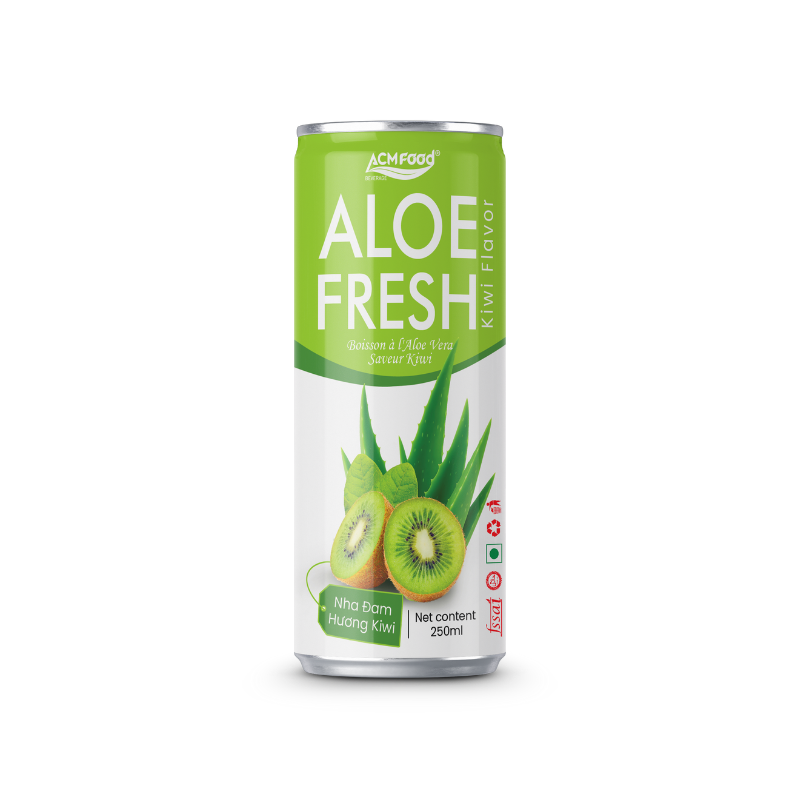
한국어Kiwi juice OEM is a private label service in which a manufacturer produces kiwi juice or kiwi blends to your recipe and packs them under your brand. Buyers decide on juice content, sugar level, pulp, pack format (often 250–330 ml cans or PET), certifications and export labelling.
The global fruit beverage market continues to expand as consumers seek healthier drinks with natural ingredients and distinctive flavors. Kiwi juice has become an attractive option because of its refreshing taste, vibrant green color, and naturally occurring vitamin C. For companies planning to introduce new beverage products without investing millions of dollars in manufacturing facilities, kiwi juice OEM services provide a practical and scalable solution.
Instead of building a production plant, businesses can collaborate with experienced manufacturers that already operate certified production lines. This approach reduces upfront investment, shortens product development timelines, and allows brands to focus on marketing, distribution, and customer acquisition. Whether you are a supermarket chain, beverage distributor, online retailer, or startup, OEM manufacturing can accelerate your product launch.
What is kiwi juice OEM?
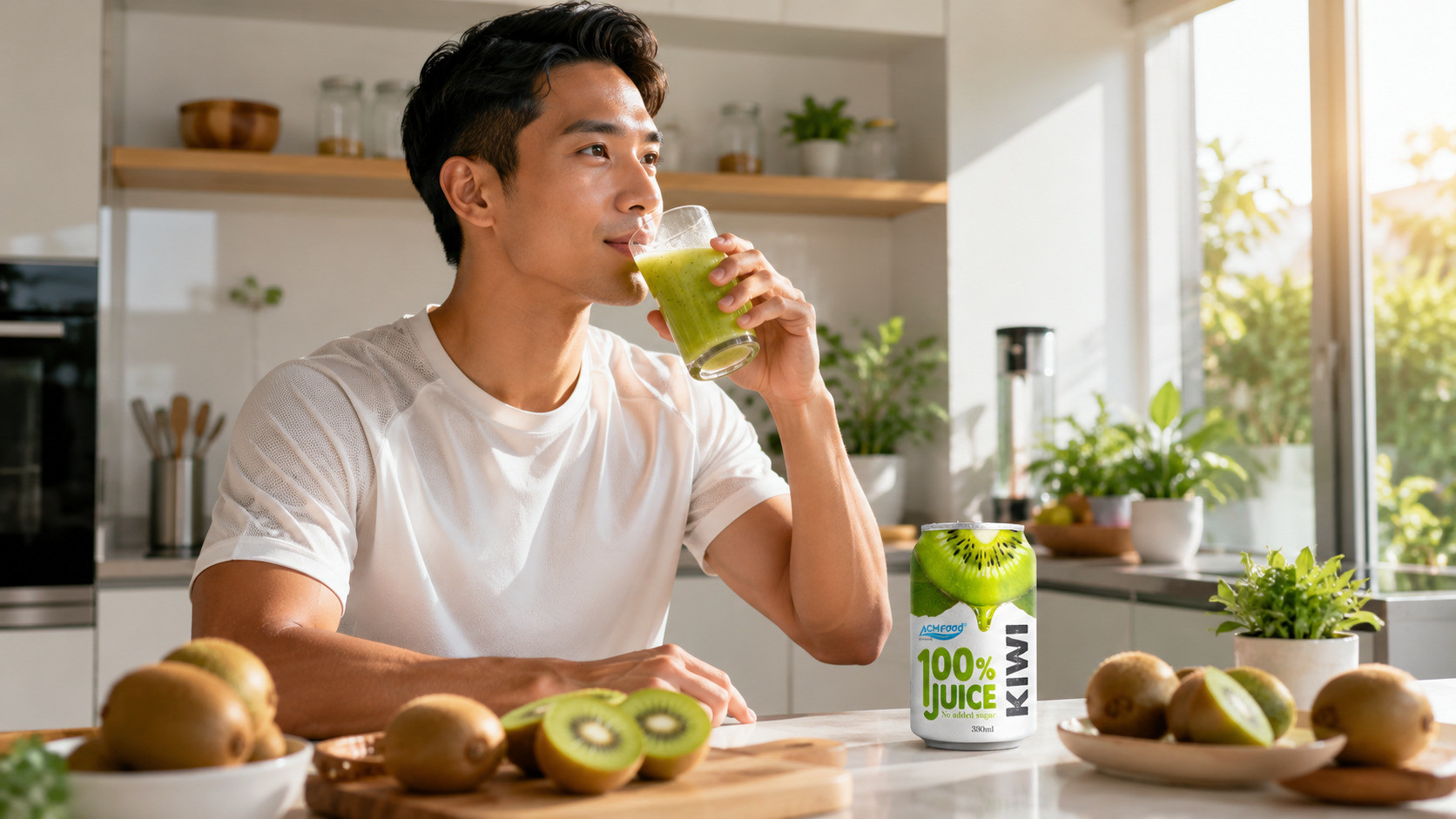
Kiwi juice OEM refers to Original Equipment Manufacturing services where a qualified beverage producer manufactures kiwi juice products according to another company’s specifications. The finished products are then sold under the client’s own brand rather than the manufacturer’s brand.
OEM services typically cover recipe development, ingredient sourcing, production, filling, packaging, quality testing, regulatory compliance, and export documentation. This allows businesses to enter competitive markets while avoiding the significant costs associated with factory construction and equipment purchasing.
Why spend years developing manufacturing capabilities when an experienced OEM partner can often complete production within weeks after product approval?
Why kiwi juice is becoming a popular beverage category
Kiwi is widely recognized for its fresh taste and nutritional profile. It naturally contains vitamin C, dietary fiber, potassium, and antioxidants, making it appealing to health-conscious consumers. As functional beverages continue to gain market share, kiwi juice offers an alternative to more traditional fruit juices such as orange, apple, or grape.
Many consumers also appreciate kiwi’s slightly sweet and mildly tart flavor. This makes it suitable as both a standalone beverage and a blending ingredient for tropical fruit drinks, smoothies, sparkling beverages, and functional juice products.
According to industry market analyses, consumers increasingly prefer beverages containing recognizable fruit ingredients with fewer artificial additives. Manufacturers are responding by developing products with higher fruit content and cleaner ingredient labels.
How kiwi juice private label services work
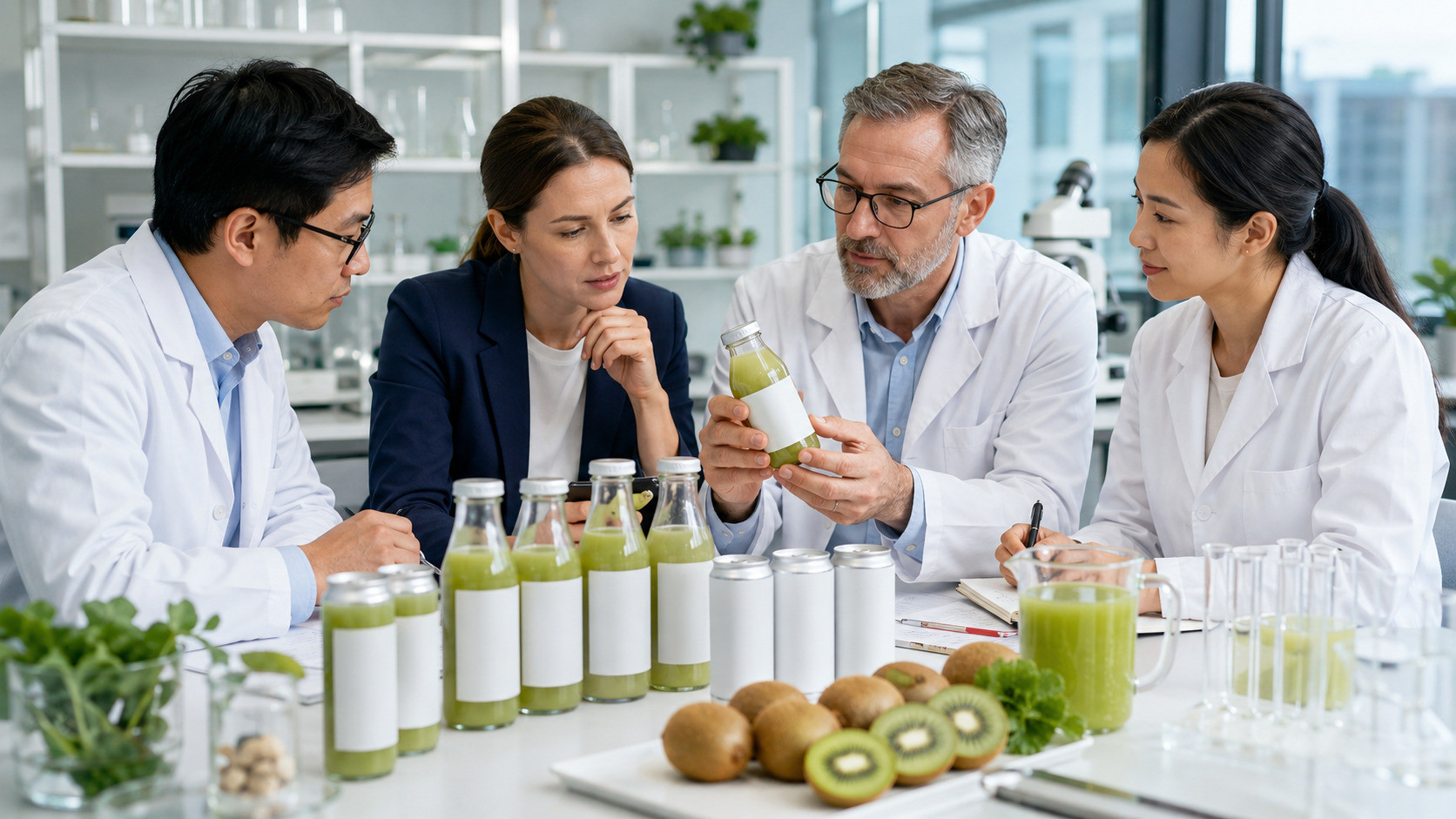
Kiwi juice private label manufacturing enables businesses to launch products under their own brand while outsourcing production to an experienced factory. Rather than purchasing expensive machinery, companies pay for manufacturing services based on production volume and packaging requirements.
The process usually begins with product planning. Businesses determine target customers, packaging format, sweetness level, fruit content, and desired certifications. The manufacturer then develops samples for evaluation before commercial production begins.
After formula approval, production moves through ingredient preparation, blending, pasteurization, filling, sealing, quality inspection, labeling, and packaging. Finished products are prepared for domestic distribution or international export depending on customer requirements.
Main advantages of kiwi juice OEM manufacturing
Working with an experienced OEM manufacturer provides significant business advantages beyond simple production outsourcing. The most immediate benefit is reduced capital expenditure. Beverage factories often require investments ranging from hundreds of thousands to several million US dollars depending on production capacity.
OEM manufacturing also reduces operational complexity. Instead of managing raw material sourcing, production staff, maintenance, laboratory testing, and regulatory inspections, businesses can focus on growing sales channels and strengthening brand recognition.
Another advantage is production flexibility. Companies can introduce seasonal flavors, limited editions, or market-specific products without modifying their own facilities. This flexibility is particularly valuable when consumer preferences change quickly.
Packaging options available for kiwi juice private label
Packaging influences both consumer perception and distribution efficiency. A reliable OEM manufacturer usually offers multiple packaging formats suitable for different retail channels and target markets.
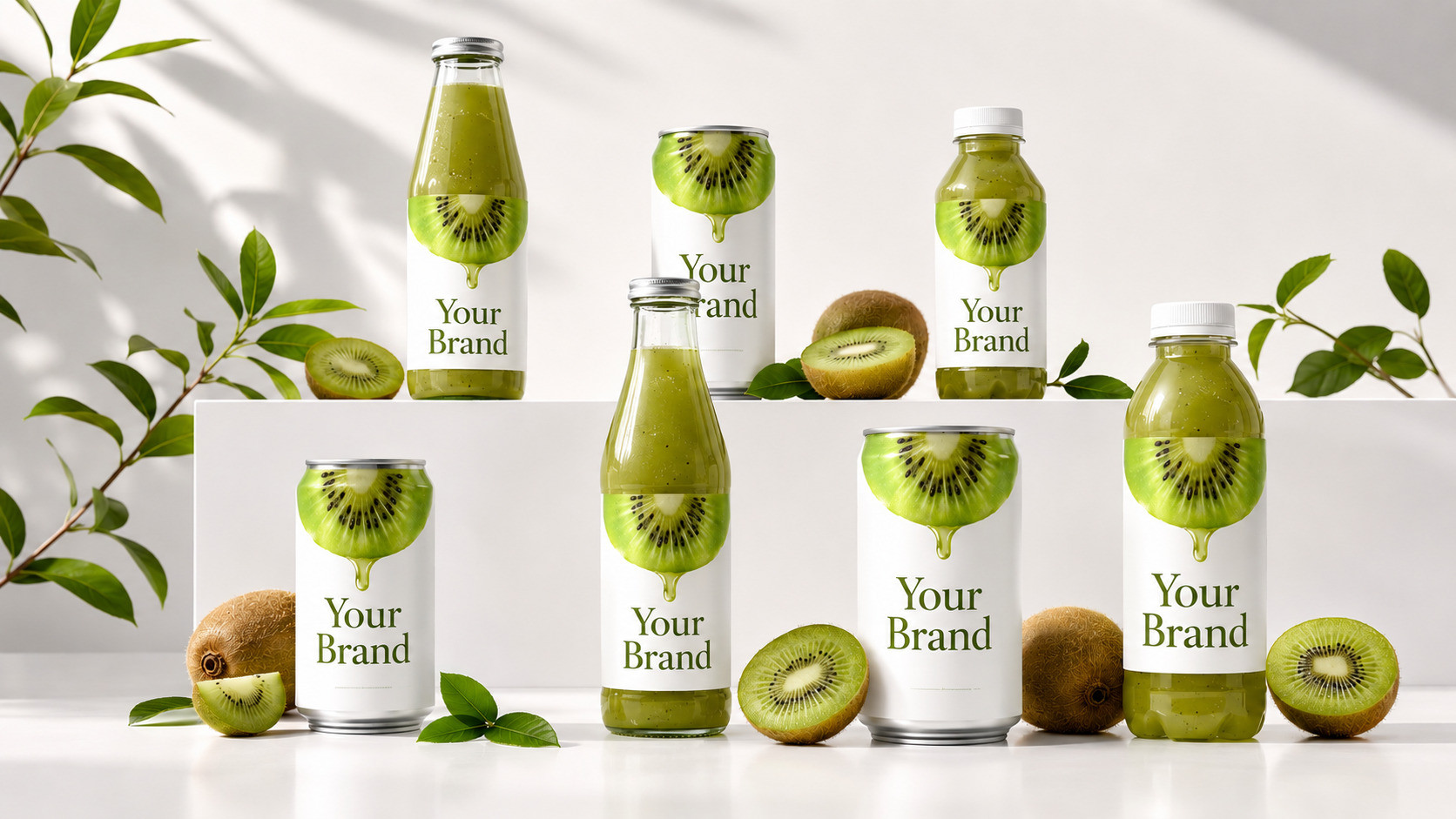
Popular options include aluminum cans ranging from 250 ml to 500 ml, PET bottles between 300 ml and 1 liter, glass bottles for premium positioning, and aseptic cartons designed for extended shelf life. Flexible pouch packaging is also becoming more common in convenience and children’s beverage markets.
Packaging customization often includes label design, bottle shape selection, cap color, carton printing, barcode generation, multilingual labeling, and shipping carton optimization for international logistics.
Quality control throughout the manufacturing process
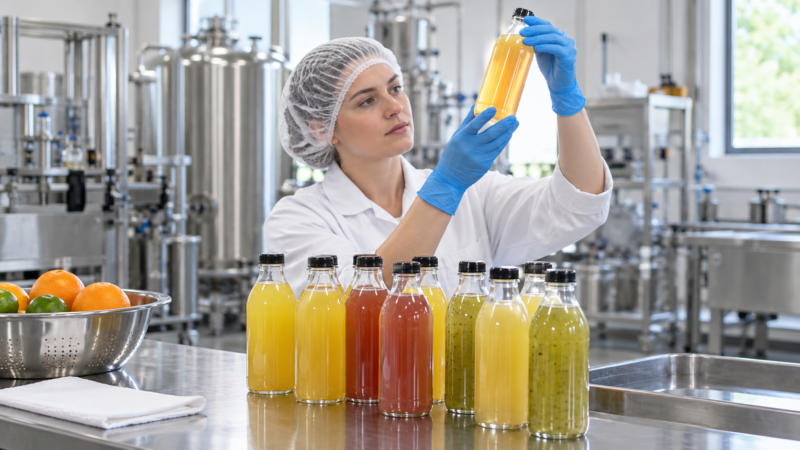
Quality assurance is one of the most important considerations when selecting a manufacturing partner. Reliable factories establish quality control checkpoints from raw material inspection through final product testing.
Fresh kiwi ingredients are evaluated before processing. During production, manufacturers monitor parameters such as soluble solids, acidity, pH, filling temperature, microbiological safety, and packaging integrity. Final products undergo additional testing before shipment.
Many export-oriented beverage manufacturers operate according to internationally recognized food safety systems, helping customers meet import regulations across multiple countries.
Customization opportunities for beverage brands
One of the greatest strengths of kiwi juice OEM manufacturing is product customization. Businesses are not limited to a single formula or packaging design. Instead, manufacturers can develop beverages that align with specific market preferences.
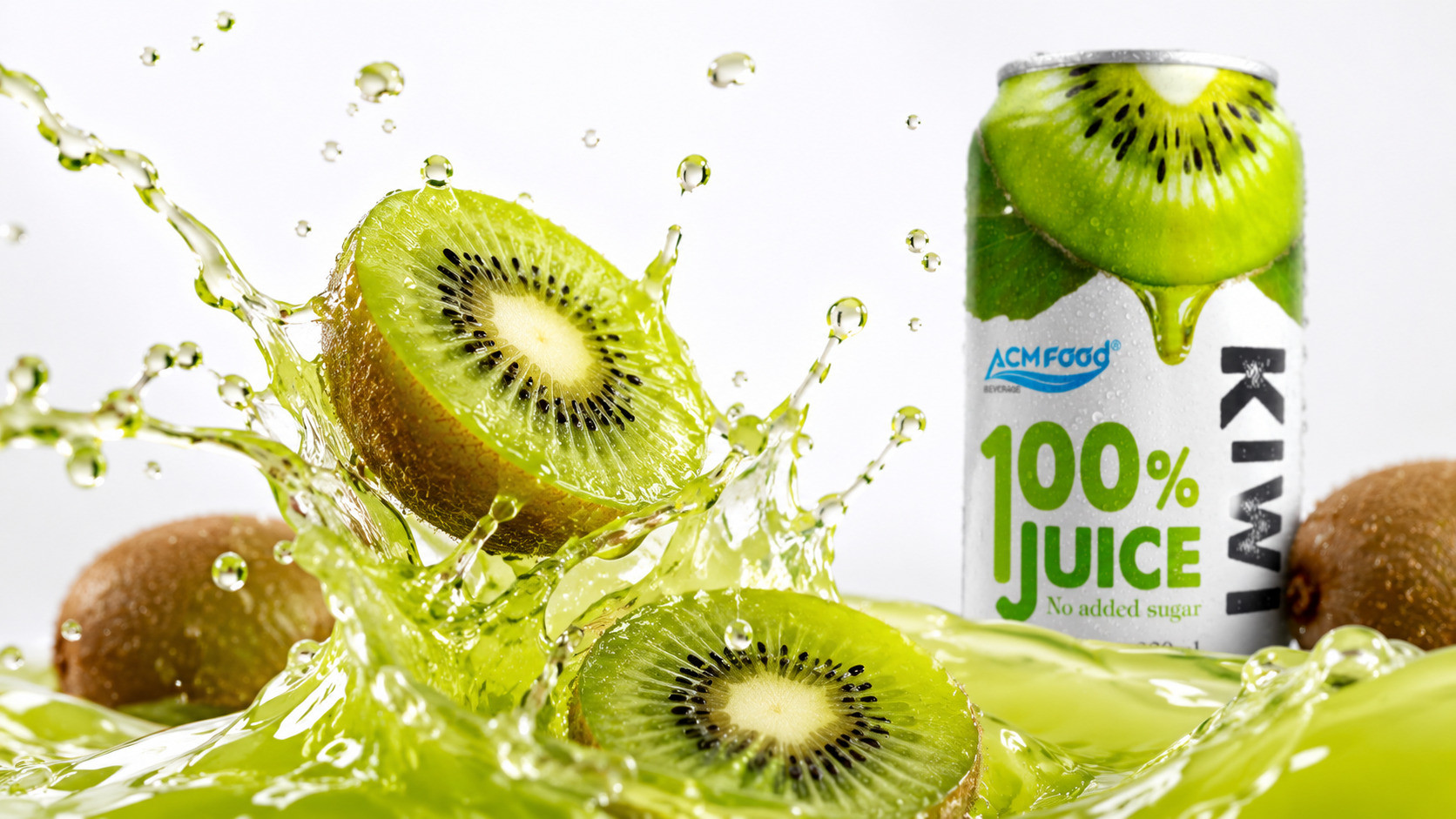
For example, one customer may request 100% kiwi juice with no added sugar, while another may prefer a fruit juice blend combining kiwi, apple, and pineapple. Others may require functional ingredients such as vitamin C, collagen, probiotics, or botanical extracts to target premium wellness markets.
Customization also extends to branding. Businesses can create distinctive packaging designs, premium labels, multilingual artwork, and region-specific nutritional information for international distribution.
Choosing the right kiwi juice OEM manufacturer
Selecting a manufacturing partner should involve more than comparing prices. Experience, production capacity, food safety certifications, research capabilities, and export experience all contribute to long-term business success.
A qualified manufacturer should be able to explain production capacity, minimum order quantities, quality management procedures, lead times, and available packaging options with clear documentation. Transparent communication often reflects a well-managed production operation.
It is also valuable to request product samples before placing commercial orders. Taste, aroma, color consistency, and packaging quality should be carefully evaluated to ensure they meet your brand positioning.
Common industries using kiwi juice private label products
Kiwi juice private label products serve a wide variety of commercial sectors. Supermarket chains expand their exclusive beverage lines, while hotels and restaurants introduce signature drinks that differentiate their customer experience.
Fitness centers increasingly offer functional fruit beverages alongside protein products. Cafés use kiwi juice as a base ingredient for smoothies, mocktails, and seasonal drinks. Online retailers also benefit by introducing niche beverage brands without maintaining manufacturing facilities.
International distributors frequently work with OEM manufacturers to develop products tailored to local consumer preferences, language requirements, and regulatory standards.
Export support for international beverage businesses
Many OEM manufacturers provide comprehensive export services in addition to production. These services may include customs documentation, certificate preparation, pallet configuration, container loading, and coordination with international freight partners.
This support simplifies overseas purchasing for importers that may not have dedicated logistics teams. Efficient export management also helps reduce shipping delays and documentation errors.
Businesses planning long-term expansion often benefit from manufacturers with established export experience across multiple global markets.
Future opportunities for kiwi juice OEM businesses
The demand for healthier beverages continues to evolve as consumers seek products containing natural fruit ingredients and innovative flavors. Kiwi juice has strong potential to benefit from these trends because it combines nutritional appeal with a distinctive taste profile.
Future product development may include organic kiwi beverages, low-sugar formulations, sparkling kiwi drinks, functional wellness beverages, and blended fruit juices targeting different consumer segments. Companies that establish reliable manufacturing partnerships today may be better positioned to respond to tomorrow’s market opportunities.
As competition increases, successful brands will differentiate themselves through product quality, consistent supply, attractive packaging, and consumer trust rather than price alone.
Kiwi juice OEM manufacturing offers an efficient pathway for companies seeking to launch beverage products with lower investment and faster market entry. By partnering with an experienced manufacturer, businesses gain access to professional production facilities, quality management systems, packaging expertise, and export support.
Whether your objective is developing a premium health beverage, expanding a supermarket product line, or creating a global kiwi juice private label brand, selecting the right OEM partner can significantly improve product quality, operational efficiency, and long-term business growth. A carefully planned partnership provides the foundation for building a competitive beverage brand in an increasingly dynamic global marketplace.
Taking this juice to market under your own brand
The OEM route for any fruit juice follows the same commercial path. The production side is covered under OEM beverage manufacturing services. To launch it under your own label, see private label beverages. Format, closure and pack-size trade-offs are compared on packaging options. Minimums are set per SKU — see minimum order quantity. When you have a specification, request a quote.
Request a quote