


 Français
 Español
 العربية
 한국어
한국어Private label fresh fruit juice is juice produced by a manufacturer and sold under your own brand, letting you launch without building a factory. The key steps are choosing fruits and juice content (for example 100% juice versus nectar), packaging, shelf life, certifications and labelling rules for each export market.
The global beverage market continues to evolve, but one category remains consistently attractive to consumers: fresh fruit juice. People are paying more attention to ingredient lists, sugar content, and the source of the products they buy. As a result, fruit-based beverages have become a popular choice across supermarkets, convenience stores, cafés, hotels, and online retail channels.
For entrepreneurs, distributors, and established food companies, this trend creates a practical opportunity. Instead of building a beverage factory from scratch, many businesses choose private label fresh fruit juice manufacturing. This approach allows them to launch products under their own brand while relying on an experienced manufacturer for production.
If you’re considering entering the beverage market, understanding how private label fresh fruit juice works can help you reduce risk, shorten development time, and bring products to market more efficiently.
Why fresh fruit juice remains a strong category
Consumer preferences change frequently, yet fruit juice continues to maintain broad appeal. Unlike niche beverage categories that target a specific audience, fresh fruit juice attracts multiple customer groups. Children, office workers, athletes, travelers, and health-conscious consumers all purchase fruit juice products regularly.
In many markets, consumers are actively searching for beverages made with recognizable ingredients. A label that clearly states orange juice, mango juice, guava juice, pineapple juice, or mixed fruit juice is often easier for shoppers to understand than a product filled with unfamiliar ingredients.
We’ve also seen growing demand for juice products that contain no artificial colors, reduced sugar formulations, and fruit blends inspired by tropical flavors. This creates room for both established brands and newcomers to develop products that match current market preferences.
The category is large enough to support different positioning strategies. Some brands focus on premium ingredients. Others compete on affordability. Some emphasize organic sourcing, while others target convenience with ready-to-drink packaging.
What is private label fresh fruit juice?
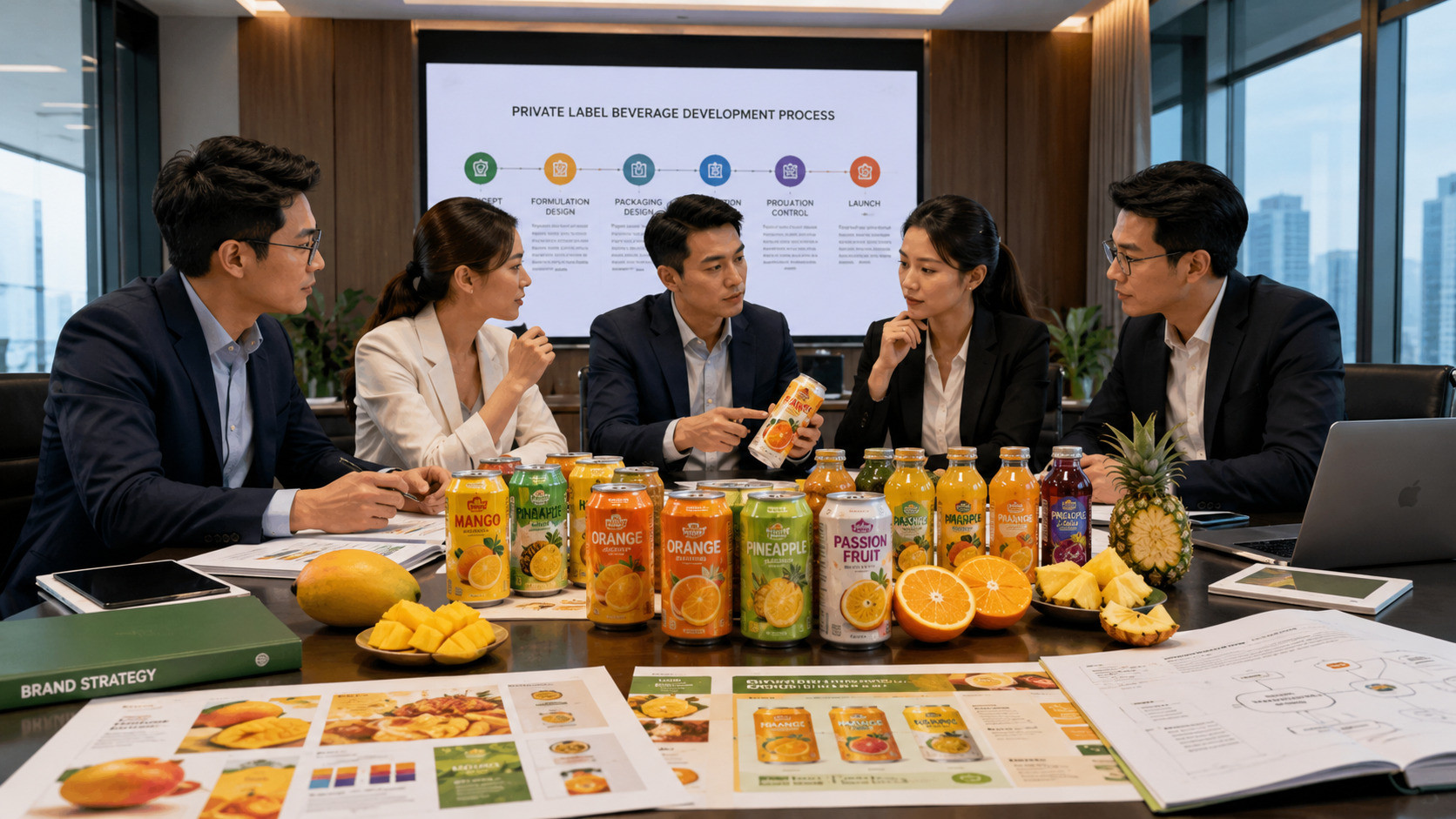
Private label fresh fruit juice refers to juice products manufactured by a beverage producer and sold under another company’s brand name.
For example, a retailer in Europe may want to launch a mango juice product under its own brand. Instead of investing millions of dollars in production equipment, laboratory testing, quality control systems, and packaging lines, the retailer partners with a manufacturer that already has these capabilities.
The manufacturer produces the juice according to agreed specifications. The retailer applies its own branding, marketing strategy, and sales channels.
This business model has become increasingly popular because it significantly reduces barriers to entry. A company can focus on building customer relationships and distribution while outsourcing production to specialists.
Benefits of launching a private label fresh fruit juice brand
Faster market entry
Building a beverage production facility can take years. Equipment procurement, facility construction, certifications, and employee training all require substantial investment.
With private label manufacturing, many of these steps are already completed. A manufacturer typically has existing production lines, quality systems, and sourcing networks in place.
This means your product can move from concept to commercial production much faster than developing an operation independently.
Lower upfront investment
One of the biggest challenges for new beverage brands is capital expenditure. Filling lines, pasteurization systems, laboratory equipment, and packaging machinery can cost hundreds of thousands or even millions of dollars.
Private label production eliminates much of this financial burden. Instead of purchasing equipment, you pay for production services and focus your budget on branding, marketing, and distribution.
Access to manufacturing expertise
Beverage production involves more than mixing fruit and water. Product stability, shelf life, flavor consistency, food safety compliance, and packaging compatibility all require technical knowledge.
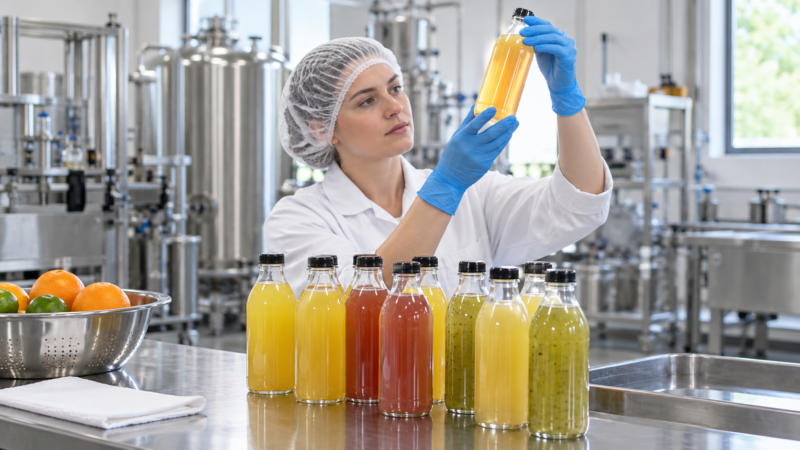
Experienced manufacturers work with these challenges daily. Their teams understand formulation adjustments, microbiological testing, and production processes that help maintain product quality across large production runs.
Scalability
A product launch may begin with one container shipment. If demand increases, production can often be expanded without requiring major infrastructure investments from the brand owner.
This flexibility allows companies to test new markets before committing larger resources.
Choosing the right fruit juice products
Not every juice product performs equally well in every market. Consumer preferences vary by region, culture, and purchasing power.
Orange juice remains one of the most recognized products globally. However, tropical fruit juices have gained significant attention in recent years.
Mango juice often appeals to consumers seeking richer flavor profiles. Pineapple juice is popular in hospitality and food service channels. Guava juice attracts consumers interested in exotic fruit experiences. Mixed fruit combinations can create differentiation while appealing to broader audiences.
When evaluating product opportunities, it helps to review retail data, local beverage trends, and competitor offerings.
A simple question can reveal valuable insight: what products are already successful in your target market, and what gaps still exist?
Packaging options for private label fresh fruit juice
Packaging plays a larger role than many first-time beverage brands expect. Consumers often make purchasing decisions within seconds, and packaging is usually the first thing they notice.
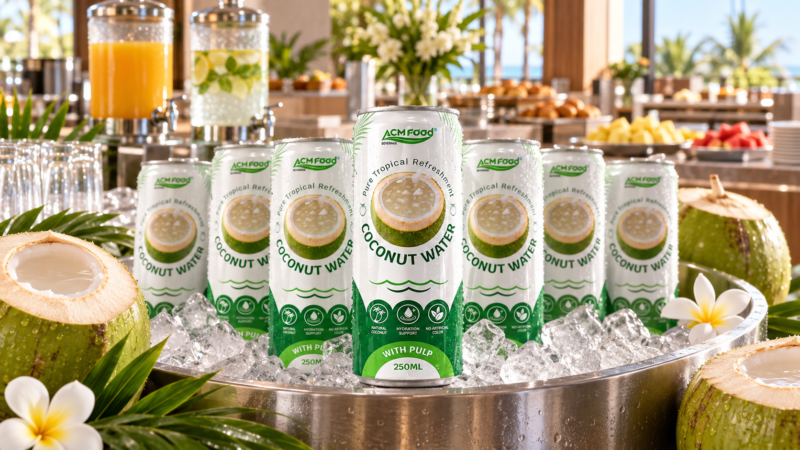
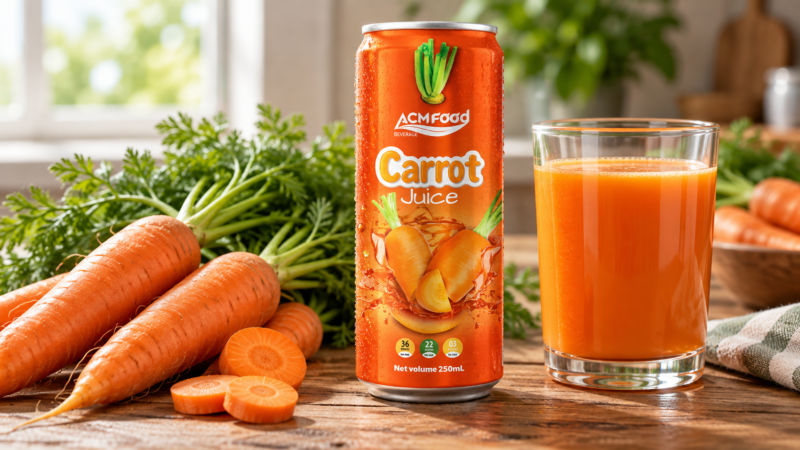
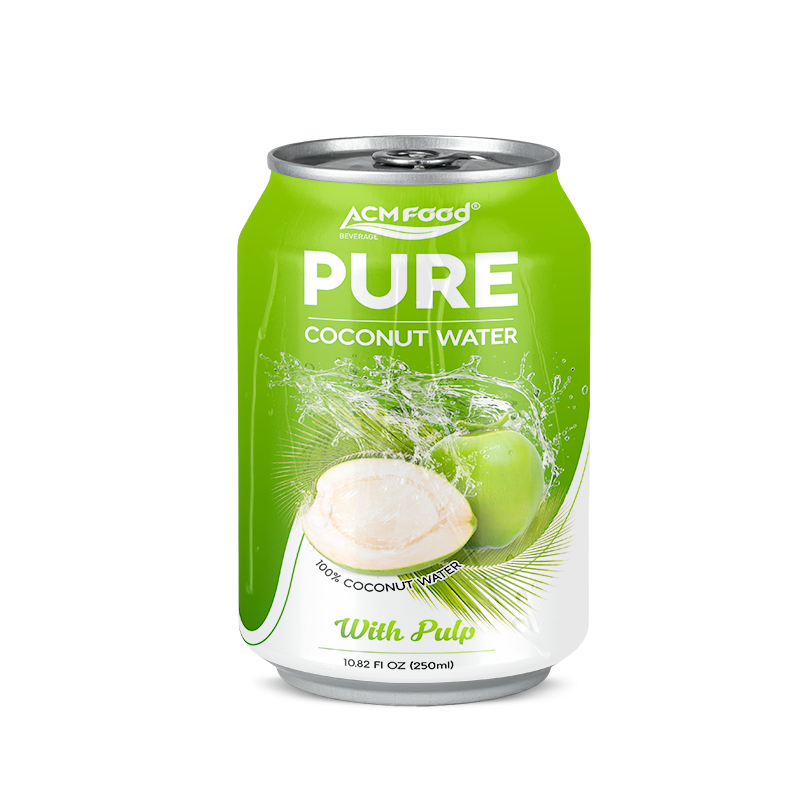
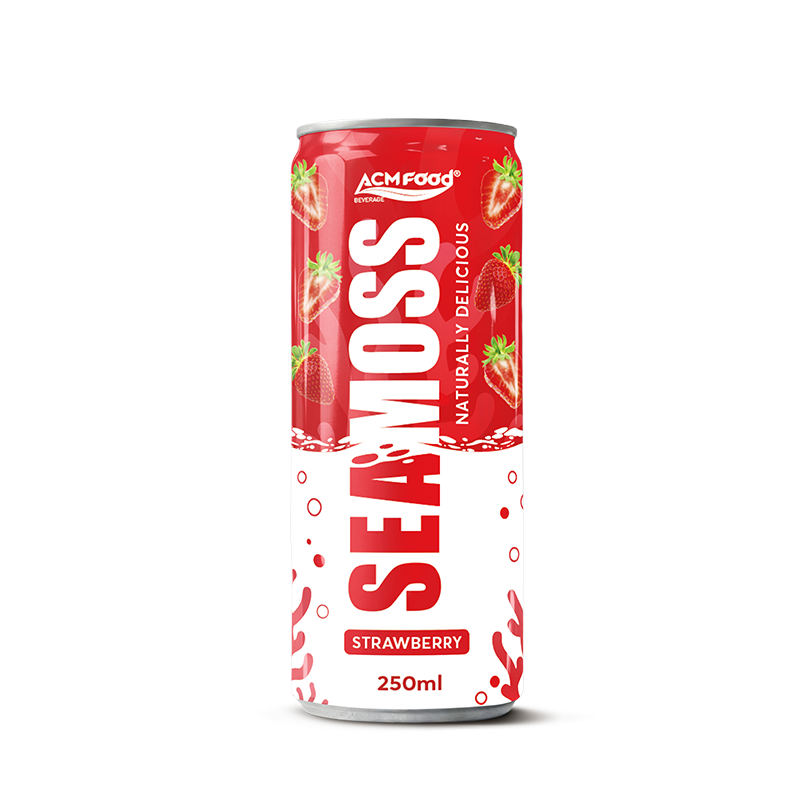
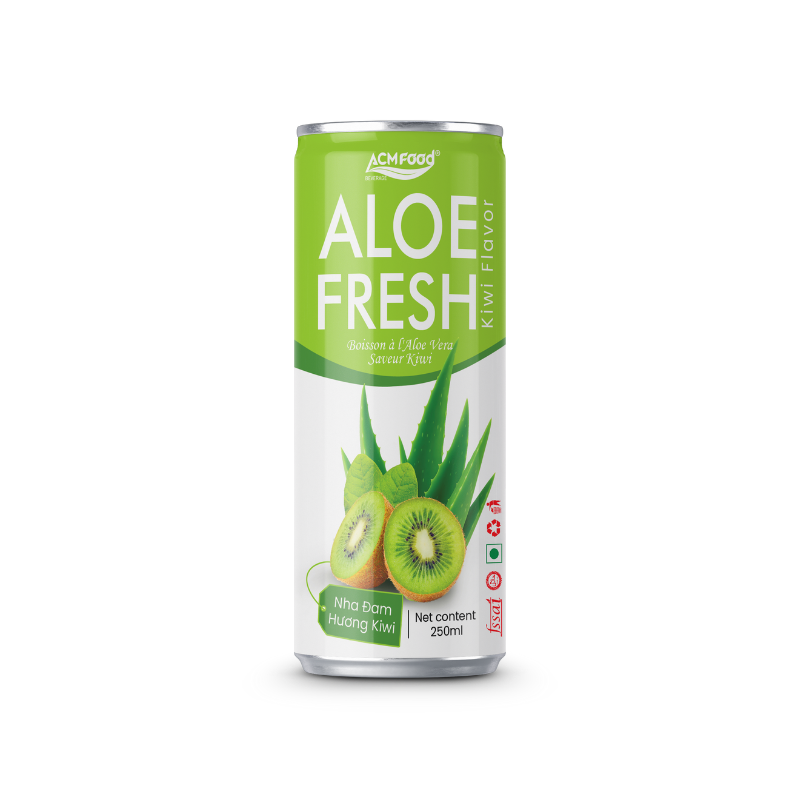
Aluminum cans continue to gain popularity because they are lightweight, recyclable, and suitable for modern retail environments. Many convenience stores and supermarkets prefer canned beverages due to storage efficiency.
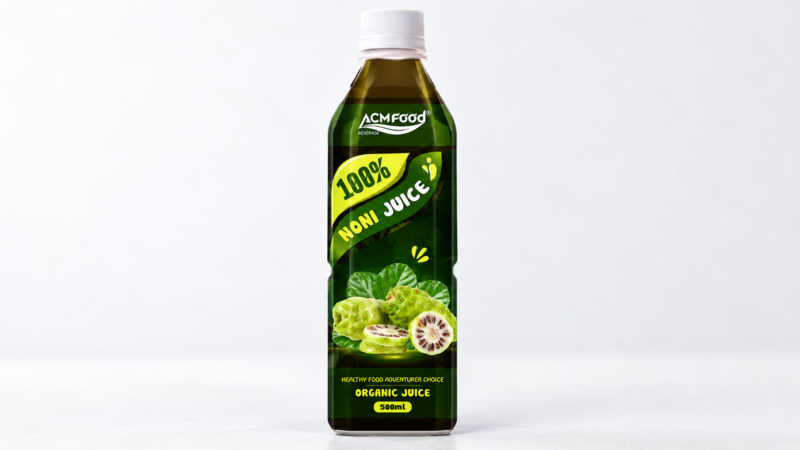
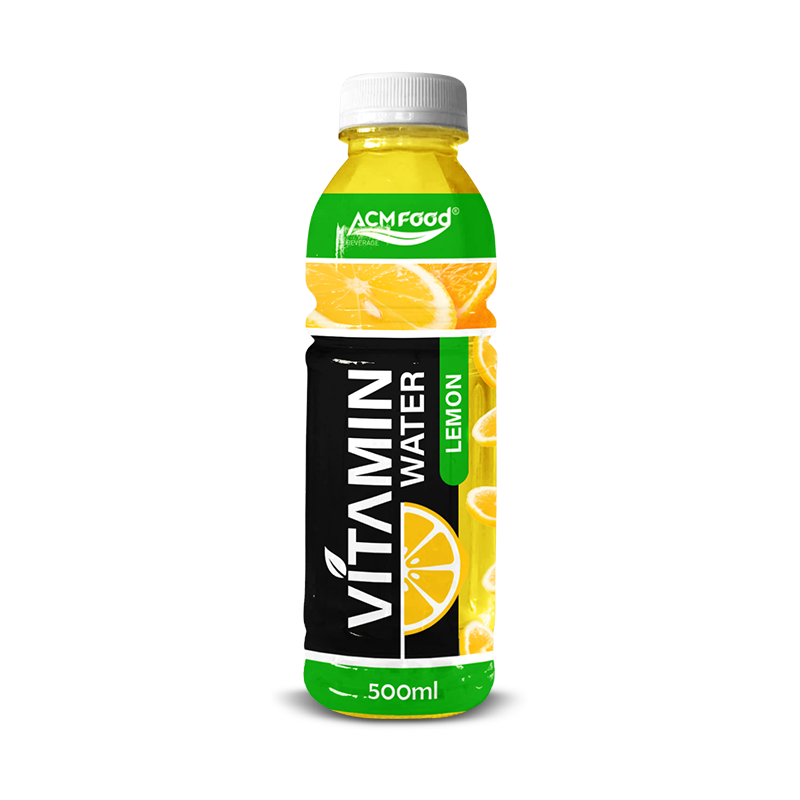
PET bottles remain a common choice because they are familiar to consumers and available in various sizes. Glass bottles are often selected for premium product lines, restaurants, and specialty retailers.
Packaging size also matters. A 250 ml can may appeal to on-the-go consumers, while larger bottles may better suit family consumption.
The best option depends on your target audience, pricing strategy, and distribution channels.
Fresh fruit juice trends shaping the market
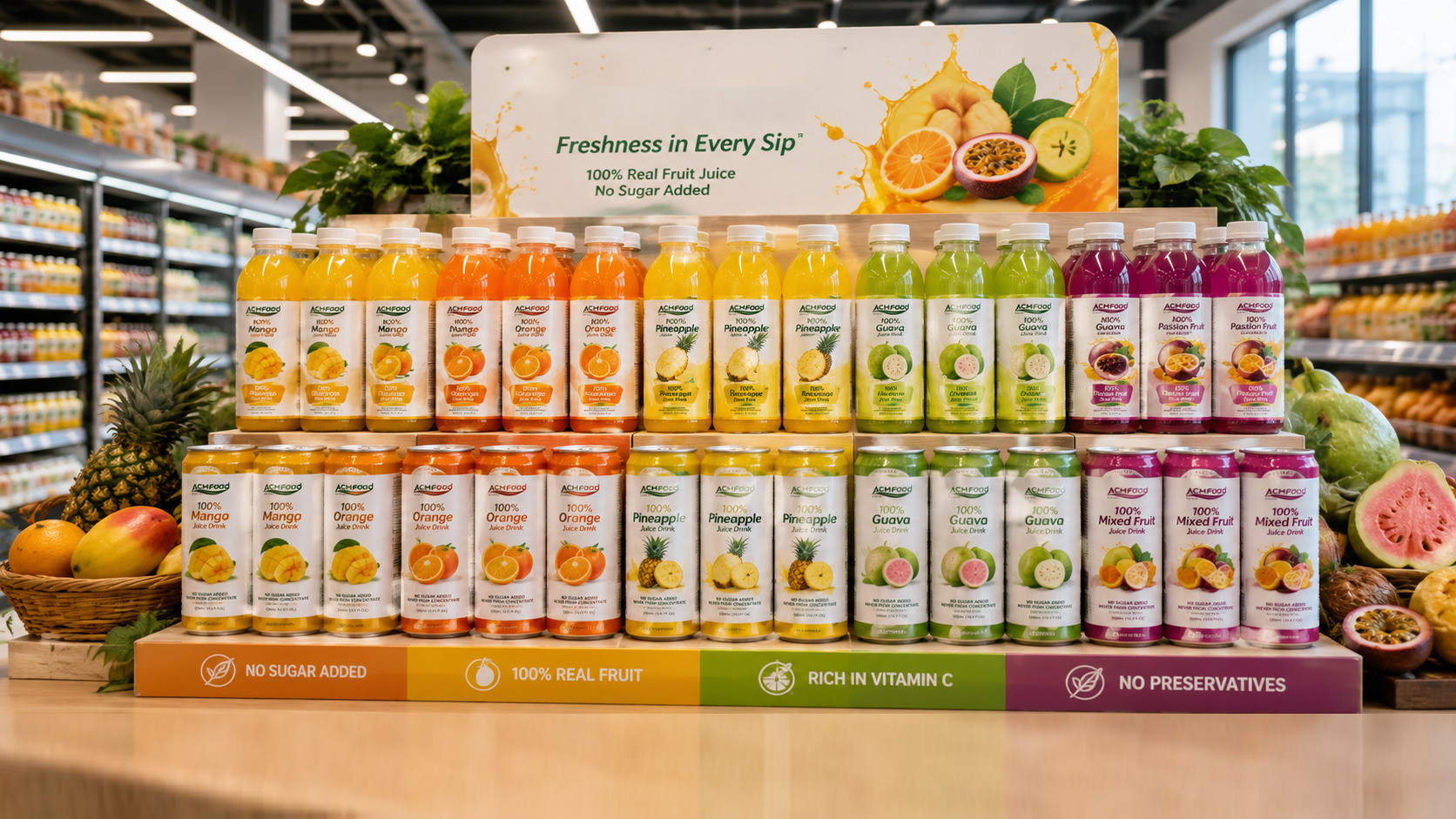
The beverage industry continues to introduce new concepts, but several trends have shown consistent growth.
Reduced sugar products remain a major area of interest. Consumers increasingly review nutrition labels and compare sugar content before making purchases.
Functional beverages are also attracting attention. Brands are incorporating ingredients such as vitamins, minerals, antioxidants, and botanical extracts into fruit juice formulations.
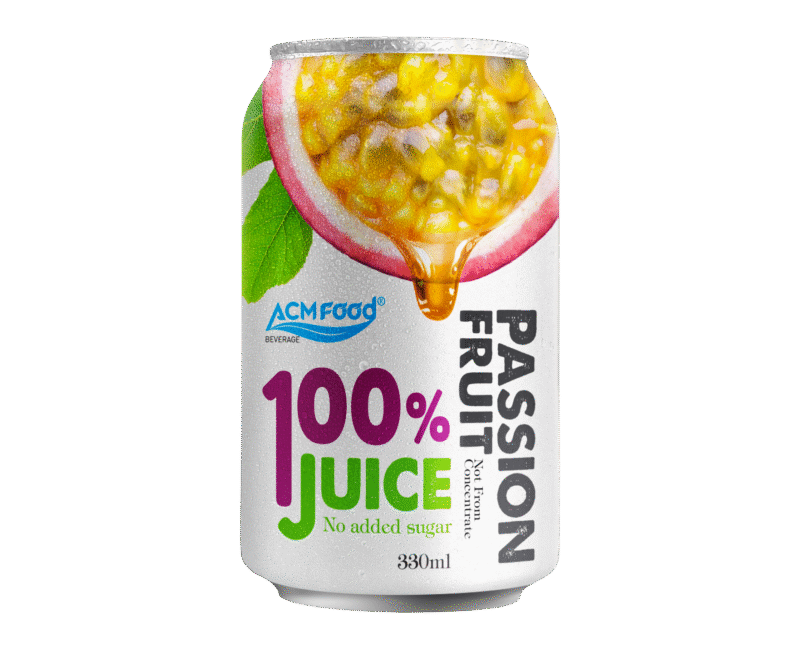
Tropical flavors continue to expand globally. Products featuring mango, coconut, passion fruit, lychee, dragon fruit, and guava are appearing in more retail environments than ever before.
Clean-label positioning is another factor influencing purchasing decisions. Many consumers prefer products with ingredient lists they can easily understand.
From conversations with importers and distributors, one pattern appears repeatedly: consumers are willing to try new flavors when the ingredients feel authentic and recognizable.
Quality standards buyers should evaluate
When selecting a manufacturing partner, product quality should never be treated as an afterthought.
Food safety issues can damage a brand’s reputation quickly. Recovering from such incidents often costs far more than investing in proper quality controls from the beginning.
Before choosing a supplier, buyers should evaluate certifications, production capabilities, testing procedures, and quality management systems.
Manufacturers should be able to provide documentation related to food safety compliance, ingredient traceability, and production monitoring.
It is also worth discussing raw material sourcing. The quality of the fruit directly affects flavor, color, aroma, and consumer satisfaction.
Reliable manufacturers maintain strong relationships with agricultural suppliers and implement quality inspections throughout the production process.
OEM, ODM, and private label: understanding the difference
Many beverage buyers encounter the terms OEM, ODM, and private label during supplier discussions.
OEM manufacturing generally means the buyer provides the product specifications while the manufacturer produces according to those requirements.
ODM manufacturing involves a manufacturer offering existing formulations or product concepts that buyers can customize and brand.
Private label often focuses on selling products under the buyer’s own brand identity, regardless of whether the formulation originates from the buyer or manufacturer.
In practice, many beverage manufacturers provide all three services. This flexibility allows buyers to choose the approach that best fits their timeline, budget, and market objectives.
Common mistakes new beverage brands make
One common mistake is focusing exclusively on product flavor while neglecting packaging design. Even excellent juice products can struggle if packaging fails to attract attention on retail shelves.
Another issue is unrealistic pricing expectations. Competitive pricing is important, but excessively low costs can create challenges related to ingredient quality, production consistency, and brand perception.
Some companies also rush product development without adequately researching market demand. Launching a product because it seems interesting is different from launching a product that customers are actively seeking.
Market validation often saves time and money later.
How to select a private label fresh fruit juice manufacturer
The best manufacturing partner is not necessarily the one offering the lowest price. Long-term success depends on reliability, communication, quality consistency, and production capability.
Start by evaluating the manufacturer’s experience within the beverage sector. Review their product portfolio, export history, certifications, and production capacity.
Ask detailed questions about minimum order quantities, lead times, packaging options, formulation support, and quality control procedures.
Sample evaluation is equally important. A manufacturer may present impressive marketing materials, but the actual product must meet your expectations.
Many successful beverage brands spend considerable time reviewing samples before making final decisions. That extra effort often prevents expensive mistakes later.
The opportunity ahead
The global beverage industry continues to create opportunities for businesses willing to enter the market with a clear strategy and strong product offering. Fresh fruit juice remains one of the most recognizable and versatile beverage categories available today.
Private label manufacturing allows companies to launch products without the complexity of building production facilities from the ground up. Whether you’re a distributor expanding your portfolio, a retailer introducing a new house brand, or an entrepreneur entering the beverage sector, the model offers a practical path forward.
The key is finding the right manufacturing partner, understanding your target consumers, and developing products that align with genuine market demand. When those elements come together, a private label fresh fruit juice brand can move from concept to retail shelves much faster than many businesses expect.
Consumers are already purchasing fruit juice every day. The question is simple: will they be buying your brand next?