


 Français
 Español
 العربية
 한국어
한국어Sparkling coconut water is no longer a novelty on the shelf. It has moved from a curious line extension into one of the fastest-growing subcategories in the global functional beverage space, attracting serious attention from importers, distributors, and private-label brands who want to get ahead of a category that is still early enough to enter but large enough to matter. If you’re evaluating this format as a sourcing opportunity, understanding what the product actually is — and what’s driving demand — is the right place to start.
How sparkling coconut water differs from regular coconut water
At its core, sparkling coconut water is coconut water that has been infused with carbon dioxide under pressure, creating a fizzy, effervescent texture. The base liquid is the same: clear, mildly sweet water extracted from young green coconuts. What changes is the sensory experience. Regular coconut water is smooth and flat, with a delicate sweetness that some drinkers find subtle. The carbonated version — sometimes called fizzy coconut water or bubbly coconut water in consumer markets — delivers a crisper mouthfeel, a slightly more pronounced flavor, and the kind of refreshing bite that has historically made carbonated beverages so broadly appealing.
The nutritional profile holds up well across the carbonation process. Electrolytes like potassium, magnesium, calcium, and sodium remain intact, because carbon dioxide doesn’t interact with these minerals in any meaningful way. What buyers should watch, however, is whether additional flavors, sweeteners, or citric acid have been introduced by the manufacturer — these additions are common and they shift the product from a clean-label effervescent coconut water into something closer to a coconut-flavored carbonated drink. That distinction matters a great deal in markets where clean-label claims drive purchase decisions.
The carbonation process itself is straightforward but precision-dependent. Coconut water is chilled before carbonation — cold liquid retains CO₂ more effectively than warm — then infused at controlled pressure levels. The volume of CO₂ determines whether the product reads as lightly sparkling or intensely fizzy. Manufacturers producing sparkling coconut beverages for export typically calibrate carbonation levels to match regional preferences, since European consumers, for instance, tend to prefer a more assertive bubble compared to many Asian markets.
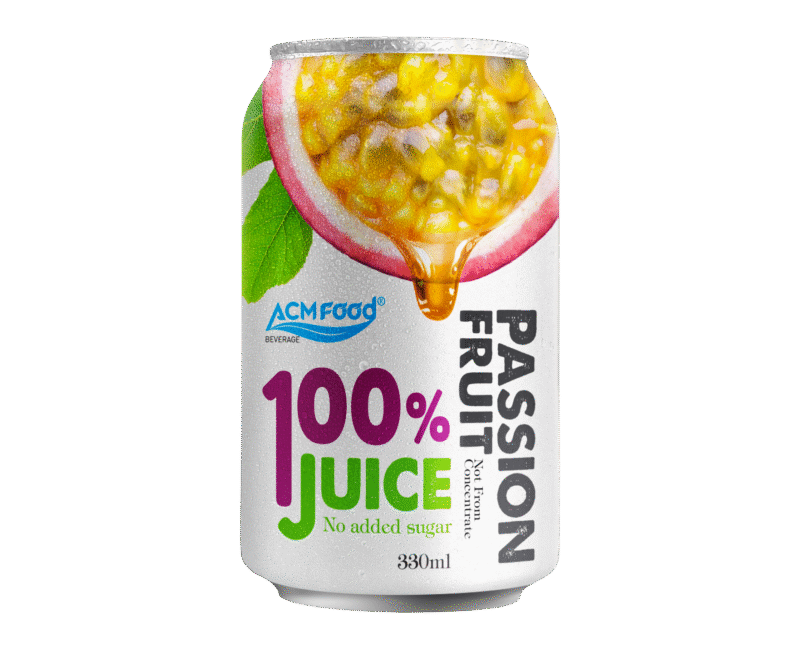
One practical difference from still coconut water worth flagging for logistics: carbonated packaging requires containers that can hold internal pressure without deforming. Aluminum cans are the dominant format for this reason — they handle pressure consistently, protect against UV light, and survive the handling pressure of international freight far better than glass or PET bottles for this specific application.
Who is buying sparkling coconut water, and why
Understanding your end consumer helps you evaluate whether this product fits your distribution channel.
The primary consumer of carbonated coconut water right now is the health-conscious adult who has already given up soda but still craves the sensory experience of a fizzy drink. That’s a large and growing group. It includes fitness-oriented consumers who reach for something more interesting than plain sparkling water post-workout, and it includes younger demographics who are actively substituting away from traditional soft drinks but want more than flavored seltzer. In both cases, the appeal of naturally sparkling coconut water is clear: it delivers the bubble and the flavor without the sugar load, artificial ingredients, or empty calories that come with conventional carbonated beverages.
There’s also a notable hospitality and food service opportunity. Aerated coconut water works well as a mocktail base, a low-ABV cocktail mixer, and a standalone premium beverage at restaurants and hotels that position themselves around wellness or natural sourcing. Distributors who serve the food service channel have a clear pitch: a beverage that fills the “interesting non-alcoholic option” gap at a price point that still lands below premium craft sodas.
For importers specifically, the clean-label positioning of effervescent coconut water is a meaningful commercial advantage. In the EU and UK, labeling regulations favor products with short, recognizable ingredient lists. A can reading “ingredients: coconut water, carbon dioxide” is rare in the carbonated beverage category and stands out in retail fixture presentations.
Market trends and growth outlook

The numbers here are worth understanding in context, because they tell a specific story about where this category is heading.
The global sparkling coconut water market was valued at approximately USD 1.21 billion in 2024. That figure matters because it represents a subcategory that didn’t meaningfully exist a decade ago. Growth projections put the market at USD 2.84 billion by 2033, a compound annual growth rate of around 10.2% — which, in beverage industry terms, is significantly faster than the overall RTD category. For comparison, the broader packaged coconut water market is growing at roughly 16–19% CAGR depending on the region, and sparkling variants are outpacing the still segment in several key markets.
Asia Pacific leads global production and consumption, with the region accounting for approximately USD 410 million in 2024 market value. That’s roughly one-third of global revenue, and it makes sense: the raw material is here, the processing infrastructure is here, and domestic health beverage demand is growing fast. North America and Europe remain the largest import markets, which creates a direct commercial opportunity for Southeast Asian manufacturers supplying finished canned product to those regions.
A few market signals worth tracking. In July 2025, Community Foods launched the first sparkling variant of Bonsoy Coconut Water in the UK, explicitly citing 17% growth in the non-alcoholic drinks sector over five years as the rationale for the launch. That’s not a brand making a speculative bet — that’s a brand responding to demonstrated consumer pull. In April 2025, Coaqua’s introduction of a sparkling SKU alongside new flavor variants drove 60% year-over-year growth in Sprouts retail channels in the US. These data points confirm that the sparkling coconut beverage segment is past the “proof of concept” stage and into a phase of scaled commercial deployment.
Unsweetened sparkling coconut water holds more than 64% of the total sparkling coconut water market as of 2024. That’s the segment driving growth, not flavored or sweetened variants. Importers looking to build a private-label product should take this as a strong directional signal: the market is moving toward clean, minimal formulations, not away from them.
Aluminum cans dominate packaging with over 61% market share — reinforcing what category data and logistics experience both point toward. Cans travel well, preserve carbonation reliably, and carry shelf-life advantages that matter in multi-leg distribution chains.
Sourcing sparkling coconut water from Vietnam: the case for ACMFOOD
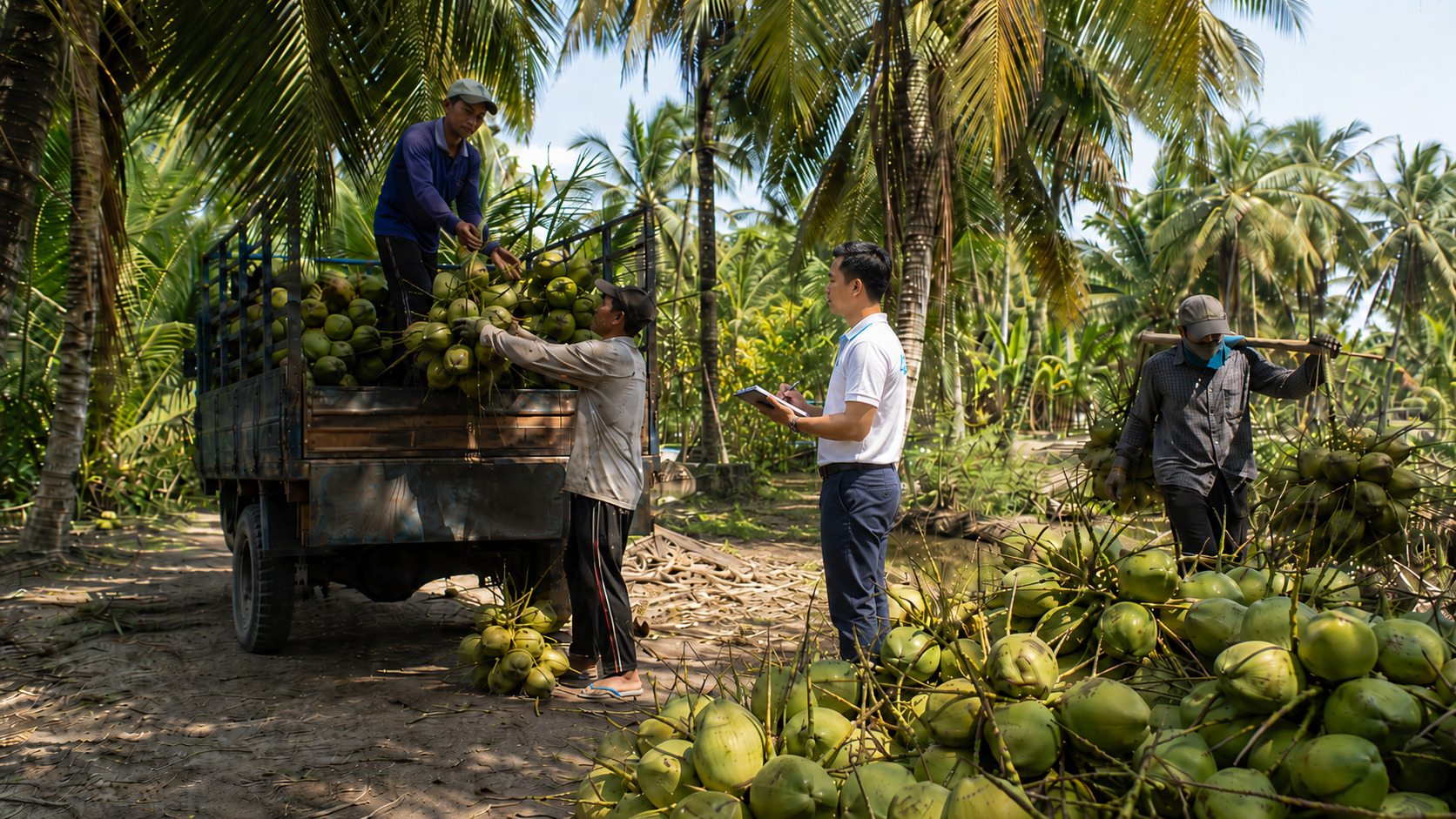
Vietnam sits in a strong position as a sourcing origin for carbonated coconut drink products. The country is a major producer of young green coconuts, particularly in the Mekong Delta, where consistent growing conditions produce coconuts at the right maturity for premium beverage use. Vietnamese manufacturers have invested over the last decade in export-grade processing infrastructure, and the country’s regulatory environment supports the certifications that matter in target markets — food safety management systems, export compliance documentation, and traceability standards.
For importers evaluating finished, retail-ready sparkling coconut water in cans, ACMFOOD Beverage Co., Ltd. is a manufacturer worth a direct conversation.
ACMFOOD is a Ho Chi Minh City-based OEM/ODM manufacturer of tropical beverages for global export markets. They operate a modern factory in Tan Phu Trung Industrial Park, Cu Chi District, with a stated production capacity of more than 200 million bottles per year. That scale matters practically: it means the manufacturer can support a brand’s growth from initial market entry volumes through to full distribution expansion without changing production partners.
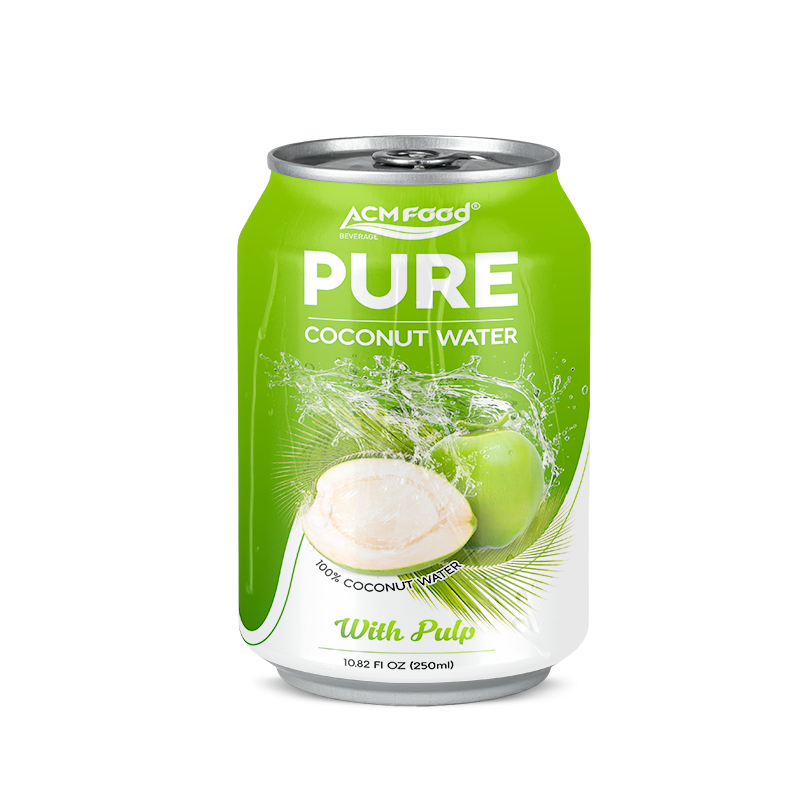
Their product range includes pure coconut water and blended coconut water variants, with OEM/ODM capability that allows buyers to specify formulation, packaging format, label design, and can size. For a brand looking to launch a private-label sparkling coconut beverage, this means the path from product concept to finished, export-ready SKU runs through one partner rather than several.
ACMFOOD holds international certifications covering food safety, export compliance, and traceability, and currently exports to more than 40 countries across Asia, the Middle East, Europe, Africa, and North America. Their client base includes more than 500 global partners — a number that reflects operational reliability at scale, not just manufacturing capability on paper.
The OEM/ODM service model they offer is particularly relevant for importers who want to move quickly. Rather than managing separate R&D, production, and packaging vendors, buyers work with a single team from formulation through to export logistics. For a product category like sparkling coconut water — where speed to shelf and consistency across batches are both commercially sensitive — this kind of integrated manufacturing support reduces the risk that typically comes with early-stage private label development.
What to evaluate before committing to a sparkling coconut water supplier
A few practical questions that should appear in any supplier qualification process.
What is the carbonation level, expressed in volumes of CO₂, and can it be adjusted per market? Regional preferences differ, and a manufacturer that offers only a fixed carbonation profile limits your flexibility.
Is the coconut water base not from concentrate? For clean-label positioning, this is a non-negotiable for most markets, and it should be confirmed with batch documentation, not just a marketing claim.
What packaging formats are available, and what are the minimum order quantities? These two details tell you whether the supplier is set up for brands at your current stage or only for much larger buyers.
What certifications cover the production facility and the finished exported product? List them specifically, and verify they’re current — not expired certifications retained on a website.
Can they supply samples from a standard production run, and what is the standard lead time from confirmed purchase order to shipment? The answer to the second question tells you more about a supplier’s real operational capacity than almost anything else you could ask.
The opportunity in summary
Sparkling coconut water is a category with genuine consumer demand, a strong clean-label narrative, and a distribution gap in most markets outside North America. Importers and distributors who move early, with a quality-verified product and a credible sourcing partner, are entering a space where the category tailwind is real and the competition at retail is still thin enough to build meaningful position.
Vietnam is a credible and competitive origin for this product. Manufacturers like ACMFOOD offer the combination of production scale, certification depth, and OEM flexibility that a brand needs to launch and grow a private-label sparkling coconut drink without building infrastructure from scratch.
The category is moving. The question is whether your brand moves with it.
Turning a trend into a product
For the categories, formats and ingredients the factory can actually run, see beverage product capabilities. If you are producing to your own recipe, see OEM manufacturing in Vietnam; to launch under your own label, see private label beverages. Shipping terms and the document pack are covered in export and logistics. To brief a concept, request a quote.
Request a quote