


 Français
 Español
 العربية
 한국어
한국어
Fresh coconut water continues to attract attention from beverage companies worldwide. Consumers are actively looking for cleaner labels, natural hydration, and alternatives to sugary soft drinks. As a result, fresh coconut water has moved beyond being a niche tropical beverage and is becoming a mainstream category in supermarkets, convenience stores, fitness chains, and online retail channels.
For beverage brands, this shift creates an interesting opportunity. Instead of investing millions of dollars in factories, processing lines, and sourcing networks, many companies are launching fresh coconut water products through private label manufacturing. This approach reduces risk while allowing brands to enter a growing market much faster.
The question is no longer whether consumers want coconut water. The real question is whether your brand can bring the right product to market before competitors occupy the shelf space.
Why fresh coconut water continues to gain global demand
Consumer preferences have changed significantly over the past decade. Many buyers are paying closer attention to ingredient lists and nutritional profiles. Products with fewer ingredients often perform better because they are easier to understand and align with health-conscious purchasing habits.
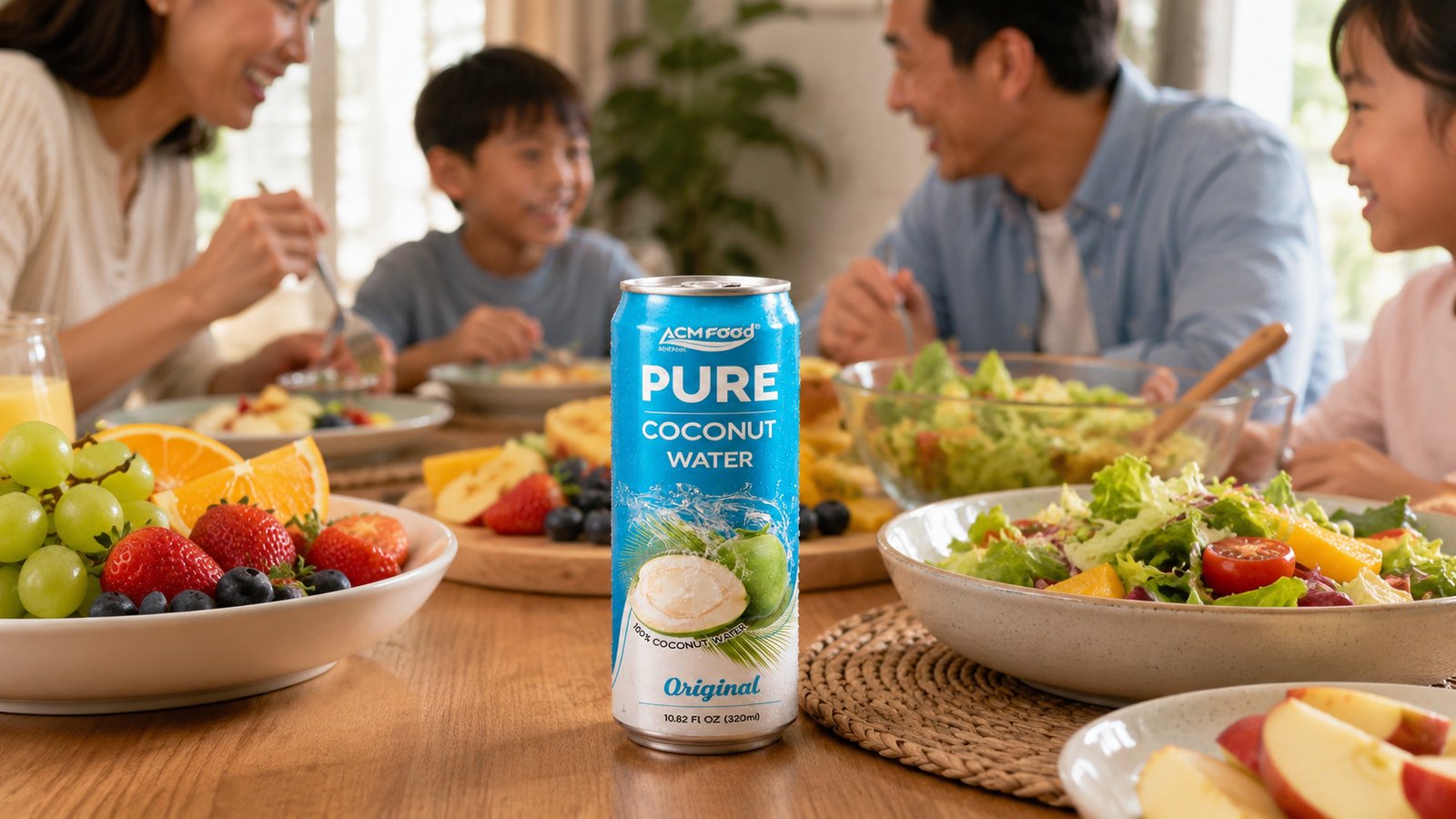
Fresh coconut water benefits from this trend. Naturally occurring electrolytes such as potassium, magnesium, calcium, and sodium make it attractive to consumers seeking hydration without the high sugar levels commonly found in traditional soft drinks. Several nutrition-focused publications continue to describe coconut water as a natural hydration beverage because of its electrolyte content.
What makes this category particularly attractive for beverage brands is that demand comes from multiple consumer segments. Athletes buy it after workouts. Office workers drink it as an alternative to soda. Parents often choose it as a better-for-you beverage option for their families.
Few beverage categories can appeal to such a broad audience.
What consumers really mean when they search for fresh coconut water
Many buyers search online for “fresh coconut water,” but the term can mean different things depending on the market.
Some consumers are referring to coconut water served directly from a freshly opened young coconut. Others are looking for refrigerated products with minimal processing. In retail environments, however, shelf-stable coconut water products often dominate because they are easier to distribute internationally and can remain stable for months without refrigeration.
From our experience working with importers and beverage companies, consumers generally associate fresh coconut water with three characteristics:
Natural taste.
Minimal ingredients.
A flavor profile that resembles water taken directly from a young coconut.
This distinction matters because product development decisions should reflect consumer expectations rather than technical manufacturing terminology.
Why private label makes sense for beverage brands
Launching a beverage brand from scratch can be expensive.
A production facility requires processing equipment, quality control systems, food safety certifications, packaging lines, warehousing, and sourcing agreements. Even before selling the first container, investment costs can become substantial.
Private label manufacturing changes the equation.
Instead of building infrastructure, brands can focus on marketing, distribution, and customer acquisition while an experienced manufacturer handles production. This allows businesses to test markets with significantly lower upfront investment.
For startups, private label reduces barriers to entry.
For established beverage companies, it shortens product development timelines and helps expand portfolios without increasing operational complexity.
This model has become increasingly common across beverage categories, including coconut water, functional drinks, juices, and plant-based products.
Why Vietnam is becoming a preferred source for coconut water
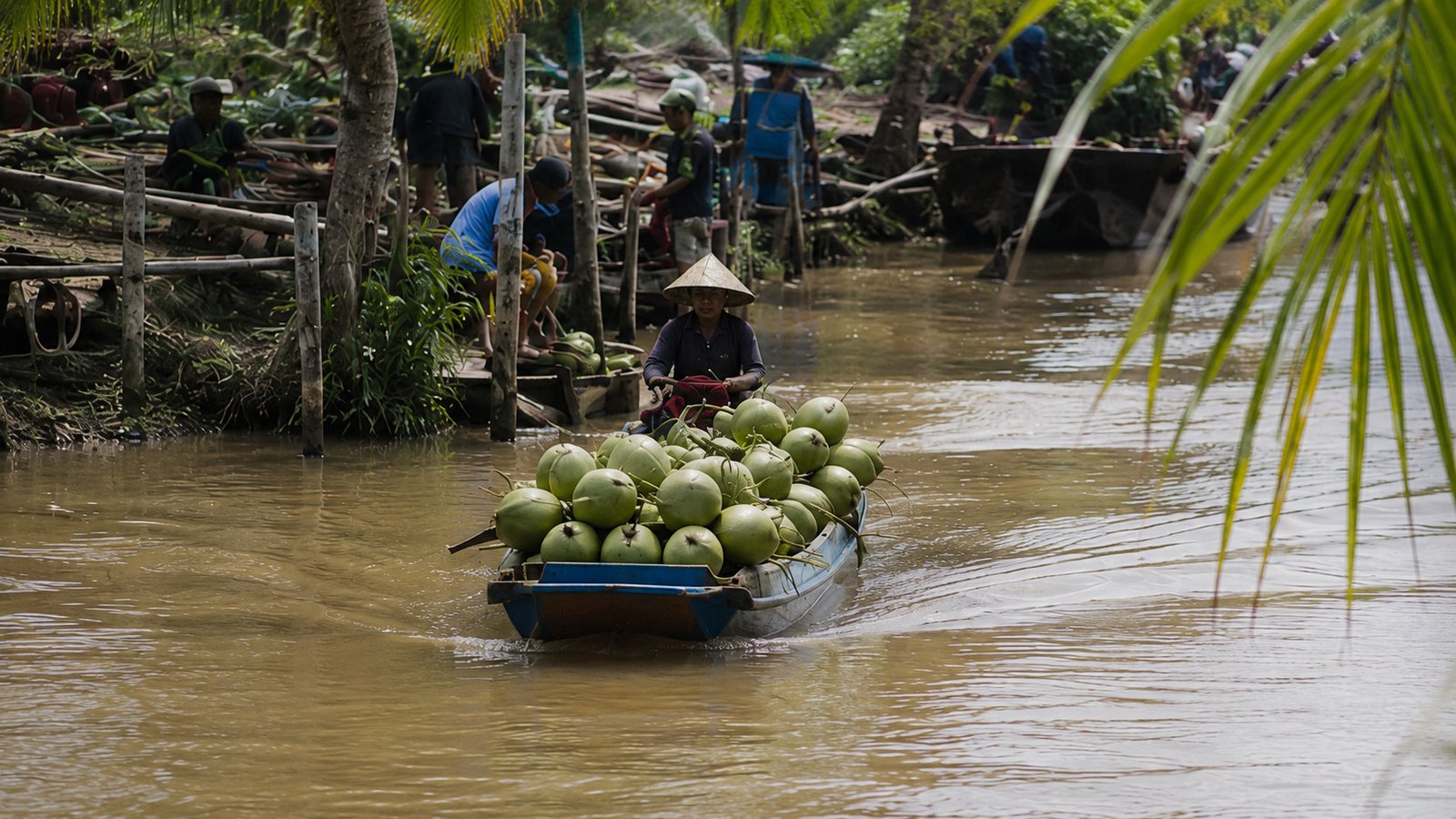
When sourcing fresh coconut water products, origin matters.
Vietnam has emerged as one of the leading coconut-producing countries in Southeast Asia. The Mekong Delta region is particularly well known for its extensive coconut-growing areas and year-round harvest cycles.
This creates several advantages for private label buyers.
First, raw material availability remains relatively stable throughout the year. Second, shorter transportation distances between coconut farms and processing facilities help preserve product quality. Third, Vietnam has developed a strong export infrastructure for food and beverage manufacturing.
Many international buyers also appreciate the balance between quality and pricing available from Vietnamese suppliers. Compared with some competing origins, manufacturers in Vietnam often provide greater flexibility regarding packaging formats, formulation options, and minimum order quantities.
These factors help reduce sourcing risks for emerging beverage brands.
The challenge of preserving fresh coconut water
Fresh coconut water presents a unique manufacturing challenge.
The moment coconut water is extracted from the fruit, natural enzymatic reactions begin affecting flavor, aroma, and appearance. Researchers have documented how coconut water quality can deteriorate rapidly if preservation methods are not applied correctly.
This is one reason many consumers notice differences between freshly opened coconuts and packaged products.
The goal of modern processing is not simply extending shelf life. It is preserving as much of the original sensory profile as possible while maintaining food safety standards.
Manufacturers use different approaches depending on the desired product positioning. These may include pasteurization, filtration, aseptic filling, or other preservation technologies designed to balance taste, safety, and shelf stability. Research shows that processing methods and storage conditions significantly influence the final quality of coconut water products.
For private label buyers, understanding these differences is essential because processing choices directly affect product quality, pricing, and market positioning.
What to look for in a fresh coconut water private label manufacturer
Not all manufacturers offer the same capabilities.
Before selecting a supplier, beverage brands should evaluate several factors beyond price.
Food safety certifications are often the first consideration. International markets typically require certifications such as HACCP, FSSC 22000, ISO standards, FDA registration, or Halal certification depending on the target market.
Production capacity is equally important.
A manufacturer may handle your initial order successfully but struggle when volumes increase. Brands planning long-term growth should assess whether suppliers can scale production without compromising consistency.
Packaging flexibility also deserves attention.
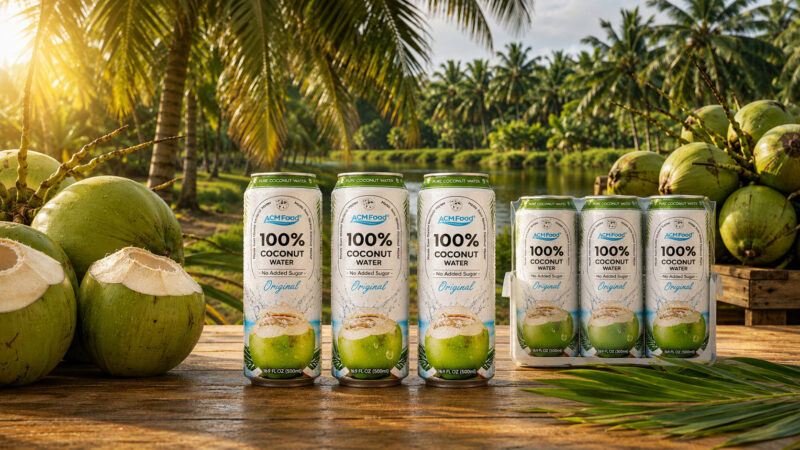
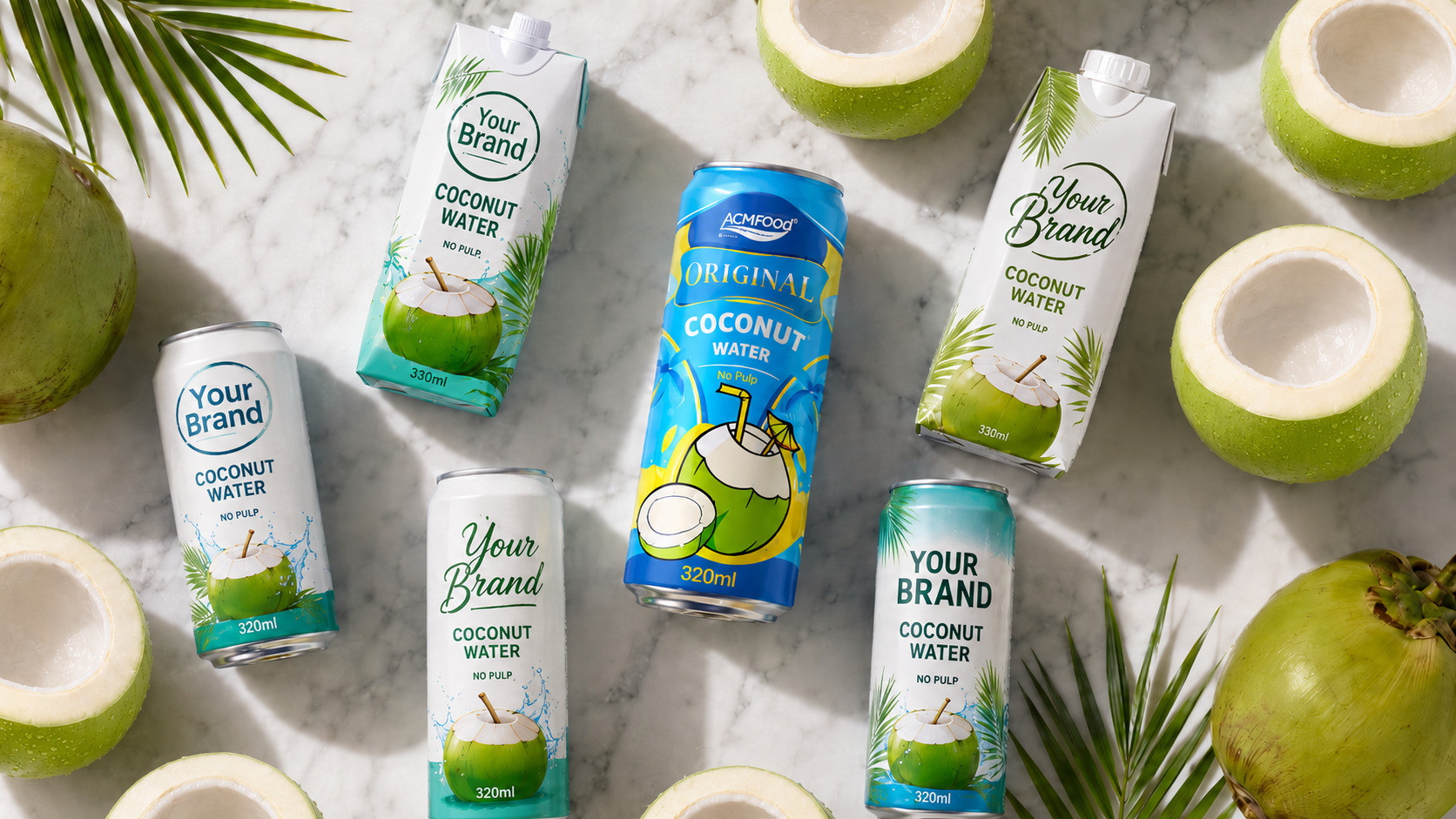
Different markets favor different formats. Some retailers prefer cans. Others prefer Tetra Pak cartons, PET bottles, glass bottles, or aluminum bottles. The right manufacturer should support multiple packaging options rather than forcing buyers into a single format.
Communication matters too.
A supplier that responds quickly during product development usually remains responsive after commercial production begins.
Product customization opportunities
One of the biggest advantages of private label manufacturing is customization.
Today’s coconut water category extends far beyond a standard product.
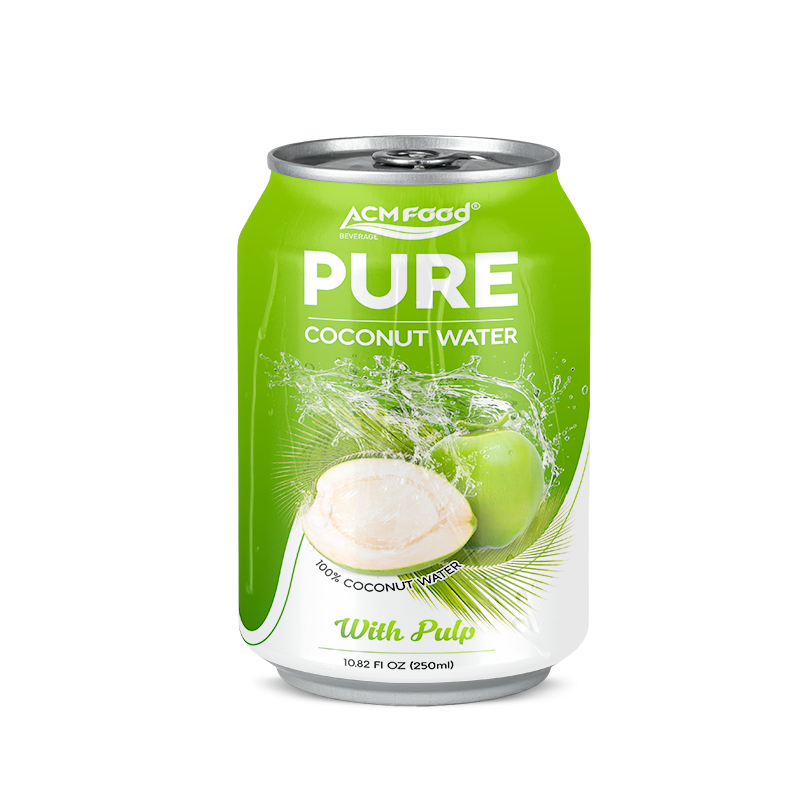
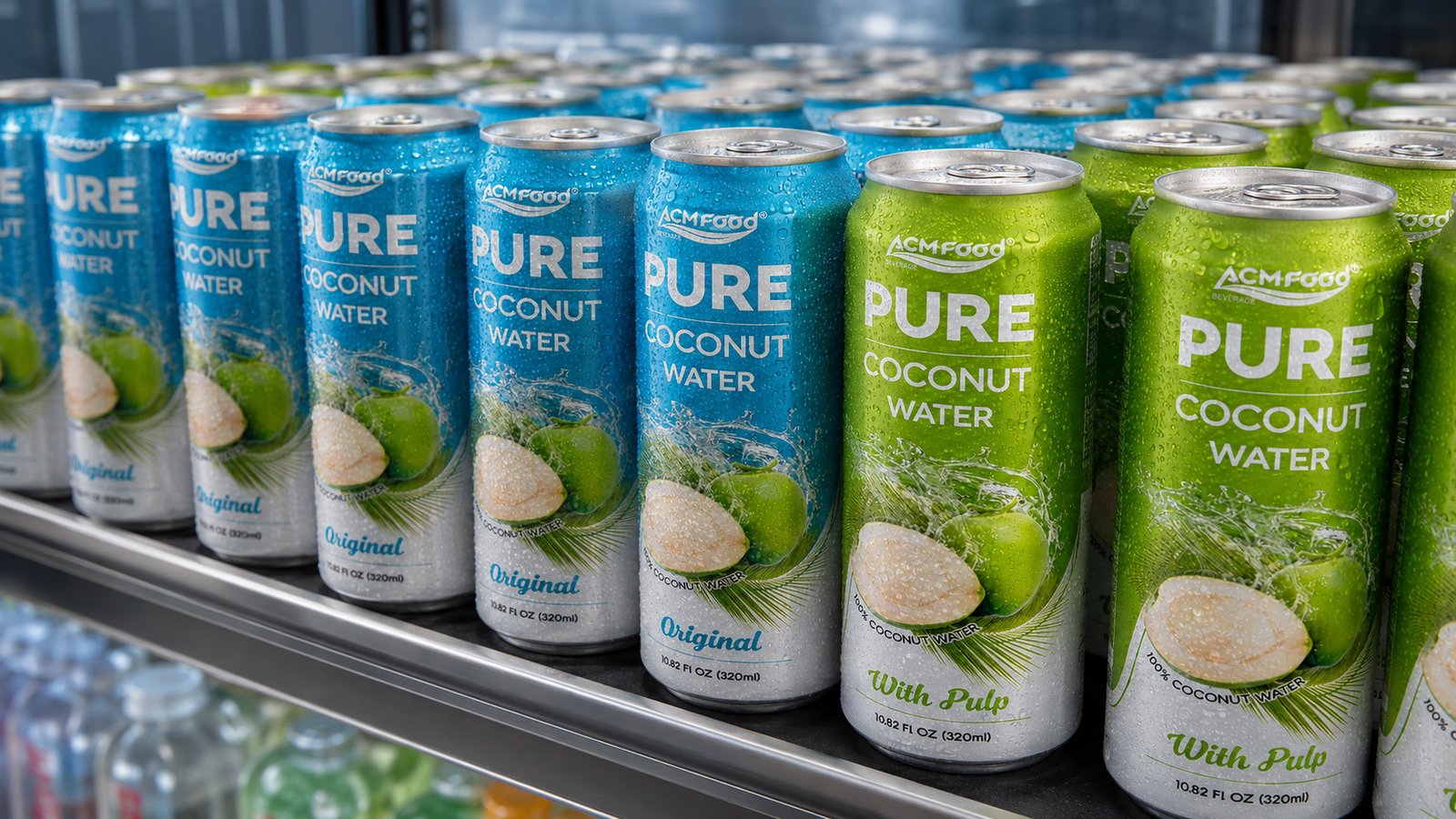
Brands can create products tailored to specific consumer groups. Some focus on 100% coconut water with no additives. Others develop versions containing coconut pulp for texture. Some combine coconut water with tropical fruit juices such as mango, pineapple, passion fruit, or lychee.
Functional ingredients are becoming more common as well.
Prebiotics, vitamins, minerals, and botanical extracts allow brands to target specific wellness segments while maintaining coconut water as the core ingredient.
Packaging design offers another layer of differentiation.
Consumers often make purchasing decisions within seconds. Strong branding can dramatically influence whether a customer picks up your product or a competitor’s.
Understanding shelf life and international distribution
Shelf life is often overlooked during product development.
Yet it can determine whether an export project succeeds or fails.
A distributor importing products into Europe, North America, Australia, or the Middle East must account for production time, ocean freight, customs clearance, warehousing, and retail placement. A short shelf life can create logistical challenges throughout the supply chain.
Research has demonstrated that processing methods, storage temperatures, and packaging materials significantly affect coconut water stability. Refrigerated fresh coconut water may only remain suitable for a limited period, while shelf-stable formats can last several months when processed appropriately.
For most international private label projects, shelf-stable products offer practical advantages because they simplify logistics and reduce distribution costs.
The key is maintaining flavor quality while achieving commercial shelf-life requirements.
How beverage brands can enter the market successfully
Launching a coconut water brand is not simply about finding a manufacturer.
Successful brands usually start with a clear market position.
Who is the target consumer?
What problem does the product solve?
Why should retailers allocate shelf space to the brand?
These questions should be answered before packaging design begins.
Some companies compete on affordability. Others focus on premium positioning, organic ingredients, sustainable sourcing, sports hydration, or tropical lifestyle branding.
The strongest brands tell a simple story.
Consumers rarely buy ingredients alone. They buy the idea behind the product.
Fresh coconut water already has strong consumer recognition. The challenge for emerging brands is creating differentiation within an increasingly competitive category.
The future of fresh coconut water private label
Consumer interest in natural beverages shows little sign of slowing down.
At the same time, retailers continue expanding shelf space dedicated to healthier drink options. Coconut water benefits from both trends. It fits consumer demand for simple ingredients while offering a flavor profile that works across multiple regions and cultures.
Private label manufacturing makes market entry more accessible than ever before.
Instead of spending years building production capabilities, beverage entrepreneurs can focus on brand development, distribution, and customer relationships. That creates a faster path to revenue and a more manageable level of investment.
For companies considering their next beverage category, fresh coconut water deserves serious attention.
The market is established enough to demonstrate demand.
Yet there is still plenty of room for new brands with strong positioning, reliable sourcing, and a clear understanding of what today’s consumers expect from a modern beverage product.