


 Français
 Español
 العربية
 한국어
한국어Hibiscus tea wholesale and private label lets importers and brands sell ready-to-drink or concentrated hibiscus tea under their own label without owning production. Buyers should evaluate a manufacturer on raw material sourcing, sugar and flavour options, certifications such as HACCP and ISO 22000, packaging formats and export documentation.
Hibiscus Tea has become one of the fastest-growing botanical beverage categories in global retail and foodservice markets. Buyers looking for innovative wellness drinks are increasingly exploring Hibiscus Tea because it combines a distinctive flavor, a naturally vibrant appearance, and a consumer-friendly health image. From supermarkets in North America to specialty beverage stores in Europe and Asia, demand continues to expand as consumers seek alternatives to traditional soft drinks and heavily sweetened beverages.
For importers, distributors, and beverage brand owners, the question is no longer whether hibiscus-based drinks have market potential. The real question is how to enter the category efficiently while controlling production costs, quality, and brand positioning.
This article explores why Hibiscus Tea is attracting international buyers and how wholesale and private label solutions can help businesses launch products faster.
Why hibiscus tea is gaining global attention
Hibiscus tea is traditionally made from the dried calyces of Hibiscus sabdariffa, a flowering plant known for its deep red color and tart, cranberry-like flavor. The beverage has been consumed for generations across Africa, the Caribbean, Latin America, and parts of Asia. Today, it is finding a new audience among health-conscious consumers worldwide.
Several factors explain this growth.
First, consumers increasingly prefer beverages with recognizable ingredients. When people read a label and immediately understand what they are drinking, trust tends to increase. Hibiscus fits naturally into this trend.
Second, the visual appeal is strong. The rich red color comes naturally from the plant itself, reducing the need for artificial coloring. In retail environments where products compete for attention on crowded shelves, appearance matters.
Third, the flavor profile is versatile. Hibiscus delivers a refreshing tartness that works well on its own and blends effectively with fruits such as mango, pineapple, passion fruit, lychee, lemon, and berry varieties. This flexibility allows beverage brands to create multiple product variations from a single ingredient platform.
Many tea enthusiasts also describe hibiscus as a key ingredient that provides both color and a fruit-like character in herbal beverage blends. Consumer discussions frequently highlight its strong visual impact and refreshing taste.
Consumer demand is being driven by wellness trends
The global beverage market has changed significantly during the past decade.
Consumers are paying closer attention to sugar content, caffeine levels, ingredient lists, and perceived health benefits. While taste remains essential, many purchasing decisions are now influenced by broader lifestyle goals.
Hibiscus tea benefits from this shift because it is naturally caffeine-free and contains antioxidant compounds such as anthocyanins and polyphenols. Research has explored its potential role in supporting cardiovascular health, blood pressure management, and overall wellness, although beverage brands should avoid making unapproved health claims in commercial marketing.
This distinction matters.
Consumers are not necessarily looking for medicinal products. Instead, many are searching for beverages that align with healthier lifestyles. Hibiscus Tea fits comfortably into that space.
When buyers see a botanical drink made from recognizable plant ingredients, it often feels more approachable than highly processed alternatives.
Opportunities for beverage importers and distributors
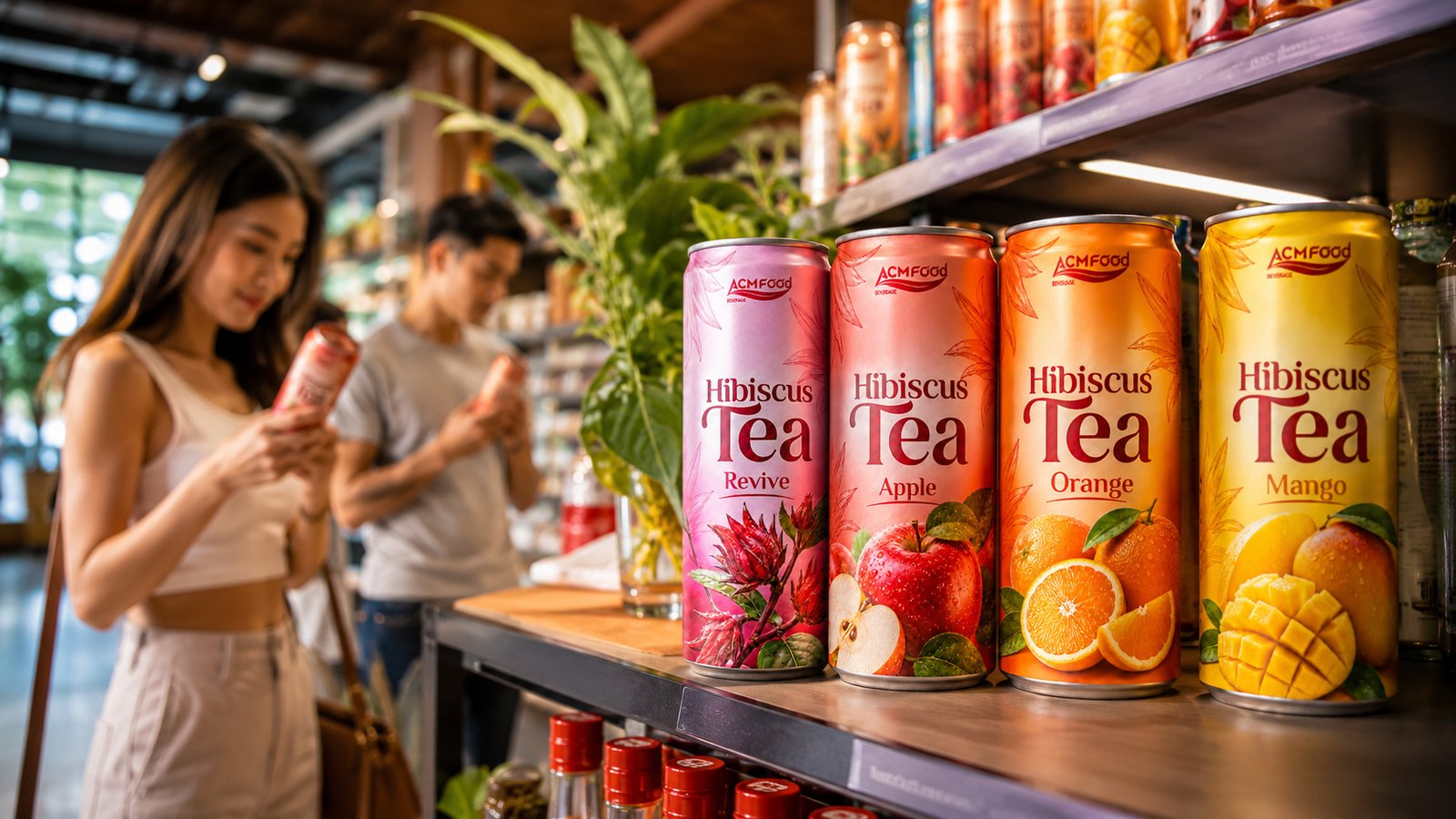
For importers and distributors, Hibiscus Tea offers several commercial advantages.
One advantage is category diversification. Beverage portfolios that rely heavily on carbonated soft drinks or conventional fruit juices may face increasing competition and changing consumer preferences. Adding hibiscus-based products introduces something different without requiring consumers to learn an entirely new beverage category.
Another advantage is year-round consumption.
Unlike some seasonal beverages, hibiscus tea performs well both hot and cold. In colder markets, consumers may purchase it as an herbal tea. In warmer regions, ready-to-drink hibiscus beverages can be positioned as refreshing daily drinks.
The product also appeals to multiple demographic groups.
Young consumers often appreciate the vibrant color and social-media-friendly appearance. Older consumers may be attracted by its botanical heritage and wellness associations. This broad appeal creates more distribution opportunities across retail channels.
From our experience working with beverage buyers, products that can address several customer segments simultaneously often have a lower market-entry risk than highly specialized drinks.
Why private label is becoming the preferred business model
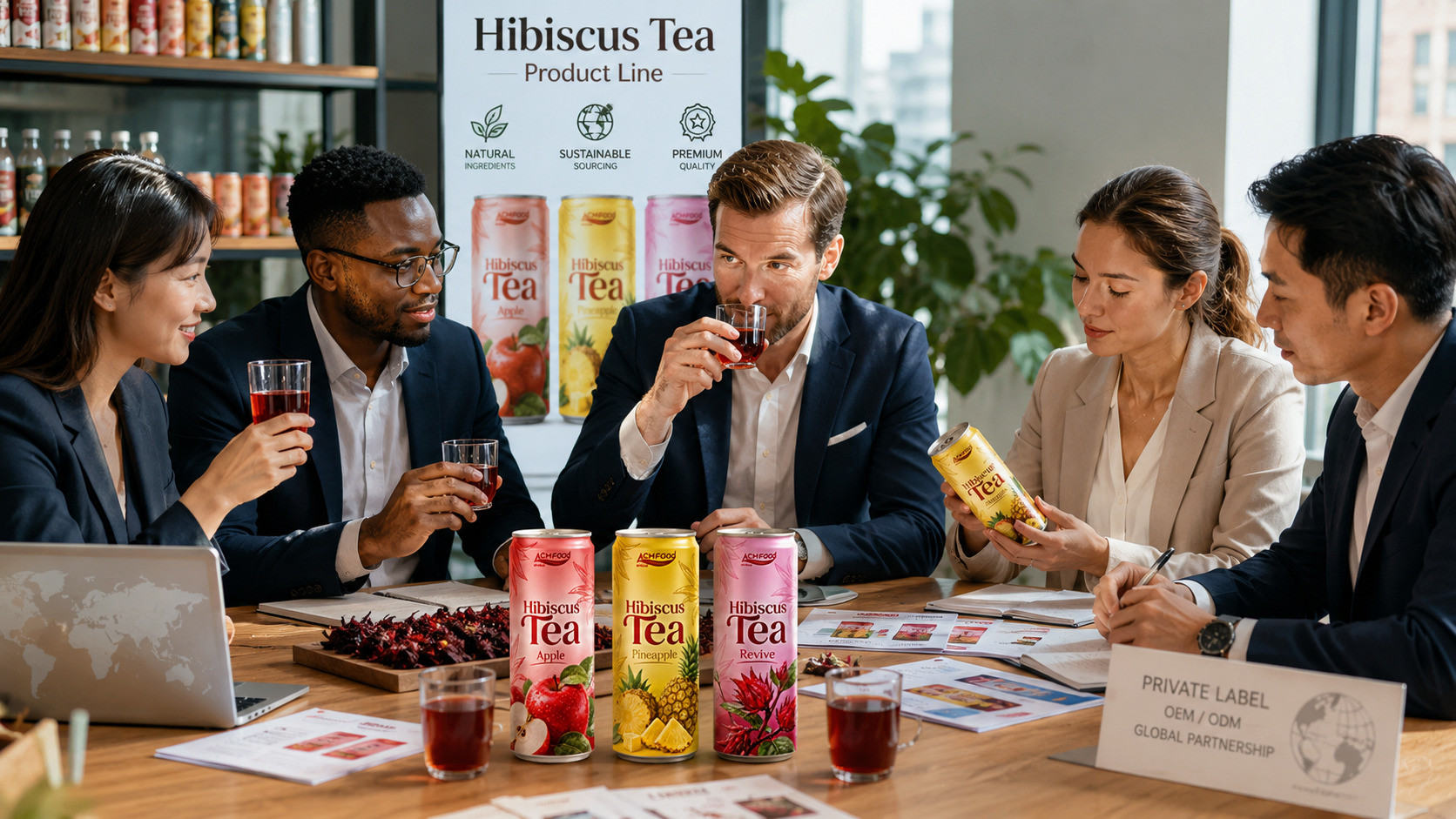
Launching a beverage brand from scratch can be expensive.
Product development, sourcing, manufacturing, packaging, regulatory compliance, and export logistics require significant investment. For many companies, these requirements slow down market entry.
Private label production offers a different path.
Instead of building manufacturing infrastructure internally, businesses can work with an experienced manufacturer that already has production capabilities, quality control systems, and export expertise.
The advantages are practical.
A private label model allows buyers to focus on branding, distribution, sales, and customer relationships while manufacturing is handled by a specialized partner.
This approach can reduce development timelines considerably.
Rather than spending months or years creating a production facility, importers can often move directly into product design, packaging selection, and market launch preparation.
For growing beverage brands, speed can be a major competitive advantage.
What international buyers should look for in a hibiscus tea manufacturer
Not all suppliers are equal.
When evaluating wholesale or private label partners, buyers should look beyond price alone.
The first consideration is raw material quality. The source of hibiscus significantly influences flavor consistency, color intensity, and final product quality. Reliable manufacturers typically maintain established sourcing relationships and quality inspection procedures.
The second consideration is production certification.
International buyers often require standards such as HACCP, ISO, BRC, FDA registration, or other certifications depending on destination markets. These certifications help support regulatory compliance and buyer confidence.
The third consideration is formulation flexibility.
Can the manufacturer customize sweetness levels? Can they develop sugar-free or reduced-sugar versions? Can they blend hibiscus with tropical fruits or functional ingredients?
These capabilities can make a substantial difference when targeting specific consumer segments.
The fourth consideration is export experience.
A supplier that regularly exports to North America, Europe, the Middle East, or Asia is usually better prepared to manage documentation, packaging requirements, labeling standards, and logistics coordination.
Product formats with strong market potential
The hibiscus category extends beyond traditional tea bags.
Today’s buyers are exploring multiple product formats to meet changing consumer preferences.
Ready-to-drink canned beverages are among the fastest-growing opportunities. These products offer convenience and fit modern consumption habits. Consumers increasingly want beverages they can purchase and consume immediately.
Glass bottles continue to perform well in premium retail environments where product appearance contributes to perceived value.
Concentrates and syrups provide opportunities in foodservice channels, including cafés, restaurants, hotels, and beverage chains.
Tea bags and loose-leaf formats remain relevant, particularly in specialty tea markets. However, many importers are seeing stronger growth in ready-to-drink products because they require less preparation and support impulse purchases.
The most successful brands often select formats that match their target distribution channels rather than following broad industry trends.
Flavor innovation is creating new growth opportunities
One reason Hibiscus Tea continues attracting attention is its compatibility with other flavors.
The tart profile creates a strong foundation for innovation.
Mango hibiscus appeals to consumers looking for tropical flavor combinations. Pineapple hibiscus offers a refreshing balance between sweetness and acidity. Passion fruit hibiscus delivers a more exotic profile suitable for premium beverage positioning.
Some manufacturers are also experimenting with ginger, mint, lemon, and botanical ingredients.
The goal is not simply creating more flavors.
The goal is creating products that help brands stand out in increasingly competitive beverage categories.
A buyer entering the market today should think carefully about differentiation. Why would a consumer choose one hibiscus beverage over another? The answer often comes down to flavor experience, packaging, and brand story.
Supply chain stability matters more than ever
Over the last several years, beverage companies have learned how vulnerable supply chains can become.
Ingredient shortages, freight disruptions, and rising production costs have affected businesses worldwide.
As a result, buyers are placing greater emphasis on supplier reliability.
A manufacturer with stable sourcing networks, established export operations, and scalable production capacity can help reduce business risk.
This may not be the most exciting part of product development.
Yet it is often the factor that determines whether a brand can consistently meet customer demand.
For importers planning long-term growth, supply stability should be evaluated as carefully as product quality.
How ACMFOOD supports international hibiscus tea buyers
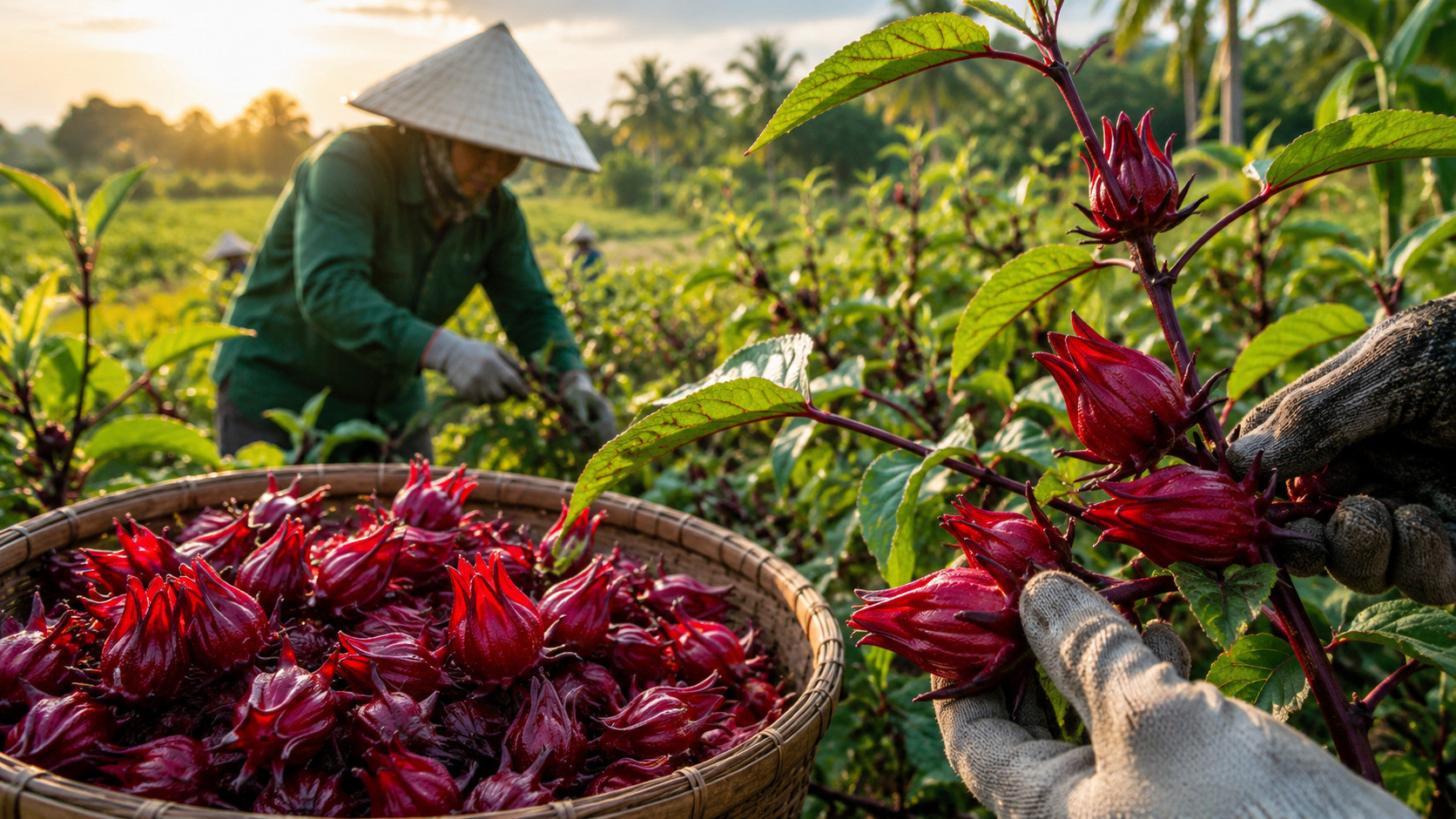
At ACMFOOD, we work with importers, distributors, wholesalers, and beverage brands seeking reliable private label and wholesale beverage solutions.
Our hibiscus tea products are developed with international market requirements in mind. We understand that buyers need more than a beverage. They need a manufacturing partner capable of supporting product development, packaging customization, quality assurance, and export logistics.
Whether the goal is launching a new ready-to-drink beverage line or expanding an existing portfolio, our team works closely with customers to create solutions aligned with their market objectives.
Every market is different.
Consumer preferences in Europe may differ from those in North America or Southeast Asia. That is why flexibility in formulation, packaging, and branding remains a central part of our approach.
Hibiscus Tea is no longer a niche herbal beverage. It has evolved into a commercially attractive category supported by consumer interest in botanical ingredients, wellness-focused drinks, and visually distinctive products. Research highlighting antioxidant content and growing consumer awareness have helped increase its global visibility.
For importers, distributors, and beverage entrepreneurs, wholesale and private label solutions provide a practical route into this expanding market. Instead of investing heavily in manufacturing infrastructure, businesses can focus on building brands, expanding distribution networks, and responding quickly to consumer demand.
The opportunity is clear. The next step is finding the right production partner capable of turning that opportunity into a successful product on the shelf.
Turning a trend into a product
For the categories, formats and ingredients the factory can actually run, see beverage product capabilities. The manufacturing side is covered in contract beverage production; to launch under your own label, see private label beverages. Format, closure and pack-size trade-offs are compared on packaging options. To brief a concept, request a quote.
Request a quote