
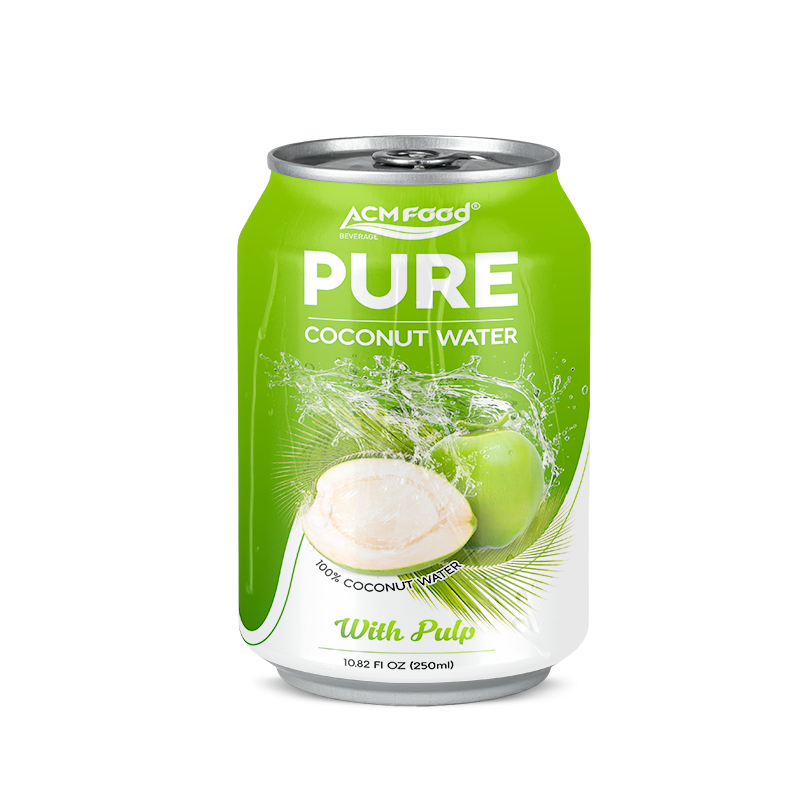
How coconut water with pulp creates added value for beverage brands

The global beverage market is becoming more crowded every year. New products appear on retail shelves, e-commerce platforms, and foodservice menus almost daily. For beverage brands, standing out is no longer just about offering a refreshing drink. Consumers increasingly expect products that feel authentic, natural, and closer to real fruit experiences.

This shift has created new opportunities for coconut-based beverages, particularly coconut water with pulp.

What makes this category interesting is that it combines two elements consumers already recognize and trust: natural coconut water and real coconut pulp. Together, they create a drinking experience that feels more substantial than traditional coconut water while maintaining the clean-label appeal many consumers look for today.

For beverage brands, distributors, and private label buyers, coconut water with pulp offers more than a product variation. It can become a way to increase product differentiation, improve perceived value, and access new customer segments.

How coconut water with pulp creates added value for beverage brands - 1

Understanding the appeal of coconut water with pulp

Traditional coconut water has been available in international markets for decades. Consumers often associate it with hydration, tropical origins, and natural ingredients.

However, as the category matured, many products started to look similar. Walk through a supermarket beverage aisle and you’ll find numerous coconut water brands competing with nearly identical positioning.

This is where coconut water with pulp introduces something different.

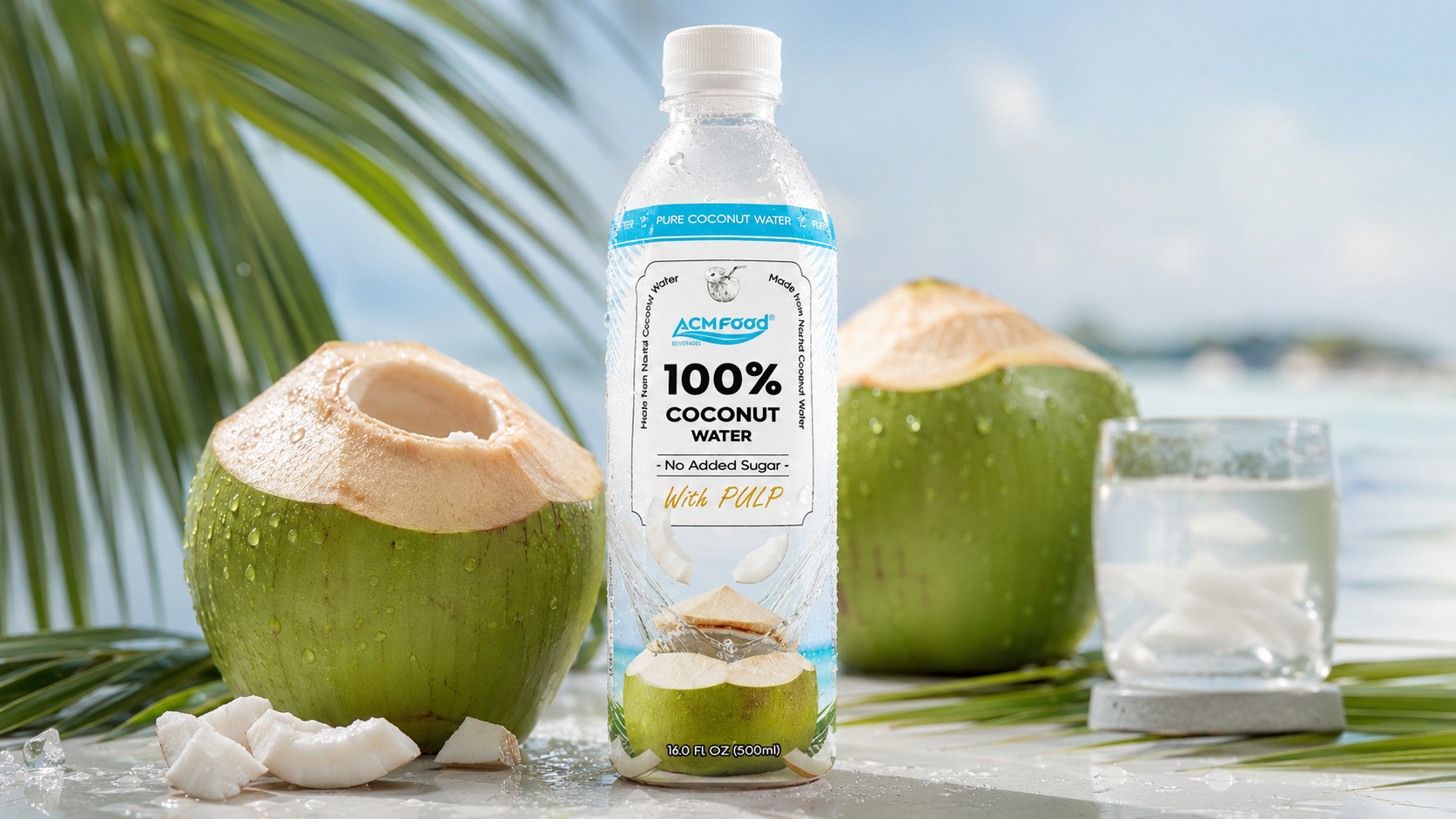
The addition of tender coconut pulp changes the texture of the drink. Instead of simply drinking flavored liquid, consumers enjoy small pieces of coconut meat as part of the experience. The result feels closer to drinking directly from a fresh coconut.

In many Asian markets, this concept is already familiar. Countries such as Thailand, Vietnam, and the Philippines have long offered coconut beverages containing pulp. What is interesting is that demand is now expanding into North America, Europe, the Middle East, and Australia as consumers seek beverages with more natural texture and visible ingredients.

Why does this matter?

Research across multiple beverage categories consistently shows that visible fruit pieces, pulp, and inclusions often increase consumer perception of authenticity. When people can see and taste real ingredients, they are more likely to view the product as less processed.

Why beverage brands are looking beyond standard coconut water

Many beverage categories eventually face commoditization. Coconut water is no exception.

When multiple brands offer similar formulations, purchasing decisions often come down to price. This creates pressure on margins for manufacturers and distributors alike.

Adding pulp introduces another layer of product value.

Instead of competing solely as a hydration beverage, coconut water with pulp can be positioned as a premium tropical drink, a functional refreshment, or even a light snack beverage. This broader positioning allows brands to justify higher retail pricing compared to standard coconut water products.

In practical terms, a consumer comparing two coconut beverages may perceive the version with visible coconut pulp as containing more actual coconut content, even when ingredient differences are relatively small.

That perception influences purchasing behavior.

I’ve seen buyers at international food exhibitions spend noticeably more time sampling coconut beverages with pulp compared to conventional coconut water. The product naturally creates curiosity. Consumers want to understand how it feels, tastes, and differs from what they already know.

That extra engagement can be valuable in crowded retail environments.

Creating a stronger premium positioning

Premiumization remains one of the most reliable growth strategies in the beverage industry.

Consumers may reduce spending in some areas during economic uncertainty, but many continue purchasing products that offer a better experience or higher perceived quality.

Coconut water with pulp fits well within this trend.

The presence of real coconut pieces immediately communicates that the product contains something tangible. Unlike marketing claims that require explanation, pulp is visible. Consumers can see it through transparent packaging or discover it after opening the bottle or can.

This creates a simple but effective message:

The product contains more than flavored liquid.

For brands targeting premium grocery retailers, specialty food stores, health-focused consumers, or international markets, this distinction can support stronger shelf positioning.

A premium product does not always require complicated formulation. Sometimes a noticeable improvement in texture and sensory experience is enough to create differentiation.

Meeting consumer demand for authentic ingredients

Consumer interest in ingredient transparency continues to influence purchasing decisions across beverage categories.

Many shoppers now read ingredient lists before purchasing. They want fewer artificial additives, recognizable ingredients, and products that feel closer to their natural source.

Coconut water with pulp aligns well with these preferences.

The ingredient story is straightforward. Coconut water comes from the fruit, while coconut pulp is another natural component of the same fruit. There is no complicated explanation required.

This simplicity becomes especially useful in export markets where consumers may be skeptical of heavily processed beverages.

When a product contains real coconut pulp, brands can communicate a more authentic coconut experience. For many consumers, authenticity is not just about ingredients. It is about sensory cues. Texture, appearance, and mouthfeel all contribute to whether a beverage feels genuine.

The small pieces of coconut pulp help reinforce that perception.

Expanding opportunities across multiple sales channels

One advantage of coconut water with pulp is its flexibility across different sales environments.

In retail, it attracts consumers looking for something beyond standard soft drinks and juices.

In convenience stores, it offers a refreshing beverage with added texture that may appeal to impulse purchases.

In foodservice settings, it can be served as a ready-to-drink tropical beverage or incorporated into menu concepts focused on Asian-inspired flavors.

The product also performs well in export markets where coconut products already enjoy strong recognition.

Markets in the United States, Canada, Germany, the United Kingdom, the United Arab Emirates, and Australia continue to show interest in natural beverages with international flavor profiles. Coconut water with pulp fits naturally within these trends.

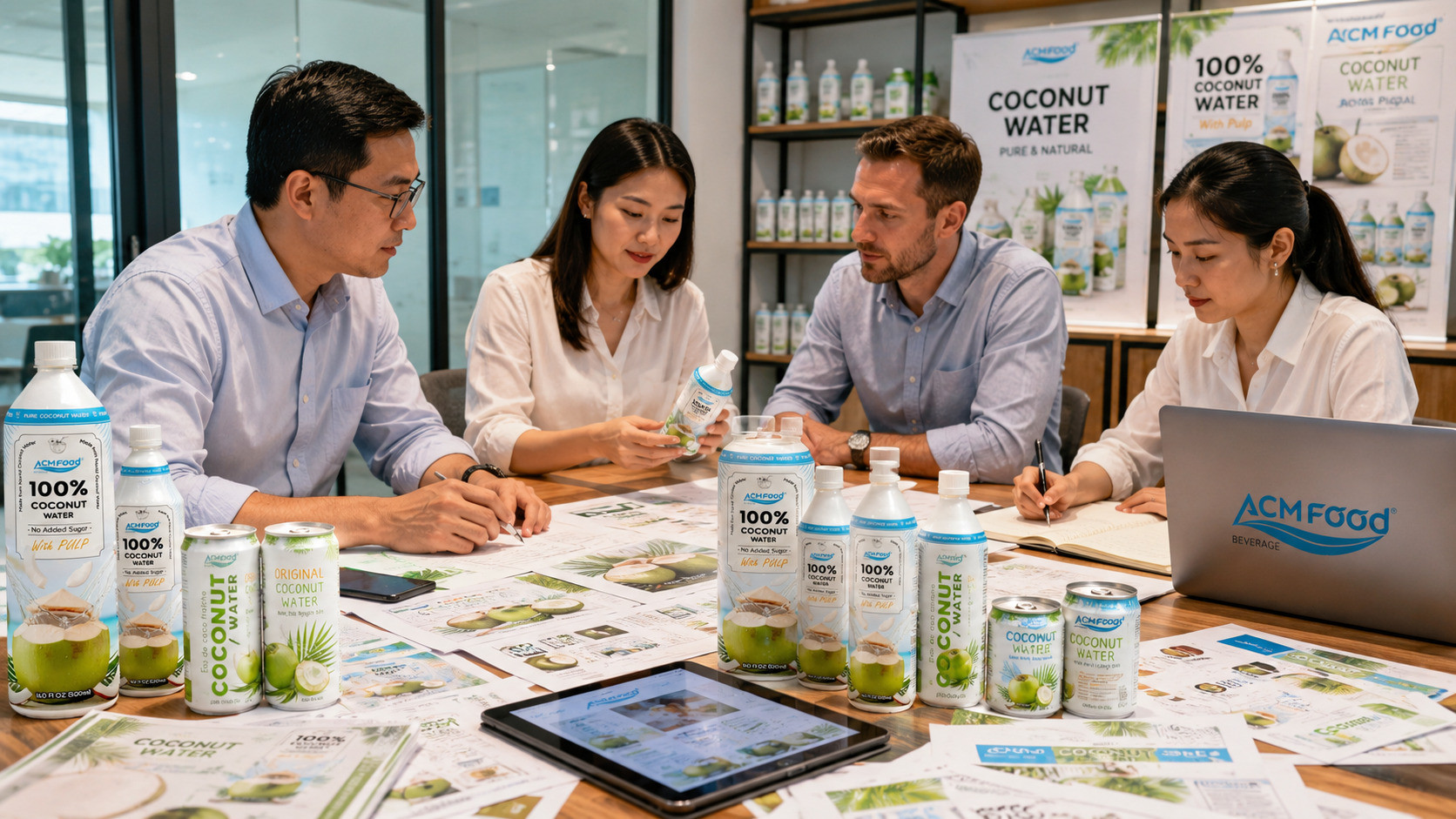
For private label buyers, the category also provides room for customization. Brands can adjust sweetness levels, coconut pulp size, packaging formats, and flavor combinations to suit specific market requirements.

Supporting product innovation without excessive complexity

Many beverage innovation projects require significant investment in research and development.

New functional ingredients, proprietary formulations, and unfamiliar flavor systems can increase both development costs and regulatory complexity.

Coconut water with pulp offers a different approach.

The concept remains easy for consumers to understand while still feeling innovative.

Brands can introduce product extensions such as:

Mango coconut water with pulp.

Pineapple coconut water with pulp.

Passion fruit coconut water with pulp.

Lychee coconut water with pulp.

Mixed tropical fruit combinations.

Because coconut remains the core ingredient, consumers can quickly understand the product concept. This reduces the educational burden often associated with launching entirely new beverage categories.

For distributors, that can translate into faster market adoption.

The role of packaging in perceived value

Packaging plays a significant role in the success of coconut water with pulp.

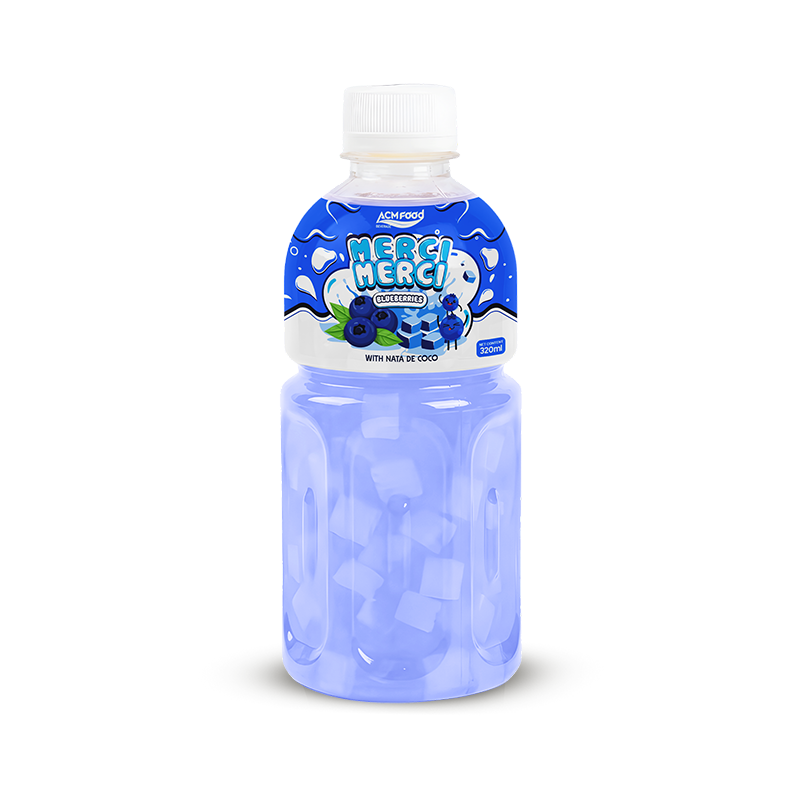
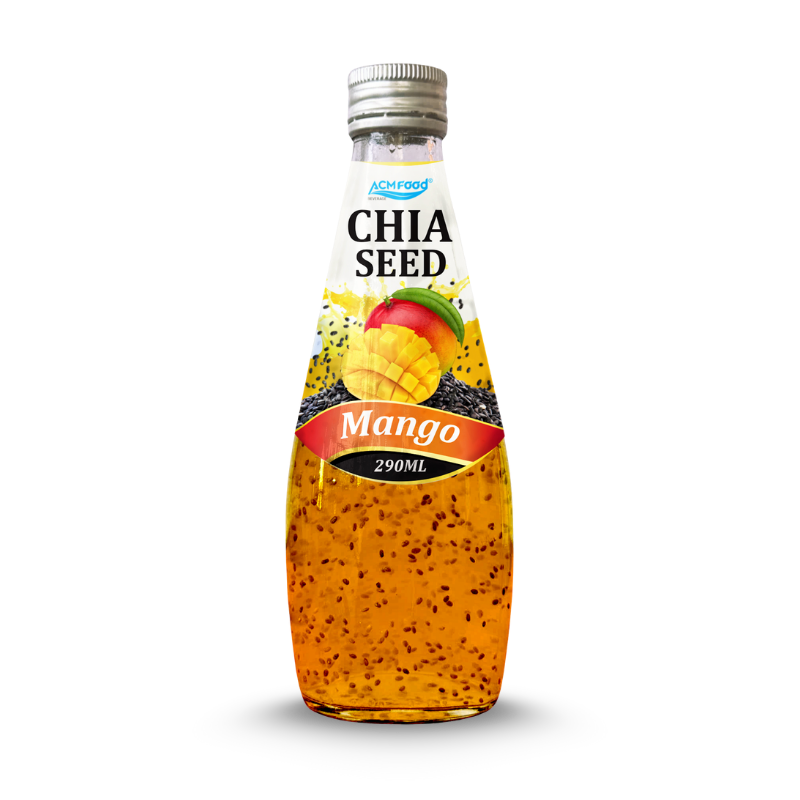
Transparent PET bottles are particularly popular because they allow consumers to see the coconut pulp inside. This visual confirmation helps communicate authenticity before purchase.

The effect is surprisingly powerful.

Consumers often trust what they can see. Visible pulp serves as evidence that the beverage contains real coconut components rather than relying solely on packaging claims.

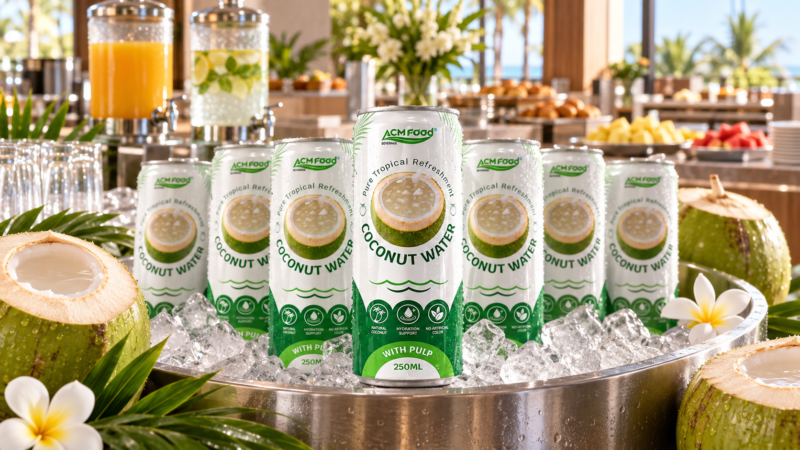
Aluminum cans can also work effectively, especially when targeting convenience channels or export markets where shelf stability and transportation efficiency are priorities.

The choice depends largely on brand positioning and distribution strategy.

Either way, the product itself provides a visual and sensory feature that many competing beverages lack.

Why sourcing matters for product quality

How coconut water with pulp creates added value for beverage brands - 2

Not all coconut water with pulp products are created equal.

The quality of raw coconuts directly affects flavor, aroma, sweetness, color, and pulp texture. This is why sourcing becomes a critical factor for beverage brands.

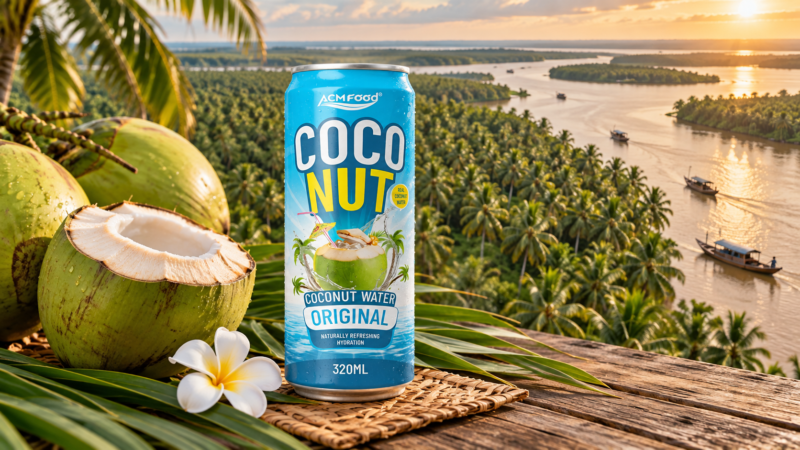
Vietnam has emerged as one of the leading origins for coconut ingredients, particularly from the Mekong Delta region. The area benefits from extensive coconut cultivation and a long history of coconut processing.

Reliable manufacturers typically control multiple stages of production, including raw material selection, processing, quality assurance, and export compliance.

For B2B buyers, evaluating a supplier should involve more than reviewing product samples.

Questions worth asking include:

What percentage of coconut water is used?

What pulp sizes are available?

Can sugar-free formulations be produced?

Which packaging formats are supported?

What certifications are available for export markets?

Can OEM, ODM, or private label services be provided?

The answers often determine whether a supplier can support long-term brand growth.

Coconut water with pulp and private label opportunities

How coconut water with pulp creates added value for beverage brands - 3

Private label beverage programs continue growing worldwide.

Retailers, distributors, and emerging beverage brands increasingly seek products that can be customized while maintaining manageable production costs.

Coconut water with pulp is particularly attractive for private label development because the category already possesses strong consumer recognition.

The challenge is not convincing consumers to try coconut beverages. The challenge is offering a version that feels distinct.

Private label brands can differentiate through packaging design, flavor selection, sweetness profiles, organic certification, or regional positioning.

Some buyers focus on clean-label formulations with no added sugar.

Others target tropical flavor innovation.

Some prioritize premium shelf appearance.

The flexibility of the category allows for multiple approaches without changing the core consumer appeal.

Looking ahead: where the market is heading

Several beverage trends suggest continued growth potential for coconut water with pulp.

Consumers are seeking products with simpler ingredients.

Interest in tropical flavors remains strong.

Textured beverages continue gaining attention in both Asian and Western markets.

Many shoppers also want beverages that feel more substantial than water but lighter than traditional juices or dairy products.

Coconut water with pulp sits comfortably between these categories.

It delivers hydration, natural fruit character, and an engaging drinking experience without requiring complicated positioning.

For beverage brands, this creates opportunities to expand product portfolios while remaining aligned with current consumer preferences.

Coconut water with pulp is more than a variation of traditional coconut water. It introduces texture, authenticity, and perceived value that can help beverage brands stand out in competitive markets.

For retailers, distributors, and private label buyers, the category offers a practical way to develop premium coconut beverages without moving too far from familiar consumer expectations.

As demand continues growing for natural ingredients, tropical flavors, and beverages with real fruit components, coconut water with pulp is well positioned to support both product innovation and commercial growth.

The brands that succeed will likely be those that combine quality sourcing, thoughtful product positioning, and a clear understanding of what modern consumers actually want from a beverage: something refreshing, recognizable, and worth choosing again.


Share this article: